Why a Furnished Goldendoodle Ear Stays Damp
If you're a Goldendoodle parent, you know the struggle: that persistent dampness inside your furry friend's ears, sometimes accompanied by a less-than-pleasant odor, or even worse, constant scratching. It's frustrating when you try your best to keep them clean, yet those ears just seem to attract and hold moisture, leaving you worried about impending infections. This guide dives deep into why your furnished Goldendoodle's ears are prone to dampness and what you can do to finally get ahead of the problem.
Understanding the Goldendoodle's Furnished Ear
The Goldendoodle, a charming blend of Golden Retriever and Poodle, often inherits some of the less glamorous, but equally significant, traits from both sides. One of the most common and often challenging characteristics is the "furnished" ear, largely due to their Poodle lineage. This isn't just about cute floppy ears; it's about the very structure and hair growth within that ear that creates a perfect storm for dampness.
The Anatomy of a Furnished Ear Canal
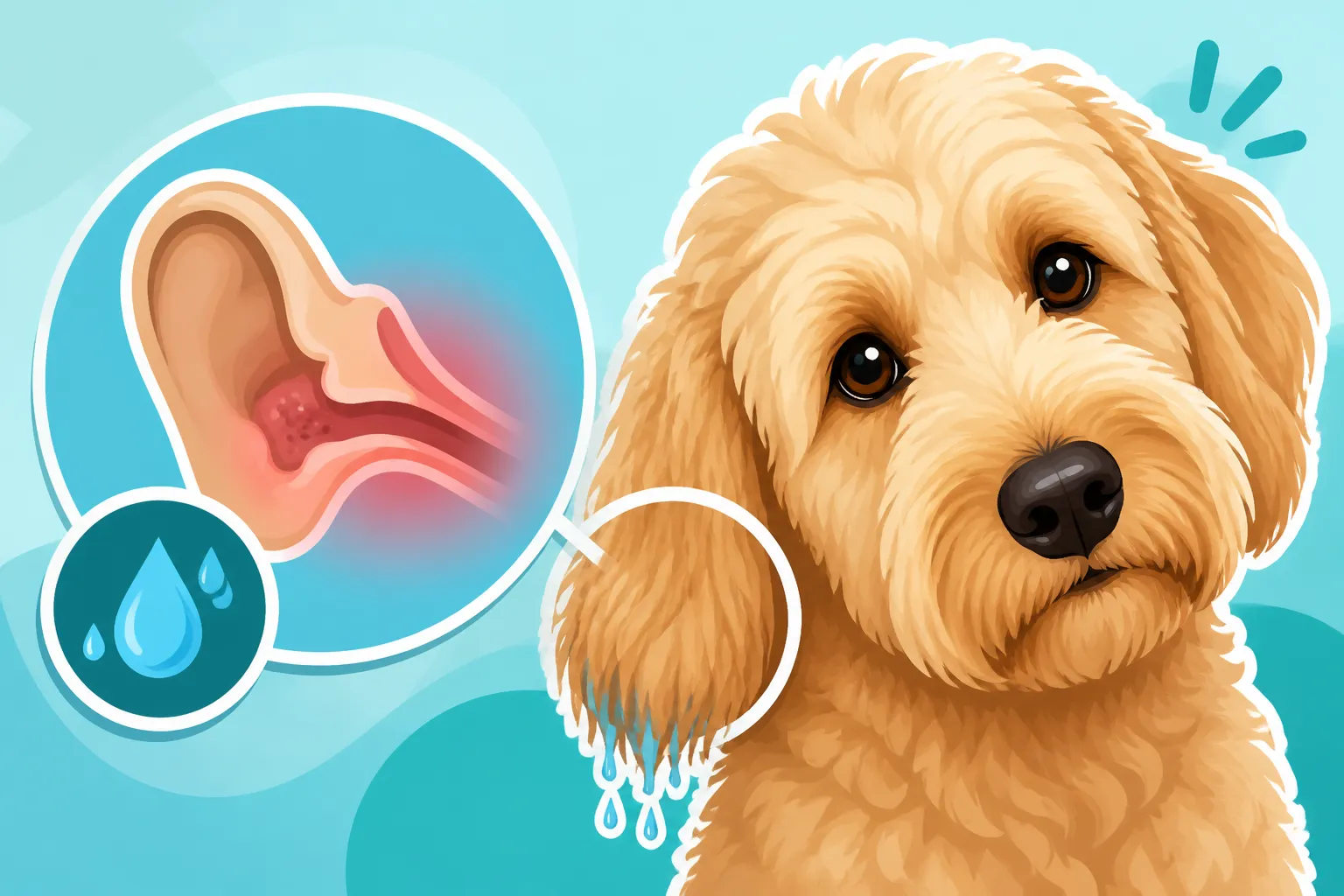
To truly grasp why your Goldendoodle’s ears are constantly damp, we need to talk a little bit about their unique anatomy. Unlike many other breeds with upright or semi-prick ears, Goldendoodles overwhelmingly sport pendulous, or "drop," ears. This means the ear flap hangs down, covering the opening of the ear canal like a curtain. If you gently lift your Goldendoodle’s ear, you’ll see the entrance to their L-shaped ear canal. This L-shape is significant because it's not a straight shot to the eardrum; rather, it takes a turn, creating a natural pocket where debris, wax, and crucially, moisture can easily get trapped.
This pendulous design, combined with the intricate bends of the ear canal, dramatically reduces airflow. Imagine trying to dry something in a dark, humid cave with very little breeze – that's essentially the environment inside your Goldendoodle's ear. This lack of ventilation means any moisture that enters, whether from bathing, swimming, or even just humidity in the air, takes a very long time to evaporate naturally. It's a stark contrast to breeds with upright ears, where air circulates freely, helping everything dry out quickly. This anatomical predisposition sets the stage for a persistently damp environment.
Why the Drop Ear Traps Moisture
The drop ear, while adorable, acts like a natural seal, effectively trapping any moisture that enters the canal. Think of it as having a blanket over your ears; it keeps things warm and cozy, but it also locks in any dampness. When your Goldendoodle takes a joyful swim in the lake, has a good splash in their water bowl, or even just gets a little too enthusiastic during bath time, water can easily trickle into that covered ear canal.
Once that water is in, the natural lack of ventilation due to the ear flap means it doesn't evaporate quickly. It just sits there, creating a moist, warm environment. This isn't just annoying; it's the ideal breeding ground for bacteria and yeast, which absolutely thrive in such conditions. That dampness becomes a constant invitation for microbial overgrowth, which is often the precursor to those painful, smelly ear infections we Goldendoodle parents dread. It's a vicious cycle that requires proactive intervention to break.
The Role of Hair in a Goldendoodle's Ear Environment
Beyond the anatomical structure of the ear itself, the Goldendoodle's signature coat, particularly the "furnishings" that give them their fluffy faces and expressive eyebrows, plays a massive role in ear dampness. This isn't just about the hair outside the ear; it's also about the dense growth inside the ear canal.
Hair Growth Inside the Ear Canal
Many Goldendoodles inherit a trait from their Poodle side that causes hair to grow not just on the outside of their ears, but deep inside the ear canal itself. This isn't just a few stray strands; it can be a surprisingly thick, dense mat of soft, fine hair lining the inner ear. If you've ever had to deal with Hair Growing Inside a Goldendoodle Ear Canal, you know exactly what I'm talking about. This internal hair acts like a sponge and a barrier all at once. It readily absorbs and holds onto moisture, preventing it from drying out.
Furthermore, this dense hair acts as a physical obstruction to airflow. Even the minimal air circulation that might otherwise reach the deeper parts of the L-shaped canal is blocked by this furry curtain. It also traps ear wax, debris, and any foreign particles, making it incredibly difficult for the ear's natural self-cleaning mechanisms to function properly. All these factors combined create a consistently warm, dark, and damp microclimate where yeast and bacteria can multiply rapidly, leading to discomfort and recurrent infections.
How External Ear Hair Contributes to Dampness
It's not just the hair inside the ear that causes trouble; the abundant, often curly or wavy hair on the outside of the ear flap also contributes significantly to the damp problem. Goldendoodles are known for their luxurious, flowing ear furnishings, which are beautiful but can be surprisingly problematic. This long, thick hair further reduces airflow to the ear canal opening.
Imagine trying to air out a damp towel that's covered by another heavy, fluffy towel – it's just not going to dry efficiently. The external ear hair functions similarly, essentially creating an additional layer of insulation and obstruction over the ear canal. This means that even if the internal canal is relatively clear, the external hair can still keep the area around the ear opening warm and moist, perpetuating the damp environment. It also easily wicks up water when your dog drinks or runs through wet grass, depositing that moisture right at the entrance of the ear canal, making it a constant battle to keep those ears dry and healthy. This thick external hair is also a prime area for mats, which can pull and irritate the ear, making the dog scratch more and potentially causing further issues.
Daily Habits and Environmental Factors Increasing Dampness
Beyond genetics and coat type, our Goldendoodles’ daily lives and the environments they inhabit play a huge role in how damp their ears become. Sometimes, it’s the very activities they love that put their ears at risk.
The Joys of Swimming and Water Play
Goldendoodles, with their Golden Retriever heritage, often adore water. A day at the beach, a dip in the pool, splashing in a shallow creek – these are often highlights for them. However, for a Goldendoodle with furnished drop ears, every water adventure comes with a hidden risk: prolonged ear dampness. When water enters their ear canals, as it inevitably does during swimming or vigorous water play, it gets trapped by the ear flap and internal hair, creating that perfect breeding ground for infection.
It’s not just big swimming excursions either. Even a quick drink from a full water bowl can leave water on their ear flaps and around the ear opening, which then wicks into the canal. I've seen countless Goldendoodles come home from a fun day out, looking absolutely blissful, only for their owners to discover later that familiar musty smell emanating from their ears. The pure joy your Goldendoodle experiences in the water is undeniable, but it means you need to be extra vigilant about ear care afterward. Think of it as a mandatory post-swim ear-drying routine, every single time. Without it, you're practically setting the stage for Yeast in a Goldendoodle Ear After Swimming or bacterial infections.
Humid Climates and Their Impact
Living in a humid climate, whether it’s the muggy summers of the East Coast or the perpetually damp Pacific Northwest, can exacerbate the Goldendoodle ear dampness problem significantly. Even if your dog isn't actively swimming, the ambient moisture in the air can settle in and around their ears. This atmospheric humidity slows down the natural drying process, making it much harder for any residual moisture in the ear canal to evaporate.
Imagine trying to dry laundry on a humid day versus a dry, breezy day; the difference is dramatic. The same principle applies to your Goldendoodle’s ears. In high humidity, the air around their ears is already saturated with moisture, meaning it can't absorb much more from inside the ear canal. This constant, low-level dampness creates an environment that's perpetually on the brink of overgrowth for yeast and bacteria. For Goldendoodle owners in these regions, ear care becomes an almost daily battle, demanding consistent attention to prevent minor dampness from escalating into full-blown issues. The frustration is real when you feel like you're fighting the weather itself to keep your dog comfortable.
Preventing and Managing Damp Goldendoodle Ears
Knowing why your Goldendoodle's ears stay damp is half the battle; the other half is implementing effective strategies to keep them dry and healthy. This often requires a consistent, proactive approach that combines regular cleaning with strategic grooming.
Regular Cleaning and Drying Routines
The cornerstone of managing damp Goldendoodle ears is a consistent cleaning and drying routine. After any exposure to water – be it a bath, a swim, or even just a particularly dewy morning walk – it's crucial to thoroughly dry the inside of their ear flaps and the entrance to the ear canal. You can use soft cotton balls or a clean, dry cloth. Gently blot, don't rub, to absorb as much moisture as possible.
Beyond just drying, a weekly ear cleaning with a veterinarian-approved solution is highly recommended. Products like Zymox or Epi-Otic are often suggested, but always confirm with your vet which Ear Cleaner Solutions Safe for a Goldendoodle they recommend. When cleaning, apply the solution, gently massage the base of the ear for 30 seconds to break up debris, and then let your Goldendoodle shake their head. After they shake, wipe away any loosened gunk and solution with cotton balls. This routine not only helps remove moisture but also cleans out wax and debris, preventing buildup that can trap even more dampness. Consistent, gentle care is key here to avoid irritation and keep those ears healthy.
Strategic Grooming for Better Airflow
Grooming plays a monumental role in keeping Goldendoodle ears dry and healthy. Because excessive hair is a major contributor to dampness and lack of airflow, strategic grooming can make a world of difference. This involves two main areas: trimming the external ear flap hair and managing the internal ear canal hair.
For the external ear, ask your groomer to trim the hair on the underside of the ear flap quite short. This simple step can dramatically improve air circulation to the opening of the ear canal. Many Goldendoodle owners opt for a "sanitary trim" around the ear canal entrance, creating a small, clear area that allows for much better ventilation.
When it comes to the hair inside the ear canal, there's a bit more debate. Some owners and groomers advocate for plucking this hair, while others prefer regular trimming or leaving it alone. If you decide to pluck, it should always be done by a professional groomer or vet, as improper plucking can cause micro-traumas that lead to infection. However, many vets now advise against routine plucking, suggesting that it can inflame the hair follicles and increase the risk of infection. Instead, some recommend very carefully trimming the hair at the entrance of the canal with blunt-nosed scissors, or using a very fine, gentle ear powder that helps to dry the hair and make it less conducive to moisture. Regularly discussing your Goldendoodle's ear hair management with your vet or a knowledgeable groomer, especially if your dog is prone to Goldendoodle Ear Infections That Return Every Month, is crucial. This proactive approach, coupled with careful home maintenance, is often the secret weapon in keeping those beautiful, furnished ears happy and healthy. Remember, a professional Goldendoodle groom can easily cost The $80 to $150 Goldendoodle Groom, so communicate clearly about ear care preferences.
| Ear Care Strategy | Description | Pros | Cons | Recommended Frequency |
|---|---|---|---|---|
| Post-Water Drying | Gently blotting ear canal and inner flap with cotton/cloth after swimming, bathing, or wet play. | Immediate moisture removal, simple, prevents initial dampness. | Requires vigilance, easy to miss spots. | Immediately after exposure |
| Weekly Cleaning | Using vet-approved ear cleaner, massaging, and wiping out debris. | Removes wax, dirt, and helps maintain a healthy pH balance. | Can be messy, requires compliance from your dog, improper technique can push debris deeper. | 1-2 times per week (or as vet advises) |
| Sanitary Trim/Shave | Groomer trimming hair on the underside of the ear flap and around the canal entrance. | Improves airflow significantly, reduces moisture wicking. | Requires professional groomer, can grow back quickly. | Every 4-8 weeks (with regular grooming) |
| Internal Hair Plucking | Professional removal of hair from inside the ear canal (controversial). | Maximizes airflow within the canal, can prevent matting. | Can cause irritation, pain, increase infection risk, may not be necessary for all Goldendoodles. | As advised by vet/groomer (if at all) |
| Vet Check-ups | Regular examinations by a veterinarian, especially if signs of infection are present. | Detects issues early, provides targeted treatment, peace of mind. | Costs associated with visits, may involve sedated cleaning. | Annually, or immediately if issues arise |
When to Seek Veterinary Help for Damp Ears
Despite your best efforts with cleaning and grooming, Goldendoodle ears can still be tricky. It's incredibly important to know when dampness has escalated beyond a home care issue and requires professional veterinary attention. Ignoring the signs can lead to painful, chronic infections that are much harder to treat. Pet insurance, like Healthy Paws, can be a lifesaver for managing these unexpected vet costs.
Recognizing Signs of Infection
A damp Goldendoodle ear is perpetually on the brink of infection, and recognizing the early warning signs can prevent significant discomfort for your dog. Beyond just dampness, look out for a change in odor; healthy ears should have very little smell, but a yeasty, sweet, or foul smell is a red flag. You might also notice your Goldendoodle scratching at their ears more frequently, rubbing their head against furniture, or shaking their head excessively. If you gently lift their ear flap, inspect the skin inside the canal opening. Redness, swelling, or crustiness are all indicators of inflammation.
Perhaps the most obvious sign is discharge. While a small amount of dark wax is normal, green, yellow, or dark, coffee-ground-like discharge that is excessive or smells bad is a clear sign of an active infection. Your Goldendoodle might also whine or pull away when you try to touch their ear, indicating pain. These signs should never be ignored, as they point to an underlying issue that needs medical intervention. Many Goldendoodle owners find that dealing with Goldendoodle ear infections and chronic infection is a recurring challenge, highlighting the need for vigilance.
The Importance of Timely Professional Intervention
If you observe any of the aforementioned signs of ear infection, it's absolutely critical to seek veterinary care promptly. Delaying treatment not only prolongs your Goldendoodle's discomfort but also allows the infection to deepen, potentially leading to more severe and harder-to-treat conditions, like a ruptured eardrum or chronic issues that spread to the middle or inner ear. Your vet will perform a thorough examination, often using an otoscope to look deep into the ear canal, and may take a swab to analyze for bacteria, yeast, or mites under a microscope.
Based on the diagnosis, your vet will prescribe appropriate medication, which could include topical ear drops (antibacterial, antifungal, or anti-inflammatory), oral antibiotics, or even steroids. They might also suggest professional ear cleaning under sedation in severe cases. Early intervention is key to effective treatment and preventing recurrence. Remember, a healthy ear canal is crucial for your Goldendoodle's overall well-being and happiness. Having a robust pet insurance plan, such as one from Healthy Paws, can provide immense peace of mind, knowing that costly treatments for recurrent ear infections or more serious conditions are financially manageable. Investing in regular check-ups and being proactive about any ear concerns means a happier, healthier Goldendoodle for years to come.
Disclaimer
The information provided in this article is for general informational purposes only and is not a substitute for professional veterinary advice. Always consult with a qualified veterinarian for any health concerns or before making any decisions related to your Goldendoodle's health and care.