Goldendoodle Ear Hematomas From Head Shaking
It’s truly disheartening to see your happy-go-lucky Goldendoodle suddenly shaking their head frantically, pawing at their ear, and then discover a strange, puffy lump on their ear flap. This alarming swelling, often caused by vigorous head shaking, is likely an aural hematoma, and it's a common, painful issue for our beloved Doodles that requires prompt attention to prevent long-term complications. This guide will walk you through everything you need to know about Goldendoodle ear hematomas, from understanding why they happen to effective treatment and crucial prevention strategies.
Understanding Goldendoodle Ear Hematomas
Finding a sudden, squishy lump on your Goldendoodle's ear can be quite frightening, especially if it seems to have appeared overnight. This isn't just a bump; it's a serious and painful condition that needs veterinary care. Let's dig into what's happening inside that ear flap.
What Exactly is an Aural Hematoma?
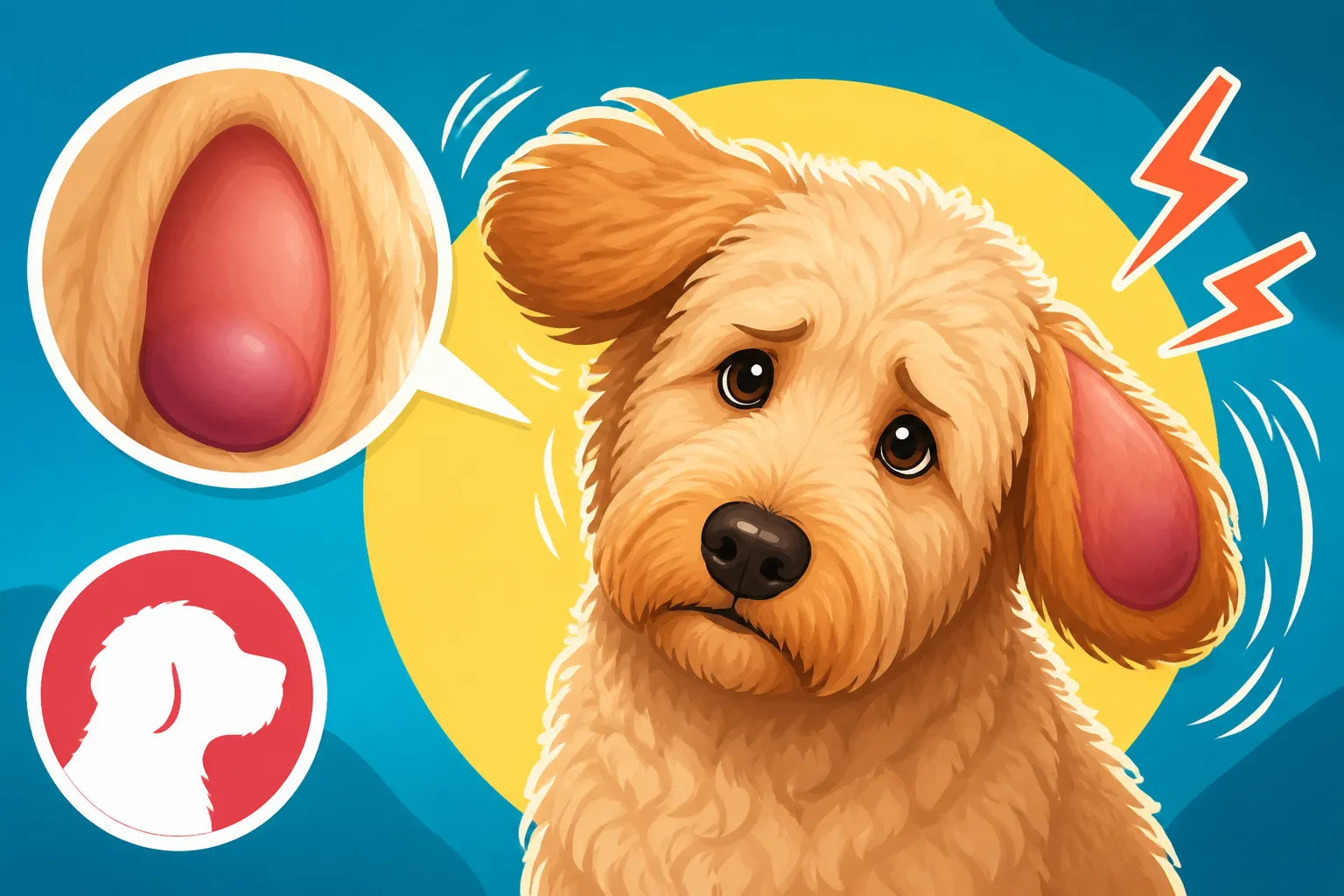
At its core, an aural hematoma is a collection of blood that pools between the cartilage and the skin layers of your dog's ear flap. Think of it like a really big, internal bruise, but instead of on your arm, it's on a delicate structure like the ear. When your Goldendoodle shakes their head with intense force – perhaps due to an annoying itch or discomfort deep within the ear canal – those rapid, violent motions can cause tiny blood vessels within the ear flap to rupture. Because the ear flap has a relatively confined space between the skin and cartilage, the blood has nowhere to go but to accumulate, forming that characteristic swollen, often warm, and painful "pillow" on the inner or outer surface of the ear. It’s not just uncomfortable; the pressure from the swelling can be excruciating for your dog. Over time, if left untreated, the blood can clot and the ear can shrivel or permanently deform, often leading to what veterinarians call a "cauliflower ear."
Why Goldendoodles are Prone to Ear Problems and Subsequent Hematomas
Goldendoodles, with their delightful floppy ears and often dense, curly furnishings, are unfortunately predisposed to a host of ear problems, making them prime candidates for developing aural hematomas. It’s a bit of a perfect storm, really. First, the very structure of their ear – those long, pendulous ear flaps – covers the ear canal, trapping warmth and humidity inside. This creates a wonderfully damp, dark environment that is simply irresistible to yeast and bacteria, setting the stage for chronic ear infections. You can read more about why this happens in our article on Goldendoodle Ear Infections Under a Furnished Ear.
Beyond the ear shape, many Goldendoodles have an abundance of hair growing inside their ear canals. This hair acts like a magnet for debris, wax, and moisture, further contributing to a blocked and humid environment. It makes proper airflow almost impossible and makes cleaning the ear incredibly difficult for owners. When an infection or irritation takes hold, perhaps from trapped water after a swim or even an allergic reaction, your Goldendoodle's natural response is to shake their head or scratch at the ear to relieve the discomfort. This is where the danger of a hematoma comes in. The more they shake and scratch, the higher the risk of those delicate blood vessels bursting, leading to that tell-tale swelling. It’s a vicious cycle that many Goldendoodle owners, myself included, have faced more than once. The underlying ear issue is always the primary driver here; the hematoma is a secondary consequence of the agitation.
Recognizing the Signs and Getting a Diagnosis
Spotting an ear hematoma isn't usually subtle, but knowing exactly what to look for can help you act quickly and get your Goldendoodle the relief they need.
Visual and Behavioral Clues of an Ear Hematoma
The most obvious sign of an aural hematoma is the visible swelling of the ear flap. It can range from a small, soft lump to a firm, grapefruit-sized bulge that distorts the entire ear. Typically, it feels squishy or fluid-filled to the touch, like a water balloon under the skin, and might be warm. The swelling can be on the inside (concave) or outside (convex) surface of the ear flap, sometimes affecting both sides if the trauma was severe. Beyond the visual, your Goldendoodle will likely be showing clear signs of discomfort and pain. They might hold their head tilted to one side, favoring the affected ear, or repeatedly shake their head in an attempt to alleviate the pressure, which unfortunately only exacerbates the problem. You might also notice them frantically scratching at the ear with a back paw, sometimes even rubbing it against furniture or the ground.
Other behavioral changes could include:
- Whining or crying when the ear is touched.
- Reluctance to be petted around the head.
- Lethargy or a general lack of enthusiasm.
- Foul odor coming from the ear (a sign of an underlying infection).
- Redness or discharge visible in the ear canal if there's an accompanying infection.
If you observe any of these symptoms, especially the swelling, it's critical to contact your veterinarian right away. Waiting can lead to increased pain for your dog and more complicated treatment down the line.
The Veterinary Diagnostic Process
When you bring your Goldendoodle to the vet with a suspected ear hematoma, the diagnostic process is usually straightforward. The veterinarian will start with a thorough physical examination, paying close attention to the affected ear and the surrounding areas. They'll gently palpate the swollen ear flap to assess its size, consistency, and tenderness. They’ll also carefully examine the ear canal using an otoscope to look for any underlying causes such as an ear infection, foreign bodies (like grass awns), or severe allergic inflammation. It’s not uncommon to find a nasty infection brewing, which would have been the primary reason for the intense head shaking.
In most cases, the visual appearance and palpation are enough to diagnose an aural hematoma. However, the vet might also:
- Perform an ear cytology: This involves taking a swab of any discharge from the ear canal and examining it under a microscope to identify yeast, bacteria, or mites. This is crucial for determining the type of infection and guiding treatment for the root cause.
- Draw a sample from the hematoma: While less common for diagnosis, sometimes a vet might use a needle to draw a small amount of fluid from the swelling. This confirms it's blood and can help rule out other, less common conditions like abscesses or cysts, though these are typically not as squishy or widespread in the ear flap.
- Check for allergies: If chronic ear infections are suspected, your vet might discuss further investigations into allergies, which are a major culprit for recurrent ear issues in Goldendoodles. Our article on Goldendoodle Allergies and Itchy Skin delves deeper into this common problem.
The primary goal of the diagnosis is not just to confirm the hematoma, but to identify and address the reason your Goldendoodle was shaking their head so violently in the first place. Without treating the underlying cause, the hematoma is likely to return, even after successful treatment.
Treatment Options for Goldendoodle Ear Hematomas
Once an ear hematoma is diagnosed, your vet will discuss the best course of action. It's important to understand that while a hematoma won't typically kill your dog, it's incredibly painful and can lead to permanent disfigurement if left untreated.
Surgical Interventions
For most moderate to severe Goldendoodle ear hematomas, surgical intervention is the recommended approach. This is because simply draining the blood often isn't enough; the space between the skin and cartilage quickly refills, as the underlying cause of the blood vessel rupture (the head shaking) isn't fully resolved, and the layers separate again.
Common surgical techniques include:
- Incision and Drainage with Suturing: This is the most prevalent method. The vet will make an incision on the inside surface of the ear flap to drain the accumulated blood. Once drained, numerous sutures (stitches) are placed through the ear flap, from one side to the other, often in a quilted pattern. These sutures serve a crucial purpose: they re-attach the skin to the cartilage, eliminating the pocket where blood can collect again, and they help reduce dead space for fluid accumulation. The sutures also promote scar tissue formation, which eventually binds the layers together permanently. These sutures usually stay in for 2-3 weeks.
- Placement of a Surgical Drain: Sometimes, a small rubber drain might be inserted into the hematoma pocket to allow continuous drainage of any remaining fluid. This is less common for larger hematomas as it doesn't always prevent refilling as effectively as quilting sutures.
- Teat Cannula or Catheter Placement: For smaller hematomas, a vet might insert a small, flexible tube (like a teat cannula used in cows, or a small catheter) into the hematoma and secure it with sutures. This allows for repeated drainage by the owner or vet over several days, keeping the pocket empty. This is often done in conjunction with medical management and is less invasive than a full surgical incision.
After surgery, your Goldendoodle will likely go home with an Elizabethan collar (the "cone of shame") to prevent them from scratching or damaging the surgical site. Pain medication and antibiotics will also be prescribed, especially if an underlying infection was present. The recovery period typically involves regular cleaning of the ear and monitoring the sutures. It’s definitely a commitment, but it’s often the most effective way to ensure a good outcome and prevent recurrence.
Non-Surgical Management and When It's Appropriate
While surgery is often the gold standard, there are situations where non-surgical management might be considered, particularly for very small or early-stage hematomas, or for dogs who are not good surgical candidates due to other health issues.
Non-surgical approaches can include:
- Needle Aspiration: The vet uses a needle and syringe to drain the blood from the hematoma. The problem, as mentioned, is that the space often refills rapidly because the blood vessels continue to leak, and the ear layers remain separated. This method typically has a high recurrence rate if done alone, and often requires repeated aspirations every few days.
- Corticosteroid Injections: In some cases, after aspiration, corticosteroids might be injected into the now-empty pocket to reduce inflammation and scarring. This approach also has variable success and is usually considered an alternative for small, non-painful hematomas or when surgery is truly not an option.
- Conservative Management: For extremely tiny, non-painful hematomas, a vet might recommend simply monitoring the situation, applying cold compresses initially to reduce swelling, and then warm compresses to encourage absorption. However, this carries a higher risk of permanent ear deformity (cauliflower ear) and prolonged discomfort for your dog, as the blood will eventually clot and scar down.
The decision for non-surgical management must be made carefully with your vet, weighing the risks and benefits. It’s crucial to remember that treating the underlying cause of the head shaking is paramount, regardless of the hematoma treatment method. If you're concerned about unexpected vet bills, exploring options like pet insurance from providers like Healthy Paws can provide peace of mind for situations like these. Our guide on Goldendoodle Pet Insurance for a Dog With No Breed Papers offers insights into how such policies can help manage costs for conditions like ear hematomas and their underlying causes.
Addressing the Root Cause: Preventing Recurrence
This is arguably the most critical step in managing Goldendoodle ear hematomas. Without identifying and treating why your Goldendoodle was shaking their head so much in the first place, the hematoma is almost guaranteed to return, sometimes even worse than before. It's an ongoing frustration for many Goldendoodle owners, as they might feel like they're constantly battling ear issues.
The most common underlying causes include:
- Ear Infections: Bacterial, yeast, or mixed infections are the primary culprits. After the hematoma is addressed, your vet will prescribe appropriate ear drops or oral medications based on the ear cytology results. It's vital to complete the full course of medication, even if the ear looks better, to prevent a relapse. You might find our article on Goldendoodle Ear Infections That Return Every Month particularly helpful for understanding chronic issues.
- Allergies: Environmental allergies (pollen, dust mites) or food allergies can manifest as itchy skin and ears. If allergies are suspected, your vet might recommend a food elimination trial, allergy testing, or daily allergy medication to manage the itchiness and reduce the likelihood of your Goldendoodle scratching and shaking.
- Ear Mites: While more common in puppies, ear mites can cause intense itching and head shaking in dogs of any age. These are easily diagnosed with an ear swab and treated with specific medications.
- Foreign Bodies: Grass awns, small burrs, or other debris can get lodged deep in the ear canal, causing severe irritation. These often require sedation to remove safely.
Your vet will work with you to devise a comprehensive plan to tackle the root cause. This might involve regular ear cleaning with specific solutions, dietary changes, or long-term medication. Prevention isn’t just about treating the hematoma; it’s about breaking the cycle of irritation, itching, and head shaking that leads to it.
Proactive Prevention and Long-Term Ear Health
Preventing an ear hematoma is always better than treating one. For Goldendoodles, with their predisposed ear structure, this means establishing a consistent and effective ear care routine.
Daily Ear Care Routines for Goldendoodles
Because Goldendoodles have those wonderful floppy, furnished ears, proactive daily care is paramount to preventing the conditions that lead to hematomas. It’s not just about cleaning when you see a problem; it’s about prevention.
Here’s what a good routine looks like:
- Daily Visual Inspection: Get into the habit of gently lifting your Goldendoodle’s ear flaps once a day. Look for any redness, swelling, discharge (especially dark, waxy, or pus-like), or unusual odors. Catching issues early can prevent them from escalating.
- Regular Cleaning: Depending on your Goldendoodle's activity level and ear wax production, you might need to clean their ears anywhere from once a week to every few days. Use a veterinary-approved ear cleaner that helps break down wax and dry the ear canal. Gently lift the ear flap, fill the canal with cleaner (don't worry, it won't hurt!), massage the base of the ear for 20-30 seconds to work the cleaner around, then let your Goldendoodle shake their head. Finally, wipe the visible parts of the ear with a cotton ball or gauze. Never use Q-tips in the ear canal, as you can push debris deeper or cause damage. Our guide on Cleaning a Goldendoodle Ear Before It Gets Infected provides a step-by-step tutorial.
- Thorough Drying After Water Exposure: This is HUGE for Goldendoodles. After baths, swimming, or playing in the rain, ensure their ears are completely dry. Use cotton balls or soft towels to gently absorb moisture from the visible ear canal. An ear dryer specifically for dogs, on a low, cool setting, can also be helpful. Trapped moisture is a breeding ground for infections.
- Managing Ear Hair: Many Goldendoodles have hair that grows deep inside the ear canal. This hair can trap moisture, wax, and debris, leading to infections. Discuss with your groomer or vet whether plucking this hair is appropriate for your dog. Some dogs tolerate it well, while others find it painful and it can sometimes cause more inflammation. Trimming the hair around the opening of the ear canal is usually beneficial for all Goldendoodles to improve airflow. Regularly scheduled professional grooming, which includes ear care, is a non-negotiable part of Goldendoodle ownership. Our article on The $80 to $150 Goldendoodle Groom explains what you can expect from these essential appointments.
Consistency is key here. Make ear care a positive experience with treats and praise, so your Goldendoodle associates it with good things, making the process easier for both of you.
Managing Allergies and Other Underlying Conditions
As we’ve discussed, ear hematomas are almost always a symptom of an underlying problem. If your Goldendoodle experiences recurrent ear infections or skin irritation that leads to head shaking, managing these conditions effectively is your best defense against future hematomas.
- Veterinary Consultations for Chronic Issues: Don't just treat the symptoms. If your Goldendoodle has repeated ear infections, work closely with your veterinarian to get to the bottom of it. This might involve comprehensive allergy testing, such as intradermal skin testing or blood tests, to identify specific environmental triggers.
- Dietary Management: For suspected food allergies, a strict elimination diet trial under veterinary guidance is often the most effective diagnostic tool. This involves feeding a novel protein or hydrolyzed protein diet for 8-12 weeks and carefully reintroducing ingredients to pinpoint the culprits. Switching to a high-quality, balanced diet can also support overall skin and coat health, which impacts ear health.
- Medication and Immunotherapy: For environmental allergies, your vet might prescribe medications like Apoquel or Cytopoint to control itching, or recommend allergy immunotherapy (allergy shots or oral drops), which works to desensitize your Goldendoodle to specific allergens over time.
- Environmental Controls: If your Goldendoodle is allergic to dust mites or pollen, simple measures can help. This includes frequent vacuuming, washing bedding weekly in hot water, using air purifiers, and wiping down your dog's paws and coat after outdoor excursions to remove pollen.
- Regular Check-ups: Ensure your Goldendoodle receives regular veterinary check-ups, especially if they have a history of ear problems. Your vet can spot early signs of inflammation or infection before they escalate to severe discomfort and head shaking.
By diligently addressing the root causes of ear irritation, you're not only improving your Goldendoodle's comfort and quality of life but also significantly reducing their risk of developing painful and expensive-to-treat ear hematomas. Planning for these costs is part of responsible Goldendoodle ownership, and pet insurance can really help. Our post on Whether Goldendoodle Insurance Covers Ear Infections could provide useful information as you budget for your dog's care.
| Treatment Type | Description | Pros | Cons | Recovery Time | Potential Recurrence | Cost (General Range) |
|---|---|---|---|---|---|---|
| Surgical (Incision & Sutures) | Incision, drainage, and quilting sutures to reattach skin to cartilage. | High success rate, low recurrence, typically resolves problem permanently. | Invasive, requires anesthesia, E-collar needed, post-op care. | 2-4 weeks with sutures, full healing longer. | Low, especially if underlying cause is treated. | $800 – $2,500+ |
| Surgical (Teat Cannula/Drain) | Small tube inserted for continuous or intermittent drainage. | Less invasive than full sutures, allows owner drainage. | Moderate success, drain can fall out, still requires E-collar. | 1-2 weeks with drain, then monitor. | Moderate, may still refill. | $500 – $1,200 |
| Non-Surgical (Needle Aspiration) | Blood drained with a needle and syringe. | Least invasive, no anesthesia needed. | High recurrence rate, often needs repeated procedures. | Immediate, but refills quickly. | High if done without other intervention. | $100 – $300 per aspiration |
| Non-Surgical (Conservative) | Monitoring, cold/warm compresses, pain meds. | No intervention, no anesthesia. | High risk of permanent ear deformity, prolonged pain, very slow resolution. | Months to resolve, if at all. | High. | Minimal vet visits, medication cost. |
Disclaimer
This article is for general informational purposes only and does not constitute professional advice. Laws, prices and regulations vary by location and change over time. Consult a qualified professional for guidance on your specific situation.