Goldendoodle Hair Loss Traced to the Thyroid
It's incredibly frustrating, worrying even, when you notice your beloved Goldendoodle losing their beautiful, often signature, coat. You brush, you groom, you feed them well, and still, those bare patches or thinning areas appear, leaving you wondering if it's just normal shedding, a tricky mat, or something much more concerning. This comprehensive guide will walk you through why hair loss in Goldendoodles can sometimes be traced directly back to their thyroid, how to recognize the specific signs, what diagnostic steps your vet will take, and how this common condition is managed to get your furry friend feeling and looking their best again.
Understanding Hypothyroidism in Goldendoodles
Hair loss in dogs can stem from a myriad of causes, from allergies to parasites, but for many Goldendoodle owners, the culprit lurking beneath the surface is a condition called hypothyroidism. It's a tricky one to spot sometimes because the signs can be so subtle and overlap with other issues, making early detection a real challenge. But understanding the basics of this condition is the first step toward getting your Goldendoodle the help they need.
The Role of the Thyroid Gland
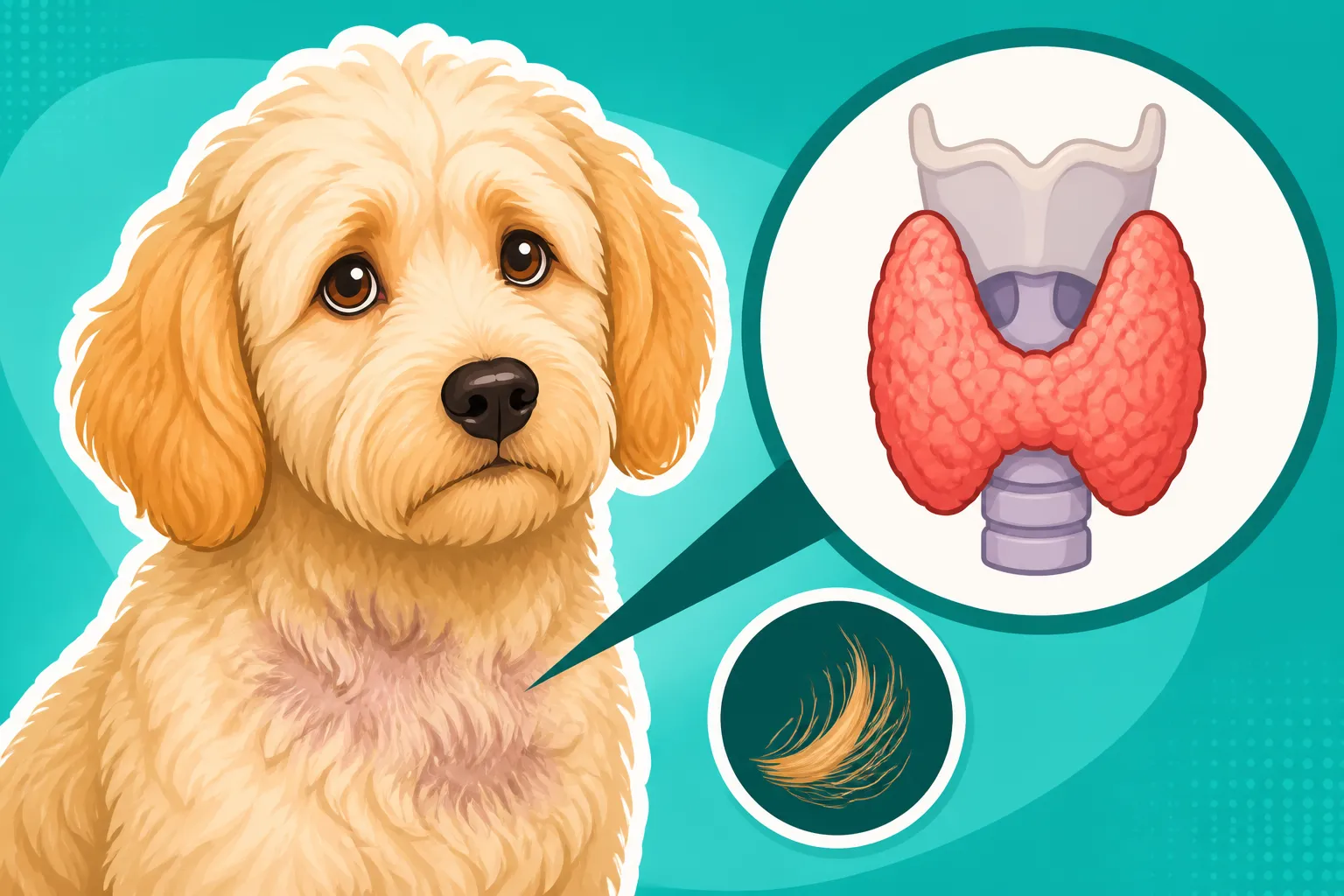
Deep in your dog's neck, near the trachea, lie two small but mighty glands: the thyroid. These butterfly-shaped powerhouses produce hormones—primarily thyroxine (T4) and triiodothyronine (T3)—that regulate nearly every metabolic process in the body. Think of them as the orchestrators of your dog's internal rhythm. These hormones influence heart rate, body temperature, energy levels, weight, and, yes, even the health and growth cycle of their magnificent coat. When the thyroid gland isn't producing enough of these vital hormones, the entire system can go awry, leading to a cascade of problems collectively known as hypothyroidism. It’s not just about looking good; it's about overall well-being.
Why Goldendoodles Are Prone to Thyroid Issues
While any dog breed can develop hypothyroidism, Goldendoodles, being a mix of Golden Retrievers and Poodles, inherit a predisposition from both sides of their family tree. Golden Retrievers are known to have a higher incidence of thyroid disease, with studies suggesting that a significant percentage of the breed can be affected. Poodles, too, carry their own genetic predispositions to various autoimmune conditions, and hypothyroidism is often an autoimmune disease where the dog's immune system mistakenly attacks its own thyroid gland. This genetic confluence means that Goldendoodles often carry a double risk. It’s not a guarantee they’ll get it, but it certainly places them in a higher risk category, making it crucial for owners and veterinarians to be vigilant, especially when other symptoms begin to appear. If you're looking into what a Goldendoodle inherits from each parent breed, you'll see how various health predispositions combine.
Beyond "Just Shedding": Recognizing the Early Signs
It's easy to dismiss a bit of extra hair on the sofa as just a particularly heavy shedding season, especially with a Goldendoodle's often abundant coat. However, with thyroid-related hair loss, there are usually other subtle clues that something more profound is happening. Beyond the obvious hair loss, you might notice your Goldendoodle becoming lethargic, seeming less enthusiastic about walks or playtime, or even sleeping more than usual. They might start gaining weight despite no changes in their diet or exercise routine, almost as if their metabolism has hit the brakes. Other less common signs include a dull or brittle coat, intolerance to cold, or even a change in their demeanor, such as increased anxiety or aggression. These aren't just isolated incidents; they're often part of a broader picture indicating that the thyroid isn't pulling its weight. This combination of signs should definitely trigger a call to your vet, even if you’re unsure if it’s Goldendoodle Hypothyroidism and Weight Gain.
The Distinctive Pattern of Goldendoodle Thyroid-Related Hair Loss
When it comes to hair loss, not all thinning is created equal. The way your Goldendoodle loses hair due to a thyroid issue often presents in a particular, almost tell-tale, pattern. Understanding these specific manifestations can help you communicate more effectively with your veterinarian and ultimately lead to a quicker diagnosis and treatment. It's not usually about huge clumps falling out all at once, but rather a more insidious, gradual change that, once you know what to look for, becomes quite apparent.
Symmetrical Thinning and Patchiness
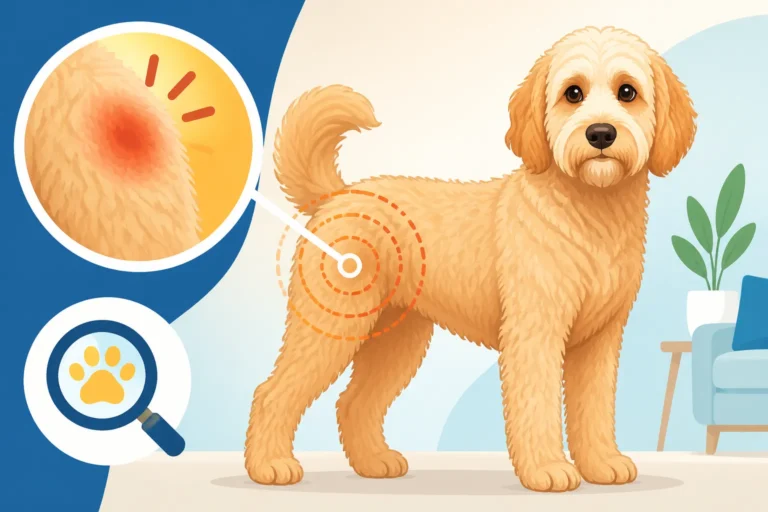
One of the most characteristic signs of hypothyroidism-related hair loss in Goldendoodles is its symmetrical nature. You'll often see the hair thinning or disappearing equally on both sides of the body. This isn't random patches from scratching, like you might see with fleas or allergies, but rather a mirrored pattern. Common areas include the flanks, the chest, the back of the hind legs, and sometimes even the belly. The hair might not fall out completely, but rather become noticeably sparser, allowing you to see more of the skin beneath. This symmetrical presentation is a strong indicator that the cause is internal and systemic, rather than a localized skin irritation or external parasite. It's almost as if the body is running low on the building blocks for hair growth evenly across the board.
The "Rat Tail" and Other Classic Presentations
Beyond symmetrical thinning, a classic sign that many owners and vets observe is what's affectionately, if a little grimly, called a "rat tail." This refers to the hair on the tail becoming very thin, coarse, or even completely bald, leaving a sparse, almost bare appearance that resembles a rat's tail. It's a startling change when you're used to a fluffy, plumed Goldendoodle tail. Other common areas include the bridge of the nose, around the eyes, or on the throat, where the hair can become very sparse or coarse. The skin in these areas might also appear dry, flaky, or even hyperpigmented (darker) over time. These specific patterns are strong indicators that you're dealing with a systemic issue like thyroid disease, rather than something superficial. They stand out from conditions like Goldendoodle Hot Spots Under a Thick Coat which are typically localized and inflamed.
Changes in Coat Quality and Texture
It’s not just about losing hair; the quality of the remaining hair and the skin itself can also undergo significant changes when hypothyroidism sets in. You might notice that your Goldendoodle's once soft, luxurious coat feels dry, brittle, or coarse to the touch. It may lose its natural luster and appear dull or faded, even if they were originally a vibrant apricot or rich chocolate. The hair might break easily, and regular brushing might yield an unusual amount of broken strands. The skin beneath can become dry, flaky, and sometimes even thickened, resembling elephant hide in severe, long-standing cases. This is often accompanied by an increase in dandruff, and a tendency for the skin to feel cold to the touch due to reduced metabolism. These changes are crucial to observe because they point towards an underlying metabolic imbalance affecting the very foundation of healthy skin and fur. This is distinctly different from Goldendoodle Skin and Coat Disease caused by external factors or infections.
Here's a quick reference table for common signs of hypothyroidism:
| Symptom Category | Specific Manifestations | Observations to Note |
|---|---|---|
| Hair & Coat | Symmetrical hair thinning/loss, "rat tail" | Areas affected (flanks, tail, chest), how quickly it developed |
| Dull, dry, brittle, coarse coat | Loss of shine, rough texture, increased breakage | |
| Increased shedding, failure to regrow hair after clipping | More hair than usual on furniture/floor, areas clipped not growing back | |
| Skin | Dry, flaky skin, dandruff | Itchiness (can be secondary), skin appears scaly, hyperpigmentation (darkening) |
| Thickened skin (myxedema) | Skin feels puffy or swollen, especially around the face (rare in mild cases) | |
| Energy & Activity | Lethargy, increased sleeping | Less interest in walks/play, slow movements, less responsive |
| Exercise intolerance | Tires easily during activity, reluctance to exert themselves | |
| Weight & Appetite | Unexplained weight gain | Gaining weight despite normal diet/exercise, looking "fluffy" (not always fat) |
| Reduced appetite (less common but possible) | Reluctance to eat, but usually accompanied by other signs | |
| Other | Intolerance to cold | Shivering indoors, seeking warm spots, reluctance to go out in cold weather |
| Slow heart rate (bradycardia) | May be detected by vet during examination | |
| Changes in temperament (anxiety, aggression) | Sudden behavioral shifts, feeling "off" |
Diagnosing Thyroid-Related Hair Loss in Your Goldendoodle
Suspecting hypothyroidism is one thing, but getting a definitive diagnosis requires a proper veterinary workup. Because so many conditions can cause hair loss and other vague symptoms, your vet will need to perform specific tests to confirm that the thyroid gland is indeed the problem. This can sometimes involve a few steps, as thyroid testing isn't always as straightforward as a simple blood count.
The Comprehensive Thyroid Panel
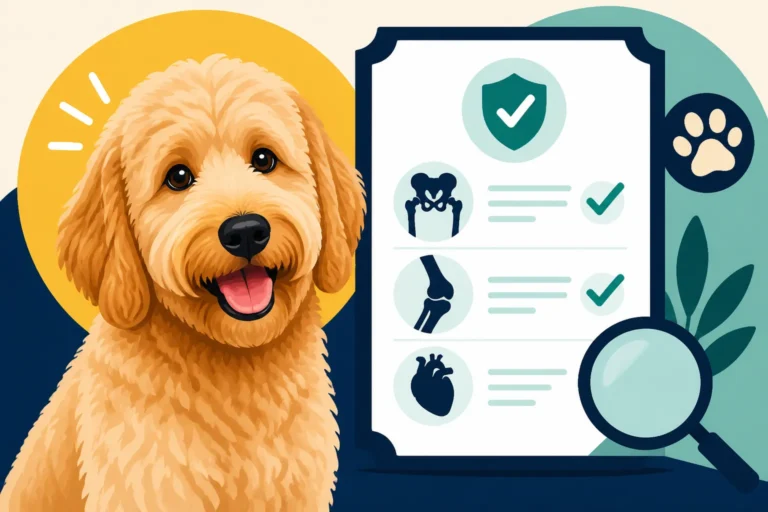
When your vet suspects thyroid issues, they won't just look at one number. They'll typically recommend a comprehensive thyroid panel. This blood test measures several different thyroid hormones and related antibodies. Key measurements include total T4 (TT4), free T4 (fT4), and thyroid-stimulating hormone (TSH). A low TT4 and fT4, coupled with a high TSH, is often a strong indicator of primary hypothyroidism, meaning the thyroid gland itself isn't producing enough hormones. The fT4 is particularly useful as it measures the biologically active, unbound form of the hormone, which can sometimes provide a clearer picture than total T4 alone. Additionally, antibody tests (like TgAA for thyroglobulin autoantibodies) might be included to see if the body's immune system is attacking the thyroid, which is a common underlying cause. It's a detailed look that helps paint a full picture of how well your Goldendoodle's thyroid is functioning. This is the gold standard for Testing a Goldendoodle Thyroid After Two Years or at any point if symptoms arise.
Ruling Out Other Causes of Hair Loss
Before landing on a hypothyroidism diagnosis, your vet will likely want to rule out other common causes of hair loss in Goldendoodles. This is crucial because many conditions can mimic the symptoms. For instance, allergies – whether environmental, flea-related, or food allergies – can cause intense itching, leading to self-trauma and hair loss, often in patchy, non-symmetrical patterns. Skin infections, such as bacterial or fungal issues, can also lead to hair loss, redness, and discomfort. Parasites like mites (think mange) are another common culprit. Your vet might perform skin scrapings, fungal cultures, or even dietary elimination trials to exclude these possibilities. They'll consider their medical history, geographical location, and lifestyle. Only once these more common and easily treatable issues are ruled out can they confidently pinpoint the thyroid as the primary problem. It's a process of elimination to ensure the correct diagnosis and effective treatment plan. If your Goldendoodle is experiencing Goldendoodle Allergies and Itchy Skin, those will need to be addressed too, as they can complicate the picture.
Interpreting Test Results and Next Steps
Once the thyroid panel results are back, your veterinarian will carefully interpret them in conjunction with your Goldendoodle's clinical signs. It's important to remember that a single low T4 reading isn't always definitive, as certain medications or other illnesses can temporarily suppress thyroid hormone levels, a condition known as "euthyroid sick syndrome." This is why a full panel, including TSH and fT4, provides a more robust diagnosis. If the results strongly indicate hypothyroidism, your vet will then discuss a treatment plan, which almost always involves lifelong medication. If results are borderline or equivocal, they might recommend retesting in a few weeks or months, or even a therapeutic trial with thyroid hormone supplementation to see if symptoms improve. This diagnostic journey can sometimes feel frustratingly slow, but ensuring accuracy prevents unnecessary medication and ensures your Goldendoodle gets the right care. Many owners consider pet insurance like Healthy Paws to cover diagnostic costs for conditions like this, as comprehensive testing can become expensive.
Managing Hypothyroidism and Restoring Coat Health
Receiving a diagnosis of hypothyroidism for your Goldendoodle might feel overwhelming, but the good news is that it’s a very manageable condition. With consistent treatment, most dogs with hypothyroidism go on to live long, happy, and healthy lives, and you’ll likely see a significant improvement in their coat and overall well-being.
Lifelong Thyroid Hormone Replacement
The cornerstone of treating hypothyroidism in Goldendoodles, and all dogs, is lifelong thyroid hormone replacement therapy. This typically involves administering a synthetic form of thyroxine, usually levothyroxine sodium, orally once or twice a day. The dosage is carefully calculated based on your dog's weight and the severity of their condition. It's incredibly important to administer this medication exactly as prescribed by your vet and never to skip doses, as consistency is key to stabilizing their metabolism. Within a few weeks to a couple of months, you should start to see remarkable improvements. Their energy levels often bounce back, their demeanor brightens, and they might even start to shed some of that extra weight they put on. Regular follow-up blood tests, usually every 6-12 months once stable, are essential to ensure the dosage remains appropriate, adjusting it as needed to keep their hormone levels within the optimal range. It’s a commitment, but one that truly transforms their quality of life. Be aware that this is different from other Thyroid Disease and a Goldendoodle Losing Coat where other forms of thyroid dysfunction might be present.
Supporting Skin and Coat During Recovery
While the thyroid medication works internally to correct the hormonal imbalance, supporting your Goldendoodle's skin and coat externally can help accelerate recovery and comfort. Their skin, which might have been dry and flaky, will slowly normalize as the thyroid hormones regulate. In the meantime, gentle, moisturizing shampoos and conditioners formulated for sensitive skin can soothe irritation and help hydrate the skin. You might also want to incorporate omega-3 fatty acid supplements into their diet, which are renowned for promoting healthy skin and a shiny coat. These supplements can reduce inflammation and improve skin barrier function. Regular, gentle brushing with the appropriate tools (like a slicker brush and metal comb) will help stimulate circulation, remove loose, dead hair, and prevent matting as the new, healthier coat grows in. Just be patient; a full coat regrowth can take several months, as hair growth cycles are slow, but the improvement will be gradual and noticeable. Consider looking into Sebaceous Adenitis and a Goldendoodle Losing Coat as another potential (though less common) cause of coat issues that might require similar supportive care.
What to Expect Post-Diagnosis
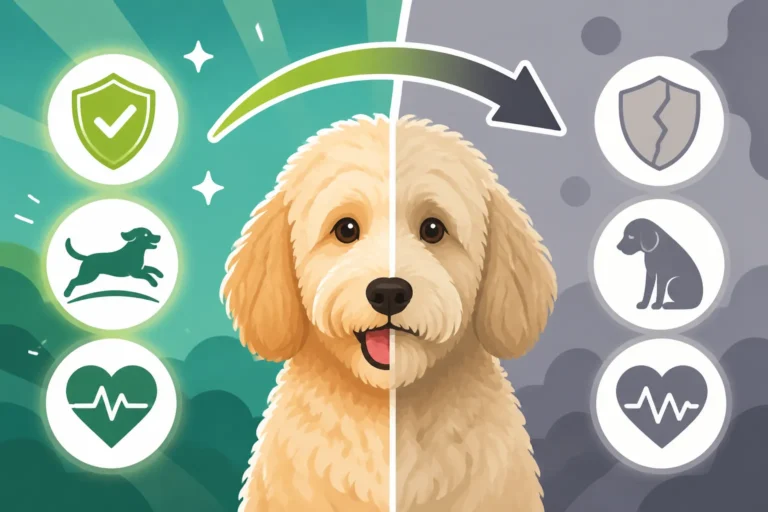
Once your Goldendoodle starts on thyroid medication, the changes you observe will often be dramatic and gratifying. Owners frequently report a renewed zest for life, increased energy, and a return to their dog’s playful, curious self within a few weeks. The weight gain usually reverses, and they begin to achieve a healthier body condition. The hair loss will slow down, and you’ll start to see new, healthier hair growth, often beginning with a softer texture and improved shine. The "rat tail" will slowly fill in, and the symmetrical thinning will diminish. This is a journey, not a sprint, and while the medication is lifelong, the benefits are immense. It's important to remember that hypothyroidism doesn't shorten your Goldendoodle's lifespan if managed correctly. Regular vet check-ups are vital, especially for monitoring their thyroid levels and overall health. Having pet insurance, like Healthy Paws, can be incredibly helpful for managing the ongoing costs of medication and routine blood work, giving you peace of mind that you can always afford the best care for your Goldendoodle. This ongoing commitment to their health will ensure they thrive.
Disclaimer
This article is intended for informational purposes only and does not constitute veterinary advice. Always consult with a qualified veterinarian for any health concerns or before making any decisions about your Goldendoodle's care or treatment.