Finding a Goldendoodle Hot Spot Before You Smell It
One of the most disheartening things for any Goldendoodle parent is discovering a hot spot – those angry, oozing skin lesions that seem to appear out of nowhere and smell absolutely dreadful. They're painful for your beloved companion, and they can escalate from a minor irritation to a serious infection shockingly fast, often before you even realize anything is truly wrong. This guide is dedicated to helping you become a detective of your Goldendoodle's skin, empowering you to spot these trouble areas early, long before that tell-tale odor signals a full-blown problem, so you can act quickly and keep your furry friend comfortable.
Understanding What a Goldendoodle Hot Spot Is
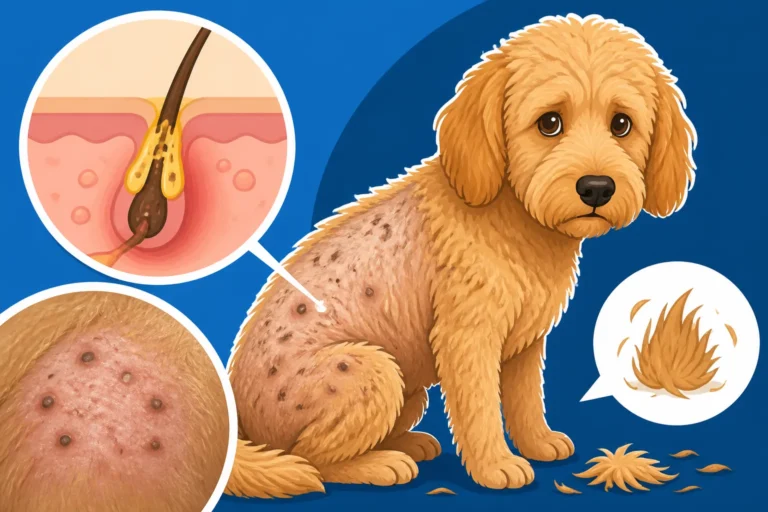
Let's get down to basics: what exactly is a hot spot? In veterinary terms, it's called acute moist dermatitis. Essentially, it's a rapidly developing, red, inflamed, infected skin lesion that's often circular in shape and incredibly itchy and painful. The "acute" part means it comes on suddenly, and "moist" refers to the weeping, pus-like discharge that typically accompanies it. While any dog can get a hot spot, Goldendoodles, with their dense, often curly or wavy coats, are particularly prone, and it's a frustration many of us Goldendoodle owners face.
Why Goldendoodles Are So Susceptible
Our Goldendoodles inherit a gorgeous, often low-shedding coat that's a dream for many, but it comes with its own set of challenges, particularly when it comes to skin health. The very nature of their thick, sometimes woolly or fleece-like fur creates an ideal microclimate for hot spots to thrive.
Imagine this: moisture gets trapped close to the skin – maybe from a swim, a rainy walk, or even just high humidity in the air – and that dense coat holds it there. Then, add in an itch. It could be from a flea bite, an allergic reaction, or even just an irritant. Your Goldendoodle, being a dog, responds by licking, chewing, or scratching that spot. This self-trauma breaks the skin, introduces bacteria (which are always present on the skin), and suddenly, that trapped moisture and warmth become the perfect breeding ground for infection. The dog keeps licking because it itches, making it wetter, which makes it itchier, and the cycle continues, often worsening dramatically within hours. It's a cruel feedback loop that escalates quickly. This is a common aspect of Goldendoodle Skin and Coat Disease.
Common Triggers for Hot Spots
Beyond the coat type, several factors frequently trigger these nasty skin infections in Goldendoodles:
- Allergies: This is a huge one. Goldendoodles can suffer from environmental allergies (like pollen, dust mites, grass) or food allergies. When their skin gets itchy from an allergen, they lick and scratch, initiating the hot spot cycle. Many Goldendoodle owners find themselves navigating the complexities of Goldendoodle Food Allergies Showing on the Skin or dealing with Goldendoodle Environmental Allergies by Season.
- Parasites: A single flea bite, even in a dog on flea prevention, can be enough to cause intense localized itching, leading to excessive licking and a hot spot. Mites or other insect bites can also be culprits.
- Matted Fur: Mats pull on the skin, causing irritation, and they also trap moisture and debris like nobody's business. If you've ever dealt with Why Goldendoodle Matting Is Almost Always Preventable, you know how quickly these can develop.
- Poor Grooming or Wetness: Not drying your Goldendoodle thoroughly after a bath, swim, or playing in the rain is a prime setup for a hot spot. The moisture sits, ferments, and irritates the skin.
- Ear Infections: If your Goldendoodle has an ear infection, especially common with their floppy, furnished ears (read more about Goldendoodle Ear Infections Under a Furnished Ear), they might scratch at their ears or rub their head on surfaces, which can trigger a hot spot right behind the ear or on the neck.
- Stress or Boredom: Believe it or not, anxiety or just plain boredom can cause some dogs to excessively lick or chew at a spot on their body, turning a minor itch into a full-blown hot spot.
Recognizing these triggers is your first line of defense. If your Goldendoodle is prone to any of these issues, you need to be extra vigilant.
Early Detection: The Visual and Tactile Clues You Shouldn't Miss
This is where your detective skills come in, and it's why we're talking about finding a hot spot before it announces itself with a foul odor. By the time you smell it, the infection is often quite advanced, painful, and requires more intensive treatment.
The "Before You Smell It" Challenge
The Goldendoodle's thick coat is both a blessing and a curse. It hides so much! A small hot spot can fester and grow considerably beneath those beautiful curls before it becomes apparent to the nose. This means relying on visual and tactile cues, as well as changes in your dog's behavior. It requires regular, hands-on checks.
Visual Cues to Look For
You need to be proactive and actually look at your Goldendoodle's skin, not just admire their fluffy exterior.
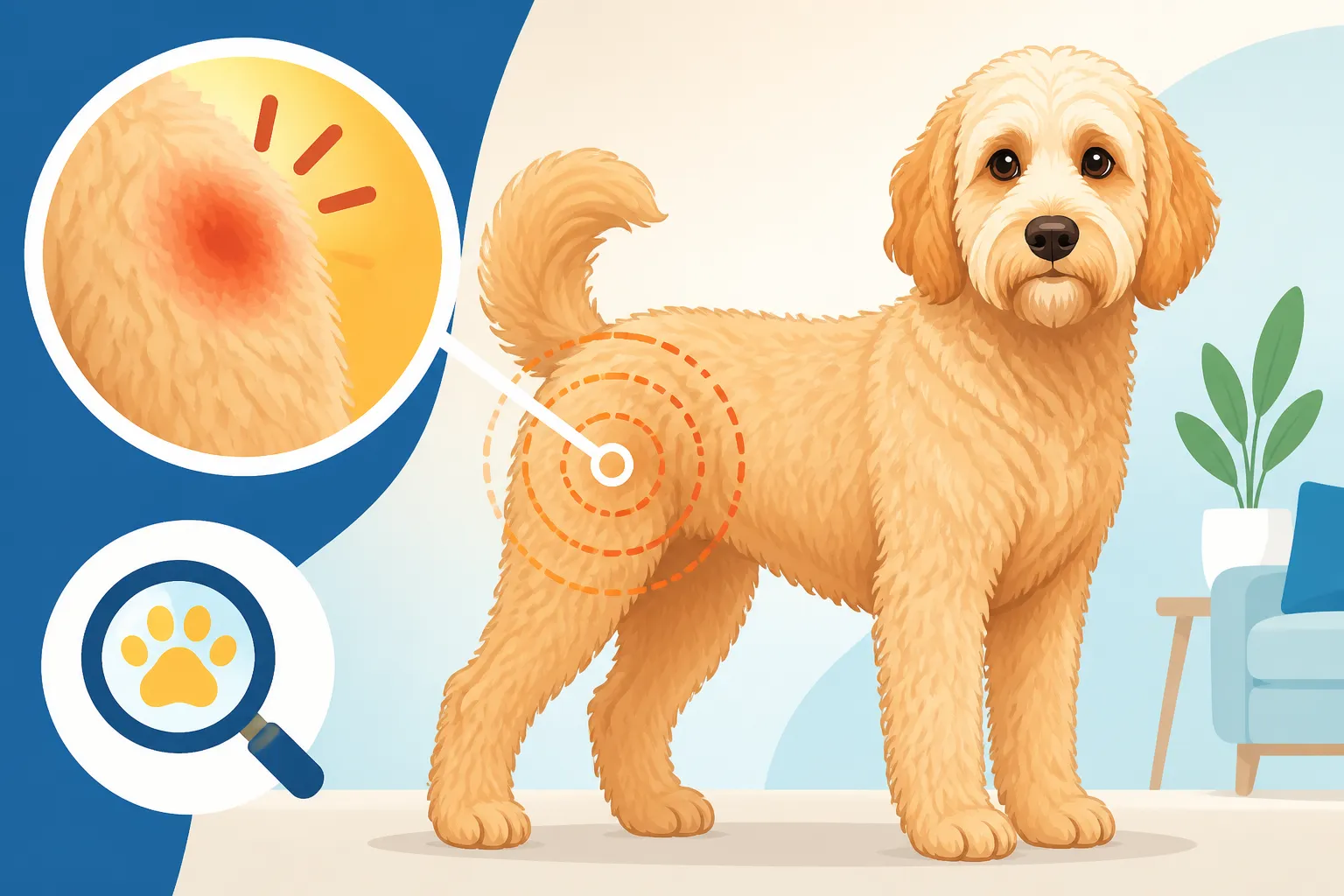
- Parting the Fur: This is non-negotiable. Get a good comb or your fingers and systematically part your Goldendoodle's fur, especially in common hot spot zones like behind the ears, under the chin, around the neck where a collar sits, in the armpits, on the flanks, and at the base of the tail. What are you looking for?
- Redness: Any area of skin that looks abnormally pink or angry red.
- Swelling: A slight puffiness or raised area of skin.
- Oozing or Crusting: Even a tiny bit of dampness or a slight crust, like dried serum, can be an early sign. It might look like the fur is slightly matted or sticky in just one small spot.
- Hair Loss: Sometimes you'll see a small patch of hair that's thinner or completely gone, with the skin underneath looking irritated.
- Behavior Changes: Your Goldendoodle can tell you a lot without words.
- Excessive Licking, Chewing, or Scratching: This is the big one. If your dog suddenly seems obsessed with a particular body part, even if you don't see anything yet, investigate. This isn't just a casual lick; it's focused, persistent attention. Many owners mistake this for normal grooming until it's too late. Persistent Goldendoodle Paw Licking and What It Means can also indicate a hot spot brewing.
- Reluctance to Be Touched: If your normally cuddly Goldendoodle flinches or pulls away when you touch a certain area, it's a huge red flag. They're telling you it hurts.
- Restlessness or Irritability: The constant itch and pain can make your dog uncomfortable and unable to settle.
Tactile Cues for Early Detection
Your hands are your most powerful tools for early detection. Make these checks part of your regular petting and grooming routine.
- Feeling for Warmth: Hot spots are, as the name suggests, hot. Run your hands over your Goldendoodle's body. If you feel a patch of skin that is noticeably warmer than the surrounding skin, especially in a localized area, it needs immediate investigation. This warmth indicates inflammation.
- Palpating for Bumps or Tenderness: Gently feel for any lumps, bumps, or areas of thickened skin. Apply a very slight pressure. If your Goldendoodle flinches, whimpers, or even turns to lick your hand away, that area is tender and could be the start of a hot spot.
- Moisture or Stickiness: Even if you can't see outright oozing, run your fingers through the fur. If an area feels damp, sticky, or greasy when the rest of the coat is dry, it's a strong indicator of skin irritation and moisture trapping. This might be especially noticeable when Brushing a Goldendoodle Often Enough to Stop Matting.
Implementing Routine Checks
Prevention and early detection are deeply intertwined. You should be doing thorough checks on your Goldendoodle at least once a week, and more frequently during allergy season or if they've been swimming. Think of it as a mini spa day for your pup!
Hot Spot High-Risk Areas:
| Area of Body | Why it's a High-Risk Zone | What to Look/Feel For |
|---|---|---|
| Behind the Ears | Floppy ears trap moisture; common scratch spot | Redness, stickiness, warmth, mats forming, excessive head shaking |
| Under the Chin/Neck | Collar irritation, drool, often gets wet while eating | Redness, dampness, matted fur, tenderness |
| Armpits/Groin | Skin folds, high friction, traps sweat and moisture | Redness, irritation, excessive licking in these areas |
| Base of Tail | Flea bite dermatitis, anal gland issues can cause licking | Licking at tail, redness, warmth, hair loss at tail base |
| Flanks/Hips | Common allergy itch spots | Red patches, hair thinning, persistent scratching |
| Paws | Allergies, stepping on irritants | Licking/chewing paws, redness between toes, dampness |
Make these checks a bonding experience, not a chore. Reward your Goldendoodle with treats and praise so they associate handling with positive outcomes. This not only helps with hot spot detection but also makes future grooming sessions easier. Regular professional grooming, such as Booking a Goldendoodle Groom Every Six to Eight Weeks, can also catch these issues early.
Immediate Steps to Manage a Suspected Hot Spot
Okay, you've found a suspicious spot. Don't panic! Acting quickly can significantly reduce its severity and prevent it from becoming a raging infection. Remember, time is of the essence when it comes to hot spots.
First Aid at Home: Getting Started
The goal of initial home care is to clean the area, dry it out, and stop the self-trauma.
- Gently Clip the Fur: This is the most crucial first step, and it's where many owners hesitate. You absolutely must remove the hair surrounding and covering the hot spot. Use electric clippers with a #10 blade (or even a #40 if you have it for closer work). If you don't have clippers, very carefully use blunt-nosed scissors, lifting the hair away from the skin and snipping small amounts. The fur holds moisture, debris, and bacteria, and it prevents airflow and proper cleaning. You need to create a wide margin of clipped hair around the lesion, at least an inch beyond the visible redness, to ensure air can get to the edges. This might look drastic, but it's essential for healing.
- Clean the Area: Once the hair is cleared, gently clean the hot spot.
- Use a mild antiseptic solution. Chlorhexidine wipes or a dilute solution (check product instructions for dilution) are excellent choices. You can often find these at pet stores or online. Avoid harsh chemicals or alcohol, which can sting and further irritate the raw skin.
- Gently blot the area to remove any pus, crust, or debris. You might need to do this several times.
- Pat the area thoroughly dry with a clean cloth or paper towel.
- Prevent Further Licking/Chewing: Your Goldendoodle will want to continue licking the area, which will only make it worse.
- The Elizabethan Collar (E-collar or "Cone of Shame"): This is often unavoidable. A cone prevents your dog from reaching the hot spot. Make sure it's properly fitted so they can't maneuver around it. There are soft, inflatable cones available that some dogs tolerate better than rigid plastic ones.
- Consider a body suit or t-shirt if the hot spot is on their torso and the cone isn't suitable, but ensure it allows airflow.
When to See the Vet
While these home care steps are vital, they are first aid. Many hot spots, especially in Goldendoodles, require professional veterinary attention. Don't hesitate to contact your vet if:
- The hot spot is large or rapidly spreading: If it's bigger than a quarter, or if it's growing quickly despite your efforts, it needs immediate vet care.
- It's extremely painful: If your Goldendoodle is crying out, biting, or showing significant distress when you try to clean it, a vet visit is warranted. They may need pain medication.
- It doesn't show improvement within 24-48 hours: If the redness, oozing, or itching hasn't lessened significantly, or if it seems worse, it's time for the vet.
- There are systemic signs: If your dog becomes lethargic, loses appetite, or develops a fever, these are signs of a more severe infection that has gone beyond the skin surface.
- It's a recurring issue: If your Goldendoodle gets hot spots frequently, it's a strong indicator that there's an underlying cause (like allergies, undiagnosed parasites, or another skin condition) that needs to be identified and managed by a veterinarian. This might involve allergy testing or a deeper dive into their overall health. Getting to the root cause of Goldendoodle Allergies and Itchy Skin is key to preventing future occurrences.
Your vet may prescribe topical creams, oral antibiotics, and/or anti-inflammatory medications. They might also suggest specific medicated shampoos. If you have pet insurance like Healthy Paws, be sure to check your policy for coverage on these types of skin conditions and treatments. Healthy Paws is known for its comprehensive coverage, which can be a lifesaver for unexpected vet bills related to recurring issues.
Long-Term Prevention Strategies
The best defense is a good offense! Preventing hot spots from forming in the first place is always the goal.
- Consistent Grooming: This is your number one tool. Regular brushing, especially line brushing, down to the skin, is crucial to prevent mats and ensure good air circulation. Goldendoodles, especially those with woolly or fleece coats (you can learn more about The Three Goldendoodle Coat Types and How to Tell Them), need daily or every-other-day brushing. Professional grooming every 6-8 weeks is also essential. Remember that Goldendoodle Grooming as the Biggest Line in the Budget for a reason – it's vital for their health.
- Thorough Drying: After every bath, swim, or romp in the rain, ensure your Goldendoodle is completely dry, right down to the skin. A high-velocity pet dryer can be a game-changer here, as towel drying alone often isn't enough for their dense coats.
- Allergy Management: If allergies are suspected, work with your vet to identify triggers. This could involve diet changes, environmental modifications (e.g., air purifiers, frequent vacuuming), or allergy medications or immunotherapy. Pet insurance from providers like Healthy Paws can often help cover the costs associated with allergy testing and ongoing treatment.
- Effective Flea and Tick Prevention: Even if you don't see fleas, consistent prevention is critical, especially for dogs prone to flea allergy dermatitis.
- Ear Care: Keep your Goldendoodle's ears clean and dry, especially after swimming. If your dog is prone to Goldendoodle Ear Infections Under a Furnished Ear, proactive cleaning can prevent secondary skin issues around the ears.
- Mental and Physical Stimulation: Address any underlying stress or boredom that might contribute to excessive licking. Ensure your Goldendoodle gets enough exercise and mental enrichment to keep them happy and engaged.
By staying vigilant, knowing what to look for, and taking immediate action, you can significantly reduce the chances of your Goldendoodle suffering from painful hot spots. It's all about being proactive and tuning into the subtle signals your wonderful companion might be giving you.
Disclaimer
This article is for general informational purposes only and does not constitute professional advice. Laws, prices and regulations vary by location and change over time. Consult a qualified professional for guidance on your specific situation.