The Cancer Types Both Goldendoodle Parents Pass Down
Bringing a Goldendoodle into your life is an incredible joy, full of laughter and cuddles. But beneath that adorable, fluffy exterior lies a complex genetic makeup, and one of the hardest realities for any dog owner to face is the potential for cancer. It's a heartbreaking diagnosis that many Goldendoodle families encounter, and it often leaves us wondering why and how to prepare. This guide is dedicated to shedding light on the specific cancer types that Goldendoodles can inherit from their Golden Retriever and Poodle parent lines, helping you understand the risks and how to be a proactive advocate for your beloved companion's health.
Understanding the Inherited Cancer Landscape in Goldendoodles
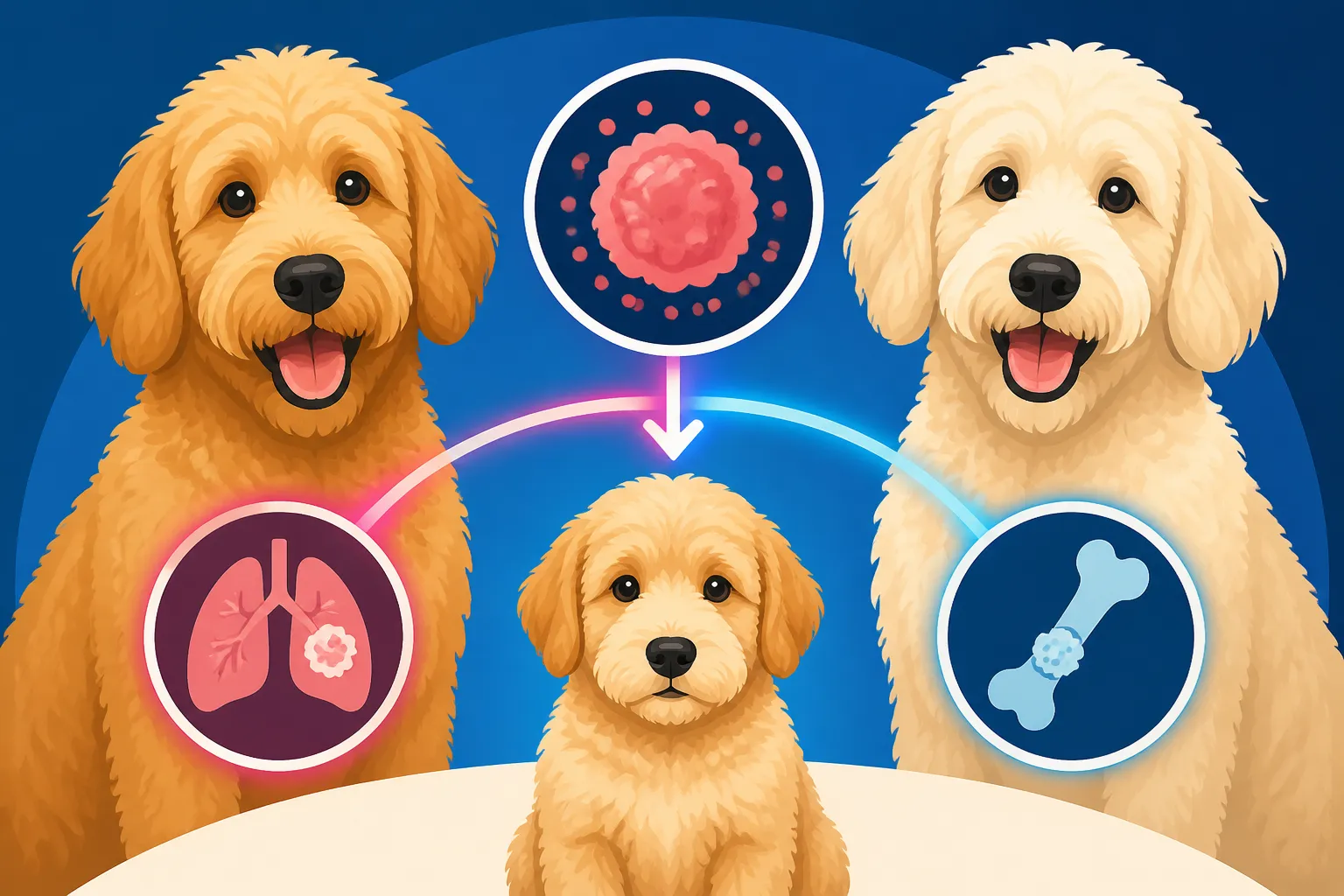
It's a common misconception that crossbreeds, or "designer dogs" like the Goldendoodle, are inherently healthier than their purebred parents. While hybrid vigor can offer some benefits, it doesn't magically erase all genetic predispositions. When it comes to cancer, Goldendoodles inherit a complex tapestry of genes from both the Golden Retriever and the Poodle, meaning they can be susceptible to the cancers prevalent in either or both breeds. This isn't to say every Goldendoodle will get cancer, but understanding these ancestral risks is the first step in being prepared and proactive.
Golden Retriever's Predisposition to Cancer
The Golden Retriever is, sadly, notorious for its high incidence of cancer. It's estimated that a significant percentage, possibly over 60%, of Golden Retrievers will succumb to cancer in their lifetime. This breed has a strong genetic link to several aggressive forms of the disease, and a Goldendoodle with a strong Golden Retriever lineage carries these same predispositions.
One of the most devastating cancers seen in Goldens, and thus a concern for Goldendoodles, is hemangiosarcoma. This aggressive cancer originates in the lining of blood vessels and can appear almost anywhere in the body, but is most commonly found in the spleen, heart, or liver. It often progresses silently, with few outward signs until a tumor ruptures, causing internal bleeding and a sudden collapse. By then, it's often an emergency situation. The prognosis for hemangiosarcoma is typically poor due to its aggressive nature and tendency to metastasize rapidly.
Another common and formidable foe is lymphoma, a cancer of the lymphatic system, which is crucial for immune function. Lymphoma can manifest in various ways, affecting lymph nodes, spleen, liver, bone marrow, or even the skin. Often, the first sign an owner notices is enlarged lymph nodes, particularly under the jaw, in the armpits, or behind the knees. You might feel these as firm, movable lumps during a routine pat-down. Other signs can include lethargy, weight loss, and decreased appetite. The treatment for lymphoma often involves chemotherapy, which can extend life and maintain quality, but it's rarely a cure. For more detailed information, you can read about Lymphoma Signs in a Goldendoodle.
Mast cell tumors are also highly prevalent in Golden Retrievers. These tumors arise from mast cells, which are part of the immune system and involved in allergic responses. They can appear anywhere on or under the skin, or internally in organs like the spleen or bone marrow. Their appearance is incredibly varied; they can look like a wart, a bug bite, or a soft lump. What makes them particularly tricky is their unpredictable behavior—a small, seemingly innocuous skin lump could be a highly aggressive mast cell tumor, while a larger one might be benign. Surgical removal is the primary treatment, but further therapy depends on the tumor's grade and location. It's critical to know that finding a lump under your Goldendoodle's coat, even a small one, warrants immediate veterinary attention. You can learn more about Finding a Mast Cell Tumor in a Goldendoodle Coat.
Osteosarcoma, a bone cancer, is another devastating disease seen in larger, faster-growing breeds like the Golden Retriever, making it a potential concern for standard Goldendoodles. This cancer typically affects the long bones of the limbs and is intensely painful. Owners often notice lameness or swelling in a leg that doesn't resolve.
Poodle's Inherited Cancer Concerns
While Goldens often grab the headlines for cancer rates, Poodles, particularly Standard Poodles, also come with their own set of cancer risks that can be passed down to Goldendoodles. It’s vital to understand that the Poodle side doesn't offer a blanket shield against cancer; it simply shifts some of the predispositions.
Standard Poodles, for instance, have a higher incidence of certain skin cancers, including sebaceous adenomas and carcinomas. Sebaceous glands produce oil for the skin, and tumors can develop in these glands. These often appear as small, cauliflower-like growths on the skin. While many are benign adenomas, they can sometimes be malignant carcinomas. Regular grooming and skin checks are important for early detection. The long, dense coat of a Goldendoodle can often hide these growths, making consistent grooming and palpation crucial.
Beyond skin cancers, Poodles are also susceptible to other forms. They can, unfortunately, develop sarcomas—cancers that arise from connective tissues like bone, cartilage, fat, muscle, and blood vessels. While less common than some Golden Retriever cancers, they are no less serious. Different types of sarcomas can affect various parts of the body, from soft tissue sarcomas to osteosarcomas (bone cancer, also seen in Goldens as mentioned).
Another significant concern in Poodles, and therefore Goldendoodles, is the risk of Addison's Disease. While not a cancer itself, Addison's disease (hypoadrenocorticism) is an endocrine disorder where the adrenal glands don't produce enough hormones. It's often referred to as "the great imitator" because its symptoms can mimic many other illnesses, including some chronic diseases that might be confused with cancer initially. However, Poodles also have an increased risk of adrenal tumors, which can be cancerous and affect hormone production. It's important for owners to distinguish between these two conditions, but the common thread is the adrenal gland connection in Poodles. Given that Poodles pass on a predisposition to Addison's, it's a good reminder to be vigilant about any unexplained illnesses. If you're concerned, understanding Addison's Disease a Goldendoodle Gets From the Poodle is highly recommended.
Poodles also have an elevated risk for oral melanomas, which are malignant tumors found in the mouth. These can be aggressive and spread quickly. Any dark, raised lesion in your Goldendoodle's mouth, or unexplained bad breath, difficulty eating, or drooling, should prompt an immediate vet visit.
Recognizing Early Warning Signs
The scary truth about cancer is that it often masquerades as something less serious until it's quite advanced. However, many cancers are treatable, especially if caught early. This is where you, as a vigilant Goldendoodle owner, become your dog's first line of defense. Knowing what to look for and making it a habit to regularly check your dog can make a world of difference.
Visible Lumps and Bumps
Goldendoodles, with their luxurious and often dense coats, are particularly good at hiding things. A small lump can grow quite large before it's noticed visually, especially if you have a curly-coated Goldendoodle. This is why a hands-on approach is so crucial.
Make it a routine to feel your Goldendoodle all over, from nose to tail, several times a week. During cuddle sessions, while brushing, or even just when they're relaxing beside you, run your hands firmly over their body. Pay special attention to areas like the neck, chest, armpits, groin, and along their sides and belly. What you're looking for are any new bumps, lumps, or changes in existing ones. Feel for any swelling, hardness, or areas of tenderness.
A common benign finding in many dogs, including Goldendoodles, are lipomas, which are fatty tumors. These are usually soft, movable, and don't typically cause problems unless they grow very large or are in an awkward location. However, you cannot diagnose a lipoma by touch alone. Any new lump, regardless of how soft or small, needs to be evaluated by a veterinarian. They might perform a fine needle aspirate (FNA) to collect cells and determine if it's benign or cancerous. Never assume a lump is harmless. You can find more insights on Lumps Under a Goldendoodle Coat You Cannot See.
Also, be diligent about checking their paws, including between the toes, and inside their mouth, lifting their lips to inspect gums and teeth. Skin tags are common, but even these should be noted and monitored. Take photos of any new growths, measure them, and keep a log so you can track changes over time to share with your vet.
Subtle Behavioral Changes
Cancer isn't always about visible lumps. Often, the earliest signs are subtle shifts in your Goldendoodle's behavior or overall well-being. Because Goldendoodles are generally cheerful and eager-to-please, a noticeable change in their usual demeanor should raise a red flag.
Changes in energy levels are a big one. Is your usually playful Goldendoodle suddenly less interested in walks or games of fetch? Are they sleeping more than usual or struggling to get up? Persistent lethargy, weakness, or a general decrease in activity can be a symptom of internal cancer or other serious conditions.
Appetite and weight changes are also critical to monitor. If your Goldendoodle suddenly loses interest in food, starts leaving meals unfinished, or begins losing weight despite eating normally, it warrants a vet visit. Conversely, some cancers can lead to an increased appetite but with continued weight loss, as the body struggles to utilize nutrients. Persistent vomiting or diarrhea, especially if not linked to a dietary indiscretion, can also be a sign of gastrointestinal cancer.
Keep an eye out for persistent lameness or limping that doesn't improve with rest. While this could be an injury or arthritis, especially in an active breed prone to joint issues, it can also be a sign of bone cancer like osteosarcoma. Changes in urination or defecation habits, difficulty breathing, coughing, or unusual discharges from any body opening are also serious signs that need immediate veterinary attention. Any sudden onset of seizures, especially in an older dog, should also be evaluated as they can sometimes be linked to brain tumors. Many Goldendoodle owners find that having pet insurance, such as from Healthy Paws, can alleviate some of the financial stress associated with investigating these concerning symptoms and potential treatments.
The Importance of Health Testing and Breeder Transparency
Navigating the world of Goldendoodle breeders can feel like a minefield. While no breeder can guarantee a cancer-free dog, responsible breeders take significant steps to minimize the risk by carefully selecting parent dogs. This is where understanding health testing and demanding transparency becomes paramount.
DNA Panels and Parental Health Records
A truly responsible Goldendoodle breeder will go above and beyond to screen their breeding dogs for known genetic diseases common to both Golden Retrievers and Poodles. This includes not just structural clearances (like hips and elbows) but also comprehensive DNA panels.
For Goldendoodles, crucial DNA tests often include those for Progressive Retinal Atrophy (PRA), von Willebrand Disease, Ichthyosis, and several others. While not all DNA tests are directly for cancer genes, they provide a fuller picture of the parent's genetic health. Knowing the full genetic profile can help a breeder avoid pairing dogs that might double up on problematic genes. It's often said that Why Testing Beats the Word Hybrid on a Goldendoodle is essential for understanding your puppy's potential health.
Beyond DNA, it's crucial to see health clearances for orthopedic conditions like hip and elbow dysplasia from organizations like the Orthopedic Foundation for Animals (OFA) or PennHIP. While not cancer-related, these conditions are painful and costly, and demonstrate a breeder's commitment to overall health. For the Golden Retriever side, cardiac exams are also vital, looking for conditions like subvalvular aortic stenosis (SAS), which is a hereditary heart defect. While not a cancer, it highlights the importance of thorough health screening. Ask to see the actual certificates, not just a breeder's word. A good breeder will have all these records readily available and be happy to discuss them with you. Many pet parents find the cost of these tests upfront to be a good investment compared to the potential vet bills down the line. It’s also worth noting that many pet insurance plans, like those offered by Healthy Paws, cover a significant portion of cancer treatments, but typically exclude pre-existing conditions, underscoring the importance of choosing a healthy puppy from the start.
Selecting a Responsible Breeder
Choosing a breeder is perhaps the single most impactful decision you'll make in influencing your Goldendoodle's long-term health. A reputable breeder isn't just selling puppies; they're safeguarding the future health of their lines.
Look for a breeder who:
- Health tests extensively: They should test for all breed-specific conditions of both Golden Retrievers and Poodles, not just a select few. They should be able to show you OFA, PennHIP, and DNA test results for both parents.
- Is transparent and communicative: They welcome questions, are happy for you to meet the parent dogs (if possible), and are open about any health issues that may have occurred in their lines. They should have a clear health guarantee.
- Prioritizes temperament and health over trends: They aren't breeding solely for "rare" colors or coat types if it compromises health. They understand the importance of genetics in producing sound puppies.
- Provides proper puppy care: Puppies should be raised in a clean, stimulating environment, receive proper veterinary care including initial vaccinations, and be well-socialized before going to their new homes.
- Has a comprehensive contract: This contract should outline health guarantees, return policies, and possibly a spay/neuter clause.
Beware of breeders who only talk about "hybrid vigor" as a magical shield against all disease, without providing verifiable health clearances for the parent dogs. While Goldendoodle hybrid vigor can offer some benefits, it doesn't eliminate genetic health risks entirely. Instead, focus on breeders who understand and mitigate the risks from both parent breeds. This diligent approach significantly reduces the chance of inheriting serious health issues, including some cancers. Remember, a cheap puppy often comes with hidden long-term costs.
Managing Cancer Risk and Supporting Your Goldendoodle
Even with the most careful breeding, cancer remains a possibility for any dog. Our role as owners then shifts to doing everything we can to minimize risk, recognize symptoms quickly, and provide the best possible care if a diagnosis occurs.
Diet, Exercise, and Environmental Factors
While genetics play a huge part, lifestyle factors also influence a Goldendoodle's cancer risk. Providing a healthy, supportive environment can contribute to their overall well-being and potentially bolster their defenses.
Nutrition is foundational. Feed your Goldendoodle a high-quality, balanced diet appropriate for their life stage and size. Opt for commercially prepared foods that meet AAFCO standards, or consult with a veterinary nutritionist if you're considering a homemade diet. Avoid excessive treats or table scraps, which can lead to obesity and put unnecessary strain on their bodies. Obesity is a known risk factor for various health issues, including some cancers. Keep them lean; you should be able to feel their ribs easily, but not see them.
Regular exercise is also crucial. Goldendoodles are active dogs and need daily physical activity to maintain a healthy weight, strong muscles, and a robust immune system. This doesn't just mean physical exertion; mental stimulation through training, puzzle toys, and enrichment activities also plays a role in their overall health. Ensuring your Goldendoodle gets adequate, appropriate exercise throughout their life helps maintain their overall vitality. You can read more about Goldendoodle Exercise for Body and Mind.
Consider environmental factors as well. Reduce exposure to known carcinogens where possible. This can include avoiding certain lawn chemicals, herbicides, pesticides, and secondhand smoke. Be mindful of what your Goldendoodle eats or plays with in the yard or on walks. Ensure they have fresh, clean water available at all times.
The Role of Regular Vet Checks
Perhaps the most important proactive step you can take is consistent, regular veterinary care. Your veterinarian is your partner in your Goldendoodle's health journey.
Annual wellness exams are non-negotiable, even for seemingly healthy Goldendoodles. For senior Goldendoodles, often after the age of nine, twice-yearly check-ups are highly recommended. During these visits, your vet will perform a thorough physical examination, checking for lumps, changes in organ size, dental health, and overall body condition. They can also perform blood work and urinalysis, which can detect subtle changes in organ function or blood cell counts that might indicate underlying disease long before outward symptoms appear. This is especially true for senior dogs, where a "senior panel" can be very informative. You might want to refer to Senior Goldendoodle Vet Visits After Nine for more insights on this.
Don't hesitate to bring up any concerns you have, no matter how small they seem. You know your Goldendoodle best, and if something feels "off," trust your gut. Early detection of cancer significantly improves prognosis and treatment options. If your vet recommends further diagnostics, like an X-ray, ultrasound, or biopsy, don't delay. The sooner you get answers, the better.
Many pet owners are hesitant to pursue diagnostics or treatment due to cost concerns. This is where pet insurance can be a literal lifesaver. Providers like Healthy Paws offer comprehensive coverage that can help mitigate the financial burden of cancer treatments, allowing you to make medical decisions based on what's best for your Goldendoodle, not just your wallet. Understanding these financial aspects beforehand is a huge part of responsible pet ownership.
| Cancer Type | Parent Breed Primary Link | Common Signs to Watch For | Typical Onset Age (approx.) | Prognosis (Generally) |
|---|---|---|---|---|
| Hemangiosarcoma | Golden Retriever | Internal bleeding, sudden collapse, lethargy, pale gums, abdominal swelling | Middle to Senior | Poor, aggressive, often metastatic |
| Lymphoma | Golden Retriever, Poodle | Enlarged lymph nodes (jaw, armpits), lethargy, weight loss, decreased appetite | Middle to Senior | Variable, often responsive to chemo, but rarely curative |
| Mast Cell Tumors | Golden Retriever | Lumps or bumps on or under the skin (variable appearance), changes in size/texture | Any age, often Middle to Senior | Variable depending on grade and location |
| Osteosarcoma | Golden Retriever, Standard Poodle | Persistent lameness, swelling in a limb, pain | Middle to Senior | Poor, aggressive, often metastatic |
| Oral Melanoma | Poodle | Dark masses in the mouth, bad breath, difficulty eating, drooling | Middle to Senior | Variable, can be aggressive |
| Sebaceous Carcinoma | Poodle | Small, cauliflower-like growths on skin, scabbing | Middle to Senior | Good with complete surgical removal, if localized |
Disclaimer
This article is intended for informational purposes only and does not constitute veterinary advice. Always consult with a qualified veterinarian for any health concerns or before making any decisions regarding your Goldendoodle's medical care.