Goldendoodle Anal Gland Problems
Few things are quite as unpleasant or perplexing for a Goldendoodle owner as that sudden, pungent fishy odor or the sight of their beloved companion scooting their rear end across your pristine carpet. Anal gland problems are a common, frustrating, and often recurring issue that can cause significant discomfort for your furry friend and a major headache for you. This guide will walk you through everything you need to know about Goldendoodle anal gland issues, from understanding why they happen to effective prevention and treatment strategies.
Understanding Goldendoodle Anal Glands and Their Purpose
Let's be honest, anal glands aren't exactly a topic for polite dinner conversation, but understanding them is crucial for your Goldendoodle's health and your peace of mind. These tiny, often problematic, organs play a surprisingly important role in your dog's natural world.
What Anal Glands Are and Why They Exist
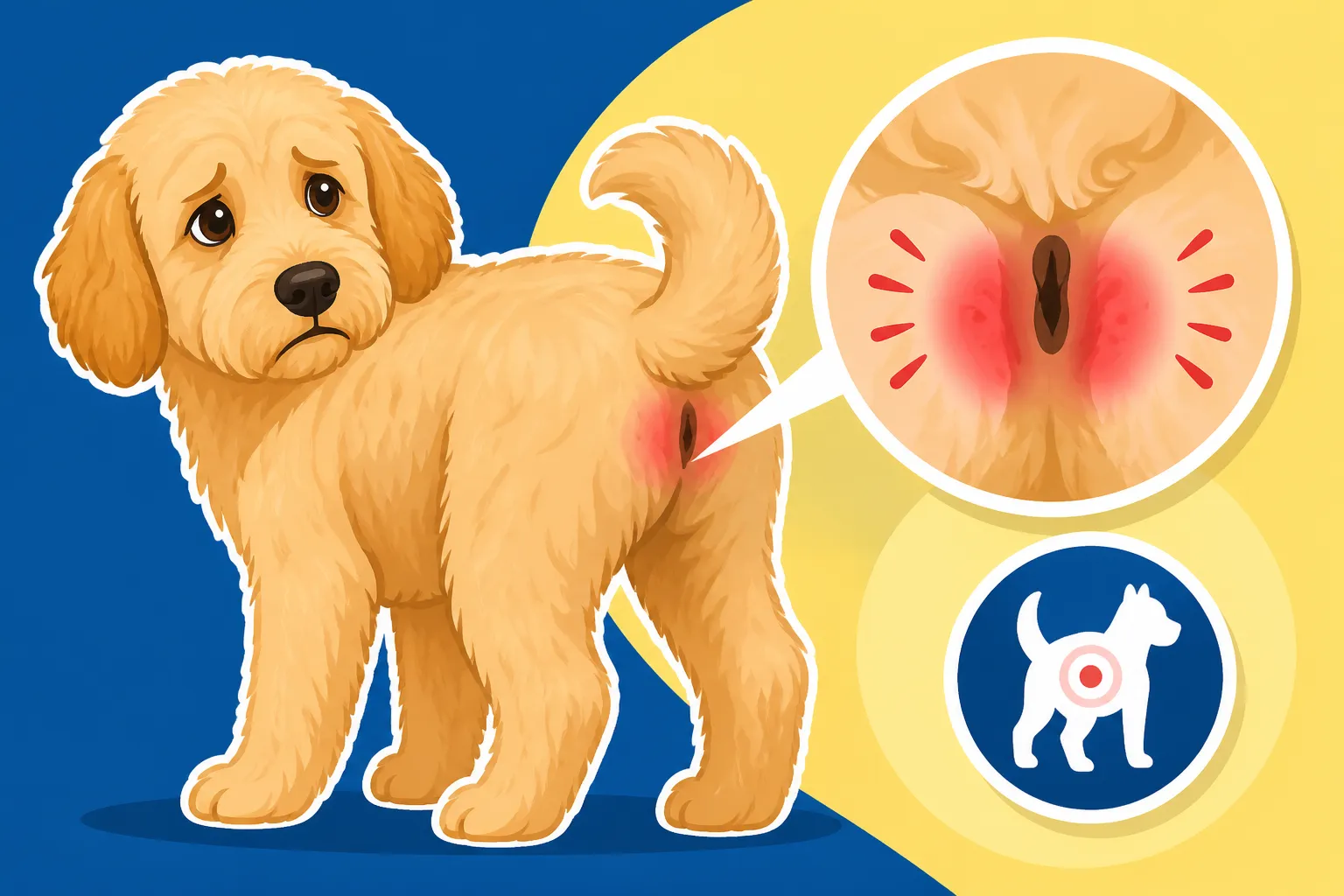
Deep within the musculature on either side of your Goldendoodle's anus, at roughly the 4 and 8 o’clock positions, lie two small sacs called anal glands. Each sac is lined with scent glands that produce a strong, often foul-smelling, oily liquid. In the wild, this fluid is naturally expressed when a dog defecates, acting as a unique, individual scent marker. Think of it as your Goldendoodle's personal calling card, leaving a distinct scent that communicates all sorts of information to other dogs. It’s part of how they identify each other and mark their territory. Ideally, with every firm bowel movement, enough pressure is exerted on these sacs to empty them, releasing a small amount of this fluid along with the stool. This natural process is essential for keeping the glands healthy and preventing issues.
How Goldendoodle Anatomy Can Contribute to Issues
While all dogs have anal glands, certain breeds, and even specific anatomical traits within a breed like the Goldendoodle, can predispose them to problems. First, let's talk about that magnificent Goldendoodle coat. With their characteristic furnishings – the longer hair on their face, legs, and yes, around their rear end – it can be incredibly difficult to spot issues brewing until they become quite severe. The hair can block the small ducts that lead from the glands to the outside, making natural expression more challenging. Furthermore, Goldendoodles often have a relaxed, lower tail carriage, which means the natural muscle contractions that aid in expressing the glands might not be as effective as in breeds with a more upright, active tail.
Beyond their luscious locks and tail set, the Goldendoodle’s genetic makeup, a blend of Golden Retriever and Poodle, can also play a role. Golden Retrievers are sometimes prone to softer stools or sensitivities, and Poodles can also contribute to more delicate digestive systems. If your Goldendoodle consistently has soft or loose stools, there simply isn't enough pressure on the anal glands during defecation to empty them completely. This leads to a buildup of fluid, causing impaction, infection, or even abscesses. It's a tricky combination that often leaves Goldendoodle owners scratching their heads and calling the vet, wondering why this keeps happening.
Common Signs and Symptoms of Anal Gland Problems in Goldendoodles
Recognizing the signs of anal gland issues early is key to preventing them from escalating into more serious and painful conditions. Sometimes, it’s not immediately obvious what’s going on, especially with a Goldendoodle’s fluffy rear end.
The Dreaded "Scooting" and Other Visible Cues
The most classic and unmistakable sign of anal gland discomfort is "scooting." This is when your Goldendoodle drags their rear end across the floor, often carpeting, in an attempt to relieve the pressure or itch caused by full or impacted glands. It's a sight that instantly communicates something is amiss and can be quite jarring when you first witness it. However, scooting isn't the only visible cue. You might also notice your Goldendoodle excessively licking or biting at their hindquarters, particularly the area directly under their tail or around the anus. This constant attention to the area can sometimes lead to secondary skin irritations or even hot spots, which only compound the problem and might be mistaken for other issues like Goldendoodle Skin and Coat Disease or Goldendoodle Allergies and Itchy Skin. You might also see them frequently turning to look at their rear, almost as if trying to examine it themselves. In more severe cases, you might observe swelling or redness around the anus, indicating significant inflammation.
Behavioral Changes and Discomfort
Beyond the physical signs, discomfort from anal gland issues can manifest in subtle but noticeable behavioral changes. Your usually cheerful Goldendoodle might seem more restless or agitated, unable to get comfortable. They might have trouble settling down for a nap or become fidgety even when lying down. You might observe them trying to sit down, only to quickly shift position or stand back up, indicating pain or pressure when weight is applied to their rear. Some dogs might even become a bit withdrawn or irritable, snapping or growling if you try to touch their hindquarters, which they usually tolerate without issue. They might also show reluctance to jump up on furniture or climb stairs, as these movements can put pressure on the sensitive area. It's important to remember that any sudden shift in your Goldendoodle's normal demeanor, especially when coupled with other physical signs, warrants investigation. If you suspect discomfort, a trip to the vet is always a good idea.
Foul Odors and Discharge
Perhaps the most potent and unmistakable sign of anal gland trouble is the smell. The fluid within the anal glands has a very distinct, often described as "fishy" or intensely pungent, odor. If you suddenly catch a strong, unpleasant smell emanating from your Goldendoodle, even if you don't see them scooting, it's a huge red flag. This smell can be present if the glands have partially expressed themselves, either due to irritation or during a failed attempt to relieve pressure. Underneath their thick Goldendoodle coat, it can be hard to spot the discharge itself, but you might notice dampness or a yellowish-brown stain on their fur around the tail base or on their bedding. In cases of infection or abscess, the discharge might contain pus or blood, and the odor can become even more intense and offensive. It’s crucial to gently examine the area if you notice these smells, even if it means carefully parting their fur to look for any signs of swelling, redness, or actual leakage. Catching these early can prevent a minor irritation from becoming a painful emergency.
Addressing Goldendoodle Anal Gland Issues at Home and With Your Vet
When it comes to anal gland problems, a multi-faceted approach is often the most effective. It involves both proactive measures at home and timely intervention from veterinary professionals. Don't try to be a hero and tackle serious issues on your own, as improper handling can do more harm than good.
Dietary Management and Fiber for Firm Stools
The cornerstone of preventing recurrent anal gland issues in Goldendoodles often lies in their diet. As mentioned earlier, firm, consistent stools are essential for the natural expression of the glands. If your Goldendoodle frequently experiences Goldendoodle Diarrhea Lasting More Than Two Days or consistently produces soft stools, it's time to look at their food.
One of the most effective home remedies is increasing dietary fiber. Fiber adds bulk to the stool, making it firmer and more substantial, which then provides the necessary pressure to empty the anal glands during defecation. Many Goldendoodle owners find success by adding a tablespoon or two of plain, canned pumpkin (not pumpkin pie filling!) to their dog's meals daily. Psyllium husk powder is another popular and effective fiber supplement. You can also explore dog foods specifically formulated for digestive health, which tend to have higher fiber content. Always introduce any new food or supplement gradually to avoid upsetting your Goldendoodle's stomach.
It's also important to ensure your Goldendoodle isn't consuming anything that might be causing loose stools, like inappropriate human foods. Regularly review What a Goldendoodle Should Never Eat to avoid accidental ingestion of harmful or digestive-upsetting items. If you suspect Goldendoodle Food Allergies Showing on the Skin or digestive upset, consulting with your vet about an elimination diet or novel protein diet might be beneficial.
Regular Expression and Professional Help
When natural expression isn't happening, manual expression becomes necessary. This is where many Goldendoodle owners get nervous, and for good reason. Manually expressing anal glands can be a bit messy and, if done incorrectly, can cause pain, inflammation, or even rupture the glands.
For most owners, the safest and most effective approach is to have a professional handle it. Your veterinarian or a qualified professional groomer (who has been specifically trained in anal gland expression) can perform this task safely and efficiently. If your Goldendoodle experiences frequent anal gland issues, you might need to schedule regular expressions every few weeks or months, depending on how quickly their glands fill. This can quickly add up in costs, highlighting why many owners consider Goldendoodle Pet Insurance for a Dog With No Breed Papers to help manage recurring health expenses.
While there are online tutorials for home expression, it's generally not recommended for beginners, especially with a Goldendoodle's thick coat making visualization difficult. If you're determined to learn, ask your vet to demonstrate the correct external expression technique. Never attempt internal expression, which requires gloves and is best left to medical professionals.
When to Seek Veterinary Intervention for Impaction, Infection, or Abscess
Sometimes, anal gland problems go beyond simple fullness and require immediate veterinary attention. Ignoring early signs can lead to excruciating pain for your Goldendoodle and more complicated, costly treatments for you.
- Impaction: This occurs when the fluid in the anal glands becomes thick and pasty, making it impossible for the glands to express naturally. Your vet will be able to feel hardened glands and may need to use specialized techniques or a flush to clear them.
- Infection: If impacted glands aren't addressed, bacteria can build up, leading to infection. Signs include redness, swelling, extreme tenderness, and possibly a foul, pus-like discharge. Your vet will likely prescribe antibiotics, and the glands may need to be flushed.
- Abscess: This is the most severe stage, where an infection forms a pocket of pus that can rupture, creating an open wound near the anus. An abscess is incredibly painful and requires immediate veterinary care. Treatment usually involves draining the abscess, antibiotics, pain medication, and careful wound care. In some chronic, severe cases, where a Goldendoodle experiences recurrent impactions, infections, or abscesses despite consistent management, your vet might discuss the option of surgical removal of the anal glands (anal sacculectomy). This is a last resort due to potential complications but can offer permanent relief for dogs suffering from persistent issues. Costs for such procedures can be substantial, making it even more important to have coverage from a provider like Healthy Paws.
Preventing Recurrent Anal Gland Problems in Your Goldendoodle
The best offense is a good defense, and that certainly holds true for anal gland issues. By implementing consistent preventative measures, you can significantly reduce the likelihood of your Goldendoodle suffering from these uncomfortable and often smelly problems.
Maintaining a Healthy Weight and Regular Exercise
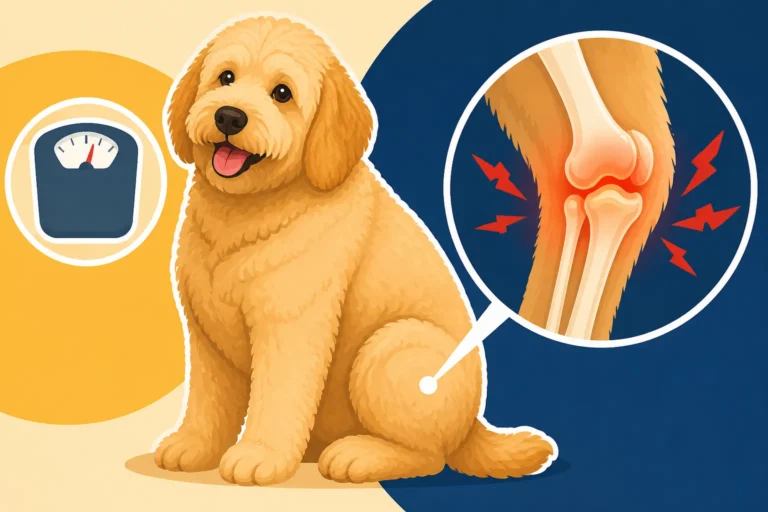
A healthy body weight and consistent physical activity play a surprisingly important role in anal gland health. When a Goldendoodle is overweight, the excess fat around their hindquarters can actually make natural anal gland expression more difficult by altering the normal anatomy and muscle function. This added insulation can also contribute to warmer, damper conditions, which can exacerbate skin issues in the area. Keeping your Goldendoodle at an ideal weight ensures their body can function as it should, including the muscles involved in defecation and gland expression. You can learn more about how to assess your Goldendoodle's body condition and how weight impacts their overall well-being by reading about Goldendoodle Weight and the Load on Its Joints.
Regular exercise also supports a healthy digestive system. Consistent activity helps maintain muscle tone throughout the body, including the abdominal and pelvic muscles that contribute to effective bowel movements. A dog that gets enough exercise tends to have more regular and firmer stools, which, as we've discussed, is crucial for naturally emptying the anal glands. Aim for daily walks, playtime, and mental stimulation to keep your Goldendoodle fit and their digestive system humming along.
Consistent Grooming of the Hindquarters
One of the unique challenges of Goldendoodle ownership is managing their glorious, often dense, coat. This coat, while beautiful, can be a major contributor to anal gland issues if not properly maintained, making Goldendoodle Grooming as the Biggest Line in the Budget a non-negotiable part of ownership. The long hair around your Goldendoodle's anus can become matted with fecal matter or simply grow too long, effectively blocking the small ducts of the anal glands. This makes natural expression nearly impossible and creates a breeding ground for bacteria.
To combat this, regular grooming of the hindquarters is essential. This means trimming the hair very short around the anal opening, often referred to as a "sanitary trim." This keeps the area clean, allows for better visibility of any swelling or redness, and ensures the ducts aren't obstructed. Your professional groomer will typically include this as part of a routine grooming session, which for a Goldendoodle, often needs to happen Goldendoodle Grooming Every Six Weeks Adds Up. However, between professional appointments, you might need to do some light trimming yourself or at least ensure the area is clean and free of any mats or debris. A good habit is to check the area every time you're giving your Goldendoodle a thorough Brushing a Goldendoodle Often Enough to Stop Matting.
The Role of Preventative Care and Vet Check-ups
Even with the best home care, anal gland problems can sometimes occur. This is where consistent preventative veterinary care becomes invaluable. Regular check-ups allow your veterinarian to monitor your Goldendoodle’s overall health, including their anal glands. During these visits, your vet can visually inspect the area, and if necessary, manually check the glands to ensure they are not full or impacted. Early detection means simpler, less painful interventions.
If your Goldendoodle has a history of recurrent anal gland issues, your vet might recommend more frequent examinations or scheduled expressions. They can also offer tailored advice on diet, supplements, and lifestyle adjustments specific to your dog's needs. Having a strong relationship with your vet is vital for managing chronic conditions. For those unexpected or ongoing vet bills associated with these issues, pet insurance can be a huge relief. Providers like Healthy Paws offer coverage for unexpected illnesses and accidents, which can certainly include infections, abscesses, or even surgeries related to anal glands, helping you focus on your Goldendoodle's recovery without the added financial stress. Taking proactive steps and partnering with your vet ensures your Goldendoodle stays comfortable and happy, free from the woes of anal gland problems.
| Symptom | Possible Cause (Goldendoodle Specifics) | Recommended Action |
|---|---|---|
| Scooting on the ground | Full/Impacted Glands, Itchiness, Blocked Ducts | Consult vet/groomer for expression. |
| Excessive licking/biting rear | Full/Impacted Glands, Infection, Irritation | Vet check. May indicate infection or pain. |
| Foul, "fishy" odor | Leaking Glands, Partial Expression, Infection | Inspect area. Vet check if odor persists or worsens. |
| Redness/swelling near anus | Infection, Inflammation, Abscess | Urgent Vet Visit. |
| Pus or blood discharge | Ruptured Abscess, Severe Infection | Emergency Vet Visit. |
| Reluctance to sit/jump | Pain from Impaction, Abscess, Inflammation | Vet check to diagnose and treat pain. |
| Soft/loose stools consistently | Lack of natural pressure for expression | Adjust diet with fiber (pumpkin). Vet for dietary advice. |
| Matted hair around anus | Obstruction of ducts, hygiene issue | Sanitary trim by groomer or careful owner. |
Disclaimer
This article is intended for informational purposes only and does not constitute medical advice. Always consult with a qualified veterinarian for any health concerns or before making any decisions about your Goldendoodle's health or treatment plan.