Do F1b Goldendoodles Have Fewer Health Problems?
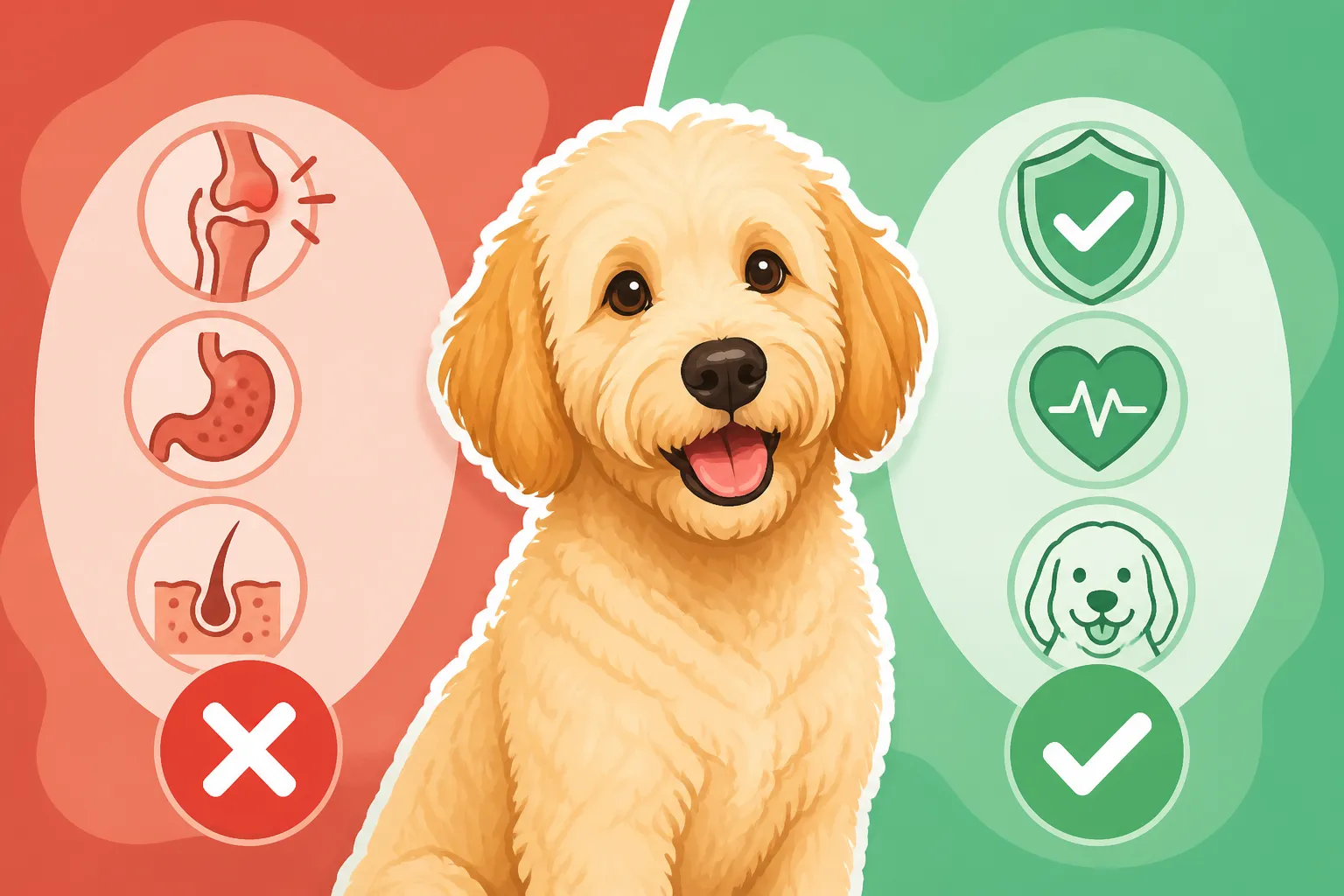
It's a common, and completely understandable, hope that when you choose a specific Goldendoodle generation, you're also picking a specific health profile. Many prospective Goldendoodle owners, especially those battling allergies or simply wanting the "best" chance at a healthy dog, hear that F1b Goldendoodles have fewer health problems. It sounds so appealing, right? A formula for better health! But the truth is often more nuanced than a simple generational label. This guide is going to dig deep into what "F1b" truly means for your Goldendoodle's health and explore the real factors that play a much bigger role in their well-being.
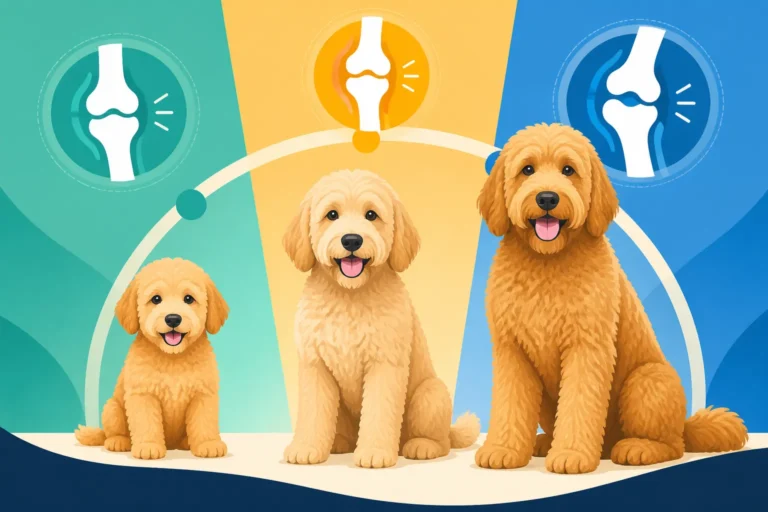
Understanding Goldendoodle Generations and the F1b Claim
When you start looking for a Goldendoodle, you quickly run into a dizzying array of F-numbers and B-letters. F1, F1b, F2, F2b, Multigen… it can feel like you need a math degree just to pick a puppy! And often, breeders will highlight the F1b generation as having particular advantages, especially when it comes to shedding and, by extension, health. But what exactly does that F1b designation truly signify for a dog's health?
Defining the F1b Goldendoodle
An F1 Goldendoodle is a first-generation cross, meaning it's 50% Golden Retriever and 50% Poodle. These dogs have a wide range of coat types and temperaments, reflecting the genetic lottery of combining two distinct breeds. An F1b Goldendoodle, on the other hand, takes that F1 Goldendoodle and backcrosses it to one of the parent breeds, almost always a Poodle. This means an F1b Goldendoodle is typically 75% Poodle and 25% Golden Retriever. The "b" stands for backcross.
The primary reason breeders create F1b Goldendoodles is to increase the likelihood of a low-shedding or non-shedding coat, which is a highly desirable trait for individuals with allergies. The Poodle's dense, curly coat is known for its minimal shedding, so adding more Poodle genetics into the mix helps solidify that trait. However, this focus on coat sometimes inadvertently leads to assumptions about overall health. People often reason that if it's "more Poodle" and Poodles are generally seen as healthy, then the F1b must be healthier.
The Allure of the F1b: What Breeders Often Promise
The promise often heard about F1b Goldendoodles is multifaceted. Beyond the low-shedding aspect, many breeders suggest that F1b puppies inherit the "best of both worlds" more effectively, or that the increased Poodle percentage somehow dilutes or reduces the risk of common Golden Retriever health issues. This narrative is incredibly appealing to families who want to minimize future vet bills and heartache. Imagine being told that by simply choosing an F1b, you're significantly reducing the chances of your beloved companion suffering from debilitating conditions like hip dysplasia or certain cancers. It’s a powerful marketing tool, and it makes perfect sense why people would gravitate towards it.
However, relying solely on the F1b label as a guarantee for fewer health problems can be misleading. While the backcross might reduce the expression of some traits, it doesn't automatically eliminate genetic predispositions. For example, if both the Poodle and Golden Retriever lines carry a gene for a specific condition, even an F1b Goldendoodle could still inherit it, especially if only one parent in the F1 line was tested or cleared. It's crucial to look beyond the generational label and understand the deeper genetic mechanisms at play.
The Reality of Hybrid Vigor in Goldendoodles
Hybrid vigor, also known as heterosis, is a biological phenomenon where the offspring of two different breeds or lines exhibit superior qualities to both parents. In the world of dog breeding, it's often cited as a major advantage of crossbreeds like Goldendoodles. The idea is that by mixing the gene pools, you reduce the likelihood of inheriting two copies of a detrimental recessive gene, as it's less likely for both parent breeds to carry the exact same harmful recessive genes.
How Hybrid Vigor Works (and Why It's Misunderstood)
True hybrid vigor works best when the two parent breeds are genetically distinct and healthy. When they are crossed, the first-generation (F1) offspring often benefit the most. They tend to be more robust, potentially healthier, and sometimes even live longer than either purebred parent. This is because recessive genes for certain diseases typically only manifest if an individual inherits a copy from both parents. If the parent breeds are diverse enough, the chances of an F1 dog inheriting two copies of the same recessive disease gene are naturally lower. This is part of the allure of the Goldendoodle – the hope that you're getting a dog with the beloved Golden Retriever temperament and the Poodle's intelligence, combined with enhanced health.
However, the concept of hybrid vigor is frequently misunderstood and misapplied, particularly when we move beyond the F1 generation. Many owners hope that Whether a Goldendoodle Really Lives Longer Than a Purebred is always true, but it's not a universal guarantee across all generations or breeding practices.
Why F1b Doesn't Guarantee "More" Hybrid Vigor
Here's where the F1b generation's claim to more hybrid vigor starts to unravel. When you backcross an F1 Goldendoodle (50% Golden, 50% Poodle) to a purebred Poodle, you are actually reducing the genetic diversity compared to the F1. The resulting F1b puppy is 75% Poodle, 25% Golden. This means you are increasing the proportion of Poodle genes. While this might be great for achieving a curlier, less shedding coat, it also means you're increasing the chances of inheriting Poodle-specific health concerns.
The peak of hybrid vigor is generally observed in the F1 generation, where the genetic diversity is maximized from the initial cross. As you move into subsequent generations or backcrosses (like F1b, F2, or multigen), that initial genetic diversity often begins to diminish. You're effectively reintroducing more of one parent breed's genetic material, which can bring back a higher prevalence of that breed's inherent genetic weaknesses. This is why Why Goldendoodle Hybrid Vigor Fades After F1 is a crucial concept to understand. The idea that "more Poodle" necessarily means "more healthy" simply doesn't hold up under genetic scrutiny if specific Poodle health issues are prevalent in the Poodle parent's lines.
When Both Goldendoodle Parents Carry the Same Gene
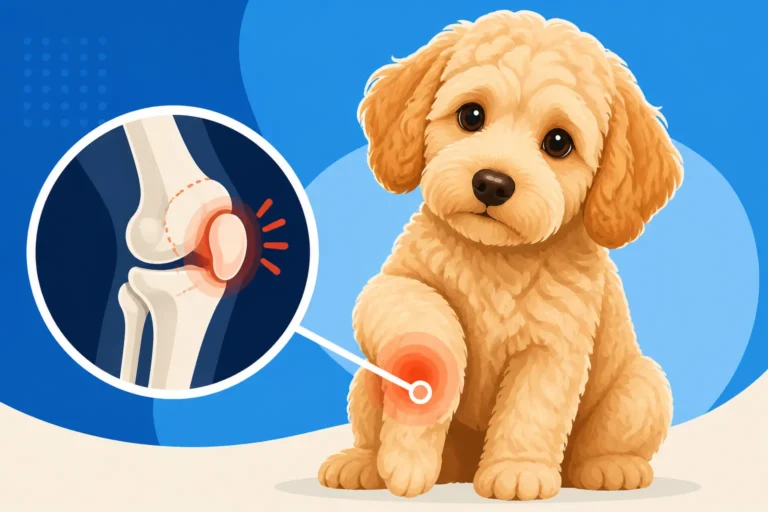
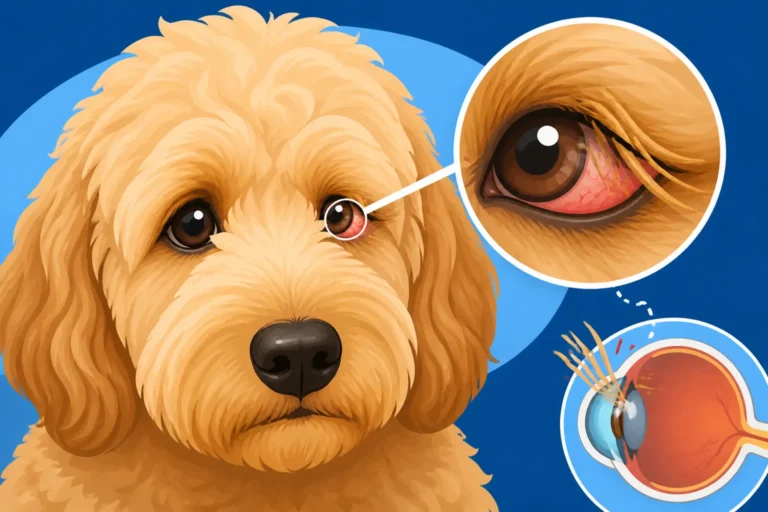
One of the biggest misconceptions is that being an F1b automatically shields a dog from genetic issues. The truth is, both Golden Retrievers and Poodles, despite being distinct breeds, can carry some of the same genetic predispositions to certain diseases. For example, both breeds can carry genes for certain forms of Progressive Retinal Atrophy (PRA), hip and elbow dysplasia, and certain heart conditions. So, even if you have an F1 Goldendoodle parent and a Poodle parent for an F1b litter, if both of those individual dogs happen to carry a gene for the same recessive condition, the F1b offspring are still at risk.
Imagine a scenario where the F1 Goldendoodle parent inherited a recessive gene for a condition like Von Willebrand's Disease (a bleeding disorder found in both breeds) from its Golden Retriever grandparent, and the purebred Poodle parent also carries a gene for the same condition. Even though one is a Poodle and the other a Goldendoodle, if they both contribute that recessive gene, their F1b offspring could develop the disease. This is a clear example of When Both Goldendoodle Parents Carry the Same Gene, making generational labels less significant than the actual genetic makeup of the individual breeding dogs. The "b" in F1b doesn't magically purify the gene pool if the Poodle used for the backcross isn't thoroughly health-tested.
What Truly Impacts a Goldendoodle's Health
So, if the F1b generation isn't a magic bullet for health, what really makes a difference? The answer lies not in the generational label, but in diligent, responsible breeding practices and proactive care throughout your Goldendoodle's life. Focusing on these elements will provide a much more solid foundation for a healthy dog than any F-number could.
The Critical Role of Parent Health Testing
This is, without a doubt, the single most important factor in determining the potential health of any Goldendoodle, regardless of its generation. Reputable breeders invest heavily in comprehensive health testing of their breeding dogs before they ever produce a litter. This means screening for conditions known to affect both Golden Retrievers and Poodles. For example, both breeds are prone to hip and elbow dysplasia, so the parents should have Goldendoodle Hip Dysplasia and the OFA Numbers performed by the Orthopedic Foundation for Animals (OFA) with excellent or good ratings. Similarly, eye certifications (like CERF or OFA Eye) are crucial, especially for conditions like Progressive Retinal Atrophy, as discussed in Progressive Retinal Atrophy and the Goldendoodle Eye Test.
Other vital tests include screenings for cardiac conditions (especially subvalvular aortic stenosis common in Goldens), thyroid disease, and specific genetic disorders like Von Willebrand's Disease or Addison's Disease, which Addison's Disease a Goldendoodle Gets From the Poodle is known to contribute. A breeder who proudly shares these OFA clearances and genetic test results (and can explain them to you in detail) is demonstrating a commitment to health that far surpasses any generational claim. Without these tests, you're essentially playing Russian roulette with your puppy's genetic future.
Why a DNA Panel is More Reliable Than Generation
In today's age, advanced genetic testing through DNA panels offers unprecedented insight into a dog's genetic health. Instead of relying on generalized assumptions about generations, these tests can identify specific genetic markers for dozens of potential diseases. Reputable breeders utilize services like Embark or Wisdom Panel to screen their breeding dogs. These panels can detect carrier status for conditions like various forms of PRA, Ichthyosis (a skin condition from the Golden Retriever side), Degenerative Myelopathy, and more. Knowing a parent's carrier status is critical because even if a dog carries a recessive gene for a disease, they won't necessarily develop the disease themselves, but they can pass it on to their offspring.
A responsible breeder ensures that if one parent is a carrier for a specific genetic disease, the other parent is clear of that same disease. This way, no puppy in the litter will inherit two copies of the problematic gene and develop the condition. They might be carriers themselves, but they won't be affected. This meticulous approach, guided by science rather than speculation, offers a much more accurate prediction of a puppy's genetic health. Therefore, demanding to see The DNA Panel a Goldendoodle Breeder Should Run for both parents is a far more effective strategy than simply asking if a puppy is an F1b.
Lifestyle, Environment, and Lifelong Care
Beyond genetics, a Goldendoodle's health is profoundly shaped by its environment, diet, and the care it receives throughout its life. Even a genetically sound Goldendoodle can face health challenges if not properly cared for. This includes providing a high-quality, balanced diet appropriate for their age and size, ensuring adequate exercise (both physical and mental) to maintain a healthy weight and strong joints, and regular veterinary check-ups.
Preventive care is paramount. This means consistent parasite prevention, up-to-date vaccinations, and proactive grooming to prevent common issues. Goldendoodles, with their luxurious coats and often floppy, furnished ears, are particularly susceptible to Goldendoodle Ear Infections Under a Furnished Ear. Regular cleaning and careful drying after baths or swimming are vital. Dental hygiene is another often-overlooked area; regular brushing can prevent painful and costly dental disease down the line. Finally, having comprehensive pet insurance, such as from providers like Healthy Paws, can be a real lifeline when unexpected health issues arise, providing peace of mind regardless of your dog's generation or initial health profile.
Making Informed Choices for a Healthy Goldendoodle
The journey to finding a healthy Goldendoodle isn't about chasing a specific generational label like F1b. It's about being an educated, discerning puppy buyer and a responsible dog owner. By focusing on the right criteria and committing to lifelong care, you significantly increase your chances of bringing home a truly healthy and happy companion.
Evaluating Breeder Transparency and Practices
When searching for a Goldendoodle, your primary focus should be on finding a breeder who is completely transparent about their health testing and breeding practices. Don't be shy about asking direct questions and requesting documentation. A good breeder will:
- Provide full access to parent health records: This means showing you the actual OFA certificates (for hips, elbows, heart, eyes), not just saying the parents are "cleared." They should also be able to explain the results of OFA Clearances on a Goldendoodle Sire and Dam.
- Share DNA test results: As mentioned, a comprehensive DNA panel from a reputable lab like Embark or Wisdom Panel for both parents is essential.
- Be knowledgeable about both parent breeds: They should understand the common health issues of Golden Retrievers and Poodles alike, and how those might manifest in a Goldendoodle litter. This means understanding What a Goldendoodle Inherits From Each Parent Breed.
- Offer a health guarantee: While not a substitute for proper testing, a written health guarantee in their contract demonstrates their confidence in their breeding program and offers some recourse for certain early-onset genetic conditions.
- Welcome questions and visits (when appropriate): A reputable breeder wants to ensure their puppies go to good homes and should be open to discussing their practices, letting you meet the parents (if possible), and showing you where the puppies are raised.
Beware of breeders who only talk about "hybrid vigor" or an F1b generation having "fewer health problems" without backing it up with verifiable health testing. Such claims, without the data, are merely marketing.
| Goldendoodle Generation | Parent Cross | Primary Goal/Claim | Genetic Diversity & Hybrid Vigor | Health Predictability |
|---|---|---|---|---|
| F1 | GR x Poodle | First generation, often max hybrid vigor, variable coat | Highest initial diversity | Variable, but benefits most from hybrid vigor |
| F1b | F1 GD x Poodle | Low-shedding, "hypoallergenic" coat | Reduced diversity towards Poodle | Slightly more predictable for coat, not necessarily for overall health |
| F2 | F1 GD x F1 GD | Can be unpredictable coat/health | High variability, some hybrid vigor but less predictable | Highly variable, can see "throwback" traits |
| Multigen | GD x GD (later generations) | Consistent traits over many generations | Lowest diversity, most uniform | Most predictable for desired traits (coat/size), but still requires parent testing |
The Importance of a Strong Veterinary Partnership
Once you bring your Goldendoodle home, establishing a strong relationship with a trusted veterinarian is paramount. Your vet will be your partner in maintaining your dog's health through all life stages. Regular check-ups are critical for early detection of potential issues. They can guide you on proper nutrition, exercise, and preventive care tailored to your specific dog's needs.
Don't hesitate to discuss any concerns you have, from a persistent cough to unusual behavior. Goldendoodles can be prone to certain issues, like The Cancer Types a Goldendoodle Can Inherit from the Golden Retriever side, so regular screenings as they age become increasingly important. And as mentioned, having pet insurance like Healthy Paws can truly alleviate the financial stress of unexpected accidents or illnesses, allowing you to make medical decisions based on what's best for your dog, not just your wallet. This proactive approach to care, combined with responsible breeding choices, is the real recipe for a long, healthy, and happy life for your beloved Goldendoodle, far more so than any single generational label.
Disclaimer
This article is for general informational purposes only and does not constitute professional advice. Laws, prices and regulations vary by location and change over time. Consult a qualified professional for guidance on your specific situation.