Hip Dysplasia Waiting Periods on a Goldendoodle Policy
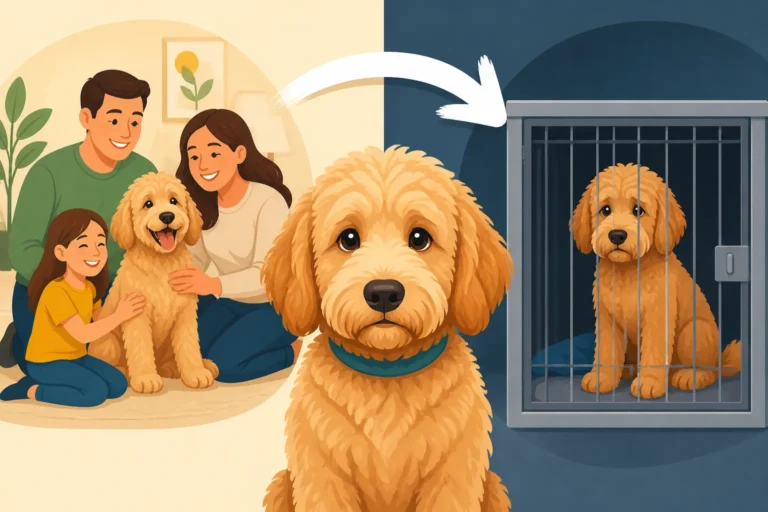
It’s a truly gut-wrenching moment when you realize your beloved Goldendoodle, the goofy, energetic companion who brings so much joy into your life, might be suffering from hip dysplasia. You want to do everything you can for them, but the reality of veterinary costs can hit hard, especially for conditions requiring surgery. This guide will walk you through the often-confusing world of pet insurance waiting periods, specifically focusing on how they impact coverage for hip dysplasia in Goldendoodles, so you can make informed decisions and hopefully avoid financial heartache.
Understanding Pet Insurance Waiting Periods for Goldendoodles
Getting pet insurance feels like a smart move when you bring home a new puppy, but many owners are caught off guard by the concept of a "waiting period." This isn't just some insurance industry jargon; it's a critical component of your policy that dictates when certain coverages actually kick in, and it's especially important for orthopedic issues like hip dysplasia in your Goldendoodle.
What is a Waiting Period, Really?
In simplest terms, a waiting period is a set amount of time you must wait from the policy's effective date before your pet insurance will start covering claims for specific conditions. Think of it like this: you wouldn't buy car insurance after you've had an accident and expect it to cover the damage. Pet insurance operates similarly to prevent people from purchasing a policy only when they know their pet is already sick or injured. These periods vary widely depending on the insurance provider and the type of condition. For instance, an accident might have a short waiting period, perhaps only a few days, while illnesses often have longer ones. Orthopedic issues, which can be costly and have a genetic component in breeds like Goldendoodles, almost always have the longest waiting periods of all. It’s a mechanism designed to protect the insurer from immediate high-cost claims and ensures a fair system for all policyholders.
Common Waiting Period Lengths for Orthopedic Conditions
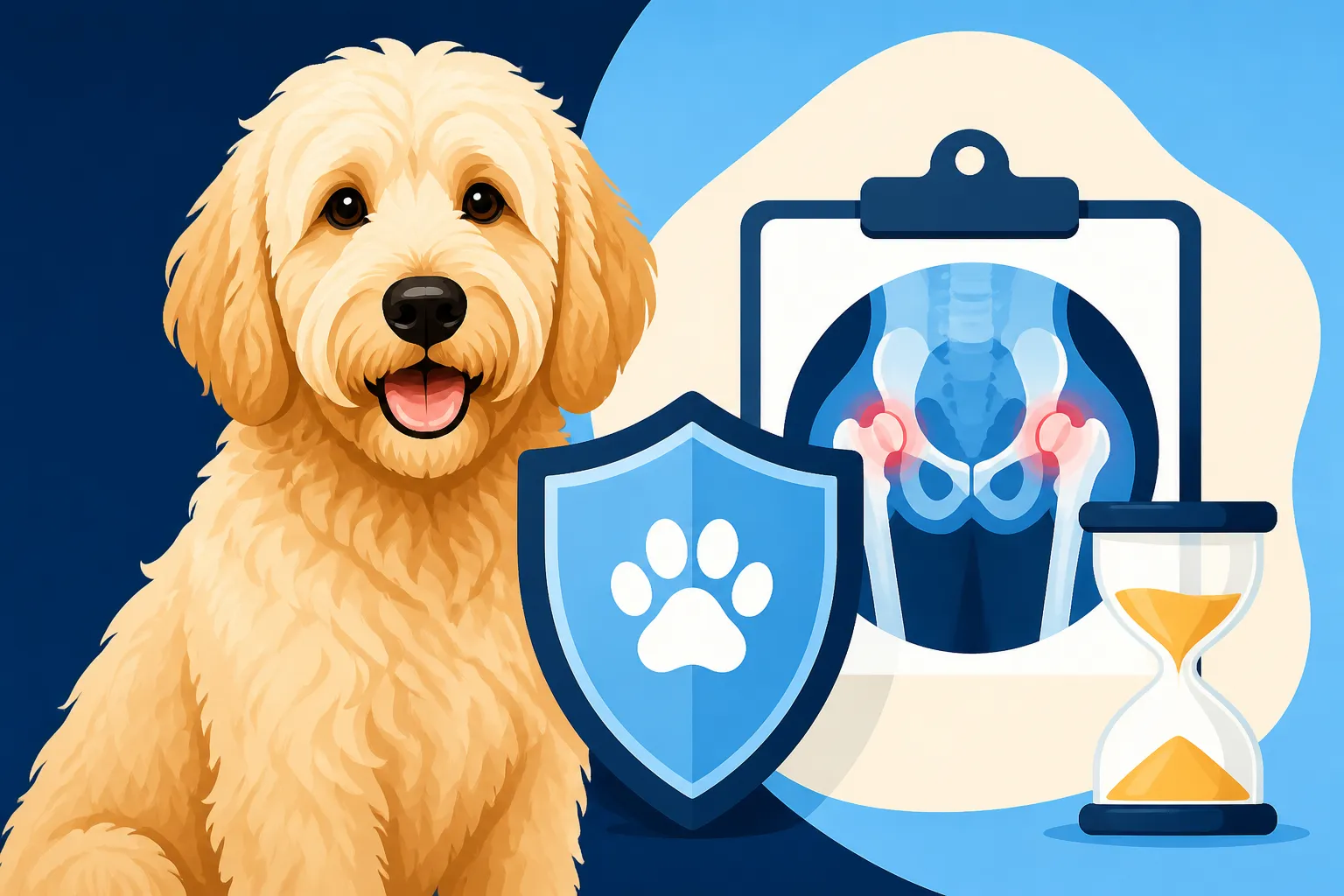
When it comes to hip dysplasia, Goldendoodle owners need to pay very close attention to their policy's orthopedic waiting period. This is often distinct from general illness waiting periods and is usually the longest. Most pet insurance providers, including popular ones like Healthy Paws, typically impose a waiting period of anywhere from six months to twelve months for orthopedic conditions. This means if your Goldendoodle shows any signs of hip dysplasia, or is officially diagnosed within that window, the condition will likely be considered "pre-existing" and therefore excluded from coverage.
It's not uncommon to see policies with a 6-month orthopedic waiting period, but many extend to a full year. For example, if you enroll your Goldendoodle in a policy on January 1st with a 12-month orthopedic waiting period, any hip dysplasia symptoms or diagnosis before December 31st of that same year would not be covered. This can feel incredibly unfair if your puppy develops signs of lameness or discomfort early on, but it's a standard practice across the industry to protect against adverse selection. It's truly vital to check these specific timelines when comparing different plans.
Why Insurers Implement These Periods
The primary reason behind these waiting periods is to prevent pet owners from purchasing insurance only after their pet has developed an expensive condition. This is known as preventing "adverse selection." Imagine if someone could wait until their Goldendoodle was limping badly, indicating serious hip issues, and then buy insurance expecting immediate coverage for a surgery that could cost thousands. If everyone did this, pet insurance companies wouldn't be able to stay in business, and premiums for everyone else would skyrocket.
Beyond preventing fraud, waiting periods also help insurers manage their risk. Conditions like hip dysplasia can be incredibly expensive to treat, often involving complex surgeries, medication, and long-term physical therapy. By having a waiting period, insurance companies ensure that they are insuring against future unknown events, not pre-existing conditions that are already manifesting or about to be diagnosed. It's a tricky balance, as pet owners want immediate coverage, but insurers need to operate sustainably. Understanding this rationale, even if you don't agree with the inconvenience, helps in navigating the enrollment process more strategically.
Navigating Hip Dysplasia Waiting Periods with a Goldendoodle
The specifics of navigating waiting periods can feel like trying to solve a puzzle, especially when you're worried about your Goldendoodle's health. The timing of when you enroll, when symptoms appear, and when a diagnosis is made are all crucial factors that can determine whether a condition like hip dysplasia will be covered.
The Dreaded "Pre-Existing Condition" Clause
This is where many Goldendoodle owners get tripped up. A pre-existing condition is generally defined as any illness or injury that your pet showed signs of, or was diagnosed with, before your policy’s effective date or during the waiting period. For hip dysplasia, this means if your Goldendoodle started limping, displayed discomfort, or was diagnosed by a vet before your orthopedic waiting period was over, that specific condition (hip dysplasia) will likely be permanently excluded from your coverage.
It's not just about a formal diagnosis either. Many policies consider any noted symptom in your pet's veterinary records prior to the waiting period's end to be evidence of a pre-existing condition. So, even if your vet just noted "slight lameness in hind leg" in an early visit, and later that develops into a full hip dysplasia diagnosis, it could be denied. This can be incredibly frustrating, particularly with Goldendoodles, where subtle signs of discomfort might be dismissed as puppy clumsiness before a formal diagnosis is made. Understanding The Goldendoodle Conditions Insurers Exclude can help you prepare for common pitfalls.
When Does the Clock Start Ticking?
The clock for your waiting period typically starts ticking from your policy's "effective date," which is the date your coverage officially begins, usually after your application is processed and approved. It's not when you first express interest, but when the policy is actually active. However, the end of the waiting period is when coverage for specific conditions (like hip dysplasia) actually becomes available.
For example, if your policy's effective date is June 1st, and it has a 6-month orthopedic waiting period, your Goldendoodle won't be covered for hip dysplasia until December 1st. Any vet visits, observations, or diagnoses related to hip issues between June 1st and November 30th would fall within that waiting period and could lead to the condition being classified as pre-existing. This is why it’s so critical to get your Goldendoodle insured as early as possible, ideally when they are a puppy, to ensure that the waiting periods pass before any potential signs of genetically predisposed conditions like hip dysplasia have a chance to emerge. Considering Enrolling a Goldendoodle Puppy in Week One can be a strategic move.
How Different Policy Tiers Handle Orthopedic Issues
Not all pet insurance policies are created equal, and how they handle orthopedic issues like hip dysplasia can vary significantly across different tiers and providers. Some basic accident-only plans might not cover illnesses at all, making them unsuitable for conditions like hip dysplasia. Comprehensive plans, which cover both accidents and illnesses, are your best bet for these kinds of problems.
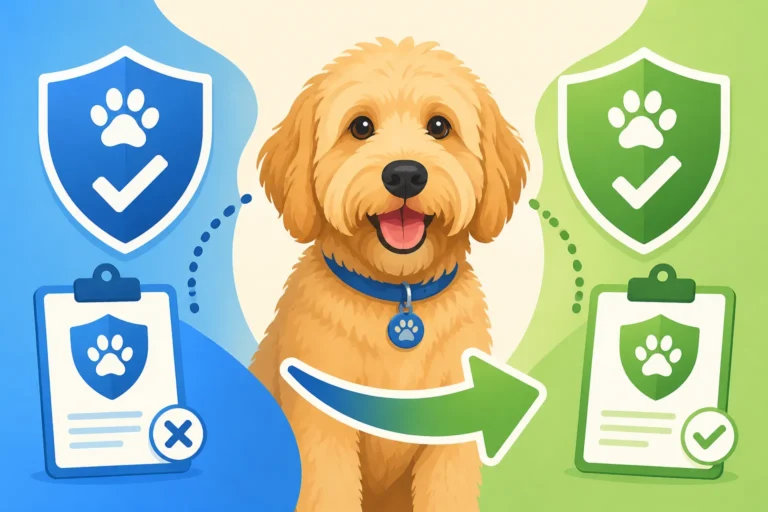
Within comprehensive plans, you might find differences in waiting periods, reimbursement percentages, and annual limits specifically for orthopedic conditions. Some forward-thinking providers may offer ways to reduce the orthopedic waiting period. For instance, a few insurers might allow you to get a waiver or shorten the waiting period if your Goldendoodle undergoes a specific orthopedic exam (often performed by an orthopedic specialist) after enrollment and is found to be free of hip dysplasia or other orthopedic issues. This usually involves a thorough check-up, X-rays, and a vet certification that the pet is healthy. It's a fantastic option to look for, especially if you're enrolling an older puppy or adult Goldendoodle, as it can significantly reduce your risk exposure. Always ask potential providers about these options when shopping for coverage.
Strategies for Goldendoodle Owners Facing Hip Dysplasia Risks
As a Goldendoodle owner, preparing for potential health challenges like hip dysplasia is just part of responsible pet parenthood. While you can't control genetics, you can certainly control how you prepare financially and medically. Understanding and strategically navigating pet insurance is a big piece of that puzzle.
Enrolling Early is Your Best Bet
Seriously, if there's one piece of advice to take to heart regarding pet insurance for your Goldendoodle, it's this: enroll them as early as possible. Ideally, you should aim to get pet insurance coverage when your Goldendoodle is still a young puppy, even before you bring them home. Most providers allow enrollment for puppies as young as 8 weeks old. By doing this, you allow the various waiting periods, including the lengthy orthopedic one, to pass while your puppy is still in its prime health, before any symptoms of conditions like hip dysplasia might appear.
Think about it: a Goldendoodle puppy, especially a standard size, is rapidly growing. The stresses on their joints, which can predispose them to conditions like hip dysplasia, become more apparent as they mature. If you wait until they are 6-8 months old and start seeing a slight limp, it might be too late for insurance to cover a subsequent hip dysplasia diagnosis due to the waiting period. An early enrollment ensures that when the coverage finally kicks in, you have the best chance of having any future, unforeseen conditions covered. It’s an investment in peace of mind for their entire Goldendoodle Lifespan and What a Cross Really Buys You.
Reading the Fine Print: What to Look For in a Policy
Navigating pet insurance policies can feel like reading legal documents written in another language. But it's crucial to roll up your sleeves and understand the nuances, especially concerning orthopedic conditions. When you're looking at policies for your Goldendoodle, here’s what you absolutely must scrutinize:
- Orthopedic Waiting Period Specifics: Confirm the exact length of the waiting period for hip dysplasia and other orthopedic issues. Is it 6 months? 12 months? Is there an option to reduce it with a vet exam?
- Pre-Existing Condition Definition: Understand precisely how the insurer defines a pre-existing condition. Does it only require a formal diagnosis, or will mere symptoms noted in vet records be enough to disqualify coverage?
- Bilateral Conditions: Pay attention to "bilateral condition" clauses. If your Goldendoodle develops hip dysplasia in one hip and it's covered, but a different orthopedic issue (like a torn cruciate ligament) later develops in the other knee, some policies might consider it related and deny coverage if the first event happened during a waiting period. This is less common for hip dysplasia itself, as it's typically a bilateral condition already.
- Hereditary/Genetic Conditions: Ensure the policy covers hereditary or genetic conditions, which hip dysplasia often is. Most comprehensive plans do, but it's worth double-checking.
- Annual Limits and Reimbursement: Understand the annual payout limits and the reimbursement percentage. A plan with a lower reimbursement percentage (e.g., 70%) or a low annual limit might still leave you with substantial out-of-pocket costs for a condition like Goldendoodle Hip Dysplasia at 15 to 20 Percent.
Don't hesitate to call the insurance provider directly and ask detailed questions if anything is unclear.
Considering Providers and Their Policies
There are many reputable pet insurance providers out there, and comparing them can be overwhelming. Companies like Healthy Paws are often highly rated for their comprehensive coverage and unlimited annual payouts, which can be a huge benefit for expensive conditions like hip dysplasia. Their typical orthopedic waiting period is usually 6 months. Other providers, like Lemonade, Embrace, or Fetch, also offer robust plans but may have different waiting period structures or options to reduce them.
It's also worth noting that some online retailers and pet supply stores act as marketplaces for pet insurance, such as Chewy Pet Insurance, which partners with various providers to offer different plans. This can be a good starting point to compare multiple quotes in one place. When researching, always look for customer reviews specifically mentioning how claims for orthopedic issues were handled. Beyond insurance, remember that maintaining your Goldendoodle's overall health is paramount. High-quality nutrition, perhaps including fresh food options like those offered by Ollie, can contribute to healthy development and joint support, potentially lessening the severity of conditions like hip dysplasia down the line by maintaining an ideal weight.
Documentation is Key
Your veterinary records are your best friend when it comes to pet insurance claims. Maintaining meticulous documentation of all your Goldendoodle's vet visits, including routine check-ups, vaccinations, and any discussions about their health, is absolutely critical.
Why? Because if your Goldendoodle develops hip dysplasia and you file a claim, the insurance company will request your pet's complete veterinary history. If there are gaps in care, or if a minor symptom was noted but not fully investigated, it could complicate your claim. Regular wellness exams show a consistent effort to maintain your pet's health, which can work in your favor. Furthermore, if you're trying to get a waiting period waived, the detailed records of an orthopedic exam will be essential. Make sure your vet accurately records everything during appointments, and don't hesitate to ask for copies of your Goldendoodle’s records for your own files. Good documentation can mean the difference between a covered surgery and a denied claim.
Beyond Waiting Periods: Comprehensive Hip Dysplasia Management
Even with pet insurance, managing hip dysplasia in a Goldendoodle is a multifaceted commitment. It goes beyond just understanding policy waiting periods; it involves proactive care, lifestyle adjustments, and being prepared for potential treatments.
The Importance of Proactive Health Testing
The very best way to mitigate the risk of hip dysplasia in your Goldendoodle starts before they even come home. Responsible breeders will rigorously health test their breeding dogs for genetic conditions like hip and elbow dysplasia. Organizations like the Orthopedic Foundation for Animals (OFA) provide certifications based on X-ray evaluations. A "Good" or "Excellent" OFA rating indicates healthy hips.
When looking for a puppy, always ask to see the OFA certificates (or PennHIP evaluations) for both parent dogs. If a breeder shows you copies of the OFA Clearances on a Goldendoodle Sire and Dam, it provides a degree of assurance that your puppy's parents had healthy hips, significantly reducing the likelihood of your Goldendoodle developing severe dysplasia. While it's not a 100% guarantee (environmental factors play a role too), it's the strongest genetic safeguard you can have. Understanding Goldendoodle Hip Dysplasia and the OFA Numbers can empower you to ask the right questions.
Supportive Care and Lifestyle Adjustments
Once your Goldendoodle is home, proactive daily care can play a huge role in supporting joint health, whether they are predisposed to hip dysplasia or not. Maintaining a healthy weight is paramount. Excess weight puts immense strain on joints, exacerbating any underlying hip issues. Regularly checking your Goldendoodle's body condition score can help you determine if they are at an ideal weight, as their fluffy coat can often hide weight gain. You can learn more about Goldendoodle Weight and the Load on Its Joints.
Controlled exercise is also important, particularly for puppies. High-impact activities like jumping off furniture or prolonged, strenuous running should be limited, especially during their rapid growth phases when their growth plates are still open. Instead, focus on moderate, consistent exercise like walks and swimming. Additionally, many owners opt for joint supplements containing ingredients like glucosamine, chondroitin, and MSM, which can help support cartilage health and reduce inflammation. These supplements are often recommended proactively, particularly for larger breeds or those with known genetic predispositions. Your vet can advise on appropriate Joint Support Dosed to Goldendoodle Size Category.
Understanding Treatment Options and Costs
If, despite all precautions, your Goldendoodle is diagnosed with hip dysplasia, it's essential to understand the range of treatment options available and their associated costs. These can vary significantly depending on the severity of the condition and your dog's age and overall health.
Conservative management often involves pain medication, anti-inflammatory drugs, weight control, and physical therapy to strengthen surrounding muscles. This can be effective for milder cases or as a stop-gap measure. For more severe cases, surgical intervention might be recommended. Common surgical procedures include Femoral Head Ostectomy (FHO), where the head of the femur is removed, allowing the body to form a "false joint," or Total Hip Replacement (THR), which is a more invasive but often highly successful procedure that replaces the diseased joint with prosthetic components. These surgeries can be incredibly expensive, often ranging from several thousand dollars per hip, easily reaching $10,000 or more for a bilateral hip replacement, plus aftercare. This is where having pet insurance, particularly one without annual limits, can be a true lifeline. Understanding Goldendoodle Hip Surgery Costs is crucial for planning. Recovery often involves extensive physical therapy, which can also add to the overall expense and commitment. In some cases, older Goldendoodles might develop Goldendoodle Arthritis After the Age of Eight as a consequence of hip dysplasia, requiring ongoing management.
Pet Insurance Waiting Periods for Common Goldendoodle Orthopedic Conditions
To give you a clearer picture, here's a general overview of typical waiting periods you might encounter with pet insurance for your Goldendoodle. Remember, these are averages, and specific policies will vary. Always check your individual policy documentation.
| Condition Type | Typical Waiting Period | Notes |
|---|---|---|
| Accidents (e.g., broken bone, foreign object ingestion) | 1-14 days | Usually the shortest waiting period; often 2-5 days, but can be up to 14. |
| Illnesses (e.g., ear infection, vomiting, allergies) | 14-30 days | Most common waiting period for general illnesses. Some chronic conditions might have slightly longer. |
| Orthopedic Conditions (e.g., Hip Dysplasia, Cruciate Ligament Tears, Patellar Luxation) | 6-12 months | This is the critical one for Goldendoodles. Often the longest waiting period. Look for options to reduce it. |
| Cancer | 14-30 days | Typically falls under general illness waiting periods, but check for specific exclusions. |
| Behavioral Issues | 6-12 months | Often treated with longer waiting periods, similar to orthopedic conditions, due to potential pre-existing components. |
| Wellness Plans (preventive care) | None or very short | If offered, typically has no waiting period for routine exams, vaccinations, etc., as these are not unexpected events. |
This table highlights why those longer orthopedic waiting periods are so important to consider when you're thinking about a Goldendoodle.
Disclaimer
Please remember that this article provides general information and guidance regarding Goldendoodle care, health, and pet insurance. It is not a substitute for professional veterinary advice. Always consult with a qualified veterinarian for any health concerns or before making any decisions about your pet's medical care or insurance coverage. Pet insurance policies vary, and you should always read your specific policy's terms and conditions carefully.