Goldendoodle Arthritis After the Age of Eight
It’s truly heartbreaking to watch our beloved Goldendoodles start showing their age, especially when their once boundless energy gives way to stiffness and reluctance. The playful bounces and enthusiastic greetings can become slower, more deliberate, and sometimes, even painful. This guide is here to help you understand what Goldendoodle arthritis looks like after the age of eight, how it progresses, and what you can realistically do to keep your furry family member comfortable and happy for as long as possible.
Recognizing the Subtle Signs of Arthritis in Your Aging Goldendoodle
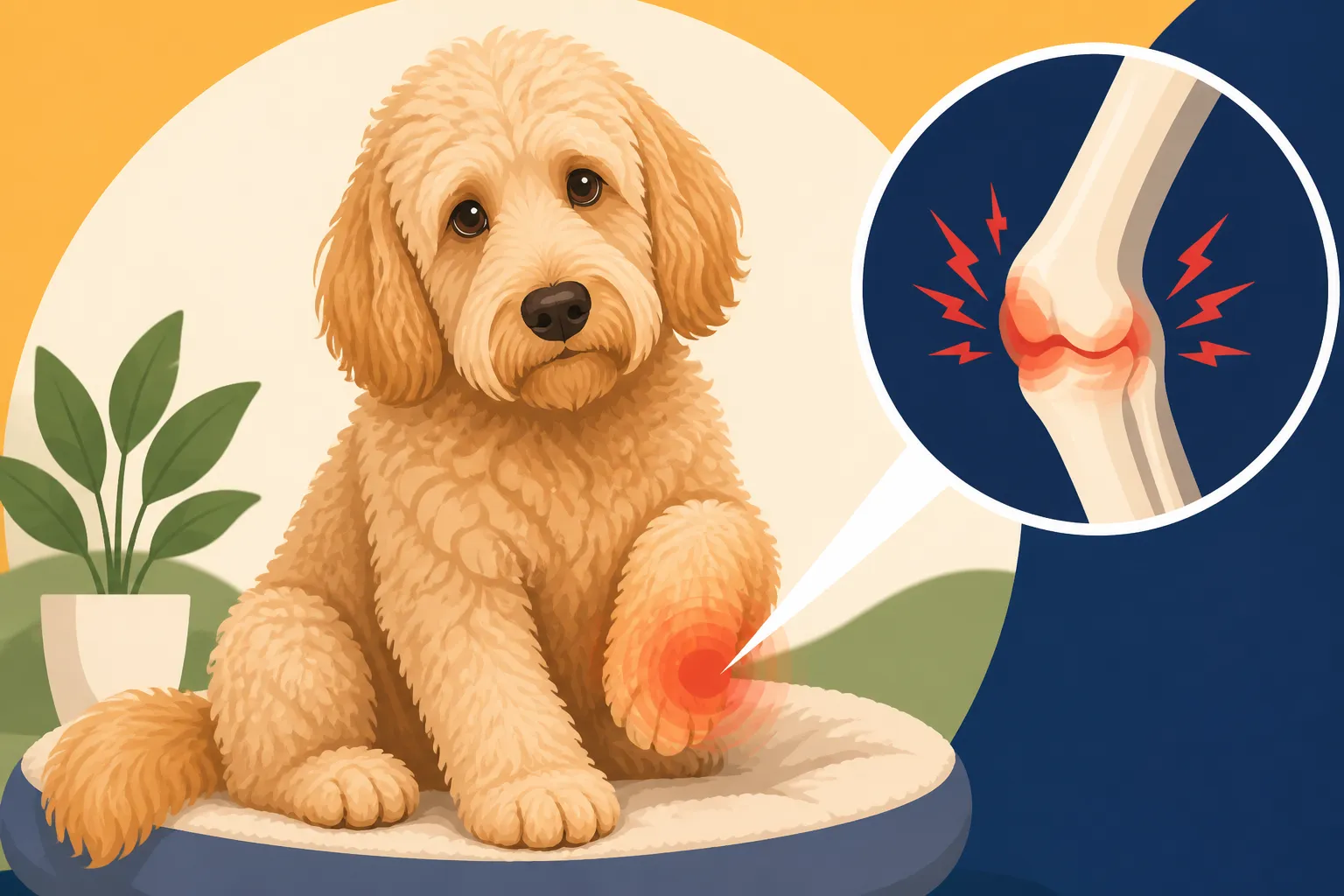
Arthritis, or osteoarthritis, is a progressive and often painful condition that affects the joints. It’s essentially the wear and tear of cartilage in the joints, leading to bone-on-bone friction, inflammation, and pain. For Goldendoodles, especially those reaching their senior years around eight years old and beyond, recognizing the early and often subtle signs is key to effective management. It's not always a dramatic limp; sometimes it's just a slight change that you, as their devoted owner, are uniquely positioned to spot.
The Gradual Changes in Movement and Demeanor
When your Goldendoodle is young, they probably race to the door, leap onto the couch, and bound up the stairs without a second thought. As they age, these movements can become less fluid. You might notice they hesitate before jumping into the car, or they might take the stairs one step at a time instead of galloping up them. Getting up from a lying position, especially after a long nap, might look labored, with a bit of stiffness in their hind legs that slowly eases as they get moving.
Beyond just movement, pay attention to their overall demeanor. A dog in chronic pain might not overtly cry out, but they might become less eager to play, turn down walks they once loved, or even seem a bit grumpy when you touch certain areas. Maybe they used to love a good belly rub, but now they shift away or give a low growl if you hit a sensitive spot. They might also start lying in unusual positions, trying to find a way to relieve pressure on a sore joint. Even subtle shifts in their normal routine, like choosing to sleep on the floor instead of their favorite soft bed, can be a quiet indicator that something is bothering them. For more on overall aging changes, you can refer to our guide on Senior Goldendoodle Care After the Age of Nine.
Identifying Pain Beyond Just "Slowing Down"
It’s easy to dismiss these changes as "just getting old," and while aging is a factor, it doesn't mean your Goldendoodle has to live with unmanaged pain. True arthritis pain can manifest in ways that aren't immediately obvious. Your Goldendoodle might start panting more, even when not exerting themselves, which can be a sign of discomfort. They might lick at a particular joint excessively, trying to soothe the area. You could also see changes in their appetite or sleeping patterns – pain can disrupt both.
Some Goldendoodles might even become less tolerant of other pets or children, not because their temperament has changed, but because they're trying to protect a sore joint from an accidental bump. Imagine having a perpetually sore knee; you’d probably be a bit more guarded too. Observing how they react to different types of touch, or how they navigate different surfaces (e.g., slipping on hardwood floors more often), can give you crucial clues. It's about looking past "slowing down" and asking why they are slowing down. Often, the answer lies in joint discomfort that can, and should, be addressed.
Common Joint Issues Leading to Goldendoodle Arthritis
Goldendoodles, being a crossbreed of Golden Retrievers and Poodles, unfortunately inherit a predisposition to certain orthopedic conditions from both sides of their family tree. While their "hybrid vigor" might offer some benefits, it doesn't make them immune to the genetic lottery of joint health, especially as they age. Many of these issues begin much earlier in life, silently setting the stage for arthritis to develop by the time they hit their golden years.
Hip and Elbow Dysplasia's Long-Term Impact
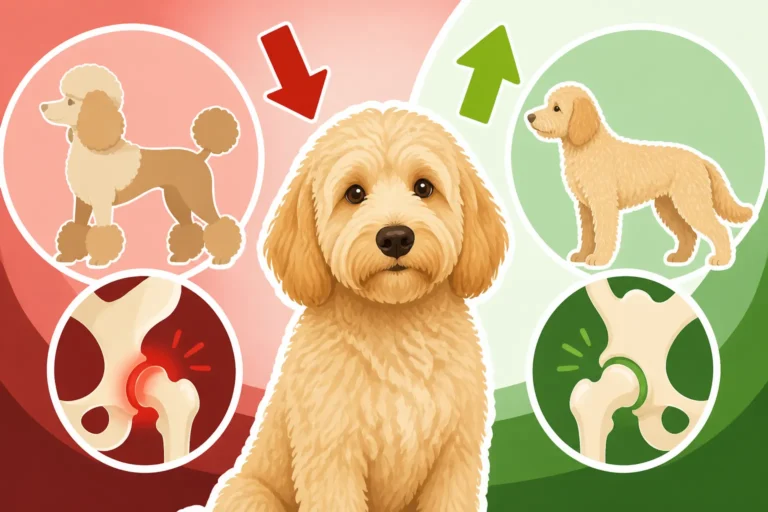
Both Golden Retrievers and Standard Poodles are prone to hip and elbow dysplasia, making these conditions a significant concern for Goldendoodles. Hip dysplasia occurs when the hip joint doesn't form correctly, leading to a loose fit of the ball and socket. This abnormal development causes friction and wear over time, eventually resulting in degenerative joint disease, which is essentially arthritis. Similarly, elbow dysplasia involves abnormal development in the elbow joint, leading to pain and lameness, often with arthritis as a secondary complication.
A Goldendoodle might have been diagnosed with hip or elbow dysplasia as a young dog, and perhaps managed it well with medication or even surgery. However, even with the best early care, the structural damage inflicted by dysplasia often leads to chronic arthritis in later life. Even if your Goldendoodle never showed overt signs of lameness when young, mild dysplasia can still contribute to significant arthritis by age eight. Understanding this inherited risk is crucial; you can learn more about specific percentages in our article, Goldendoodle Hip Dysplasia at 15 to 20 Percent, and dive deeper into elbow issues with Goldendoodle Elbow Dysplasia From Both Parent Breeds. The constant, abnormal rubbing in these joints slowly erodes cartilage, replacing it with painful scar tissue and bone spurs.
Patellar Luxation and Cruciate Ligament Tears
While hip and elbow dysplasia are often associated with larger breeds and standard-sized Goldendoodles, smaller Goldendoodle varieties, such as the Mini or Toy Goldendoodle, can be particularly susceptible to patellar luxation. This condition, where the kneecap (patella) slips out of its groove, causes intermittent lameness and, over time, can lead to significant arthritic changes in the knee joint. Each time the kneecap pops out, it causes wear and tear on the cartilage, accelerating the degenerative process. For detailed insights on this, read our piece on Patellar Luxation in a Mini Goldendoodle.
Another major culprit for joint degeneration is a cruciate ligament tear. The cranial cruciate ligament (CCL) in a dog's knee is similar to the ACL in humans, and its rupture is a common orthopedic injury. Whether it's a sudden, traumatic tear or a gradual degeneration, a torn CCL almost invariably leads to arthritis in the affected knee. Even after surgical repair, the joint mechanics are altered, and arthritis will often develop. Goldendoodles, especially active ones, are not immune to these injuries. An untreated or poorly managed cruciate tear will lead to severe, debilitating arthritis. Our article on Cruciate Tears in an Active Goldendoodle provides more context here.
The Role of Weight and Genetics
It's impossible to talk about Goldendoodle arthritis without addressing the significant role of body weight. Extra pounds place immense stress on joints, exacerbating any existing orthopedic issues and accelerating the onset and progression of arthritis. Every pound over an ideal weight acts like multiple pounds of pressure on joints like hips, knees, and elbows. Maintaining a lean body condition throughout your Goldendoodle's life is one of the most powerful preventative measures against severe arthritis.
Beyond weight, genetics play a fundamental role. Reputable breeders will conduct extensive health testing on parent dogs to screen for conditions like hip and elbow dysplasia, as well as patellar luxation. While these tests aren't a 100% guarantee, they significantly reduce the risk. Unfortunately, some Goldendoodles come from lines where such testing wasn't prioritized, increasing their genetic predisposition to these joint problems. Even a dog from well-tested parents can still develop arthritis, but the risk is certainly higher when parental health isn't a known factor. This is why understanding The DNA Panel a Goldendoodle Breeder Should Run is so important when choosing a puppy.
Table: Common Goldendoodle Joint Conditions and Their Arthritis Link
| Condition | Primary Cause | Goldendoodle Size Affected | How It Leads to Arthritis |
|---|---|---|---|
| Hip Dysplasia | Abnormal hip joint formation | All, but common in Standard | Cartilage wear from friction, bone spurs |
| Elbow Dysplasia | Abnormal elbow joint development | All, but common in Standard | Joint incongruity, inflammation, cartilage loss |
| Patellar Luxation | Kneecap slips out of groove | Mini/Toy Goldendoodles | Repeated trauma to cartilage, joint instability |
| Cruciate Ligament Tear | Ligament rupture in the knee | All sizes, active dogs | Joint instability, altered biomechanics, inflammation |
| Osteochondritis Dissecans (OCD) | Abnormal cartilage development/separation | Standard Goldendoodles | Cartilage damage, inflammation, joint pain |
Comprehensive Management Strategies for Goldendoodle Arthritis
Once your Goldendoodle is diagnosed with arthritis, the focus shifts from prevention to comprehensive management. There’s no cure for arthritis, but there’s a great deal we can do to manage the pain, slow its progression, and significantly improve their quality of life. This usually involves a multi-modal approach combining veterinary treatments, careful lifestyle adjustments, and targeted nutritional support.
Veterinary Diagnostics and Treatment Options
The first step is always a proper diagnosis by your veterinarian. They will conduct a physical examination, feeling the joints for swelling, pain, and reduced range of motion. X-rays are often necessary to confirm the presence and severity of arthritis, revealing joint space narrowing, bone spurs (osteophytes), and other degenerative changes. Sometimes, blood tests might be run to rule out other conditions or to establish baseline organ function before starting certain medications.
Based on the diagnosis, your vet will discuss a range of treatment options.
- Non-Steroidal Anti-Inflammatory Drugs (NSAIDs): These are often the cornerstone of pain management, reducing both pain and inflammation. Popular choices include Carprofen (Rimadyl), Meloxicam (Metacam), and Galliprant. While highly effective, they require careful monitoring for potential side effects, particularly on the liver and kidneys. Regular blood work is typically recommended.
- Other Pain Medications: For more severe pain, or when NSAIDs aren't enough, your vet might prescribe additional pain relievers like Gabapentin or Amantadine, which work on different pain pathways.
- Injectable Joint Modulators: Polysulfated Glycosaminoglycans (PSGAGs) like Adequan are often given as a series of injections. These can help to improve joint fluid quality, reduce cartilage breakdown, and provide some anti-inflammatory effects.
- Physical Therapy and Rehabilitation: This is becoming increasingly popular and effective. A certified canine rehabilitation therapist can develop a tailored program including hydrotherapy, therapeutic exercises, laser therapy, and acupuncture to strengthen supporting muscles, improve range of motion, and reduce pain. Physical therapy is often critical after certain surgeries, as detailed in our article on Physical Therapy After Goldendoodle Knee Surgery.
- Stem Cell Therapy and Platelet-Rich Plasma (PRP): These newer regenerative therapies use the dog's own cells to help reduce inflammation and promote tissue repair in damaged joints. They can be good options for some dogs, though they are often more expensive and not always covered by pet insurance. Speaking of which, having a good pet insurance plan like those offered by Healthy Paws can make these advanced treatments much more accessible, easing the financial burden on you.
Lifestyle Adjustments and Home Care
Managing arthritis extends far beyond medication. What you do at home, day-to-day, makes a monumental difference in your Goldendoodle’s comfort.
- Controlled Exercise: While strenuous activity might be out, controlled, low-impact exercise is essential to keep joints mobile and muscles strong. Short, frequent walks on soft surfaces (like grass or dirt trails) are far better than one long, intense hike. Swimming is also an excellent non-weight-bearing exercise that builds muscle without stressing joints.
- Comfortable Bedding: Provide orthopedic beds that offer excellent support, conforming to their body and cushioning joints. Avoid letting them sleep on hard floors.
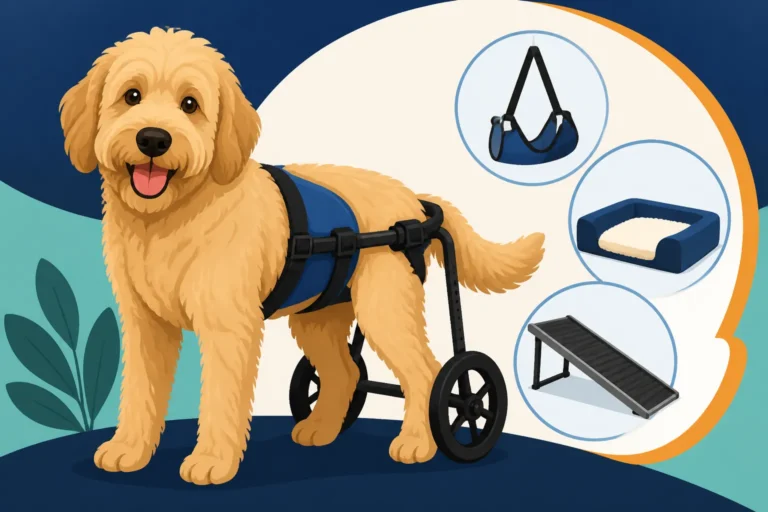
- Ramps and Steps: Eliminate the need for jumping by providing ramps for the car or steps for accessing furniture. This prevents unnecessary impact on already sore joints.
- Non-Slip Surfaces: Use rugs or runners on slippery hardwood or tile floors to provide better traction and prevent slips that can cause injury or exacerbate pain.
- Regular Grooming: Keeping their coat well-maintained, especially around the joints and paw pads, prevents matting that can pull on the skin and make movement uncomfortable.
Nutritional Support and Supplements
Nutrition plays a vital role in supporting joint health, especially in an arthritic Goldendoodle.
- Weight Management: This cannot be stressed enough. Maintaining an ideal body weight is paramount. If your Goldendoodle is overweight, even losing a few pounds can significantly reduce the load on their joints and alleviate pain. Discuss a weight-loss plan with your vet, focusing on a balanced diet with controlled calories. Our article on Goldendoodle Weight and the Load on Its Joints delves into this in detail.
- Joint Supplements: Many supplements aim to support joint health, though their effectiveness can vary. Look for products containing:
- Glucosamine and Chondroitin: These are components of cartilage and are believed to help maintain its integrity and reduce inflammation.
- Omega-3 Fatty Acids: EPA and DHA, found in fish oil, have powerful anti-inflammatory properties that can significantly reduce joint pain.
- MSM (Methylsulfonylmethane): Another compound thought to reduce pain and inflammation.
- Green-Lipped Mussel: A natural source of glucosamine, chondroitin, and omega-3s.
- Prescription Joint Diets: Some veterinary therapeutic diets are specifically formulated with high levels of omega-3s, glucosamine, chondroitin, and other ingredients to support joint health and manage weight. These can be very beneficial for arthritic dogs.
Always discuss any supplements or dietary changes with your vet before introducing them, as some can interact with medications or not be appropriate for your specific dog. When considering long-term care, including specialized diets and supplements, remember that pet insurance can help cover these ongoing costs, allowing you to choose the best for your Goldendoodle without undue financial stress. A company like Healthy Paws, for instance, focuses on accident and illness, which often includes the diagnostics and treatments for chronic conditions like arthritis.
Proactive Steps for Long-Term Joint Health
While arthritis might already be present in your Goldendoodle after the age of eight, it doesn't mean you can't take proactive steps to slow its progression and maximize their comfort. Think of it as managing a chronic condition – continuous, thoughtful effort yields the best results.
Regular Vet Check-ups and Early Intervention
Once arthritis is diagnosed, regular veterinary check-ups become even more crucial. Your vet will want to monitor the progression of the disease, assess the effectiveness of current medications, and make adjustments as needed. This might involve quarterly or semi-annual visits, depending on the severity and your dog's response to treatment. These visits are vital for catching any new issues, such as adverse reactions to medication, or identifying if the arthritis is worsening. They can also perform specific checks, like The Senior Panel a Goldendoodle Should Have at Nine, which includes bloodwork to ensure organs are functioning well, especially with long-term medication use.
Early intervention is about fine-tuning the treatment plan before pain becomes debilitating. If you notice your Goldendoodle showing new signs of discomfort, don't wait for the next scheduled appointment. Call your vet immediately. A minor tweak in medication dosage or the addition of a new supplement could make a world of difference. This proactive communication with your vet is a cornerstone of effective arthritis management, allowing for timely adjustments to keep your Goldendoodle as pain-free as possible.
Maintaining an Ideal Body Condition
This point bears repeating because of its immense impact on joint health: keeping your Goldendoodle at an ideal, lean body weight is one of the most significant factors in managing arthritis. Every extra pound increases the stress on already compromised joints, accelerating cartilage degradation and increasing pain. Work closely with your vet to determine your Goldendoodle's ideal weight and create a feeding plan if they need to lose some pounds. This often means carefully measuring food portions, limiting treats, and ensuring appropriate exercise.
Regularly assess your Goldendoodle's body condition. You should be able to easily feel their ribs without pressing hard, and they should have a discernible waist when viewed from above. Their tummy should tuck up when viewed from the side. Even if their fluffy coat makes it hard to see, get your hands on them regularly to feel for their physique. This diligent attention to their weight can significantly improve their mobility and reduce the amount of pain medication needed, contributing to a better quality of life. For more on Goldendoodle weight management, explore our article on Goldendoodle Weight Gain and the Strain on Joints.
Adapting Exercise and Environment
As arthritis progresses, your Goldendoodle’s exercise routine and home environment will need thoughtful adaptations.
- Modified Exercise: While strenuous activity should be avoided, don't stop exercising them entirely. Gentle, consistent movement helps maintain joint flexibility and muscle strength. Consider multiple shorter walks throughout the day instead of one long one. Supervised swimming, especially in a heated pool for canine hydrotherapy, is fantastic for building muscle without putting stress on joints. You might even consider canine yoga or gentle stretching exercises recommended by a physical therapist.
- Environmental Adjustments: Make your home as comfortable and accessible as possible. Beyond orthopedic beds and non-slip rugs, consider:
- Elevated Food and Water Bowls: For some dogs with neck or shoulder arthritis, eating from an elevated bowl can reduce strain.
- Easy Access: Ensure they can easily get to their favorite resting spots. If they can no longer jump on the couch, provide a ramp or a very comfy dog bed right next to it so they can still be part of the family activities.
- Winter Considerations: Cold weather can exacerbate joint pain. Provide extra warmth with sweaters or coats during outdoor excursions and ensure their indoor resting spots are warm and draft-free.
- Mobility Aids: As arthritis becomes more severe, consider mobility aids like supportive harnesses (especially those with handles to help lift their hindquarters), or even dog wheelchairs for advanced cases. These tools can give your Goldendoodle back some independence and allow them to continue enjoying walks and activities with you. Our guide on Goldendoodle Mobility Aids for Failing Hips offers more advice here. The goal is to keep them moving and engaged as much as possible, safely and comfortably.
By embracing these proactive management strategies, you can help your Goldendoodle navigate their golden years with greater comfort and happiness, extending the joy you share together.
Disclaimer
The information provided in this article is for educational and informational purposes only and does not constitute veterinary advice. Always consult with a qualified veterinarian for any health concerns or before making any decisions related to your pet's health and treatment.