Goldendoodle Hip Dysplasia at 15 to 20 Percent
It's incredibly disheartening when you bring home a fluffy, energetic Goldendoodle puppy, dreaming of years of happy hikes and playful romps, only to discover they might be facing a debilitating joint condition like hip dysplasia. This isn't just a physical challenge for your dog; it's an emotional and financial strain on families who simply want their beloved companion to live a long, comfortable life. This guide is here to walk you through everything you need to know about Goldendoodle hip dysplasia, from understanding its origins to managing symptoms and exploring preventative measures, so you can advocate effectively for your dog's health.
Understanding Goldendoodle Hip Dysplasia
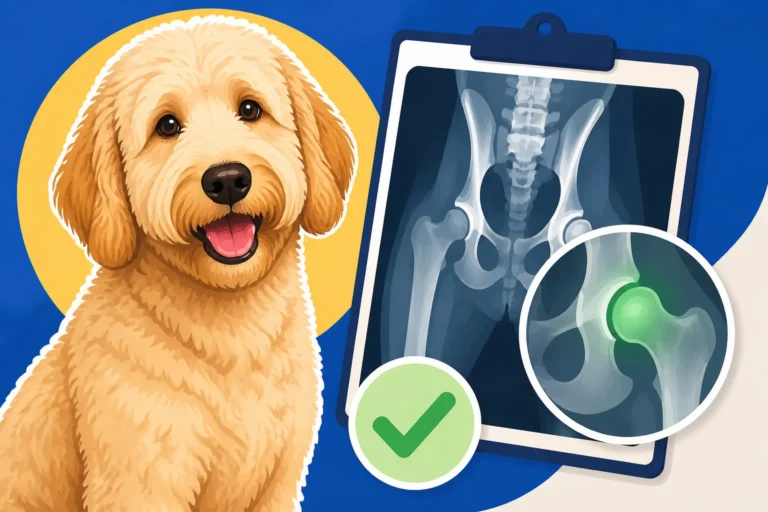
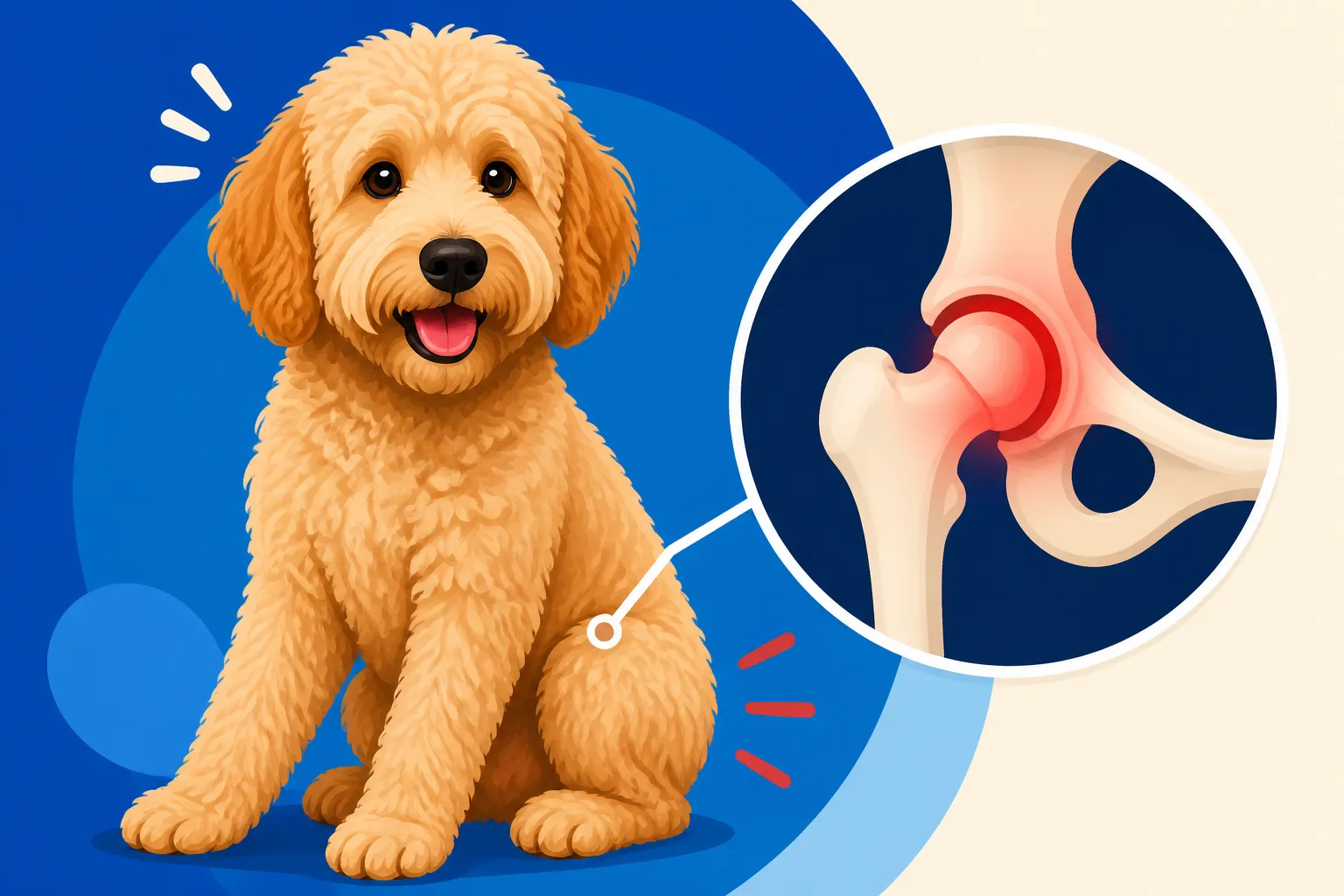
Hip dysplasia is a complex and often painful condition that affects many large and giant dog breeds, and unfortunately, Goldendoodles are not exempt. It's essentially a malformation of the hip joint, where the ball (femoral head) and socket (acetabulum) don't fit together snugly. Instead of gliding smoothly, they rub and grind, leading to painful wear and tear over time. This friction eventually causes degeneration of the joint, leading to arthritis, chronic pain, and reduced mobility.
The prevalence of hip dysplasia in Goldendoodles is a significant concern for prospective and current owners. While often touted for "hybrid vigor," a Goldendoodle can inherit health issues from both parent breeds. Statistics suggest that the incidence of hip dysplasia in Goldendoodles can range from 15% to 20%, which is a number no owner wants to hear. This figure puts Goldendoodles firmly in the category of breeds highly susceptible to this condition, making it imperative for owners to be vigilant.
The Genetic Link from Parent Breeds
The primary reason Goldendoodles are prone to hip dysplasia lies in their lineage. Both the Golden Retriever and the Poodle, the foundation breeds for the Goldendoodle, carry a genetic predisposition for this condition. Golden Retrievers, in particular, are well-known for their vulnerability to hip and elbow dysplasia, with historical prevalence rates often cited as higher than many other breeds. The Poodle, especially the Standard Poodle, also has a notable incidence of hip dysplasia, though often slightly lower than Golden Retrievers.
When these two breeds are crossed to create a Goldendoodle, the offspring can inherit genes for hip dysplasia from either or both parents. It's not a simple 50/50 inheritance; rather, it's a polygenic trait, meaning multiple genes contribute to its expression. This complexity makes breeding out the condition challenging, even for responsible breeders. Understanding What a Goldendoodle Inherits From Each Parent Breed is crucial here, as it directly impacts their susceptibility to such health issues. You might wonder Whether the Poodle Half Lowers Goldendoodle Hip Risk, but sadly, the combined genetic pool still leaves them at a substantial risk.
How Hip Dysplasia Develops
Hip dysplasia doesn't usually manifest as a sudden injury; it's a developmental condition that often begins early in a dog's life, even if clinical signs aren't apparent until later. The process starts with joint laxity, or looseness, in the hip joint. Instead of the tight, stable fit required for proper function, the femoral head moves too freely within the acetabulum. This instability is often present from puppyhood, though it can worsen with growth.
As the puppy grows and puts weight on the unstable joint, the abnormal movement causes friction and trauma to the cartilage and bone. The body tries to compensate by laying down new bone, but this often results in osteophytes (bone spurs) and further breakdown of the joint surfaces. This degenerative process leads to osteoarthritis, characterized by inflammation, pain, and a progressive loss of joint function. The severity can vary greatly, from mild discomfort to debilitating lameness, significantly impacting a Goldendoodle's quality of life.
Recognizing the Signs of Hip Dysplasia in Your Goldendoodle
Detecting hip dysplasia can be tricky because the symptoms can be subtle, especially in younger dogs, and they can vary depending on the severity of the condition and the dog's pain tolerance. Some Goldendoodles may show signs as early as a few months old, while others might not exhibit noticeable symptoms until they are older adults, when arthritic changes have become more pronounced. Being observant and knowing what to look for can make a huge difference in getting your Goldendoodle the help they need sooner rather than later.
It's easy to dismiss a puppy's occasional limp as just a growth spurt or a minor bump, but with a breed predisposed to hip issues, these seemingly insignificant observations warrant closer attention. Early intervention, even through conservative management, can often slow the progression of the disease and improve your dog's comfort levels in the long run. Don't be afraid to voice your concerns to your veterinarian, even if you feel like you're overreacting.
Subtle Early Indicators
For puppies and young Goldendoodles, the signs of hip dysplasia can be quite subtle. You might notice a slight lameness or stiffness after they've been lying down for a while, particularly after a nap or in the morning. They might seem reluctant to engage in vigorous play that involves a lot of running or jumping, preferring calmer activities. You could also observe a decrease in overall activity levels compared to other puppies of the same age and breed.
Another common early indicator is an unusual gait. Some puppies with hip dysplasia might display what's known as a "bunny hop" when they run, using both hind legs simultaneously rather than alternating them. This is an attempt to reduce discomfort by taking pressure off one hip at a time. They may also have difficulty getting up from a lying position, showing a hesitant or awkward movement. Pay close attention to how they move, especially after exercise or rest, as these early clues can be vital in catching the problem before it becomes severe.
Progressive Symptoms in Adult Dogs
As hip dysplasia progresses, especially in adult Goldendoodles, the symptoms tend to become more pronounced and persistent. You'll likely see more obvious lameness in one or both hind legs, which can worsen with exercise or after periods of rest. The "bunny hop" gait might become more pronounced, or they might develop a noticeable swaying gait in their hindquarters. Many owners report their dog struggling with everyday activities that once came easily.
Difficulty rising from a lying or sitting position is a classic sign, as is reluctance to climb stairs, jump into the car, or even get onto furniture. You might also notice a decrease in muscle mass in their hind legs, as they try to shift weight away from the painful hips, leading to atrophy. The Goldendoodle might express pain through whining, crying, or even snapping when their hips are touched or manipulated. In some cases, the pain can lead to behavioral changes, such as irritability or a withdrawal from social interaction. These are all clear indicators that your dog is suffering and needs veterinary attention. If left untreated, Goldendoodle Arthritis After the Age of Eight often sets in, compounding the pain and significantly limiting their mobility.
Diagnosing Goldendoodle Hip Dysplasia
If you suspect your Goldendoodle might have hip dysplasia, the first and most crucial step is to schedule an appointment with your veterinarian. Early and accurate diagnosis is key to developing an effective management plan and improving your dog's long-term comfort and mobility. Your vet will combine a thorough physical examination with diagnostic imaging to confirm the presence and severity of the condition. Don't hesitate to bring up all your observations, no matter how minor they seem, as every piece of information helps paint a complete picture for your vet.
It's natural to feel anxious during this process, especially given the potential implications of a hip dysplasia diagnosis. However, remember that many dogs with hip dysplasia can still lead fulfilling lives with proper care and treatment. The diagnostic phase is about gathering the facts so you and your vet can make informed decisions about the best path forward for your beloved Goldendoodle.
Physical Examination and Palpation
Your veterinarian will start with a comprehensive physical examination, which includes observing your Goldendoodle's gait, posture, and general demeanor. They'll watch how your dog walks, stands, and transitions from lying down to standing. This initial observation can reveal obvious signs of lameness, stiffness, or an abnormal gait pattern. They will also assess muscle mass, looking for any signs of atrophy in the hindquarters, which can indicate disuse due to pain.
A critical part of the examination involves palpating (feeling) your dog's hips and hind legs. The vet will gently manipulate the hip joints, rotating the femurs and extending the legs to assess the range of motion and identify any signs of pain, grinding, or excessive laxity. This is often done while your dog is awake, but for a more accurate assessment of joint laxity, especially in younger dogs, sedation might be used to perform specific tests like the Ortolani sign or Bardens test, which are designed to detect looseness in the hip joint. These manual tests provide valuable clues before moving on to imaging.
Radiographs X-rays and Scoring Systems
While a physical exam can raise suspicion, radiographs (X-rays) are the definitive diagnostic tool for hip dysplasia. Your vet will take specific views of your Goldendoodle's hips to visualize the bony structures of the joint. These X-rays are typically taken under sedation to ensure precise positioning, which is critical for an accurate assessment. The images allow the vet to evaluate the shape of the femoral head and acetabulum, the depth of the socket, and the degree of laxity. They can also reveal signs of osteoarthritis, such as bone spurs or joint space narrowing.
There are internationally recognized scoring systems used to evaluate hip health from radiographs, most notably the Orthopedic Foundation for Animals (OFA) and PennHIP. The OFA system involves submitting X-rays to a panel of board-certified radiologists who grade the hips based on specific criteria, categorizing them from Excellent to Dysplastic. Reading an OFA Hip Result on a Goldendoodle Parent can tell you a lot about the genetic risk your puppy might carry. PennHIP, on the other hand, measures hip laxity quantitatively and can be performed on dogs as young as 16 weeks, offering an earlier indicator of potential dysplasia. Understanding the differences between PennHIP Against OFA for a Goldendoodle can help you appreciate the depth of testing available. These scoring systems are vital tools for both diagnosis and responsible breeding, helping to reduce the incidence of this painful condition over time.
Management and Treatment Options for Goldendoodle Hip Dysplasia
Receiving a diagnosis of hip dysplasia for your Goldendoodle can feel overwhelming, but it's important to remember that there are many effective ways to manage the condition and improve your dog's quality of life. The best approach will depend on several factors, including the severity of the dysplasia, your dog's age, their overall health, and your family's resources. Your veterinarian will work with you to create a tailored treatment plan that could range from non-surgical, conservative methods to various surgical interventions.
No matter the chosen path, the goal is always to minimize pain, maximize mobility, and ensure your Goldendoodle can enjoy their life as much as possible. It's an ongoing journey, but with dedication and informed choices, you can make a significant positive impact on your dog's comfort and well-being.
Conservative Management
For many Goldendoodles, especially those with mild to moderate hip dysplasia or those who aren't candidates for surgery, conservative management can be highly effective. The cornerstone of conservative treatment is weight control. Keeping your Goldendoodle lean is paramount, as even a few extra pounds can put immense strain on already compromised joints, increasing pain and accelerating degeneration. Your vet can help you determine the ideal body condition score for your dog and guide you on appropriate feeding.
Controlled exercise is also crucial. While high-impact activities like intense fetch sessions, jumping, or long runs on hard surfaces should be avoided, moderate, low-impact exercise like swimming or regular leash walks on soft ground can help maintain muscle mass and joint flexibility without causing undue stress. It's particularly important to understand Why a Goldendoodle Should Not Jump Off Furniture, as sudden impacts can exacerbate the condition.
Nutritional supplements are often recommended. Glucosamine, chondroitin, MSM, and Omega-3 fatty acids can help support joint cartilage, reduce inflammation, and improve joint fluid quality. Brands like Dasuquin, Cosequin, and GlycoFlex are popular choices, but always consult your vet before adding any supplements to your dog's diet.
Anti-inflammatory medications (NSAIDs) prescribed by your vet can manage pain and inflammation during flare-ups. Other pain management options might include gabapentin or amantadine. Physical therapy and hydrotherapy (under veterinary guidance) can also strengthen supporting muscles and improve range of motion, significantly enhancing your Goldendoodle's comfort. Regular veterinary check-ups are essential to monitor progress and adjust the conservative plan as needed.
Surgical Interventions
When conservative management isn't enough to control pain and maintain a good quality of life, surgical options may be considered. There are several surgical procedures available, each with its own indications and potential outcomes.
-
Femoral Head Ostectomy (FHO): This procedure involves removing the head and neck of the femur, essentially eliminating the painful bone-on-bone contact. A "false joint" then forms, supported by muscle tissue. FHO is typically recommended for smaller dogs (under 50-60 lbs) or those with severe arthritis where other options aren't feasible. While it alleviates pain, it may result in some limb shortening and altered gait.
-
Triple Pelvic Osteotomy (TPO) / Double Pelvic Osteotomy (DPO): These procedures are generally performed on younger dogs (typically under a year old) who have hip laxity but minimal to no arthritic changes. The surgeon cuts and rotates the pelvic bone to improve the coverage of the femoral head by the acetabulum, stabilizing the joint. TPO/DPO aim to prevent the progression of osteoarthritis but are complex surgeries with significant recovery periods.
-
Total Hip Replacement (THR): Considered the gold standard for severe hip dysplasia, THR involves replacing both the damaged femoral head and acetabulum with prosthetic components. This procedure offers the best chance for complete pain relief and restoration of normal hip function. THR is typically performed on mature dogs with chronic, debilitating pain and severe osteoarthritis. It is a highly specialized and costly surgery, but the success rates are very high, often allowing dogs to return to a pain-free, active life.
The decision to pursue surgery is a significant one, and your vet will discuss the pros, cons, costs, and recovery expectations for each option. Pet insurance providers like Healthy Paws can be a lifesaver in these situations, as surgical costs can easily run into thousands of dollars, depending on the procedure and location. They can significantly mitigate the financial burden, allowing you to focus on your Goldendoodle's recovery.
Preventing Hip Dysplasia in Goldendoodles
Prevention is always better than cure, especially when it comes to a debilitating condition like hip dysplasia. While there's no foolproof way to guarantee a Goldendoodle will never develop the condition due to its genetic component, responsible breeding practices combined with diligent puppy care can significantly reduce the risk and severity. As future or current Goldendoodle owners, being informed about these preventative measures empowers you to make the best choices for your furry friend.
It's a collective effort, requiring commitment from breeders to health test their breeding stock and from owners to provide an optimal environment for their growing puppies. Every step taken towards prevention is an investment in a healthier, happier life for your Goldendoodle.
Responsible Breeding Practices
The most critical factor in preventing hip dysplasia begins with the breeder. Responsible Goldendoodle breeders understand the genetic predisposition of their parent breeds and commit to rigorous health testing before breeding any dog. This isn't just a suggestion; it's a non-negotiable standard for ethical breeding. Key health clearances for hips include OFA (Orthopedic Foundation for Animals) evaluations or PennHIP scores.
A reputable breeder will only breed dogs that have received "Good," "Fair," or "Excellent" OFA ratings for their hips, or have PennHIP scores indicating tight hips. They should also be transparent and eager to share these results, often providing copies of the official certificates. Asking for OFA Clearances on a Goldendoodle Sire and Dam is a fundamental right of any prospective puppy buyer. Furthermore, a comprehensive The DNA Panel a Goldendoodle Breeder Should Run can help identify other genetic conditions that could impact joint health or overall well-being. Avoiding breeders who claim "hybrid vigor" alone eliminates hip dysplasia without showing proof of parent testing is vital. Genetic testing, transparent records, and a willingness to discuss health history are hallmarks of a breeder genuinely committed to the health of their puppies.
Puppy Care and Lifestyle Choices
Once you bring your Goldendoodle puppy home, your role in preventing or minimizing the impact of hip dysplasia continues. Proper care during their rapid growth phase is essential for joint development.
Nutrition: Feeding a high-quality, large-breed puppy food specifically formulated for slow growth is crucial for standard and medium Goldendoodles. These diets are designed to provide appropriate calcium and phosphorus levels and calorie content to prevent puppies from growing too quickly, which can exacerbate hip laxity. Avoid overfeeding, as rapid weight gain puts undue stress on developing joints. Your vet can provide specific recommendations for your puppy's size category and growth rate.
Controlled Exercise: While exercise is important, excessive or inappropriate exercise during puppyhood can damage developing growth plates and joints. High-impact activities like jumping off furniture, vigorous fetch sessions on hard surfaces, excessive stair climbing, or long, forced runs should be avoided until growth plates have closed, usually around 12-18 months of age, depending on the Goldendoodle's size. Instead, focus on short, frequent, low-impact play sessions and controlled walks. Protect your Goldendoodle's joints, understanding that Goldendoodle Weight and the Load on Its Joints can have a significant impact on long-term health. Consider providing soft bedding and ramps to access elevated surfaces to minimize jarring impacts.
Weight Management: Just like in adult dogs, maintaining a lean body condition in puppies is critical. Regularly monitor your puppy's weight and body condition. You should be able to easily feel their ribs without seeing them. If you can't feel them, your puppy is likely overweight, adding stress to their hips. This careful balance of nutrition and exercise throughout puppyhood provides the best possible foundation for healthy joint development.
Living with a Goldendoodle with Hip Dysplasia
A diagnosis of hip dysplasia doesn't mean the end of a happy life for your Goldendoodle. Many dogs with this condition, even severe cases, can live comfortably and enjoy a good quality of life with proper management and dedicated care. It means adjusting expectations, being proactive, and committing to ongoing support for your furry family member. Your love and commitment play a huge role in their well-being.
Navigating life with a dog with chronic pain or mobility issues requires patience and empathy. It's about finding new ways to interact, ensuring their comfort, and celebrating the joy they bring to your life, regardless of their physical limitations.
Adapting Your Home Environment
Making modifications to your home can significantly improve your Goldendoodle's comfort and mobility, reducing strain on their hips.
- Ramps and Stairs: Install ramps for access to cars, beds, or couches, rather than letting your dog jump. This minimizes impact on their joints. Even a few steps can be challenging, so consider small ramps or pet stairs for ease of movement around the house.
- Non-Slip Flooring: If you have hardwood, tile, or laminate floors, consider placing rugs or runners in high-traffic areas. Slippery surfaces can cause your Goldendoodle to splay their legs, putting unnecessary stress on their hips and increasing the risk of falls. Paw pads or grip socks can also provide extra traction.
- Supportive Bedding: Invest in orthopedic dog beds with memory foam or thick, supportive padding. These beds distribute weight evenly, reducing pressure points and providing better comfort, especially after rest.
- Easy Access to Food and Water: Elevate food and water bowls to a comfortable height to prevent your dog from having to bend down excessively, which can be painful for their hips and spine.
- Grooming: Ensure that grooming is a comfortable experience. Regular brushing and trimming of paw pad hair are important for their overall well-being and to prevent further discomfort. For a detailed understanding, you can refer to Goldendoodle Joint Health by Size Category which outlines specific considerations.
These simple adjustments can make a profound difference in your Goldendoodle's daily comfort and prevent further injury.
Long-Term Care and Quality of Life
Long-term care for a Goldendoodle with hip dysplasia involves a multi-faceted approach focused on pain management, maintaining mobility, and continuously assessing their quality of life.
- Regular Veterinary Check-ups: Schedule regular visits with your veterinarian to monitor the progression of the disease, assess pain levels, and adjust medication or treatment plans as needed. Your vet can also advise on any new advancements in pain management or supportive therapies.
- Consistent Pain Management: This might involve a combination of prescribed medications (NSAIDs, gabapentin, etc.), joint supplements, and potentially alternative therapies like acupuncture or laser therapy. The goal is to keep your Goldendoodle as pain-free as possible without unwanted side effects.
- Physical Therapy and Rehabilitation: Working with a certified canine rehabilitation therapist can be incredibly beneficial. They can develop an exercise program tailored to your dog's needs, focusing on strengthening core and hindquarter muscles, improving range of motion, and maintaining flexibility. Hydrotherapy (swimming or underwater treadmill) is particularly good as it provides resistance without impact.
- Maintaining a Healthy Weight: This cannot be stressed enough. Lifelong weight management is crucial to minimize stress on the hip joints. Your vet can provide a specific dietary plan and monitor your Goldendoodle's body condition.
- Enrichment and Mental Stimulation: While physical activity might be limited, ensuring your Goldendoodle remains mentally stimulated is vital for their happiness. Puzzle toys, scent games, short training sessions, and gentle social interactions can provide enrichment without stressing their joints.
- Emotional Support: Dogs are incredibly resilient, but chronic pain can affect their demeanor. Provide plenty of love, attention, and reassurance. Be patient and understanding of any behavioral changes related to their discomfort. Your bond is a powerful tool in their long-term well-being.
By committing to these long-term care strategies, you can help your Goldendoodle with hip dysplasia live a comfortable, happy, and fulfilling life alongside you.
The Emotional and Financial Impact of Hip Dysplasia
Beyond the physical challenges for your Goldendoodle, a diagnosis of hip dysplasia carries significant emotional and financial implications for owners. It's a journey that can test your resilience, your budget, and your heart. Understanding these aspects upfront can help you prepare and navigate the challenges with greater clarity and less stress.
It's okay to acknowledge the difficulty of this situation. You're not alone in feeling overwhelmed, frustrated, or even heartbroken. Many Goldendoodle owners face similar struggles, and recognizing the full scope of the impact can help you seek the right support and make informed decisions for your family and your beloved pet.
The Emotional Toll on Owners
Bringing a Goldendoodle into your life is an act of love, and the expectation is usually one of boundless joy and companionship. A diagnosis of hip dysplasia can shatter these expectations, leading to a range of complex emotions.
- Guilt and Self-Blame: Many owners grapple with feelings of guilt, wondering if they could have done something differently to prevent the condition, even though it's largely genetic. It's important to remember that you likely did everything you could, and the condition is inherited.
- Grief and Sadness: There's often a sense of grief for the future you envisioned with your dog – the long hikes, the endless games of fetch. Witnessing your vibrant Goldendoodle struggle with pain and reduced mobility can be heartbreaking.
- Frustration and Helplessness: Managing chronic pain in a pet can be frustrating, especially when treatments don't yield immediate results or when your dog has "good days" and "bad days." The feeling of helplessness when your pet is suffering can be overwhelming.
- Stress and Anxiety: Constantly worrying about your dog's pain levels, their next vet appointment, potential surgery, or the long-term prognosis can lead to significant stress and anxiety for owners. This can impact your own well-being and daily life.
- Bonding and Connection: Paradoxically, for many owners, navigating a chronic health issue can deepen the bond with their Goldendoodle. The extra care, attention, and shared vulnerability can create an even stronger, more profound connection.
Seeking support from online communities, veterinary staff, or even professional counselors can be incredibly helpful in processing these emotions. Remember, taking care of your own mental and emotional health is just as important as caring for your Goldendoodle.
Understanding the Costs: Vet Visits, Medications, Surgery
The financial burden of managing hip dysplasia can be substantial and often catches owners by surprise. This is not a one-time expense; it's an ongoing commitment that can significantly impact your household budget.
Let's break down some potential costs:
| Expense Category | Typical Cost Range (USD) | Notes |
|---|---|---|
| Initial Diagnosis | $200 – $800+ | Includes vet consultation, physical exam, sedation, and X-rays. Can be higher if specialized imaging (e.g., PennHIP) is performed. |
| Conservative Management | ||
| Monthly Medications (NSAIDs, pain relievers) | $50 – $200+ per month | Varies by dog size, medication type, and dosage. Can increase over time. |
| Joint Supplements | $30 – $100+ per month | High-quality glucosamine, chondroitin, Omega-3s. |
| Physical Therapy/Hydrotherapy | $50 – $150 per session | Multiple sessions often required (e.g., 2-3 times a week initially, then maintenance). |
| Specialized Diet | $10 – $30+ more per bag | Premium large-breed joint support food or prescription diets. |
| Surgical Interventions | ||
| FHO (Femoral Head Ostectomy) | $1,200 – $4,000 per hip | Plus post-operative care, rehabilitation. |
| TPO/DPO (Pelvic Osteotomy) | $3,000 – $6,000 per hip | Highly specialized, includes significant recovery and follow-up. |
| THR (Total Hip Replacement) | $4,000 – $8,000+ per hip | Gold standard, best outcome, but most expensive. Often requires specialized veterinary surgeons. |
| Ongoing Monitoring | $100 – $300 per visit | Regular vet check-ups (e.g., every 3-6 months) to assess pain, medication efficacy, and overall condition. |
| Mobility Aids | $50 – $500+ | Orthopedic beds, ramps, harnesses, non-slip booties. |
These costs quickly add up, easily reaching thousands of dollars over a Goldendoodle's lifetime. This is where pet insurance becomes invaluable. Companies like Healthy Paws offer comprehensive coverage for accidents and illnesses, including hip dysplasia, as long as it's not a pre-existing condition. Enrolling your Goldendoodle puppy in a plan early can provide peace of mind and significantly reduce out-of-pocket expenses for diagnostics, medications, and potential surgeries. Without insurance, some owners face the agonizing choice of foregoing necessary treatments due to financial constraints, which is a situation no loving pet parent should ever have to endure. Planning for these potential costs is a crucial part of responsible Goldendoodle ownership. You should explore options like Goldendoodle Pet Insurance for a Dog With No Breed Papers to ensure you are covered.
Disclaimer
This article is intended for informational purposes only and does not constitute veterinary advice. Always consult with a qualified veterinarian for any health concerns or before making any decisions about your Goldendoodle's care or treatment.