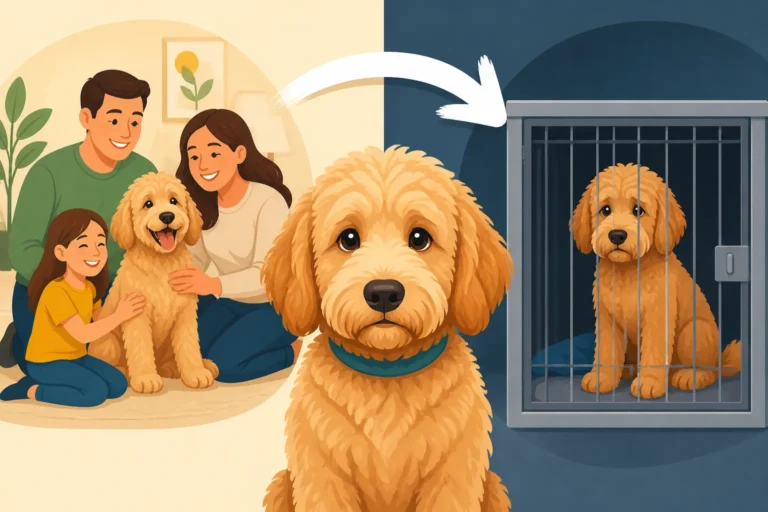
Goldendoodle Vaccination Costs
Bringing home a Goldendoodle puppy is an incredibly exciting time, full of dreams of cuddles and playful antics, but it also comes with a whole new set of responsibilities, not least of which is understanding the financial commitment involved in their health. One of the very first, and most crucial, expenses you'll encounter is ensuring your new furry family member is properly vaccinated. It can feel overwhelming trying to decipher vaccination schedules, decide on necessary shots, and budget for these initial vet visits, especially when you’re just getting settled. This comprehensive guide will walk you through everything you need to know about Goldendoodle vaccination costs, from essential puppy shots to adult boosters, so you can plan effectively and keep your beloved companion healthy and safe.
The Essential Vaccination Schedule for Your Goldendoodle Puppy
When you bring home a Goldendoodle puppy, one of your first and most important tasks is establishing a relationship with a trusted veterinarian. They will help you navigate the crucial early vaccination schedule, which is designed to build your puppy’s immunity against a host of dangerous, often fatal, diseases. It's not just about getting a shot; it's about a series of immunizations administered at specific intervals to ensure maximum protection. This initial phase can feel like a whirlwind of appointments, but each one is a vital step in safeguarding your Goldendoodle’s long-term health.
Core Vaccinations: What Every Goldendoodle Needs
These are the vaccinations considered absolutely essential for every dog, regardless of their lifestyle or location. They protect against widespread, severe diseases that can be easily contracted and have devastating effects. For Goldendoodle puppies, the core series typically involves multiple doses spread out over several weeks.
The cornerstone of your Goldendoodle puppy’s core vaccinations is often referred to as the DHPP or DAPP vaccine. This combination shot protects against Distemper, Adenovirus (Hepatitis), Parvovirus, and Parainfluenza. Distemper is a highly contagious and often fatal viral disease affecting the respiratory, gastrointestinal, and nervous systems. Adenovirus, or infectious canine hepatitis, can cause severe liver damage. Parvovirus is notoriously hardy and can lead to severe, life-threatening gastrointestinal illness, especially in puppies. Parainfluenza is a respiratory virus that contributes to kennel cough. Puppies usually receive their first DHPP/DAPP vaccine around 6-8 weeks of age, followed by boosters every 3-4 weeks until they are about 16 weeks old. This staggered approach is critical because maternal antibodies, passed from the mother dog, can interfere with the vaccine's effectiveness in very young puppies, and multiple doses ensure that immunity is built once those maternal antibodies wane. Understanding the very real risk of Parvo Risk Before a Goldendoodle Finishes Its Shots is paramount, as this disease can strike quickly and aggressively, often before a puppy has completed its full vaccine series.
The other indispensable core vaccine is for Rabies. Unlike the DHPP/DAPP series, the Rabies vaccine is typically a single shot given when your Goldendoodle puppy is a bit older, usually around 12-16 weeks of age, as dictated by local laws. This vaccine is not just for your dog's protection; it's a legal requirement in most jurisdictions due to the public health threat rabies poses to both animals and humans. The initial Rabies vaccine is often effective for one year, after which your Goldendoodle will typically receive booster shots every one to three years, depending on the vaccine type and local regulations. Skipping this vaccine is simply not an option, both for the well-being of your Goldendoodle and to comply with legal mandates.
Non-Core Vaccinations: Tailoring Protection to Your Goldendoodle's Lifestyle
While core vaccinations are non-negotiable, non-core vaccines are administered based on your Goldendoodle’s individual risk factors, exposure levels, and geographical location. It's about having a conversation with your vet about your lifestyle and making informed choices to provide the most comprehensive protection. What might be essential for a Goldendoodle living in a suburban home with frequent dog park visits might be less critical for one living a more secluded life in an apartment.
Let’s talk about Canine Influenza, often referred to as dog flu. This vaccine protects against highly contagious respiratory diseases caused by specific influenza viruses. If your Goldendoodle frequently goes to doggy daycare, boarding kennels, grooming salons, or attends dog shows and classes, the Canine Influenza vaccine is highly recommended. These are environments where dogs congregate, making the spread of airborne respiratory viruses much more likely. The initial series for this vaccine typically involves two doses given a few weeks apart, followed by annual boosters. It's a smart preventative measure that can save your Goldendoodle from a miserable and potentially complicated illness, and you from costly vet bills for treatment.
Another non-core vaccine that warrants consideration is Leptospirosis. This bacterial disease is spread through the urine of infected wildlife (like raccoons, deer, and rodents) and can contaminate standing water, wet soil, or even ponds and puddles. If your Goldendoodle spends a lot of time outdoors, particularly in wooded areas, rural environments, or places with stagnant water, or if you live in an area prone to flooding, the Leptospirosis vaccine is a wise choice. It protects against a severe disease that can cause kidney and liver failure in dogs and is also zoonotic, meaning it can be transmitted to humans. Like Canine Influenza, it typically requires an initial series of two shots followed by annual boosters.
Bordetella bronchiseptica, commonly known as kennel cough, is another non-core vaccine many Goldendoodle owners consider. While rarely life-threatening, kennel cough is highly contagious and can lead to weeks of persistent coughing, making both you and your Goldendoodle miserable. This vaccine is strongly recommended for any Goldendoodle that will be around other dogs, such as at dog parks, boarding facilities, or training classes. It comes in various forms: injectable, intranasal (up the nose), or oral. Your vet will discuss the best option for your Goldendoodle, and it often requires annual or semi-annual boosters, depending on the type and your dog's exposure risk.
Finally, for Goldendoodles living in areas where ticks are prevalent, especially in wooded or grassy regions, the Lyme disease vaccine might be a good discussion point with your veterinarian. Lyme disease is transmitted through the bite of infected ticks and can cause lameness, joint pain, fever, and in severe cases, kidney damage. If your Goldendoodle frequently hikes, hunts, or explores areas known for ticks, this vaccine adds an extra layer of protection, alongside regular tick prevention. It typically involves an initial series of two doses, followed by annual boosters. These non-core vaccines are truly about creating a tailored wellness plan, ensuring your Goldendoodle is protected against the specific threats they might encounter in their unique daily life.
Breaking Down the Costs of Goldendoodle Vaccinations
When budgeting for a Goldendoodle, it’s easy to focus on the initial puppy price or the ongoing grooming expenses, but vaccination costs are a significant, necessary component of early ownership and continued care. These aren't just one-time fees; they encompass a series of appointments and booster shots that contribute to your dog's foundational health. Understanding how these costs are structured can help you prepare financially and avoid any surprises, ensuring your Goldendoodle gets the protection they need without breaking the bank.
Puppy Series vs. Adult Boosters: What to Expect
The financial outlay for vaccinations is often highest during your Goldendoodle's puppyhood due to the multi-dose nature of the core vaccines. A puppy needs a series of DHPP/DAPP shots, usually 3-4 doses, administered every 3-4 weeks until they are about 16 weeks old. Each of these visits will incur a charge for the vaccine itself, but more significantly, for the veterinary examination or office visit fee. These exam fees can be a substantial portion of the bill, as the vet uses this time to check your puppy's overall health, listen to their heart and lungs, palpate their abdomen, and address any concerns you might have. So, while a single DHPP vaccine might seem affordable, multiply it by several visits plus the recurring exam fee, and the total cost for the puppy series can quickly add up to several hundred dollars. The Rabies vaccine, usually given once during puppyhood, will also include an exam fee. Many breeders will ensure puppies have at least their first set of vaccinations before they go home, but you will be responsible for the subsequent doses. If you're wondering about the overall expenses, our guide on What a Goldendoodle Puppy Costs and Why can provide a broader perspective on the financial commitment.
Once your Goldendoodle is an adult, the vaccination schedule becomes less frequent, typically involving annual or triennial boosters. For example, after the initial puppy series, the DHPP/DAPP vaccine might be given every three years, and the Rabies vaccine either annually or every three years, depending on the specific vaccine used and local regulations. Non-core vaccines like Bordetella, Leptospirosis, or Canine Influenza generally require annual boosters if your Goldendoodle's lifestyle still warrants them. Even though the frequency of shots decreases, you'll still have an annual vet visit that includes a comprehensive physical exam. This yearly check-up is invaluable for catching any potential health issues early, even beyond just vaccinations. The cost per visit for adult boosters is generally lower than the cumulative cost of the puppy series, but it's an ongoing, predictable expense that you should factor into your long-term budget for your Goldendoodle's care.
Factors Influencing Vaccination Prices
The cost of Goldendoodle vaccinations isn't uniform; it can vary quite a bit based on several factors, and understanding these can help you manage your budget. One of the primary influences is your geographic location. Veterinary services in large metropolitan areas, like New York City or Los Angeles, typically command higher prices due to higher overheads, rent, and staff wages, compared to clinics in more rural or suburban settings. A routine exam fee in a bustling city could be significantly more than in a small town, directly impacting the total cost of each vaccination appointment.
The type of veterinary clinic you choose also plays a major role. Full-service private veterinary practices often offer a more personalized experience, with extensive diagnostic capabilities and a long-term relationship with a specific vet. Their prices for vaccines and exam fees tend to be at the higher end of the spectrum. On the other hand, many communities offer low-cost vaccine clinics or mobile vet services that focus specifically on providing routine vaccinations at a reduced rate. These clinics often have lower overheads and pass those savings on to pet owners, making essential vaccinations more accessible. While they may not offer the comprehensive health assessment of a full-service clinic at every visit, they are a fantastic option for essential preventive care. Looking into Goldendoodle Vaccination and Puppy Health Checks can give you a clearer picture of what to expect from different types of veterinary providers.
Furthermore, how vaccines are bundled can affect the price. Some vets offer "puppy packages" that include the entire series of core vaccinations, deworming, and maybe even microchipping, at a slightly discounted rate compared to paying for each service individually. It's always worth asking your vet if they have such packages available. Conversely, if you only need a single booster, you'll pay for that specific vaccine plus the associated exam fee. Remember, the vaccine itself is usually just a fraction of the total cost; the veterinary expertise, facility maintenance, and administrative support that come with each visit are also reflected in the overall bill. Sometimes, unexpected costs like deworming for parasites or the implantation of a microchip (which is highly recommended for Goldendoodle owners, as it can be crucial if your dog ever gets lost) are added to these early puppy visits, so always ask for a detailed breakdown of services and fees upfront.
Managing Goldendoodle Vaccination Costs and Budgeting Tips
The cost of vaccinations, especially in the first year of your Goldendoodle's life, can be a bit of a shock if you're not prepared. However, the good news is that there are proactive steps you can take to manage these expenses without compromising your beloved Goldendoodle's health. It’s all about smart planning, exploring available options, and understanding the incredible value of preventative care in the long run.
Low-Cost Vaccine Clinics and Community Programs
For many Goldendoodle owners, low-cost vaccine clinics and community animal welfare programs are a lifesaver when it comes to managing the financial demands of essential preventive care. These clinics typically operate on a walk-in basis or with streamlined appointments, focusing exclusively on vaccinations, deworming, and sometimes microchipping. Because they often have lower overheads and receive grants or community support, they can offer these services at a significantly reduced price compared to a full-service veterinary hospital. For instance, while a DHPP vaccine plus an exam might cost well over a hundred dollars at a private practice, you might find it for a fraction of that at a dedicated vaccine clinic.
However, it's important to understand what these clinics offer and, just as importantly, what they might not. While they are excellent for getting routine shots, they usually don't provide the comprehensive physical examination, personalized consultation, or diagnostic services that a traditional vet visit includes. The vet at a low-cost clinic might quickly administer the vaccine but may not have the time to discuss nuanced health concerns, diet, or training issues specific to your Goldendoodle. Therefore, it's still highly recommended to have at least one annual wellness exam with a regular veterinarian, even if you utilize low-cost clinics for interim boosters. This ensures a consistent medical record and a deeper understanding of your Goldendoodle’s overall health. These options are a fantastic way to ensure your Goldendoodle is protected against common diseases, especially when you're managing multiple Goldendoodle Costs Across a Full Lifetime.
Pet Insurance and Wellness Plans: Do They Cover Vaccinations?
Many Goldendoodle owners wisely consider pet insurance to protect against unexpected accidents or illnesses, which can be incredibly expensive. However, it's a common misconception that standard pet insurance policies, such as those offered by providers like Healthy Paws, automatically cover routine preventive care like vaccinations. Most traditional pet insurance plans are designed to cover unforeseen medical events, like emergency surgeries, chronic conditions, or diagnostic tests for illnesses. They operate on a reimbursement model after you've paid your deductible, focusing on the big, unexpected bills. Therefore, if you're relying solely on a standard Healthy Paws policy, you might find that your Goldendoodle's vaccination costs are not covered. This is an important distinction to make when you are learning about Goldendoodle Pet Insurance for a Dog With No Breed Papers.
This is where wellness plans, sometimes called preventive care plans or routine care riders, come into play. These are often offered as an add-on to a pet insurance policy or as standalone plans by certain providers. Wellness plans specifically budget for and cover routine expenses like annual exams, vaccinations, deworming, heartworm prevention, and sometimes even dental cleanings. They typically work on a fixed monthly fee, and in return, they cover a predetermined list of services up to a certain amount each year. When researching options, be sure to compare what each wellness plan covers and whether the annual cost outweighs paying for these services out-of-pocket. Some larger pet product retailers, like Chewy, occasionally partner with veterinary services or offer their own wellness initiatives, so it's always worth checking if they have programs that could benefit your Goldendoodle's routine care. Similarly, niche pet food companies such as Ollie, known for their focus on tailored nutrition, might sometimes feature promotions or partnerships that could include discounts on vet services, though direct vaccine coverage isn't their primary offering. These options can be a smart way to spread out the cost of preventive care and ensure your Goldendoodle receives all necessary vaccinations and check-ups without a single large bill hitting you all at once.
The Long-Term Value of Prevention
While the upfront costs of Goldendoodle vaccinations might seem daunting, especially during puppyhood, it's crucial to view them as an investment in your Goldendoodle's long-term health and your peace of mind. The value of prevention cannot be overstated. Diseases like parvovirus, distemper, leptospirosis, and rabies are not only highly contagious and potentially fatal but also incredibly expensive to treat, if treatment is even successful. Imagine the heartbreak and financial strain of a Goldendoodle suffering from a severe case of parvo, requiring intensive hospitalization, IV fluids, and round-the-clock care. The bill for such an illness could easily run into thousands of dollars, far exceeding the cost of a full vaccination series. Our article on Goldendoodle Vomiting and When It Matters and Goldendoodle Diarrhea Lasting More Than Two Days highlights symptoms that often lead to these emergency, high-cost scenarios that could have been prevented.
Beyond preventing catastrophic illness, regular vaccinations and wellness exams contribute to a healthier, happier life for your Goldendoodle. Catching potential issues early, such as subtle changes in weight, skin conditions like Goldendoodle Hypothyroidism and Weight Gain, or early signs of joint problems, often makes them easier and less expensive to manage. By adhering to the recommended vaccination schedule and regular vet check-ups, you are actively protecting your Goldendoodle from suffering, extending their lifespan, and ultimately reducing the likelihood of costly emergency vet visits down the line. It's an act of responsible pet ownership that pays dividends in joy and companionship for years to come.
Here's a general overview of typical vaccination costs, keeping in mind these are estimates and can vary widely:
| Vaccination Type | Number of Doses (Puppy) | Frequency (Adult) | Estimated Cost Per Dose (Excluding Exam Fee) |
|---|---|---|---|
| Core Vaccines | |||
| DHPP/DAPP | 3-4 | Every 1-3 years | $20 – $45 |
| Rabies | 1 | Every 1-3 years | $20 – $50 |
| Non-Core Vaccines | |||
| Bordetella | 1-2 (or single dose annually) | Annually/Semi-annually | $20 – $45 |
| Leptospirosis | 2 | Annually | $25 – $55 |
| Canine Influenza | 2 | Annually | $30 – $60 |
| Lyme Disease | 2 | Annually | $30 – $60 |
| Associated Costs | |||
| Vet Exam Fee | Per visit | Annually | $50 – $100+ |
| Deworming | Per treatment | As needed | $15 – $30 |
| Microchipping | 1 | One-time | $40 – $75 |
Remember, these figures are just estimates. Always consult your local veterinarian for precise pricing and a vaccination schedule tailored to your Goldendoodle's specific needs and your region's disease prevalence.
Disclaimer
This article is for general informational purposes only and does not constitute professional advice. Laws, prices and regulations vary by location and change over time. Consult a qualified professional for guidance on your specific situation.