Why So Many Goldendoodles Reach Rescue at Two
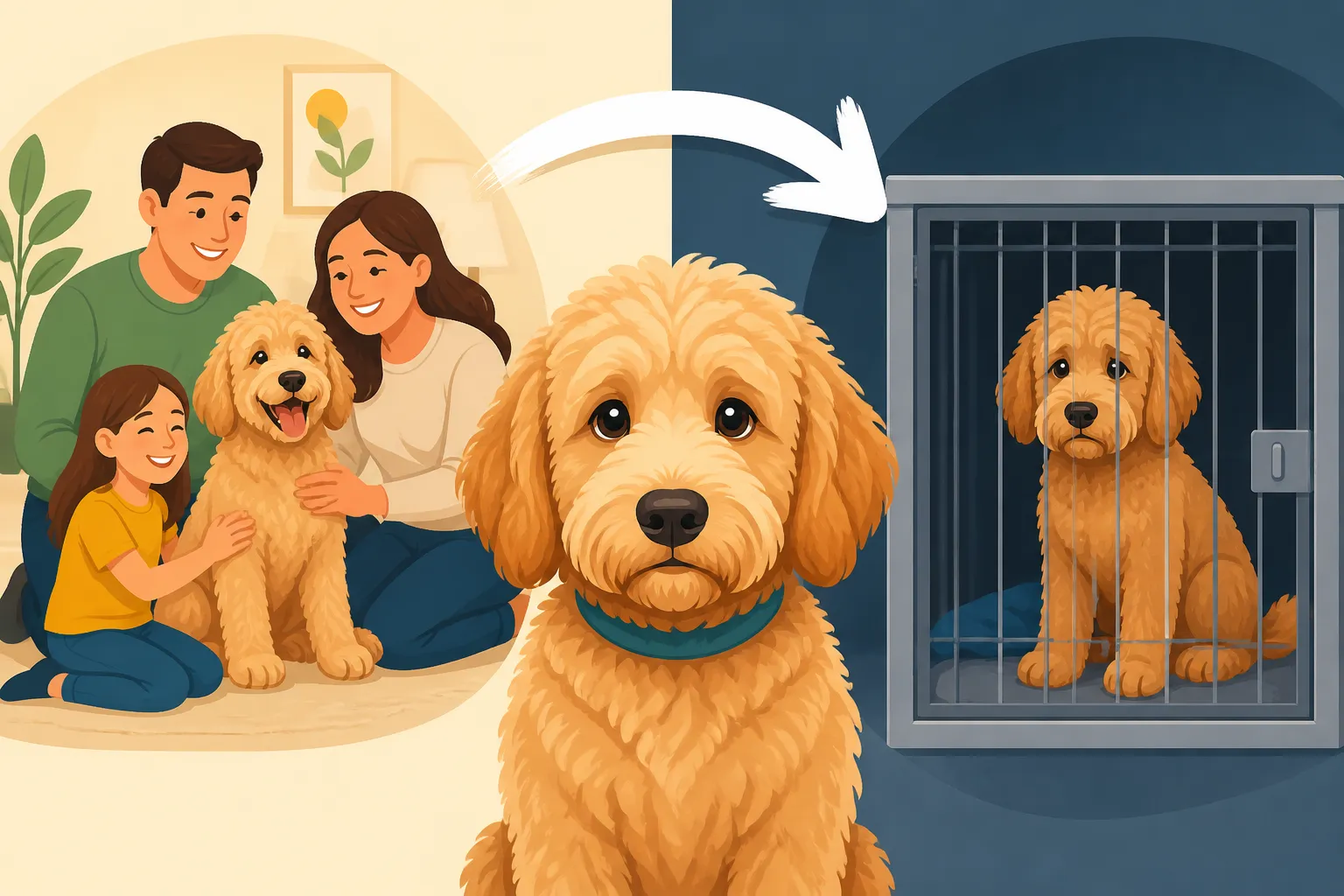
It's truly heartbreaking to see so many Goldendoodles, those adorable, fluffy companions we fall so deeply in love with as puppies, end up in rescue shelters around their second birthday. It's a sad reality that often stems from a perfect storm of unmet expectations, underestimated responsibilities, and the sheer challenge of navigating a dog's full development. This guide aims to shed light on the common reasons why these wonderful dogs find themselves without a home at such a young age, so we can all be more informed and, hopefully, help reduce these numbers.
The Goldendoodle Puppy Myth vs. Reality
When we first bring home a Goldendoodle puppy, we're often captivated by their undeniable cuteness, their playful antics, and the promise of a "hypoallergenic," easy-to-train family member. The internet is awash with pictures of fluffy, perfectly behaved pups, creating an idealized image that, while lovely, doesn't always reflect the full picture of what it's like to live with an adult Goldendoodle. This gap between expectation and reality is often the first crack in the foundation.
The Allure of the "Perfect" Puppy
Imagine scrolling through social media, seeing countless perfect Goldendoodle puppies, all looking like sentient teddy bears. It's easy to be drawn in by the fluffy coat and the widespread belief that they’re perfect for allergy sufferers and inherently calm. Many prospective owners are told these dogs are "hypoallergenic" and won't shed, leading them to believe they've found the ultimate low-maintenance companion. The truth is, while some Goldendoodles may shed less than their Golden Retriever counterparts, no dog is truly hypoallergenic. It's often the dander and saliva, not just the hair, that triggers allergies. You can learn more about Why No Goldendoodle Is Truly Hypoallergenic and why it's a common misconception. People often bring a Goldendoodle home hoping to avoid sneezes and itchy eyes, only to find themselves still reacting, sometimes severely, when their dog matures. This unexpected allergic reaction can be a devastating blow and a primary reason for rehoming.
Unrealistic Expectations About Temperament
Beyond the coat, there's also a significant misconception about the Goldendoodle's temperament. They are often described as friendly, intelligent, and eager to please – which they absolutely are! However, these traits come with a side of high energy and a profound need for mental stimulation. The Golden Retriever side brings boundless enthusiasm and a desire to work, while the Poodle side contributes sharp intelligence and often, a sensitive nature. This combination means you're getting a dog that needs more than just a quick walk around the block. They thrive on activity, training, and being involved in family life. Owners expecting a docile couch potato might find themselves overwhelmed by a dog that bounces off the walls if not properly exercised and engaged. These dogs are truly "Velcro dogs," often wanting to be right by your side, following you from room to room. While endearing, this can also set the stage for Goldendoodle Separation Anxiety From Both Parent Lines if not managed correctly from puppyhood, creating distress for both dog and owner when alone time is necessary.
Adolescence: The Unprepared Owner's Downfall
The Goldendoodle puppy stage, as adorable as it is, is fleeting. What many new owners don't fully anticipate is the rollercoaster ride of Goldendoodle adolescence, which typically kicks in around 8 months and can last well past 18 months, often extending into their second year. This period, much like human teenage years, is a time of significant change, boundary-pushing, and sometimes, regression.
The Goldendoodle Teenage Phase
Picture this: your sweet, eager-to-please puppy suddenly develops selective hearing. They know "sit" and "stay," but when squirrels are involved, those commands might as well be whispered in a foreign language. This is the Goldendoodle teenage phase in full swing. Their bodies grow rapidly, their energy levels peak, and their brains are still developing impulse control. They're testing limits, exploring their independence, and often behaving in ways that seem rebellious. That adorable puppy cuteness that once excused minor infractions is gone, replaced by a large, boisterous, and sometimes clumsy dog. Owners who didn't solidify training during puppyhood often find themselves completely unprepared for this shift. It’s a common time for owners to seek help for behaviors like Goldendoodle Adolescence and Selective Hearing, realizing that the laid-back puppy they brought home is now a full-blown canine teenager.
Unmanaged Training and Behavior Issues
The behaviors that were cute or manageable in a small puppy can become genuine problems in a 50-70 pound adolescent. Jumping on guests, pulling relentlessly on the leash, incessant barking at every passerby, or even house training regression can quickly become overwhelming. If consistent training and socialization aren't maintained through adolescence, these issues can escalate into major stressors for the family. For example, a Goldendoodle that jumps on every visitor might seem charming as a puppy, but a fully grown dog doing the same can knock over children or elderly relatives. Similarly, leash pulling can turn a pleasant walk into a daily struggle, especially for smaller owners. Without proper guidance, these unmanaged behaviors contribute significantly to frustration and can lead owners to believe their dog is "untrainable" or "too much to handle," when in reality, they simply need consistent direction and boundaries.
Grooming Demands: More Than Just a Cute Coat
Perhaps one of the most underestimated aspects of Goldendoodle ownership is the intense grooming requirement. Many people are drawn to their shaggy, teddy-bear look, but fail to realize the immense commitment needed to maintain that coat. Neglecting proper grooming isn't just about aesthetics; it leads to painful matting, skin issues, and can become a significant financial and emotional burden.
The Reality of the Goldendoodle Coat Change
The biggest surprise for many first-time Goldendoodle owners comes around the 8 to 12-month mark: the dreaded "coat change." During this period, the soft, easy-to-manage puppy coat begins to shed out, and the denser adult coat grows in. The two types of hair intertwine, creating a perfect storm for matting, seemingly overnight. What was once a quick brush becomes an hour-long battle against tangles. If an owner isn't line brushing down to the skin several times a week, or even daily during this phase, mats will form. These mats can pull on the skin, causing pain, restricting movement, and leading to skin infections. Learning about The Goldendoodle Coat Change at Eight to Twelve Months is crucial for any prospective owner, as it's a make-or-break period for coat management. Many owners simply don't have the time or patience for the extensive daily brushing required, leading to severe matting that often results in the dog needing to be shaved completely.
High Professional Grooming Costs
Even with diligent home brushing, Goldendoodles generally require professional grooming every six to eight weeks. These sessions aren't cheap. The cost of a Goldendoodle groom can easily become one of the biggest lines in an owner's annual budget, as discussed in Goldendoodle Grooming as the Biggest Line in the Budget. If the dog is matted, groomers often charge additional dematting fees, or in severe cases, may even refuse service or insist on a complete shave-down for the dog's comfort and safety. This can be a disheartening experience for owners who envisioned a fluffy companion, but it's a necessary step to relieve a dog from painful matting. Many owners underestimate this recurring cost, or they attempt to stretch out professional grooms too long, only to find their dog in a painful, matted mess. Thankfully, stores like Chewy offer a wide array of grooming tools and supplies, from slicker brushes to detangling sprays, to help owners manage their Goldendoodle's coat between professional visits, but the commitment to using them is paramount.
Unforeseen Costs: The Financial Strain
Bringing any dog into your life comes with financial responsibilities, but Goldendoodles, especially given their size categories and potential health needs, can incur substantial costs that often catch new owners off guard. It's not just the initial puppy price; it's the cumulative expense over their lifespan that can become a significant burden.
Beyond the Puppy Price Tag
The initial purchase price of a Goldendoodle is just the tip of the iceberg. Ongoing expenses add up quickly. Quality dog food, especially for a standard-sized Goldendoodle, can be a considerable monthly cost. Then there's routine veterinary care – vaccinations, yearly check-ups, flea, tick, and heartworm prevention – all vital for their health. Add to that essential supplies like crates, beds, toys, and leashes, which need to be replaced periodically. Furthermore, if the training isn't going smoothly, investing in puppy classes or a private trainer becomes another expense. These costs might seem manageable individually, but when combined, they can put a real strain on a household budget, especially if not factored in from the start.
The Impact of Health Issues and Emergencies
Despite their hybrid vigor claims, Goldendoodles are still susceptible to a range of genetic health issues inherited from their Golden Retriever and Poodle lines. Conditions like hip and elbow dysplasia, progressive retinal atrophy, certain cancers, and Addison's disease can lead to incredibly expensive veterinary treatments and surgeries. A sudden illness or injury, like a cruciate ligament tear, can easily cost thousands of dollars. These Goldendoodle Surgery and Emergency Vet Costs can be financially devastating for families without a robust emergency fund or pet insurance. This is where a good pet insurance policy, like those offered by Healthy Paws, can literally be a lifesaver, helping to cover unexpected vet bills and ensure your Goldendoodle gets the care they need without breaking the bank. Owners who haven't planned for these possibilities often find themselves in an impossible situation when faced with a major vet bill, which can sadly lead to rehoming. Some owners also opt for high-quality, often more expensive, fresh food options, such as those provided by Ollie, believing it contributes to better long-term health, but this also adds to the monthly food budget.
Here’s a summary of common reasons Goldendoodles end up in rescue around two years of age:
| Reason for Surrender (Common at Age 2) | Underlying Owner Misconception/Challenge | Impact on Dog & Owner |
|---|---|---|
| Allergy Issues | Belief in "100% hypoallergenic" nature. | Chronic allergy symptoms for owner; dog faces rehoming. |
| Unmanageable Energy/Behavior | Expectation of a calm, low-energy dog; lack of consistent training. | Destructive behaviors, excessive barking, jumping; owner overwhelmed and frustrated. |
| Severe Matting/Grooming Costs | Underestimation of grooming needs and associated expenses. | Painful skin infections, discomfort for dog; high vet/groomer bills, owner guilt. |
| Separation Anxiety | Underestimation of "Velcro dog" trait; lack of alone-time training. | Destructive chewing, excessive barking/whining; dog distress, owner stress. |
| High Veterinary Bills | Unpreparedness for potential genetic health issues or emergencies. | Dog may not receive necessary treatment; owner faces financial hardship/difficult choices. |
| Adolescent Behaviors | Unpreparedness for the challenging "teenage" phase. | Regression in training, testing boundaries; owner feels dog is "untrainable." |
Finding a Responsible Breeder Matters
The journey to Goldendoodle ownership often begins with choosing a breeder. Unfortunately, the soaring popularity of Goldendoodles has led to a proliferation of backyard breeders and puppy mills who prioritize profit over health and temperament, directly contributing to the number of dogs that eventually end up in rescue. A truly responsible breeder is your first line of defense against future heartache.
The Difference a Reputable Breeder Makes
A reputable Goldendoodle breeder does far more than just breed puppies. They invest heavily in the health and well-being of their breeding dogs and their litters. This means conducting comprehensive Health Testing Both Goldendoodle Parents Should Have for genetic conditions prevalent in both Golden Retrievers and Poodles, such as hip and elbow dysplasia, eye conditions, and certain heart conditions. They are transparent with these results, showing you proof that their breeding dogs are cleared. Beyond health, a good breeder also focuses on early socialization for puppies, exposing them to various sights, sounds, and experiences crucial for their development into confident, well-adjusted adults. They can also provide insights into Why Two Goldendoodles From One Litter Differ in temperament and coat, helping you choose a puppy best suited for your home. Crucially, a responsible breeder offers lifelong support, encouraging owners to reach out with any questions or concerns, and will often require that the dog be returned to them if the owner can no longer care for it, rather than ending up in a shelter.
Avoiding Puppy Mills and Backyard Breeders
On the flip side, puppy mills and unscrupulous backyard breeders often cut corners on health testing, proper nutrition, and early socialization. Their puppies are frequently raised in substandard conditions, leading to physical and behavioral issues down the line. Puppies from these sources might appear cheaper initially, but they often come with a host of underlying health problems that manifest around 1-2 years of age, leading to astronomical vet bills. Moreover, these breeders typically offer no support once the puppy leaves their premises, leaving new owners adrift when challenges arise. Many of the Goldendoodles that reach rescue at two years old are from these types of breeders, sold to unsuspecting families who were unprepared for the complex needs of a dog with a shaky genetic foundation and poor early life experiences. Always do your research, ask detailed questions, and insist on seeing health clearances and the environment where the puppies are raised. It truly makes all the difference in setting both you and your future Goldendoodle up for success.
Disclaimer
This article is for general informational purposes only and does not constitute professional advice. Laws, prices and regulations vary by location and change over time. Consult a qualified professional for guidance on your specific situation.