A Goldendoodle Listing With No Parent Health Tests
It's incredibly frustrating, and honestly, a bit scary, when you're excitedly browsing Goldendoodle listings, picturing your future furry family member, only to find some breeders are completely silent on parent health testing. This lack of transparency isn't just an oversight; it's a huge red flag that could lead to heartache and significant financial strain down the road. This guide is here to unravel why "no parent health tests" is such a critical issue, what it truly means for a Goldendoodle puppy, and how you can empower yourself to make an informed decision for a healthy, happy companion.
The Alarming Silence: What "No Health Tests" Really Means
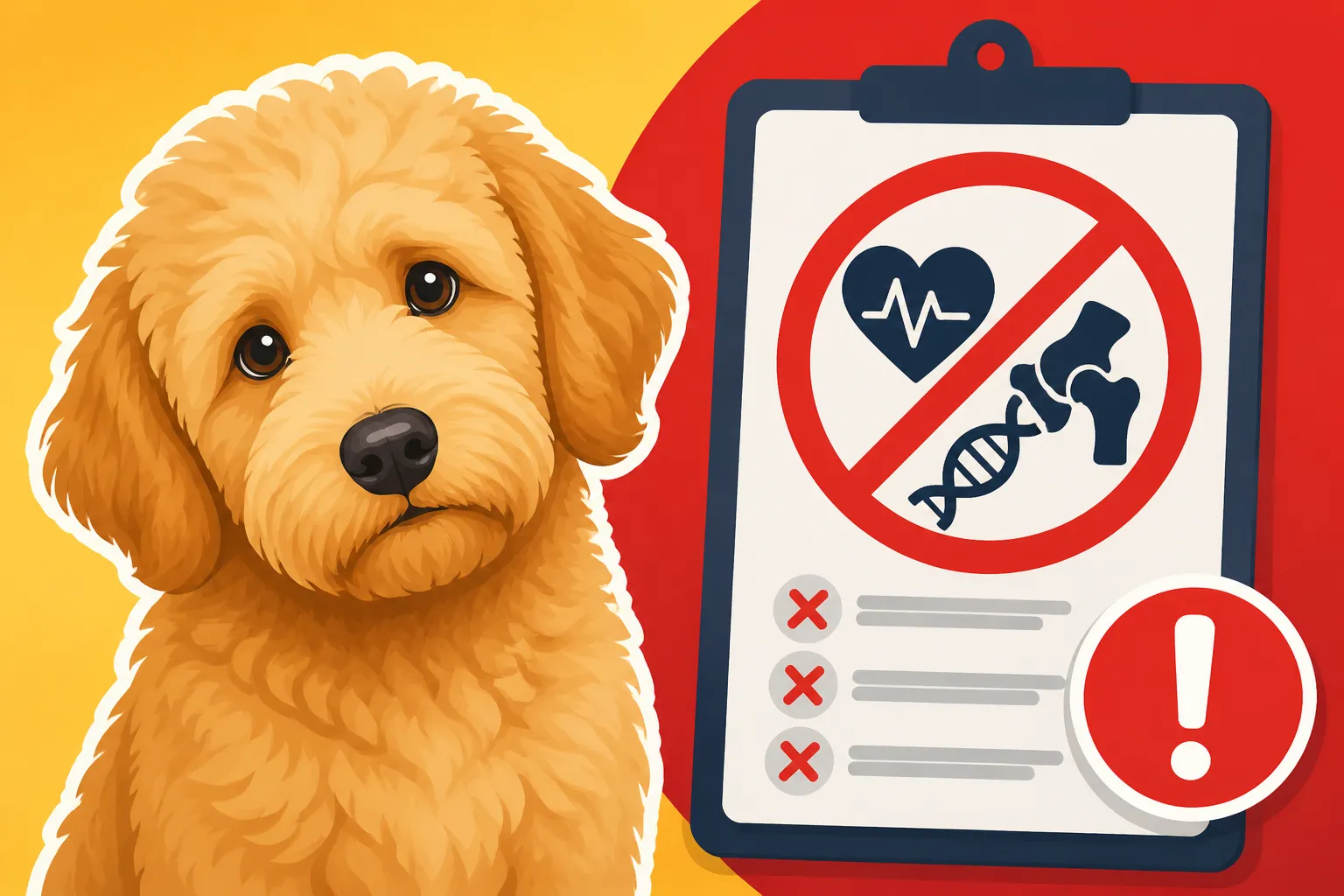
When a Goldendoodle breeder can't (or won't) provide documentation of health testing for their breeding dogs, it's not just a minor detail; it's a glaring omission that speaks volumes about their breeding practices. This silence often means they're either unaware of the genetic pitfalls inherent in the parent breeds, or worse, they're intentionally sidestepping responsible breeding to cut costs or hide potential issues. It's a gamble you really don't want to take with a living creature.
Understanding the Golden Retriever and Poodle Health Legacy
To understand why parent health testing is non-negotiable for Goldendoodles, we first have to look at their magnificent parent breeds: the Golden Retriever and the Poodle. Both breeds are beloved for their intelligence and temperament, but like all purebreds, they come with a predisposition to certain genetic health conditions.
Golden Retrievers, for instance, are unfortunately known for their higher incidence of certain cancers, like lymphoma and hemangiosarcoma, which can be devastating. They also frequently suffer from orthopedic issues such as hip and elbow dysplasia, which can lead to painful arthritis and mobility problems later in life. Eye conditions, like progressive retinal atrophy (PRA), are also a concern, potentially leading to blindness. On the other side, Standard Poodles, while generally quite robust, can be prone to Addison's disease, an endocrine disorder that can be life-threatening if not managed. They also carry risks for bloat (gastric dilation-volvulus), a sudden and severe condition, as well as sebaceous adenitis, a skin condition, and various eye disorders, including PRA. When you combine these two lines to create a Goldendoodle, you're essentially merging their genetic blueprints, meaning a Goldendoodle puppy can inherit any of these conditions from either parent. Without testing, you're buying a puppy blind, with no insight into the genetic lottery they might have won (or lost).
The Illusion of "Hybrid Vigor" Without Testing
Many breeders, especially those cutting corners, will tout "hybrid vigor" as a blanket assurance that their Goldendoodle puppies are inherently healthier. And while it's true that hybrid vigor – the increased health and vigor seen in the first generation offspring of two distinct purebred lines – can exist, it's not a magical shield against all genetic diseases. In fact, relying solely on this concept without health testing is a dangerous misconception that can leave new owners facing immense challenges. Hybrid vigor primarily offers protection against recessive genes where both parents would need to carry the same gene for the offspring to be affected. However, many significant health issues are dominant or polygenic, meaning they don't follow this simple inheritance pattern, or they require only one parent to carry the gene.
If both parent breeds carry a predisposition to the same genetic condition, like hip dysplasia or progressive retinal atrophy, then hybrid vigor offers very little protection. A Goldendoodle can absolutely inherit these problems if the parents are not screened and cleared. This is why just being a "hybrid" isn't enough; you need proven, documented health clearances. It's crucial to understand that The Goldendoodle Hybrid Vigor Claim and Where It Breaks often if breeders aren't actively selecting for health-tested parents.
Why a Breeder Skips Health Testing
There are several reasons why a breeder might skip essential health testing, and none of them are good news for you or the puppy. The most common reason is, frankly, cost. Comprehensive health testing isn't cheap. It involves vet visits, specialized screenings (like X-rays for hips and elbows, eye exams by veterinary ophthalmologists, and DNA panels), and certification fees. A responsible breeder absorbs these costs because they are committed to improving the breed and ensuring the health of their puppies.
Another reason can be ignorance. Some backyard breeders or those new to the game simply aren't educated on the importance of these tests or don't understand the genetic risks involved. They might genuinely believe that since their parent dogs "seem healthy," testing isn't necessary. This naive approach is still incredibly dangerous. Finally, and most disturbingly, some breeders might intentionally avoid testing because they know their dogs have genetic issues they don't want exposed. Passing off an untested puppy saves them money and allows them to sell animals that might otherwise be deemed unsuitable for breeding. In any scenario, a breeder who doesn't test is signaling a lack of commitment to ethical breeding practices and the long-term well-being of their puppies.
Navigating the Minefield of Goldendoodle Listings
When you're searching for a Goldendoodle, the sheer volume of online listings can be overwhelming. It's easy to get swept up in cute puppy pictures, but it's absolutely vital to approach every listing with a critical eye, especially when health testing isn't explicitly mentioned. This is where your detective skills come into play to discern responsible breeders from those who might cause you future heartache.
Identifying Red Flags Beyond Missing Test Data
The absence of parent health test information is a huge red flag, but it's often accompanied by other warning signs that should make you pause. Be wary of breeders who lack transparency in general. Can they provide detailed information about their breeding program? Are they open to you visiting their facility, not just meeting in a parking lot? A breeder who refuses visits or insists on meeting off-site is a major concern. You should always be able to meet both parent dogs, or at least the dam, to assess their temperament and living conditions. If a breeder makes excuses for why you can't, walk away.
Another red flag is a breeder who has multiple breeds of "designer dogs" on their premises, or who seems to always have puppies available. This often points to a high-volume operation focused on profit rather than welfare. Additionally, puppies being separated from their mothers too early (before 8 weeks) is detrimental to their development and a sign of an irresponsible breeder. Finally, be very cautious about breeders who offer puppies at unusually low prices or demand quick deposits without much vetting. This can sometimes be a sign of Goldendoodle Puppy Scams and Vanishing Deposits, where you might lose your money or end up with a puppy from questionable origins.
The Specific Health Tests You Should Expect
A truly responsible Goldendoodle breeder will conduct a battery of health tests on their breeding stock, addressing the known genetic predispositions of both Golden Retrievers and Poodles. These tests are not optional; they are fundamental to producing healthy puppies.
Here's a breakdown of the critical tests you should expect:
- Hip and Elbow Dysplasia: Both Golden Retrievers and Poodles are prone to these debilitating joint conditions. Breeders should have X-rays submitted to the Orthopedic Foundation for Animals (OFA) or PennHIP. You want to see "Good" or "Excellent" ratings for hips and "Normal" for elbows from OFA. For PennHIP, lower distraction index scores indicate tighter hips. Understanding Goldendoodle Hip Dysplasia at 15 to 20 Percent is crucial for any potential owner.
- Eye Examinations: Annual eye exams by a board-certified veterinary ophthalmologist (CAER exam) are essential to screen for various hereditary eye conditions, including cataracts and progressive retinal atrophy (PRA). Genetic testing for PRA, specifically prcd-PRA, is also vital, as Progressive Retinal Atrophy Carried by Both Goldendoodle Lines and can lead to blindness.
- Cardiac Evaluation: A cardiac exam by a board-certified veterinary cardiologist is important to screen for inherited heart conditions.
- Genetic Panel Testing: This involves DNA tests that screen for specific genetic diseases common in Golden Retrievers and Poodles. Key tests often include:
- Von Willebrand Disease (vWD): A bleeding disorder found in Poodles.
- Ichthyosis: A skin condition common in Golden Retrievers.
- Degenerative Myelopathy (DM): A neurological disorder.
- Neonatal Encephalopathy with Seizures (NEWS): A severe neurological condition in Poodles.
- Addison's Disease: While complex, responsible breeders may screen or track lines for this Poodle-prevalent condition.
This comprehensive approach ensures that breeders are doing everything in their power to prevent passing on preventable diseases. It's not just a collection of certificates; it's a commitment to the Goldendoodle's long-term well-being. Looking into The DNA Panel a Goldendoodle Breeder Should Run provides a deeper dive into these genetic screenings.
How to Verify Health Test Results
It's one thing for a breeder to say their dogs are health tested, and another for them to prove it. A responsible breeder will readily provide official documentation for all tests. Don't just accept a "vet checked" statement; that's not the same as comprehensive genetic and orthopedic screening.
For OFA clearances, you can often verify results directly on the OFA website by searching the registered name or registration number of the parent dogs. Similarly, PennHIP results are verifiable through their database. DNA test results from companies like Embark, PawPrint Genetics, or Optimal Selection will come with certificates listing the dog's name, microchip number, and the results for each genetic condition tested. Always cross-reference the names and microchip numbers on the certificates with the actual parent dogs. If a breeder is hesitant to share this information or provides blurry, incomplete photos of certificates, that’s another strong indicator to walk away. It's your right as a prospective owner to see these records clearly, as Reading a Goldendoodle Parent's OFA Record is a skill worth developing to ensure transparency.
The Potential Costs of an Untested Goldendoodle
The appeal of a lower upfront price for a Goldendoodle puppy from a breeder who hasn't done health testing can be incredibly tempting. But this seemingly cheaper initial cost is almost always a false economy, leading to unforeseen expenses and heartbreaking challenges down the line. It's a classic case of "pay now or pay much, much more later."
Unexpected Vet Bills That Skyrocket
The most immediate and impactful consequence of buying a Goldendoodle from untested parents is the potential for astronomical veterinary bills. Genetic conditions, when they manifest, are rarely cheap to treat. For example, if your Goldendoodle develops hip or elbow dysplasia, corrective surgery can cost anywhere from $3,000 to $7,000 per joint, easily reaching tens of thousands of dollars if both hips or elbows are affected. This doesn't even account for ongoing pain management, physical therapy, and specialized diets. Similarly, conditions like progressive retinal atrophy can lead to costly diagnostic tests and treatments for secondary issues, even if the blindness itself isn't surgically curable. Managing chronic conditions like Addison's disease involves lifelong medication and regular veterinary check-ups, which quickly add up.
Even seemingly minor issues can become expensive. Goldendoodles are particularly prone to ear infections due to their floppy, hairy ears, and if a dog has underlying allergies or structural issues not screened for, these can become chronic, leading to repeated vet visits, specialized cleaners, medications, and sometimes even surgery. Looking at Goldendoodle Hip Surgery Costs or Goldendoodle Ear Infections as a Recurring Claim really highlights how quickly these costs can snowball. This is where pet insurance, from providers like Healthy Paws, becomes absolutely invaluable. While it won't cover pre-existing conditions (another reason to get a tested puppy), it can help manage the costs of other unexpected illnesses or accidents that can arise, giving you some peace of mind against the truly astronomical bills.
Emotional Toll and Quality of Life Concerns
Beyond the financial strain, the emotional toll of having a Goldendoodle suffer from preventable genetic conditions is profound. Watching your beloved companion, especially a young one, struggle with pain, mobility issues, or chronic illness is heartbreaking. You form a deep bond with your dog, and their suffering becomes your suffering. The constant worry about their health, the stress of frequent vet visits, and the difficult decisions about palliative care or extensive surgeries can weigh heavily on a family.
These conditions can also significantly impact your Goldendoodle's quality of life. A dog with severe hip dysplasia might not be able to enjoy walks, runs, or playful romps at the park. A dog with debilitating eye disease might lose their vision, requiring significant adjustments to their home environment and routine. These are the joyful experiences you envision when bringing a puppy home, and it’s devastating to see them diminished by preventable health problems. The bond you create with your Goldendoodle is meant to be full of joy, not constant medical management and sorrow.
The Ethical Dilemma of Supporting Untested Breeding
Every decision we make as pet owners has an ethical dimension. When you choose to purchase a Goldendoodle from a breeder who does not conduct proper health testing, you are, in effect, financially supporting and perpetuating irresponsible breeding practices. This sends a message that cutting corners on health is acceptable, inadvertently encouraging more breeders to forgo crucial screenings.
This cycle contributes to the overall pool of dogs with genetic predispositions to disease, leading to more suffering animals and more heartbreak for future owners. Responsible breeding is about more than just producing cute puppies; it's about making thoughtful, informed decisions to improve the health and welfare of the entire population. By choosing a breeder who prioritizes health testing, you are making an ethical stand, supporting responsible practices, and helping to ensure a healthier future for the Goldendoodle as a whole. You are choosing to be part of the solution, not part of the problem.
Empowering Yourself as a Goldendoodle Buyer
Finding the right Goldendoodle means becoming an educated and assertive buyer. You are in control of who you give your business to, and your diligence can save you immeasurable heartache and expense in the long run. Don't be shy about asking tough questions; a responsible breeder will welcome them.
Asking the Right Questions to Goldendoodle Breeders
When you contact a breeder, your initial conversation should be more of an interview—with you doing most of the interviewing! A good breeder will also interview you, but you need to be proactive in gathering critical information. Here's a checklist of questions to arm yourself with:
- "Can you provide OFA certificates for both parents' hips and elbows, and can I verify them on the OFA website?" (Ask for registered names/numbers.)
- "What specific genetic panel tests (e.g., for prcd-PRA, vWD, Ichthyosis, DM, NEWS) were run on both parents, and can I see the results from the testing lab (like Embark or PawPrint)?"
- "When was the last CAER (eye) exam performed by a veterinary ophthalmologist on both parents, and what were the results?"
- "What were the cardiac clearance results for both parents?"
- "Can I meet both parent dogs? If not, why?" (If the sire is an outside stud, ask for his health clearances directly.)
- "How long have you been breeding Goldendoodles, and what is your philosophy on breeding?"
- "What kind of early socialization and enrichment do the puppies receive?"
- "What is your health guarantee, and what does it cover?"
- "Do you require a spay/neuter contract?"
- "Can you provide references from previous puppy buyers or your veterinarian?"
A truly transparent and ethical breeder will not only answer these questions patiently and thoroughly but will also appreciate your due diligence. They want their puppies to go to informed, responsible homes. Any hesitation, defensiveness, or inability to provide clear, verifiable answers should be a major warning sign.
The Value of a Comprehensive Health Guarantee
A strong health guarantee is a hallmark of a responsible breeder and offers a layer of protection for you and your puppy. This isn't just a piece of paper; it's a statement of confidence in the health of their breeding stock and the puppies they produce. A good health guarantee typically covers severe, life-altering genetic conditions for a specified period, often 1-3 years, and sometimes up to 5 years for certain conditions.
What to look for in a robust health guarantee:
- Specific Conditions: It should explicitly state what genetic conditions it covers (e.g., severe hip/elbow dysplasia, specific forms of PRA, cardiac defects).
- Duration: A guarantee that extends beyond the first few months is crucial, as some conditions (like hip dysplasia) may not fully manifest until a puppy is older.
- Remedy: Understand what happens if a covered condition arises. This might include a refund, a replacement puppy, or assistance with vet bills up to the purchase price.
- Clear Terms: Read the guarantee carefully. Are there any clauses that void the guarantee (e.g., failure to provide proper nutrition, early spay/neuter)?
Be wary of guarantees that are vague, too short, or place unreasonable burdens on the buyer. A breeder who offers a comprehensive guarantee is demonstrating their commitment to the puppy's long-term health and their willingness to stand behind their breeding program. This often goes hand-in-hand with Goldendoodle Puppies Sold With a Health Guarantee being a sign of a high-quality breeder.
Considering Reputable Alternatives
If, after all your research, you're struggling to find a Goldendoodle breeder who meets your standards for health testing and transparency, don't despair! There are other wonderful avenues to consider that prioritize the well-being of the dogs.
One excellent option is adopting from a dedicated Goldendoodle or "Doodle" rescue organization. These groups often take in dogs that have been surrendered due to unforeseen health issues, behavioral challenges, or owners simply unable to cope with their needs (which, sadly, sometimes includes the intense grooming required for Goldendoodles). While an adult rescue dog might not come with a complete genetic history, the rescue will often have current veterinary records, have addressed immediate health needs, and can tell you a lot about the dog's temperament and known medical conditions. Adopting a Goldendoodle from Adopting a Goldendoodle From Doodle Rescue can provide a loving home to a dog in need and give you a fantastic companion.
Another alternative is to broaden your search to a reputable breeder of one of the parent breeds (Golden Retriever or Standard Poodle) if a specific temperament or characteristic is most important to you. These purebreds often have extensive breed clubs and health schemes that make finding health-tested parents much easier. Ultimately, your goal is a healthy, well-adjusted dog, and there are many paths to finding that perfect companion, even if it means adjusting your initial vision slightly. For everyday care and specialized diets, if your Goldendoodle does have unique needs, platforms like Chewy or fresh food services like Ollie can be invaluable resources, offering everything from prescription foods to high-quality supplements that support overall health.
Making an Informed Choice for a Healthy Companion
The journey to finding a Goldendoodle can feel like a labyrinth of information, emotions, and sometimes, outright scams. But by prioritizing health testing and breeder transparency, you empower yourself to make a decision that will truly benefit your future companion and your family's peace of mind.
Prioritizing Longevity and Well-being
It's natural to be drawn to the charming looks and personality of Goldendoodle puppies, but remember that you're making a commitment that will ideally last for over a decade. Choosing a puppy from health-tested parents isn't just about avoiding catastrophic vet bills; it's about investing in the longest, healthiest, and happiest life possible for your dog. A healthy dog is a joy; a chronically ill dog, no matter how beloved, brings immense stress and sadness.
While the upfront cost of a well-bred, health-tested Goldendoodle puppy might be higher—often ranging from $2,500 to $5,000 or even more, depending on location and breeder reputation—it’s crucial to see this as an investment in future health and lower lifetime costs. This initial expense pales in comparison to the potential tens of thousands of dollars you could spend on surgeries or lifelong medication for preventable genetic conditions. Understanding What a Goldendoodle Puppy Costs and Why truly puts this into perspective. You're not just buying a puppy; you're buying a lifetime of potential joy, not potential medical crisis. This proactive approach significantly increases the likelihood that your Goldendoodle will live a full, active life, minimizing the chances of them developing serious hereditary diseases and allowing you to focus on training, adventures, and companionship.
The Peace of Mind that Comes with Transparency
There's an undeniable sense of confidence and relief that comes from knowing your Goldendoodle puppy comes from a line of health-screened parents. This transparency means you can trust that your breeder has done their utmost to minimize the risk of passing on known genetic ailments. This peace of mind allows you to fully embrace the joys of puppyhood without the nagging worry that every limp or cough could be the start of a serious, expensive genetic problem.
Imagine bringing your puppy home, knowing that the breeder has provided verifiable OFA certifications for hips and elbows, clear eye exams, and clean genetic panel results for common breed-specific diseases. This isn't just about the absence of fear; it's about the presence of trust and confidence. It allows you to build a loving relationship with your new family member, focusing on their growth, training, and quirky personality, rather than being constantly on edge about potential health issues that could have been avoided with responsible breeding. This trust forms the foundation for a truly fulfilling relationship with your Goldendoodle for many years to come.
Building a Relationship with a Responsible Breeder
A responsible Goldendoodle breeder isn't just someone who sells you a puppy; they are a valuable resource and partner for the lifetime of your dog. They care deeply about where their puppies go and how they thrive. This kind of breeder will be available to answer questions, offer advice on everything from training to nutrition, and even celebrate milestones with you. They often consider themselves part of a larger community dedicated to the Goldendoodle's welfare and are passionate about educating new owners.
This ongoing relationship is a huge benefit, especially for first-time dog owners. You'll have someone experienced to turn to if you encounter challenges or simply have questions about your Goldendoodle's development. They often have insights into their lines, temperaments, and health tendencies that no generic guide can provide. This collaborative approach ensures that you feel supported and that your Goldendoodle has the best chance at a happy, healthy life. It’s a testament to the fact that you’re not just buying a dog; you’re joining a network of care and expertise that truly values the breed.
Here's a comparison to help visualize the difference in breeders:
| Feature | Breeder with No Parent Health Tests | Responsible Breeder with Health Tests |
|---|---|---|
| Transparency | Vague answers, no verifiable documentation. | Readily provides verifiable OFA/DNA results. |
| Initial Puppy Cost | Often lower, seemingly a "deal." | Higher upfront, reflects investment in health. |
| Long-term Health Risk | Significantly higher risk of genetic diseases. | Minimized risk of preventable genetic diseases. |
| Potential Vet Bills | High potential for expensive surgeries/care. | Lower potential for major genetic disease costs. |
| Access to Parents | May be denied, parents not on-site. | Encourages meeting both healthy, temperament-tested parents. |
| Health Guarantee | Short, vague, or non-existent. | Comprehensive, detailed, and covers specific genetic issues. |
| Breeder Knowledge/Support | Limited or uneducated, vanishes post-sale. | Educated, lifelong resource, dedicated to the breed. |
| Ethical Impact | Perpetuates irresponsible breeding. | Promotes health, welfare, and breed improvement. |
| Peace of Mind | Constant worry, potential heartbreak. | Confidence, less stress, joyful companionship. |
Disclaimer
The information provided in this article is for educational and informational purposes only, and does not constitute veterinary advice. Always consult with a qualified veterinarian for any health concerns or before making any decisions about your pet's medical care.