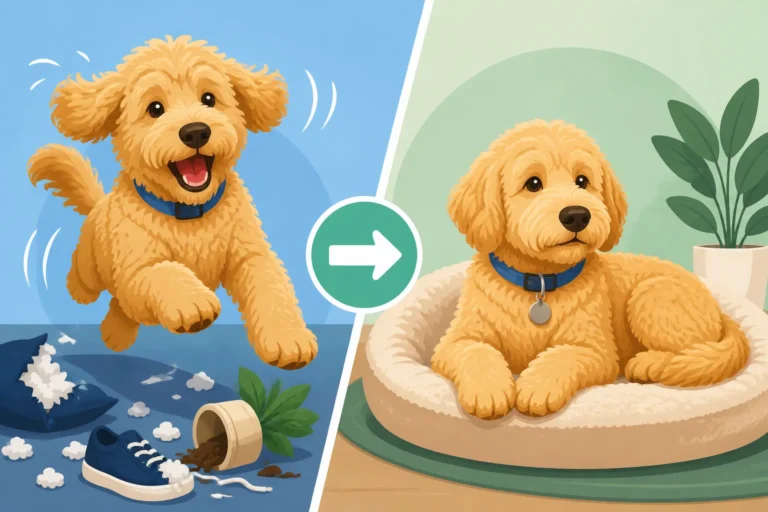
A Goldendoodle Panicking in Its First Weeks Home
Bringing home a new Goldendoodle puppy is incredibly exciting, but for many new owners, it can quickly turn into a stressful experience when your adorable fluffball starts showing signs of panic or intense anxiety in those first crucial weeks. It's heartbreaking to see them distressed, and you might feel lost trying to figure out how to comfort them and help them adjust. This comprehensive guide will walk you through understanding why your Goldendoodle might be panicking, how to recognize the subtle and not-so-subtle signs, and most importantly, provide actionable, empathetic strategies to help your puppy feel safe, secure, and loved in their new forever home.
Understanding Why Your Goldendoodle Puppy Might Be Panicking
Imagine being abruptly taken from everything familiar – your siblings, your mom, the smells, sounds, and routines you've known since birth – and dropped into an entirely new world. That's essentially what your Goldendoodle puppy experiences. It's a huge transition, and it's completely normal for them to feel overwhelmed, anxious, and even panicked. It’s not a reflection of your home or your love; it’s a natural response to a profound life change.
The Sudden Shift from Litter to Lone Puppy
For the first eight weeks or so, your puppy has known nothing but the warmth of their mother and the constant presence and comfort of their littermates. They've had a built-in support system for sleeping, eating, and playing. Suddenly, they’re alone. This can be a huge shock to their system. That primal need for connection and security, which was always met by their canine family, now feels absent. They might feel isolated, even if you’re right there. This isn't just a preference; it's a deep-seated instinct to be part of a pack, and being without it can trigger immense fear.
This is especially true at night. When the house goes quiet and you go to bed, your puppy might experience a stark silence and solitude they've never known. This often manifests as crying, howling, or frantic pacing. Their internal clock and sense of security are completely out of whack. It’s not them being "naughty" or trying to manipulate you; it’s a genuine cry for help because their world has been turned upside down. Understanding this emotional core of their behavior is the first step toward effective intervention.
Overwhelmed by a New Environment
Your home, while wonderful and loving, is a whirlwind of new sensations for a tiny puppy. Different smells, strange sounds, new textures underfoot, and a completely new routine can be incredibly stimulating and, frankly, terrifying. What might seem like a quiet evening to you could be a cacophony of unfamiliar creaks, distant sirens, and the unfamiliar scent of your detergent to your sensitive puppy. They’re processing a tremendous amount of information, and their little brains simply haven't developed the coping mechanisms to handle it all calmly yet.
Think about the sheer volume of new things: the feel of different flooring, the sound of the refrigerator humming, the sight of people moving in new ways, even the new diet and water source. Each of these elements contributes to an environment that is a stark contrast to the familiar whelping box. Some Goldendoodles, thanks to their Golden Retriever and Poodle lineage, can be quite sensitive, picking up on every nuance. This heightened awareness, combined with a lack of experience, can easily push them into a state of panic or overstimulation, making settling down incredibly difficult.
Recognizing the Signs of Puppy Panic and Anxiety
It’s easy to dismiss a crying puppy as just being a puppy, but true panic and anxiety go beyond normal puppy antics. Learning to read your Goldendoodle’s body language and behavioral cues is crucial for knowing when they’re just being a puppy versus when they’re genuinely distressed. Early intervention can prevent these anxieties from solidifying into long-term behavioral issues like Goldendoodle Separation Anxiety From Both Parent Lines.
Behavioral Indicators of Distress
A panicking Goldendoodle puppy might exhibit a range of behaviors that signal intense stress. Loud, persistent vocalizations are a common one – not just a few whines, but sustained crying, howling, or barking that seems almost desperate. They might try to escape their confined space, whether it's a crate or a playpen, by digging, chewing at the bars, or frantically pushing against boundaries. Some puppies will pace incessantly, unable to settle down even when offered comfort or toys.
You might also notice destructive chewing that isn't typical puppy exploration, but rather a frantic attempt to relieve stress – often on inappropriate items like furniture legs or your shoes, even when appropriate chew toys are available. Some puppies will completely lose interest in food or water, while others might have accidents inside even if they were doing well with potty training previously. These behaviors aren't about being naughty; they're a physical manifestation of overwhelming fear and uncertainty.
Physical Manifestations of Anxiety
Beyond behavior, there are physical signs your Goldendoodle puppy might be panicking. Excessive drooling, panting even when not hot or exercising, and trembling are all common stress responses. You might notice their ears are pulled back flat against their head, their tail is tucked tightly between their legs, or their body posture is low and hunched. Their eyes might appear wide, showing the whites, and they might avoid eye contact or dart their gaze around frantically.
Gastrointestinal upset can also be a sign of stress. Loose stools or vomiting can sometimes accompany extreme anxiety, particularly in the first few days when everything is new. Keep a close eye on these physical cues, as they are often involuntary reactions to stress and can give you a clearer picture of your puppy's internal state than just their vocalizations. If these signs persist, a vet visit is always a good idea to rule out any underlying health issues.
Strategies to Ease the Transition and Build Security
The good news is that with patience, consistency, and the right approach, you can help your Goldendoodle puppy navigate this challenging period. The goal is to build a foundation of trust and security, teaching them that their new home is a safe haven.
Establishing a Predictable Routine
Dogs thrive on routine and predictability. It provides a sense of control and reduces uncertainty, which is a huge source of anxiety for a new puppy. From the moment your Goldendoodle wakes up to the time they go to bed, try to keep their schedule as consistent as possible. This includes feeding times, potty breaks, play sessions, and nap times. A predictable routine helps them understand what to expect and when, reducing the stress of the unknown.
For example, wake up at the same time each day, immediately take them out for a potty break, then feed them. Follow this with a short play session, then a nap. Repeat this pattern throughout the day. You can create a simple schedule:
| Time Slot | Activity | Purpose |
|---|---|---|
| 6:00 AM | Wake up, Immediate Potty Break | Prevent accidents, establish morning routine |
| 6:15 AM | Breakfast & Water | Consistent feeding, hydration |
| 6:45 AM | Short Play/Training, Potty Break | Exercise, mental stimulation, reinforce potty |
| 7:30 AM – 9:30 AM | Crate Nap/Quiet Time | Rest, alone time practice |
| 9:30 AM | Potty Break, Supervised Play/Exploration | Prevent accidents, enrichment |
| 12:00 PM | Lunch (if still on 3 meals), Potty Break | Mid-day energy, prevent accidents |
| 1:00 PM – 3:00 PM | Crate Nap/Quiet Time | Mid-day rest, alone time practice |
| 3:00 PM | Potty Break, Training/Socialization | Mental work, social exposure |
| 5:30 PM | Dinner & Water | Consistent feeding |
| 6:00 PM | Play/Family Time, Potty Breaks | Social bonding, last burst of energy |
| 9:00 PM | Last Potty Break | Empty bladder before bed |
| 9:30 PM | Bedtime in Crate | Sleep, continued alone time practice |
This structured approach helps your puppy learn the rhythm of your home and provides the comfort of knowing what comes next. You can even write it down and stick it on the fridge for everyone in the family to follow. Remember to be flexible if life happens, but generally stick to it.
Thoughtful Crate Training and Safe Spaces
Crate training is one of the most effective tools for helping a new puppy feel secure and manage separation anxiety. A crate isn't a punishment; it's a den, a safe, personal space where your Goldendoodle can retreat and feel protected. It mimics the small, enclosed spaces that dogs naturally seek out for security. Crate Training a Velcro Goldendoodle is essential for a smooth transition.
Introduce the crate gradually, making it a positive place. Start by feeding meals inside, tossing treats in, and using a cheerful voice. Never force your puppy into the crate or use it for punishment. Drape a blanket over the crate to create a cozy, den-like atmosphere, reducing visual stimulation. Place it in a central, yet quiet, area of your home initially so they still feel part of the family without being overwhelmed. A soft bed or blanket that smells like you, or even a t-shirt you’ve worn, can provide immense comfort. Items like a snuffle mat with treats or a Kong toy filled with peanut butter (check for xylitol!) can also make the crate a rewarding place to be. You can find many excellent crate accessories and calming aids on Amazon to help make this space even more inviting.
Implementing Calming Aids and Techniques
Sometimes, even with routine and a crate, a puppy still struggles. There are several tools and techniques that can provide extra comfort:
- Pheromone Diffusers/Collars: Products that release synthetic dog appeasing pheromones (DAP) can help reduce anxiety. These mimic the calming pheromones a mother dog releases to comfort her puppies.
- White Noise Machines or Calming Music: The sudden quiet of a new home can be unsettling. White noise or classical music designed for dogs can mask unfamiliar sounds and provide a soothing background.
- Comfort Toys: A plush toy with a heartbeat or a warming pack can mimic the feeling of a littermate or mother, providing a sense of physical comfort.
- Chew Toys: Chewing is a natural stress reliever for puppies. Provide plenty of appropriate, durable chew toys. Make sure they are safe and sized for your Goldendoodle.
- Gentle Touch and Massage: When your puppy is calm, gentle petting and light massage can be very soothing. Pay attention to their reactions and stop if they show signs of discomfort.
- The "Hush" Command: Teach your puppy a "hush" or "quiet" command for barking, not by yelling, but by interrupting the bark with a positive interrupter and then rewarding silence. This takes time, but it builds communication.
- Enrichment: Mental stimulation can be as tiring as physical exercise. Puzzle toys and short training sessions (even just 5 minutes!) can help occupy their mind and build confidence. Many beginner training programs, like the one offered by BAXTER & Bella, focus on positive reinforcement techniques that can introduce structure and fun, helping your puppy feel more secure and less panicked. They offer step-by-step guidance which is invaluable in those early weeks. Goldendoodle Training Sessions and How Long to Run Them emphasizes short, positive interactions.
Consistency is key with all these methods. Don’t introduce too many things at once, and give each strategy time to work.
Building Alone Time Gradually
One of the biggest hurdles for a panicking puppy is learning to be alone. This is often where the most severe anxiety manifests. It’s crucial to teach your Goldendoodle that being alone is okay and that you will always return.
The Art of Micro-Separations
Start small. Seriously small. This isn’t about leaving them for hours; it’s about leaving for seconds. Put your puppy in their crate with a high-value treat or a favorite chew toy. Then, walk out of the room for literally 10-20 seconds. Return calmly, without fanfare, before they even have a chance to get distressed. If they were quiet, great! Repeat. Gradually increase the duration by tiny increments: 30 seconds, 1 minute, 2 minutes. Building Alone Time for a Goldendoodle in Minutes is a cornerstone of this training.
The goal is to always return before they start panicking. If they start crying, you’ve gone too far, too fast. Shorten the duration next time. This teaches them that you always come back, reinforcing trust. Never make a big deal out of leaving or returning; act like it's the most normal thing in the world. This desensitizes them to your departures and arrivals.
Incorporating White Noise and Visual Barriers
When you're practicing alone time, especially during naps or bedtime, consider using a white noise machine or leaving a radio on softly in the room where your puppy is crated. This helps muffle household sounds that might startle or remind them they are "alone." For some puppies, seeing you walk around can also trigger anxiety, as they don't understand why they're not with you. Draping a light blanket over part of their crate can create a visual barrier, signaling that it's quiet time and reducing visual stimulation.
Ensuring your Goldendoodle puppy has adequate mental and physical stimulation before alone time is also vital. A tired puppy, both mentally and physically, is much more likely to settle down for a nap or sleep through the night. A good play session or a short training burst can make a huge difference in their ability to relax.
When to Seek Professional Help
Despite your best efforts, some Goldendoodle puppies may still exhibit extreme levels of panic and anxiety. It’s important to know when to reach out for professional guidance. This isn't a sign of failure; it's a responsible step to ensure your puppy gets the help they need.
Consulting Your Veterinarian
Your first point of contact should always be your veterinarian. They can rule out any underlying medical conditions that might be contributing to your puppy's anxiety or distress. Pain, discomfort, or an undiagnosed illness can manifest as behavioral changes, including panic. Your vet can also offer advice on calming supplements or, in severe cases, discuss short-term medication options that might help your puppy get through the initial transition period, especially if their anxiety is impacting their health (e.g., not eating, constant diarrhea). Remember to also ensure your puppy is up-to-date on vaccinations and health checks, which your vet can confirm. Goldendoodle Puppy Vaccination Timing is an important part of their early care.
Sometimes, what looks like panic might be related to other health issues. For instance, some puppies might have an umbilical hernia or other minor ailments that cause discomfort and make them more prone to crying. A quick check-up can either reassure you or provide a diagnosis that can be treated.
Working with a Certified Professional Dog Trainer or Behaviorist
If medical issues are ruled out, seeking help from a certified professional dog trainer or a veterinary behaviorist is the next step. These professionals specialize in canine behavior and can provide tailored strategies for your specific Goldendoodle and your family's situation. They can observe your puppy's behavior, identify triggers, and develop a customized training plan.
Look for trainers who use positive reinforcement methods and have experience with puppy anxiety and separation-related behaviors. A good trainer can guide you through advanced crate games, structured socialization exercises, and desensitization protocols that might be too complex to implement effectively on your own. Finding a Trainer Who Works With Goldendoodles is crucial for effective intervention. A program like BAXTER & Bella can also provide a solid foundation of training principles and support, helping you implement strategies under expert guidance. Sometimes, an objective eye can spot subtle cues or behavioral patterns that you, as a loving but exhausted owner, might miss. They can also help distinguish between normal puppy adjustment and true anxiety disorder.
Disclaimer
This article is for general informational purposes only and does not constitute professional advice. Laws, prices and regulations vary by location and change over time. Consult a qualified professional for guidance on your specific situation.