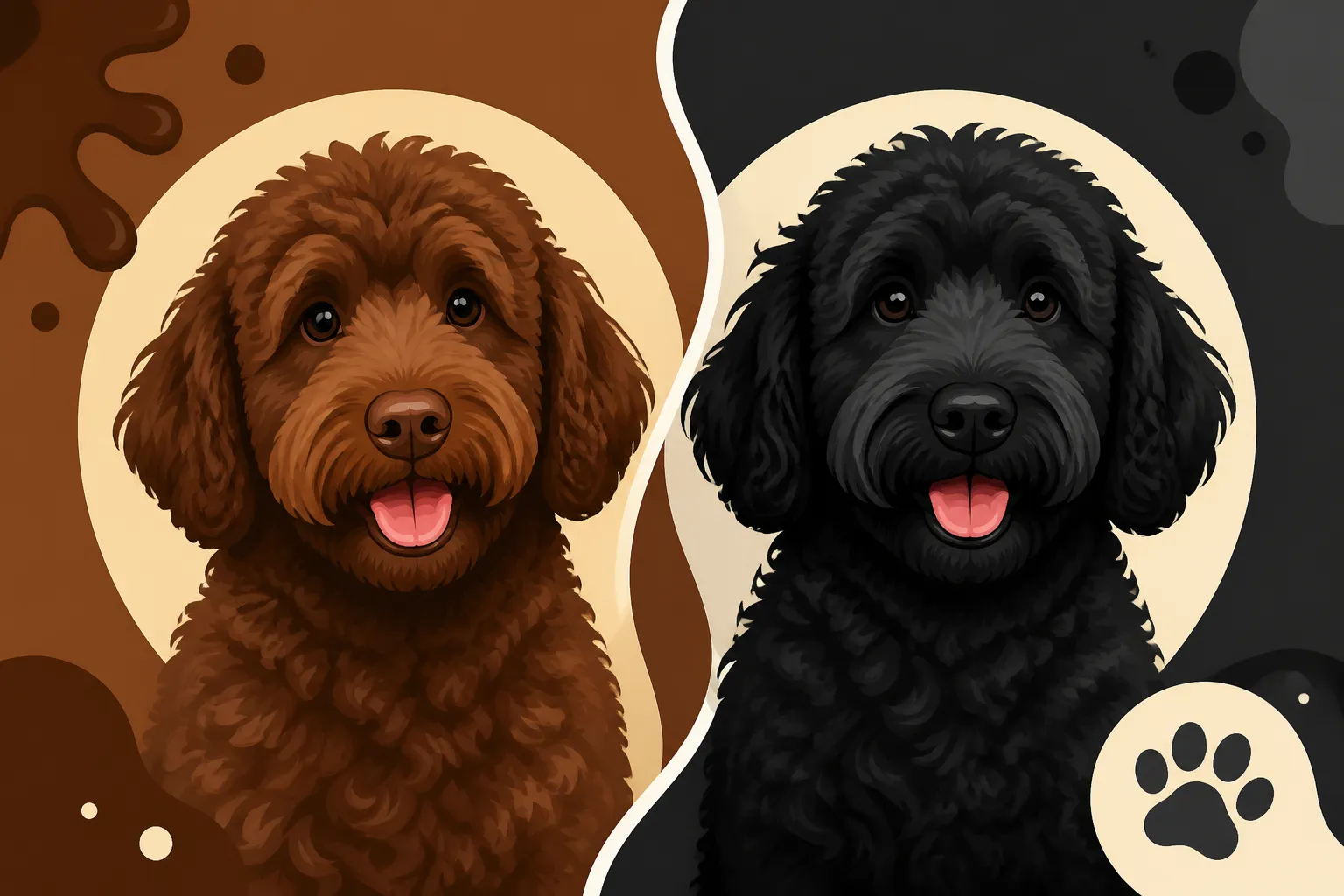
Chocolate and Black Goldendoodle Coats
When you dream of bringing a Goldendoodle into your life, you might find yourself picturing a specific color: maybe a rich, dark chocolate or a sleek, elegant black. It's completely understandable to be drawn to these striking shades. However, understanding what truly goes into a black or chocolate Goldendoodle coat, from the underlying genetics to the day-to-day care, is crucial to setting realistic expectations and ensuring you're prepared. This guide is here to unravel the mysteries of these beautiful dark coats, helping you appreciate their unique qualities and know how to keep them looking their best.
The Allure of Chocolate and Black Goldendoodle Coats
There’s something undeniably captivating about a Goldendoodle with a deep, dark coat. Unlike the popular cream or apricot shades that many people associate with the breed, a black or chocolate Goldendoodle stands out, often looking incredibly plush and luxurious. Owners who gravitate towards these colors might be looking for something a bit different, or simply find themselves enchanted by the depth and intensity these hues offer.
Why Dark Coats Capture Our Hearts
For many prospective Goldendoodle parents, the desire for a specific coat color goes beyond mere aesthetics; it's about imagining that perfect companion. A black Goldendoodle can exude an air of sophistication, while a chocolate Goldendoodle often brings to mind warmth and a cuddly disposition. These colors feel unique in a breed often stereotyped by its lighter, "golden" namesake. We often connect with a dog on an emotional level, and sometimes, a certain look, like a deep ebony or a rich cocoa coat, just speaks to us. It’s a completely natural part of the selection process, driven by personal preference and the images we hold in our minds of our future furry family member.
Setting Realistic Expectations for Color
It’s easy to fall in love with a puppy picture, but the reality of Goldendoodle coat color can sometimes be a journey of surprises. What looks like a jet-black puppy might mature into a deep charcoal or even develop subtle reddish undertones over time, especially with sun exposure. Similarly, a rich, dark chocolate puppy might lighten to a cafe au lait shade as it ages. This phenomenon is quite common in Goldendoodles, which is why breeders often use terms like "fading black" or "diluted chocolate." It’s not a flaw, just a genetic reality of the breed. Understanding that these colors can evolve means you approach your puppy with an open mind, ready to love whatever beautiful shade they eventually become, rather than being disappointed if they don't stay precisely the color they were at eight weeks old.
Unpacking the Genetics Behind Dark Coats
To truly appreciate black and chocolate Goldendoodle coats, it helps to understand a little bit about the genetic recipe that creates them. It’s a fascinating interplay of genes inherited from both the Golden Retriever and Poodle sides of their family tree. While we often think of Goldendoodles as just "golden" or "cream," the genetics allow for a much broader palette, including these darker, more striking shades. It's not just random; specific genes control pigment production and distribution.
The 'B' Locus and Black Pigment
The "B" locus is a key player when it comes to black and chocolate coats. Dogs carry two copies of each gene, one from each parent. The B locus determines whether a dog will have black pigment (B) or brown pigment (b). If a Goldendoodle inherits at least one dominant "B" allele (meaning BB or Bb), they will produce black pigment. This black pigment will show up in their nose, paw pads, eye rims, and lips, and, crucially, in their coat if other genes allow it to be expressed. If a Goldendoodle inherits two recessive "b" alleles (bb), they will have brown pigment everywhere black would normally be found – brown nose, brown paw pads, and a chocolate-colored coat. So, a true black Goldendoodle must have at least one dominant B gene, while a true chocolate Goldendoodle must have two recessive b genes.
The 'E' Locus and Golden Influence
Now, here’s where things get a little more complex, especially with a Golden Retriever in the mix. The "E" locus (Extension locus) determines where that black or brown pigment is expressed in the coat. A dog with dominant "E" alleles (EE or Ee) will express the pigment determined by the B locus in their coat. So, a BBEE or BbEe dog will be black, and a bbEe dog will be chocolate. However, if a dog inherits two recessive "e" alleles (ee), it prevents the expression of black or brown pigment in the coat entirely. This is what happens in Golden Retrievers – they are all (ee) at the E locus, which is why they're golden, cream, or red, even if they genetically carry black or brown pigment at the B locus. This is also how you get lighter-colored Goldendoodles, even if they have black pigment genes. The interplay between these loci is critical. A Goldendoodle needs at least one dominant 'E' allele (E_ not ee) to have any black or chocolate in its coat. This explains why some Goldendoodles still end up cream or apricot, even if one parent was black or chocolate – that 'ee' gene from the Golden parent can sometimes override the dark color potential. This complex genetic dance is why predicting Goldendoodle coat colors can be so tricky, especially in the earlier Goldendoodle Generations From F1 to Multigen.
How the Poodle and Golden Retriever Contribute
Both parent breeds contribute significantly to the Goldendoodle’s coat color possibilities. Poodles come in a vast array of colors, including solid black and various shades of brown (often called chocolate or cafe au lait), so the Poodle parent is usually the source of the dominant black (B) or recessive brown (b) genes. A Poodle can carry these genes without the "ee" dilution, allowing their dark colors to shine. The Golden Retriever, on the other hand, always contributes the "ee" genes, meaning they don't express black or brown in their own coats, regardless of what's at their B locus.
When these two breeds are crossed to create an F1 Goldendoodle, the puppies inherit a mix. For a black or chocolate Goldendoodle to appear, the Poodle parent must carry the dominant 'E' gene (to allow color expression) and either a 'B' gene (for black) or 'b' gene (for chocolate). The Golden Retriever parent will contribute 'e' genes, so it's a roll of the genetic dice to see if the Goldendoodle puppy inherits at least one 'E' from the Poodle to express the dark color. This complex inheritance pattern is why DNA Coat Testing on a Goldendoodle is becoming more popular among ethical breeders, as it helps predict a litter's potential colors more accurately and understand what kind of Goldendoodle Coat Colors From Cream to Chocolate might appear.
Characteristics and Care of Black Goldendoodle Coats
Black Goldendoodles are truly striking, with their deep, often velvety coats. They stand out beautifully whether they're playing in a lush green park or snuggled up on a white blanket. However, owning a black Goldendoodle comes with its own set of unique characteristics and care considerations that are important to understand. Their dark pigment, while gorgeous, also means certain aspects of their coat health and maintenance need particular attention.
What to Expect from a Black Goldendoodle
When you bring home a black Goldendoodle puppy, you might be captivated by its inky black fur. However, as they mature, many black Goldendoodles, particularly those with a Poodle parent that carries a "fading" gene, might gradually lighten. This can manifest as a softening to a deep charcoal gray or a development of reddish-brown highlights, especially in areas exposed to a lot of sunlight, like their back and shoulders. This color change is not indicative of poor health but rather a natural genetic process. The texture of their coat will also vary, just like any other Goldendoodle, ranging from wavy to curly, depending on their specific genetics and which The Three Goldendoodle Coat Types and How to Tell Them they inherited. Some might have a dense, woolly curl, while others will have a looser, more flowing wave. This variation affects not just their appearance but also their grooming needs, as denser curls can be more prone to matting.
Maintaining Shine and Preventing Sun-Induced Redness
One common concern for owners of black Goldendoodles is maintaining that rich, deep luster and preventing the coat from developing a reddish tint. Sun exposure is the primary culprit here. Just like human hair can lighten in the sun, a black dog's coat can undergo a process called "sun bleaching." This isn't just cosmetic; intense sun can also dry out the coat, making it look dull. To combat this, consider using a high-quality shampoo and conditioner specifically formulated for black or dark coats, which often contain ingredients designed to enhance depth and shine. During prolonged outdoor activities, particularly in strong summer sun, some owners even use lightweight, breathable dog sun shirts to protect their Goldendoodle’s coat, especially on the back. Regular bathing with appropriate products and a good diet rich in Omega fatty acids (which you can often find in premium dog foods or supplements at places like Chewy) will help keep the coat healthy from the inside out, providing a natural barrier against environmental stressors and promoting a vibrant shine.
Grooming Specifics for Black Coats
While all Goldendoodles require diligent grooming, black Goldendoodles aren't exempt from the usual challenges. Their dense, often curly coats are highly prone to matting, and the dark color can sometimes make it harder to spot tangles and mats forming deep within the fur. This means a consistent daily or every-other-day Brushing a Goldendoodle Often Enough to Stop Matting routine is absolutely critical. You'll need a good slicker brush and a metal comb to work through the coat, making sure to get down to the skin. Pay particular attention to friction points like behind the ears, under the collar, and in the armpits, as these are prime locations for mats. Regular professional grooming, typically every 6-8 weeks, is also essential for maintaining a manageable coat length and preventing painful matting. Don't be shy about discussing desired coat lengths and any concerns about fading or matting with your groomer. A groomer familiar with Goldendoodle coats will know how to best maintain their texture and color.
Understanding and Nurturing Chocolate Goldendoodle Coats
Chocolate Goldendoodles offer a stunning alternative to the more common golden shades, with a warm, inviting hue that can range from a light milky chocolate to a deep, dark espresso. These coats often appear incredibly soft and luxurious, inviting endless snuggles. However, like their black counterparts, chocolate Goldendoodles come with their own unique traits regarding color stability and grooming needs.
The Nuances of the Chocolate Shade
Chocolate Goldendoodle coats are a spectrum, not a single color. You might see puppies described as "milk chocolate," "dark chocolate," "liver," or "cafe au lait." This variety largely depends on the specific genetic modifiers inherited, as well as the shade of brown carried by the Poodle parent. A truly dark chocolate coat is a sight to behold, but it's important to remember that, just like black coats, chocolate coats can also change over time. Many chocolate Goldendoodles will "clear" or lighten as they mature, often settling into a beautiful, softer shade of brown. Their noses, paw pads, and eye rims will always be liver-colored, not black, which is the definitive indicator of a true chocolate dog. The texture of a chocolate Goldendoodle's coat is just as varied as any other color, from straight or wavy to tightly curled, influencing how much daily maintenance is required.
Potential for Fading and Coat Changes
Fading is a very real possibility with chocolate Goldendoodles, and it's something many owners aren't fully prepared for. What starts as a rich, dark brown puppy can, over the course of its first year or two, gradually lighten to a much paler, softer cafe au lait or even a light taupe. This phenomenon is often linked to genes that affect how the pigment holds its intensity over time. Sun exposure can also accelerate this process, just as it does with black coats, sometimes leading to reddish highlights where the sun hits the most. This fading is a normal genetic trait and doesn't signify any health issue. However, if you are absolutely set on a dark, non-fading chocolate, it's a conversation to have with a reputable breeder who might have a better understanding of their lines' fading patterns and could potentially offer insights from The DNA Panel a Goldendoodle Breeder Should Run on their breeding dogs.
Tailored Care for a Rich Chocolate Hue
To help maintain the richness and health of a chocolate Goldendoodle's coat, a consistent care routine is paramount. Regular bathing with color-enhancing shampoos and conditioners can help, some of which are designed specifically for brown or red coats. These products can boost the vibrancy and shine, making the coat appear deeper. Always follow up with a good conditioner to lock in moisture, which is key for healthy, non-fading coats. Nutrition also plays a significant role; a high-quality diet, perhaps one that includes fish oil or other Omega fatty acid supplements (readily available on sites like Chewy), can contribute to a lustrous coat and skin health. Of course, daily brushing with the right tools, like a The Slicker Brush and Comb a Goldendoodle Needs, is non-negotiable to prevent matting, which can be just as difficult to spot in a dense chocolate coat as in a black one. Professional grooming every 6-8 weeks will ensure the coat stays in top condition, preventing painful tangles and allowing the natural beauty of their chocolate color to shine through.
Grooming and Maintenance for Dark Goldendoodle Coats
Whether your Goldendoodle is a deep ebony or a rich chocolate, maintaining their beautiful coat is an ongoing commitment. The dense, often curly nature of Goldendoodle fur means that regular, thorough grooming is not just about aesthetics; it's vital for their comfort and health. Ignoring their coat can lead to painful matting, skin issues, and even costly visits to the groomer or vet. So, let’s talk about how to keep those dark coats pristine.
Essential Grooming Tools for Dark Coats
You simply cannot skip having the right tools in your grooming kit if you own a Goldendoodle, especially one with a darker, denser coat where mats can hide easily. First and foremost, a high-quality slicker brush is indispensable for working through the bulk of the coat and separating individual hairs. You’ll want one with sturdy pins that don’t bend easily, allowing you to get down to the skin without scratching. Complementing the slicker brush, a metal comb with both wide and narrow teeth is crucial for finding and working out smaller tangles that the slicker brush might miss. This is your primary tool for line brushing, ensuring you're mat-free right down to the skin.
Beyond brushing, you’ll need dog-specific shampoo and conditioner. For dark coats, consider products designed to enhance color or prevent fading. A detangling spray is also a lifesaver, making brushing much smoother and helping to release stubborn knots. Finally, sturdy nail clippers or a grinder, and blunt-nosed scissors for trimming around the eyes and paw pads, complete your essential home grooming arsenal. Investing in quality tools from a pet supply retailer like Chewy will make your grooming sessions more effective and comfortable for your Goldendoodle.
Maintaining Rich Color and Healthy Shine
Keeping that vibrant black or chocolate color rich and shiny requires a multi-pronged approach that goes beyond just brushing. Regular bathing, typically every 3-4 weeks (or as needed based on activity), is important. Use a Shampoo That Suits a Goldendoodle Coat and follow up with a good conditioner. Look for products that are sulfate-free and formulated for color enhancement or deep conditioning. After bathing, thoroughly drying your Goldendoodle's coat is critical. A high-velocity dryer, if you have access to one, can make a huge difference in preventing mats and fluffing the coat properly.
Diet plays a huge role in coat health, too. Ensure your Goldendoodle is on a high-quality dog food rich in Omega-3 and Omega-6 fatty acids. These nutrients are vital for skin health and coat luster. If their diet alone isn't enough, talk to your vet about adding a fish oil supplement. Finally, protecting them from excessive sun exposure, especially if they spend a lot of time outdoors, can minimize sun bleaching and keep their dark color looking its best. Think of it as a holistic approach to coat care!
Protecting Your Goldendoodle from Sun Damage
While we love sunny days for walks and play, too much sun can be detrimental to your Goldendoodle’s dark coat and even their skin. As mentioned, prolonged sun exposure can lead to fading, turning black coats reddish and chocolate coats lighter. But beyond aesthetics, dogs can get sunburned, especially on thinner-haired areas or if their coat is shaved short for summer. Sunburn can be painful and increases the risk of skin cancer over time.
To protect your dark-coated Goldendoodle, limit their time outdoors during peak sun hours (usually 10 AM to 4 PM). If they must be out, seek shaded areas for breaks. Consider a lightweight, UV-protective dog shirt for extended outings, especially if your Goldendoodle has a history of fading or has a shorter summer clip. Always ensure they have access to fresh water to stay hydrated. And don’t forget their nose! A dog-specific sunscreen balm can protect sensitive areas like the nose, which is particularly vulnerable to sun damage, especially on those beautiful liver-colored chocolate Goldendoodle noses. Taking these precautions ensures your Goldendoodle stays comfortable, healthy, and keeps that stunning coat looking fabulous.
Table: Black vs. Chocolate Goldendoodle Coats
| Feature | Black Goldendoodle Coat | Chocolate Goldendoodle Coat |
|---|---|---|
| Genetic Basis | At least one dominant 'B' allele (BB or Bb) and at least one dominant 'E' allele (EE or Ee). | Two recessive 'b' alleles (bb) and at least one dominant 'E' allele (EE or Ee). |
| Nose/Pigment | Black nose, paw pads, eye rims. | Liver (brown) nose, paw pads, eye rims. |
| Color Range | Deep black to charcoal gray. | Milk chocolate to dark espresso. |
| Fading Risk | Common, can turn reddish or charcoal with sun/age. | Common, can lighten to cafe au lait or light taupe with sun/age. |
| Sun Sensitivity | High; prone to sun bleaching/reddening. | High; prone to sun bleaching/lightening. |
| Grooming Challenge | Mats can be hard to spot in dense, dark fur. | Mats can be hard to spot in dense, dark fur. |
| Primary Care Focus | Maintaining deep color, preventing reddish tones. | Maintaining rich brown, preventing excessive lightening. |
Disclaimer
This article is for general informational purposes only and does not constitute professional advice. Laws, prices and regulations vary by location and change over time. Consult a qualified professional for guidance on your specific situation.