Feeding a Goldendoodle Puppy Through Growth
Bringing a Goldendoodle puppy home is one of the most exciting, yet sometimes overwhelming, experiences for any dog parent. One of the biggest questions that keeps new owners up at night is, "Am I feeding my puppy enough? Too much? Am I giving them the right kind of food?" It’s a common worry because their growth is so rapid and their needs change quickly. This guide is going to walk you through everything you need to know about nourishing your Goldendoodle puppy, from their tiny beginnings all the way through their gangly adolescent phase, making sure they get the best start possible.
The Unique Journey of Goldendoodle Puppy Growth
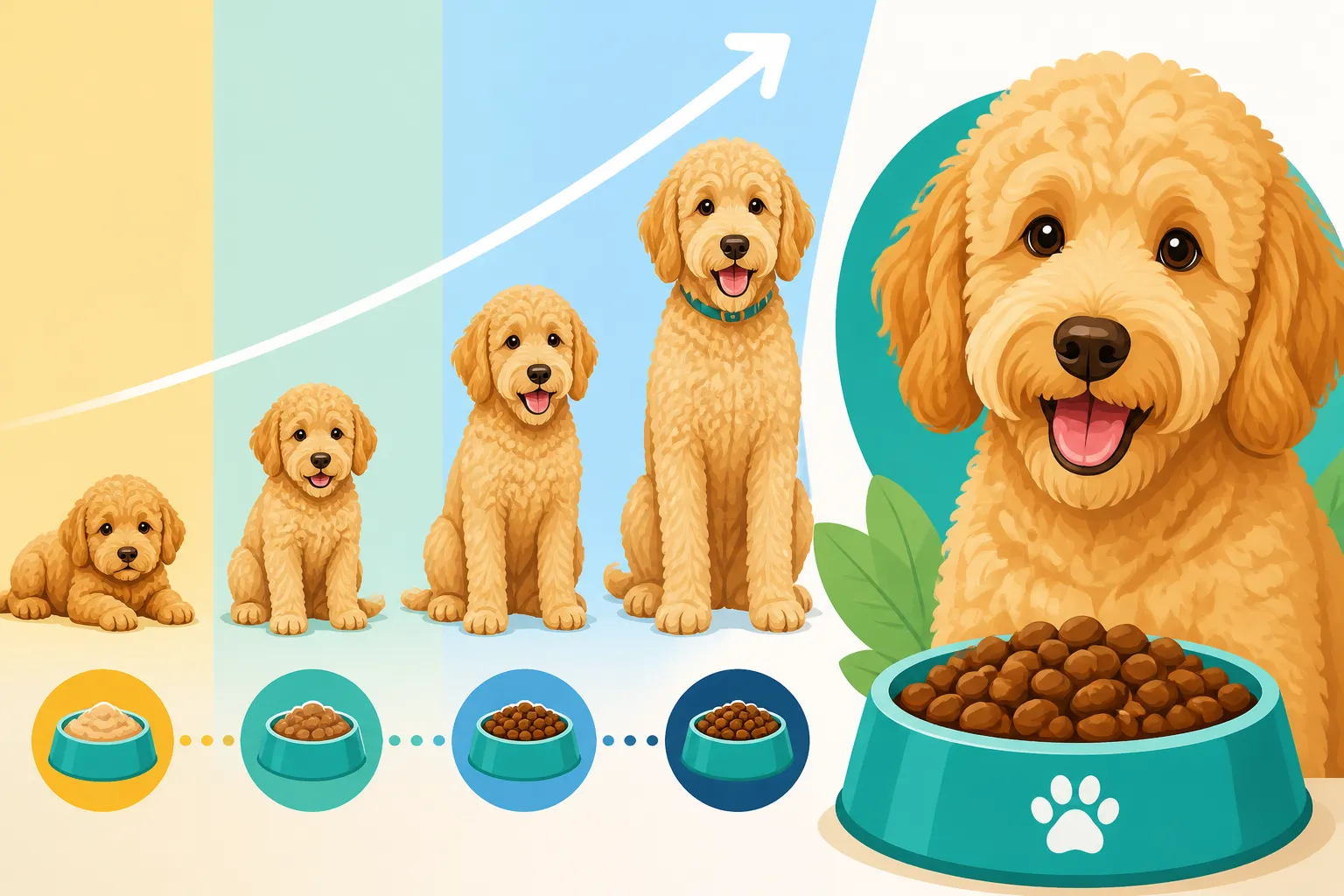
Goldendoodle puppies grow at an astonishing rate, transforming from a fluffy, wobbly little nugget into a sleek, energetic, full-sized dog in what feels like the blink of an eye. This period of rapid development is absolutely critical, and the nutrition they receive now sets the foundation for their health and well-being for their entire life. It’s not just about getting bigger; it’s about their bones strengthening, their organs maturing, and their brains developing the smarts we love them for.
Understanding Their Rapid Development
From the moment they're born until they reach their adult size, Goldendoodle puppies are undergoing constant physiological changes. Their bones are lengthening, their muscles are building, and their immune systems are maturing to protect them from the world. This intense period of growth demands a diet that is specifically formulated to support these complex processes. Puppy food isn't just a smaller version of adult food; it's packed with higher calorie counts, more protein, and a balanced array of vitamins and minerals crucial for robust development.
Neglecting these nutritional requirements during puppyhood can have long-lasting consequences. Poor nutrition can lead to developmental orthopedic diseases, weakened immune systems, and even affect cognitive development. It's truly a time when what goes into their bowl directly translates to how healthy and happy they'll be as adults. Think of it as building a house – you want the best materials and a solid blueprint from the very beginning.
Why Size Matters for Nutritional Needs
Goldendoodles come in a wonderful range of sizes, from the tiny Toy Goldendoodle to the majestic Standard. This diversity means that a "one size fits all" approach to feeding simply won't work. A tiny Toy Goldendoodle puppy has vastly different caloric and nutrient requirements than a hefty Standard Goldendoodle puppy, especially concerning bone growth and development. Feeding a large breed puppy too much calcium or an unbalanced diet can contribute to skeletal problems like hip and elbow dysplasia later in life.
This is where understanding your Goldendoodle's expected adult size becomes paramount. If you have a Standard Goldendoodle puppy, you'll want to opt for a large breed puppy formula, which is specifically designed to promote slower, more controlled growth, reducing stress on rapidly developing joints. For smaller Goldendoodle varieties, a regular puppy formula will suffice, providing the higher calorie density they need without the large-breed specific modifications. Always confirm with your breeder what size they anticipate your puppy will be and choose food accordingly. It’s all about tailoring the nutrition to their specific genetic blueprint.
Choosing the Right Fuel: Puppy Food Essentials
Walking down the pet food aisle or browsing online can feel like navigating a maze, with endless brands, formulas, and claims. It's easy to get overwhelmed trying to pick the "best" food for your precious Goldendoodle puppy. The key is to look beyond flashy packaging and marketing hype and focus on the fundamental nutritional requirements that will support their healthy growth. Quality ingredients, appropriate calorie density, and proper mineral balance are your guiding stars.
Large Breed Puppy Formulas for Standard Goldendoodles
For those with a Standard Goldendoodle puppy, choosing a large breed specific puppy food isn't just a suggestion; it's a critical decision for their long-term orthopedic health. Standard Goldendoodles are predisposed to conditions like hip and elbow dysplasia, partly due to the genetics inherited from their Golden Retriever and Standard Poodle parents. Rapid growth exacerbates these risks, as bones and joints might not develop properly if they grow too quickly. Large Breed Puppy Food for a Standard Goldendoodle delves into this in more detail.
Large breed puppy formulas are specially formulated with a lower calcium-to-phosphorus ratio and reduced calorie density compared to regular puppy foods. This balance encourages a slower, more even growth rate, allowing bones and joints to mature correctly without being overburdened. When you're looking at labels, keep an eye out for terms like "large breed puppy," "large breed growth," or similar phrasing. Many reputable brands offer these specialized formulas, and they are truly designed with your big pup's unique needs in mind.
Appropriate Nutrition for Mini and Toy Goldendoodles
If your heart is set on a Mini or Toy Goldendoodle, their nutritional needs, while still high during puppyhood, differ from their larger cousins. These smaller pups have higher metabolic rates and require more calories per pound of body weight to fuel their boundless energy and growth. However, they don't face the same rapid-growth joint concerns as large breeds, so a standard puppy formula is typically appropriate.
The kibble size can also be a factor for smaller mouths. Many brands offer smaller kibble specifically for small breeds, making it easier for your Mini or Toy Goldendoodle to chew and digest. When selecting food, look for high-quality protein as the first ingredient, and ensure it’s balanced with healthy fats, carbohydrates, and essential vitamins and minerals. You might consider checking out options available on platforms like Chewy or Amazon, where you can easily compare different brands and formulas tailored to smaller dog sizes.
Deciphering Ingredient Labels and What to Avoid
Navigating a pet food ingredient label can feel like reading a foreign language, but understanding a few key principles will empower you to make informed choices. The first five ingredients on a pet food label make up the bulk of the product, so these are where you want to see quality. Look for a named meat source (like "chicken meal" or "salmon") as the very first ingredient, not vague terms like "meat by-products" or "animal digest." Whole grains like brown rice or oats are good carbohydrate sources, providing sustained energy.
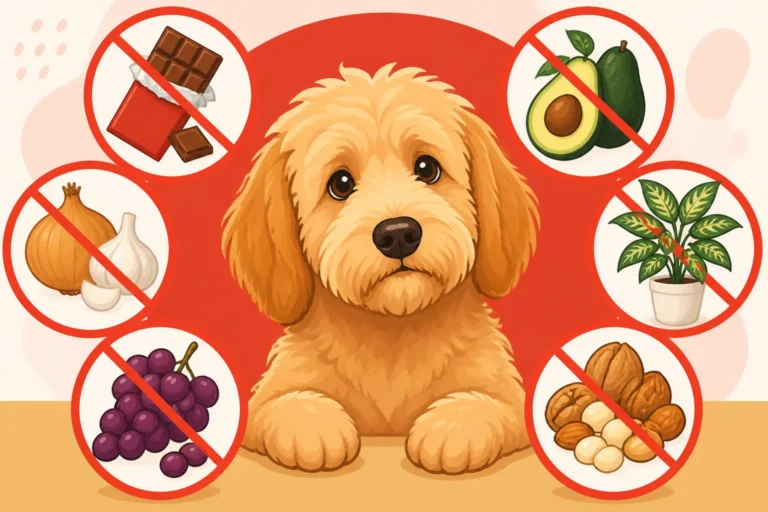
It's equally important to know what to steer clear of. Artificial colors, flavors, and preservatives have no place in your puppy's diet and can sometimes lead to sensitivities or digestive upset. Excessive fillers like corn, wheat, or soy, especially if they are high up on the ingredient list, offer little nutritional value and can be difficult for some puppies to digest. When in doubt, a quick search online can help you understand specific ingredients, and reputable brands are transparent about their sourcing and manufacturing processes. Remember, a healthier puppy diet now can mean fewer vet visits down the line.
Crafting a Feeding Schedule and Portion Control
Just as important as what you feed your Goldendoodle puppy is how and when you feed them. Establishing a consistent feeding schedule and adhering to proper portion control are crucial for healthy digestion, stable energy levels, and preventing both under-eating and over-eating, which can have significant health implications during their formative months. It creates a predictable routine that puppies thrive on and helps prevent begging behaviors.
From Weaning to Six Months: The Early Days
When you first bring your Goldendoodle puppy home, likely between 8 and 12 weeks of age, they'll still be in a phase of very rapid growth and development. At this stage, frequent, smaller meals are the order of the day. Most puppies will do best on three to four meals daily, spaced out evenly throughout the day. This approach helps to keep their blood sugar stable, supports their fast metabolism, and prevents their small tummies from getting too full at once.
Consider using a feeding guide like this to help:
| Age of Puppy | Recommended Daily Meals | Typical Kibble Portion Per Meal (Approx.) |
|---|---|---|
| 8-12 Weeks | 3-4 meals | 1/2 to 1 cup (depending on size/food) |
| 3-6 Months | 3 meals | 1 to 1.5 cups (depending on size/food) |
| 6-12 Months | 2 meals | 1.5 to 2.5 cups (depending on size/food) |
| 12+ Months | 2 meals | Transition to adult food portions |
Note: These are general guidelines. Always consult your food packaging and your vet for precise recommendations based on your puppy's specific needs and the food's caloric density.
Always refer to the feeding guidelines on your chosen puppy food packaging. These provide a starting point based on the puppy's current weight and projected adult weight. Remember that these are often just guidelines, and you'll need to adjust based on your puppy's individual activity level and body condition. Goldendoodle Puppy Growth Chart by Size can give you an idea of what milestones to expect.
Six Months to Adulthood: Transitioning Their Diet
As your Goldendoodle puppy moves past the six-month mark, their growth rate might begin to slow slightly, and their dietary needs will shift accordingly. This is typically when you can transition them from four meals a day down to three, and then by about eight to twelve months, down to two meals a day, which is generally maintained throughout their adult life. This gradual reduction helps their digestive system adjust and mirrors a more mature feeding pattern.
This period also marks the approach to transitioning from puppy food to adult dog food. While it might seem early, many large breed Goldendoodles benefit from staying on large breed puppy food a bit longer, sometimes up to 18-24 months, to ensure complete skeletal maturity. Smaller Goldendoodles might be ready for adult food closer to 10-12 months. Your veterinarian is the best resource to guide this transition, considering your specific dog's breed mix, size, and overall health. Don't rush this stage; proper development is key.
The Importance of Accurate Portioning
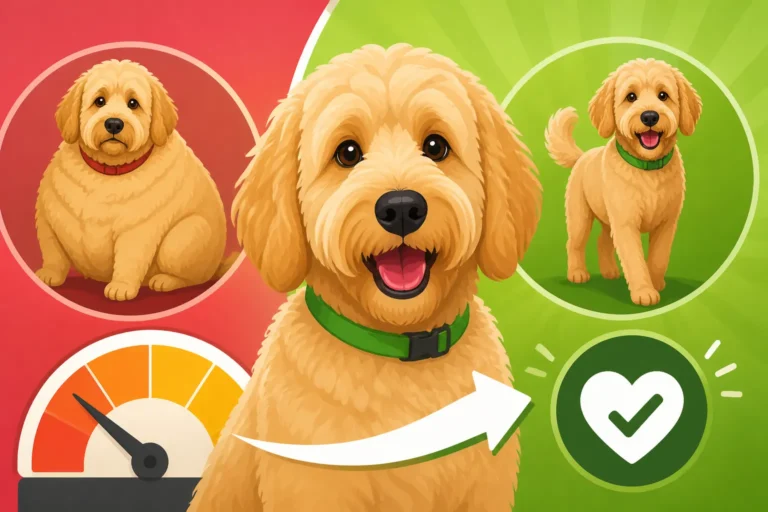
Underestimating or overestimating portion sizes is a common pitfall for new puppy owners. It's so tempting to give a little extra when those puppy dog eyes are staring you down, or to simply "eyeball" the amount. However, accurate portioning is critical to preventing both obesity and malnourishment. Obesity in puppies can put undue stress on their developing joints and predispose them to health issues later on, while underfeeding can hinder their growth and energy.
Always use a dedicated measuring cup or, even better, a kitchen scale to accurately portion out your puppy's food. The measurements on food bags are usually given in standard measuring cups, but scoop sizes can vary wildly. Weighing the food in grams offers the most precise control over calorie intake. Remember that treats also contribute to their daily calorie count, so factor those in, especially during training sessions. Daily Calories for a Standard Goldendoodle or Daily Calories for a Mini Goldendoodle can provide some helpful context for what their caloric needs actually look like.
Common Feeding Challenges and Solutions
Even with the best intentions and the right food, feeding a Goldendoodle puppy isn't always smooth sailing. From finicky eaters to enthusiastic gobblers, and sometimes even underlying sensitivities, you might encounter a few bumps along the road. The good news is that most feeding challenges have practical solutions, often requiring a bit of patience and detective work.
Picky Eaters and Mealtime Struggles
Some Goldendoodles, bless their hearts, can be a little too discerning about their dinner. If your puppy is suddenly turning up their nose at food they once loved, it can be frustrating. First, rule out any underlying health issues with a quick vet check – sometimes a loss of appetite signals something more serious. If health is not an issue, consider a few things. Is the food fresh? Has it been sitting out too long? Are you offering too many treats or table scraps between meals? These can fill them up and reduce their appetite for kibble.
To encourage a picky eater, try adding a little warm water or a low-sodium chicken broth to their kibble to make it more appealing. A small dollop of plain canned pumpkin (not pie filling!) or plain yogurt can also entice them. Some owners find success with different textures, like mixing in a small amount of high-quality wet food or a fresh-food option like Ollie. Consistency is key: put the food down for 15-20 minutes, and if they don't eat, pick it up until the next mealtime. This teaches them that food is available at specific times, preventing them from holding out for something "better."
Managing Fast Eaters and Bloat Risk
On the opposite end of the spectrum, some Goldendoodles inhale their food so quickly it's a wonder they even taste it. While this might seem harmless, fast eating can lead to indigestion, vomiting, and in larger, deeper-chested breeds like Standard Goldendoodles, it can increase the risk of a life-threatening condition called bloat (gastric dilatation-volvulus or GDV). Bloat Warning Signs in a Standard Goldendoodle are important for all owners to know.
To slow down a fast eater, consider investing in a slow feeder bowl. These bowls have ridges or obstacles that make your puppy work around them to get to their kibble, significantly extending mealtime. You can find a variety of effective slow feeder bowls on Chewy or Amazon. Another simple trick is to spread their kibble out on a baking sheet or a snuffle mat, forcing them to sniff and forage for each piece. You could also divide their meal into several smaller portions and feed them in separate locations or at intervals. Whatever method you choose, slowing down their eating is a crucial step for their digestive health and overall safety.
Spotting Dietary Sensitivities and Allergies
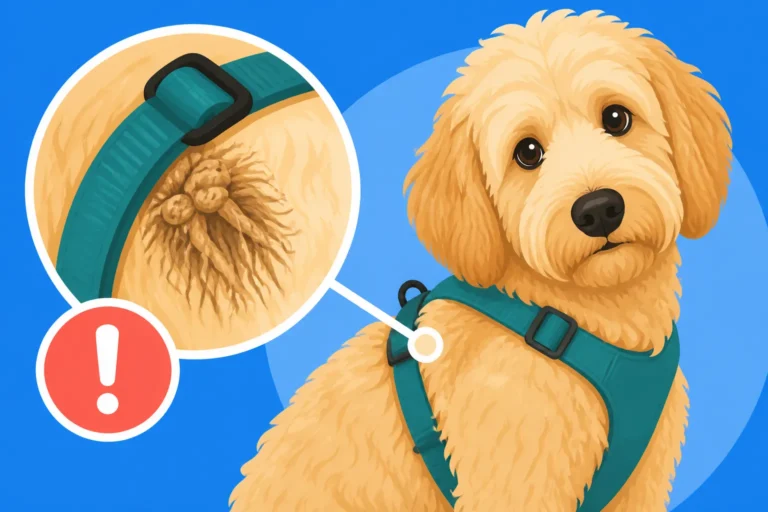
Goldendoodles, like many breeds, can develop dietary sensitivities or true food allergies. These often manifest as skin issues (itchiness, rashes, hot spots), chronic ear infections, or gastrointestinal problems like vomiting or diarrhea. If you notice persistent symptoms that don't clear up with regular care, it's time to talk to your vet. Goldendoodle Food Allergies Showing on the Skin can be particularly tricky to spot under all that glorious fluff.
Identifying the culprit food can be a painstaking process. It often involves an elimination diet, where your puppy is fed a novel protein (one they haven't eaten before, like duck or venison) and a single carbohydrate source for several weeks. During this time, all other foods, treats, and even flavored medications are strictly avoided. If symptoms improve, ingredients are slowly reintroduced to pinpoint the allergen. This isn't a DIY project; always work with your veterinarian to conduct an elimination diet to ensure your puppy receives balanced nutrition throughout the process.
Monitoring Growth and Adjusting as Needed
Feeding your Goldendoodle puppy through their growth isn't a set-it-and-forget-it task. Their needs are constantly evolving, and regular monitoring is essential to ensure they're thriving. This means keeping an eye on their weight, assessing their body condition, and understanding when it's time to transition them to adult food. Your veterinarian will be your most valuable partner in this ongoing journey.
Tracking Weight and Body Condition Score
Regularly weighing your Goldendoodle puppy is a good habit, especially during their first year. Many vet clinics allow "weight checks" where you can pop in and use their scale. Beyond the numbers on the scale, understanding your puppy's Body Condition Score (BCS) is even more important. The BCS is a visual and tactile assessment of your dog's fat reserves, on a scale typically from 1 to 9 (with 5 being ideal). Goldendoodle Body Condition Under a Thick Coat can be a bit tricky to gauge.
An ideal BCS means you can easily feel your puppy's ribs with slight pressure, but they aren't visibly protruding. You should also be able to see a distinct waistline when looking down at them from above, and a tuck-up in their abdomen when viewed from the side. If their ribs are difficult to feel, or they look round rather than trim, it might be time to reduce their portions. Conversely, if their ribs are too prominent, they might need a bit more food. The goal is a healthy, lean physique, which is crucial for joint health and overall vitality during growth.
When to Transition from Puppy to Adult Food
The transition from puppy food to adult food is a significant milestone, but the timing isn't universal. For most Standard Goldendoodles, this transition typically occurs between 12 and 18 months, sometimes even up to 24 months, particularly for very large individuals. Mini and Toy Goldendoodles may be ready earlier, usually between 9 and 12 months. The key factor is when their growth plates have closed and they've reached their full adult size and skeletal maturity. Switching a Goldendoodle to Adult Food is a process, not a sudden change.
Your veterinarian will be able to give you the best guidance on when your individual Goldendoodle is ready. When it is time to switch, do so gradually over 7-10 days to prevent digestive upset. Start by mixing 25% new food with 75% old food for a few days, then move to a 50/50 mix, then 75% new food, and finally 100% new food. This allows their digestive system to slowly adjust to the different nutrient profile and ingredients of the adult formula.
Consulting Your Vet on Growth Milestones
Throughout your Goldendoodle puppy's growth journey, your veterinarian is your most important resource. They're not just there for vaccinations and sick visits; they are invaluable partners in ensuring your puppy's healthy development. Regular check-ups allow your vet to monitor their weight, assess their body condition, check their joints, and discuss any concerns you might have.
Don't hesitate to ask questions about feeding amounts, food choices, or any changes in appetite or stool consistency. Your vet can offer tailored advice based on your puppy's specific breed mix, size trajectory, and individual health needs. They can also help you interpret growth charts, discuss potential health risks, and guide you through transitions like switching food. Building a strong relationship with your vet from puppyhood will pay dividends in ensuring your Goldendoodle leads a long, healthy, and happy life. The Senior Panel a Goldendoodle Should Have at Nine will be important far down the road, but starting with good vet care from day one is essential.
Disclaimer
This article is for general informational purposes only and does not constitute professional advice. Laws, prices and regulations vary by location and change over time. Consult a qualified professional for guidance on your specific situation.