Why a Goldendoodle Slips on Hardwood Floors
It's a scene many Goldendoodle parents know all too well: you hear that tell-tale scramble, the sudden loss of traction, and then a thud as your beloved Goldendoodle slips and sprawls across your beautiful hardwood or tile floors. It's not just embarrassing for them; it can be genuinely alarming for you, and honestly, it’s a problem that can lead to real injuries and long-term joint strain. This guide is here to unravel the mystery of why your furry friend struggles on slick surfaces and, more importantly, what practical steps you can take to give them the confidence and stability they need in your home.
The Anatomy of a Slip: Why Goldendoodles Struggle on Smooth Floors
Goldendoodles, with their wonderful personalities and often bouncy energy, are not naturally designed for the polished surfaces many of our homes boast today. Their wild ancestors and even their parent breeds spent most of their time on natural terrain – dirt, grass, varied textures – which provided plenty of grip. Modern flooring presents a significant challenge to their inherent biomechanics.
Overgrown Paw Pad Hair Reduces Traction
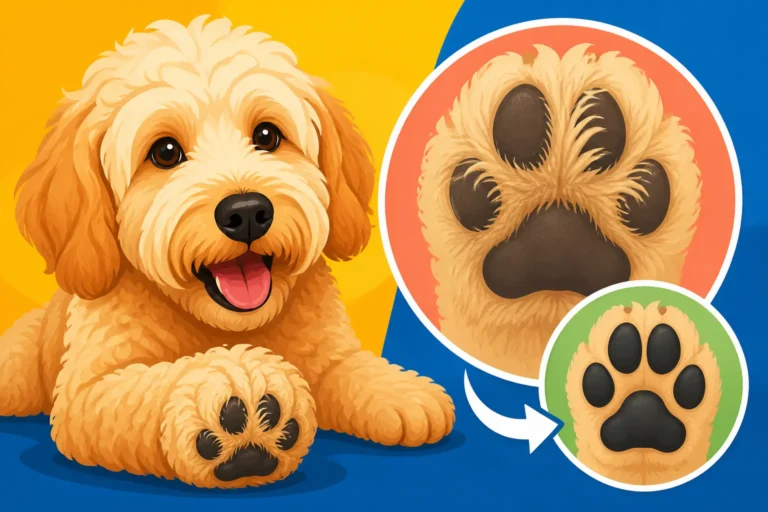
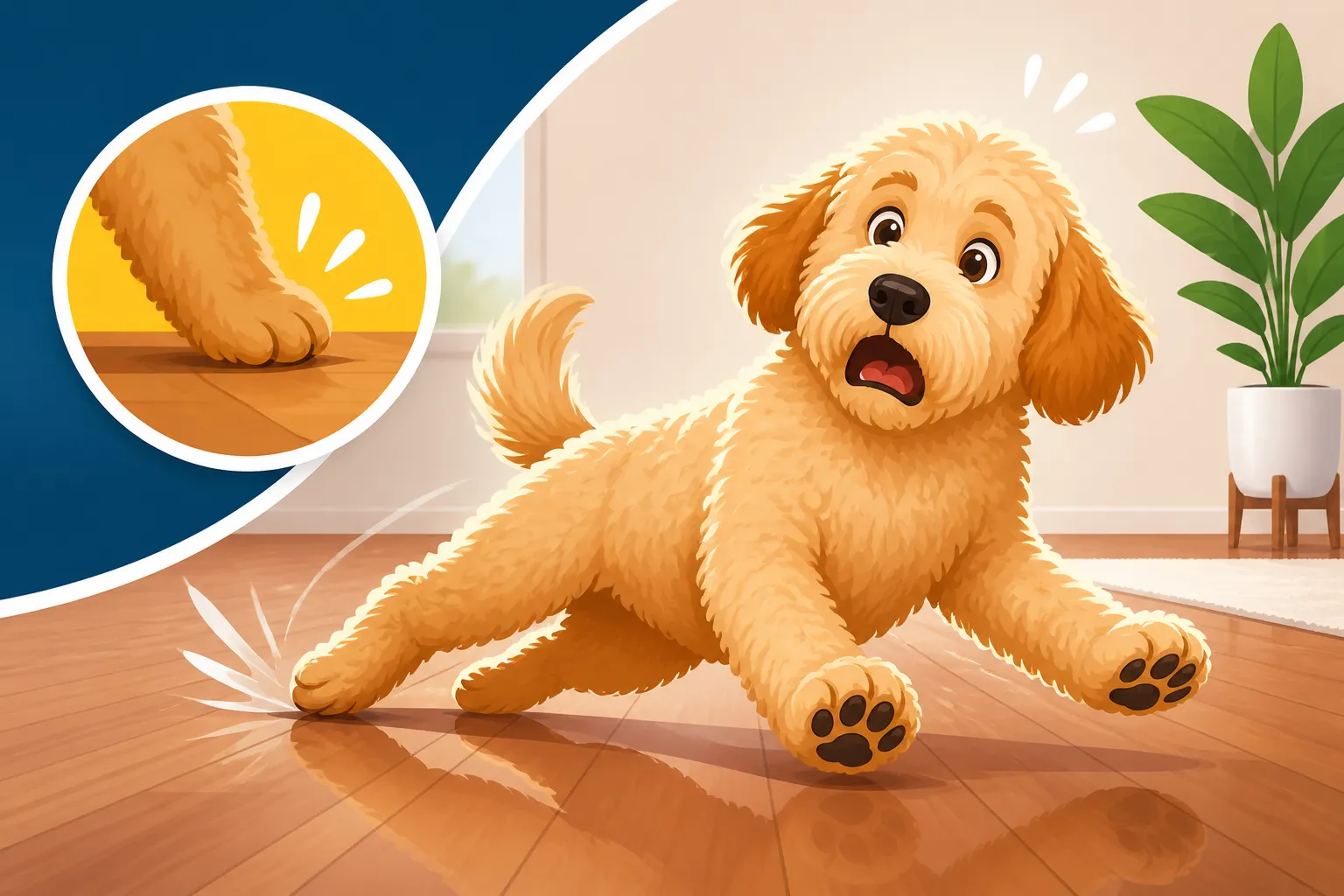
Think about trying to walk in furry slippers on ice. That's essentially what a Goldendoodle with overgrown hair between their paw pads experiences on a slick floor. Their paw pads are designed to act like natural treads, providing friction and grip. However, the thick, fast-growing hair common to many Goldendoodle coats can easily grow over and around these pads, creating a soft, slippery buffer between the paw and the floor. This completely negates the natural gripping ability of the paw pads, turning them into miniature mops that slide rather than grip. It’s a frustrating cycle because the longer the hair gets, the more they slip, and the more anxious they become about walking on those surfaces. It’s a battle many Goldendoodle owners face, especially if their dog has a particularly woolly or fleece coat.
Imagine your Goldendoodle charging into the kitchen, tail wagging, only to slide several feet, legs splayed, before crashing into a cabinet. This isn't just about clumsiness; it's a direct result of that excess hair acting like tiny skates. Even a small amount of growth can make a big difference, especially with the Poodle's fast-growing hair genes influencing the Goldendoodle's coat. Regular attention to this area is non-negotiable for their safety and comfort.
Long Nails Prevent Paw Pads from Gripping Properly
Beyond the hair, the length of your Goldendoodle's nails plays a huge role in their ability to gain purchase on smooth floors. When a dog's nails are too long, they hit the ground before the paw pads do. This prevents the paw pads from making proper contact with the surface. Instead of being able to spread their toes and engage their natural grip, the dog is effectively walking on their nails, which offer little to no friction on hardwood or tile. It's like wearing high heels on a slippery surface – you're balancing precariously on small, hard points rather than using the full surface area of your foot for stability.
This issue is often overlooked because many owners might not realize just how long is "too long" for a dog's nails. You should aim for your Goldendoodle's nails not to touch the ground when they are standing naturally. If you can hear their nails clicking loudly on the floor as they walk, they are definitely too long. This clicking isn't just annoying; it's a clear signal that their natural gait is compromised and they are at an increased risk of slipping and even developing long-term joint problems from abnormal weight distribution. Trimming Goldendoodle Nails at Home is a skill worth mastering or having a professional manage regularly.
Underlying Joint Issues and Muscular Weakness
While paw hair and long nails are common culprits, sometimes slipping can be a symptom of something deeper: underlying joint issues or general muscular weakness. Goldendoodles, like their parent breeds, can be predisposed to conditions such as hip and elbow dysplasia, patellar luxation, or general arthritis, especially as they age. When joints are painful or unstable, a dog will naturally try to compensate, leading to an awkward gait that is even more prone to slipping on unforgiving surfaces. A dog with weakened core muscles or poor hind leg strength might also struggle to maintain balance and recover from a slight slip, leading to a full-blown tumble.
Consider a senior Goldendoodle who used to bound across the kitchen with ease but now walks gingerly, often losing their footing. This isn't just "getting old"; it could indicate the onset of arthritis or worsening joint pain. Their muscles may have atrophied slightly, making it harder to exert the quick, stabilizing movements needed on slick floors. A sudden increase in slipping, especially without a noticeable change in paw hair or nail length, warrants a closer look by your veterinarian to rule out any painful musculoskeletal conditions. Senior Goldendoodle Mobility and Arthritis is a serious concern that deserves prompt attention.
The Environment Plays a Role: Slippery Surfaces and Your Home
It's not just about the dog; the environment they live in plays a massive part in their ability to move safely and confidently. Modern homes, while beautiful, aren't always designed with canine traction in mind.
Hardwood, Tile, and Laminate: The Unforgiving Trio
These surfaces are gorgeous, easy to clean, and incredibly popular, but they are an absolute nightmare for many dogs. Unlike carpet or textured flooring, hardwood, tile, and laminate offer minimal friction. A dog's paw pads, even when perfectly groomed, struggle to get a firm grip. When they try to run, jump, or even just stand up quickly, their paws can easily slide out from under them.
This can be particularly pronounced in busy areas of the home, like hallways, kitchens, or entryways, where dogs naturally move with more speed or urgency. Imagine your Goldendoodle getting excited when you walk through the door, dashing to greet you, only to skid uncontrollably. This constant lack of stability can lead to fear and hesitation, causing them to move more slowly or cautiously than they otherwise would. It's not that they can't run; it's that the floor makes it genuinely dangerous for them. These surfaces are less forgiving than natural ground, and a small slip can become a hard fall very quickly.
Lack of Confidence: How Repeated Slips Create Anxiety
One of the most heartbreaking consequences of a slippery home environment is the impact on your Goldendoodle's confidence. Dogs are creatures of habit and seek stability. When they repeatedly slip, fall, or struggle to maintain their footing, they can develop genuine anxiety and fear about certain areas of the house or even movement in general. This isn't them being dramatic; it's a learned response to a perceived threat.
You might notice your Goldendoodle avoiding certain rooms, walking only on small rugs, or moving with an exaggerated, hesitant gait – almost crouching low to the ground to keep their center of gravity down. They might even refuse to play active games indoors because they associate fast movements with painful tumbles. This emotional toll can severely impact their quality of life and their bond with you. It’s crucial to address the physical reasons for slipping, but also to rebuild their confidence by making their environment safer. A fearful dog is not a happy dog, and helping them feel secure in their own home is paramount.
Practical Solutions: Helping Your Goldendoodle Find Their Footing
The good news is that you don't have to choose between beautiful floors and a happy, stable Goldendoodle. There are many practical solutions you can implement to dramatically improve their traction and confidence.
Regular Paw Maintenance: Trimming Hair and Nails
This is, hands down, the most crucial and often overlooked step. Consistent grooming of your Goldendoodle's paws can prevent a huge percentage of slipping incidents.
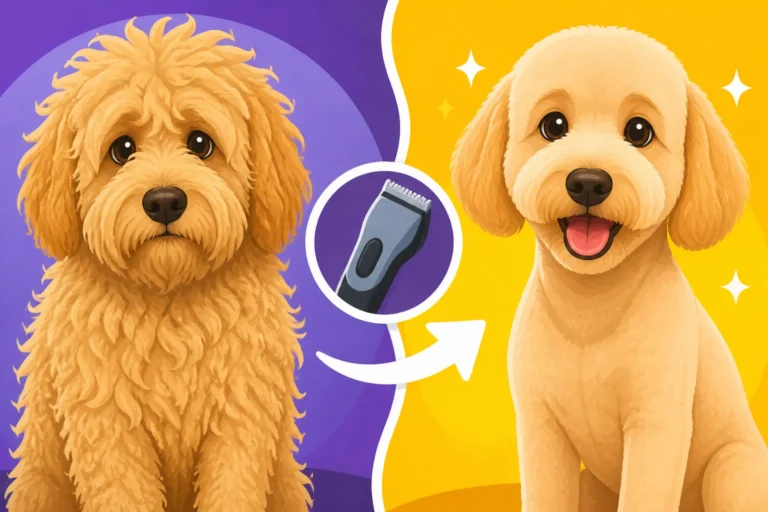
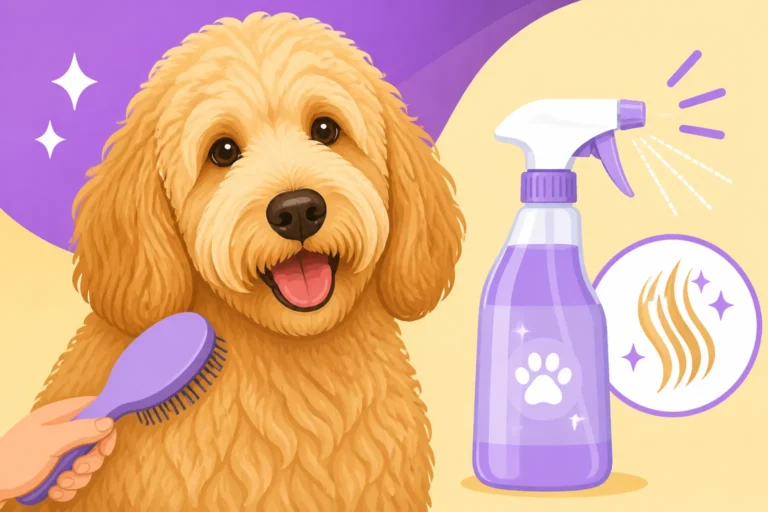
- Paw Pad Hair Trimming: You'll need a good pair of small, blunt-nosed scissors or a small, quiet trimmer designed for pet grooming. Carefully trim the hair between and around the paw pads so that it is flush with the pads. You want to expose the rubbery surface of the pads, allowing them to make direct contact with the floor. Many Goldendoodle owners find themselves doing this every 2-4 weeks, sometimes even more frequently for particularly fast-growing coats. If you're nervous about doing it yourself, ask your professional groomer for a "paw tidy" every time your Goldendoodle goes in. This small act can make a monumental difference. You can find excellent clippers and trimmers on platforms like Amazon or Chewy.
- Nail Trimming: As discussed, long nails are a major culprit. Aim to trim your Goldendoodle's nails every 2-3 weeks. If you can hear them clicking on the floor, they're too long. There are various types of clippers – guillotine style, scissor style – and even Dremel tools for grinding. Find what works best for you and your dog. Introduce nail trims slowly and positively, with lots of treats, to make it a calm experience. If your Goldendoodle is anxious, your vet or groomer can certainly help. Remember, consistent short nails allow the paw pads to do their job.
Traction Aids for the Home and Paws
Beyond grooming, you can modify your home environment and even your dog's paws to provide extra grip.
- Rugs and Runners: This is perhaps the simplest and most effective home modification. Strategically placed rugs and runners, especially in high-traffic areas like hallways, in front of sofas, or near their favorite sleeping spots, can create islands of safety and traction. Ensure these rugs have non-slip backings to prevent them from sliding themselves! This allows your Goldendoodle to move confidently, with secure spots to rest and gain momentum. I've seen homes transformed by a few well-placed, affordable runners from stores that know how important safe flooring is for pets.
- Dog Socks or Paw Grips: For dogs that need extra help, particularly older dogs or those with mobility issues, specialized dog socks with rubberized bottoms or paw grips can be a godsend. These often look like little boots or socks that fit snugly on their paws and provide traction. They might take some getting used to, but many dogs adapt quickly, especially if it means they can move around more comfortably. You can explore a wide variety of these options on Chewy or Amazon.
- Paw Balms and Waxes: Products like paw wax or balms (often made with beeswax) can be applied directly to your Goldendoodle's paw pads. While primarily designed to moisturize and protect paws, some formulations also offer a slight increase in tackiness, providing a bit more grip on smooth floors. It's not a magic bullet, but it can be a helpful addition to your strategy, especially if their pads are dry or cracked.
Exercise and Muscle Strength
A strong Goldendoodle is a stable Goldendoodle. Regular, appropriate exercise helps build and maintain the muscle mass and core strength necessary for balance and coordination. A dog with strong hindquarters and a robust core is better equipped to prevent slips and recover quickly if they do lose their footing.
- Consistent Activity: Ensure your Goldendoodle gets daily walks, playtime in safe, non-slippery environments (like a grassy park), and even some focused strength-building exercises. This could include controlled walks on varied terrains, gentle slopes, or even simple games of fetch in the yard. Goldendoodle Exercise for Body and Mind is vital for their overall well-being.
- Core Strengthening: Specific exercises, like slow, controlled movements, walking over low obstacles, or even "cavaletti poles" (a series of low poles laid on the ground for them to step over) can help build core strength and proprioception (awareness of body position). Consult with a vet or a canine physical therapist for tailored exercises if you suspect muscle weakness is a significant factor.
Veterinary Consultation: When to Seek Professional Advice
While many slipping issues can be resolved with grooming and environmental changes, it's crucial to know when to involve a professional. If your Goldendoodle suddenly starts slipping more, seems to be in pain, is limping, or if their mobility is clearly declining, a vet visit is absolutely essential.
Your veterinarian can:
- Assess for underlying conditions: They can perform a thorough physical exam, check for joint pain, assess muscle mass, and recommend imaging (like X-rays) if needed, to diagnose conditions such as arthritis, hip dysplasia, or neurological issues.
- Recommend pain management: If pain is a factor, they can suggest anti-inflammatory medications, joint supplements (like glucosamine and chondroitin), or other therapies to improve comfort and mobility.
- Suggest physical therapy: A canine physical therapist can teach you specific exercises to strengthen weak muscles and improve balance, providing a tailored rehabilitation plan.
- Discuss weight management: If your Goldendoodle is overweight, shedding those extra pounds can significantly reduce the strain on their joints, making them more stable. Goldendoodle Weight and the Load on Its Joints highlights the importance of keeping them lean.
Long-Term Joint Health: Preventing Future Slipping Issues
Proactive care is always better than reactive treatment. Focusing on your Goldendoodle's long-term joint health can prevent many slipping issues and ensure they remain comfortable and mobile for years to come.
Weight Management: Keeping Them Lean
Excess weight is one of the biggest enemies of healthy joints. Every extra pound your Goldendoodle carries puts additional strain on their hips, knees, and elbows, exacerbating any existing joint issues and making them more prone to pain and instability. This instability, in turn, makes them much more likely to slip and fall on smooth surfaces.
It can be hard to tell if a Goldendoodle is overweight because their fluffy coats can hide a lot. You should be able to feel their ribs easily without pressing hard, and they should have a discernible waist when viewed from above. If you're unsure, ask your vet for a body condition score at their next check-up. Adjusting their diet and ensuring proper portion control is key. High-quality dog foods, available from places like Ollie, can support healthy weight and provide essential nutrients without unnecessary fillers. Even reducing treat intake can make a big difference.
Joint Supplements for Proactive Care
Many Goldendoodle owners choose to incorporate joint supplements into their dog's diet, either as a preventative measure or to support existing joint conditions. Common ingredients found in these supplements include:
- Glucosamine and Chondroitin: These are natural compounds found in healthy cartilage and are thought to help maintain cartilage health and reduce inflammation.
- MSM (Methylsulfonylmethane): An organic sulfur compound believed to have anti-inflammatory and pain-relieving properties.
- Omega-3 Fatty Acids (EPA and DHA): Often sourced from fish oil, these powerful anti-inflammatory agents can help reduce joint pain and improve overall coat health.
While supplements are not a cure-all, they can provide valuable support, especially for breeds prone to joint issues or for older dogs showing early signs of stiffness. Always discuss any new supplements with your vet to ensure they are appropriate for your Goldendoodle and don't interact with any existing medications.
| Solution Category | Specific Action | Benefits | Considerations |
|---|---|---|---|
| Grooming | Trim Paw Pad Hair | Increases direct paw pad contact with floor | Needs regular attention (2-4 weeks) |
| Trim Nails Short | Allows paw pads to grip, corrects gait | Requires consistent maintenance (2-3 weeks) | |
| Environmental Mods | Place Rugs/Runners | Creates safe, high-traction pathways | Requires non-slip backing, may alter decor |
| Paw Aids | Dog Socks/Paw Grips | Direct traction on paws | Dog needs to adjust to wearing them |
| Paw Balms/Waxes | Adds slight tackiness, moisturizes | May need frequent reapplication, less effective than others | |
| Health & Fitness | Regular, Appropriate Exercise | Builds muscle strength, coordination | Must be on safe, non-slippery surfaces |
| Maintain Healthy Weight | Reduces joint strain, improves stability | Requires careful diet and portion control | |
| Joint Supplements | Supports cartilage, reduces inflammation | Consult vet, not a quick fix | |
| Vet Check-ups for Pain/Mobility | Diagnoses underlying issues, pain relief | Essential for sudden changes or chronic problems |
Appropriate Exercise: Balancing Activity with Joint Protection
While exercise is vital for muscle strength, the type of exercise matters, especially for Goldendoodles who are prone to joint problems or already have sensitive joints. High-impact activities on hard surfaces can be detrimental, exacerbating wear and tear on cartilage and bones.
- Low-Impact Activities: Focus on activities that are gentle on the joints, such as swimming, walking on soft grass or dirt trails, and controlled leash walks. These activities build muscle without the harsh pounding.
- Avoid Excessive Jumping: Try to minimize activities that involve excessive jumping, especially off furniture or out of cars, as these sudden impacts can put immense stress on knees and hips. Why a Goldendoodle Should Not Jump Off Furniture is a topic often discussed for joint preservation.
- Warm-ups and Cool-downs: Just like human athletes, dogs benefit from a gentle warm-up before vigorous play and a cool-down afterward, helping to prepare their joints and muscles and prevent injury.
By proactively managing their weight, considering supplements, and ensuring their exercise routine supports rather than stresses their joints, you can significantly reduce the risk of your Goldendoodle slipping and falling, ensuring they live a comfortable, confident life in your home.
Disclaimer
This article is for general informational purposes only and does not constitute professional advice. Laws, prices and regulations vary by location and change over time. Consult a qualified professional for guidance on your specific situation.