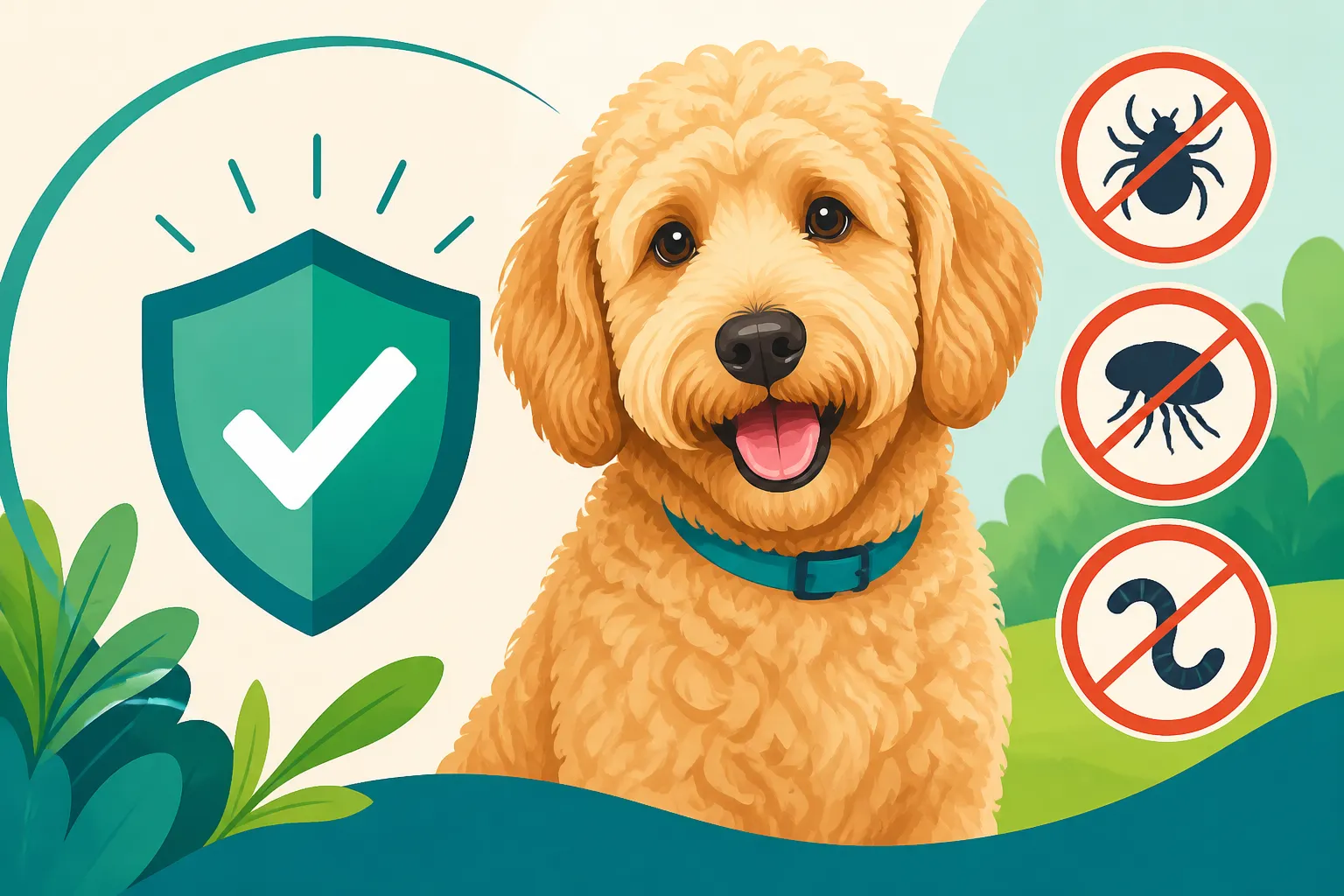
Parasite Prevention for a Goldendoodle
Bringing a Goldendoodle into your home is an incredible joy, but along with all that fluffy love comes the very real responsibility of keeping them safe and healthy. One of the biggest silent threats to their well-being, often underestimated until it's a full-blown problem, is parasites. From tiny, irritating fleas to deadly heartworms, these unwelcome guests can make your Goldendoodle miserable and even put their life at risk. This comprehensive guide will walk you through everything you need to know about protecting your beloved companion from these common invaders, ensuring they live a long, happy, and itch-free life.
Understanding the Common Parasite Threats to Goldendoodles
It's easy to think of parasites as something only dogs roaming wild in the countryside get, but the truth is, they're everywhere. Our Goldendoodles, with their beautiful coats and often adventurous spirits, are unfortunately prime targets. Knowing what you're up against is the first step in effective prevention.
The Ever-Present Flea and Tick Menace
Fleas and ticks are more than just a nuisance; they're genuine health hazards. And with a Goldendoodle's thick, often curly coat, these tiny pests can hide incredibly well, making them difficult to spot until an infestation is already established.
Think about it: your Goldendoodle loves to romp in the yard, explore new parks, or maybe even venture into some light hiking trails. Each of these outings presents an opportunity for fleas and ticks to hitch a ride. Fleas can jump onto your dog from an infected environment – a patch of grass, another animal, or even your carpet if a previous infestation wasn't fully eradicated. Ticks, on the other hand, are masters of "questing," waiting on blades of grass or shrubs to grab onto a passing host. Once attached, they feed on your dog's blood, potentially for days.
The health risks associated with fleas and ticks are substantial. Flea bites can cause intense itching, leading to flea allergy dermatitis, a common skin condition where even a few bites trigger severe discomfort, redness, and inflammation. This can lead to hot spots and secondary bacterial infections, especially under a Goldendoodle's thick coat where moisture can get trapped. In severe cases, particularly in puppies or small Goldendoodles, chronic flea infestations can lead to anemia due to blood loss.
Ticks are even more insidious, acting as vectors for a host of debilitating diseases. A single tick bite can transmit Lyme disease, which causes lameness, fever, and kidney issues; anaplasmosis, leading to joint pain and lethargy; Ehrlichiosis, which can cause bleeding disorders and chronic illness; and Rocky Mountain Spotted Fever, a serious, potentially fatal bacterial infection. The sheer thought of your happy-go-lucky Goldendoodle suffering from one of these is enough to make any owner vigilant.
What’s truly alarming is how quickly fleas can multiply. A single female flea can lay up to 50 eggs a day, which then drop off your Goldendoodle and into your home environment. These eggs hatch into larvae, then pupae, before emerging as adult fleas, ready to jump back onto your dog or even bite you. It's a cycle that, once started, is incredibly difficult to break without comprehensive treatment of both the pet and the environment.
Intestinal Worms: A Hidden Danger
While you can often see fleas and ticks, intestinal worms are largely invisible until their numbers grow or symptoms become severe. These parasites live in your Goldendoodle's digestive tract, robbing them of nutrients and causing a range of health issues.
The most common types of intestinal worms include roundworms, hookworms, whipworms, and tapeworms. Roundworms are often transmitted from mother to puppy, or by ingesting eggs from contaminated soil or feces. Hookworms latch onto the intestinal wall and feed on blood, leading to anemia. Whipworms are also ingested from contaminated environments and can cause chronic diarrhea. Tapeworms, often segmented and resembling grains of rice, are usually contracted when a Goldendoodle ingests an infected flea or by eating raw meat from infected prey.
Goldendoodles, with their curious noses and love for exploring, are often exposed to these parasites when sniffing or licking contaminated soil, eating grass, or even through contact with other infected dogs in dog parks or common areas. Puppies are particularly vulnerable, and many are born with roundworms already. If you’ve recently brought home a new furry family member, understanding Goldendoodle Puppy Vaccination and Puppy Health Checks will include deworming protocols to start them off right.
Symptoms of intestinal worms can vary depending on the type and severity of the infestation, but common signs include diarrhea, sometimes with blood or mucus, vomiting, weight loss despite a good appetite, a dull coat, and a pot-bellied appearance, especially in puppies. If you notice your Goldendoodle experiencing Goldendoodle Vomiting and When It Matters or Goldendoodle Diarrhea Lasting More Than Two Days, parasites should definitely be on your vet's checklist.
Beyond the harm to your dog, some intestinal worms, like roundworms and hookworms, have zoonotic potential, meaning they can be transmitted to humans. This is a particular concern for families with young children or those with compromised immune systems, highlighting the importance of strict hygiene and effective pet deworming.
The Silent Killer: Heartworm Disease
Of all the parasites, heartworm disease is arguably the most frightening, largely because it's so insidious and potentially fatal. Heartworms are long, spaghetti-like worms that live in the heart, lungs, and associated blood vessels of infected animals, causing severe lung disease, heart failure, and damage to other organs.
Unlike fleas and ticks that are transmitted through direct contact or environment, heartworms are transmitted solely through the bite of an infected mosquito. When a mosquito bites an infected dog, it picks up microscopic baby heartworms (microfilariae). These microfilariae develop into an infective stage within the mosquito, and then, when that same mosquito bites your Goldendoodle, it transmits these infective larvae. These larvae migrate through your dog's tissues for several months before reaching the heart and lungs, where they mature into adult worms.
The scary part? There are often no visible signs in the early stages of the disease. By the time symptoms appear – a persistent cough, lethargy, reluctance to exercise, decreased appetite, and weight loss – the disease is often advanced, and significant damage has already occurred.
Treatment for heartworm disease is complex, lengthy, painful, and very expensive, often involving strict rest, multiple injections of adulticide medication, and ongoing management. In severe cases, surgery may be required, or the damage may be irreversible. This is where proactive prevention becomes not just important, but absolutely critical. The cost of treatment far outweighs the cost of prevention, and the emotional toll on you and your Goldendoodle during treatment is immense.
Comprehensive Prevention Strategies for Your Goldendoodle
Now that we've covered the bad news, let's talk about the good news: preventing these parasites is entirely possible and, frankly, much easier than dealing with an infestation or disease once it takes hold. A multi-pronged approach combining regular medication with good hygiene is your best defense.
Topical and Oral Preventatives: What's Right for Your Dog?
The cornerstone of parasite prevention for most Goldendoodles is a regular, veterinarian-prescribed preventative medication. These come in various forms, each with its own benefits and application methods.
- Oral Chewables: These are often highly palatable, flavored tablets that your Goldendoodle will typically eat like a treat. Many popular brands offer protection against fleas, ticks, and often heartworms and some intestinal worms, all in one monthly chew. Examples include Bravecto (which can last up to 12 weeks for fleas and ticks, but still requires monthly heartworm prevention), NexGard, Simparica, and Credelio. For heartworm and additional intestinal worm coverage, products like Tri-Heart Plus, Heartgard Plus, or Interceptor Plus are common, often used in conjunction with a separate flea/tick oral or topical.
- Topical Solutions (Spot-Ons): These liquid medications are applied directly to a small area of your Goldendoodle's skin, typically between the shoulder blades. The active ingredients spread over the skin and coat or are absorbed into the bloodstream, killing parasites through contact or when they bite. Frontline Plus, K9 Advantix II, and Revolution (which offers flea, heartworm, and some tick/worm protection) are well-known examples. These are often preferred by owners who struggle with giving pills or whose Goldendoodles have sensitive stomachs. However, they can be less effective if your dog swims frequently or is bathed often, and you need to ensure proper application to the skin, not just the hair.
- Preventative Collars: Some collars are infused with active ingredients that repel or kill fleas and ticks for an extended period, often up to 8 months. The Seresto collar is a popular choice known for its long-lasting efficacy. While convenient, some owners worry about the chemicals being in constant contact with their dog's skin or the possibility of irritation. They also don't typically offer heartworm or intestinal worm protection.
The active ingredients vary significantly between products (e.g., fipronil, permethrin, afoxolaner, sarolaner, fluralaner, spinosad, selamectin, milbemycin oxime). It's not a one-size-fits-all situation. The best choice for your Goldendoodle will depend on several factors, including their age, weight, lifestyle (how much time they spend outdoors, if they swim), any existing health conditions, and your local parasite prevalence. For instance, if you live in an area with high tickborne disease risk, you might opt for a product with particularly strong tick efficacy. Your veterinarian is your absolute best resource for guiding this decision. They can prescribe prescription-strength products and ensure your Goldendoodle receives the correct dosage based on their weight, which is crucial for efficacy and safety. If you ever have questions about potential costs for these preventative medications or unexpected vet visits, checking into options like Healthy Paws pet insurance can provide peace of mind for the long run.
Environmental Control and Hygiene Practices
Medication is paramount, but it's only one piece of the puzzle. A clean environment and consistent hygiene practices significantly boost your Goldendoodle's protection.
Regular grooming is essential. A Goldendoodle's coat, whether it's wavy, curly, or fleecy, can easily hide fleas and ticks. Weekly, thorough brushing not only prevents matting (which can be a big problem for Goldendoodles, sometimes even leading to visits to the emergency groomer!) but also gives you an opportunity to inspect their skin for any signs of parasites or irritation. Pay special attention to areas like behind the ears, armpits, groin, and between the toes. If you suspect Goldendoodle Ear Infections Under a Furnished Ear, inspecting the ear canal during grooming is also key. After walks, especially through tall grass or wooded areas, do a quick "tick check" before coming inside.
Maintaining your yard is also crucial. Keep your grass cut short, especially if you live in an area known for ticks. Ticks prefer tall vegetation to quest. Regularly remove leaf litter and yard debris where fleas and ticks might harbor. For intestinal worms, prompt removal of pet waste is non-negotiable. Dog feces can contain worm eggs that contaminate the soil, posing a risk to your Goldendoodle and other animals, and even humans.
Inside the home, regular vacuuming, especially in areas where your Goldendoodle spends a lot of time (beds, favorite rugs, under furniture), can help remove flea eggs, larvae, and pupae. Don't forget to immediately empty vacuum bags or canisters outside to prevent re-infestation. Washing your Goldendoodle's bedding, blankets, and any washable toys frequently in hot water can kill any lingering fleas or eggs. If you've had a flea infestation, you might need to use a vet-recommended premise treatment spray or fogger to fully eradicate them from your home. This level of diligence can go a long way in preventing re-infestation.
The Role of Regular Vet Checks and Fecal Exams
Even with the best preventative measures, regular veterinary oversight is indispensable. Your vet is your partner in maintaining your Goldendoodle's health.
Annual heartworm testing is non-negotiable, even if your Goldendoodle is on year-round prevention. No preventative is 100% effective, and doses can be missed or given improperly. A yearly test ensures that if an infection somehow slipped through, it can be detected and treated early, before irreversible damage occurs. This is often part of your Goldendoodle's annual wellness exam, which is a great time to discuss all aspects of their health, including parasite control. Understanding Goldendoodle Puppy Vaccination and Puppy Health Checks sets the foundation for a lifetime of regular preventative care.
Routine fecal exams are also vital. Your vet will ask you to bring in a fresh stool sample, which they will analyze under a microscope to check for the eggs or larvae of intestinal parasites. This allows them to identify specific types of worms and prescribe the most effective dewormer. Many Goldendoodle puppies come with parasites, and multiple deworming treatments are often necessary in their first few months. Even adult dogs benefit from regular fecal checks, as they can pick up new infections at any time.
This proactive approach, combining medication with environmental management and professional veterinary care, creates the most robust shield against parasites for your Goldendoodle. It’s an investment in their comfort and longevity that truly pays off.
Navigating Preventative Care Challenges and Misconceptions
Despite the clear benefits, some owners face challenges or hold misconceptions about parasite prevention. Let's tackle these head-on to ensure your Goldendoodle gets the consistent protection they need.
Understanding Dosage and Consistency
One of the biggest pitfalls in parasite prevention is inconsistent application or incorrect dosing. It’s a common scenario: life gets busy, and you forget to give that monthly chew or apply that topical treatment. Or perhaps you have a Goldendoodle that’s right on the cusp of a weight category, and you’re tempted to use a smaller, cheaper dose.
The dangers of underdosing or skipping doses are severe. Preventative medications are formulated to deliver a specific amount of active ingredient to effectively kill or repel parasites for a set duration. If you give a partial dose, it might not be enough to be effective, leaving your Goldendoodle vulnerable. If you skip a month, there's a window during which they are completely unprotected, allowing parasites to establish themselves. For heartworm prevention, missing even a single dose can allow infective larvae to mature, leading to an infection that is difficult and costly to treat.
Consistency is absolutely crucial for year-round protection. Many owners incorrectly assume that parasite prevention is only necessary during warmer months. However, fleas and ticks can survive mild winters, and mosquitoes, which transmit heartworm, can appear whenever temperatures rise above 50 degrees Fahrenheit, even for short periods. Furthermore, indoor environments provide a constant haven for fleas year-round. Therefore, veterinarians overwhelmingly recommend year-round prevention, regardless of your geographic location, to ensure continuous protection against all major threats. Set a reminder on your phone or mark it on a calendar – whatever it takes to ensure those doses are given on time, every time.
Addressing Concerns About Preventative Medications
It's natural to have concerns about giving your Goldendoodle medications, especially if you've heard anecdotes or read things online about potential side effects. The internet is full of misinformation, and it can make any responsible pet parent second-guess themselves.
Some owners worry about the "chemicals" in these medications and question their safety, perhaps fearing long-term health consequences. It's a valid thought, but it's important to put it into perspective. Reputable preventative products undergo rigorous testing by regulatory bodies like the FDA or EPA before they are approved for sale. The safety margins are carefully established, and serious side effects are rare when used as directed.
The much greater risk to your Goldendoodle is contracting a preventable disease. As we discussed, heartworm disease is deadly. Tick-borne illnesses like Lyme disease can cause chronic pain and organ damage. Severe flea infestations can lead to painful skin infections. These diseases carry far more significant health risks and treatment challenges than the occasional, mild side effects (like temporary upset stomach or skin irritation) that some dogs might experience from a preventative.
If you have specific concerns about a particular medication or if your Goldendoodle has an underlying health condition, always discuss these with your veterinarian. They can help you weigh the risks and benefits, choose the safest and most effective product, and monitor your dog for any adverse reactions. For instance, some medications might not be suitable for very young puppies or those with certain seizure disorders. Your vet can explain why they recommend a specific product and address any fears you might have, often by providing data-driven facts rather than anecdotal stories.
What to Do if Prevention Fails or Infestation Occurs
Even with the best preventative regimen, sometimes life happens, and you might find a parasite on your Goldendoodle or suspect an infestation. Don't panic, but do act swiftly.
If you find a tick, remove it immediately and carefully. Use fine-tipped tweezers to grasp the tick as close to the skin as possible, then pull upward with steady, even pressure. Avoid twisting or jerking. Dispose of the tick properly, and clean the bite area with antiseptic. Keep an eye on the area for any signs of infection or reaction.
If you find fleas, or suspect an infestation due to excessive scratching or seeing "flea dirt" (small black specks that turn reddish-brown when wet) on your Goldendoodle's coat, you need to launch a multi-pronged attack. First, treat your Goldendoodle with a fast-acting flea product recommended by your vet. Then, thoroughly clean your home environment as described earlier – vacuuming, washing bedding, and potentially using a premise treatment. Remember, only about 5% of a flea population lives on your pet; the other 95% are in the environment as eggs, larvae, and pupae.
If your Goldendoodle exhibits symptoms consistent with intestinal worms (diarrhea, vomiting, weight loss) or heartworm disease (coughing, lethargy), seek immediate veterinary care. Don't try to self-diagnose or treat with over-the-counter remedies, as these are often ineffective or even harmful. A prompt diagnosis is crucial for the best possible outcome. For instance, heartworm treatment needs to be carefully managed by a vet to prevent severe complications. If you're concerned about the potential costs of unexpected vet visits or treatments for serious conditions like heartworm, considering pet insurance from providers like Healthy Paws can be a sensible financial safety net. They help cover those unforeseen medical bills, allowing you to focus on your Goldendoodle's recovery without added stress.
Being diligent about parasite prevention is one of the most important things you can do as a Goldendoodle owner. It protects their health, comfort, and ultimately, helps them stay a cherished member of your family for years to come.
| Preventative Type | Target Parasites | Pros | Cons |
|---|---|---|---|
| Oral Chewables | Fleas, Ticks, Heartworms, Intestinal Worms (varies by product) | Easy to administer, often palatable, water-resistant, no residue on coat, typically comprehensive | Requires remembering monthly dosage, some dogs may have digestive upset, prescription needed |
| Topical Spot-Ons | Fleas, Ticks, Heartworms, Intestinal Worms (varies by product) | Easy to apply for dogs who won't take pills, some products cover multiple parasites | Can leave oily residue, not always water-resistant immediately, needs careful skin application, potential for skin irritation at application site |
| Preventative Collars | Fleas, Ticks | Long-lasting (e.g., 8 months), convenient | Does not cover heartworms or intestinal worms, constant chemical exposure on skin, less effective if poorly fitted, potential for neck irritation |
Disclaimer
The information provided in this guide is intended for general knowledge and informational purposes only, and does not constitute veterinary advice. Always consult with a qualified veterinarian for any health concerns or before making any decisions about your Goldendoodle's medical care, diet, or treatment plans.