Goldendoodle Mobility Aids for Failing Hips
It's incredibly tough to watch your once-lively Goldendoodle begin to struggle with everyday movements—jumping on the couch, bounding up the stairs, or even just getting up from a nap. When failing hips start to steal their joy and mobility, it's natural to feel a mix of helplessness and determination to make things better. This guide is here to walk you through understanding hip issues in Goldendoodles and, most importantly, explore the various mobility aids available to help them regain comfort and a better quality of life.
Understanding Hip Dysplasia and Its Impact on Your Goldendoodle's Mobility
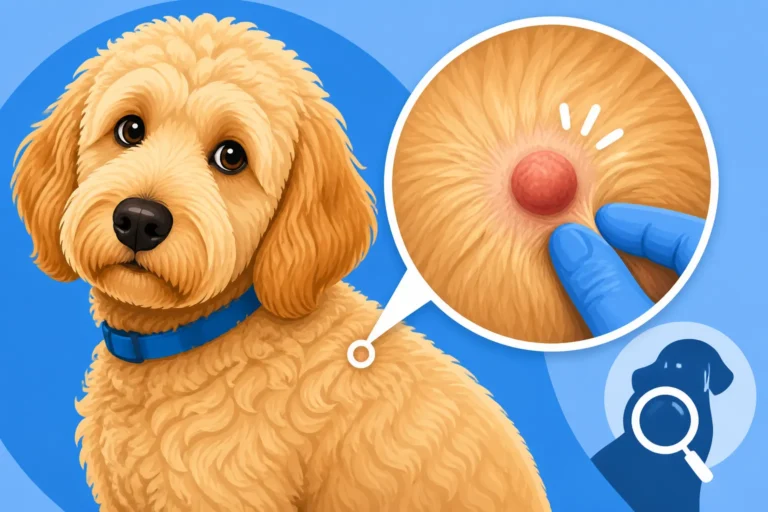
Seeing your Goldendoodle, a breed known for its playful exuberance, begin to show signs of stiffness or reluctance to move can be truly heartbreaking. Often, these symptoms point towards hip dysplasia, a common and often debilitating condition that affects many dogs, including our beloved doodles. It's a progressive disease, meaning it tends to worsen over time, and understanding its nature is the first step toward providing the best support for your furry family member.
The Reality of Hip Dysplasia in Goldendoodles
Hip dysplasia is a condition where the ball and socket joint of the hip doesn't form correctly. Instead of fitting snugly, the joint is loose, which causes the bones to rub and grind against each other. Over time, this abnormal friction leads to deterioration of the joint, loss of cartilage, and eventually, the painful development of osteoarthritis. It's a genetic condition, meaning it's passed down from parents to offspring, and unfortunately, Goldendoodles inherit a predisposition to it from both their parent breeds. Golden Retrievers, in particular, have a well-documented prevalence of hip dysplasia, with studies suggesting that anywhere from 15% to 20% of the breed may be affected. While Poodles tend to have lower rates, the combination in a Goldendoodle still carries a significant risk. This is why understanding Goldendoodle Hip Dysplasia at 15 to 20 Percent is so vital for prospective owners.
The pain and discomfort your Goldendoodle experiences aren't just from the initial malformation; they come from the constant wear and tear on the joint. This leads to inflammation, which then triggers the body's natural response to lay down new bone in an attempt to stabilize the joint. This attempt at "repair" only exacerbates the problem, creating bone spurs and further degrading the smooth movement of the joint. It's a vicious cycle that ultimately results in chronic pain and reduced range of motion, transforming an agile, happy dog into one that finds even simple movements a struggle. It’s a harsh reality that many Goldendoodle owners face, and it's okay to feel overwhelmed by it.
How Failing Hips Affect Your Goldendoodle's Daily Life
The impact of failing hips extends far beyond just physical pain for your Goldendoodle. Think about all the things they love to do: chasing a ball, greeting you at the door with a wagging tail and a happy bounce, or curling up next to you on the couch. As hip dysplasia progresses, these simple joys become difficult, if not impossible. They might stop initiating playtime, refuse to go on walks they once loved, or even hesitate before getting up for food or water. This loss of activity can lead to weight gain, which in turn places even more strain on already compromised joints, creating another downward spiral. Keeping a close eye on their Goldendoodle Weight and the Load on Its Joints is crucial.
Beyond the physical limitations, there’s a noticeable shift in their behavior. A dog in chronic pain may become irritable, withdrawn, or less tolerant of being touched, especially around their hindquarters. They might seek solitude more often or even show aggression if they feel their painful areas are being threatened. Potty breaks can become arduous tasks, as squatting or lifting a leg becomes uncomfortable. For you, the owner, it means constantly adjusting your routine, lifting them, and watching their every move with worry. It’s emotionally draining for everyone involved, and recognizing these changes is a sign that it’s time to explore ways to support them better.
Recognizing the Signs and When to Introduce Mobility Aids
It’s often a gradual decline, which can make it hard to pinpoint exactly when your Goldendoodle's hip issues have become serious enough to warrant intervention. But being vigilant about the subtle cues your dog provides can make a significant difference in their comfort and quality of life. Early detection and proactive support can prevent a lot of unnecessary suffering and slow the progression of secondary problems like severe arthritis.
Spotting the Subtle (and Not-So-Subtle) Clues of Hip Pain
Initially, the signs of hip dysplasia might be incredibly subtle. You might notice a slight stiffness in their gait after they’ve been resting, perhaps in the morning or after a long nap. They might be a bit slower to rise or show a reluctance to engage in strenuous activities like a long run or a game of fetch that used to be their favorite. Sometimes, owners describe a "bunny hopping" gait, where both back legs move together as if in a hop, rather than independently. They may also start avoiding stairs, or you might hear a clicking sound from their hips as they move. These early indicators, while seemingly minor, are crucial signals that something is amiss. It’s worth remembering that these issues are not always apparent in young dogs and can emerge later in life, often leading to Goldendoodle Arthritis After the Age of Eight.
As the condition advances, these signs become more pronounced and harder to ignore. Your Goldendoodle might develop a noticeable limp, particularly after exercise, or exhibit significant lameness in one or both hind legs. You might observe muscle atrophy in their hindquarters, making their rear look weaker and smaller compared to their front. They might yelp or whine when you touch their hips, or openly resist standing up or lying down. A once-friendly dog might become withdrawn or irritable due to constant pain. If you're noticing these more severe symptoms, it's definitely time for a visit to your veterinarian for a thorough examination and discussion about pain management and mobility solutions. Regular Senior Goldendoodle Vet Visits After Nine are especially important to catch these issues.
Deciding When Mobility Aids Become a Necessity
The decision to introduce mobility aids can feel like a big one, often accompanied by feelings of guilt or sadness, as it’s a visible reminder of your Goldendoodle's declining health. However, it's essential to reframe this perspective: mobility aids are not a sign of giving up, but rather a compassionate choice to enhance your dog's quality of life, alleviate their pain, and preserve their independence for as long as possible. If pain medication alone is no longer sufficiently managing their discomfort, or if surgery isn't a viable option due to age, health, or cost, then mobility aids become a powerful tool in your care arsenal.
The right time to introduce aids is often when you observe a significant impact on their daily activities. If they are struggling to navigate your home, can no longer enjoy short walks, or are missing out on interactions because movement is too painful, it's time to act. Don’t wait until they are completely immobile. Proactive introduction can help them adjust better and can prevent secondary issues that arise from immobility, such as muscle weakness or bedsores. Consulting with your veterinarian is paramount here. They can assess the severity of the hip dysplasia, discuss potential medical treatments, and help you determine which mobility aids would be most beneficial for your Goldendoodle’s specific needs and condition.
A Comprehensive Look at Goldendoodle Mobility Aids for Failing Hips
Once you've determined that your Goldendoodle needs extra support for their failing hips, the world of mobility aids can seem overwhelming. From simple slings to full-fledged wheelchairs, there's a range of options designed to address different levels of mobility loss. The key is to choose the right tools that will provide the most comfort and functionality, allowing your dog to move with greater ease and confidence.
Support Harnesses and Slings for Assisted Movement
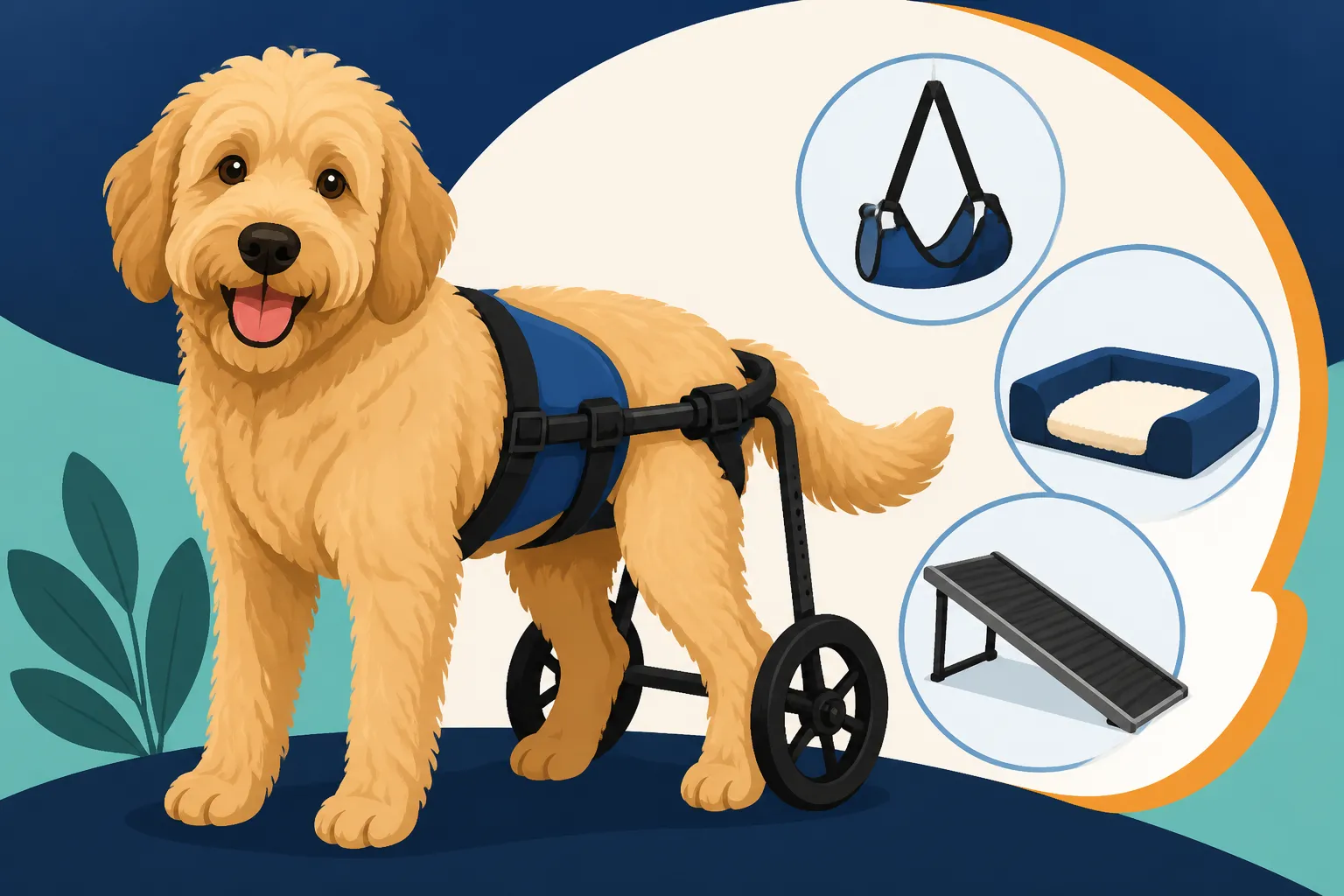
Support harnesses and slings are often the first line of defense when a Goldendoodle starts showing signs of hip weakness or pain. These aids are fantastic for providing immediate, temporary assistance, making tasks like going out for a potty break, navigating a few stairs, or getting into the car much easier. A rear-support sling, for instance, allows you to gently lift and support your dog's hindquarters, taking pressure off their painful hips as they walk. They are particularly useful for dogs recovering from surgery, undergoing physical therapy, or those with mild to moderate mobility issues.
For more comprehensive support, a full-body mobility harness offers assistance to both the front and rear of your Goldendoodle. Brands like the Help 'Em Up Harness are popular because they can be worn for extended periods, providing a handle over the hips and often another over the shoulders. This design allows you to assist your dog when they need to stand, walk, or navigate obstacles, providing stability and confidence. When choosing a harness or sling, prioritize materials that are padded, breathable, and durable. Adjustable straps are a must to ensure a snug, comfortable fit without chafing, which is especially important for Goldendoodles with their varied coat types. A poorly fitting harness can cause more harm than good, leading to skin irritation or unequal weight distribution.
Wheelchairs and Carts for Restoring Independence
When hip dysplasia progresses to a point where your Goldendoodle has significant difficulty walking, standing, or has lost the ability to use their hind legs altogether, a dog wheelchair or cart can be a life-changing solution. These devices don't just provide support; they restore a remarkable degree of independence, allowing dogs to run, play, and explore again. Imagine your Goldendoodle, who has been struggling to move, suddenly able to zoom around the yard – it’s an incredible transformation. Wheelchairs are most commonly designed to support the hind legs, enabling the dog to propel themselves with their stronger front legs while their rear is comfortably suspended.
Choosing a wheelchair requires careful consideration to ensure it’s the right fit for your Goldendoodle's size, weight, and specific needs. Many companies, such as Walkin' Pets, offer adjustable carts that can be customized to your dog's measurements, ensuring proper alignment and comfort. It's crucial that the frame is lightweight yet sturdy, and the wheels are appropriate for both indoor and outdoor use. Introducing a wheelchair should be a gradual process, making it a positive experience with plenty of praise and treats. Some dogs adapt almost immediately, while others might need a few training sessions to get comfortable with the new sensation and learn how to maneuver. The goal is to make it feel like an extension of their body, allowing them to regain the joy of movement they once had.
Ramps and Steps for Easier Access
Even before significant mobility loss occurs, ramps and steps can be invaluable aids for Goldendoodles with developing or existing hip issues. Jumping on and off furniture, into cars, or up and down stairs puts immense strain on a dog’s hips and other joints. Each impact can exacerbate existing pain and accelerate the progression of arthritis. Providing ramps or pet steps eliminates these jarring movements, making it safer and more comfortable for your Goldendoodle to access their favorite spots. Think of the car ride to the park or snuggle time on the couch – these simple pleasures shouldn’t cause pain.
When selecting ramps, look for features like a non-slip surface, which is essential for your Goldendoodle's safety, especially if they have weaker hind legs. The incline should be gentle enough that they can walk up and down comfortably without straining. Consider the weight capacity, ensuring it can safely support your Goldendoodle's size, whether you have a Mini Goldendoodle or a Standard. Portable, foldable ramps are excellent for car travel, while sturdy, carpeted ramps might be better for indoor use beside a bed or couch. For stairs, permanent ramps or even strategically placed pet steps can make a huge difference, allowing your Goldendoodle to maintain access to different levels of your home without discomfort or risk of injury. This proactive approach supports their Goldendoodle Joint Health by Size Category.
Orthopedic Beds and Joint Supplements
While not "mobility aids" in the traditional sense, orthopedic beds and joint supplements play a crucial role in managing hip dysplasia and improving overall comfort and mobility for your Goldendoodle. An orthopedic bed is designed with high-density foam, often memory foam, which conforms to your dog's body, providing superior support and relieving pressure points on their joints. Lying on a hard surface or an unsupportive bed can exacerbate joint pain and lead to increased stiffness, especially after prolonged rest. A good orthopedic bed ensures that your Goldendoodle gets truly restorative sleep, waking up with less pain and stiffness, and thus, improved willingness to move.
Joint supplements are another vital component of a holistic approach to managing hip dysplasia. Ingredients like glucosamine, chondroitin, and MSM are commonly used to support cartilage health, reduce inflammation, and improve joint lubrication. Omega-3 fatty acids, often derived from fish oil, also have powerful anti-inflammatory properties that can significantly alleviate discomfort. While supplements won't "cure" hip dysplasia, they can slow its progression and improve your Goldendoodle's comfort levels, making movement less painful. It's crucial to consult your veterinarian before starting any new supplement regimen to ensure it's appropriate for your dog and to get the correct Joint Support Dosed to Goldendoodle Size Category. For any vet-prescribed treatments or diagnostics for chronic conditions like hip dysplasia, pet insurance providers such as Healthy Paws can often help cover a significant portion of the costs, making comprehensive care more accessible.
| Mobility Aid | Primary Use Case | Benefits | Considerations |
|---|---|---|---|
| Rear Support Sling | Temporary assistance for walks, potty breaks, stairs | Easy to use, portable, immediate pain relief | Requires owner assistance, not for sustained use |
| Full-Body Harness | Continuous support for standing, walking, balance | Can be worn for longer periods, provides stability | Proper fitting crucial, can be bulky for some dogs |
| Dog Wheelchair | Severe hind leg weakness/paralysis, long-term support | Restores independence, allows activity | Requires adaptation training, initial investment |
| Ramps/Pet Steps | Access to furniture, cars, elevated surfaces | Reduces joint strain, prevents injury | Space requirements, appropriate incline/non-slip |
| Orthopedic Bed | Comfortable resting, pressure relief | Reduces stiffness, improves sleep quality | Needs regular cleaning, higher initial cost |
| Joint Supplements | Cartilage support, inflammation reduction | Improves joint health, reduces pain | Not a standalone solution, requires vet consultation |
Integrating Mobility Aids and Making Your Home Senior-Friendly
Bringing mobility aids into your Goldendoodle's life is just one piece of the puzzle. The true success comes from thoughtfully integrating them into daily routines and making your home a sanctuary where your dog feels safe, comfortable, and confident despite their mobility challenges. This comprehensive approach ensures that every aspect of their environment supports their well-being.
Gradual Introduction and Positive Reinforcement
Introducing any new aid to your Goldendoodle should always be a gradual process, steeped in patience and positive reinforcement. Imagine being asked to wear something new or use a strange device; it can be unsettling. The same goes for your dog. Start by simply letting them see and sniff the new item, whether it's a harness, a wheelchair, or a ramp. Allow them to get comfortable with its presence before attempting to use it. Associate the aid with positive experiences by offering high-value treats and gentle praise. For a harness, put it on for just a few minutes at first, then take it off, rewarding them generously.
When introducing a ramp, place treats along its length, encouraging them to walk up and down. For a wheelchair, let them wear it for short periods, even just standing still, followed by rewards. Keep initial sessions short and positive, ending before your Goldendoodle shows any signs of stress or fatigue. The goal is for them to associate the mobility aid with good things – treats, praise, and ultimately, the ability to move more comfortably. Remember, every dog is an individual, and some will adapt quicker than others. Your calm demeanor and consistent encouragement are their greatest motivators.
Home Modifications for Enhanced Safety and Comfort
Your home, which was once a playground, can become a challenging obstacle course for a Goldendoodle with failing hips. Making thoughtful modifications can drastically improve their safety, comfort, and independence. One of the most common issues is slippery flooring. Hardwood, tile, or laminate floors offer no traction for weak or painful hind legs, leading to slips, falls, and further injury. Strategically placed non-slip rugs or runners, especially in high-traffic areas, near food bowls, or where they frequently lie down, can provide much-needed grip and confidence. You can also purchase non-slip socks or paw pads for their feet.
Consider blocking off access to stairs if ramps aren't feasible or if their mobility is too compromised. Moving their bed, food, and water bowls to the ground floor ensures they don't have to navigate stairs at all. Elevated food and water bowls are also a small but impactful change, as they reduce the strain on their neck and hips when bending down to eat or drink. If your Goldendoodle uses a doggy door, ensure it's easy to access and doesn't require a high step-over. Creating a designated, easily accessible potty area in the yard can also alleviate stress. These seemingly minor adjustments contribute significantly to preventing accidents and making their environment more manageable.
Ongoing Support, Veterinary Care, and Financial Planning
Managing hip dysplasia and supporting your Goldendoodle's mobility is an ongoing commitment that requires a multifaceted approach. Regular veterinary check-ups are paramount. Your vet will monitor the progression of the condition, assess pain levels, and adjust medication or treatment plans as needed. Beyond conventional medicine, consider complementary therapies like physical therapy, hydrotherapy (swimming in a controlled environment to build muscle without joint impact), or acupuncture, which can offer significant pain relief and improve muscle strength. These options can dramatically improve Senior Goldendoodle Mobility and Arthritis.
Maintaining a healthy weight for your Goldendoodle cannot be stressed enough; every extra pound puts more stress on already compromised joints. Work with your vet to establish an appropriate diet and exercise routine. While aids and therapies can significantly help, it's also wise to consider the financial aspect of long-term care. Costs for vet visits, medications, specialized diets, physical therapy, and mobility aids can add up quickly. Investing in pet insurance, such as a comprehensive plan from Healthy Paws, can be a smart move. They can help cover significant portions of diagnostic tests, treatments, and even prescription medications for chronic conditions like hip dysplasia, easing the financial burden and allowing you to focus on giving your Goldendoodle the best possible care. Understanding this long-term commitment will ensure your Goldendoodle enjoys their golden years with as much comfort and joy as possible.
Disclaimer
The information provided in this article is for general informational purposes only and is not a substitute for professional veterinary advice. Always consult with a qualified veterinarian regarding your Goldendoodle's health and any medical conditions or before making any decisions about their care, diet, or treatment.