Redirecting a Goldendoodle Puppy Onto a Toy
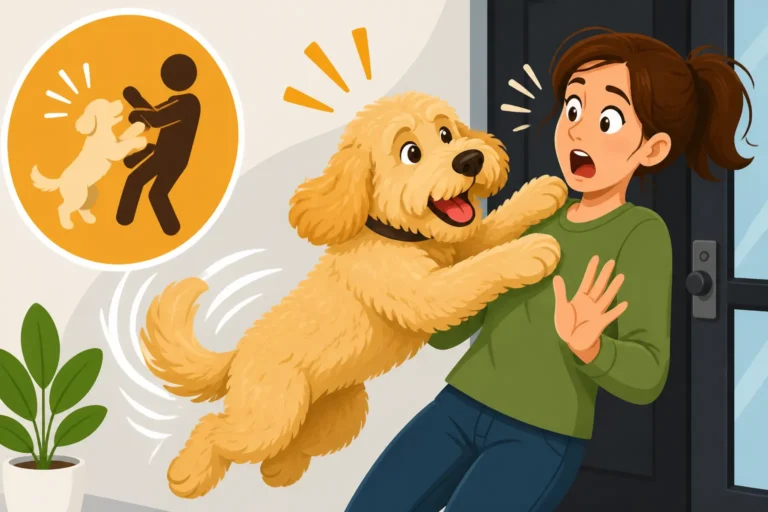
Bringing home a Goldendoodle puppy is often a whirlwind of excitement, adorable fluff, and then… sharp little puppy teeth gnawing on everything from your hands to your furniture. It’s a frustrating phase where you love them fiercely but also wonder if you’ll ever have un-nipped fingers again. This comprehensive guide is here to help you navigate that challenging, but completely normal, puppy stage by showing you how to effectively redirect your Goldendoodle puppy onto appropriate chew toys, saving your skin and your sanity.
Understanding Why Your Goldendoodle Puppy Nips and Bites
First things first, let’s normalize this behavior. Your Goldendoodle puppy isn't trying to be a menace, even though it feels that way sometimes. Nipping and biting are deeply ingrained, natural puppy behaviors, and understanding the root cause is the first step toward managing it effectively.
Natural Puppy Exploration and Teething
Imagine a human baby putting everything in its mouth – that’s pretty much what a puppy does, but with much sharper tools! Puppies use their mouths to explore their world. It’s how they interact with objects, other dogs, and, unfortunately, you. In a litter, puppies learn "bite inhibition" from their siblings. When one puppy bites another too hard, the bitten puppy yelps, and play stops. This teaches them to moderate the force of their bite. When they come home to us, we become their new "littermates," and it's our job to continue this vital lesson.
Beyond exploration, there's the undeniable discomfort of teething. Just like human babies, puppies' gums get sore and itchy as their razor-sharp puppy teeth erupt and then fall out, making way for adult teeth. This process usually starts around 3-4 weeks of age and continues until about 6 months. Chewing provides immense relief during this time. If you’ve ever given a baby a teething ring, you understand the impulse perfectly. For your Goldendoodle, anything they can sink their teeth into feels like a temporary balm for their aching gums, and sometimes, that’s your hand or the leg of your favorite chair. This is a common time when puppies start Goldendoodle Puppy Chewing Through Furniture.
The Goldendoodle's Retriever Instinct
Let’s not forget the "Golden" part of your Goldendoodle. Golden Retrievers were bred for generations to retrieve game gently in their mouths without damaging it. This instinct is called "soft mouth" and is a hallmark of the breed. While it sounds lovely, in a puppy, this strong drive to carry and mouth things can translate into a lot of unsolicited nibbling and carrying of your possessions. They have a natural inclination to use their mouths to interact with their environment and with you.
Couple that Golden Retriever biddability and desire to please with the Poodle's intelligence and exuberance, and you have a puppy who is eager to engage but might not yet have the finesse. They want to hold, mouth, and interact, and without proper guidance, those interactions often involve your skin. This inherent drive, often described as The Retriever Biddability Inside a Goldendoodle, means they are ready and willing to learn, but it’s up to us to channel that energy in the right direction.
The Crucial Role of Redirection in Puppy Training
When you're dealing with a land shark disguised as a fluffy Goldendoodle, it's easy to get frustrated and just want the behavior to stop. However, understanding how to approach this goes beyond just saying "no." Redirection is about teaching, not just stopping.
Why "No" Doesn't Always Work (and Can Backfire)
Many new puppy parents instinctively yell "no" when their Goldendoodle puppy nips. While it's a natural reaction, it's often not the most effective training tool for this particular issue. Think about it from your puppy’s perspective:
- It can be confusing: "No" doesn't tell them what to do, only what not to do. They might stop for a second, but then without an alternative, they'll likely go right back to what felt good or interesting.
- It can be ignored: If "no" isn't consistently followed by a clear consequence (like withdrawal of attention or replacement with an appropriate item), it quickly becomes background noise.
- It can escalate: For some puppies, a loud "no" or a sudden movement from you might be interpreted as an invitation to play more intensely, fueling their excitement rather than calming it. They might even think you're joining the game.
- It can create fear: Consistently scolding a sensitive Goldendoodle puppy can inadvertently lead to them becoming hand-shy or fearful of interaction, which is the last thing you want.
Instead of negative reinforcement, we want to focus on positive reinforcement. We want to reward the behaviors we want to see, making those behaviors more likely to happen again. This approach is key to nurturing a happy, confident Goldendoodle, and it’s why trainers often recommend methods based on Positive Reinforcement and Why It Suits a Goldendoodle.
Teaching Appropriate Chewing from Day One
Your Goldendoodle puppy needs to chew. It's not an optional activity; it's a fundamental part of their development and well-being. Trying to stop all chewing is futile and unfair. Our goal isn't to prevent chewing, but to guide it. From the moment you bring your Goldendoodle puppy home, you should be teaching them that certain items are always okay to chew, and others are strictly off-limits.
This proactive approach builds a strong foundation for good habits. By consistently redirecting their attention from inappropriate items (like your fingers or the rug) to designated chew toys, you're clearly communicating the rules of the house. You're showing them, "Yes, you can chew! But here’s what you should chew on." This prevents many common Goldendoodle Behavior Problems That Start in Puppyhood and sets them up for success. It's about empowering them with acceptable outlets for their natural drives, rather than just stifling them.
Step-by-Step Guide to Redirecting Your Goldendoodle Puppy
So, how do we actually do this? It’s a simple process, but it requires vigilance, patience, and consistency.
Preparation: Arming Yourself with the Right Tools
Before you can effectively redirect your puppy, you need to have a variety of appealing, appropriate chew toys readily available. This isn't a one-size-fits-all situation; what one puppy loves, another might ignore.
Here’s a table of toy types to consider:
| Toy Type | Description | Benefits | Tips |
|---|---|---|---|
| Rubber Chews | Durable, often hollow for treats (e.g., Kongs). | Long-lasting, can be stuffed with food to extend interest, good for teething. | Freeze stuffed Kongs for extra relief. |
| Hard Nylon Chews | Firm, flavored chews (e.g., Nylabones). | Satisfies intense chewing urges, helps clean teeth. | Ensure size is appropriate for your puppy; supervise to prevent swallowing large pieces. |
| Soft Plush Toys | Often have squeakers or crinkle sounds. | Appeals to prey drive, good for interactive play, soft on gums. | Replace if torn or stuffing starts coming out; supervise playtime. |
| Rope Toys | Made of knotted cotton rope. | Good for tug-of-war (supervised!), can aid in dental hygiene. | Avoid leaving unsupervised; replace if strands are loose to prevent ingestion. |
| Frozen Items | Wet washcloths, frozen carrots (large), ice cubes, specific teething toys. | Excellent for soothing sore, teething gums. | Offer in a designated area; supervise to prevent choking on small pieces. |
Stock up on these! Keep them in every room where your puppy spends time. You don't want to be scrambling for a toy when your puppy decides your ankle is a prime target. Brands like Kong and Nylabone offer excellent options you can often find on Amazon or at your local pet store. Rotating toys can also keep them novel and exciting for your puppy.
The "Ouch!" and Redirect Method
This is the core technique, and it works because it mimics how puppies learn from their littermates.
- The "Ouch!" or Yelping: The moment your puppy's teeth touch your skin, let out a sharp, high-pitched "ouch!" or "yip!" – just like another puppy would. Don't yell angrily, but make it clear that the bite hurt you.
- Withdrawal of Attention: Immediately after the yelp, remove your hand or body part from their reach. Stand up and turn your back, or even leave the room for 10-15 seconds. This teaches them that biting makes the fun stop. This brief "time out" is very impactful for a social Goldendoodle.
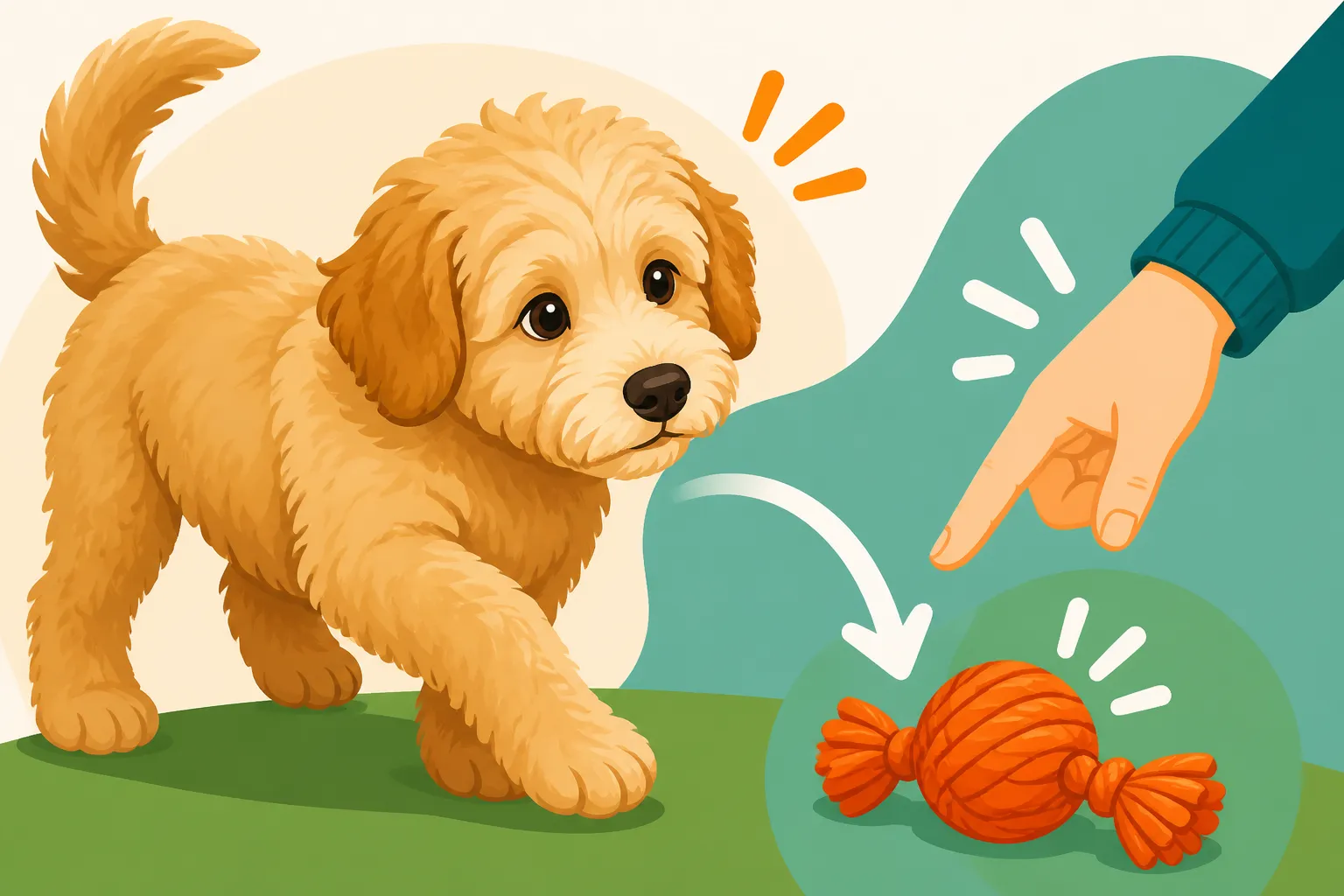
- Offer an Appropriate Toy: As soon as you re-engage, or if they are still nipping, immediately offer one of their designated chew toys. Wiggle it enticingly to grab their attention. When they latch onto the toy, praise them calmly and enthusiastically, "Good chew!" or "Yes, that's it!"
Repeat this every single time their teeth touch your skin. Consistency is absolutely vital. If you let them get away with it sometimes, they won't understand the rule. This is particularly effective for managing those sharp Goldendoodle Puppy Nipping at Hands.
Timing and Consistency are Everything
This isn't a one-and-done training session. Your Goldendoodle puppy will likely test the boundaries repeatedly, especially during growth spurts and their most energetic phases. The key to success lies in impeccable timing and unwavering consistency from everyone in the household.
- Interrupt early: Try to interrupt the behavior before they even make contact with your skin or an inappropriate object. If you see them eyeing your shoelaces, try to offer a toy before they can grab them.
- Be a united front: Everyone who interacts with the puppy – family members, friends, even visitors – needs to follow the same "ouch and redirect" protocol. If one person allows nipping, it sends mixed signals and undermines your efforts.
- Be patient: Puppy biting doesn't disappear overnight. It's a developmental phase, and it requires weeks, sometimes months, of consistent redirection. Your Goldendoodle is smart, but they need repetition to understand what's expected. Short, frequent Goldendoodle Training Sessions and How Long to Run Them are more effective than infrequent, long ones.
By being consistent, you're teaching your Goldendoodle a valuable lesson in self-control and appropriate interaction that will serve them well throughout their lives.
Preventing Nipping Before It Starts
While redirection is crucial during the act of nipping, proactive prevention is equally important. Many instances of nipping can be avoided by setting your Goldendoodle puppy up for success.
Managing the Environment
One of the easiest ways to prevent inappropriate chewing is to simply remove the temptation. Just like baby-proofing a house for a toddler, you need to puppy-proof your home for your Goldendoodle.
- Elevate or secure valuables: Put shoes, remote controls, books, and anything else you don't want chewed out of reach. Use baby gates to block off rooms where you can't supervise.
- Provide designated chew zones: Offer a variety of appropriate chew toys in every area your puppy spends time. Make sure they always have a better option than your furniture.
- Supervised play: When your Goldendoodle puppy is out of their crate or playpen, they should be supervised. This isn't to say you need to hover, but keep an eye on them so you can intervene with redirection immediately if they target something inappropriate. This helps prevent serious damage, especially when puppies are prone to Goldendoodle Puppy Chewing Through Furniture.
A safe and controlled environment empowers your puppy to make good choices, or at least limits their opportunity to make bad ones.
Providing Sufficient Mental and Physical Stimulation
A bored, under-exercised Goldendoodle puppy is a recipe for destructive behavior, including excessive nipping. These dogs are intelligent and energetic, inheriting both the Poodle's brains and the Golden Retriever's stamina. They need outlets for both their physical and mental energy.
- Daily Exercise: Ensure your puppy gets appropriate physical exercise for their age and size. This doesn't mean marathon runs for a young puppy (which can be hard on growing joints), but rather several short walks and supervised play sessions throughout the day. Remember that Goldendoodle Exercise for Body and Mind is vital for their overall well-being.
- Mental Enrichment: This is often overlooked but just as important. Goldendoodles thrive on mental challenges.
- Puzzle Toys: These are fantastic! Toys you can stuff with kibble or treats that make your puppy "work" to get the food can occupy them for a good chunk of time. You can find a wide variety of excellent Puzzle Toys That Occupy a Goldendoodle for an Hour on platforms like Amazon.
- Training Sessions: Short, frequent training sessions (5-10 minutes, several times a day) are great for mental stimulation. Teach them basic cues like "sit," "stay," "down," or even fun tricks. These Five Minute Goldendoodle Training Sessions build their confidence and tire their brains out.
- Scent Games: Hide treats around the house and let your Goldendoodle puppy use their nose to find them. This is a natural, tiring activity for them.
A Goldendoodle puppy who is sufficiently tired, both mentally and physically, is much less likely to resort to inappropriate nipping out of boredom or excess energy. Also, ensuring they get enough quality sleep, especially during their early weeks, can reduce overall puppy hyperactivity; understanding Goldendoodle Puppy Sleep and Night Waking is really helpful here.
When to Seek Professional Help (and What to Look For)
While puppy nipping is normal, there are times when it might escalate beyond typical puppy behavior, or when you might feel overwhelmed and need extra guidance.
Identifying Escalating Behavior
Most Goldendoodle puppies will respond well to consistent redirection, and their nipping will naturally diminish as they mature and learn bite inhibition. However, sometimes the behavior can signal something more serious. Look out for these red flags:
- Increased intensity: If your puppy's bites are becoming harder, breaking the skin consistently, or causing significant pain despite your redirection efforts.
- Growling or snapping: If the nipping is accompanied by growling, snarls, or snapping, especially when trying to remove an object from them or during handling. This can indicate resource guarding or fear-based aggression.
- Inability to redirect: If your puppy seems completely unresponsive to your "ouch!" and attempts to offer a toy, continuing to bite aggressively.
- Fear or anxiety: If the biting seems to stem from fear, particularly in new situations, with strangers, or during routine handling (like grooming).
- Nipping that doesn't decrease with age: If your Goldendoodle is approaching 6-7 months and the intense nipping has not significantly decreased or improved.
If you observe any of these escalating behaviors, it's time to seek professional help. It’s always better to address these issues early before they become ingrained habits.
Resources for Further Guidance
Don't hesitate to reach out for support. You're not alone in facing puppy challenges, and there are wonderful resources available.
- Certified Professional Dog Trainers (CPDT-KA): Look for trainers who use positive reinforcement methods. They can offer personalized advice, help you understand your puppy's specific body language, and guide you through effective training techniques. A good trainer can observe your interactions and pinpoint exactly where adjustments need to be made.
- Online Puppy Programs: Many reputable trainers offer online courses or programs that provide structured guidance. For example, the BAXTER & Bella online puppy school offers comprehensive lessons and support that can be incredibly helpful for new puppy owners tackling issues like nipping, house-training, and socialization. These programs can often fit into your schedule and provide a wealth of information.
- Your Veterinarian: Sometimes, a puppy's behavioral issues can have an underlying medical cause. Your vet can rule out any health problems contributing to excessive nipping or discomfort. They can also offer referrals to veterinary behaviorists for more complex cases.
- Puppy Classes: Group puppy classes are not only great for socialization (making sure your Goldendoodle puppy gets What a Goldendoodle Puppy Must Meet Before Sixteen Weeks), but they also provide a structured environment to learn basic obedience and address common puppy problems under the guidance of a trainer.
Dealing with puppy nipping requires patience, consistency, and a good understanding of your Goldendoodle's natural instincts. By consistently redirecting your puppy onto appropriate toys, managing their environment, and providing plenty of physical and mental stimulation, you'll successfully navigate this phase and raise a well-behaved, loving companion. Remember, every nip is an opportunity to teach, and with the right approach, those sharp puppy teeth will soon be a distant, albeit memorable, memory.
Disclaimer
This article is for general informational purposes only and does not constitute professional advice. Laws, prices and regulations vary by location and change over time. Consult a qualified professional for guidance on your specific situation.