Cooperative Care Training for a Goldendoodle
Let's be real: owning a Goldendoodle is a joy, filled with goofy antics and endless cuddles. But when it comes to routine care—things like brushing out tangles, trimming nails, or getting through a vet visit—that joy can quickly turn into a wrestling match, leaving both you and your furry friend feeling stressed and defeated. It's frustrating when your usually sweet dog transforms into a squirming, nipping bundle of nerves just because you need to clean their ears or check a paw. This guide is all about transforming those struggles into positive, cooperative experiences, teaching your Goldendoodle to not just tolerate, but actively participate in their own care.
Understanding Cooperative Care and Why Your Goldendoodle Needs It
Cooperative care isn't just a fancy term; it's a fundamental shift in how we approach handling our dogs for necessary tasks. Instead of forcing or restraining, we empower our Goldendoodles to have a "voice" in the process, making it a partnership rather than a confrontation. For a breed so eager to please and intelligent, it makes perfect sense to tap into their willingness to learn and work with you.
What "Cooperative Care" Really Means for a Goldendoodle
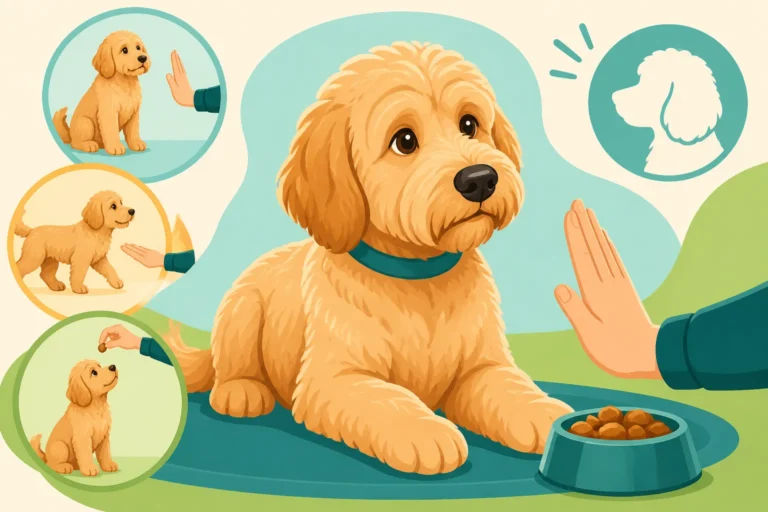
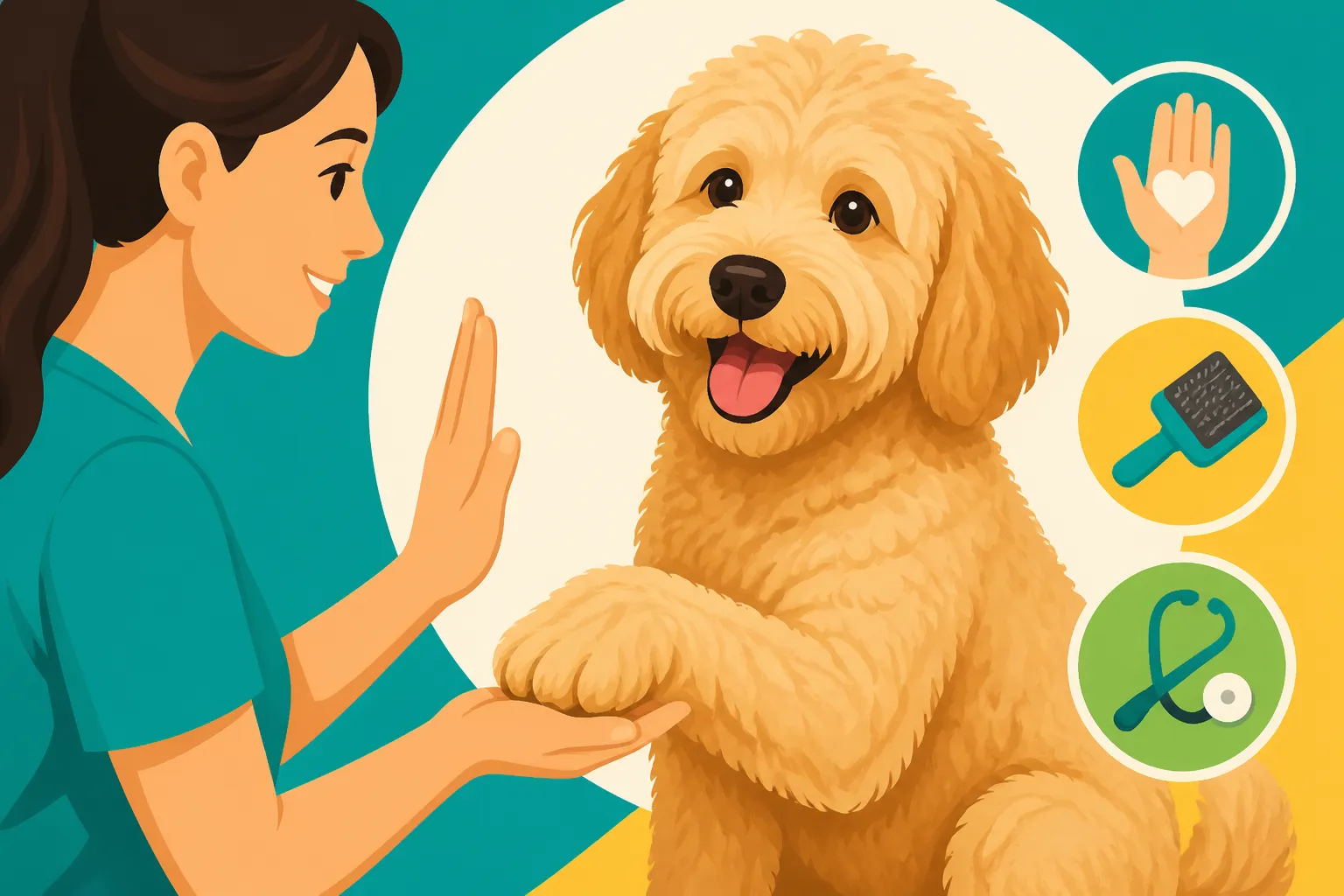
At its heart, cooperative care means teaching your Goldendoodle that they have a choice, and that choice can lead to good things. Think of it like this: instead of holding them down for a nail trim, you teach them to offer a paw voluntarily, maybe resting it on a towel, and when they keep it there, they get a treat. If they pull their paw away, the clippers go away, too. This isn't about letting your dog be "in charge" but about clear communication and building profound trust. It’s a "start button" and "stop button" approach. When your Goldendoodle offers the desired behavior, you proceed. When they disengage or show discomfort, you stop and reassess, respecting their boundaries and making adjustments.
This method drastically reduces stress and fear. Imagine your Goldendoodle trotting happily into the vet's office, eager for treats, rather than being dragged in, trembling. That's the power of cooperative care. It leverages positive reinforcement, high-value rewards, and systematic desensitization to make grooming, vet exams, and even medication a calm, predictable, and even enjoyable routine.
The Goldendoodle Temperament and Routine Care Challenges
Goldendoodles are often lauded for their friendly, outgoing personalities and their intelligence, a wonderful blend from their Golden Retriever and Poodle parents. They typically want to be with their people and love attention. However, these very traits can sometimes complicate routine care. Their exuberance can translate into frantic greetings at the vet, or an inability to settle during a grooming session. Their thick, often curly coats, while beautiful, are prone to matting, making regular Brushing a Goldendoodle Often Enough to Stop Matting absolutely essential. If they haven't been taught to stand still and tolerate brushing from a young age, it can become a real battle, often requiring a groomer to shave them down due to extensive matting.
Furthermore, many Goldendoodles inherit the Poodle's sensitive nature, meaning loud noises, unfamiliar smells, or forceful handling can quickly lead to anxiety or fear responses. They might become wiggly, try to nip, or simply shut down if they feel overwhelmed. This is why a gentle, proactive approach like cooperative care is so vital. It respects their inherent sensitivity and channels their desire to please into a positive framework for all those important "maintenance" tasks.
Essential First Steps: Building a Foundation of Trust
You can't just jump into asking your Goldendoodle to accept nail trims if they haven't learned to trust your hands, or if they associate the clippers with a bad experience. The groundwork for cooperative care starts with simple, positive interactions that build confidence and a clear communication channel between you and your dog.
Starting Early with Gentle Handling and Positive Association
From the moment you bring your Goldendoodle puppy home, start a daily routine of gentle handling sessions. These aren't about getting a task done, but about creating positive associations with touch. Touch their ears, gently open their mouth, hold their paws, lift their tail—all the places a vet or groomer might need to access. As you do this, offer calm praise and high-value treats. Keep these sessions super short, perhaps just 30 seconds to a minute, and always end on a positive note. The goal is for your puppy to think, "Oh, human touching my paws means yummy treats!"
If you have a puppy, this is also the perfect time to address common puppy behaviors like mouthing. Instead of just scolding, redirect them to appropriate chew toys and reward calm engagement. A solid online puppy training program, like the one offered by BAXTER & Bella, often incorporates these early handling and positive reinforcement techniques, laying the foundation for future cooperative care. By making these interactions predictable and rewarding, you're teaching your Goldendoodle that your hands are safe and mean good things, which is crucial for building the trust needed for more involved care later on. Goldendoodle Puppy Biting and Mouthing is a common challenge, and addressing it with positive methods will also enhance their ability to accept gentle handling.
Desensitization to Tools and Touch
Once your Goldendoodle is comfortable with general handling, introduce the tools they'll encounter during grooming and vet visits. This is where desensitization comes in. Start by simply showing them the tool (nail clippers, brush, ear cleaner bottle) from a distance. If they show curiosity or no negative reaction, immediately give a treat. Don't even touch them with it yet. Repeat this a few times, then put the tool away. Slowly, over several sessions, bring the tool closer.
Next, let the tool briefly touch their body, again, paired with a treat, and then remove it. For instance, touch the back of the clippers to a paw for a split second, then treat and remove. Build up duration and intensity gradually. For clippers, let the sound be part of the desensitization. Turn them on nearby, treat, turn off. Repeat. Gradually bring them closer while running. Many Goldendoodles are sensitive to noise and vibration, so this step is particularly important.
| Tool/Action | Starting Desensitization Step | Reward Strategy |
|---|---|---|
| Nail Clippers | Show clippers, then place on floor. | Treat when calm near clippers. |
| Brush/Comb | Gently touch brush to shoulder, immediately remove. | Treat for calm acceptance of brief touch. |
| Ear Cleaner Bottle | Present bottle. Remove bottle. | Treat for calm observation. |
| Electric Clippers | Turn clippers on across room, turn off. | Treat for ignoring sound. |
| Vet Exam Hands | Gentle touch on paws, ears, tail. | Constant stream of tiny, high-value treats. |
| Muzzle (if needed) | Show muzzle, put treat inside muzzle, let dog take treat. | Treat for engaging with muzzle, not putting it on yet. |
For grooming, this could mean letting them sniff the slicker brush, then gently touching it to their back while giving a treat. For ear cleaning, show them the bottle, then let them sniff it, and offer a treat. The key is to go at their pace and ensure every interaction with the tool is associated with something good. Remember, Training a Goldendoodle Puppy for the Grooming Table should incorporate these desensitization steps. You want them to be comfortable with the feel of the brush, the sound of the clippers, and the gentle manipulation of their paws and ears long before you need to actually do the full task.
Practical Cooperative Care for Common Goldendoodle Needs
Once the foundation of trust and desensitization is established, you can begin to apply cooperative care principles to specific tasks. This isn't about rushing the process but about breaking down each task into tiny, manageable steps and celebrating every success.
Making Grooming a Breeze (or at Least Less of a Battle)
Grooming is arguably the biggest ongoing cooperative care challenge for Goldendoodle owners. Their coats demand frequent attention, and without cooperation, it can become a nightmare for everyone involved. Regular brushing is paramount to prevent mats, which can be painful and lead to expensive trips to the groomer.
Start with short, positive brushing sessions. Teach your Goldendoodle a "stand" or "place" cue on a mat or grooming table, rewarding them for staying. Then, introduce the brush, one stroke at a time, followed immediately by a high-value treat. Focus on one small area at a time, like a leg or a flank, rather than trying to do the whole dog. If your Goldendoodle pulls away, stop brushing, wait for them to settle, then try again with an even softer touch or shorter duration. The goal is for them to learn that stopping the desired behavior (standing still, allowing brushing) makes the brush go away, and staying still brings the reward.
This same principle applies to other grooming tasks. For Handling a Goldendoodle's Feet, Face and Ears, start with brief touches, pairing them with treats. For nail trims, teach your dog to offer a paw, then clip just one nail, treat, and stop. You might only do one nail per session initially, slowly building up to all of them. Consider using a lick mat spread with peanut butter or a soft cheese, which can keep them distracted and happy during these sessions. You can find excellent lick mats and a variety of brushes on Amazon, perfect for integrating into your cooperative care routine. When introducing clippers, remember the desensitization steps for Desensitising a Goldendoodle to Clippers, making sure the sound and vibration are not alarming.
Stress-Free Vet Visits and Medication Administration
Vet visits can be a huge source of anxiety for many dogs, including Goldendoodles. The strange smells, sounds, and being handled by unfamiliar people can be overwhelming. Cooperative care can make a world of difference. Start by taking your Goldendoodle to the vet's office just for positive visits – no pokes or prods, just walk in, say hello to staff, get a treat, and leave. This helps them associate the vet with good experiences.
When it's time for an actual exam, bring a bag full of their absolute favorite high-value treats. Teach your Goldendoodle a "chin rest" cue, where they rest their chin in your hand or on a surface, allowing the vet to examine their head or administer vaccines while they focus on the treats. For injections, a staff member can give the shot while you offer a continuous stream of treats. This "distraction and reward" technique can turn a scary moment into a manageable one.
Administering medication at home, especially pills, can also be a challenge. Instead of forcing a pill down their throat, teach them to "take a treat." Start with an empty hand, offer a treat. Then, hide the pill in a small piece of cheese, a dollop of peanut butter, or a commercial pill pocket. Offer a few "dummy" treats first, then the one with the pill, followed by more dummy treats. The speed and predictability will often have them gobbling it down without a second thought. For liquid medications, practice touching their mouth with the syringe (without liquid) and rewarding. Then introduce a tiny amount of a tasty liquid (like broth) before giving the actual medication.
Overcoming Specific Challenges and Maintaining Progress
Cooperative care is an ongoing journey, not a destination. There will be setbacks, especially during phases like Goldendoodle adolescence. The key is to be patient, consistent, and always ready to go back a step if needed.
When Your Goldendoodle Resists: Troubleshooting Tips
Even with the best training, there might be days when your Goldendoodle just isn't having it. They might resist a certain type of touch, shy away from a tool, or simply get wiggly and uncooperative. The first step is to stop. Pushing through resistance often creates negative associations, making future attempts even harder.
- Reassess for Discomfort: First, rule out pain. A sudden aversion to a paw touch might indicate a minor injury or nail problem. Unexplained resistance to grooming could point to developing mats that you haven't found yet, or even a skin irritation. If your dog consistently resists a specific type of handling, it might be worth a vet check to ensure nothing physical is causing their discomfort.
- Go Back a Step: If there's no pain, it means you've moved too fast. Go back to a step where they were comfortable. If they resist the clippers touching their nails, go back to just showing the clippers and treating, or touching them to their paw (not clipping) and treating. Build up again more slowly.
- Change the Reinforcer: Is your treat still high-value enough? Maybe they're bored with plain kibble and need cooked chicken or cheese. The reward needs to be worth their effort and discomfort.
- Change the Environment: Is it too noisy? Too many distractions? Try a quieter room, or a different time of day when they are more relaxed.
- Break it Down Further: Can you make the task even smaller? Instead of one nail, just touch the clipper to the nail for a millisecond. Instead of brushing a whole leg, just one stroke.
- Seek Professional Guidance: If you're truly stuck, don't hesitate to consult a certified professional dog trainer who specializes in positive reinforcement and cooperative care. They can offer tailored strategies and hands-on help. Sometimes, even Muzzle Training a Goldendoodle for the Groomer can be introduced cooperatively, as a temporary safety measure that the dog learns to accept calmly with positive reinforcement, allowing necessary procedures to be performed without undue stress for anyone.
Sustaining Cooperative Care Throughout Your Goldendoodle's Life
Cooperative care isn't a "one and done" training program; it's a lifestyle. Regular, short maintenance sessions are key to keeping your Goldendoodle comfortable and cooperative. Even when a task isn't immediately necessary, practice the individual steps periodically. For example, once a week, gently handle your Goldendoodle's paws, or briefly clean their ears with a dry cotton ball, always pairing it with a reward. This keeps the positive association strong and ensures they don't "forget" their training.
The goal is to maintain a high level of comfort for life. As your Goldendoodle ages, their needs may change. They might develop arthritis, making certain positions uncomfortable. Adjust your approach: use soft mats, support their joints, and be extra patient. Senior Goldendoodle Care After the Age of Nine often requires even more sensitivity and cooperative techniques to manage their changing bodies and potentially waning patience. Regularly evaluating your Goldendoodle's comfort level and adapting your techniques will ensure they continue to be active, willing participants in their own well-being for years to come. Remember, consistency in Training a Goldendoodle That Wants to Please You from puppyhood through their golden years will make all the difference.
Disclaimer
This article is for general informational purposes only and does not constitute professional advice. Laws, prices and regulations vary by location and change over time. Consult a qualified professional for guidance on your specific situation.