Reverse Sneezing in a Small Goldendoodle
It’s an alarming moment for any Goldendoodle owner: your sweet, fluffy companion suddenly starts making these strange, frightening snorting and gasping noises, almost as if they can’t catch their breath. You might panic, thinking they’re choking or having some kind of respiratory emergency. This unnerving phenomenon, often seen in smaller dogs like Mini or Toy Goldendoodles, is what veterinarians commonly refer to as a "reverse sneeze," or paroxysmal respiration. While it sounds terrifying, it's usually harmless, but understanding what's happening and how to help can bring immense peace of mind. This guide will walk you through exactly what reverse sneezing entails, why it might be more common in smaller Goldendoodles, what triggers these episodes, and how you can offer comfort and support, along with knowing when it's truly time to seek professional veterinary advice.
Decoding the Goldendoodle Reverse Sneeze
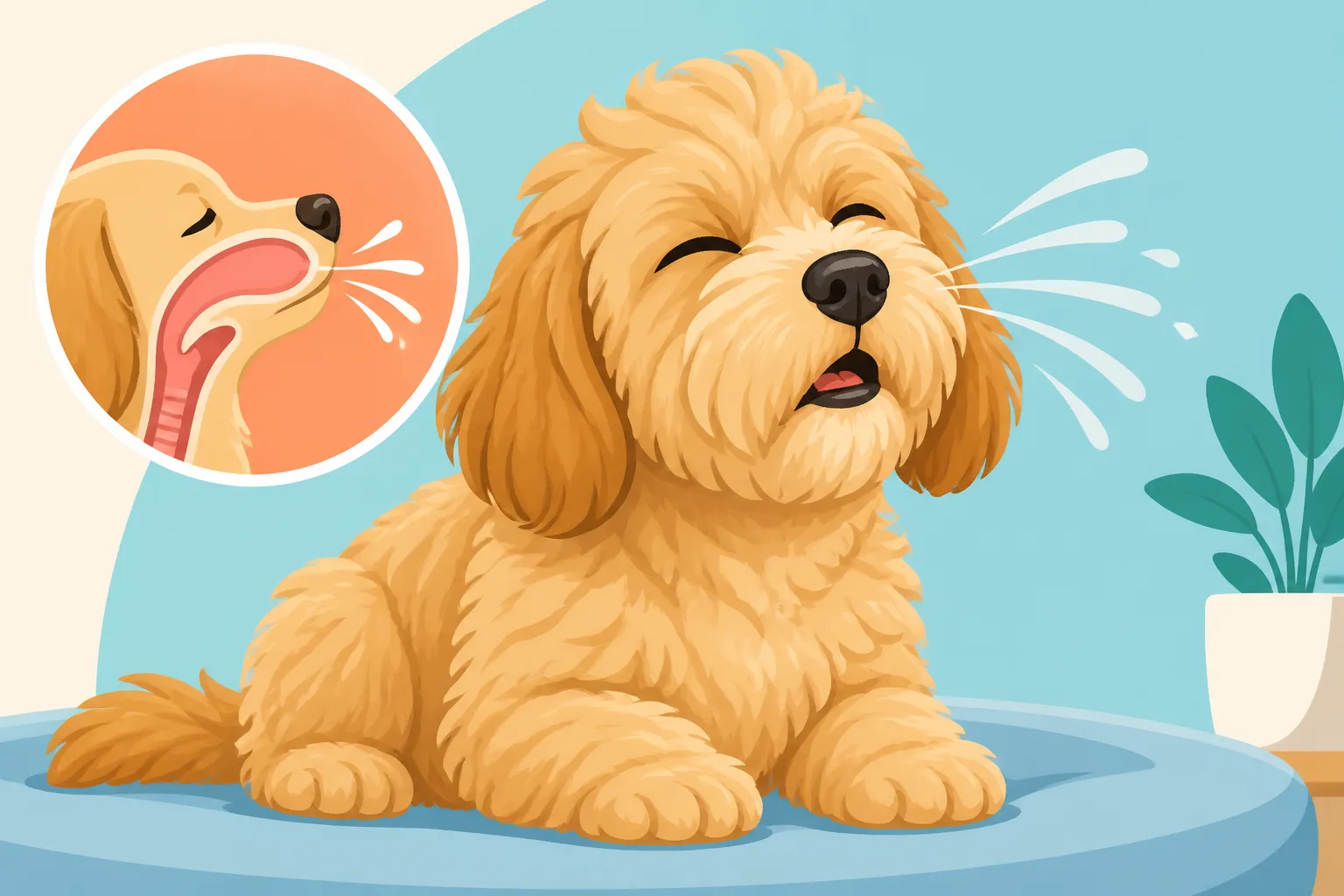
When your Goldendoodle starts reverse sneezing, it’s a sudden, involuntary inhalation through the nose, causing rapid, loud snorting or gagging sounds. It’s fundamentally different from a regular sneeze, which is a forceful exhalation. Instead, imagine your dog is trying to suck something into their nose very quickly and repeatedly. The sounds can range from a soft snort to a full-blown honking or gasping fit that lasts anywhere from a few seconds to a minute or two. For many Goldendoodle parents, especially those with their first smaller doodle, this can be utterly terrifying, making you feel helpless as you watch your beloved pet struggle.
What Happens During an Episode
During a reverse sneeze, your Goldendoodle will often stand still, extend their head and neck, and visibly struggle to breathe in. Their chest might heave, and their eyes might bulge slightly. This isn't a sign of choking where an object is blocking their airway, but rather a spasm of the soft palate and larynx (the voice box) at the back of the throat. Essentially, something irritates this sensitive area, causing the muscles to contract rhythmically and quickly, trying to dislodge whatever is causing the irritation. It's the body's way of trying to clear the nasal passages or throat from an irritant that's stuck.
The anatomy of a Goldendoodle, particularly the smaller varieties like Mini or Toy Goldendoodles, can play a role here. Their smaller airways and sometimes more compact facial structures mean that irritants can have a more pronounced effect. While a regular sneeze expels irritants out, a reverse sneeze attempts to pull them in to clear the passage. It’s a bit counterintuitive, but it’s how their body reacts to specific stimuli. Many people report that their Goldendoodle looks utterly bewildered or even a bit embarrassed after an episode, shaking it off as if nothing happened once the spasm subsides.
Why Small Goldendoodles Might Be More Prone
You might notice that your tiny Goldendoodle seems to have these episodes more often than a larger dog, or certainly more than their bigger Standard Goldendoodle cousins. There are a few reasons why this might be the case. Firstly, smaller dogs generally have smaller, narrower airways. This means that any inflammation, swelling, or even just a small piece of dust or pollen can have a more significant impact on their breathing passages, triggering that protective reverse sneeze reflex more readily.
Secondly, some smaller Goldendoodles might inherit a slightly elongated soft palate from their Poodle lineage. While not typically a severe brachycephalic (short-nosed) issue like in Bulldogs, a longer soft palate can sometimes flutter and get temporarily sucked into the larynx during excited breathing or when an irritant is present, initiating a reverse sneeze. The sensitivity of the laryngeal area in these smaller breeds is also a contributing factor. Think of it like a very ticklish throat; even minor stimulation can set off a strong reaction.
It’s not just physical anatomy though; the sheer enthusiasm and exuberance of many Goldendoodles, especially when they’re puppies or in their prime, can also trigger episodes. Rapid inhalation during play, excitement, or even pulling on the leash can sometimes cause enough turbulence in the airways to set off a spasm. It's important to remember that for the vast majority of Goldendoodles, these episodes are isolated and not indicative of a serious underlying health problem, though it's always wise to monitor.
Common Triggers for Reverse Sneezing in Goldendoodles
Understanding what might be setting off your Goldendoodle’s reverse sneezing episodes is key to either preventing them or, at the very least, being prepared. Goldendoodles, with their Poodle and Golden Retriever heritage, can be quite sensitive to their environment, and many triggers are quite common across all dog breeds, though some might be exacerbated by their specific characteristics.
Environmental Irritants and Allergens
Just like us, dogs can react strongly to things floating in the air. For your Goldendoodle, common environmental irritants include pollen, dust mites, mold spores, and even certain types of grass. If you notice your Goldendoodle's reverse sneezing seems to coincide with certain seasons or after walks in specific areas, environmental allergens are a strong suspect. These microscopic particles can easily get into their nasal passages and throat, causing irritation. It's often worse for dogs who spend a lot of time sniffing the ground, as they're inhaling all those tiny irritants directly.
Beyond natural allergens, household products can also be culprits. Strong cleaning agents, air fresheners, perfumes, scented candles, or even smoke from a fireplace can irritate a Goldendoodle's sensitive respiratory system. If you notice your dog has an episode shortly after you've cleaned the house or lit a new candle, try to identify and minimize these airborne irritants. Sometimes, simply ensuring good ventilation can make a huge difference. For Goldendoodles that struggle with persistent environmental irritants, you might also find yourself dealing with other issues such as Goldendoodle Allergies and Itchy Skin, which can further inflame their respiratory tracts.
Excitement, Exercise, and Rapid Ingestion
Goldendoodles are known for their enthusiastic, joyful personalities. Unfortunately, this very trait can sometimes be a trigger for reverse sneezing. Episodes often occur when a Goldendoodle gets overly excited, such as during playtime, when greeting visitors, or even just when anticipating a meal. The rapid, forceful inhalations that come with high excitement can cause the soft palate to spasm. Similarly, vigorous exercise, especially in dogs unaccustomed to it or during sudden bursts of activity, can lead to reverse sneezing as their breathing becomes more intense and less controlled.
Even everyday activities like eating and drinking too quickly can sometimes bring on an episode. Think of a Goldendoodle gulping down water after a long walk, or inhaling their kibble in a rush. The speed of ingestion can cause food or water particles to irritate the back of the throat or enter the nasal passages, leading to a reverse sneeze as the body tries to clear them. Using slow feeder bowls or elevated water bowls can sometimes help mitigate this, especially if you notice a pattern with meal times.
Temperature Changes and Other Factors
Sudden changes in temperature can also be a trigger for some Goldendoodles. Moving from a warm house to cold outdoor air, or vice versa, can sometimes cause a temporary irritation in their airways, leading to a reverse sneeze. This is particularly noticeable in regions with extreme seasonal shifts. Think about how your own nose can feel irritated when you step outside on a frosty morning – dogs can experience similar sensations.
Other less common, but still possible, triggers can include mild throat or nasal inflammation from a recent illness, dental issues, or even a foreign body temporarily stuck in the throat or nasal passage. While less common, it's something to keep in mind, especially if episodes are prolonged or accompanied by other symptoms. For instance, sometimes Goldendoodle Dental Crowding in the Smaller Sizes can, in rare cases, contribute to general oral discomfort that might indirectly play a role in throat irritation. A comprehensive approach to your dog's overall health, including regular vet check-ups, is always the best defense.
How to Help Your Goldendoodle During a Reverse Sneeze Episode
Seeing your Goldendoodle in the throes of a reverse sneeze can be distressing, but knowing how to calmly intervene can make a big difference for both of you. The most important thing is to remain calm yourself; your dog can pick up on your anxiety, which can prolong or intensify their stress during the episode.
Staying Calm and Reassuring Your Dog
First and foremost, take a deep breath yourself. Your Goldendoodle is already feeling confused and possibly a little scared by the sensation, and seeing you panic won't help. Speak to them in a soft, soothing voice. Reassure them that everything is okay, even if they're still snorting away. Sometimes just your calm presence and gentle strokes can help them relax enough for the spasm to subside more quickly. Avoid yelling or acting agitated, as this can increase their stress and muscle tension, potentially making the episode worse.
Often, simply waiting it out for a few seconds or a minute is all that's needed. Most reverse sneeze episodes resolve on their own, quickly and without any lasting ill effects. Think of it like a human hiccups attack – it feels odd, but usually passes without intervention. Your Goldendoodle might shake their head, swallow hard, and then just carry on as if nothing happened once the episode is over.
Gentle Intervention Techniques
If the episode seems prolonged or particularly intense, there are a few gentle techniques you can try to help interrupt the spasm and bring relief to your Goldendoodle:
- Gently Massage Their Throat: Lightly stroke or massage your Goldendoodle's throat, just under their chin and down their windpipe. This can help relax the laryngeal muscles and encourage them to swallow, which can often stop the spasm.
- Briefly Block Their Nostrils: For a second or two, very gently cover both of your Goldendoodle's nostrils with your fingers. This will encourage them to swallow or breathe through their mouth, which can interrupt the reverse sneeze reflex. Be very gentle and do not hold for long, just enough to prompt a change in breathing pattern.
- Offer Water: If they're amenable, gently offer a small amount of water. Swallowing can help clear any irritants and relax the throat. However, don't force water if they're still actively reverse sneezing, as you don't want them to choke. Wait until the spasm starts to subside.
- Move Them to Fresh Air: If you suspect an environmental irritant like dust, smoke, or a strong scent is the cause, gently move your Goldendoodle to a different room or step outside into fresh air. This can remove the triggering agent and help them recover faster.
Preventive Measures for Frequent Episodes
For Goldendoodles who experience reverse sneezing frequently, trying to identify and minimize triggers is the best long-term strategy. If pollen is an issue, consider wiping their face and paws after outdoor adventures, or limiting outdoor time during peak allergen seasons. For indoor irritants, switch to unscented cleaning products or diffusers. If excitement is the trigger, try to manage their arousal levels during greetings or playtime, perhaps by training a "settle" command or using distraction techniques.
Ensuring your Goldendoodle isn't overheating, especially if they have a thick coat, can also indirectly help, as heavy panting from heat can sometimes trigger a sensitive airway. While Goldendoodle Heat Tolerance Under a Thick Coat is a topic in itself, being mindful of their comfort can contribute to overall respiratory health. Regular grooming, especially keeping the hair around their nose and mouth trimmed, can also reduce the chances of stray hairs irritating their nasal passages.
When to Worry: Recognizing Red Flags and Seeking Vet Care
While reverse sneezing is generally benign, there are times when it can be a sign of something more serious. Knowing when to make that call to your veterinarian is crucial for your Goldendoodle's well-being. Don’t hesitate if you have any lingering concerns, as it’s always better to be safe than sorry, especially with your furry family member.
Persistent Symptoms and Changes in Pattern
One of the biggest red flags is a change in the frequency, duration, or intensity of the reverse sneezing episodes. If your Goldendoodle suddenly starts having them much more often, or if each episode lasts for several minutes, it's worth a vet visit. Similarly, if the sound or behavior associated with the reverse sneeze changes dramatically—for instance, if it becomes accompanied by a wheeze, a deep cough, or obvious signs of respiratory distress that don't resolve—it’s time to seek professional advice.
It's also important to differentiate reverse sneezing from other respiratory issues. If your Goldendoodle is also regularly coughing, gagging (beyond the occasional reverse sneeze), or having trouble breathing between episodes, this warrants immediate veterinary attention. Conditions like kennel cough, collapsing trachea, bronchitis, heart disease, or even foreign objects lodged in the throat or nasal passages can sometimes mimic or exacerbate reverse sneezing. Pay close attention to any discharge from the nose or eyes that accompanies the episodes, as this could indicate an infection or allergy. Remember, Goldendoodle Vomiting and When It Matters and Goldendoodle Diarrhea Lasting More Than Two Days are also serious symptoms that would require a vet visit, even if unrelated to breathing.
Other Accompanying Symptoms
Beyond changes in the reverse sneezing itself, keep an eye out for other symptoms that might indicate an underlying health problem. These include:
- Lethargy or decreased energy: If your Goldendoodle seems unusually tired or less enthusiastic about play and walks.
- Loss of appetite or weight loss: Any significant changes in eating habits.
- Blue-tinged gums or tongue: This is a serious sign of oxygen deprivation and requires immediate emergency care.
- Persistent nasal discharge: Especially if it’s thick, colored, or bloody.
- Fever: Check for an elevated body temperature.
- Swelling of the face or throat area: This could indicate an allergic reaction or other serious issue.
If you observe any of these symptoms alongside reverse sneezing, don't delay in contacting your vet. They will be able to perform a thorough examination, which might include listening to your Goldendoodle's heart and lungs, examining their mouth and throat, and possibly recommending diagnostic tests such as X-rays of the chest or neck, blood tests, or even endoscopy to visualize the airways. The cost of such diagnostics can be a concern for many pet parents, but having pet insurance like Healthy Paws can really help alleviate the financial stress of unexpected vet bills, allowing you to focus on your Goldendoodle's recovery without compromise.
The Role of Your Veterinarian
Your vet is your best resource for ruling out any serious conditions. They can confirm that what you're seeing is indeed reverse sneezing and not a symptom of something more concerning. For example, some small Goldendoodles might have a slightly elongated soft palate that causes more frequent or severe episodes; in very rare, extreme cases, surgery might be considered to shorten it, though this is uncommon for simple reverse sneezing. A collapsing trachea, a condition more common in some small breeds, can also present with similar sounds, but often has a characteristic "goose honk" cough and progressive symptoms. Your vet can perform specific tests to differentiate these conditions.
It’s always a good idea to discuss any new or concerning symptoms during your regular check-ups. For senior Goldendoodles, especially, it’s vital to bring up any changes in breathing or behavior during their Senior Goldendoodle Vet Visits After Nine, as their bodies are naturally more susceptible to various ailments. Proactive care and open communication with your vet are key to ensuring your Goldendoodle lives a long, happy, and healthy life, free from unnecessary worry about those strange snorting sounds. Being prepared with pet insurance from providers like Healthy Paws can give you immense peace of mind, knowing that if diagnostics or treatment for a more serious condition are needed, you’re financially supported.
| Feature | Normal Sneeze | Reverse Sneeze |
|---|---|---|
| Sound | Forceful, sharp expulsion of air; "atchoo!" | Rapid, loud snorts, gasps, honking, gagging |
| Action | Exhalation | Inhalation |
| Head Position | Head moves down, then up rapidly | Head and neck extended, standing still |
| Duration | Usually one or two quick bursts | Can last a few seconds to a minute or more |
| Cause | Irritant in nasal passages, allergies | Spasm of soft palate/larynx, irritants, excitement |
| Urgency | Generally harmless | Generally harmless, but monitor for changes |
Disclaimer
The information provided in this article is for educational and informational purposes only and does not constitute veterinary advice. Always consult with a qualified veterinarian for any health concerns or before making any decisions related to your Goldendoodle's health or treatment.