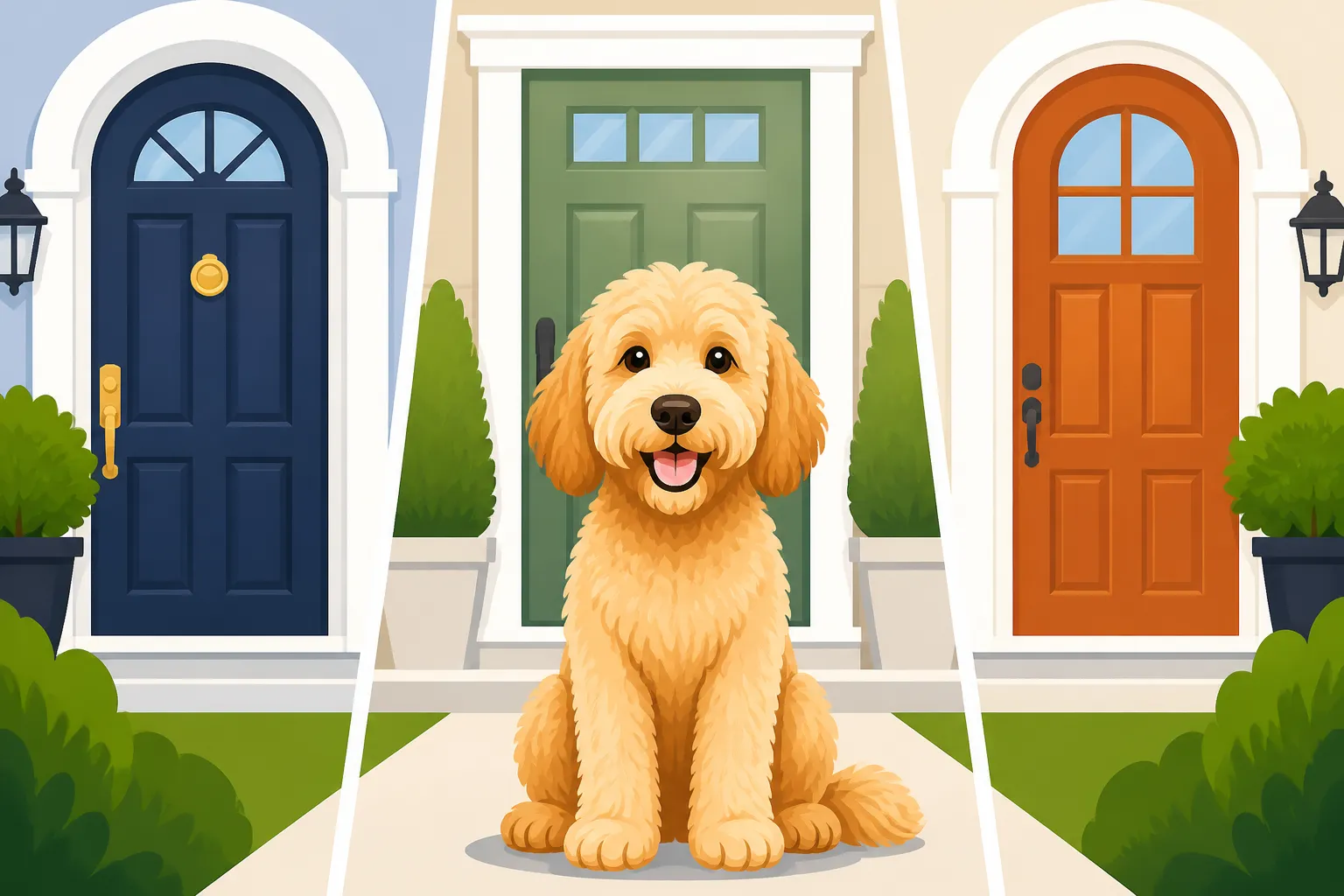
Sit Before Every Door With a Goldendoodle
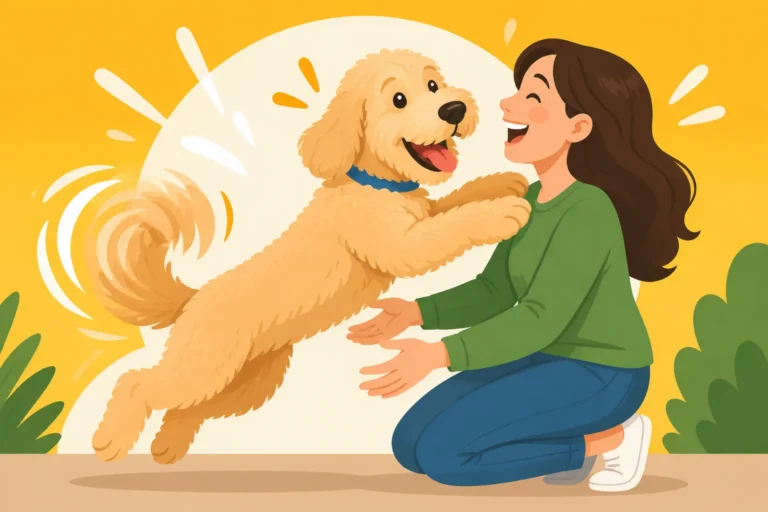
It's a familiar scenario for so many Goldendoodle parents: you reach for the doorknob, and suddenly your sweet, fluffy companion transforms into an excited projectile, lunging, jumping, and trying to burst through the moment the latch clicks. It's not just annoying; it can be downright dangerous, especially if you have small children, elderly visitors, or live near a busy street. This guide is all about teaching your enthusiastic Goldendoodle the invaluable skill of sitting politely before every single door, turning chaotic greetings into calm, controlled entries and exits.
Understanding Your Goldendoodle's Door Enthusiasm
Goldendoodles are truly wonderful dogs – intelligent, eager to please, and typically brimming with an infectious joy for life. However, these very traits can sometimes work against us when it comes to door manners. They anticipate exciting things happening on the other side of a closed door, and that anticipation can override any sense of calm.
The Blend of Retriever Excitement and Poodle Intelligence
Think about what makes a Goldendoodle tick. You've got the Golden Retriever's boundless enthusiasm for people, places, and anything that smells interesting. They live for connection and adventure. Then, you combine that with the Poodle's sharp intellect and knack for quickly understanding patterns and cues. What you get is a dog that can quickly predict that the sound of jingling keys, the touch of a doorknob, or even just you moving towards an exit, means something fantastic is about to happen.
This isn't malicious behavior; it's pure, unadulterated Goldendoodle joy. They simply haven't learned how to channel that excitement into a polite action. They learn that door = fun, and their natural exuberance takes over. If they've ever successfully pushed past you, even once, to greet a visitor or chase a squirrel, they've been rewarded for that behavior, making it more likely to happen again. It's up to us to show them a better way, a way that still gets them to the fun, but on our terms.
The Lack of Impulse Control at Thresholds
The core issue behind door-dashing and frantic greetings is often a lack of impulse control. Goldendoodles, especially when young, can struggle with waiting patiently when their instincts are screaming "GO!" A closed door, for them, represents an impending release, a gateway to whatever stimulating sights, sounds, or smells await. Their intelligence means they learn fast, but their eagerness means they sometimes learn the wrong lessons if we're not clear and consistent.
You might have taught them a solid "sit" or "stay" in a calm living room, but add the high-value context of an opening door, and suddenly those commands seem to vanish. This isn't because they're being stubborn; it's because the impulse to rush is so incredibly strong. We need to teach them that the only way to get through that door is to first perform a polite action, like a sit. This method gives them a "job" to do, a moment to pause and engage their brain before acting on pure instinct. It helps them build up their capacity for self-regulation, a skill that translates to so many other aspects of their lives. For more on this, you might find our article Goldendoodle Jumping and the Impulse Control Problem particularly helpful.
The Step-by-Step Guide to "Sit Before Every Door"
Teaching your Goldendoodle polite door manners requires patience, consistency, and a little bit of strategic thinking. The key is to break down the behavior into small, manageable steps and celebrate every tiny success.
Starting Indoors with Low Distraction
We're going to start simple, inside your home, with minimal distractions. This isn't about actually going outside yet; it's about building the foundational understanding.
- Choose a Quiet Interior Door: Pick a door that doesn't lead directly outside or to an area of high excitement. A bedroom door or a pantry door is perfect.
- Leash Off, Treats Ready: Begin without a leash. Have some high-value treats in your pocket or a treat pouch.
- Approach the Door, Wait for Sit: Walk towards the door with your Goldendoodle. Before you even touch the doorknob, pause. Wait for your dog to offer a "sit." Don't ask for it yet. If they don't sit, just stand there, silently. The moment their rear touches the ground, mark it with a verbal cue like "yes!" or a clicker, and give them a treat.
- Introduce the Doorknob: Repeat step 3. Once they sit, slowly reach for the doorknob. If they stand up, immediately remove your hand from the doorknob and step back. Wait for them to sit again, then repeat. Only when they remain sitting while you touch the doorknob do you mark and treat.
- Small Door Opening: Now, while they are sitting, and you're holding the doorknob, very slightly open the door, just a crack. If they stand or try to push through, immediately close the door. Do not move forward, do not scold. Simply close the door. Wait for them to sit again, then try opening it a tiny bit again. When they remain sitting with the door slightly ajar, mark and treat.
- Gradual Increase in Opening: Slowly increase how much you open the door, always closing it if they break their sit. The goal is for them to hold their sit even when the door is wide open.
- Release Cue: Once the door is fully open and they are sitting patiently, give your release cue ("Okay!", "Free!", "Let's go!") and allow them to walk through. Make sure they walk through, not bolt. If they bolt, you can reset and try again.
Remember, keep these initial sessions short, positive, and end on a success. It's about building a positive association: sit = door opens, no sit = door stays closed. This approach is a cornerstone of Positive Reinforcement and Why It Suits a Goldendoodle.
| Step | Action | Dog's Behavior if Correct | Dog's Behavior if Incorrect | Trainer's Response |
|---|---|---|---|---|
| 1. Initial Approach | Approach door, stand still | Sits | Stands, tries to push | Mark/Treat, proceed to step 2 |
| 2. Touch Doorknob | Reach for doorknob | Stays sitting | Stands, paws at door | Remove hand, wait for sit |
| 3. Open Door Slightly | Open door a crack | Stays sitting | Pushes, stands | Close door, wait for sit |
| 4. Open Door Wider | Open door halfway | Stays sitting | Lunges, tries to bolt | Close door, wait for sit |
| 5. Door Fully Open | Door fully open | Stays sitting patiently | Runs through | Reset, close door, wait for sit |
| 6. Release | Give release cue ("Okay!", "Free!") | Walks through calmly | Bolts through | Reset, close door, wait for sit |
Adding Leash, Guests, and Outdoor Doors
Once your Goldendoodle is a rockstar at holding a sit for an open interior door, it's time to up the ante.
- Introduce the Leash (Indoors): Repeat the entire indoor door process, but this time, put a leash on your Goldendoodle. You'll hold the leash, but it shouldn't be taut. Use it as a gentle backup if they forget themselves. This helps them learn to manage their excitement even with the added element of the leash.
- Move to the Front Door (No Exit Yet): Now, take the training to your actual front door or back door. The process is exactly the same: approach, wait for sit, touch knob, open crack, open wider, full open, release. Crucially, for these initial sessions, you are not actually going outside. You open the door, they sit, you release, and then they just stand inside. This manages the anticipation of "going out" separately.
- Simulated Guests: Ask a family member or friend to help. Have them knock on the door or ring the doorbell. Practice the "sit before door" routine. Your Goldendoodle must hold their sit while the person enters. If they jump up, the "guest" should immediately turn their back or step back outside. The guest should only offer a greeting once your Goldendoodle is calmly sitting. This helps immensely with A Goldendoodle That Jumps on Every Guest.
- Actual Outdoor Exits: Once they're consistent with guests and holding the sit for an open outdoor door without exiting, you can begin to actually go outside. This is where your leash is critical.
- Walk to the door, ask for a sit.
- Open the door while they sit.
- Step your body through first, creating a barrier.
- Then, give your release cue and allow them to walk through politely beside you, not pulling you. If they pull or lunge, immediately stop, close the door, and reset.
- The mantra is: "Four paws on the floor, sit, then door."
This stage requires immense patience, especially if your Goldendoodle has a history of lunging or bolting. Consistency is your most powerful tool. You might find some helpful insights on leash manners in Goldendoodle Leash Pulling by Size Category as you work on this step.
The Role of Consistent Cues and Treats
For your Goldendoodle to truly master "sit before every door," every interaction needs to reinforce the lesson. This means being utterly consistent with your cues and the use of rewards.
Firstly, always use the same verbal cue for "sit." Don't alternate between "sit," "sit down," or "fanny down." A clear, consistent "sit" means your Goldendoodle knows exactly what's expected. Secondly, your timing for rewards is paramount. The moment your dog's rear touches the floor, mark that behavior with a verbal "yes!" or a clicker, and then immediately follow with a high-value treat. This instant connection helps them understand what they are being rewarded for.
High-value treats are your secret weapon, especially when you're working with high-distraction environments like the front door. These are treats your Goldendoodle absolutely adores, something beyond their everyday kibble. Think small pieces of cooked chicken, cheese, or specialized training treats you can find on Amazon. The more exciting the reward, the more motivated they'll be to perform the desired behavior. As they become more proficient, you can gradually fade the frequency of the treats, but never the positive reinforcement. A happy verbal praise or a quick pet can still be a powerful reward. Remember to choose treats that are appropriately Training Treats Sized for a Mini Goldendoodle or larger for standard Goldendoodles.
Overcoming Common Challenges and Frustrations
Even with the best intentions and a clear plan, training a Goldendoodle can present its unique set of challenges. Their intelligence and exuberance can sometimes feel like a double-edged sword.
Dealing with Bolting and Leash Lunging
One of the most terrifying scenarios for a Goldendoodle owner is when their dog suddenly bolts out the door, especially if there's traffic or other hazards nearby. Leash lunging, while less immediately dangerous, can still be frustrating and cause you to lose balance.
If your Goldendoodle is a committed bolter, the absolute first line of defense is a secure harness and leash. Never rely solely on a collar, as a determined Goldendoodle can slip out or injure their neck. When practicing, if they lunge or pull, the door immediately and silently closes. This isn't a punishment, it's just a consequence. The door is a privilege, not a right, and it only opens when they are calm. This can feel incredibly frustrating, especially if you're in a hurry, but every single time you let them get away with a lunge or a bolt, you're reinforcing the unwanted behavior. You must be more patient and consistent than they are persistent.
For particularly strong lungers, consider using a long line in a securely fenced yard. Practice opening the door and having them sit at the threshold. If they lunge forward, the long line will catch them gently, and you can immediately close the door. This allows you to practice in a safer environment before tackling the front door with real-world distractions. Our article Door Manners for a Goldendoodle That Bolts dives deeper into preventing and managing this specific problem.
Managing Hyper-Excitement Around Visitors
Goldendoodles are often described as "hyper-friendly," and this trait can make visitor greetings a chaotic event. They love people, and they want to express that love by jumping, pawing, and showering guests with affection (and possibly a little drool!). While endearing, it can be overwhelming for guests and dangerous for children or the elderly.
The "sit before every door" rule applies just as much to incoming guests as it does to you exiting. When you know a guest is coming, have your Goldendoodle on a leash before they arrive. Practice the routine of sitting calmly while the door opens. Instruct your guests to completely ignore your Goldendoodle if they jump or get overly excited. No eye contact, no petting, no verbal interaction. The moment your Goldendoodle offers a polite sit, then and only then, can the guest offer a calm greeting or a quick pat. This teaches your dog that calm behavior is what gets them the attention they crave.
This takes coordination with your visitors, so make sure they understand their role in reinforcing good manners. You can also use a designated "place" or mat training nearby, where your Goldendoodle can settle while guests enter, only approaching after being released with a calm sit. Many reputable training resources, like those offered by BAXTER & Bella, include modules specifically for polite greetings, which can be invaluable for Goldendoodle owners navigating their dog's exuberant personality.
Reinforcing Polite Door Manners for Life
Achieving a perfectly polite Goldendoodle at every door isn't a one-and-done training session. It's an ongoing commitment to consistency and reinforcement that will serve you and your furry friend for their entire life.
Generalization Across All Doors and Situations
One common misconception is that once your Goldendoodle masters "sit before the front door," they'll automatically apply that knowledge to every other door. Unfortunately, dogs don't generalize behaviors automatically. A sit before the front door is, in their mind, a completely different scenario from a sit before the back door, the car door, or even the gate to the dog park.
This means you need to practice this skill in a variety of locations and situations.
- Different Doors at Home: Practice at every exterior door and even internal doors (like the door to the garage or a specific room).
- Car Doors: Before jumping into the car, your Goldendoodle should sit and wait for your release cue. This is a crucial safety measure.
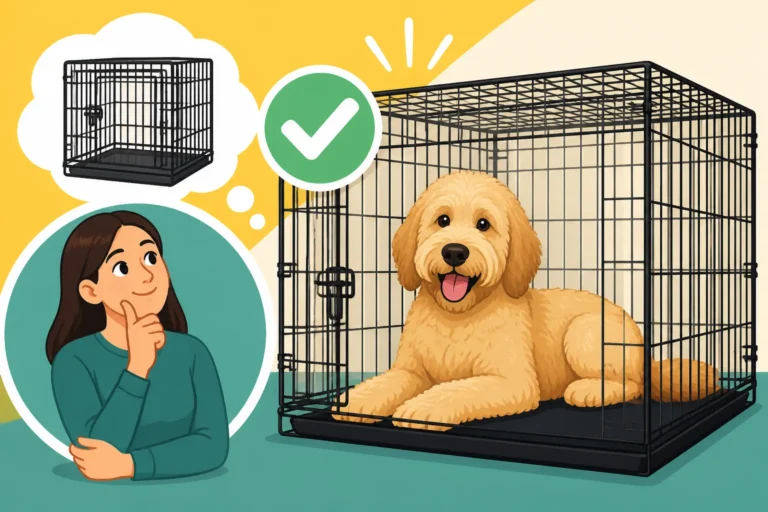
- Crate Doors: If your Goldendoodle rushes out of their crate, practice having them sit calmly inside until you give the release cue.
- Friends' and Family's Homes: When visiting others, make an effort to practice polite entries. This might mean having them on a leash and asking for a sit before entering.
- Public Places: Even entering a pet-friendly store or vet's office can be an opportunity to reinforce the "sit before door" rule.
Each new door is a chance to solidify the behavior. Start with low distractions in new environments and gradually increase the challenge. The more you practice in varied settings, the more ingrained and reliable the behavior will become.
Maintaining Consistency and Avoiding Backslides
This is where the rubber truly meets the road. All the hard work you put into training can be undone surprisingly quickly if consistency falters. If you let your Goldendoodle rush through "just this once" because you're tired, distracted, or in a hurry, you've just taught them that sometimes, the rules don't apply. And a smart Goldendoodle will quickly pick up on those inconsistencies.
Here are some tips for maintaining consistency:
- Everyone in the Household: Every single person who interacts with your Goldendoodle and the doors must be on the same page. Children, spouses, roommates – everyone needs to enforce the "sit before door" rule, every single time. It helps to have a quick family meeting to align on the commands and expectations.
- Don't Rush: Schedule a few extra moments into your day if you know you're taking your Goldendoodle out. Rushing often leads to shortcuts, which leads to inconsistency.
- Go Back to Basics: If you notice your Goldendoodle starting to backslide (lunging more often, forgetting their sit), don't get frustrated. Simply go back to an earlier, easier step in the training, perhaps even an interior door with no distractions. Re-establish the behavior, and then slowly work your way back up.
- Make it a Habit: The goal is for "sit before door" to become as automatic for your Goldendoodle as breathing. When they approach any door, the first thing they should instinctively do is sit and look at you for direction. This habit provides a mental "off switch" for their excitement and reinforces their overall Goldendoodle Impulse Control Exercises.
By consistently applying these methods, you're not just teaching a trick; you're instilling a fundamental life skill that ensures your Goldendoodle's safety and makes living with them a much calmer, more enjoyable experience for everyone.
Disclaimer
This article is for general informational purposes only and does not constitute professional advice. Laws, prices and regulations vary by location and change over time. Consult a qualified professional for guidance on your specific situation.