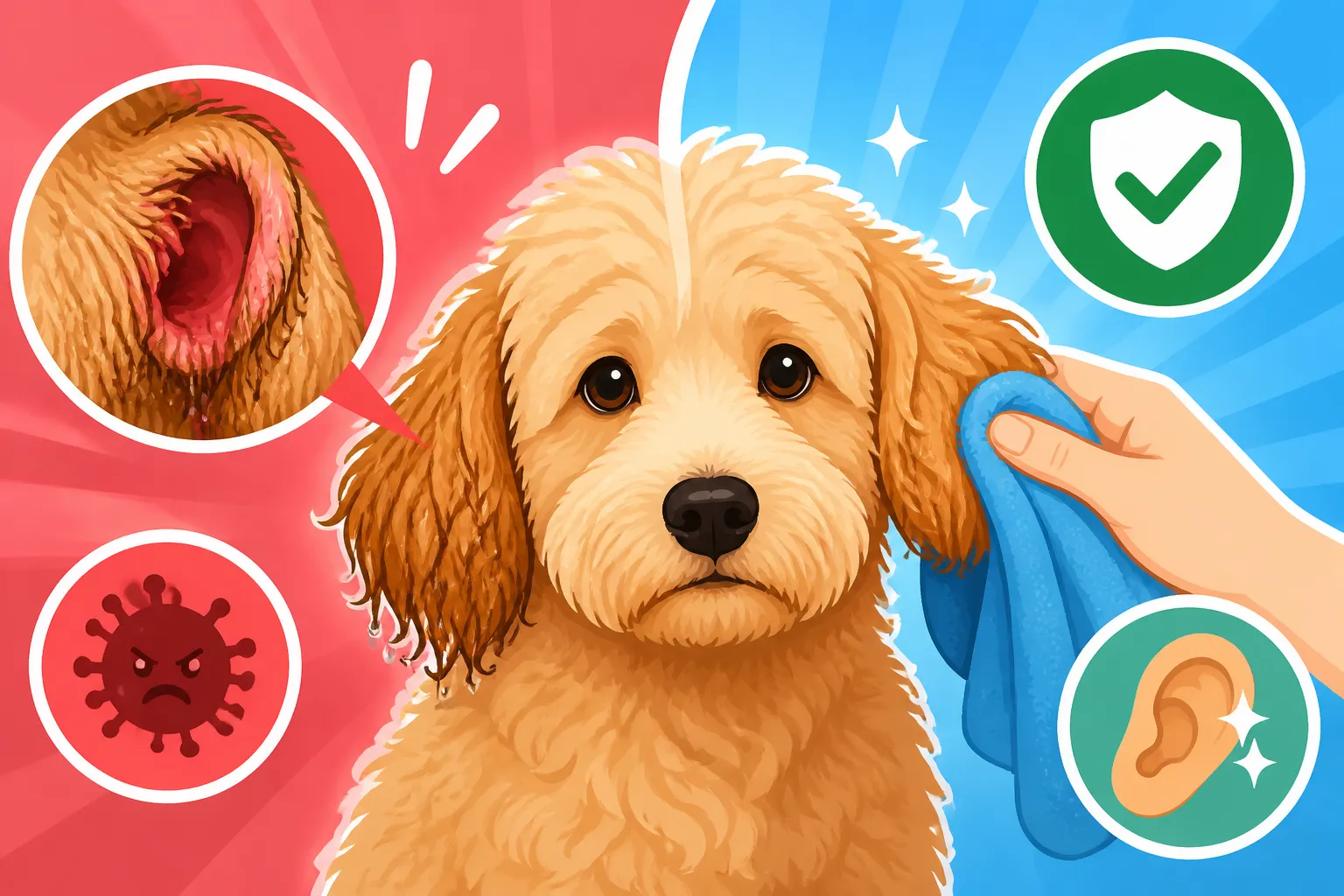
Why a Wet Goldendoodle Ear Has to Be Dried Fast
If you've ever owned a Goldendoodle, you know that their adorable floppy ears and luxurious coats come with a unique set of care challenges. One of the most common and persistent frustrations Goldendoodle parents face is the battle against ear infections, and the absolute worst culprit is often overlooked: wet ears. This comprehensive guide will dive deep into why a wet Goldendoodle ear is a ticking time bomb and provide you with actionable steps to keep those precious ears dry, healthy, and infection-free.
The Goldendoodle Ear: A Perfect Environment for Trouble
It's not just bad luck that Goldendoodles seem prone to ear issues; their very anatomy and coat type predispose them to it. Understanding these factors is the first step toward proactive care and preventing discomfort for your beloved companion.
The Furnished Ear: A Warm, Dark, Damp Cave
Unlike dogs with pricked-up ears, Goldendoodles inherit those lovely, heavy, dropped ears from both their Golden Retriever and Poodle ancestors. While undeniably cute, these "furnished" ears, often covered in thick hair, create a perfect microclimate. Imagine a warm, dark, unventilated cave. That's essentially what the inside of your Goldendoodle's ear canal becomes when it gets wet.
The flap of the ear covers the opening, significantly reducing airflow. This means that once water gets in—whether from a bath, a swim, or even just high humidity—it struggles to evaporate. The warmth of your dog's body, combined with the lack of air circulation, turns that moisture into an ideal breeding ground for opportunistic microorganisms like yeast and bacteria. It's a fundamental biological principle: moisture + warmth + darkness = growth. And in this case, that growth spells trouble for your Goldendoodle.
Hair, Hair Everywhere: Inside the Canal
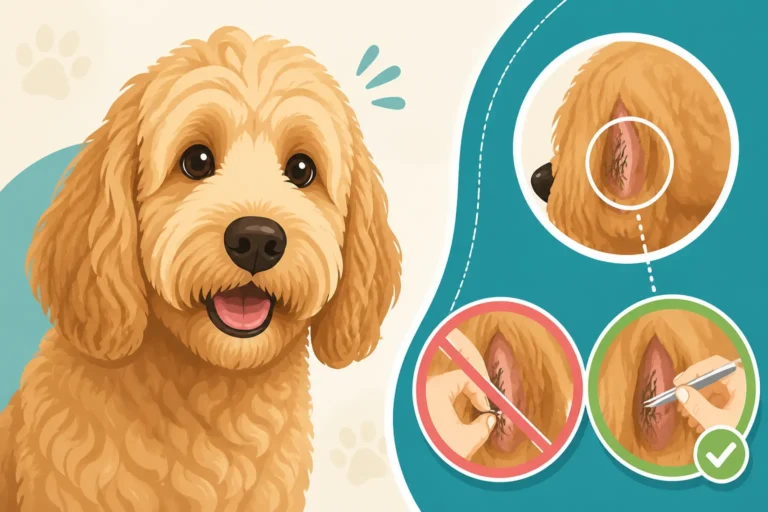
Adding another layer to this challenge is the fact that many Goldendoodles, especially those with more Poodle genetics, have hair growing inside their ear canals. This isn't just external fluff; it's actual hair deep within, which can be a real game-changer when it comes to ear health.
This internal ear hair, while sometimes debated in terms of whether it should be plucked or not, undoubtedly traps moisture. Think of it like a tiny, furry sponge soaking up any water that enters the canal. It also obstructs the natural migration of ear wax and debris out of the ear, leading to buildup. When you combine this hair-trapped moisture with the low airflow of a floppy ear, you've got a recipe for rapid microbial overgrowth and irritation. This can make Goldendoodle Ear Infections Under a Furnished Ear a recurring nightmare for many owners.
The Immediate Risks of Prolonged Ear Dampness
When that Goldendoodle ear stays damp for too long, it’s not just an inconvenience; it can quickly escalate into painful, irritating, and often expensive health problems. Knowing what you’re up against can motivate you to be extra vigilant.
Yeast Infections: The Pesky Itch
The most common culprit in chronically damp Goldendoodle ears is Malassezia pachydermatis, a type of yeast that naturally lives on canine skin and in their ears. In normal, dry, well-ventilated conditions, this yeast causes no problems. However, introduce warmth and moisture, and boom—you've got an overgrowth.
A yeast infection typically presents with a distinct, often sweet or sickly-sweet smell, sometimes described as "corn chips" or "old socks." Your Goldendoodle will likely be shaking their head, scratching at their ears, and rubbing their head against furniture or the carpet to try and relieve the intense itch. The skin inside the ear might look red and inflamed, and you might see a brownish, waxy discharge. If not caught early, yeast infections can become incredibly persistent and uncomfortable, requiring veterinary intervention and specific antifungal treatments. This is often the primary reason for Yeast in a Goldendoodle Ear After Swimming.
Bacterial Infections: More Serious Trouble
While yeast often gets a head start, bacterial infections are equally, if not more, concerning. Bacteria also thrive in warm, moist environments, and they can move in right alongside or even after a yeast infection has taken hold. Common bacterial culprits include Staphylococcus and Pseudomonas.
Bacterial ear infections tend to be more painful than yeast infections. You might notice your Goldendoodle yelping when their ear is touched, holding their head tilted, or exhibiting a thick, yellowish, or greenish pus-like discharge. The ear canal can become very swollen, making it difficult for medication to penetrate. If these infections are allowed to fester, they can lead to deeper issues, sometimes even affecting the middle or inner ear, which can impact balance and hearing. This is why addressing dampness immediately is non-negotiable.
Chronic Problems and the Cycle of Discomfort
The real heartbreak comes when these acute infections become chronic. If your Goldendoodle’s ears are repeatedly getting wet and staying damp, you could be setting them up for a cycle of recurring infections, inflammation, and scar tissue buildup in the ear canal. This cycle is incredibly frustrating for both you and your dog.
Chronic inflammation can lead to changes in the ear canal itself, such as narrowing (stenosis) and thickening of the skin, making it even harder for air to circulate and for treatments to work. It also means your dog is constantly uncomfortable, scratching, shaking, and generally miserable. For some Goldendoodles, chronic ear problems can even contribute to behavioral issues due to constant pain, or physical problems like aural hematomas from vigorous head shaking. Preventing Goldendoodle Ear Infections That Return Every Month starts with diligent moisture control.
Your Action Plan: Drying Your Goldendoodle's Ears Effectively
Okay, so we know why wet ears are bad. Now let's talk about the how—how to keep those cute, floppy, hairy Goldendoodle ears perfectly dry and healthy. This isn't just about avoiding infection; it's about comfort and quality of life for your furry friend.
Post-Bath and Post-Swim Rituals
These are the absolute non-negotiables for Goldendoodle ear care. Every single time your dog gets wet, especially their head and ears, you need a dedicated drying ritual.
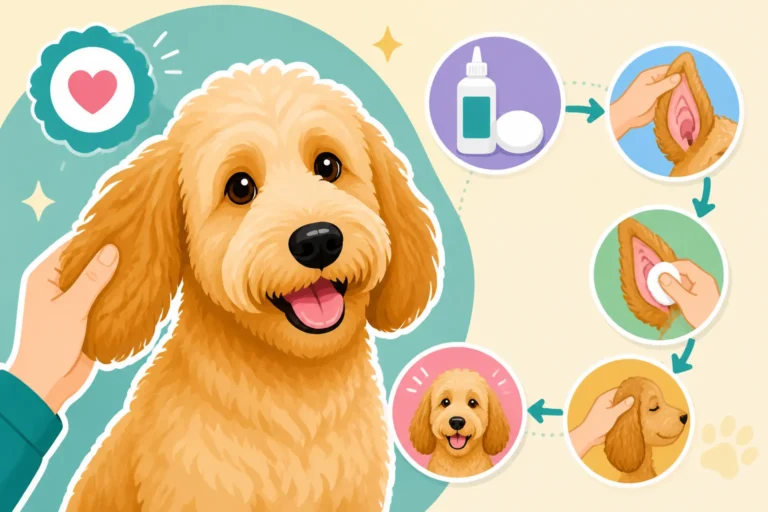
- After a Bath: As soon as the bath is over, before you even start on the body, tackle the ears. Gently blot the outer ear flap and the entrance to the ear canal with a soft, absorbent towel. Do not push anything deep into the canal. After blotting, use cotton balls or soft gauze pads to gently wipe out any visible moisture from the accessible parts of the ear. Then, and this is crucial, use a low-heat, low-speed pet dryer to thoroughly dry the ear flap and the hair around the ear canal. Hold the dryer at a safe distance, keeping your hand between the nozzle and your dog's skin to ensure it's not too hot. Gently lift the ear flap to allow air into the canal. You can even use a specific ear drying solution at this stage, which can help break water tension and aid evaporation.
- After a Swim: Whether it's the lake, the pool, or the ocean, water in the ears after swimming is almost guaranteed. The routine is similar to post-bath: blot, wipe with cotton, and then dry. A good quality ear drying solution, often containing a mild astringent like witch hazel or rubbing alcohol, can be incredibly beneficial here. These solutions help dry out the canal and slightly acidify the environment, making it less hospitable for yeast and bacteria. You can find excellent options on retailers like Chewy or Amazon. Remember to reward your dog with a treat for their cooperation!
Everyday Ear Cleaning and Drying
It's not just big events like baths and swims. Daily life exposes your Goldendoodle's ears to moisture from humidity, condensation, or even just drinking water (especially if they have a long beard!). A quick daily check and occasional cleaning can make a world of difference.
- Morning Check-in: Make it a habit to lift your Goldendoodle's ear flaps each morning. Take a sniff – do you detect any unusual odors? Look for redness, discharge, or any signs of irritation. This quick check takes seconds and can alert you to a developing issue before it becomes a full-blown infection. This also applies to general Cleaning a Goldendoodle Ear Before It Gets Infected.
- Gentle Weekly Cleaning: Even if your dog hasn't been swimming, a gentle weekly cleaning with a vet-approved ear cleaning solution can help maintain a healthy ear environment. Apply the solution as directed, usually by filling the canal, massaging the base of the ear, and then letting your dog shake their head. After the shaking, gently wipe out the accessible part of the ear canal and the ear flap with cotton balls. Follow up with a dedicated ear drying solution, especially if you live in a humid climate. Consistency is key here.
Tools and Products That Help
Having the right arsenal of tools can make ear care much easier and more effective.
- Absorbent Towels: Keep a small, soft, highly absorbent towel specifically for ear drying.
- Cotton Balls/Pads: Essential for wiping away debris and moisture from the outer ear and visible parts of the canal. Avoid Q-tips as they can push debris deeper and potentially damage the eardrum.
- Pet-Specific Hair Dryer: A low-heat, low-speed pet dryer is a game-changer. Human hair dryers can get too hot and burn your dog's sensitive skin. Many pet dryers are designed to be quieter and less frightening for dogs.
- Ear Cleaning Solution: Look for veterinary-recommended formulas. Your vet can advise on the best one for your dog's specific needs. Brands like Zymox or Epi-Otic are often popular choices and readily available on sites like Chewy.
- Ear Drying Solution: Different from a cleaner, this product is specifically formulated to help evaporate moisture and acidify the ear canal. Again, your vet can recommend one, and you'll find options on Amazon.
- Dog Ear Wraps/Bands: For dogs who swim frequently, some owners use ear wraps or snoods to try and prevent water from entering the ears. While not foolproof, they can offer an extra layer of protection during water activities.
Here's a quick comparison of common drying methods:
| Method | Pros | Cons | Best For |
|---|---|---|---|
| Towel Blotting | Gentle, quick, removes surface moisture | Doesn't dry deep into the canal or furry areas | Initial post-wetness, light moisture |
| Cotton Wiping | Removes visible moisture & debris | Cannot reach deep, can push debris if not careful | Accessible parts of outer ear canal |
| Pet Hair Dryer | Thoroughly dries hair & promotes airflow | Can be noisy (desensitize!), must use low heat/speed | Full drying after baths/swims |
| Ear Drying Solution | Helps evaporate moisture, acidifies canal | Not a standalone solution, some dogs dislike liquid | Post-swim/bath, high humidity environments |
| Air Drying | No effort, natural | Slow, allows yeast/bacteria to multiply quickly | Absolutely not recommended for Goldendoodles |
Troubleshooting and When to Call the Vet
Even with the most diligent care, Goldendoodles can still develop ear problems. Knowing what to look for and when to seek professional help is vital to prevent minor issues from becoming major health crises.
Signs of a Developing Problem
Your Goldendoodle can’t tell you in words that their ear hurts, so you need to be their advocate. Watch closely for any changes in their behavior or the appearance of their ears.
- Increased Head Shaking: A subtle shake here and there might be normal, but if you notice your Goldendoodle shaking their head more frequently, with more vigor, or favoring one side, it’s a big red flag.
- Persistent Scratching: If they’re constantly scratching at an ear with their paw, rubbing it against the floor, or trying to relieve an itch, investigate immediately.
- Redness or Swelling: Lift that ear flap and compare it to the healthy ear. Is the skin inside redder than usual? Is there any noticeable swelling around the ear canal opening?
- Unpleasant Odor: This is often one of the first and most obvious signs. A healthy ear should have a very faint, clean smell. Anything yeasty, cheesy, or foul is a clear indicator of infection.
- Discharge: Look for any discharge – it could be brownish-black (often yeast), yellowish, or greenish (often bacterial), or even a combination. It might be waxy, crusty, or liquid.
- Pain or Sensitivity: If your Goldendoodle flinches, whines, or pulls away when you touch their ear, they are in pain, and it's time to act.
- Behavioral Changes: Lethargy, loss of appetite, or general grumpiness can sometimes be secondary signs of discomfort from a painful ear infection.
It's important to remember that these signs can escalate quickly, especially with a dog like a Goldendoodle whose ear anatomy makes them so susceptible. For more details on common issues, you can read about Goldendoodle Ear Hair and Chronic Infection.
When to Seek Professional Help
Many Goldendoodle parents try home remedies or over-the-counter solutions when they first notice ear irritation. While gentle cleaning can sometimes resolve very mild issues, it's crucial to know when to stop and call your veterinarian.
You should contact your vet immediately if you notice:
- Any of the signs above, especially if they are severe or have persisted for more than 24 hours.
- Foul odor or excessive discharge.
- Signs of pain, such as yelping, aggression when touched, or holding their head tilted.
- If your Goldendoodle has a history of chronic ear infections.
- If your dog is generally unwell, lethargic, or has a fever in conjunction with ear symptoms.
A veterinarian can properly diagnose the type of infection (yeast, bacterial, or both, and sometimes even mites), determine the best course of action, and prescribe appropriate medication. This might include ear drops, oral antibiotics, or anti-inflammatory medications. They can also ensure there isn't a foreign object, polyp, or tumor within the ear canal, which can sometimes mimic infection symptoms. Don't delay—early intervention often means a faster recovery and prevents complications. Regular check-ups, especially for breeds prone to ear problems, are part of The Weekly Goldendoodle Ear Routine Step by Step.
By understanding the unique challenges of your Goldendoodle's ears and committing to a consistent routine of drying and gentle cleaning, you can significantly reduce their risk of painful, recurring infections. Your efforts will translate into a happier, healthier Goldendoodle, free from the constant itch and discomfort that wet ears can bring.
Disclaimer
This article is for general informational purposes only and does not constitute professional advice. Laws, prices and regulations vary by location and change over time. Consult a qualified professional for guidance on your specific situation.