Whether to Shave a Goldendoodle During the Coat Change
If you've got a Goldendoodle puppy somewhere between eight and twelve months old, you might be tearing your hair out more than they are shedding it. Suddenly, your once-manageable fluffy little buddy seems to be a walking mat, and you're contemplating drastic measures like shaving them down to the skin just to get a handle on it. This guide is here to walk you through why this frustrating coat change happens, the pros and cons of shaving during this period, and, most importantly, how to navigate this challenging phase without permanently impacting your Goldendoodle's beautiful coat or sanity.
Understanding the Goldendoodle Coat Change
The Goldendoodle coat change is a rite of passage that catches many new owners completely off guard. You bring home this adorable, soft puppy, and for months, their coat is a dream. Then, seemingly overnight, it transforms into a mat-attracting magnet. It's a frustrating time, and it’s critical to understand why it happens so you can tackle it effectively.
The Puppy Fluff vs. Adult Coat Reality
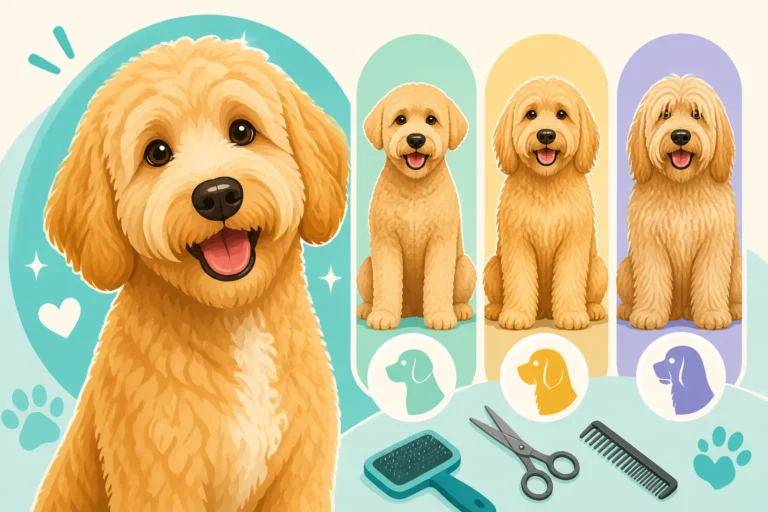
Think of your Goldendoodle puppy's coat as baby hair. It's often soft, fine, and relatively easy to manage. This "puppy fluff" is a joy to behold and contributes to that undeniable cuteness that makes Goldendoodles so popular. However, just like human babies eventually get their more robust adult hair, Goldendoodle puppies transition to their permanent adult coat. This adult coat is typically thicker, denser, and can be much curlier or wavier, depending on the genetics they inherited from their Golden Retriever and Poodle parents.
This transition usually kicks in around 8 to 12 months of age, sometimes even up to 18 months for larger or later-maturing dogs. What's happening underneath all that new growth is fascinating: the old, fine puppy hairs aren't simply falling out neatly. Instead, they're getting tangled up with the emerging adult hairs. It’s a chaotic process where the denser adult coat starts to push through the softer puppy coat, creating a perfect storm for tangles and mats. Many owners notice a significant change in texture, where the coat feels coarser or more 'cottony' than before. This period is notorious for being the most difficult grooming phase in a Goldendoodle's life, and it’s why understanding The Goldendoodle Coat Change at Eight to Twelve Months is so important for owners.
Why the Matting Starts Suddenly
The sudden onset of severe matting during the coat change isn't a sign you've been a bad groomer; it's just the nature of this particular beast. The puppy coat, being fine and airy, acts like a magnet for the stiffer, new adult hairs. As these new hairs grow, they intertwine with the old ones, forming tight knots that quickly escalate into painful mats if not addressed daily. Imagine trying to comb through two different types of yarn that are constantly trying to knit themselves together – that's essentially what's happening on your Goldendoodle's skin.
These mats tend to form in high-friction areas first: behind the ears, in the armpits, around the collar, and on the legs. These are spots where movement, rubbing, and moisture (from drinking or drooling) exacerbate the tangling. Owners often report going from weekly brushing to finding significant mats daily, feeling like they just can't keep up. The coat actually feels different to the touch, often much thicker and less pliable. This is why you need to switch up your grooming routine dramatically during this period, otherwise, you'll be dealing with Why a Goldendoodle Mats in a Week Without Brushing. It's not a slight against your grooming skills; it's simply a biological phenomenon that requires a proactive and consistent approach.
The Risks and Realities of Shaving During Coat Change
When faced with a dog that's a solid block of felt, shaving can feel like the only, most humane option. And sometimes, it absolutely is. However, it's not a decision to be taken lightly, and there are important considerations beyond just aesthetics.
The "Ruin My Coat" Myth and the Truth
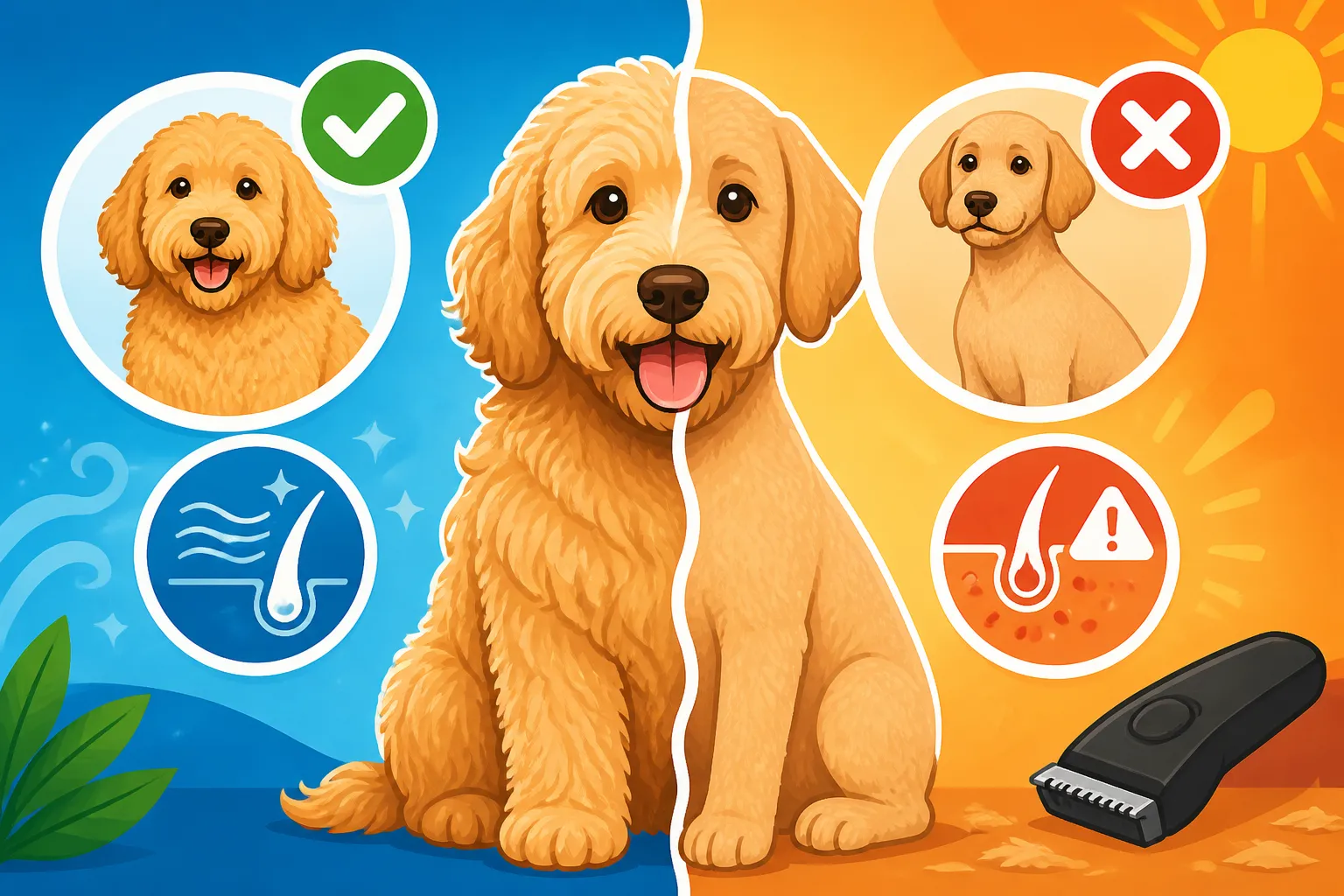
One of the biggest worries Goldendoodle owners have about shaving is the fear that it will "ruin" the coat. This is a persistent myth, often stemming from misunderstandings about how hair follicles work. The truth is, shaving your Goldendoodle, even down to the skin, will not permanently alter the texture or quality of the hair that grows back. Hair grows from the follicle, and shaving merely removes the visible shaft. It doesn't change the genetic programming of the follicle itself. So, if your Goldendoodle is destined to have a curly, soft coat, it will still grow back curly and soft.
What can happen, however, is a temporary change in appearance. When hair is shaved short, the soft tips are removed, leaving behind the coarser, sometimes more wiry, undercoat that might not have been as apparent before. This can make the coat feel rougher or look less "fluffy" as it initially grows out. It's often referred to as "clipper alopecia" or "post-clipping alopecia," where some dogs' hair grows back slower, or appears slightly different in texture for a cycle or two. This is usually more noticeable in breeds with double coats, which Goldendoodles often inherit some traits from, but it's rarely permanent. For a matted Goldendoodle, the priority is comfort and health over the transient aesthetic of the regrowing coat. Sometimes, a clean shave is the only way to alleviate severe discomfort and prevent skin infections brewing beneath the mats, especially in severe cases where How Matting Adds Hundreds to a Goldendoodle Year in vet bills.
Preventing Trauma for Your Goldendoodle
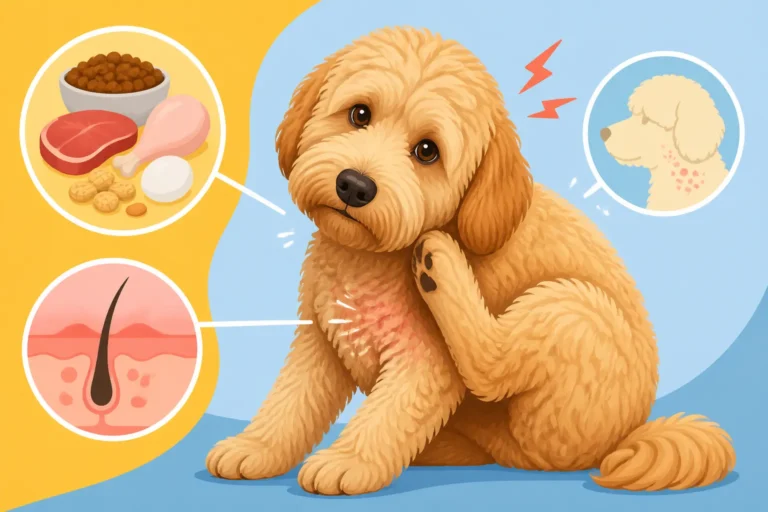
The primary reason to shave a severely matted Goldendoodle during their coat change isn't just about managing the hair; it's about their well-being. Mats are not just unsightly; they are incredibly painful. They pull on the skin, restrict movement, and can hide skin infections, parasites, or even wounds. Trying to brush out severe matting can be a traumatic experience for your dog, turning grooming into a dreaded event. If you spend hours trying to comb out painful knots, you risk teaching your Goldendoodle to hate grooming, making future sessions even harder.
A professional groomer will assess the severity of the matting. If it's too extensive or tight to brush out humanely, shaving is the kindest option. This removes the painful pulling and allows the skin to breathe and heal. While your Goldendoodle might look a little naked afterward, they will almost instantly feel better. The alternative—forcing them through hours of painful dematting—can create lasting fear and aggression towards grooming, which is far more detrimental in the long run. If your dog is already showing signs of discomfort or fear around brushing, a clean shave might be the best way to reset their grooming experience and help them associate it with relief rather than pain. Why Groomers Refuse Some Goldendoodles often boils down to owners who try to force dematting past the point of no return, making the process dangerous for both dog and groomer.
Alternatives to Shaving: Intensive Grooming Strategies
While shaving is sometimes necessary, it doesn't have to be the first resort. With a dedicated and consistent approach, you can often navigate the Goldendoodle coat change with their length mostly intact. It requires a significant time commitment, but for many owners, it's worth the effort.
Daily Line Brushing as Your New Best Friend
During the coat change, your daily brushing routine needs to go from good to exceptional. We're talking about daily line brushing, without fail. This isn't just a quick run-through with a brush; it's a methodical process that ensures you're getting down to the skin. To line brush, you part the hair in small sections, hold the hair above the section up, and brush downwards, slowly working your way across and down your dog's body. You need to feel the bristles of your slicker brush against the skin.
This technique, while time-consuming, is the most effective way to prevent mats during this critical phase. You'll need a good quality slicker brush and a metal comb. The slicker brush does the initial detangling and separation, and then the metal comb follows through to confirm you've removed all tangles. If the comb glides through from root to tip, you've done your job. If it snags, you go back with the slicker brush. Pay extra attention to those high-friction areas: behind the ears, armpits, inner thighs, and anywhere the harness or collar rubs. Consistency is key; skipping even a day can allow new mats to form. Many owners find supplies on sites like Amazon or Chewy to stock up on the right tools. Regularly brushing your Goldendoodle can save you from How Matting Adds Hundreds to a Goldendoodle Year.
Professional Help: When to Call the Groomer
Even with the best intentions and diligent home grooming, sometimes the coat change gets the better of us. This is where your professional groomer becomes an invaluable partner. Don't wait until your Goldendoodle is a matted mess before you call them. Schedule appointments more frequently during this period – perhaps every 4-6 weeks instead of the usual 8-10. This allows the groomer to keep the coat manageable and catch any burgeoning mats before they become severe.
A professional groomer has specialized tools, techniques, and experience with Goldendoodle coats that can make a world of difference. They can often work through tangles that would be impossible for an amateur and can give your dog a thorough bath and blow-dry, which also helps prevent matting. They can also provide advice on specific products, like detangling sprays or conditioning treatments, that might help. Think of your groomer as a preventative measure, not just a last resort. Establishing a good relationship with a groomer from an early age is important, so your Goldendoodle becomes accustomed to the routine. They can even offer "puppy grooms" focused on positive experiences and handling rather than full haircuts, preparing your dog for a lifetime of cooperative grooming. Early intervention is key; don't let matting get so bad that your groomer has no choice but to shave the entire coat.
Making the Best Decision for Your Goldendoodle
Ultimately, the choice of whether to shave your Goldendoodle during their coat change comes down to a balance of factors, prioritizing your dog's health and comfort above all else. It's a challenging time, but with the right knowledge and tools, you can navigate it successfully.
Balancing Comfort and Coat Health
The comfort of your Goldendoodle should always be the top priority. If the coat is severely matted, causing pain, skin irritation, or restricting movement, shaving is the most humane course of action. While some might worry about the aesthetics of a shaved Goldendoodle, the relief your dog experiences will far outweigh any temporary change in their appearance. Remember, their coat will grow back. The goal is to get through this phase with minimal stress and pain for your furry friend.
On the other hand, if the matting is mild and you are committed to daily line brushing, you might be able to maintain some length. This intensive period of grooming will also teach your Goldendoodle to be patient and cooperative on the grooming table, setting them up for better experiences in the future. It's a trade-off: more effort and time from you, potentially a full coat, versus less immediate effort but a temporary short cut. Consider your own schedule and your dog's temperament. If they hate being brushed, a shave might reduce stress for everyone. If you're wondering Whether Home Grooming Saves a Goldendoodle Owner Money, remember that the time investment during coat change is significant.
Long-Term Coat Care Beyond the Change
The coat change phase is a crash course in Goldendoodle grooming, and the lessons learned here will serve you for the rest of your dog's life. Once the adult coat is fully in, the extreme matting should subside, but consistent grooming remains essential. Goldendoodles, especially those with curly or wool-like coats, will always be prone to matting. You should aim for regular professional grooms every 6-8 weeks and consistent home brushing in between.
This might mean investing in quality grooming tools, learning how to use them effectively, and making brushing a positive experience for your dog from day one. Brands like Chewy and Amazon offer a wide array of slicker brushes, combs, and detangling sprays specifically designed for dense, curly coats. Think about the products you use too; a good shampoo and conditioner specifically for dog coats can make a big difference in preventing tangles. Furthermore, diet can play a role in coat health, with some owners opting for fresh food services like Ollie or supplements to support skin and coat. Establishing a consistent grooming schedule during the coat change helps build a routine that will keep your Goldendoodle's coat healthy and mat-free for years to come. Ultimately, understanding Brushing a Goldendoodle Often Enough to Stop Matting is a lifelong commitment, not just a temporary fix.
| Factor | Decision to Shave | Decision to Keep Length (Intensive Grooming) |
|---|---|---|
| Matting Severity | Severe, tight, painful, close to skin | Mild to moderate, easily brushed out with effort |
| Dog's Comfort | Experiencing pain, avoids brushing, fearful | Tolerates brushing well, minimal discomfort |
| Owner's Time/Skill | Limited time for daily intensive grooming, beginner | Ample time for daily grooming, experienced |
| Risk of Skin Issues | High (infections, hot spots under mats) | Low (mats prevented with consistent care) |
| Long-Term Grooming | Fresh start, easier to maintain short coat initially | Continues regular grooming routine, maintains length |
| Temporary Coat Aspect | Shorter, potentially different texture initially | Maintains current length and texture |
Conclusion
The Goldendoodle coat change is a unique challenge that many owners face. It's a period where the adorable puppy fluff gives way to the more demanding adult coat, often leading to sudden and severe matting. While the idea of shaving your Goldendoodle during this time might seem drastic or even feared due to myths about "ruining" the coat, it's often the most humane and practical solution for severely matted dogs.
If your Goldendoodle is in pain from mats, a clean shave by a professional groomer offers immediate relief and allows their skin to heal. It won't permanently alter their coat, which will grow back to its natural texture. However, if the matting is manageable, a commitment to daily, thorough line brushing can help you preserve their length and teach them valuable grooming cooperation. Regardless of the path you choose, remember that the coat change is a temporary phase. The key is consistent, proactive grooming throughout your Goldendoodle's life to keep them comfortable, healthy, and looking their best. And for more insights, make sure to check out The Goldendoodle Coat Types and How to Tell Them to understand what you're dealing with long-term.
Disclaimer
This article is for general informational purposes only and does not constitute professional advice. Laws, prices and regulations vary by location and change over time. Consult a qualified professional for guidance on your specific situation.