Hair Growing Inside a Goldendoodle Ear Canal
One of the most persistent, maddening challenges for Goldendoodle parents is without a doubt the battle against ear infections. It's frustrating to constantly be cleaning, wondering why your furry friend is shaking their head, and often, the root cause lies deep within: that abundant, beautiful hair that grows not just on the outside, but inside their ear canals. This guide will walk you through exactly why this happens, how to spot the trouble signs, and most importantly, how to manage this unique Goldendoodle grooming conundrum to keep those ears healthy and happy.
Understanding Goldendoodle Ear Hair and Its Impact
The moment you bring home your fluffy Goldendoodle, you're probably already falling in love with that soft, curly coat. What many new owners don't realize, though, is that the very genes responsible for that desirable low-shedding, furnished coat also affect other areas – including the inside of their ears. This isn't just a cosmetic issue; it's a significant health factor.
Why Goldendoodles Have So Much Ear Hair
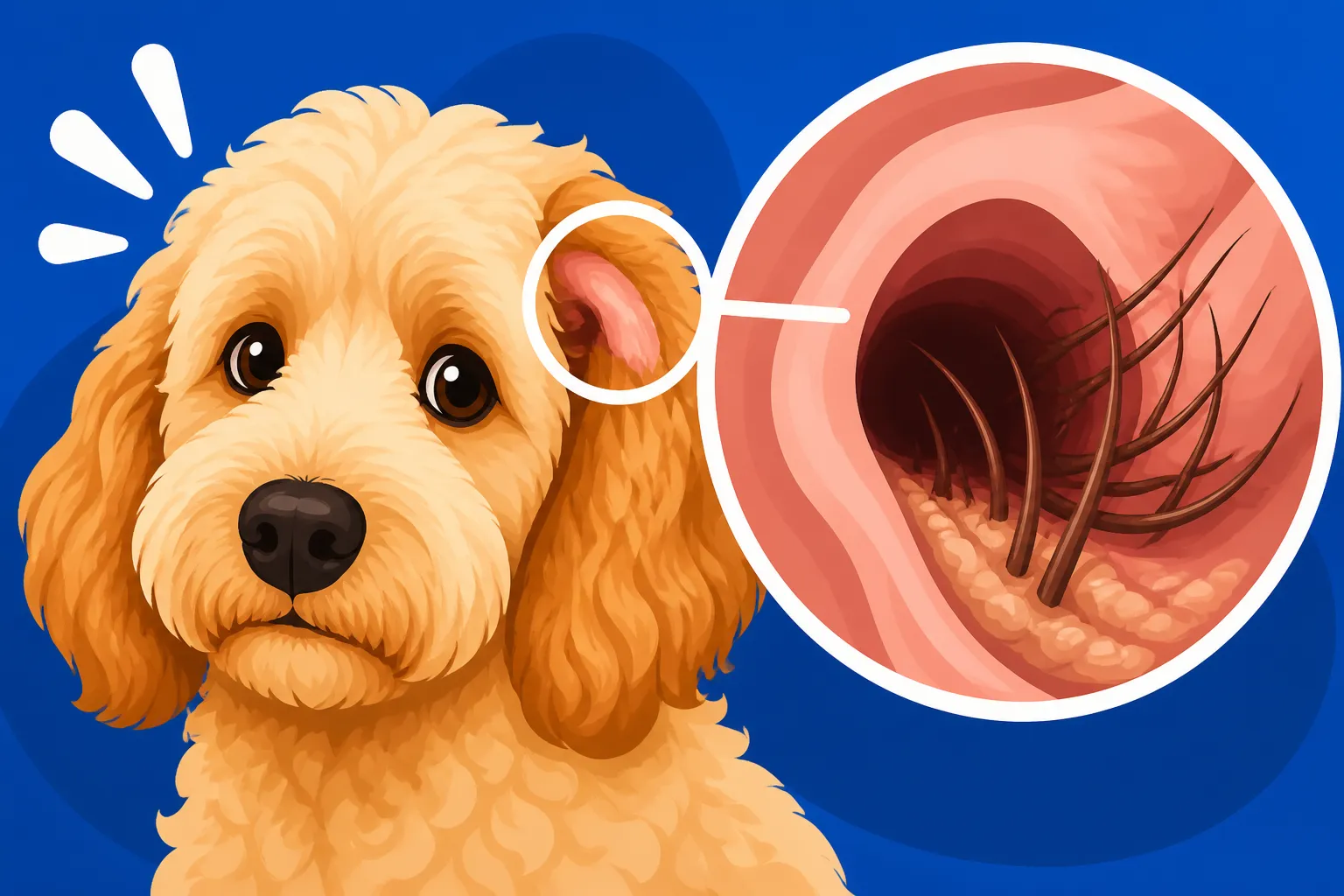
Your Goldendoodle inherits its characteristic hairiness, known as "furnishings," from its Poodle parent. While Golden Retrievers have relatively smooth ear canals, the Poodle contributes genes that cause hair to grow much more densely, and often deeply, within the ear. This isn't just fine fuzz; it can be thick, wiry hair that essentially creates a matted plug deep inside the ear canal. Imagine trying to keep a long, thick beard clean and dry when it's always tucked into a damp, warm pocket – that's essentially what your Goldendoodle's ear is experiencing. This genetic trait is one of the key differences between them and many other breeds, and it's something every Goldendoodle owner needs to be aware of from day one. You might notice this even in a young puppy; some will have more hair than others, a direct reflection of their genetic blend.
The Perfect Storm for Infections
This thick growth of hair inside the ear canal creates a microclimate that is, unfortunately, ideal for bacterial and yeast overgrowth. Here's why it's such a problem:
- Moisture Retention: Water from baths, swimming, or even just humidity gets trapped easily by the hair. Instead of evaporating, it clings to the hair strands, creating a constantly damp environment. This is especially true after a romp at the beach or a splash in the backyard pool.
- Reduced Airflow: The dense hair acts like insulation, blocking air circulation. Without proper ventilation, the ear canal stays warm and moist, which is exactly what fungi (like yeast) and bacteria love. It's like a tiny, damp greenhouse inside their head.
- Debris Trapping: Dirt, wax, dead skin cells, and other foreign particles that would normally work their way out of a smooth ear canal get entangled in the hair. This trapped debris becomes a food source for microbes and further clogs the ear, making it difficult for the ear's natural self-cleaning mechanisms to function.
- Irritation and Inflammation: The constant presence of moisture and debris can irritate the delicate skin lining the ear canal. This chronic irritation can lead to inflammation, which in turn makes the ear even more susceptible to infection. It’s a vicious cycle that can leave both you and your Goldendoodle frustrated and uncomfortable. If you've ever dealt with Goldendoodle Ear Infections Under a Furnished Ear, you know just how quickly things can escalate.
Recognizing and Addressing Ear Hair Issues
It’s easy to miss the early signs of ear trouble when your Goldendoodle’s ears are so well-furnished. Their floppy ears also naturally cover the canal, obscuring any visible issues until they become quite advanced. Developing a keen eye and a regular checking routine is paramount to staying ahead of the game.
Signs Your Goldendoodle's Ear Hair is Causing Trouble
Paying close attention to your Goldendoodle’s behavior and doing regular ear checks can help you catch problems before they become severe. The symptoms of an ear infection often stem directly from the irritation and subsequent infection caused by excessive hair.
Here are some tell-tale signs:
- Excessive Scratching or Pawing: Your Goldendoodle might repeatedly scratch at their ear with a hind leg or paw at it with a front paw. This is often the first and most obvious sign of discomfort.
- Head Shaking: Constant, sometimes violent, head shaking is a clear indicator that something is bothering them deep inside the ear. This can range from subtle tremors to full-body shakes that can even lead to more serious issues like hematomas if not addressed.
- Odor: A strong, yeasty, or foul smell emanating from the ear is a definite red flag. Healthy ears have a very faint, almost neutral scent. A bad smell indicates bacterial or yeast overgrowth.
- Redness and Swelling: Gently lift your Goldendoodle’s ear flap and peek inside. If the ear canal appears red, inflamed, or swollen, an infection is likely brewing or already present.
- Discharge: Look for any abnormal discharge. This could be dark brown, waxy buildup (often yeast), yellowish pus (bacterial), or a combination. The amount might vary, but any noticeable discharge is a concern.
- Sensitivity or Pain: If your Goldendoodle yelps, pulls away, or becomes aggressive when you try to touch or examine their ear, it’s a sign that the area is painful.
- Tilting or Drooping Head: In more severe cases, your dog might hold their head tilted to one side or keep one ear noticeably drooped due to discomfort.
It’s crucial to remember that these signs can develop quickly, especially after your Goldendoodle has been swimming or if they have a particularly dense amount of hair in their ears. Catching these early can prevent a minor irritation from becoming a full-blown, painful infection that requires veterinary intervention. For more insights on this, you might find our article on Catching a Goldendoodle Ear Infection Under the Hair helpful.
To Pluck or Not to Pluck: The Great Debate
This is perhaps one of the most contentious topics among Goldendoodle owners and even within the grooming and veterinary community. For decades, the standard advice for Poodle and Poodle-mix ears was to pluck the hair from the ear canal. The logic was simple: remove the hair, improve airflow, reduce moisture, prevent infections. However, modern understanding has introduced a more nuanced perspective.
The Case for Plucking (and its Caveats):
- Improved Airflow and Less Trapped Debris: When done correctly and gently, plucking can indeed clear the ear canal, allowing for better air circulation and making it harder for debris and moisture to accumulate. For some Goldendoodles with extremely dense, matting hair deep in the canal, a small amount of targeted plucking by a professional might be recommended by a vet.
- Reduced Odor and Itching: By removing the hair that harbors moisture and microbes, plucking can temporarily alleviate the environment that contributes to bad smells and persistent itching.
The Argument Against Routine Plucking:
- Micro-Trauma and Inflammation: This is the big one. Every time a hair is plucked, it creates a tiny wound in the delicate lining of the ear canal. This micro-trauma can lead to inflammation. An inflamed ear is actually more susceptible to bacterial and yeast infections because the natural protective barriers are compromised.
- Pain and Stress: Plucking can be painful for your Goldendoodle, especially if the hair is pulled harshly or without proper technique. This can make them resistant to future ear care, turning a routine into a wrestling match.
- Folliculitis and Scar Tissue: Repeated plucking can damage hair follicles, potentially leading to folliculitis (inflammation of the hair follicles) or even scar tissue formation, which can further narrow the ear canal and create new problems.
- Increased Hair Growth: Some argue that plucking can actually stimulate more hair growth in the long run, making the problem worse over time.
Instead of routine plucking, many vets and experienced groomers now advocate for trimming or shaving the hair just inside the ear canal. This method removes the bulk of the hair without irritating the delicate skin, allowing for better airflow and easier cleaning, all while minimizing trauma.
When Might Plucking Be Considered?
If your Goldendoodle has exceptionally thick, matted hair deep in the canal that is significantly impeding airflow and contributing to chronic, severe infections, your veterinarian might recommend selective, gentle plucking performed under their supervision or by an experienced groomer. This is usually done as a targeted intervention rather than a routine maintenance practice. For a deeper dive into this specific topic, check out Whether Plucking Ear Hair Prevents Goldendoodle Infections.
Preventative Care and Ongoing Management
Given the unique challenges of a Goldendoodle’s ear hair, a proactive approach to ear care is non-negotiable. It's about establishing a consistent routine that prioritizes hygiene without causing unnecessary irritation. Think of it as a crucial part of their overall grooming, just like brushing their coat.
Establishing a Regular Ear Care Routine
Consistency is key when it comes to keeping your Goldendoodle's ears healthy. Waiting until you notice signs of an infection means you're already behind. A regular, gentle routine can prevent many common problems.
- Weekly Ear Checks: Make it a habit to lift your Goldendoodle's ear flaps and visually inspect the ear canals at least once a week. Look for redness, swelling, discharge, or any unusual odors. This brief check takes less than a minute and can save you a lot of trouble (and vet bills!) down the line.
- Gentle Cleaning: For most Goldendoodles, a weekly or bi-weekly cleaning is sufficient. Use an ear cleaner specifically designed for dogs, ideally one recommended by your vet. Look for solutions that are gentle, non-irritating, and help dry the ear canal without over-drying. Brands like Epi-Otic Advanced or Zymox Ear Cleanser are often well-regarded. Avoid using cotton swabs in the ear canal, as this can push debris further in and potentially damage the eardrum.
- How to Clean:
- Gather Supplies: Ear cleaner, cotton balls or soft gauze, and plenty of treats for positive reinforcement.
- Position Your Dog: Have your Goldendoodle sit or lie down comfortably. A calm environment is essential.
- Apply Cleaner: Gently lift the ear flap and squirt the recommended amount of cleaner directly into the ear canal. Don't be shy – you want to fill the canal.
- Massage the Base: Gently massage the base of the ear for 20-30 seconds. You should hear a squishy sound as the cleaner breaks up wax and debris.
- Let Them Shake: Stand back and let your Goldendoodle shake their head. This helps to dislodge loosened debris and cleaner.
- Wipe Clean: Use a cotton ball or gauze to gently wipe away any visible dirt, wax, or excess cleaner from the outer ear and the top part of the ear canal. Do not go deep into the canal with the cotton ball.
- How to Clean:
- Drying After Water Exposure: If your Goldendoodle loves to swim or gets wet during a bath, it is absolutely critical to dry their ears thoroughly afterward. Use a soft towel to dry the outer ear and, if comfortable for your dog, gently blot just inside the ear canal with a dry cotton ball. A few drops of a veterinary-approved ear drying solution can also be beneficial, especially for dogs prone to Yeast in a Goldendoodle Ear After Swimming.
Establishing this routine early on, ideally during puppyhood, will make ear care a much more pleasant experience for both of you. You can find more detailed instructions in our guide on Cleaning a Goldendoodle Ear Before It Gets Infected.
Professional Grooming and Veterinary Support
Even with diligent at-home care, professional help is often necessary for managing your Goldendoodle’s ear hair and addressing any recurring issues. Groomers and vets play different, but equally important, roles.
The Role of Your Professional Groomer
A skilled groomer who understands Goldendoodle coats is an invaluable asset. They can expertly manage the hair inside the ear canal, typically by using clippers or scissors to trim it very short, rather than plucking.
- Regular Trimming: During routine grooming appointments, your groomer can trim the hair at the entrance and just inside the ear canal. This prevents hair from matting and blocking airflow without irritating the delicate skin. Discuss your preference for trimming over plucking with your groomer.
- Early Detection: Professional groomers spend a lot of time up close with your dog and can often spot early signs of ear irritation or infection that you might miss. They might notice a faint odor or slight redness and alert you to consult your vet.
- Sanitary Grooming: They also trim the hair around the outer ear flap, preventing matting that can trap more moisture against the ear. Keeping the hair shorter on the outside also makes it easier for you to perform your weekly checks and cleanings. While the cost of a Goldendoodle groom can add up, usually falling between $80 to $150, the ear care they provide is a vital component of that service.
When to Consult Your Veterinarian
Your vet is your primary partner in your Goldendoodle’s health, especially when it comes to persistent ear issues.
- Any Signs of Infection: If you notice any of the warning signs (odor, discharge, redness, pain, excessive scratching, head shaking), schedule a vet appointment promptly. Don't wait, as ear infections can worsen quickly and become much harder to treat.
- Recurring Infections: If your Goldendoodle seems to get Goldendoodle Ear Infections That Return Every Month or every few weeks, it's time for a deeper investigation. Your vet may need to perform a cytology (microscopic examination of ear discharge) to identify the specific type of bacteria or yeast causing the problem. They might also check for underlying allergies, which are a common cause of chronic ear inflammation in Goldendoodles.
- Pain or Aggression: If your dog is in obvious pain or becomes aggressive when you try to touch their ears, let your vet handle the initial examination and cleaning. They can sedate your dog if necessary to provide proper care without causing further distress.
- Breed-Specific Concerns: Some Goldendoodles may have narrower ear canals or other anatomical predispositions that make them more prone to issues. Your vet can assess this and offer tailored advice, including discussions about specific ear medications or advanced diagnostics if needed. For these more complex or chronic issues, having a good pet insurance plan like one from Healthy Paws can make a huge difference in managing the costs of diagnostics and long-term treatment. Pet insurance for a Goldendoodle can be a smart investment given their predisposition to conditions like ear infections.
- Medication Management: Your vet will prescribe appropriate ear drops or oral medications for an active infection. It’s crucial to follow their instructions precisely and complete the full course of medication, even if the ear looks better, to prevent a relapse. Sometimes, chronic issues like allergies might require more extensive interventions, such as immunotherapy, which can also be covered by comprehensive plans from providers like Healthy Paws.
By combining consistent at-home care with the expertise of your groomer and veterinarian, you can effectively manage the challenges posed by hair growing inside your Goldendoodle’s ear canal and keep them comfortable and healthy. It takes dedication, but seeing your Goldendoodle happy and free from discomfort is absolutely worth it.
| Feature | Plucking Hair from Ear Canal (Traditional Method) | Trimming/Shaving Hair from Ear Canal (Modern Approach) |
|---|---|---|
| How it's done | Hairs are pulled out individually with forceps. | Hair is carefully cut short with small clippers or blunt-nosed scissors. |
| Impact on Skin | Creates micro-trauma, inflammation, tiny wounds. | Minimizes irritation, no direct trauma to skin. |
| Pain Level | Can be painful, especially if done incorrectly or on sensitive dogs. | Generally painless if done carefully by an experienced hand. |
| Infection Risk | Can increase risk due to inflammation and open follicles. | Reduces risk by improving airflow without skin irritation. |
| Long-term Effect | May lead to scar tissue, narrower canals, potentially stimulate more hair growth. | Maintains open canal, less likely to cause secondary issues. |
| Recommended by Vets | Rarely, only in specific severe cases with vet guidance. | Increasingly recommended as the preferred method for maintenance. |
| DIY Feasibility | Not recommended for owners due to pain and risk of injury. | Possible for experienced owners, but best left to professional groomers or vets. |
Disclaimer
Please remember that this article is intended for informational purposes only and is not a substitute for professional veterinary advice. Always consult with a qualified veterinarian regarding your Goldendoodle's specific health concerns and before making any decisions about their care or treatment.