Why the Goldendoodle Outgrew the Labradoodle
It's easy to look around today and feel like Goldendoodles are everywhere, becoming the unofficial mascot of happy, active families across the country. But for many years, another "doodle" reigned supreme, holding the title of the original and most recognized designer cross: the Labradoodle. For those who remember the early days of these charming hybrids, it can be a real head-scratcher to understand how the Goldendoodle managed to eclipse its predecessor in popularity. This guide dives into the various factors that contributed to the Goldendoodle's meteoric rise, offering insight into their distinctive appeal and how they ultimately captured more hearts.
The Early Days: Labradoodles Paving the Way
Before the Goldendoodle ever truly hit its stride, the Labradoodle had already carved out a significant niche. The idea was simple, yet brilliant: combine the Poodle's low-shedding coat and intelligence with the Labrador Retriever's biddability and friendly nature. The goal, initially, was to create a guide dog for a vision-impaired woman in Hawaii whose husband had dog allergies. This purposeful breeding in the late 1980s quickly gained attention, and soon, the Labradoodle was touted as the answer for allergy sufferers seeking a friendly, family-oriented dog.
The Original Vision of the Labradoodle
The Labradoodle's origins are quite well-documented. Wally Conron, an Australian breeder working for Guide Dogs Victoria, is often credited with the first intentional cross in 1989. He recognized the need for a non-shedding guide dog and sought to combine the best traits of both parent breeds. The initial success stories of these early crosses, known for their amiable nature and reduced shedding, fueled interest globally. People were genuinely excited about the possibility of having a dog that fit into their lives without triggering severe allergic reactions, something that had been a dream for many.
Why Labradoodles Gained Initial Traction
The concept of a "hypoallergenic" dog was revolutionary, and the Labrador Retriever, already America's most popular breed, lent instant credibility and familiarity to the cross. Labs are universally loved for their outgoing personalities, loyalty, and trainability, making the idea of a low-shedding version incredibly appealing. Breeders quickly saw the potential, and the Labradoodle became the poster child for the "designer dog" movement, often commanding significant prices. The initial surge was undeniable, and for a good while, if you mentioned a "doodle," everyone immediately pictured a Labradoodle. They truly set the stage for all the subsequent Poodle crosses that would follow.
Temperament: The Golden Retriever's Edge
While both the Golden Retriever and the Labrador Retriever are beloved family dogs, their subtle differences in temperament played a significant role in how their Poodle crosses were perceived and, ultimately, how widely they were adopted. The Goldendoodle inherited a specific blend of traits that many found utterly irresistible.
The Golden Retriever's Gentle Disposition
Golden Retrievers are renowned for their incredibly gentle, patient, and eager-to-please nature. They are often described as having a softer disposition, a desire to be involved in family life, and an almost intuitive understanding of human emotions. This inherent sweetness translates beautifully into the Goldendoodle, making them exceptional companions, especially in homes with young children or first-time dog owners. A Goldendoodle often possesses that quintessential "Velcro dog" quality, wanting to be right by your side, ready for a cuddle or a game of fetch. This gentle nature is often what What a Goldendoodle Takes From the Golden Retriever highlights, emphasizing their affectionate tendencies.
Lab vs. Golden: Subtle Differences in Family Dynamics
Labrador Retrievers are equally friendly and outgoing, but they often come with a more boisterous energy, particularly in their youth. They can be a bit more "in your face" with their affection and possess a higher drive for activity and mouthiness, which requires consistent training. While both breeds are fantastic with families, the Golden Retriever's tendency towards calm patience and a slightly less intense play style often felt like a better fit for a wider range of household dynamics. The Goldendoodle, therefore, often inherits a slightly more relaxed demeanor than its Labradoodle counterpart, making them feel more manageable for some families, particularly those looking for a calm, affectionate presence in the home.
| Temperament Trait | Goldendoodle (Golden x Poodle) | Labradoodle (Lab x Poodle) |
|---|---|---|
| Affection Level | Often highly affectionate, "Velcro dog," loves cuddles. | Very affectionate, but can be more demonstrative/boisterous. |
| Energy Level | Moderate to high, can be zoomy, but often settles quicker. | High, especially as puppies, requires consistent outlets. |
| Patience with Kids | Generally very patient, gentle, and tolerant. | Good with kids, but may be more prone to clumsy play when young. |
| Trainability | Eager to please, intelligent, responds well to positive methods. | Intelligent, highly food-motivated, can be a bit more stubborn. |
| Watchdog Tendencies | Generally friendly to strangers, may bark to alert. | Friendly to strangers, can be a bit more vocal in greetings. |
The Goldendoodle's "Look": The Allure of the Teddy Bear Coat
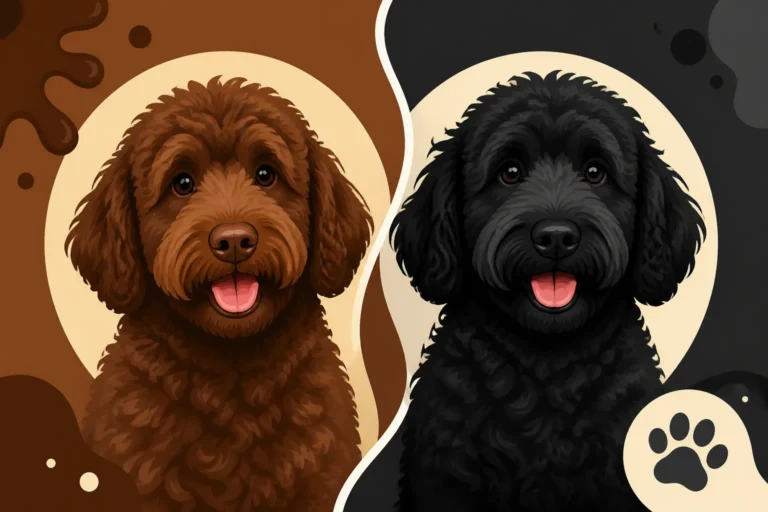
One of the most significant factors in the Goldendoodle's ascent, hands down, is its aesthetic appeal. The Goldendoodle often, though not always, strikes a perfect balance between the Golden Retriever's soft, appealing face and the Poodle's plush, curly coat, resulting in that undeniably cute "teddy bear" look.
The "Teddy Bear" Aesthetic
People simply adore the Goldendoodle's appearance. The combination of typically floppy ears, soulful eyes, and a perpetually youthful, plush coat often evokes images of a living teddy bear. This look is particularly pronounced in dogs with the wavy or curly "furnished" coats, which give them their signature beard and eyebrows. This irresistible visual appeal resonates deeply with potential owners, often making them fall in love at first sight. While Labradoodles can also be incredibly handsome, the Goldendoodle's common facial structure and softer expression often tipped the scales in its favor in the aesthetics department.
Shedding Expectations and "Hypoallergenic" Claims
Both Goldendoodles and Labradoodles were initially bred with the hope of creating a low-shedding or "hypoallergenic" dog, largely due to the Poodle parent. However, the reality is a bit more nuanced. No dog is truly 100% hypoallergenic, as allergens are present in dander, saliva, and urine, not just hair. Still, the Poodle's non-shedding coat can significantly reduce the amount of dander and hair released into the environment. Many Goldendoodle breeders focused heavily on breeding for the curly or wavy "furnished" coats that shed minimally.
While Labradoodles also come in a variety of coat types, the Goldendoodle seemed to hit a sweet spot more consistently in achieving that desired low-shedding, fluffy coat that people associated with fewer allergies. Of course, this isn't a guarantee, and some Goldendoodles still shed, especially the straighter-coated F1 generation. But the perception that Goldendoodles were more reliably low-shedding certainly played a role. It's a common misconception, and understanding Why No Goldendoodle Is Truly Hypoallergenic is crucial for any prospective owner dealing with allergies.
Coat Care: A Double-Edged Sword
This beautiful, plush coat, however, comes with a caveat: it requires significant grooming. Goldendoodles are notorious for matting if not brushed regularly and professionally groomed every 6-8 weeks. Many owners, drawn in by the initial cuteness, are surprised by the commitment needed for coat maintenance. This can be a frustration, leading some to wonder if they bit off more than they could chew. Thankfully, resources are abundant, whether it's finding a quality groomer or stocking up on brushes and detanglers from a retailer like Chewy. Proper care for Brushing a Goldendoodle Often Enough to Stop Matting is non-negotiable to keep that gorgeous coat healthy.
The Goldendoodle's Rise in the Social Media Age
The timing of the Goldendoodle's surge in popularity coincided perfectly with the explosion of social media, particularly visual platforms. This allowed the breed's adorable looks and charming personalities to be showcased to a global audience like never before.
Instagram-Worthy Appeal
Let's be honest: Goldendoodles are incredibly photogenic. Their expressive faces, often with long, flowing coats or perfectly coiffed "teddy bear" cuts, make them instant social media darlings. Photos and videos of Goldendoodles playing, cuddling, or just looking cute quickly go viral. This organic exposure created a powerful feedback loop: people saw them online, fell in love, and then sought them out. This kind of visual marketing, driven by everyday owners, was far more impactful than any traditional advertising campaign.
The Labradoodle, while also attractive, simply didn't capture the same consistent "aww" factor on platforms where aesthetics reign supreme. The sheer volume of captivating Goldendoodle content online cemented their image as the quintessential cute, friendly family dog. This viral appeal helped Goldendoodles How the Goldendoodle Became America's Favorite Cross in a way that previous breeds hadn't experienced.
Celebrity Endorsements and Mainstream Media
While not always explicit, the increased visibility of Goldendoodles in mainstream media, whether it's through celebrity ownership or appearances in commercials and movies, further solidified their status. When you see a charming, well-behaved Goldendoodle on screen or learn that a favorite personality owns one, it naturally boosts their desirability. This aspirational element, coupled with their already strong social media presence, created a powerful narrative around the breed, portraying them as the ideal companion for modern lifestyles.
The accessibility of information, from training tips to product reviews for food and toys (many available on Chewy), also contributed. New owners felt supported in their journey, making the prospect of owning a Goldendoodle less daunting.
The Future of the Doodle Phenomenon
It's clear that the Goldendoodle has carved out a permanent place in the hearts and homes of countless families. Their blend of affectionate temperament, appealing looks, and the perception of low shedding has made them an undeniable favorite. However, with this popularity comes a responsibility for prospective owners and breeders alike.
Responsible Breeding and Buyer Awareness
The sheer demand for Goldendoodles has, unfortunately, led to an increase in irresponsible breeding practices, often by individuals more interested in profit than the health and welfare of the dogs. This means that buyers must be vigilant. Doing thorough research into a breeder's practices, asking about health testing for parent dogs, and understanding Goldendoodle generations are more critical than ever. Resources like The DNA Panel a Goldendoodle Breeder Should Run can guide buyers in what to look for.
A responsible breeder will openly share health clearances for the parent dogs, discuss potential inherited conditions, and often have a waiting list, prioritizing the well-being of their puppies over quick sales. Choosing a breeder who actively promotes good health and temperament helps ensure that the Goldendoodle continues to be the wonderful companion it's known to be.
Addressing the Realities of Doodle Ownership
While Goldendoodles are incredible dogs, it's vital for prospective owners to go beyond the "cute factor" and understand the real commitments involved. This includes:
- Grooming Demands: As mentioned, their coats require consistent care to prevent matting. This isn't just about aesthetics; severe matting can be painful and lead to skin issues. Regular brushing and professional grooming appointments are essential.
- Exercise Needs: Despite their cuddly appearance, Goldendoodles are active dogs who need daily exercise and mental stimulation. They're not content to be couch potatoes all day. Walks, playtime, and puzzle toys are crucial for their well-being. Goldendoodle Exercise and Mental Work Every Day provides excellent guidance.
- Training and Socialization: Like all intelligent dogs, Goldendoodles thrive on consistent training and early socialization. Without it, their friendly nature can sometimes manifest as boisterous jumping or exuberant greetings that can overwhelm visitors. Goldendoodle Jumping and the Impulse Control Problem is a common challenge that can be overcome with consistent effort.
Understanding these realities helps ensure that a Goldendoodle finds a forever home where its needs are met, and its unique charm can truly shine. The enduring appeal of the Goldendoodle lies in its ability to be a loving, intelligent, and charismatic family member, but like any dog, they require dedication and understanding from their human companions.
Disclaimer
This article is for general informational purposes only and does not constitute professional advice. Laws, prices and regulations vary by location and change over time. Consult a qualified professional for guidance on your specific situation.