Booking a Goldendoodle Groom Every Six to Eight Weeks
One of the biggest surprises, and sometimes frustrations, for new Goldendoodle owners is just how much grooming these lovable fluffy dogs require. You might dream of that perfectly coiffed "teddy bear" look, but the reality is, getting there—and keeping it—means a consistent schedule, and often, that means booking a professional groom every six to eight weeks. If you've been struggling to keep mats at bay or wondering why your Goldendoodle always seems to need another trip to the groomer, this guide is for you. We’re going to dive deep into why this frequency is so crucial and how to make it work for you and your beloved companion.
The Unavoidable Truth: Why Goldendoodle Coats Demand Frequent Grooming
Let’s be honest, those beautiful Goldendoodle coats are a big part of their appeal. Whether it’s wavy, curly, or even a bit straighter, it’s that plush, flowing hair that draws us in. But what many new owners don’t realize is that this very coat, designed to be low-shedding (though rarely truly non-shedding), is a magnet for tangles and mats. Unlike a single-coated breed that might shed out its undercoat, the Goldendoodle’s hair tends to just keep growing, mingling with shed hairs that get trapped within the existing coat. This creates a perfect storm for matting, making regular, diligent grooming not just a cosmetic choice, but an absolute necessity for their comfort and well-being.
Understanding Your Goldendoodle's Coat Type
Not all Goldendoodle coats are created equal, and understanding which type your dog has is the first step in managing its grooming needs. We often talk about three main types: straight/wavy, fleece, and wool. A straight or wavy coat might seem easier, but it can still mat, especially in high-friction areas. The fleece coat, which is soft and wavy, is probably the most common and prone to a moderate level of matting. Then there’s the wool coat, which is dense and curly, very much like a Poodle's. This type often feels coarse to the touch and, while it sheds minimally, it requires the most vigilant grooming to prevent it from turning into one giant felted rug. The differences in these coats really drive home why a "one size fits all" approach to grooming simply doesn't work. For a deeper dive into this, check out The Three Goldendoodle Coat Types and How to Tell Them.
What you see in a puppy isn't always what you get in an adult. Many Goldendoodle puppies start with a soft, fluffy coat that seems relatively easy to manage. However, this is often just the beginning. As they mature, typically around eight to twelve months, their adult coat starts to come in, and this is when the real grooming challenges often begin. This transition period, known as the "coat change," can see even a well-maintained puppy suddenly develop stubborn mats overnight. The differing textures of the puppy coat and the incoming adult coat intertwine, making detangling a nightmare. This is why consistent, early grooming habits are so crucial; they prepare both you and your dog for this inevitable phase.
The Silent Threat of Matting
Mats aren't just unsightly; they're genuinely painful and dangerous for your Goldendoodle. Imagine having a knot in your hair that pulls at your scalp every time you move – now imagine that all over your body, tightening with every step, every stretch, every playful bounce. Mats trap moisture against the skin, creating a breeding ground for bacteria and yeast, leading to skin infections like hot spots. They can restrict blood flow, hide parasites, and even impede your dog's ability to regulate its body temperature. Severe matting around the ears can lead to chronic ear infections, while mats around the paws can make walking uncomfortable and even cause deformities. It's a cruel irony that the very thing that makes Goldendoodles so adorable can also be a source of immense suffering if not properly managed.
Often, owners don't realize how extensive the matting is until it's too late. What feels like a few small tangles on the surface can actually be a solid sheet of felt close to the skin. These hidden mats are the silent threat, causing discomfort that your dog may not outwardly show until the problem is severe. A Goldendoodle's thick, fluffy coat can hide a multitude of sins, and by the time you notice the irritation or see your dog chewing at a matted area, the problem has likely been developing for weeks. This is why prevention through regular brushing and professional grooming is paramount.
Beyond Aesthetics: Health Risks of Neglected Coats
The health risks associated with neglected Goldendoodle coats go far beyond just skin infections. Extreme matting can interfere with vital veterinary care. Imagine your vet needing to examine a lump, check for fleas, or even administer an injection, but they can't access the skin because of a solid layer of felted hair. It makes medical assessments difficult and can delay diagnosis and treatment for serious conditions. In some cases, severely matted dogs might need to be sedated just for the grooming process, adding extra stress and cost.
Furthermore, neglected coats can lead to a host of behavioral problems. A dog in constant pain from mats might become withdrawn, irritable, or even aggressive when touched, especially around sensitive areas. This isn't because they're "bad" dogs, but because they're trying to protect themselves from discomfort. Regular grooming helps maintain not only physical health but also contributes significantly to your Goldendoodle's overall happiness and temperament, making them more comfortable and confident in their own skin.
The Goldendoodle Coat Change: A Critical Period for Grooming
Any experienced Goldendoodle owner will tell you about "the coat change." It’s a rite of passage, often happening between 8 and 12 months of age, where your sweet, fluffy puppy’s soft coat starts to give way to its denser, more adult fur. This period can be an absolute nightmare for matting, often catching new owners completely off guard. Suddenly, the brushing routine that worked so well for months seems inadequate, and tangles appear almost instantaneously. It's a critical time when your commitment to consistent grooming will be truly tested. Many Goldendoodles end up needing to be completely shaved down during this phase because the mats become too severe to brush out.
When the Puppy Fluff Turns to Felt
You bring home your Goldendoodle puppy, and their coat is like a cloud – soft, manageable, maybe a little wavy. You brush them gently a few times a week, and everything seems fine. Then, around that 8 to 12-month mark, something shifts. The softer puppy hairs begin to shed, but instead of falling out, they get caught in the emerging coarser adult coat. This interweaving creates extremely dense, tight mats that can be incredibly difficult, if not impossible, to brush out without causing pain to your dog. It's like trying to comb through two different types of yarn that have been aggressively tangled together. This is when many owners realize that the leisurely brushing sessions of puppyhood are a thing of the past. The texture literally changes, becoming more prone to felting.
This transition is often exacerbated by areas of high friction. Think behind the ears where the collar rubs, under the armpits from walking, or where they lie down frequently. These areas are usually the first to mat and can quickly spread if not addressed daily. Many owners are genuinely shocked by how quickly their dog's coat can go from somewhat tangled to severely matted in a matter of days during this period. It requires a significant increase in your grooming efforts at home, coupled with regular professional intervention.
Daily Brushing Becomes Non-Negotiable
During the coat change, your previous brushing schedule likely won't cut it. Daily line brushing, down to the skin, becomes non-negotiable if you want to prevent severe matting. This isn't just a quick run-through with a slicker brush; it requires method and patience. You need to section off the hair and brush layer by layer, ensuring you reach all the way down to the skin. Follow up with a metal comb to check your work; if the comb snags anywhere, you've missed a tangle. Brands like Chris Christensen or Artero make excellent slicker brushes and combs, though you can find solid options on Amazon or Chewy.
This heightened need for daily brushing can feel overwhelming, especially for busy households. It takes time, patience, and consistency. But remember, every minute you spend brushing now saves your Goldendoodle from discomfort and potentially expensive, painful dematting sessions or a full shave-down at the groomer later. Think of it as an investment in their comfort and health. It’s also an excellent time to reinforce positive associations with grooming, making it a pleasant experience rather than a struggle.
Why Your Groomer is Your Best Friend During This Time
Even with diligent home care, the coat change can be tricky. This is precisely why your professional groomer becomes an invaluable partner during this period. They have the specialized tools, expertise, and trained eye to spot and tackle developing mats that you might miss. They can recommend the optimal coat length to manage the transition and guide you on effective home grooming techniques. Many groomers even offer "puppy grooms" or "desensitization sessions" specifically designed to get young Goldendoodles used to the grooming process, which is immensely helpful before the coat change hits.
Booking grooms every six to eight weeks, or even more frequently during the peak of the coat change, gives your groomer the best chance to keep ahead of the matting. They can systematically work through the coat, address minor tangles, and prevent them from escalating. If you try to stretch out appointments, you run the very real risk of your Goldendoodle arriving at the salon so matted that the only humane option is a complete shave-down. It’s a tough decision for both owner and groomer, but sometimes it’s truly the kindest thing for the dog. For advice on how to prepare your puppy for this, look into Training a Goldendoodle Puppy for the Grooming Table.
The Six to Eight-Week Cycle: Finding the Sweet Spot for Your Goldendoodle
The recommendation for a Goldendoodle to be professionally groomed every six to eight weeks isn't an arbitrary one; it's born from years of experience dealing with their unique coat challenges. This timeframe strikes a delicate balance between maintaining a healthy, mat-free coat and not over-grooming or overspending. For some, especially those with woollier coats or during the coat change, it might even need to be closer to five or six weeks. Others with flatter, straighter coats might occasionally stretch it to eight, but rarely beyond. This consistent cycle is the key to preventing problems rather than reacting to them.
Why Not Longer? The Matting Timeline
Trying to stretch professional grooms beyond eight weeks for a Goldendoodle is almost always a recipe for disaster. Here’s why: even with the most diligent home brushing, the natural growth and intertwining of their hair, combined with daily friction and activity, will inevitably lead to matting. After about six to eight weeks, the hair will have grown long enough to create significant tangles close to the skin. These deep-seated mats are incredibly difficult for owners to remove at home without causing pain, and they get worse with every passing day.
When you wait too long, what often happens is that the groomer has to spend extra time dematting, which can incur additional charges—sometimes substantial ones, as discussed in Dematting Surcharges on a Goldendoodle. Worse, if the mats are too tight or widespread, a shave-down becomes the only humane option. This can be upsetting for owners who wanted a specific look, but it’s crucial for the dog’s health. Prolonging the time between grooms means you’re fighting an uphill battle against nature, and the dog is the one who ultimately suffers. This matting timeline is a hard reality for Goldendoodle ownership.
Why Not Shorter? Balancing Needs and Budget
While some coats might benefit from a five-week cycle, generally, going much shorter than six weeks for a professional groom isn't strictly necessary for most Goldendoodles, assuming consistent home care. Over-grooming can strip natural oils from the coat, potentially leading to dry skin or irritation, though this is less common with Goldendoodles who produce a good amount of oil. The primary reason owners don't typically opt for a shorter cycle is cost. Goldendoodle grooming is already a significant expense, often being the largest line item in their annual budget. Goldendoodle Grooming as the Biggest Line in the Budget highlights this reality.
If your Goldendoodle’s coat is truly pristine after five weeks, you might be able to push to six or seven. However, if you consistently find that your dog is getting matted by the time the five-week mark rolls around, then a shorter, more frequent schedule might be exactly what your particular dog needs. It’s a balance, and it’s important to communicate with your groomer about what they observe in your dog’s coat condition at each appointment. They can provide invaluable feedback on whether your current schedule is working optimally.
Signs Your Goldendoodle Needs a Groom Sooner
Sometimes, despite your best efforts, life happens, or your Goldendoodle’s coat decides to be extra challenging. There are clear signs that your dog might need a professional groom sooner than your scheduled six to eight weeks. The most obvious is visible matting. If you find large, tight clumps of hair that you cannot easily brush out with a comb, it’s time to call the groomer. Don't try to tug through severe mats at home, as this can cause immense pain and skin irritation.
Other indicators include your dog scratching or chewing excessively at certain areas, which could signal skin irritation developing under a mat. A change in their usual comfort or mobility, such as reluctance to be touched or a stiff gait, can also be a red flag. If their hair feels greasy or starts to develop an odor even after a home bath, it might be time for a professional deep clean and thorough drying. Remember, it's always better to address these issues proactively rather than waiting until they become painful problems for your furry friend.
Communicating with Your Groomer: Getting the Cut You Want (and Need!)
Finding a good groomer who understands Goldendoodle coats is like striking gold. Once you have one, effective communication is paramount to ensure your dog stays happy, healthy, and looking its best. Don't just drop off your dog and say "do whatever." Take the time to discuss your expectations, any concerns you have, and listen to their professional advice. A great groomer will partner with you to achieve the desired look while prioritizing your Goldendoodle's comfort and coat health.
Describing Your Desired Look (Blade Lengths, Teddy Bear Cut)
When you go to the groomer, it helps to be specific, but also realistic. Terms like "teddy bear cut" are popular for Goldendoodles, but what one person envisions as a "teddy bear" might be different from another's. It's best to discuss specific blade lengths with your groomer. They use numbered blades (like a #4, #7, or #10) which correspond to different hair lengths. A #4 blade leaves about half an inch of hair, while a #7 is shorter, around a quarter-inch. Bringing photos of Goldendoodles with coats you like can be incredibly helpful for visual reference, but be prepared for the groomer to explain if that look is achievable given your dog's coat type and current condition.
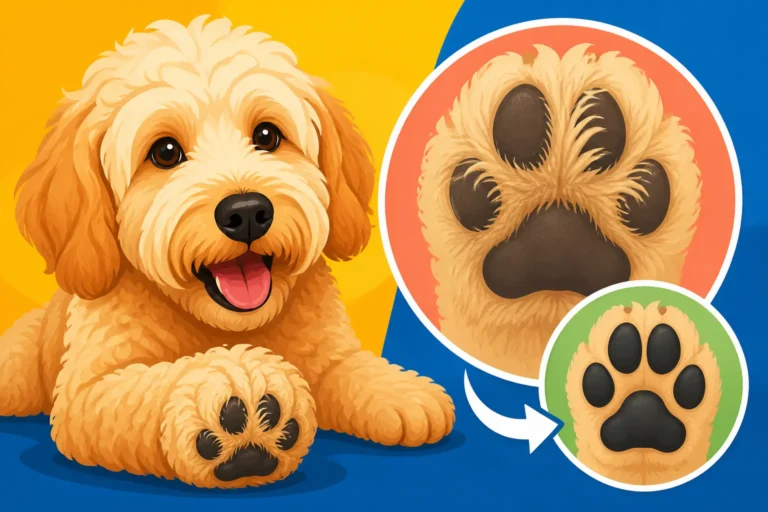
Also, be clear about specific areas. Do you want the face left longer and rounded, or shorter for easier maintenance? How about the tail, ears, and feet? A common request is for shorter hair around the sanitary areas and paw pads, which helps with hygiene and prevents slipping on hard floors. Don't be shy about asking questions and confirming details before the groomer starts. This ensures you're both on the same page. For more on what to ask, check out Telling a Groomer What You Want on a Goldendoodle.
The Importance of Honesty About Mats
This is a tough one for many owners, but it's crucial: be completely honest with your groomer about any matting you've found or suspect. They're going to find them anyway, and knowing beforehand helps them prepare and make the best decision for your dog's comfort. Don't try to hide mats by over-brushing a severely tangled area, as this can just make it tighter and more painful. Instead, say, "I've noticed some mats behind his ears that I couldn't get out," or "He was a bit neglected this past week, so there might be some tangles."
Honesty allows the groomer to either attempt to carefully demat (if it's not too severe) or recommend a shave-down as the most humane option. They can also explain the potential extra costs associated with dematting. Lying or downplaying the mats can lead to a more frustrating experience for the groomer and, more importantly, a painful one for your Goldendoodle, who might spend an unnecessarily long time on the grooming table. Remember, they've seen it all, and their priority is your dog's welfare.
Building a Relationship with Your Goldendoodle's Stylist
Think of your groomer as a long-term partner in your Goldendoodle's health and happiness. Building a strong, trusting relationship with them is incredibly valuable. This means not just clear communication, but also being respectful of their time and expertise. Show up on time for appointments, be understanding if they need to recommend a specific approach due to your dog's coat condition, and be clear about your expectations. A good relationship also means listening to their feedback on your home grooming efforts. They can offer insights into areas you might be missing or suggest better tools and techniques.
When you have a regular groomer who knows your dog, they become familiar with its temperament, preferences, and coat quirks. They can notice subtle changes in skin condition or detect potential health issues that might be hidden by fur. This continuity of care is incredibly beneficial. If you are ever unhappy with a groom, approach them respectfully to discuss it. A good groomer wants you and your dog to be happy and will often work with you to find a solution.
Between Professional Grooms: Your Essential Home Care Routine
Professional grooms are crucial, but they're only half the battle. What you do at home between those six to eight-week appointments is what truly keeps your Goldendoodle comfortable and mat-free. Think of it like going to the dentist: you get a professional cleaning, but daily brushing at home is what prevents cavities. For Goldendoodles, neglecting home grooming will inevitably lead to mats, making the professional groom harder, more expensive, and potentially painful for your dog. This consistent daily or every-other-day routine is your first line of defense.
The Daily Line Brushing Ritual
When we say "daily brushing," we don't mean a quick once-over. For a Goldendoodle, it means a thorough "line brushing" session that reaches all the way down to the skin. This technique involves parting the hair in small sections and brushing from the skin out, layer by layer, until the entire dog is covered. It's time-consuming, yes, but it’s the only way to effectively prevent mats from forming at the base of the hair shaft. Many mats start deep, close to the skin, and only become visible when they've tightened into an impenetrable clump.
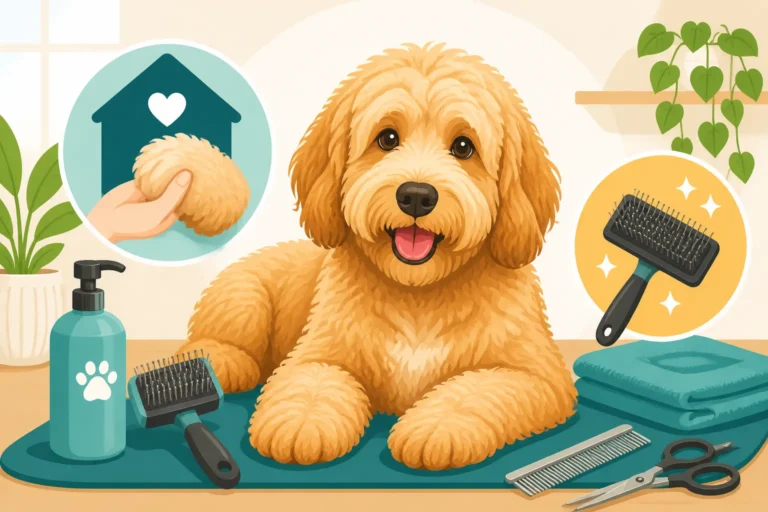
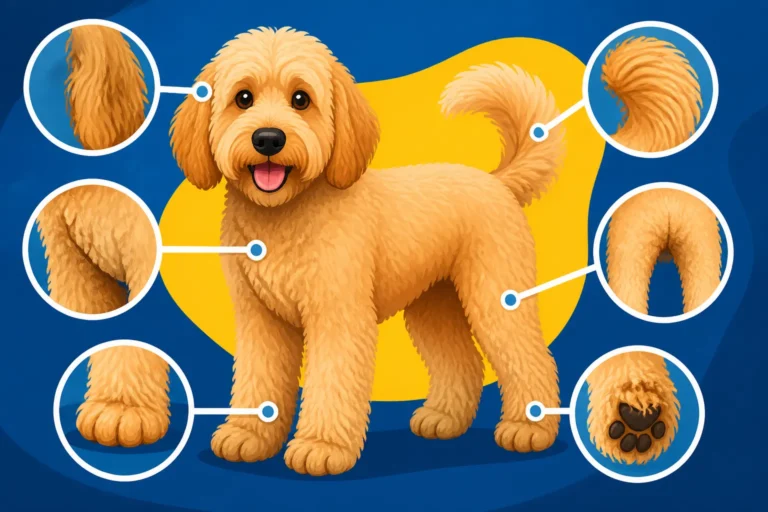
Focus particularly on "hot spots" for matting: behind the ears, under the armpits, around the collar, on the chest, and the tail. These areas experience the most friction and are usually the first to mat. A good session should include using both a slicker brush to remove loose hair and tangles, followed by a metal comb to ensure you've gotten through all layers of the coat. If your comb snags, keep brushing until it glides smoothly. If you struggle with this, your groomer can demonstrate the proper technique. For more details, see Line Brushing a Goldendoodle Down to the Skin.
Essential Tools for Goldendoodle Home Grooming
Having the right tools makes all the difference in your home grooming routine. You don't need a salon full of equipment, but a few key items are non-negotiable for a Goldendoodle owner.
| Tool Type | Description | Why You Need It for a Goldendoodle |
|---|---|---|
| Slicker Brush | A brush with fine, wire bristles slightly bent at an angle, designed to remove loose hair and tangles. | Essential for daily brushing to lift and separate the unique Goldendoodle coat, especially wavy or curly types, preventing surface tangles from turning into deep mats. |
| Metal Comb | A sturdy comb with both wide and narrow teeth, usually stainless steel. | Crucial for checking your work after brushing. If the comb can’t glide through the coat from root to tip, there are still tangles or mats that need to be addressed. |
| Pin Brush | A brush with widely spaced metal pins, often with rubber tips. | Good for longer, straighter coats or for gentle detangling on sensitive areas. Less effective for deep mat removal than a slicker but useful for general tidying. |
| Detangling Spray | A leave-in conditioning spray designed to lubricate hair, making it easier to brush out tangles. | Invaluable for working through minor tangles without causing pain, reducing static, and helping the brush glide through the coat more easily. Brands like Chris Christensen or The Stuff are popular. |
| Nail Clippers/Grinder | Guillotine or scissor-style clippers, or an electric nail grinder. | Regular nail trims prevent overgrowth, which can lead to pain, splayed feet, and joint issues. |
| Ear Cleaner | A veterinarian-approved solution for cleaning ear canals. | Goldendoodles are prone to ear infections due to their floppy, furnished ears. Weekly cleaning helps prevent buildup and maintain ear health. |
You can find high-quality brushes, combs, and detangling sprays from pet supply retailers like Chewy or Amazon. Investing in good quality tools is worth it; they'll last longer and be more effective than cheap alternatives, making grooming a more pleasant experience for both you and your dog. Don't forget, The Slicker Brush and Comb a Goldendoodle Needs is a vital read for specific recommendations.
Spot Cleaning and Quick Baths
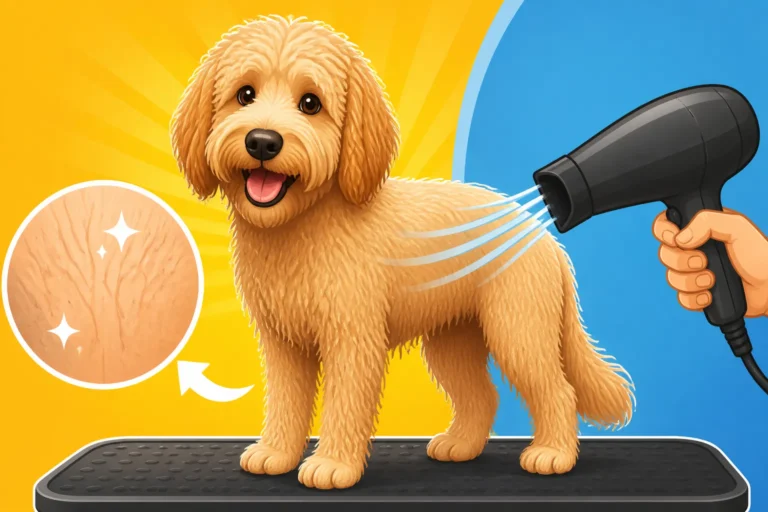
While full professional baths are done by your groomer, there will be times when your Goldendoodle needs a quick refresh at home. Maybe they rolled in something smelly, or their beard is constantly wet and attracting grime. Spot cleaning and quick baths are useful for these instances, but there's a caveat: always ensure you thoroughly dry your Goldendoodle's coat down to the skin after any wetting. A damp Goldendoodle coat is a matting magnet. If the hair is left to air dry, especially in the underlayers, it will felt and tighten into mats almost instantly.
Use a dog-specific shampoo and conditioner to avoid stripping natural oils. If you only need to clean their face or paws, use a damp cloth or a small amount of water with shampoo. For a full quick bath, use warm water and work the shampoo gently into the coat, being careful not to rub the hair in circles, which can encourage matting. Rinse thoroughly, and then towel dry as much as possible before using a pet-specific force dryer or a human hair dryer on a cool setting. Direct the airflow to the skin, lifting the hair as you go, and brush constantly until completely dry. This is critical to avoid matting, as highlighted in Drying a Goldendoodle Coat Properly.
Budgeting for Regular Grooms: Understanding the Investment
Let's not sugarcoat it: Goldendoodle grooming is not cheap. It's often one of the most significant recurring expenses for owners, sometimes eclipsing food costs. However, viewing it as a non-negotiable investment in your dog's health and well-being, rather than a luxury, can help shift perspective. Understanding the costs involved and planning for them is crucial for responsible Goldendoodle ownership. Skipping grooms to save money almost always leads to more expensive problems down the line.
Breaking Down the Cost of Professional Grooming
The price of a professional Goldendoodle groom can vary significantly based on your dog's size, coat condition, the groomer's location (city versus rural), and their experience. Generally, you can expect a standard groom for a Goldendoodle to fall into a certain range, as explored in The $80 to $150 Goldendoodle Groom. This fee typically includes a bath with professional-grade shampoos and conditioners, a thorough blow-dry, a full haircut (trimming the body, face, ears, and tail), nail trimming, and ear cleaning. Some groomers might include teeth brushing or gland expression, while others charge extra for these services.
Remember that these are base prices. Factors like severe matting, aggressive behavior, or requests for very intricate styling can add to the final bill. Many groomers also offer discounts for regular clients or have loyalty programs. It's always best to call around, get quotes, and ask what exactly is included in their "Goldendoodle groom" package. Don't be afraid to ask about their experience with the breed; a groomer familiar with Goldendoodle coats is invaluable.
The Hidden Costs of Neglected Coats
Trying to save money by extending the time between grooms often backfires, leading to what I call "the hidden costs of neglected coats." When a Goldendoodle arrives at the salon with significant matting, the groomer faces a difficult choice. If the mats are not too severe, they might attempt to demat them, but this is a time-consuming, labor-intensive, and often painful process for the dog. Groomers will almost certainly charge a dematting fee, which can range from an extra percentage of the groom to a per-minute charge, quickly adding up.
If the mats are too tight or extensive, the only humane option is a complete shave-down. While this might initially seem cheaper than dematting, it can lead to other issues. Shaving an extremely matted dog can reveal underlying skin infections, hot spots, or irritations that now require veterinary attention and medication, adding further unforeseen expenses. Beyond the financial impact, there's the emotional cost: the stress on your dog from pain, the potential for a negative association with grooming, and the lost opportunity to achieve your desired aesthetic look. Prevention truly is cheaper and kinder than the cure in this scenario.
Saving Money Without Sacrificing Care
While regular grooming is an investment, there are ways to manage costs without sacrificing your Goldendoodle's well-being. The most impactful way to save money is by committing to diligent home grooming. The better you maintain your dog's coat between professional appointments, the less work your groomer has to do, which can reduce the chances of dematting fees. Learning to line brush effectively and consistently is key here.
Another strategy is to learn some basic maintenance grooming yourself. You might not want to do a full haircut, but learning to trim around the eyes, clean the ears, and trim the nails between professional visits can help extend the time between grooms by a week or two, or at least keep those areas comfortable. Investing in your own quality slicker brush, comb, and detangling spray upfront is a smart move. Some owners even learn to do sanitary trims themselves. While it won't replace a full professional groom, these small efforts can make a big difference in the long run and make the professional visits smoother and more affordable.
Disclaimer
This article is for general informational purposes only and does not constitute professional advice. Laws, prices and regulations vary by location and change over time. Consult a qualified professional for guidance on your specific situation.