Goldendoodle Paw Pad Hair and Slipping
One of the most common, and frankly, frustrating issues Goldendoodle owners face is watching their beloved companion slip and slide across hardwood floors or tile. It’s not just an amusing quirk; it can be genuinely dangerous, leading to falls, injuries, and long-term joint problems. This guide is here to walk you through why your Goldendoodle might be losing their footing and, more importantly, how to tackle the often-overlooked culprit: overgrown hair on their paw pads.
The Problem: Why Paw Pad Hair Causes Slipping
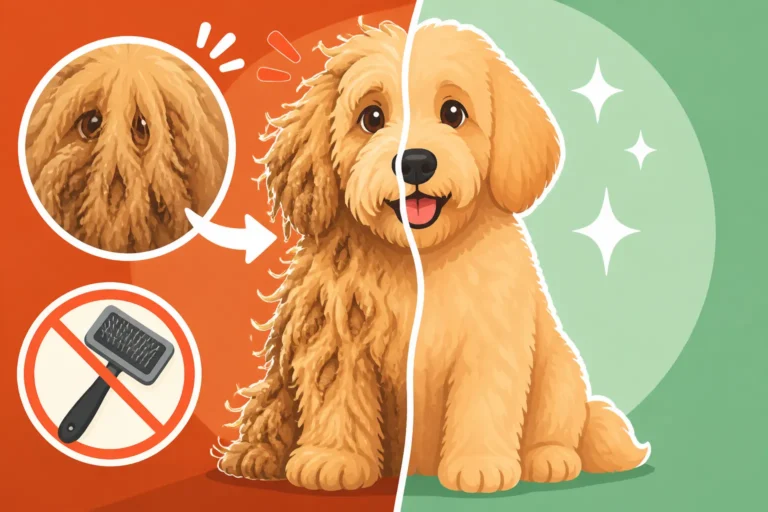
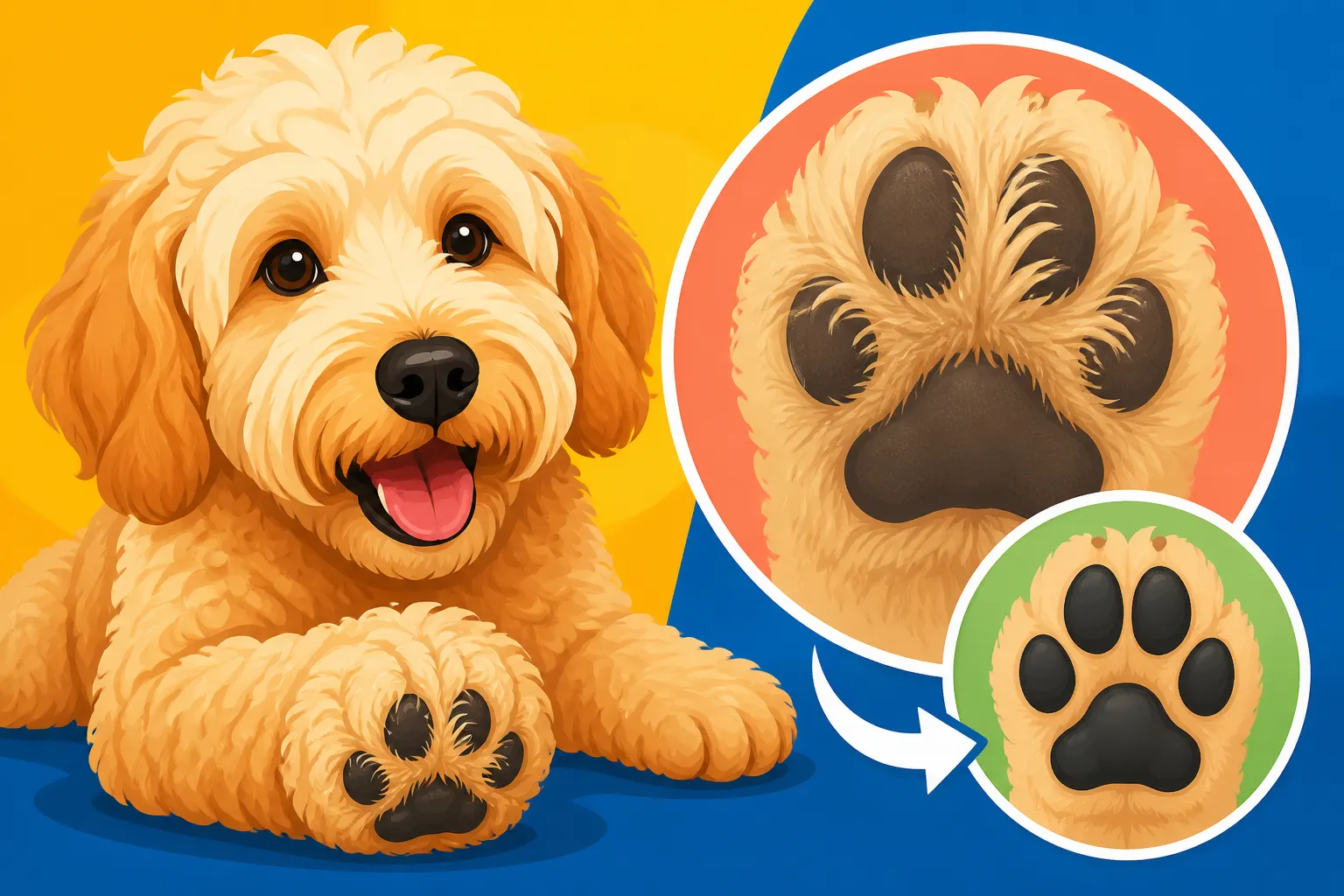
It might seem counterintuitive at first glance – a furry friend with more hair slipping – but when it comes to paw pads, excessive hair growth actually reduces traction. Think of those little tufts of fur as tiny skates beneath their paws, preventing the paw pads themselves from gripping the surface properly. It’s a silent, insidious issue that can quickly turn your dog’s confident stride into a hesitant, wobbly shuffle.
The 'Skate' Effect on Hard Floors
Imagine trying to walk across a polished floor wearing socks. Now imagine those socks have an extra layer of fluffy wool on the bottom. That's essentially what happens to your Goldendoodle when the hair between their paw pads grows too long. The hair creates a barrier, lifting the tough, textured paw pads off the ground. These pads are designed by nature to provide grip and absorb shock, but they can't do their job if they're not making proper contact. This 'skate' effect is particularly noticeable on smooth surfaces like hardwood, laminate, or tile, turning your home into an accidental ice rink for your furry friend. It's not just about comfort; it's about stability and preventing painful spills.
Dirt, Debris, and Added Traction Issues
Beyond just the hair itself, those little tufts act as magnets for all sorts of unwelcome hitchhikers. Dirt, dust bunnies, tiny pebbles from outside, even little bits of kibble can get trapped in the overgrown hair between the paw pads. This accumulated debris further reduces the already compromised traction, making the problem even worse. Wet weather compounds this; a damp paw pad with matted hair and embedded grime becomes incredibly slick. It’s a vicious cycle where the long hair picks up more debris, which then makes the slipping more severe. Regular cleaning and trimming are essential to break this cycle and ensure your dog's paws are as clean and grippy as possible.
Increased Risk of Falls and Injuries
A Goldendoodle constantly slipping isn't just a clumsy sight; it's a significant health concern. Each slip and fall puts undue stress on their joints, ligaments, and muscles. Over time, this repetitive trauma can contribute to or exacerbate conditions like hip dysplasia, elbow dysplasia, or patellar luxation, issues that Goldendoodles can be prone to. A sudden, severe fall could even lead to acute injuries like sprains, strains, or even fractures. Imagine an older Goldendoodle, already perhaps a bit stiff from arthritis, taking a nasty tumble – the consequences could be severe, impacting their mobility and quality of life. Owners often don't realize the extent of the risk until an injury occurs, which is why proactive paw care is so crucial. Maintaining good joint health throughout their life also involves managing their environment. For more information, check out Goldendoodle Joint Health by Size Category.
Understanding Goldendoodle Paw Pads
A Goldendoodle's paw is a marvel of engineering, built for both power and agility. The paw pads themselves are thick, fatty cushions designed to absorb impact, protect against rough terrain, and provide traction. However, the Goldendoodle’s unique coat, a blend of Golden Retriever and Poodle genetics, means their paws often come with extra challenges, particularly concerning hair growth.
Anatomy of the Goldendoodle Paw
Your Goldendoodle's paw is comprised of several key parts: the large metacarpal pad (the central cushion), four digital pads (one for each toe), and sometimes a carpal pad higher up on the front leg. These pads are covered in tough, pigmented skin, much like the sole of a human foot, providing grip and protection. Between these pads, however, lies soft skin from which hair grows. In many Goldendoodles, especially those with woollier or curlier coats, this hair grows quite profusely, forming dense tufts that obscure the pads. There are also nails, which, if allowed to grow too long, can also negatively impact a dog's gait and balance, pushing the paw pads up and away from the ground.
How Coat Type Influences Paw Hair Growth
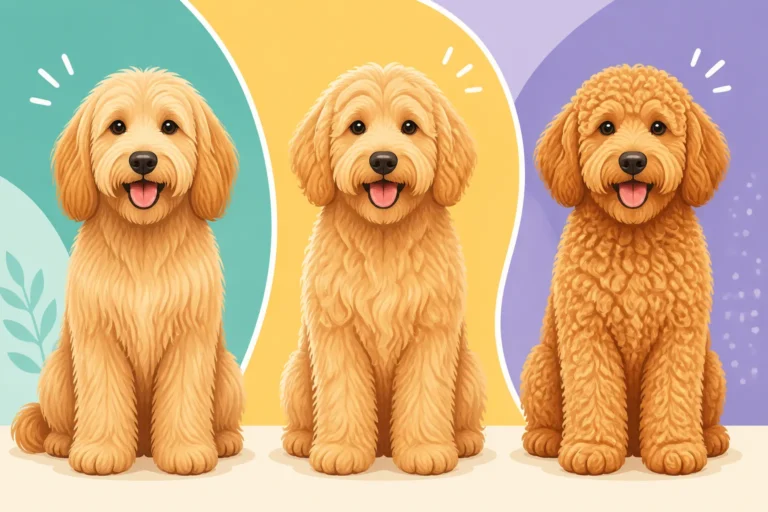
Not all Goldendoodle coats are created equal, and this absolutely extends to their paw hair! A Goldendoodle with a straighter, wavier coat, often seen in an F1 generation, might have less dense hair between their paw pads, more akin to a Golden Retriever's foot. However, those with a curlier, woollier coat, especially F1b or multigen Goldendoodles heavily bred back to Poodles, tend to have very thick, fast-growing hair between their pads. This hair is often soft and fine, making it prone to matting and creating that undesirable "skate" effect. It’s important to understand your dog’s specific coat type, as it will dictate how frequently their paw pads need attention. The curlier the coat, the more vigilant you’ll likely need to be with trimming. For details on how coat type influences grooming, look into The Three Goldendoodle Coat Types and How to Tell Them.
The Sensory Role of Paw Pads
It's easy to think of paw pads simply as tough, protective surfaces, but they are also highly sensitive and play a crucial role in your Goldendoodle's proprioception – their sense of where their body is in space. The pads contain numerous nerve endings that provide feedback about the texture, temperature, and angle of the ground. When these pads are covered by overgrown hair, this sensory input is diminished, making your dog less confident in their footing. They can't feel the ground as effectively, which can lead to hesitation, a wider stance to compensate for perceived instability, and increased anxiety on slippery surfaces. Maintaining clear, well-groomed paw pads not only improves traction but also supports their natural sensory perception, helping them navigate their world with confidence.
The Importance of Regular Paw Maintenance
Neglecting paw maintenance is a common oversight that can lead to a cascade of problems for your Goldendoodle. It's not just about preventing slips; it's about overall comfort, hygiene, and preventing painful issues that can impact their daily life. Regular attention to their paws is an investment in their long-term well-being.
Beyond Aesthetics: Health and Comfort
While a neatly trimmed paw looks nice, the benefits go far beyond appearances. Untrimmed paw pad hair can harbor moisture, especially after walks in wet grass or rain, creating a perfect breeding ground for yeast and bacterial infections. It also makes it harder for their paws to regulate temperature, potentially leading to overheating in warmer weather. Furthermore, the constant tugging and irritation from matted hair between the pads can be incredibly uncomfortable, leading to your dog licking or chewing at their paws excessively. This can then create raw spots and secondary infections, adding to their misery. Taking care of their paw hair is a fundamental part of keeping your Goldendoodle healthy and happy.
Avoiding Matting Between Pads
Matting is perhaps one of the most painful and underestimated issues stemming from neglected paw hair. The fine, soft hair between a Goldendoodle’s pads can quickly knot and clump together, especially when exposed to moisture, dirt, or pressure. These mats pull at the skin, causing pain with every step. They can become so tight that they restrict blood flow or even cause skin tears if left unchecked. Removing severe paw pad mats often requires a trip to the vet or a professional groomer, and can be a painful, stressful experience for your dog. Prevention is truly key here. Incorporating regular paw checks and trims into your routine can save your Goldendoodle a lot of discomfort and avoid costly professional dematting. You can learn more about how mats develop in Armpit and Collar Mats on a Goldendoodle.
Preventing Infections and Irritations
As mentioned, excessive paw pad hair and mats create an ideal environment for infections. Moisture gets trapped, warmth increases, and air circulation decreases. This perfect storm often leads to yeast infections (characterized by a yeasty smell and reddish-brown staining on the fur) or bacterial skin infections. These can be incredibly itchy and painful, causing your Goldendoodle to constantly lick, chew, and worry at their paws, often making the problem worse. Beyond infections, debris like small thorns, burrs, or even irritating bits of salt from winter roads can get embedded in the long hair, causing localized irritation or puncture wounds. Keeping the paw pads clear of hair allows for better observation of any cuts, scrapes, or swelling, enabling you to address minor issues before they escalate into major problems. For an overview of how general grooming frequency impacts their coat, see Goldendoodle Grooming Every Six Weeks Adds Up.
Tools and Techniques for Trimming Paw Pad Hair
Trimming your Goldendoodle's paw pad hair doesn't have to be a daunting task. With the right tools and a calm, consistent approach, you can keep their paws neat, clean, and grippy, all from the comfort of your own home. It’s a skill worth mastering for any Goldendoodle owner.
Essential Grooming Tools
Before you start, gather everything you need. Having the right tools makes the job safer and more efficient.
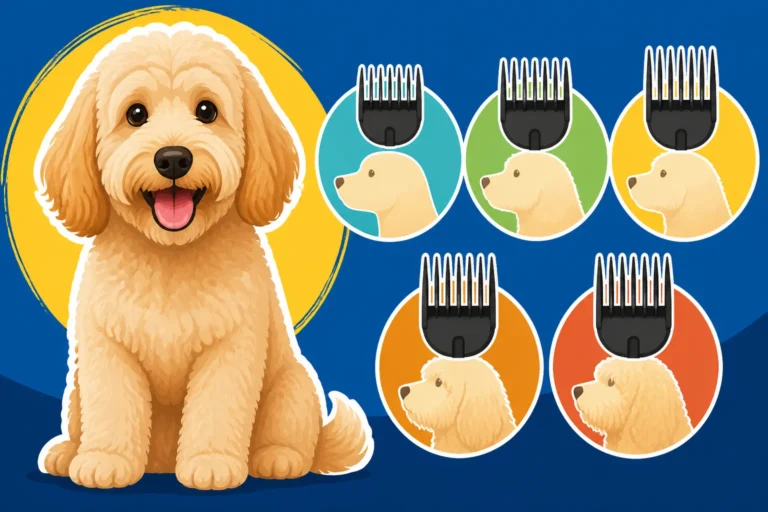
- Small, blunt-nosed scissors or dedicated paw trimmers: These are crucial. Look for scissors with rounded tips to minimize the risk of accidentally poking your dog's sensitive paw pads. Small, cordless clippers designed for intricate work are another excellent option, often less intimidating for dogs due to reduced noise and vibration.
- A fine-toothed comb: This helps you separate the hair and push the longer strands up for easier trimming. It also helps you check for any mats before you begin.
- High-quality treats: Make this a positive experience!
- Styptic powder: This is a must-have for any home groomer. Accidents happen, and if you nick a paw pad or quick a nail, styptic powder will quickly stop the bleeding. You can often find this at pet supply stores or on
Amazon.
When choosing clippers, look for something quiet and designed for delicate areas. Many pet owners find a small, quiet clipper much easier to use than scissors, especially if their dog is wiggly. For general grooming tools, you can find a wide array of options on sites like Chewy or Amazon.
Step-by-Step Trimming Guide
Ready to give those paws a tidy-up? Here's a simple, safe method:
- Get Comfortable: Find a quiet, well-lit space where both you and your Goldendoodle can be comfortable. A non-slip mat or towel can help them feel more secure on a table or counter if they're small enough.
- Inspect the Paw: Gently spread your Goldendoodle's toes apart and examine the paw pads. Look for any mats, dirt, or debris. Use your comb to tease out any loose hair or minor tangles.
- Position the Paw: Hold your Goldendoodle's paw firmly but gently, with the pads facing up. This gives you a clear view of the hair you need to trim.
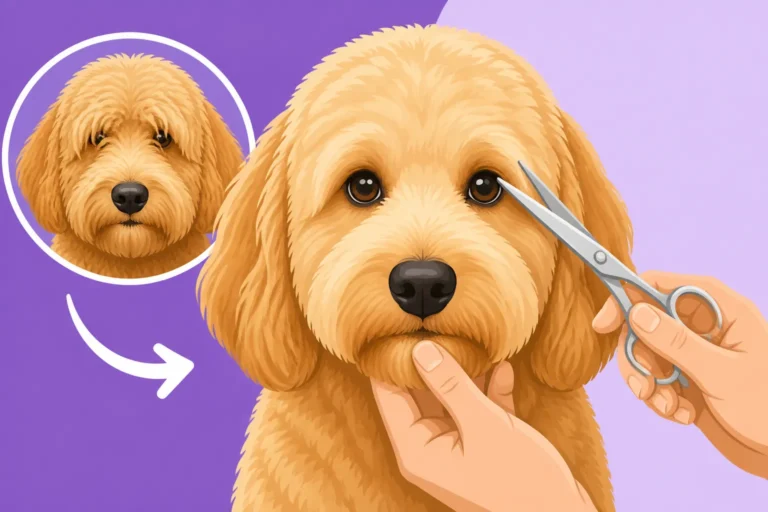
- Trim with Caution: If using scissors, point the blades away from the pads and skin. Start by trimming the hair flush with the paw pads. Work slowly and carefully, always keeping your fingers between the scissors and the skin if possible, or using your comb as a barrier. For clippers, gently pull the hair taut and carefully glide the clippers across the hair, moving against the direction of growth for a cleaner cut. Always follow the natural contours of the paw pads.
- Check Between Toes: Don't forget the hair that grows between the actual toes! This area is notorious for matting and can significantly reduce traction. Trim this hair back gently, ensuring it doesn't protrude beyond the toe pads.
- Reward and Repeat: Praise your Goldendoodle lavishly and offer treats throughout the process, especially if they remain calm. Repeat the process for all four paws. Remember, short, frequent sessions are better than long, stressful ones.
Consistency is key here. Make this a regular part of your grooming routine. You might also want to consult Trimming Hair Between Goldendoodle Paw Pads for more specific techniques.
Making it a Positive Experience
For many dogs, having their paws handled can be a sensitive issue. It’s vital to introduce paw maintenance in a way that builds trust and positive associations. Start early, ideally when they are a puppy. Begin with simply touching and massaging their paws for a few seconds, then immediately reward them with a high-value treat. Gradually increase the duration and intensity of the handling, eventually introducing the sight and sound of the clippers or scissors.
Never force your Goldendoodle or punish them for pulling away. If they resist, stop, try again later, or shorten the session next time. You want them to associate paw handling with good things, not fear or discomfort. Keeping it calm, consistent, and always ending on a positive note will make future grooming sessions much easier for both of you. This type of cooperative care training is fundamental. You can find more tips on training your Goldendoodle to accept handling in Handling a Goldendoodle's Paws Every Single Day.
Preventing Slipping Beyond Trimming
While keeping paw pad hair trimmed is foundational, it’s not the only strategy in your arsenal against slipping. Addressing the environment and providing additional support can further enhance your Goldendoodle's stability and confidence.
Non-Slip Solutions for Your Home
Your home environment plays a huge role in your Goldendoodle's ability to navigate safely. Hard, polished surfaces are the main culprits. Here are a few ways to make your home more paw-friendly:
- Area Rugs and Runners: This is probably the most effective and simplest solution. Strategically place rugs or runners in high-traffic areas where your Goldendoodle walks, plays, and relaxes. Look for rugs with non-slip backings, or use rug pads underneath to prevent them from sliding around themselves.
- Yoga Mats or Carpet Tiles: For specific problem areas, like near the water bowl or a favorite napping spot, consider using inexpensive yoga mats or peel-and-stick carpet tiles. They provide instant grip and can be easily cleaned or replaced.
- Consider Floor Treatments: While more involved, some non-slip floor treatments or coatings can be applied to hardwood or tile to increase traction. Always ensure any product you use is pet-safe and non-toxic.
By making a few thoughtful adjustments to your flooring, you can significantly reduce the risk of your Goldendoodle slipping and build their confidence when moving around the house. For further discussion on this, consider Why a Goldendoodle Slips on Hardwood Floors.
Paw Protection and Traction Aids
Sometimes, environmental changes aren't enough, or you need an immediate solution. That's where paw protection and traction aids come in handy:
- Paw Grips/Traction Socks: These are specifically designed socks or boot-like coverings with rubberized soles that provide extra grip on slippery indoor surfaces. They can be a great temporary solution or for older dogs needing consistent support. Make sure to get a comfortable, breathable pair that fits well.
- Paw Waxes or Balms: Products like Musher's Secret or similar paw waxes can provide a protective, slightly tacky layer on your dog's paw pads, improving grip. They also help moisturize the pads, preventing cracking. Apply a thin layer to clean, dry paw pads as needed. You can find many popular options at pet stores or
Chewy. - Nail Caps: While not directly for paw pad grip, keeping nails trimmed is paramount. Overgrown nails force the paw pads up, reducing contact with the ground. If your Goldendoodle struggles with nail trimming, soft nail caps (like Soft Claws) can be applied over their nails to provide a bit of grip and protect floors, though they are more commonly used to prevent scratching.
It’s always a good idea to introduce any new paw wear gradually, allowing your Goldendoodle to get accustomed to the feeling before expecting them to wear it for extended periods.
Building Paw Strength and Balance
Beyond external aids, you can actively help your Goldendoodle build strength and coordination, which inherently improves their balance and reduces slipping.
- Controlled Exercise: Regular, moderate exercise on varied, non-slip surfaces (like grass or dirt) helps strengthen the muscles and ligaments in their legs and paws. Avoid vigorous activities on slippery surfaces.
- Proprioception Exercises: Simple "cavaletti" poles (low hurdles) or walking over uneven surfaces can help your dog learn to place their feet more deliberately. Balance discs or wobble boards, available on
Amazonand other pet supply sites, can also be excellent tools for building core strength and paw awareness under supervision. - Short, Deliberate Walks: Focus on walks where your Goldendoodle has to engage their paws consciously. This could be a gentle stroll through a park with varied terrain, allowing them to feel different surfaces and adjust their gait.
- Weight Management: Keeping your Goldendoodle at a healthy weight reduces the overall load on their joints and paws. Extra weight can exacerbate slipping issues and increase the risk of injury. Regularly assessing your Goldendoodle's body condition, even under that fluffy coat, is crucial. If your Goldendoodle is carrying extra pounds, Goldendoodle Weight and the Load on Its Joints offers insights into managing their weight safely.
By combining environmental adjustments, direct paw aids, and targeted exercises, you create a comprehensive strategy to keep your Goldendoodle steady on their feet.
Dealing with Persistent Slipping and Underlying Issues
If, despite all your diligent paw trimming and home modifications, your Goldendoodle is still consistently slipping, it's time to dig a little deeper. Persistent slipping can sometimes be a red flag for underlying health conditions that need professional attention.
When to Consult Your Vet
You've trimmed the hair, added rugs, and tried paw grips, but the slipping continues or seems to be worsening. This is your cue to schedule an appointment with your veterinarian. They can perform a thorough physical examination to rule out any medical causes.
Here's what your vet might look for:
- Orthopedic Issues: Joint pain from conditions like arthritis, hip or elbow dysplasia, or even an old injury can cause a dog to shift their weight, leading to instability and slipping. Your vet might feel for tenderness, test range of motion, and observe your dog's gait. Senior Goldendoodle Mobility and Arthritis discusses signs to watch for in older dogs.
- Neurological Problems: In rare cases, slipping can be a sign of a neurological issue affecting coordination or muscle control. This could range from disc problems in the spine to more complex conditions.
- Pain: Even subtle pain anywhere in the legs, back, or neck can alter a dog's gait and cause them to lose footing.
- Foot-Specific Problems: They will also check for any ingrown nails, infections between the pads that you might have missed, or foreign objects embedded deep in the paw.
Don't hesitate to bring up all your observations to your vet. The more information they have, the better they can diagnose the problem.
Recognizing Other Health Conditions
Beyond general pain or orthopedic issues, several specific conditions can manifest as difficulty with traction or balance:
- Arthritis: Common in older Goldendoodles, arthritis causes stiffness and pain in the joints, making them less stable. They might compensate by dragging their feet or walking more tentatively, which can lead to slipping. Early signs can include a reluctance to jump or climb stairs.
- Degenerative Myelopathy (DM): While more common in certain breeds, DM is a progressive disease of the spinal cord that causes weakness and loss of coordination in the hind limbs, leading to stumbling and difficulty standing.
- Diabetes or Thyroid Issues: Metabolic conditions can sometimes lead to muscle weakness or nerve damage, impacting a dog's mobility and stability. If you notice other symptoms like increased thirst, changes in appetite, or coat quality, mention these to your vet.
- Poor Vision: If your Goldendoodle is bumping into things or hesitant on unfamiliar surfaces, poor vision (perhaps from cataracts or Progressive Retinal Atrophy and the Goldendoodle Eye Test) could be contributing to their lack of confidence and balance, leading to more slips.
It's crucial to differentiate between occasional clumsiness and consistent, worrying instability. A detailed history of when and where the slipping occurs, along with any other changes in behavior or health, will be invaluable to your vet.
Physical Therapy and Mobility Support
Once any underlying medical conditions have been diagnosed and addressed, your vet might recommend physical therapy or other mobility support strategies, especially for older Goldendoodles or those with chronic joint issues.
- Canine Physical Therapy: A certified canine rehabilitation therapist can assess your Goldendoodle's gait and develop a tailored exercise program. This might include hydrotherapy (underwater treadmill), therapeutic exercises to strengthen specific muscle groups, balance training, and modalities like laser therapy to reduce pain and inflammation. Physical Therapy After Goldendoodle Knee Surgery highlights how impactful this can be for recovery.
- Supplements: Joint supplements containing glucosamine, chondroitin, and MSM can help support cartilage health and reduce inflammation, making joints more comfortable and mobile. Omega-3 fatty acids are also beneficial for overall joint and skin health. Always discuss supplements with your vet first to ensure they are appropriate and correctly dosed for your Goldendoodle's size and condition.
- Mobility Aids: For Goldendoodles with significant mobility challenges, products like supportive harnesses (front or rear lift), ramps for getting into cars or onto furniture, or even doggy wheelchairs can dramatically improve their quality of life and prevent falls. These aids provide external support, reducing the effort and strain on their weakened limbs.
Remember, a holistic approach that includes regular paw maintenance, environmental adjustments, veterinary care, and ongoing support will give your Goldendoodle the best chance at a comfortable, slip-free life.
| Factor | Impact on Slipping | Solution | Frequency / Notes |
|---|---|---|---|
| Overgrown Paw Hair | Reduces paw pad contact, traps debris | Regular trimming with blunt-nosed scissors/clippers | Every 2-4 weeks, depending on coat growth |
| Hard Floors | No natural grip | Area rugs, runners, non-slip mats | Strategic placement in high-traffic areas |
| Long Nails | Lifts paw pads off ground | Regular nail trimming | Every 2-4 weeks, or as needed to prevent clicking |
| Weak Muscles/Balance | Lack of coordination, instability | Proprioception exercises, controlled walks | Daily short sessions, vary terrain |
| Arthritis/Joint Pain | Painful movement, altered gait | Vet check-up, pain management, supplements | Ongoing management, physical therapy if recommended |
| Environmental Debris | Adds to slickness | Regular cleaning of paws and floors | Daily paw checks, frequent floor cleaning |
Disclaimer
This article is for general informational purposes only and does not constitute professional advice. Laws, prices and regulations vary by location and change over time. Consult a qualified professional for guidance on your specific situation.