Grooming a Goldendoodle at Home Between Appointments
One of the biggest surprises new Goldendoodle parents face is just how much grooming their fluffy companion needs. That adorable, shaggy coat, which often draws us in, can quickly transform into a matted nightmare between professional salon visits. This guide is here to walk you through everything you need to know about keeping your Goldendoodle’s coat healthy and tangle-free right from the comfort of your own home, making those trips to the groomer a lot less stressful (and expensive!).
The Absolute Necessity of At-Home Goldendoodle Grooming
It’s easy to think of professional grooming as a treat or an occasional necessity, but for a Goldendoodle, it’s a non-negotiable part of their care. Even more critical, though, is the work you do between those salon appointments. Skipping out on home grooming isn't just about a messy dog; it can lead to pain, skin issues, and significant stress for everyone involved.
Why Mats Form So Quickly in a Goldendoodle Coat
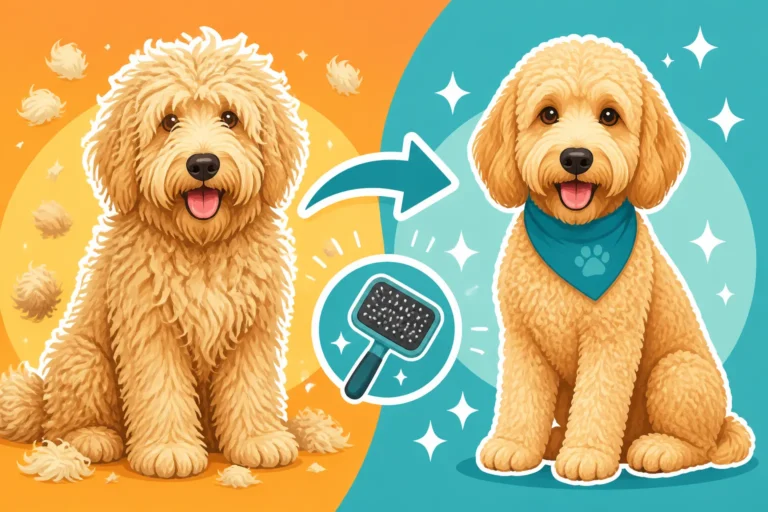
Goldendoodles typically inherit a mix of coat types from their Golden Retriever and Poodle parents – anything from a straight, wavy "fleece" to a tighter, curly "wool." What often unites these coats is their incredible density and a tendency to hold onto shed hair rather than letting it fall out. This combination is a perfect storm for matting. Think about how quickly a piece of yarn can tangle; now imagine that on a much larger scale, covering your dog's entire body.
Mats start small, often where there's friction: behind the ears, under the collar, in the armpits, and on the legs where they rub against each other. When your Goldendoodle plays, rolls on the carpet, or even just sleeps, these tiny tangles begin to tighten. Environmental factors like humidity, dust, and even static electricity can accelerate the process. A coat that looks slightly fluffy one day can be a solid, painful pelt just a few days later, especially if any moisture gets trapped. It’s not a reflection of you being a bad owner; it’s just the nature of these beautiful coats, and it requires vigilance.
The Cost and Stress of Matted Goldendoodles at the Salon
When your Goldendoodle arrives at the groomer with severe matting, it puts the professional in a tough spot. Their priority is the dog's well-being, and dematting a severely matted coat is incredibly painful, traumatic, and often impossible without causing skin irritation or injury. They simply cannot brush through solid mats without hurting your beloved pet.
What happens instead? The groomer's only humane option is often to "shave down" the dog, removing the matted coat entirely. This means your Goldendoodle comes home looking very different from the fluffy image you envisioned, and it can expose sensitive skin to the elements. Beyond the aesthetic disappointment, there's a significant financial impact. Groomers charge extra, sometimes substantially, for dematting services or for the specialized blades and time required for a full shave-down. These Dematting Surcharges on a Goldendoodle can add a hefty sum to an already expensive grooming bill, and trust me, nobody wants that surprise when they pick up their dog.
Building a Grooming Routine for Your Dog's Well-being
Establishing a consistent at-home grooming routine isn't just about preventing mats; it's a vital part of your Goldendoodle's overall health and well-being. Regular handling accustoms your dog to being touched, which makes vet visits, nail trims, and professional grooms far less stressful for them (and for the professionals involved!). It provides an excellent opportunity for you to do quick health checks – feeling for lumps, bumps, or any skin irritations that might otherwise go unnoticed under a thick coat.
More than that, daily or every-other-day grooming sessions can become a bonding ritual. It's a quiet time, a chance for gentle praise and connection. When introduced positively from puppyhood, grooming can be a calming experience, something your Goldendoodle actually looks forward to, associated with treats and affection. It’s about building trust and showing your dog that you are a safe pair of hands, even when doing something they might initially find a little odd.
Essential Tools for Your At-Home Goldendoodle Grooming Kit
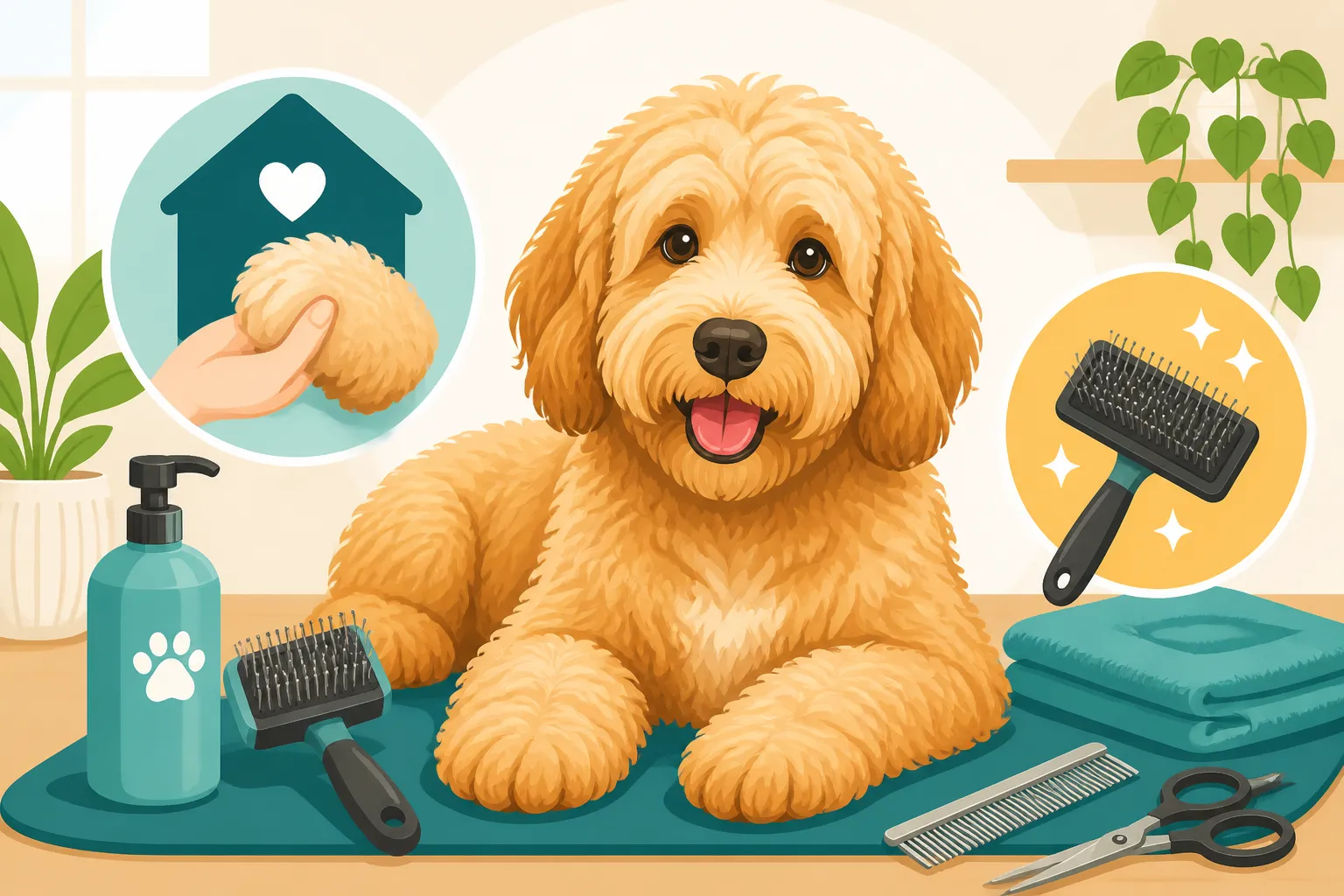
You don't need a whole salon's worth of equipment to keep your Goldendoodle looking good between professional grooms, but having the right tools makes all the difference. Investing in quality items from the start will save you frustration and your dog discomfort in the long run. Think of it as building your personal "Goldendoodle spa kit."
Brushes and Combs: Your First Line of Defense
These are, without a doubt, the most important items in your arsenal. You absolutely need two main types:
- Slicker Brush: This brush features fine, short wires packed closely together on a flat or curved head. It's designed to go through the coat and grab loose undercoat and small tangles. For Goldendoodles, look for a slicker brush with medium-firm pins, not too soft that they don't penetrate the coat, and not so stiff they scratch the skin. The size of the brush should be appropriate for your dog – a larger brush for a Standard Goldendoodle, a smaller one for a Mini. Use it with a light hand, always brushing away from the skin, never digging in. It’s your workhorse for daily brushing and getting those initial tangles out. You can find a good range of options on sites like Chewy or Amazon.
- Metal Comb: This is your secret weapon for ensuring you’ve reached the skin and haven't left any hidden mats. A good quality stainless steel comb will have both wide and narrow teeth. After using the slicker brush, you must follow up with the metal comb, especially in problem areas. If the comb can't glide smoothly through the coat from root to tip, there’s still a tangle or mat hiding, even if the top layer looks fine. This is where The Slicker Brush and Comb a Goldendoodle Needs really become clear – they work in tandem.
Hold your slicker brush and comb comfortably, almost like you're shaking hands, to ensure you have good control and can use your wrist to create gentle, effective strokes.
Shampoos, Conditioners, and Detangling Sprays
Just like human hair, a Goldendoodle's coat benefits immensely from proper cleansing and conditioning.
- Gentle, Moisturizing Shampoo: Choose a dog-specific shampoo that is sulfate-free and formulated for sensitive skin or long coats. Look for ingredients like oatmeal, aloe vera, or natural oils that help to moisturize the skin and coat. Avoid human shampoos, as their pH levels are different and can irritate your dog’s skin, leading to dryness or itchiness.
- Conditioner is CRUCIAL: This is not optional for a Goldendoodle! Conditioner helps to soften the hair, close the hair shaft, and significantly reduce tangling. It makes brushing easier and helps prevent future mats. Always follow shampoo with a good conditioner, leaving it in for a few minutes before rinsing thoroughly. Some owners even dilute conditioner and use it as a light leave-in treatment for extra softness.
- Detangling Spray: These are a lifesaver for working through minor tangles or for general maintenance brushing. A good detangling spray (often called a "conditioning spray" or "leave-in conditioner") provides slip to the hair, making it easier for your brush or comb to glide through. Spray a light mist over the area you're about to brush – never drench the coat, as too much product can make it sticky. You can find excellent options for shampoos, conditioners, and detangling sprays on pet specialty sites.
Nail Clippers, Ear Cleaners, and Other Essentials
Beyond the coat, there are other aspects of grooming that you can easily manage at home.
- Nail Clippers: There are two main types: guillotine style and scissor style. Experiment to see which you feel most comfortable with. Always have styptic powder (or cornstarch) on hand in case you accidentally cut too far back and nick the quick, which can bleed. Regular nail trims are essential for your dog’s comfort and joint health.
- Ear Cleaning Solution and Cotton Balls: Goldendoodles, with their floppy, furnished ears, are prone to ear infections. A gentle, veterinary-approved ear cleaning solution and soft cotton balls (never Q-tips, which can push debris deeper) are key for weekly cleaning. This is one area where Goldendoodles truly need proactive care, as ignoring it can lead to painful, recurring issues.
- Blunt-Nosed Scissors: These are invaluable for carefully trimming hair around the eyes to keep their vision clear and prevent irritation, or for tidying up paw pads. The blunt tips significantly reduce the risk of accidentally poking your dog.
- Dog Toothbrush and Toothpaste: Dental hygiene is often overlooked, but regular brushing at home can prevent serious dental disease. Use dog-specific toothpaste (human toothpaste is toxic to dogs) and a brush designed for canine mouths. This proactive care can save you money on expensive dental cleanings down the line.
Having these tools readily available means you're always prepared, whether it's for a quick tidy-up or a more thorough grooming session. Sites like Amazon offer a wide variety of these specialized tools, making it easy to build your ideal kit.
| Tool Category | Specific Tools Needed | Purpose | Frequency |
|---|---|---|---|
| Brushing & Dematting | Slicker Brush (medium-firm pins) | Removes loose hair, prevents tangles, fluffs coat. | Daily or Every Other Day |
| Metal Comb (fine & wide teeth) | Checks for hidden mats, ensures brush has reached skin, separates coat. | Daily or Every Other Day | |
| Detangling Spray | Provides slip for easier brushing, helps work out small tangles. | As needed, before brushing | |
| Bathing & Drying | Dog-Specific Shampoo | Cleanses coat without irritating skin (pH-balanced). | Every 3-4 weeks (or as needed) |
| Dog-Specific Conditioner | Softens coat, reduces tangles, moisturizes skin. | With every bath | |
| Absorbent Towels | Initial water removal after bath. | With every bath | |
| High-Velocity Dryer (optional) | Dries coat thoroughly and quickly down to the skin, prevents matting. | With every bath (highly recommended) | |
| Trimming & Hygiene | Nail Clippers (guillotine/scissor) | Trims nails to healthy length, prevents overgrowth. | Weekly or Bi-weekly |
| Styptic Powder | Stops bleeding if quick is accidentally cut. | As needed | |
| Ear Cleaning Solution | Cleans ear canal, helps prevent infections. | Weekly | |
| Cotton Balls | Applies ear cleaner, wipes ears. | Weekly | |
| Blunt-Nosed Scissors | Safely trims hair around eyes, paw pads, sanitary areas. | As needed | |
| Dog Toothbrush & Toothpaste | Cleans teeth, prevents plaque and tartar buildup. | Daily or Every Other Day |
Mastering the Art of Line Brushing
Line brushing is the single most important technique you can learn for your Goldendoodle. It’s what prevents those insidious mats that form close to the skin, which regular surface brushing often misses. It sounds fancy, but it’s quite straightforward once you get the hang of it, and it will save you (and your groomer) a lot of headaches.
Preparing Your Goldendoodle and the Workspace
Before you even pick up a brush, you need to set the stage for success. A calm environment is key. Choose a time when your Goldendoodle is relaxed, perhaps after a walk or a potty break, but before mealtime or high-energy play. A full, rambunctious dog is much harder to groom.
Secondly, create a comfortable and safe workspace. A non-slip surface is essential. For smaller Goldendoodles, a sturdy table with a non-slip mat is ideal. For larger dogs, a non-slip bath mat on the floor can work. A dedicated grooming table, even a portable one, can be a game-changer as it raises your dog to a comfortable working height and usually has an arm to secure them gently. Never leave your dog unattended on a grooming table. Gather all your tools within easy reach before you start. Have a generous supply of high-value treats ready – think small, soft, and extra yummy. Your goal is to make this a positive experience, so use a happy, soothing voice and keep sessions short, especially when you're both learning.
The Technique: Section by Section
Line brushing is all about systematically brushing the coat in small sections, making sure your brush reaches down to the skin. Here's how to do it:
- Start at the bottom: Begin with a leg, typically a front one, or the tail. This allows you to work from the easiest, least sensitive areas first.
- Part the hair: Use your free hand to part a small section of your dog's coat, creating a visible "line" of skin. This line will typically be horizontal across the leg or body.
- Brush from the line outward: With your slicker brush, brush from that visible line of skin outward towards the end of the hair. You are essentially brushing the hair up and out, separating it from the layer below.
- Work in small increments: After brushing one small section, move your hand a little further up the leg or body, creating a new "line" of skin just above the previous brushed section. Repeat the brushing motion. You're working through the coat layer by layer, almost like flipping pages in a book.
- Use the comb to check: Once you've brushed a section thoroughly with the slicker, take your metal comb and try to draw it through the hair from the skin all the way to the tip. If the comb snags or stops, you've missed a tangle. Go back with your slicker brush and detangling spray until the comb glides through smoothly. This step is non-negotiable! It ensures you're truly getting all the way to the skin.
- Progress systematically: Work your way up the leg, then move to the body, always parting the hair and brushing in small lines. Don't forget often-matted areas like behind the ears, under the chin, the chest, the armpits, and the "pantaloons" on the back legs. Line Brushing a Goldendoodle Section by Section is the only way to guarantee a mat-free coat.
Consistency is more important than speed. Aim for thoroughness in small, manageable chunks rather than trying to do the whole dog at once. If your Goldendoodle gets fidgety, take a break.
Dealing with Small Tangles and Knots
Even with diligent line brushing, small tangles and knots are bound to appear. The key is to address them immediately before they have a chance to grow into painful mats.
- Don't pull: Never try to rip or pull through a tangle with a brush. This is painful for your dog and can damage their coat.
- Isolate the knot: Gently separate the tangled hair from the surrounding untangled hair with your fingers.
- Apply detangling spray: Liberally spray the isolated tangle with a good quality detangling spray. Let it sit for a moment to help soften the hair. Brands like those found on Chewy or Amazon often carry highly-rated detangling sprays specifically for long-coated dogs.
- Work from the outside in: Using your fingers, gently try to loosen the tangle from the outer edges. Then, use the wide-toothed side of your metal comb, starting at the very ends of the hair and working your way incrementally up the tangle, never forcing the comb through. Only when the wide teeth can pass through smoothly, switch to the finer teeth.
- When to admit defeat: If a mat is too tight, too close to the skin, or too painful for your dog to tolerate you working on it, do not attempt to cut it out with scissors. You risk cutting your dog’s skin, which is often pulled up into the mat. Instead, accept that it might need professional attention. Your groomer can use specialized tools or even shave out just the mat, saving the rest of the coat. Sometimes, a small, stubborn mat is worth the extra charge at the salon to avoid injury at home.
Patience is your best friend here. These short, focused sessions on knots prevent bigger problems and reinforce that grooming can be a gentle process.
Bathing Your Goldendoodle at Home
Bathing a Goldendoodle is about more than just getting them clean; it’s an integral part of coat maintenance. However, if done incorrectly, it can turn a minor tangle into a major mat. Think of it as a two-step process: brush, then bathe.
Pre-Bath Prep: The Critical First Step
This cannot be stressed enough: You absolutely must thoroughly brush and comb your Goldendoodle before giving them a bath. Why? Because water acts like a shrink-wrap on tangles and mats. Any existing knot, no matter how small, will tighten dramatically when wet, becoming virtually impossible to brush out once it's dry, and incredibly painful while wet.
Imagine trying to untangle a ball of wet string; it's a nightmare. The same applies to your Goldendoodle's coat. A neglected mat that might have been brushable (with effort) when dry will become a solid, felted block when wet, almost certainly requiring shaving. So, before your Goldendoodle even gets a toe wet, dedicate time to a full line-brushing session, ensuring your metal comb can glide through every section of their coat from root to tip. This pre-bath ritual is a cornerstone of preventing future issues, and helps you understand How Often a Goldendoodle Actually Needs Brushing.
The Bathing Process: From Wetting to Rinsing
Once your Goldendoodle is thoroughly brushed out, it's bath time!
- Water Temperature and Location: Use lukewarm water – not too hot, not too cold. A bathtub or a dedicated utility sink works best. For larger Goldendoodles, a walk-in shower might be more manageable. Place a non-slip mat on the bottom to help your dog feel secure.
- Thorough Wetting: Completely saturate your Goldendoodle's coat down to the skin. This can take longer than you think, especially with their dense undercoat. Use a shower sprayer if you have one, or a cup for controlled pouring.
- Shampoo Application: Dilute your dog-specific shampoo with water in a separate bottle (about 1 part shampoo to 10 parts water) – this helps distribute it evenly and rinse it out more easily. Apply the diluted shampoo, working it gently into the coat. Avoid scrubbing vigorously, as this can create new tangles. Focus on massaging the shampoo through the coat.
- Protect Eyes and Ears: Be careful to avoid getting shampoo or water in your Goldendoodle's eyes or ears. You can place cotton balls loosely in their ears to help keep water out, but remember to remove them immediately after the bath.
- Rinse, Rinse, Rinse! This is arguably the most important step. Residual shampoo can irritate the skin and leave a sticky residue that attracts dirt and promotes matting. Rinse thoroughly, then rinse again. Squeeze the water out of the coat to check for any suds. Continue rinsing until the water runs clear and the coat feels squeaky clean, not slick.
- Conditioner Application: Apply a generous amount of dog-specific conditioner, again ensuring it reaches the skin. Let it sit for the recommended time (usually 3-5 minutes) to really penetrate and soften the hair. This step is vital for mat prevention.
- Final Rinse: Rinse the conditioner out completely. Again, take your time here.
Drying Your Goldendoodle Properly (and Why It Matters)
This is where many home groomers go wrong, and it’s critical for a Goldendoodle. Never air-dry a Goldendoodle.
- Towel Dry First: Immediately after rinsing, use highly absorbent towels to squeeze and blot as much water out of the coat as possible. Don't rub vigorously, as this can create tangles.
- Introduce the Force Dryer (High-Velocity Dryer): This is the single best investment you can make for home Goldendoodle grooming. A force dryer blows cool or warm air at a high velocity, effectively pushing water out of the coat. It helps to straighten the hair, making it easier to brush, and crucially, it dries the coat down to the skin.
- Start slowly, allowing your dog to get used to the noise and sensation. Use treats and praise.
- Work systematically, similar to line brushing. Use the dryer to push the water out of small sections of hair, brushing with your slicker as you go.
- Ensure every inch of your Goldendoodle is completely dry, right down to the skin. Trapped moisture can lead to skin irritation, hot spots, and matting (think of how quickly Why a Damp Goldendoodle Coat Mats Faster).
- No Hair Dryers (Human): Avoid using human hair dryers unless they have a cool-shot setting and you keep them far from the skin. Human hair dryers get too hot and can burn your dog's skin.
A properly dried Goldendoodle coat will be fluffy, straight, and easy to comb through. This thorough drying process sets the stage for a mat-free period until their next bath or groom.
Trimming and Tidying Up Between Grooms
While full body trims are best left to the professionals, there are several key areas you can (and should) trim at home to maintain your Goldendoodle's comfort, hygiene, and vision. These are quick tasks that prevent larger problems.
Keeping Eyes Clear and Vision Safe
That adorable Goldendoodle "fringe" can quickly grow long enough to fall into their eyes, obstructing their vision and potentially causing irritation. Regular trimming around the eyes is crucial.
- Tools: Use blunt-nosed scissors for safety. A fine-toothed metal comb can help part the hair.
- Technique: Have your Goldendoodle sit or stand comfortably. Gently hold their chin with one hand to keep their head still and prevent them from suddenly moving. With your other hand, use the comb to pull the hair forward over their eyes. Then, carefully use the blunt-nosed scissors to trim the hair straight across at eyebrow level, making sure the hair is no longer falling into their eyes. Always point the blunt tips of the scissors away from their eyes.
- Frequency: This is often a weekly or bi-weekly task, depending on how fast your Goldendoodle's facial hair grows. Keeping the hair shorter here not only improves their vision but also prevents tear staining and keeps food debris from accumulating in their beard. This simple act makes a huge difference in their daily comfort.
Paw Pad and Sanitary Area Maintenance
These areas are often overlooked but are essential for your Goldendoodle's comfort and cleanliness.
- Paw Pads: Hair between the paw pads can grow long, creating several problems. It can reduce traction, making your Goldendoodle slip on hard floors, and it can collect dirt, debris, burrs, or even ice balls in winter, leading to discomfort and matting.
- Tools: Use blunt-nosed scissors or small clippers (a "trimmer" or "finishing clipper" with a #10 blade works well here).
- Technique: Gently spread your Goldendoodle's toes. Carefully trim the hair flush with the paw pads. Be extremely cautious not to cut the pads themselves or the webbing between the toes. If using clippers, go slowly and pull the skin taut to avoid nicks. You’ll be amazed at how much more secure they feel walking after this trim. This is part of the detail covered in Trimming Hair Between Goldendoodle Paw Pads.
- Sanitary Area (Private Parts): Keeping the hair short around the rectum and genitals is vital for hygiene. Long hair in these areas can easily collect feces or urine, leading to odor, discomfort, and potential skin infections.
- Tools: Small clippers with a #10 blade are ideal for a clean, close shave. Blunt-nosed scissors can also be used with extreme caution.
- Technique: For the sanitary trim, it’s best to have your Goldendoodle standing. Gently lift the tail and carefully clip or trim the hair around the anus. For males, trim around the prepuce; for females, around the vulva. Always be incredibly careful, pulling the skin taut to avoid nicks, and never rushing. This quick trim ensures better cleanliness and prevents uncomfortable buildup.
Nail Trimming: A Must-Do for Joint Health
Long nails aren't just unsightly; they can be detrimental to your Goldendoodle’s health. Overgrown nails can push up into the nail bed, causing pain and pressure on the paw bones, which can affect their gait and posture, contributing to joint issues over time. You’ll notice an audible "click-click-click" on hard floors if your dog’s nails are too long.
- Tools: Good quality nail clippers (guillotine or scissor style) and styptic powder are essential.
- Technique:
- Hold the Paw: Gently take your Goldendoodle's paw and extend one toe.
- Identify the Quick: The "quick" is the pink, fleshy part within the nail that contains blood vessels and nerves. On clear or white nails, you can often see it. On dark nails, it's harder. The goal is to trim the tip of the nail without cutting into the quick.
- Small Cuts: Always err on the side of caution. Clip off only a small amount of the nail at a time, just the very tip. If you have dark-nailed Goldendoodles, you can look for a small grey or black dot in the center of the clipped surface as you go; that's the beginning of the quick, telling you to stop.
- Angle: Trim the nail straight across, or with a slight angle that mimics the natural curve of the paw, so the nail doesn't touch the ground when your dog stands.
- Dewclaws: Don't forget the dewclaws (the "thumbs" on the inside of the leg), if your dog has them. They don't wear down naturally and can grow into the skin if left untrimmed.
- Frequency: Aim to trim nails weekly or bi-weekly. Frequent, small trims are far better than infrequent, drastic cuts. If you accidentally nick the quick, don't panic. Apply styptic powder firmly to the tip of the nail until the bleeding stops. This process, as described in Trimming Goldendoodle Nails at Home, makes a huge difference in your Goldendoodle's comfort and mobility.
By incorporating these minor trimming tasks into your regular home grooming routine, you contribute significantly to your Goldendoodle's overall health and happiness, and ensure they look neat and tidy between those full salon appointments.
Special Considerations and Common Pitfalls
While the basics of home grooming are straightforward, Goldendoodles come with their own unique set of challenges. Understanding these specific considerations can help you navigate common pitfalls and keep your dog in top condition.
The Goldendoodle Coat Change: A Challenging Phase
This is arguably the most challenging period for a Goldendoodle owner when it comes to grooming. Typically occurring between 8 and 12 months of age, your Goldendoodle’s soft, fluffy puppy coat begins to "blow" or transition into their adult coat. This isn't like a Golden Retriever shedding; instead, the fine puppy hair gets trapped and woven into the coarser, denser adult hair that is starting to grow in.
The result? Rapid and severe matting. What might have been an easy-to-manage coat suddenly becomes a tangle-magnet overnight. Many Goldendoodle owners, even diligent ones, are caught off guard by the intensity of this coat change. It demands a significant increase in grooming effort. During this period, daily, thorough line brushing is absolutely non-negotiable. Missing even one day can result in mats that are almost impossible to brush out. If you don't stay on top of it, your professional groomer may have no choice but to shave your Goldendoodle down completely to relieve the discomfort. Understanding Surviving the Goldendoodle Coat Change is paramount for any Goldendoodle owner, as it dictates how much hands-on care is needed during these sensitive months.
Ear Care: Preventing Infections Under Those Fluffy Ears
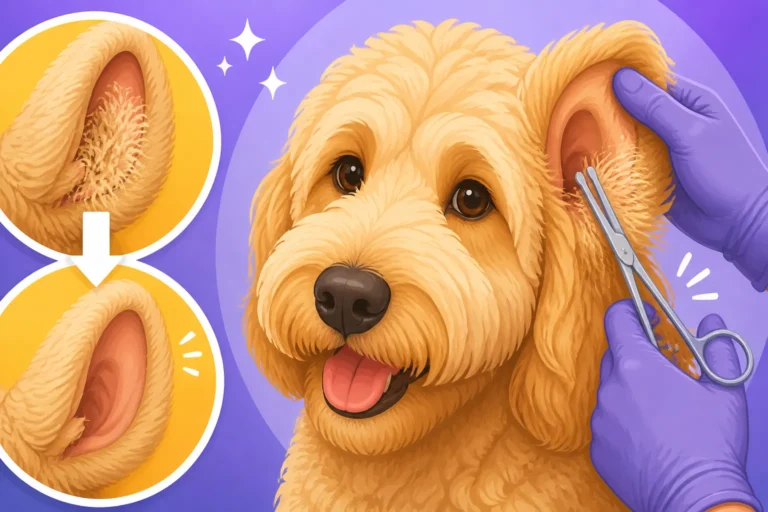
Goldendoodles inherit those adorable floppy, furnished ears from both parent breeds, but this cute trait comes with a significant grooming responsibility. Their ears hang down, creating a warm, moist environment that is a perfect breeding ground for yeast and bacteria. Add to that the hair that often grows inside the ear canal, trapping debris and further reducing airflow, and you have a recipe for chronic ear infections.
- Weekly Cleaning: It’s vital to clean your Goldendoodle’s ears weekly. Use a veterinary-approved ear cleaning solution designed for dogs. Simply apply the solution into the ear canal (following the product instructions), gently massage the base of the ear for 30 seconds to loosen debris, and then let your Goldendoodle shake their head. Wipe away any excess solution and visible dirt with a soft cotton ball or gauze pad. Never use Q-tips, which can push debris deeper and damage the eardrum. This weekly routine, detailed in Cleaning a Goldendoodle Ear Every Week, is your best defense against painful infections.
- Hair Plucking Debate: The question of whether to pluck hair from inside the ear canal is a common one. Some groomers and owners advocate for it to improve airflow, while others argue it can create micro-traumas that lead to infection. The best approach is to consult your veterinarian. They can assess your Goldendoodle’s individual ear anatomy and history, and advise on whether plucking is beneficial for your dog, or if simply keeping the hair trimmed at the entrance of the canal is sufficient.
What to Delegate to Your Professional Groomer
While home grooming is essential, there are certainly aspects that are best left to the trained hands of a professional groomer. Understanding where your expertise ends and theirs begins will lead to a happier dog and a better relationship with your groomer.
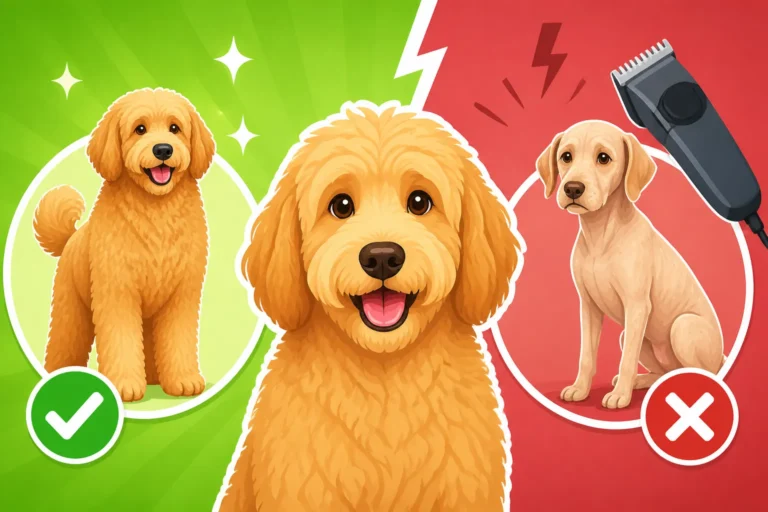
- Full Body Trims and Styling: Achieving a consistent, aesthetically pleasing haircut, whether it's a teddy bear cut or a shorter summer style, requires specialized clippers, blades, and shears, along with the skill and experience to use them safely and effectively. Unless you've undertaken extensive training, leave the major cutting and styling to the pros. Attempting a full body trim at home can easily result in uneven patches, nicks, or a frustrated dog.
- Severe Matting: As discussed, if you encounter a mat that is too dense, too close to the skin, or too painful for your Goldendoodle to tolerate home efforts, it's time to call the groomer. They have the right tools (and often stronger clippers) to humanely remove even the toughest mats, sometimes requiring a full shave-down, which is safer when done by a professional.
- Anal Gland Expression: This is a delicate procedure that is often part of a full-service professional groom. If your Goldendoodle is scooting or showing discomfort around their rear, their anal glands might need expressing. This is definitely a job for a professional groomer or veterinarian, as improper technique can cause injury or inflammation.
- Persistent Skin Issues: If you notice chronic skin irritation, redness, scratching, or any unusual lumps and bumps during your home grooming sessions, these are signs to consult your veterinarian, not just your groomer. While groomers can spot these issues, a vet is qualified to diagnose and treat underlying health conditions.
Think of your home grooming as the daily maintenance, and professional grooming as the scheduled overhaul. They complement each other, ensuring your Goldendoodle stays comfortable, healthy, and looking their best.
Making Grooming a Positive Bonding Experience
Grooming shouldn't be a battle; it should be a calm, positive interaction that strengthens the bond between you and your Goldendoodle. By incorporating positive reinforcement and desensitization, you can transform grooming sessions into something your dog tolerates, and maybe even enjoys.
Positive Reinforcement and Treats
The golden rule of dog training applies perfectly to grooming: make it rewarding! From the very first time you pick up a brush, associate grooming with good things.
- High-Value Treats: Have a stash of truly irresistible treats ready. These aren't just any old kibble; these are the "jackpot" treats. Think small pieces of cooked chicken, cheese, or specialized training treats from brands like Ollie or Chewy.
- Short, Sweet Sessions: Especially when starting out, keep grooming sessions incredibly brief – even just 30 seconds to a minute of brushing a single area. End on a positive note, even if you only managed a small section.
- Praise and Affection: Lavish your Goldendoodle with verbal praise ("Good boy!" "Such a good girl!") and gentle petting. Make your voice happy and reassuring throughout the process.
- Timing: Reward during the grooming activity, not just at the end. For example, after a few strokes of the brush, offer a treat. This helps your dog create a positive association with the actual sensation of being groomed. This consistent approach can make a huge difference, whether you're working on basic brushing or more complex tasks.
Desensitization and Counter-Conditioning
For dogs who are initially wary or even fearful of grooming tools, desensitization and counter-conditioning are powerful techniques. The goal is to gradually expose your dog to the grooming process in a way that changes their emotional response from fear to indifference or even enjoyment.
- Introduce Tools Gradually: Start by simply having the tools present in the room, without even touching your dog with them. Let your Goldendoodle sniff the brush, then reward them.
- Gentle Touch, Then Retreat: Touch your dog with the back of the brush (not the bristles) for a fraction of a second, then immediately remove the brush and give a treat. Repeat this many times, gradually increasing the duration of the touch.
- Mimic Grooming Motions: Once they are comfortable with the touch, start mimicking the grooming motions for a second or two, then treat. Slowly build up the duration and intensity.
- Start with Easy Areas: Begin with areas your Goldendoodle is least sensitive about (often their back or chest), before moving to more sensitive spots like their paws or face.
- Associate with Comfort: If your dog dislikes the sound of clippers or a high-velocity dryer, turn them on in another room at a very low setting while your dog is happily munching on treats. Gradually bring the sound closer and increase the volume over many, many sessions, always associating it with something positive. This gradual exposure and positive association helps to ensure your Goldendoodle learns that grooming isn't scary. This is a crucial element in Goldendoodle Training Sessions and How Long to Run Them and is foundational for cooperative care.
The Long-Term Benefits for You and Your Goldendoodle
Investing time and patience in at-home grooming creates a ripple effect of benefits that extend far beyond a tidy coat.
- Reduced Stress: For both you and your Goldendoodle, grooming sessions become calm and predictable, rather than a source of anxiety or struggle.
- Better Health: Regular handling allows you to catch minor skin issues, lumps, parasites, or changes in their body condition early, potentially preventing more serious health problems. Proper coat care also prevents painful skin conditions that can arise from severe matting.
- Stronger Bond: The consistent, gentle interaction during grooming builds trust and reinforces your positive relationship with your dog. It's a unique form of communication and care.
- Financial Savings: By preventing severe matting, you avoid those hefty dematting fees at the professional groomer. You might also reduce the frequency of full grooming appointments, saving significant money over your Goldendoodle's lifetime.
- Comfort and Happiness: Ultimately, a well-groomed Goldendoodle is a comfortable and happy Goldendoodle. They can move freely, their skin can breathe, and they simply feel better. You'll enjoy snuggling with a soft, clean dog, and they’ll appreciate the comfort you provide.
Embrace home grooming not as a chore, but as an essential part of responsible Goldendoodle ownership and a wonderful way to connect with your furry family member.
Disclaimer
This article is for general informational purposes only and does not constitute professional advice. Laws, prices and regulations vary by location and change over time. Consult a qualified professional for guidance on your specific situation.