The Spots Where a Goldendoodle Mats First
As a Goldendoodle parent, you know that the sheer joy and boundless affection these fluffy companions bring into our lives come with a unique set of challenges. One of the biggest, most frustrating, and often painful issues for both you and your furry friend is matting. It feels like you just brushed them yesterday, and suddenly, they've got a knot the size of a golf ball behind their ear. This guide is here to commiserate with your struggles and walk you through the most common "danger zones" where mats love to form on your Goldendoodle, offering practical insights into why they appear and how to tackle them.
Why Goldendoodle Matting Is Such a Universal Struggle
Let's be honest, those beautiful, flowing, or curly Goldendoodle coats are a major part of their appeal. But that same gorgeous coat is also a magnet for tangles and mats. It’s not just you; almost every Goldendoodle owner faces this battle. Understanding why these mats form so readily is the first step to winning the war against them.
Understanding the Goldendoodle Coat: It's Not Just "Fluffy"
A Goldendoodle's coat is a unique blend, inheriting traits from both the Golden Retriever and the Poodle. This can result in a spectrum of coat types, from wavy fleece to tight, wool-like curls, and sometimes even a straighter, more retriever-like texture. What many owners don't realize is that even the "low-shedding" Poodle genetics still produce hair that eventually needs to be released from the follicle. Instead of falling out freely and landing on your furniture, these shed hairs get trapped within the existing coat, intertwining with the live hair. This creates a dense, felt-like mass that grows tighter with every movement, every rub, and every day that passes without thorough brushing. It’s this combination of trapped shed hair and varied textures that makes matting such a prevalent issue. You might think "Oh, they don't shed much, so they won't mat," but that's precisely why they do mat. The shed hair has nowhere to go. If you're curious about the specifics, you can learn more in The Three Goldendoodle Coat Types and How to Tell Them.
The Speed of Mat Formation: It Happens Faster Than You Think
One of the most disheartening things about Goldendoodle grooming is how quickly mats can develop. You might have just had your pup professionally groomed, and a week later, you find a new knot. Factors like humidity, swimming, playing in the dirt, wearing harnesses, or even just sleeping can contribute to mats. Imagine a single loose hair getting caught, then another, then another, until a small tangle forms. This small tangle acts like a magnet for more loose hair, tightening into a mat. If your Goldendoodle loves to roll in the grass after a bath, or if they're particularly active, those small tangles can turn into painful mats overnight. The key is intervention, and understanding the common trouble spots will make your efforts much more efficient. It's a constant battle, and it often feels like you're always a step behind.
The "Hidden" Matting Hotspots: Behind the Ears
Ah, the ears. A place of comfort and joy for a good scratch, but also a notorious zone for mats. It's often one of the first places owners discover significant tangles, and for good reason.
The Furnished Ear and Its Unique Challenges
Goldendoodles, particularly those with the classic "furnished" look, have longer hair around their ears that often blends with the fur on their neck and face. This hair is typically softer and finer than the body coat, making it incredibly prone to tangling. Think about your own fine hair – it knots up easily, right? Now imagine that on a dog who shakes their head, rubs against furniture, and plays with other dogs. Add to that the moisture that can accumulate under those floppy ears – from drool, water, or even just humidity – and you have a perfect storm for matting. These mats can be difficult to spot until they're quite large because they're often tucked away behind the ear leather, out of direct sight. By the time you feel them, they might already be pulling on the delicate skin.
What Happens When Ear Mats Go Untreated
When mats behind the ears are ignored, they become incredibly tight and can pull on the skin, causing discomfort, pain, and even skin irritation. Imagine wearing a tight ponytail for days on end – that's how it feels to your Goldendoodle. The constant pulling can lead to sores, hot spots, or even infections if moisture and bacteria get trapped underneath. These mats can also restrict blood flow to the ear leather itself in severe cases, leading to other complications. Furthermore, if the matting extends into the ear canal hair, it can contribute to recurring ear infections. Proper Goldendoodle Ear Care Under All That Hair is crucial. Trying to brush out severe mats close to the ear can be incredibly painful for your dog and risky, potentially leading to accidental nicks or cuts. Often, by this point, a professional groomer might have no choice but to carefully shave them out, leaving a noticeable bare patch.
Under the Collar and Harness: Friction Mats
Our Goldendoodles wear collars and harnesses almost constantly, for walks, identification, and safety. While essential, these items create continuous friction, which is a prime catalyst for mat formation.
The Constant Rub: Collars and ID Tags
Think about where your Goldendoodle's collar sits – right at the base of their neck, often just behind their ears and along their throat. Every time they move, scratch, or even just lie down, that collar is rubbing against their fur. This constant friction causes individual hairs to intertwine and knot together, forming tight mats right underneath the collar. ID tags, especially those with sharp edges or that dangle and bounce, can exacerbate the problem by snagging hair. Many owners are diligent about brushing their dog's body but forget to lift the collar and thoroughly brush the hair beneath it. It’s a classic oversight, and one that leads to surprisingly stubborn mats. These mats, because they are compressed by the collar, can quickly become dense and hard to remove without causing pain.
Harness Straps: A Breeding Ground for Trouble
Harnesses are fantastic for walking and preventing neck strain, but they are also notorious for causing mats. The straps of a harness sit in specific areas: across the chest, over the shoulders, and around the rib cage or belly. Just like with collars, the constant movement and pressure from these straps rub against the coat, particularly where the dog's legs meet their body. This friction, combined with the warmth and slight moisture that can build up under the straps, creates an ideal environment for mats to develop. If your Goldendoodle wears a harness for extended periods, such as during daycare or long walks, these mats can become severe very quickly. Removing a harness at home and thoroughly brushing these areas daily is essential. Even a well-fitting harness can cause issues if the coat beneath isn't regularly maintained. Consider exploring Harnesses That Suit a Goldendoodle Coat for options that might minimize this issue.
The Armpits and Groin: Where Skin Meets Skin
These areas are often overlooked and can harbor some of the most severe and painful mats because they are hidden and involve sensitive skin.
Sweat, Dirt, and Tight Spaces
The armpits and groin area are naturally warm, moist, and prone to collecting sweat and dirt, especially on an active Goldendoodle. When your dog walks or runs, their legs move against their body, creating friction and compressing the hair in these areas. This combination of moisture, friction, and tight spaces is a perfect recipe for matting. The hair here is also often softer and finer, similar to the hair behind the ears, making it more susceptible to tangles. Furthermore, these are areas where debris like burrs, seeds, or even small pieces of mulch can easily get caught and immediately begin to form mats.
The Discomfort of Deep Armpit Mats
Mats in the armpits and groin are particularly problematic because they are in areas of constant movement and are directly against sensitive skin. As these mats tighten, they pull on the skin with every step your dog takes, causing intense pain and discomfort. It can make your Goldendoodle reluctant to move, run, or even sit down comfortably. Over time, these mats can also cause skin raw spots, infections, and even restrict movement, leading to an altered gait that can put strain on other joints. Due to the sensitivity of these areas, de-matting can be incredibly challenging and often requires the skill of a professional groomer to avoid injuring your dog. You can read more about Armpit and Collar Mats on a Goldendoodle.
Legs and Paws: Mud Magnets and Movement Mats
From graceful feathering to fluffy paws, the legs and feet of a Goldendoodle are constantly in motion and contact with the ground, making them prime targets for matting.
The Feathering on Legs and "Booty" Hair
Many Goldendoodles develop beautiful, longer "feathering" on the backs of their legs, particularly the hind legs. This flowing hair, while lovely, easily picks up dirt, mud, burrs, and tangles with movement. When your dog runs through tall grass or simply walks around, these external elements get woven into the hair, quickly escalating into mats. Similarly, the "booty" hair – the longer hair around their rear end – can also mat easily, especially if it gets wet or soiled. These mats can be quite extensive and pull on the skin as your Goldendoodle sits or moves, causing considerable discomfort.
Paw Pad Hair and the Snowball Effect
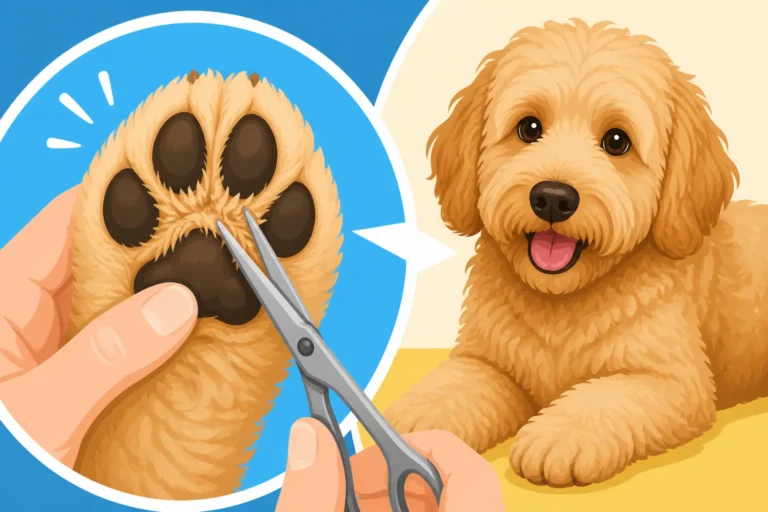
The hair between your Goldendoodle's paw pads is another critical area for matting. This hair can grow quite long, extending beyond the pads and creating several problems. First, it reduces traction, making your dog more prone to slipping on hard surfaces. Second, it acts like a sponge, soaking up water, mud, and urine, creating a damp, dirty environment perfect for bacterial growth and yeast infections. Third, and most importantly for matting, this hair collects debris like tiny pebbles, twigs, and burrs. In winter, snow and ice can clump into painful "snowballs" between the pads. All of these factors combine to form tight, painful mats right between the toes, making walking incredibly uncomfortable, similar to having rocks in your shoes. Regular trimming of this hair is essential for your Goldendoodle's comfort and hygiene. You can find useful tips in Trimming Hair Between Goldendoodle Paw Pads.
The Belly and Tail Base: Often Overlooked Areas
While the ears and friction points get a lot of attention, the belly and tail base are silent matting culprits that often go unnoticed until they're severe.
The Tummy Tuck: Mats During Play and Rest
The soft, often fine hair on your Goldendoodle's belly can easily mat. This happens frequently when they lie down, especially on rough surfaces like carpet or outdoor terrain. As they shift, roll, and stretch, the hair rubs against itself and the ground, forming tangles. For Goldendoodles who love to play rough, rolling on their back during wrestling matches can quickly create mats in their sensitive belly and flank areas. Also, if they get wet or muddy and aren't thoroughly dried and brushed, the belly hair can clump and harden into dense mats. These can be particularly painful if they pull on the delicate skin of the abdomen.
Tail Wagging and the Base of the Tail
A Goldendoodle's tail is an instrument of joy, constantly wagging and expressing their happiness. But all that enthusiastic movement can lead to matting, especially at the base of the tail where the hair is often denser and experiences constant friction against the body or surfaces. The tail itself can also develop mats, particularly if it's long and bushy. It swings, it hits things, and it dips into water bowls or puddles, making it a prime candidate for tangles. Imagine the constant whipping motion – it's like a natural mat-making machine. If your Goldendoodle has a slightly coarser tail hair, or if it's often wet, it can become a tangled mess surprisingly quickly.
Preventative Strategies for All Goldendoodle Danger Zones
Now that we've covered the common problem areas, let's talk about how to prevent these painful mats from taking hold. Proactive care is truly the only way to keep your Goldendoodle comfortable and your grooming bills manageable.
Daily Brushing and the Right Tools
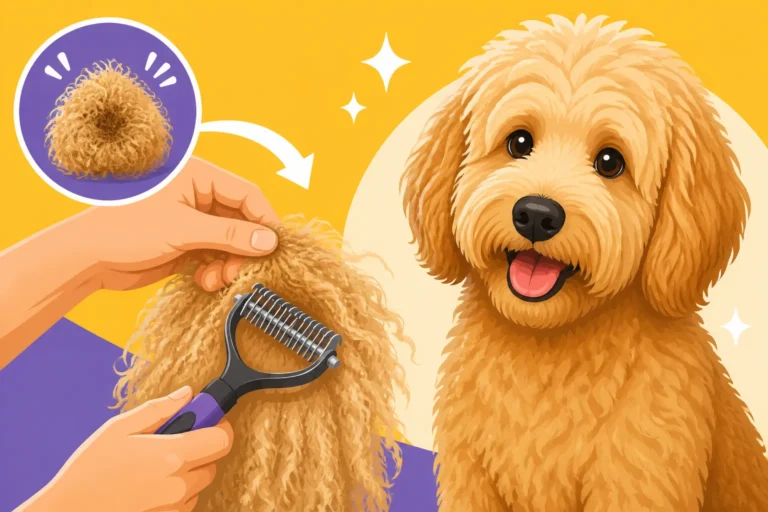
The absolute cornerstone of mat prevention is consistent, thorough brushing. This means not just skimming the top layer of the coat, but line brushing all the way down to the skin, section by section. For the danger zones, you might even need to adjust your technique. For behind the ears, gently lift the ear leather and brush the fine hair in small sections. For under the collar/harness, remove the gear and brush against the grain of the hair to ensure all loose hairs are caught.
Here’s what you need in your arsenal:
- Slicker Brush: Essential for detangling and removing loose undercoat. Opt for a good quality one you can find on Chewy or Amazon.
- Metal Comb: This is your mat detector! After using the slicker, run a fine-toothed metal comb through the coat. If the comb gets stuck, you've found a tangle that needs more attention. It's especially useful for checking those hidden spots.
- Detangling Spray: A good quality spray can help loosen tangles and reduce friction during brushing.
Aim for daily brushing, especially if your Goldendoodle is active or has a curly coat. Even 5-10 minutes a day can make a world of difference. You can learn more about how often your dog needs it in How Often a Goldendoodle Actually Needs Brushing.
| Matting Zone | Why it Mats | Prevention Strategy | Key Tool to Use |
|---|---|---|---|
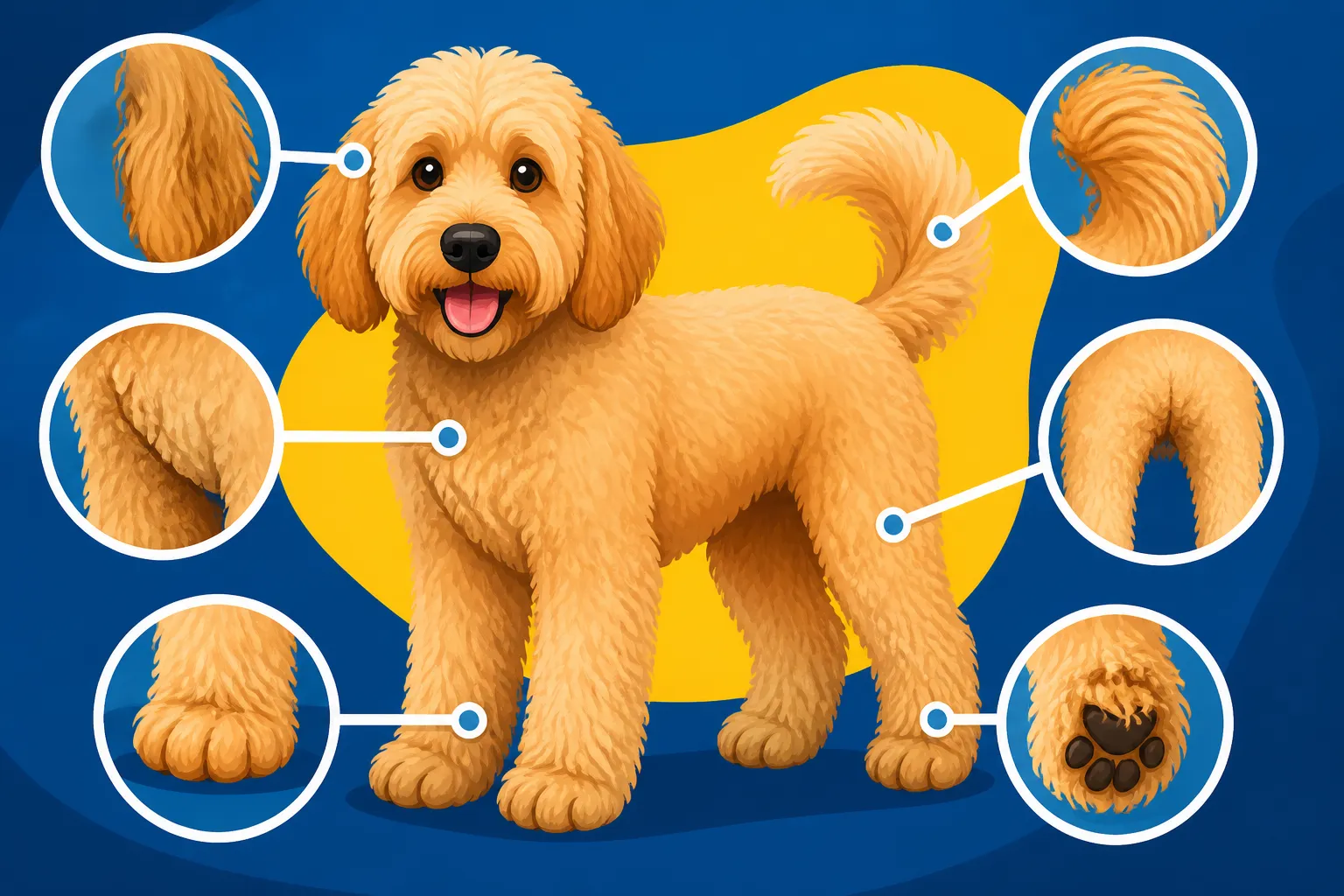
| Behind the Ears | Fine, soft hair; friction from head shaking; moisture | Lift ear, brush daily with slicker & comb; keep dry | Small slicker brush, fine-toothed metal comb |
| Under Collar/Harness | Constant friction from gear | Remove gear, brush thoroughly daily; check after every walk | Slicker brush, wide-toothed comb |
| Armpits/Groin | Friction from movement; moisture/sweat; delicate skin | Brush often, especially after activity; keep trimmed | Small slicker brush, metal comb |
| Leg Feathering | Collects debris; constant movement | Brush after outdoor activities; check for burrs; occasional trim | Slicker brush, dematting comb (if needed) |
| Paw Pads | Traps dirt/moisture; snowballs; reduces traction | Trim hair between pads regularly; wipe paws after walks | Small clippers (with guard), blunt-nosed scissors |
| Belly | Friction from lying/rolling; fine hair | Brush whenever dog is on back; check after play/wet | Slicker brush, wide-toothed comb |
| Tail Base | Constant wagging/friction; dense hair | Brush through daily; check for debris | Slicker brush, metal comb |
Strategic Trimming and Professional Grooming Schedules
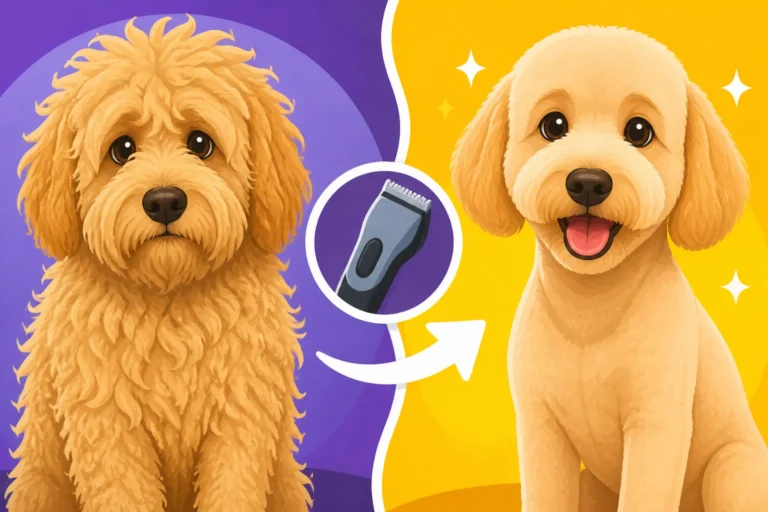
While daily brushing is vital, it’s often not enough on its own. Strategic trimming, especially in those high-friction and hard-to-reach areas, can significantly reduce matting. Many Goldendoodle owners choose to keep the hair in the armpits, groin, and around the paw pads shorter, either by learning to do it themselves or by having their groomer address these spots.
Regular professional grooming is your best friend in the fight against mats. A good groomer knows exactly where Goldendoodles mat and can use their specialized tools and expertise to keep the coat healthy. They can also spot small tangles before they become major problems. Most Goldendoodles need professional grooming every 6-8 weeks, depending on their coat type and lifestyle. Skipping appointments or extending the time between grooms is almost a guarantee for matting, which can lead to hefty dematting surcharges at the salon. Make sure to discuss matting prevention with your groomer and tell them your concerns about specific areas. For more on this, check out Booking a Goldendoodle Groom Every Six to Eight Weeks. Remember that Goldendoodle Grooming as the Biggest Line in the Budget is a real consideration, but it's an investment in your dog's comfort.
Gear Choices That Minimize Matting
The type of collar and harness you choose can also impact matting. While all gear will cause some friction, certain materials and designs are better than others.
- Collars: Consider flat, nylon or rolled leather collars. Avoid chain collars or rough materials that can snag hair. Remove the collar when your dog is safely indoors and supervised, giving their neck a break and allowing you to brush thoroughly.
- Harnesses: Look for harnesses with minimal contact points or those designed with softer, smoother materials. Ensure the harness fits properly – too loose, and it will rub; too tight, and it will compress the hair excessively. If your Goldendoodle wears a harness frequently, rotate it with a flat collar for walks, or consider a vest-style harness that distributes pressure more evenly, though these still require regular checking underneath.
It's a lot of work, but seeing your Goldendoodle happy, comfortable, and mat-free makes all the effort worthwhile. Stay vigilant, stay consistent, and don't be afraid to ask your groomer for advice!
Disclaimer
This article is for general informational purposes only and does not constitute professional advice. Laws, prices and regulations vary by location and change over time. Consult a qualified professional for guidance on your specific situation.