Armpit and Collar Mats on a Goldendoodle
One of the most frustrating things for any Goldendoodle parent is finding those sneaky mats. You brush, you groom, you think you're on top of it, and then you discover a painful tangle hidden right where their armpit rubs or under their collar. It’s disheartening, and it can quickly escalate into a bigger problem for both you and your beloved furry friend. This guide is here to walk you through exactly why these particular mats form, the hidden dangers they pose, and most importantly, how to prevent and tackle them head-on, keeping your Goldendoodle comfortable and their coat healthy.
Why Goldendoodles Get Mats in These Pesky Spots
It often feels like Goldendoodles are magnets for mats, especially in those hard-to-reach, high-friction areas. You can be so diligent with your brushing routine, yet a mat seemingly appears overnight in an armpit or right beneath their collar. Understanding why these spots are prone to matting is the first step in combating them effectively. It’s not just random bad luck; there’s a science to the tangle, often linked directly to their unique coat type and daily habits.
The Friction Factor: Where Skin Meets Coat
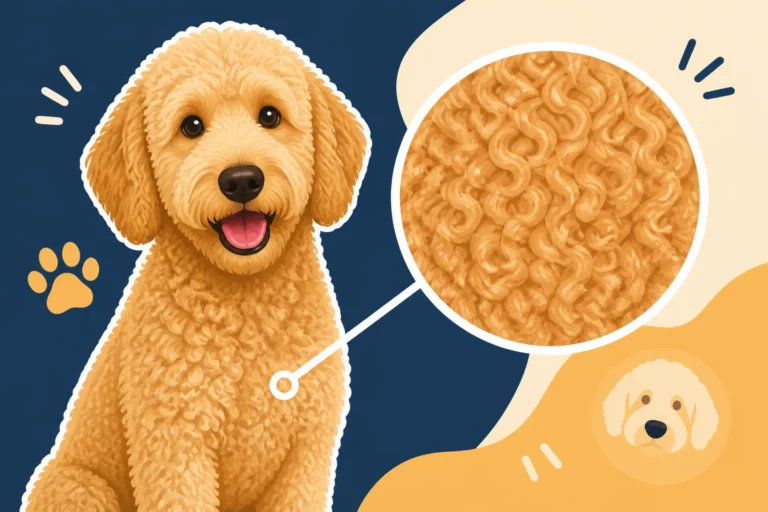
Think about how much your Goldendoodle moves in a day. They walk, they run, they lay down, they get up, they stretch, they scratch behind their ears with their hind leg, sending their front leg's armpit area into a flurry of motion. Every single one of these actions creates friction where their skin rubs against itself or against their coat. For a Goldendoodle with their often wavy or curly coat, this constant rubbing is a recipe for disaster. Unlike straight hair, curly hair loves to intertwine and knot, and friction accelerates this process.
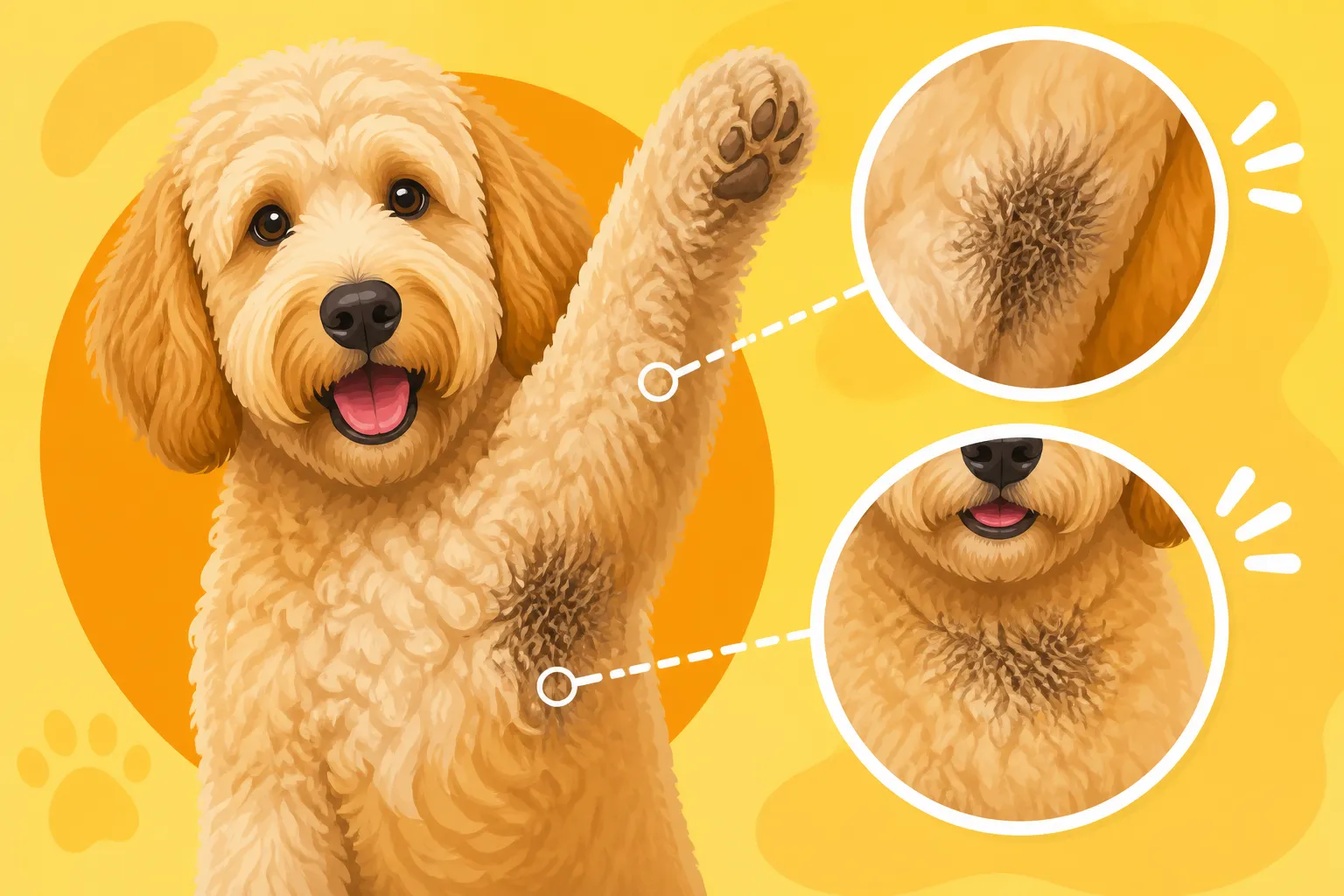
Imagine the hair under their armpits. When they walk, their front legs are constantly moving back and forth, rubbing against the hair on their chest and body. This isn't a gentle caress; it's a repetitive friction that pushes hairs together, making them felt and compacted. The hair in these areas can also be finer and softer, making it even more prone to tangling than the coarser hair on their back. Before you know it, what started as a few loose hairs has compacted into a tight, felt-like mat, pulling painfully on their delicate skin. Even something as simple as lying down and shifting their weight can press hair into knots.
The Collar's Contribution: A Daily Rub
Ah, the collar. It's a necessity for safety and identification, but it's also a prime culprit for matting around a Goldendoodle's neck. Whether it's a flat nylon collar, a rolled leather collar, or the straps of a harness, anything that sits on your Goldendoodle's coat for extended periods is creating constant friction. Each time your dog turns their head, scratches, or even just shifts their weight, that collar moves, rubbing the hair beneath it.
A collar that's too loose can rub more aggressively as it slides around. A collar that's too tight can press the hair down, compressing it and preventing air circulation, leading to matting. Even the material of the collar plays a role; rougher materials can snag and tangle hair more readily than smoother ones. If your Goldendoodle wears a harness, those straps across the chest and behind the front legs are just as guilty, creating similar friction points. These spots are often overlooked in daily brushing because they're covered, allowing mats to form and tighten out of sight. It's a classic hidden menace that many Goldendoodle owners discover too late.
Moisture Trapping and Other Culprits
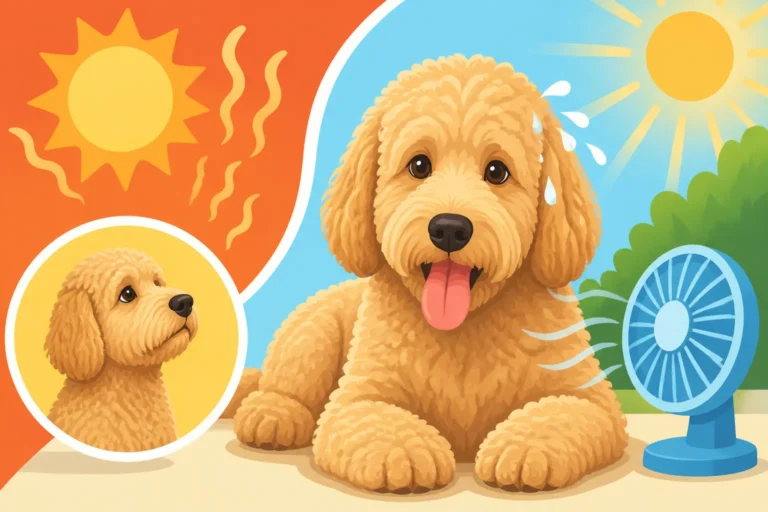
Beyond friction, other environmental factors can significantly contribute to armpit and collar mats. Moisture is a huge one. Goldendoodles, especially those with thicker, woolier coats, can easily trap moisture against their skin. This could be from a swim in the lake, a romp in the rain, or even just sweat from a vigorous play session on a warm day. When moisture combines with friction and the natural tendency of their coat to knot, it creates a perfect storm for matting. The damp hair clumps together, and as it dries, it tightens into a formidable mat that can be incredibly difficult to remove. This is particularly true under collars where air circulation is already limited.
Furthermore, those charming outdoor adventures can bring unwelcome guests into your Goldendoodle's coat. Burrs, sticky seeds, twigs, and other debris can get caught in their fluffy armpit hair or under their collar. If not removed promptly, these foreign objects act as anchors, accelerating the matting process by tangling the surrounding hair. A quick check and brush-through after outdoor activities, especially in wooded or grassy areas, can make a huge difference in preventing these initial snags from escalating into full-blown mats. Ignoring these small factors is often how a minor tangle becomes a serious problem.
The Real Damage Mats Can Do (Beyond Just Looks)
It’s easy to think of mats as just a cosmetic issue, something that makes your Goldendoodle look a bit scruffy. But I'm here to tell you, as a fellow Goldendoodle lover, that these mats, especially in sensitive areas like the armpits and under the collar, are far more serious than just a bad hair day. They pose genuine health risks and can cause significant pain and discomfort for your dog. Ignoring them isn't just letting their appearance slide; it's compromising their well-being.
Skin Irritation and Infections
Imagine having a tight knot of hair constantly pulling at your skin. That's precisely what a mat does to your Goldendoodle. These tight tangles pull and tug on their delicate skin, causing chronic irritation, redness, and inflammation. The skin under a mat can become raw and tender, making your dog miserable. This constant pulling can be incredibly painful, especially in sensitive areas like the armpits or around the neck where movement naturally occurs.
But it gets worse. Mats create a dark, warm, moist environment right against the skin – the perfect breeding ground for bacteria and yeast. These opportunistic organisms can quickly lead to painful skin infections, often manifesting as "hot spots." Hot spots are localized areas of acute moist dermatitis, characterized by rapid onset, intense itching, and oozing sores. They can spread quickly and require veterinary intervention, including antibiotics and anti-inflammatory medications. If you notice your Goldendoodle chewing or licking excessively at their armpits or neck, or if there's a foul odor emanating from these areas, it’s a strong indication that mats have caused underlying skin problems. Goldendoodle Hot Spots Under a Thick Coat are no fun for anyone involved.
Pain and Restricted Movement
Tight mats don't just pull on the skin; they can severely restrict your Goldendoodle's natural movement. Think about a mat under their armpit. As they walk, that mat pulls, stretching the skin and making every step uncomfortable. It’s like wearing a shirt that's several sizes too small and constantly chafing. Dogs instinctively try to avoid pain, so they might alter their gait, becoming stiff or reluctant to move freely. This can lead to muscle soreness or even compensatory issues in other joints as they try to alleviate the discomfort.
Similarly, a mat around their neck can make turning their head or lowering it to eat and drink painful. It can even make wearing their collar or harness unbearable, causing them to resist walks or become anxious when these items are put on. If left unattended, these mats can become so tight and extensive that they form a rigid shell over parts of the body, making it impossible for the skin to breathe or for your dog to stretch naturally. This level of discomfort is a serious quality of life issue, impacting their ability to play, explore, and even relax.
Escalating Grooming Costs and Trauma
When mats become severe, the cost and effort of dealing with them escalate dramatically. Professional groomers will almost certainly charge a dematting fee, which can be substantial depending on the severity and extent of the matting. These fees cover the extra time, specialized products, and skill required to painstakingly work through the tangles without harming the dog. Sometimes, the mats are so severe that dematting isn't even an option. In these cases, a groomer's only humane choice is to shave the dog completely down, a process often referred to as "shaving a pelt." This means going under the mat, close to the skin, to remove the entire matted coat. While it might look extreme, it's often the kindest thing to do for a dog in significant pain. You can read more about this in When a Goldendoodle Mat Has to Be Shaved.
Beyond the financial cost, there's the emotional and physical trauma for your Goldendoodle. The dematting process, even when done professionally, can be uncomfortable and stressful. A dog that has experienced painful dematting may become fearful of future grooming sessions, making regular maintenance even harder. If mats are left to reach this stage, it often requires hours on the grooming table, which is exhausting and potentially frightening for the dog. Regular preventative care isn't just about saving money; it’s about ensuring your Goldendoodle associates grooming with comfort and positive experiences, not pain and anxiety.
Preventative Strategies for Armpit and Collar Mats
The good news is that preventing armpit and collar mats is absolutely achievable with a little consistency and the right approach. It’s not about spending hours every day, but rather building a routine that addresses these common trouble spots before they have a chance to solidify into painful tangles. Think of it as proactive care that saves you and your Goldendoodle a lot of heartache (and expense!) down the road.
Daily Brushing with the Right Tools
Consistency is truly king when it comes to preventing mats in a Goldendoodle's coat, especially in those high-friction areas. You need to commit to daily brushing, not just a surface skim, but a thorough, methodical session. The key technique here is called "line brushing," which means working in small sections, parting the hair down to the skin, and brushing from the skin out. This ensures you're getting through all the layers of that thick Goldendoodle coat.
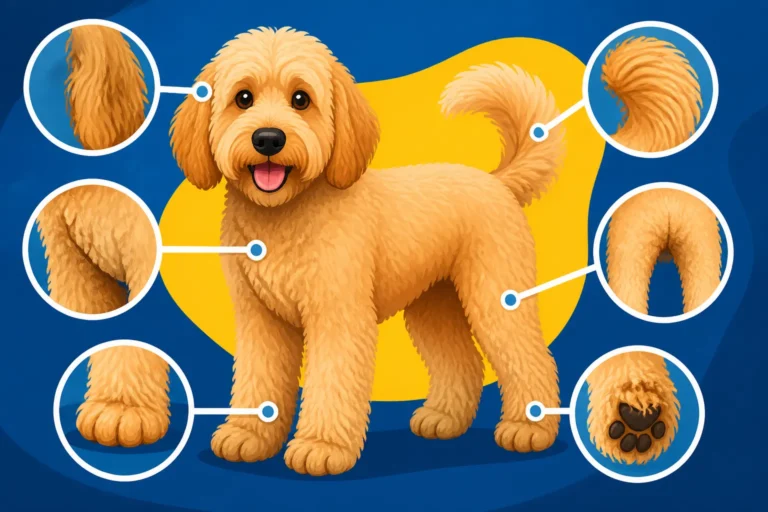
For effective line brushing, you’ll need two essential tools: a good quality slicker brush and a sturdy metal comb. The slicker brush helps to separate the hairs and work out any smaller tangles. After using the slicker, follow up with the metal comb. The comb is your mat detector; if the comb can’t glide smoothly through the hair from skin to tip, you’ve got a tangle brewing. Pay extra attention to the armpits, inner thighs, and behind the ears, as these are notorious trouble spots. For comprehensive advice on selecting the best tools, check out The Slicker Brush and Comb a Goldendoodle Needs. A solid five to ten minutes of focused brushing each day can make all the difference, preventing those tiny snags from becoming major mats.
Collar and Harness Choices That Minimize Matting
The type of collar and harness your Goldendoodle wears daily can have a significant impact on matting around their neck and chest. While a flat nylon collar is common, the constant friction of the material can easily lead to matting, especially on longer-haired Goldendoodles. Consider options that are smoother or designed to reduce coat damage. A rolled leather collar, for example, presents less surface area to rub against the fur, which can help minimize friction and subsequent matting. Even better, many owners find that a wider, softer collar, or one made of satin or silk lining, can be gentler on the delicate neck fur.
When it comes to harnesses, ensure it fits properly – not too loose that it chafes, and not too tight that it pinches or restricts movement. Remove harnesses when not actively in use, such as when your dog is relaxing at home. This gives the coat underneath a break from constant pressure and allows you to brush the area thoroughly. If you absolutely need a harness for walking, choose one with smooth, rounded straps and check for any signs of rubbing or matting under the straps daily. Some Goldendoodle owners even use a soft bandana or 'snood' under the collar or harness for an extra layer of protection, which can also absorb sweat and prevent direct friction.
Regular Professional Grooming Schedule
Even with diligent home brushing, a Goldendoodle's coat benefits immensely from regular professional grooming. These aren't just cosmetic appointments; they are crucial for maintaining coat health and preventing severe matting. Most Goldendoodles thrive on a professional grooming schedule of every six to eight weeks. During these visits, a skilled groomer can address areas you might miss or find challenging to tackle at home, such as those deep armpit tangles or tight neck mats that are just starting to form.
A professional groomer has specialized tools, high-velocity dryers, and the expertise to thoroughly clean, dry, and brush out your Goldendoodle’s coat down to the skin. They can spot and address minor matting before it becomes a major problem, often saving you from having to shave down your dog's coat. It’s vital to communicate any problem areas or concerns you have with your groomer. Letting them know where you frequently find tangles will allow them to give those spots extra attention. While the cost of Goldendoodle Grooming Every Six Weeks Adds Up, it's an investment in your dog's comfort and health, ultimately preventing more expensive (and painful) dematting services down the line. Plus, your groomer can provide personalized advice on tools and techniques for your Goldendoodle's specific coat type.
What to Do When You Find an Armpit or Collar Mat
So, despite your best efforts, you've found a mat. It happens to the best of us! The key now is to address it quickly and gently to prevent it from getting worse and causing your Goldendoodle further discomfort. Resist the urge to yank or cut haphazardly, as this can be incredibly painful for your dog and lead to injury. Approaching the situation with patience and the right technique will make all the difference.
Gentle Detangling Techniques
When you discover a mat, especially in a sensitive area like the armpit or under the collar, your first instinct might be panic. Don't! Start by making your Goldendoodle comfortable. Have them lie down if possible, and offer a treat or a chew toy to distract them. You'll need a good detangling spray, a slicker brush, and your metal comb. Brands like TropiClean or Earthbath offer excellent detangling formulas available on Chewy or Amazon, which can make a huge difference in loosening the hair.
Spray the mat liberally with the detangling solution, ensuring it saturates the entire tangle. Let it sit for a few minutes to work its magic. Then, using your fingers, try to gently pull apart the edges of the mat. The goal is to separate it into smaller sections, like carefully unpicking tangled yarn. Once you've created smaller sections, use the very tips of your slicker brush to gently tease apart the hair, working from the outer edges of the mat inward, always brushing away from the skin. Never dig into the mat directly, as this will pull on the skin and cause pain. Finish by using your metal comb to ensure all tangles are gone, slowly working through the area. Remember, patience is crucial here. If your dog shows signs of discomfort, take a break. For more detailed instructions, refer to Working a Mat Out of a Goldendoodle Coat.
When to Call the Professional Groomer
There comes a point when a mat is simply too severe, too tight, or too close to the skin for you to safely remove at home. This is not a failure on your part; it's recognizing that sometimes, professional help is necessary. Trying to cut out a mat with scissors, especially one close to the skin, is incredibly dangerous. Goldendoodle skin is thin and easily nicked, and groomers frequently see dogs who have been injured by well-meaning owners attempting to cut out mats.
You should call a professional groomer if:
- The mat is larger than a quarter.
- The mat is pulled very tight against the skin and feels hard or firm.
- Your Goldendoodle shows significant pain or aggression when you attempt to touch the mat.
- You cannot see the skin underneath the mat.
- There is any redness, irritation, or odor coming from the matted area.
Groomers have specialized tools like dematting rakes and clippers with different blade lengths that allow them to safely remove even the toughest mats. They are trained to work gently and efficiently, minimizing stress for your dog. They will assess the situation and recommend the best course of action, whether it's careful detangling or a humane shave-down.
The Shave-Down: A Necessary Last Resort
Sometimes, despite everyone's best efforts, mats become so severe, extensive, or painful that the only humane option is a full shave-down. This isn't a reflection of poor ownership, but rather a necessary step to relieve your Goldendoodle from immense discomfort and prevent further skin issues. When a groomer recommends a shave-down, it’s always with your dog’s welfare as the top priority. They will use clippers to go under the mat, as close to the skin as safely possible, effectively removing the entire matted coat.
While a shave-down might temporarily change your Goldendoodle's fluffy appearance, it's crucial to understand it provides immediate relief from pain and skin irritation. The coat will grow back, and this "fresh start" gives you an opportunity to implement a more consistent grooming routine from the ground up. This can include daily brushing, regular professional appointments, and using appropriate collars and harnesses. It's a chance to reset and ensure your Goldendoodle remains comfortable and mat-free moving forward. Embrace the new look, focus on the health benefits, and know that you're doing what's best for your beloved companion.
Here's a quick comparison of different collar types and their potential for matting:
| Collar Type | Pros | Cons | Matting Risk (Goldendoodle) | Recommended Use |
|---|---|---|---|---|
| Flat Nylon Collar | Inexpensive, readily available, many colors | Can cause friction, may snag hair | High | Short walks, ID tags, removed at home |
| Rolled Leather Collar | Less surface area for friction, durable, stylish | More expensive, can still rub if not well-fitted | Medium | Everyday wear, ID tags, less matting than flat nylon |
| Satin/Silk-Lined Collar | Smooth surface reduces friction, comfortable | May be less durable, can be pricier | Low | Everyday wear, especially for sensitive coats |
| Harness (Chest Plate) | Reduces neck strain, good for training | Straps can cause mats in armpits/chest if ill-fitting | High | Walks, training, remove when not in use |
| Head Halter/Gentle Leader | Excellent for leash training, minimal neck friction | Dog may dislike it initially, not for ID tags | Low (neck area) | Training walks, remove after use |
Disclaimer
This article is for general informational purposes only and does not constitute professional advice. Laws, prices and regulations vary by location and change over time. Consult a qualified professional for guidance on your specific situation.