Straight, Wavy and Curly Goldendoodle Coats
Bringing a Goldendoodle into your life is an absolute joy, but let's be honest, that gorgeous coat can sometimes feel like a full-time job. Many new Goldendoodle parents find themselves utterly bewildered by their puppy's hair, especially when it starts changing or when they realize not all Goldendoodle coats are created equal. This guide will walk you through the distinct Goldendoodle coat types—straight, wavy, and curly—explaining what to expect from each in terms of grooming, shedding, and their potential impact on allergies, so you can stop stressing and start enjoying those magnificent locks.
Understanding the Goldendoodle Coat Types
When you first bring home a Goldendoodle puppy, their coat might be soft and fluffy, but it’s rarely a reliable predictor of what their adult coat will become. The true nature of a Goldendoodle's coat, whether it's straight, wavy, or curly, is determined by a complex interplay of genes inherited from both the Golden Retriever and the Poodle. Understanding these genetic foundations is key to preparing for the unique grooming challenges and benefits each type presents. It's not just about aesthetics; coat type directly influences everything from daily brushing routines to how often you'll need professional grooming, and even the degree to which your dog might shed or trigger allergies.
The Genetics Behind Goldendoodle Coats
At the heart of a Goldendoodle's coat lies a fascinating genetic lottery. Specifically, two main genes play a significant role: the furnishings gene (F) and the curl gene (Cu). The furnishings gene dictates whether your Goldendoodle will have the characteristic longer hair on their face, including eyebrows and a beard – what we lovingly call "furnishings." Without this gene, a Goldendoodle can have a smooth, retriever-like face, often referred to as an "unfurnished" coat. The curl gene, on the other hand, determines the degree of curl in the coat. Poodles carry strong curl genes, while Golden Retrievers do not. The combination of these genes, along with others that influence density and texture, results in the diverse range of Goldendoodle coats we see.
For instance, an F1 Goldendoodle (a direct cross between a Golden Retriever and a Poodle) can have a wide spectrum of coat types because they inherit a mix from both purebred parents. Some might lean more towards the Golden Retriever's straight coat, while others will clearly display the Poodle's curl. The Three Goldendoodle Coat Types and How to Tell Them goes into more depth on distinguishing these. As breeders move into later generations, like F1b or Multigen Goldendoodles, they can selectively breed for certain coat traits, often aiming for the curlier, lower-shedding coats by breeding back to a Poodle.
Why Coat Type Matters for Grooming and Allergies
Your Goldendoodle's coat type isn't just a matter of preference; it's a critical factor in managing their daily care and understanding their impact on allergy sufferers. The structure of the hair follicle, the density of the undercoat (or lack thereof), and the degree of curl all contribute to how much a Goldendoodle will shed and, consequently, how much dander they release. Dander, not hair, is the primary trigger for most dog allergies.
A straighter coat, more akin to a Golden Retriever's, tends to shed more, releasing more dander into the environment. This means more frequent vacuuming and potentially more allergy symptoms for sensitive individuals. Conversely, a curlier, denser coat traps shed hair within its spirals, reducing the amount of dander dispersed. However, this "trapping" mechanism also means these coats are far more prone to matting and require diligent, often daily, brushing to prevent painful tangles. Understanding this distinction from the outset will help you set realistic expectations for grooming time and potential allergy management. It also helps you assess Whether a Goldendoodle Is Really Hypoallergenic for your household.
Decoding the Straight Goldendoodle Coat
The straight Goldendoodle coat, sometimes called a "flat coat," is often the most surprising for new owners expecting that signature "doodle" look. While less common than wavy or curly coats, it's a perfectly normal and beautiful variation, especially in earlier generations like F1. However, it comes with its own unique set of characteristics and care requirements that are important to understand.
Characteristics of a Straight Coat (The "Flat Coat")
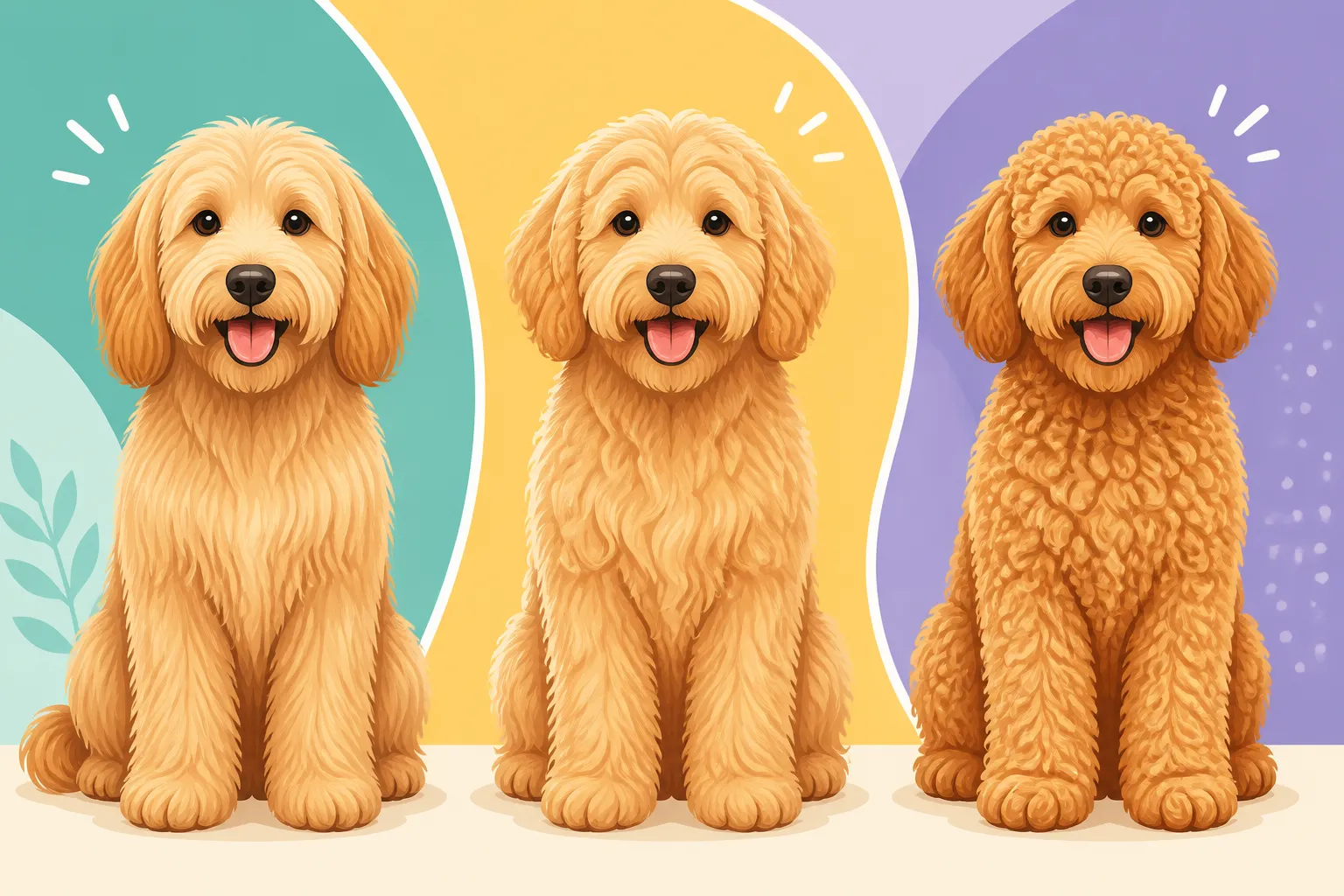
A straight Goldendoodle coat, as its name suggests, is notably straight or very minimally wavy. It often resembles the coat of a Golden Retriever, lacking the tight curls or pronounced waves typically associated with Poodle ancestry. These coats can vary in length and density, but the key feature is the absence of significant curl. You might notice longer feathering on the legs, tail, and belly, much like a purebred Golden. The hair on their face may also be shorter and smoother, rather than the long, shaggy "furnishings" (beard and eyebrows) that many Goldendoodles sport. This smooth facial hair is a tell-tale sign of an "unfurnished" Goldendoodle, which typically correlates with a straighter body coat.
While beautiful, this coat type can be a bit of a curveball if you're not expecting it. It's often seen in F1 Goldendoodles where the Golden Retriever's genetics come through more strongly on the coat genes. The texture might feel soft, but it won't have the woolly or fleece-like texture of curlier coats. Many owners find this coat type charming and unique, but it's crucial to understand that its appearance directly impacts its maintenance.
Grooming Needs for a Straight Coat
When it comes to grooming, a straight Goldendoodle coat generally requires less intensive daily maintenance than its wavier or curlier counterparts, but it still needs attention. Because the hair lies flatter, it's less prone to the tight, deep mats that can plague curly coats. However, this doesn't mean you can skip brushing entirely! Straight coats still shed, and regular brushing helps remove loose hair, preventing it from accumulating on your furniture and floors. Aim for brushing at least 2-3 times a week, using a slicker brush and a metal comb to ensure you're reaching down to the skin.
Professional grooming might be needed less frequently than for other coat types, perhaps every 8-12 weeks, primarily for trims to keep the length manageable and neat. You'll still want to keep the hair around their eyes, paws, and sanitary areas trimmed. Regular bathing with a good quality dog shampoo and conditioner, followed by thorough drying, is also important to maintain coat health and cleanliness. Even though they may not mat as easily, a neglected straight coat can still develop tangles, especially in areas of friction like behind the ears or under a harness.
Shedding and Allergy Considerations with Straight Coats
Here's where the straight coat differs significantly from the popular perception of Goldendoodles: shedding. A Goldendoodle with a straight, Golden Retriever-like coat is more likely to shed. This is because the hair follicle structure is similar to that of a retriever, allowing shed hair to release easily from the coat rather than being trapped by curls. The amount of shedding can vary, but generally, it will be more noticeable than with a wavy or curly Goldendoodle. This means you'll find more hair around your home, on your clothes, and potentially in your vacuum cleaner.
For allergy sufferers, a straight Goldendoodle coat is generally not considered hypoallergenic. While no dog is 100% allergen-free, the increased shedding means more dander (the microscopic flakes of skin that carry allergens) is released into the environment. If you or a family member has moderate to severe dog allergies, a straight-coated Goldendoodle might not be the best fit. It's always recommended to spend time with the specific dog you're considering to gauge any allergic reactions before committing. This is one of the key reasons Why a Goldendoodle Curl Gene Is Not a Shedding Gene is a common misconception, as straight coats illustrate.
Embracing the Wavy Goldendoodle Coat
The wavy Goldendoodle coat, often lovingly called the "fleece" coat, is perhaps the most iconic and sought-after Goldendoodle look. It strikes a beautiful balance between the Poodle's curl and the Golden Retriever's flow, offering a generally low-shedding option with a soft, luxurious feel. However, this gorgeous coat type demands consistent care to prevent it from becoming a matted mess.
Defining the Wavy "Fleece" Coat
A wavy Goldendoodle coat typically features loose, flowing waves that cascade down their body. It's not straight, but it's not tightly curled either, existing somewhere delightfully in the middle. The texture is usually incredibly soft and silky, feeling much like a lamb's fleece, which is where its popular nickname comes from. Most wavy-coated Goldendoodles also have distinct "furnishings"—the longer hair on their muzzle, eyebrows, and ears that gives them that quintessential teddy bear look. This coat type is highly desirable because it often combines the best of both worlds: the charming appearance and a tendency towards lower shedding.
You'll find fleece coats across all Goldendoodle generations, but they are particularly common and often aimed for in F1 and F1b crosses. The waves can vary in tightness, from gentle ripples to more pronounced S-shaped curves. This variation means that while all fleece coats share similar care principles, some might be slightly more prone to tangling than others, depending on the density and the individual dog's activity level.
Daily Care and Professional Grooming for Wavy Coats
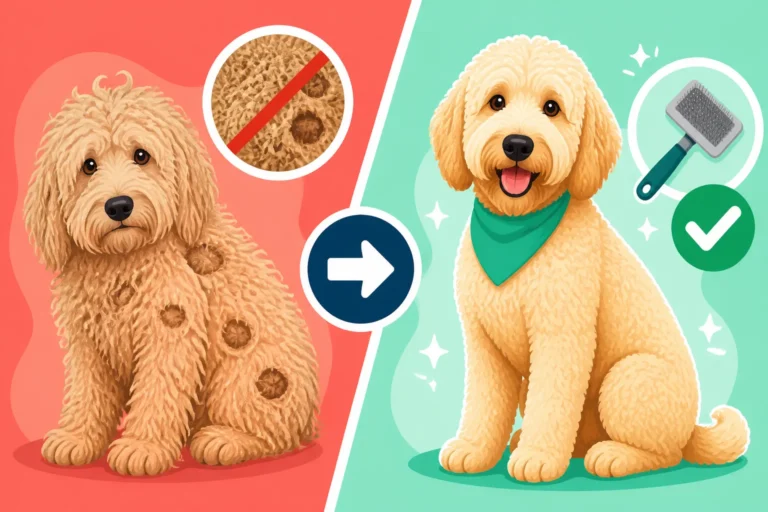
This is where consistency is absolutely crucial. A wavy Goldendoodle coat, despite its beauty, is highly prone to matting. The soft, fine hairs tend to intertwine and knot very easily, especially in high-friction areas like behind the ears, under the collar or harness, in the armpits, and around the tail. You absolutely cannot skip regular brushing. A good routine involves brushing at least every other day, and ideally daily, using a slicker brush to get down to the skin and a metal comb to check for hidden mats. Brushing a Goldendoodle Often Enough to Stop Matting means taking your time and being thorough.
Professional grooming for a wavy-coated Goldendoodle is typically required every 6-8 weeks. During these appointments, the groomer will bathe, dry, trim, and style your dog's coat to prevent matting and maintain a healthy length. Many owners opt for a "teddy bear cut" or a practical shorter trim to keep the coat manageable. Between grooms, you'll need to trim around their eyes to prevent hair from irritating them, and keep their paw pads and sanitary areas tidy. Neglecting this routine will almost certainly lead to painful matting, which can only be resolved by shaving the dog down, often incurring a significant dematting surcharge. You can find quality brushes and combs on Chewy or Amazon that are essential for this daily care.
Wavy Coats and Their Hypoallergenic Potential
The wavy "fleece" coat is generally considered to be excellent for people with mild to moderate dog allergies, as it's often low-shedding. Because the hair has a tendency to curl or wave, shed hairs get caught within the coat rather than falling out and spreading dander throughout your home. This significantly reduces the amount of allergens released into the environment, making a wavy Goldendoodle a popular choice for allergy-sensitive families.
However, it's vital to remember that "low-shedding" does not mean "no-shedding." All dogs shed some hair, and all dogs produce dander. A wavy-coated Goldendoodle will still produce dander, but because less of it becomes airborne, it's less likely to trigger a reaction. Regular brushing helps to remove these trapped shed hairs and dander from the coat, which is why it's so important for both coat health and allergy management. It's always wise for anyone with allergies to spend time with a wavy-coated Goldendoodle before committing, just to be sure their specific allergies are not triggered.
Caring for the Curly Goldendoodle Coat
The curly Goldendoodle coat, often called the "wool" coat, is the closest a Goldendoodle gets to its Poodle parent in terms of hair texture and curl. For allergy sufferers, this is often the holy grail of Goldendoodle coats due to its minimal shedding. However, this benefit comes with the most demanding grooming routine of all the Goldendoodle coat types. If you're considering a curly-coated Goldendoodle, prepare for serious commitment to brushing and professional grooming.
The Distinctive "Wool" Coat
A curly Goldendoodle coat is characterized by tight, dense curls that are very similar to a Standard Poodle's coat. The texture is usually coarser than a fleece coat, often described as feeling like soft wool, dense and springy to the touch. These dogs almost always have prominent furnishings, contributing to a full, rounded facial appearance. This coat type is most commonly found in F1b (first generation bred back to a Poodle) or Multigen Goldendoodles, as breeders specifically aim for this Poodle-dominant genetic outcome.
While incredibly striking, the tight curls are designed to hold onto shed hair, making it excellent for allergy sufferers but a magnet for mats. The density can also make it feel quite warm for the dog in hotter climates, and prone to "packing" with debris from outdoor adventures. This coat is often the least "fluffy" in appearance when kept short, instead having a more uniform, tightly curled look. It's important to recognize this coat type early, especially in puppies, because its grooming needs are so specific and immediate.
Managing Mats and Tangles in Curly Coats
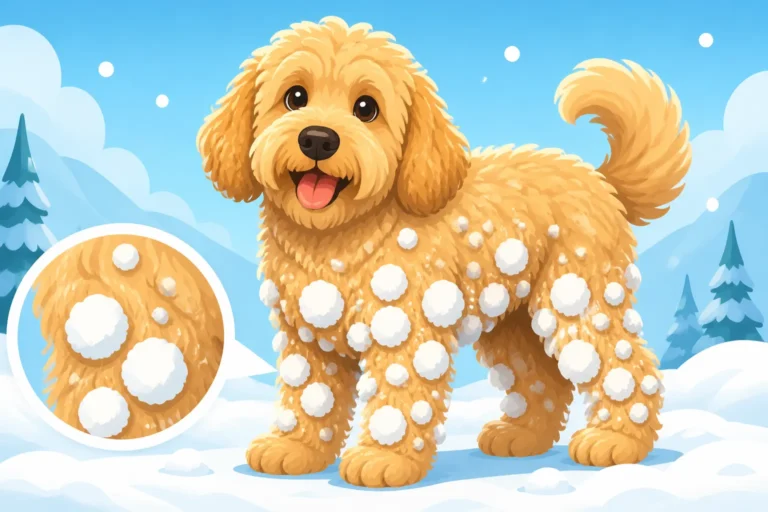
Hands down, the curly Goldendoodle coat is the highest maintenance when it comes to preventing mats. The tight curls act like velcro, trapping loose hair, dirt, leaves, and anything else they encounter, quickly forming dense, painful mats if not brushed diligently. Daily brushing is not just recommended, it's absolutely essential. You'll need a high-quality slicker brush and a sturdy metal comb to methodically line brush your Goldendoodle, ensuring you're getting down to the skin at every session. Pay extra attention to areas like behind the ears, armpits, tail, and where harnesses or collars rub. Why a Goldendoodle Mats in a Week Without Brushing is something curly coat owners learn quickly and painfully.
Professional grooming for a curly-coated Goldendoodle is a non-negotiable, frequent expense, usually every 4-6 weeks. Many owners opt to keep these coats clipped quite short to manage the matting, especially during warmer months or if they lead an active, outdoorsy lifestyle. Regular bathing at home, using good detangling conditioners, is also crucial, but always ensure the coat is thoroughly brushed out before bathing and completely dried afterward to prevent moisture-induced mats. Products from brands available on Amazon can be a lifesaver for managing these coats.
Curly Coats and Maximizing Hypoallergenic Qualities
For individuals with moderate to severe dog allergies, a curly Goldendoodle coat is often the best choice among the three types. Due to the tight curl structure, shed hair and dander are effectively trapped within the coat, minimizing their release into the environment. This significantly reduces the airborne allergens that trigger allergic reactions, making these Goldendoodles very popular in allergy-conscious households.
To maximize these hypoallergenic qualities, consistent grooming is paramount. Regular brushing removes the trapped dander and shed hair before it can build up and potentially get released. Frequent professional grooming, which includes thorough bathing and drying, also helps wash away accumulated dander. While no dog is truly 100% hypoallergenic, the curly Goldendoodle comes very close for many sufferers. Just remember that even a curly coat can trigger reactions if neglected, as mats can trap large amounts of dander close to the skin. Goldendoodle Skin and Coat Disease can sometimes be exacerbated by poor grooming habits with these dense coats.
The Goldendoodle Coat Change: A Universal Experience
Regardless of whether your Goldendoodle's adult coat turns out straight, wavy, or curly, nearly every Goldendoodle owner will go through a specific, often challenging, phase known as the "coat change." This transition from soft puppy fluff to denser adult hair is a rite of passage for Goldendoodles, typically occurring during adolescence. Understanding when and why it happens can help you navigate this period with patience and a whole lot of extra brushing.
When the Puppy Coat Gives Way
The Goldendoodle coat change usually begins sometime between 8 and 12 months of age, though it can start earlier or later depending on the individual dog. Before this, your Goldendoodle likely had a soft, manageable puppy coat that was relatively easy to brush and less prone to severe matting. Then, seemingly overnight, you'll notice a significant shift. The puppy coat starts to shed out, making way for the coarser, denser, and more mature adult coat. This isn't just about length; it's a fundamental change in texture and density. Why a Goldendoodle Coat Turns at Nine Months explains the underlying biological process behind this transformation.
During this period, the soft puppy fur often gets tangled and matted with the emerging adult hair. It’s like trying to brush out two different hair textures that are actively trying to cling to each other. Even Goldendoodles with straighter adult coats will experience this transition, though it might be less intense than for their wavy or curly counterparts. It’s a messy, frustrating phase for both dog and owner, but it's crucial to understand that it's normal and temporary, requiring heightened vigilance in grooming.
Navigating the Most Challenging Grooming Period
The coat change is, without a doubt, the most challenging grooming period for any Goldendoodle owner. Your dog's coat will go from relatively easy to manage to a matting nightmare in what feels like moments. This is the time when many Goldendoodles end up needing to be shaved down because the matting becomes too severe to brush out without causing pain. To avoid this, you'll need to double down on your brushing efforts. Daily, thorough line brushing is absolutely essential, even for straight-coated dogs, as the two types of hair intertwine. Daily Brushing Through a Goldendoodle Coat Change isn't just a suggestion; it's a requirement.
You might find yourself needing to book professional grooming appointments more frequently during this period, perhaps every 4-5 weeks, just to keep ahead of the mats. Communicate with your groomer about the coat change; they can offer specific advice and techniques. Using a good detangling spray and a high-velocity dryer after baths can also make a huge difference, helping to straighten the hair shaft and prevent tangles from reforming as the coat dries. Brands like Chewy often carry a wide selection of detanglers and grooming tools perfect for this intense period. Patience, persistence, and plenty of treats for your Goldendoodle will be your best friends during this transition.
Practical Tips for Every Goldendoodle Coat Owner
No matter which beautiful coat type your Goldendoodle sports, consistent and correct grooming is paramount to their health, comfort, and appearance. From choosing the right tools to finding a groomer who truly understands the unique needs of a Goldendoodle, being proactive with your care routine will save you headaches, heartache, and potentially significant vet bills down the line.
Essential Grooming Tools for All Coat Types
Having the right tools is half the battle when it comes to Goldendoodle grooming. Don't skimp on quality; cheap brushes can be ineffective and even cause discomfort. Here's a table of essential tools for every Goldendoodle owner:
| Tool | Purpose | Why it's essential for Goldendoodles |
|---|---|---|
| Slicker Brush | Removes loose hair, tangles, and small mats from the top layer and undercoat. | Primary tool for daily brushing; gets down to the skin without being too harsh on their delicate hair. |
| Metal Comb | Detangles deeper mats, checks for missed knots after brushing, and defines furnishings. | Crucial for "line brushing" and ensuring no mats are left behind. A fine-toothed end for face/ears, wider for body. |
| Detangling Spray | Helps loosen tangles, moisturizes coat, and reduces static. | Makes brushing easier and more comfortable, especially for wavy/curly coats, and during the coat change. Look for one on Amazon. |
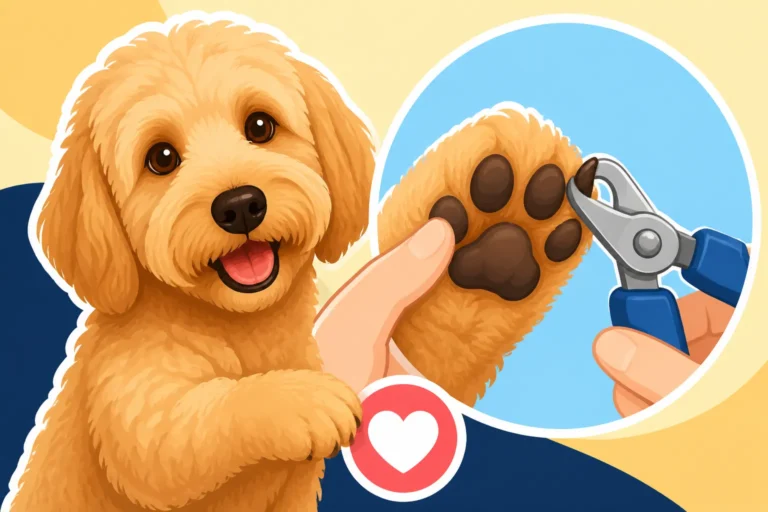
| Nail Clippers/Grinder | Keeps nails trimmed to a healthy length, preventing discomfort and joint issues. | Overgrown nails can cause pain and permanent damage. Start early to desensitize your puppy. |
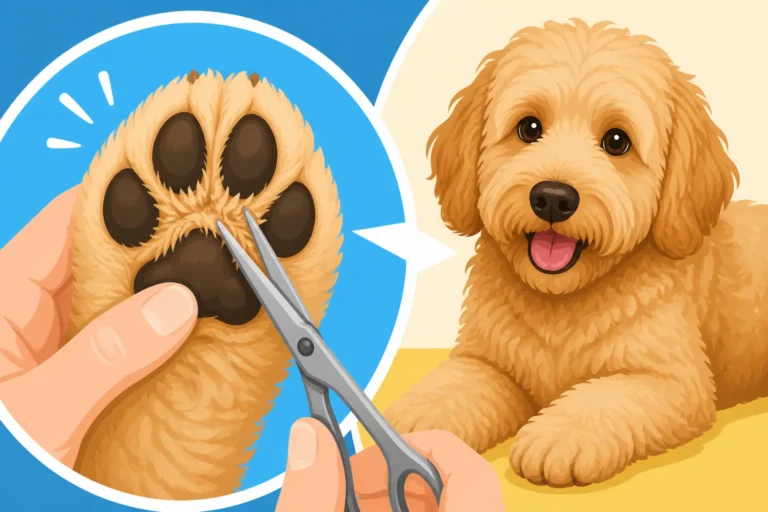
| Blunt-Tipped Scissors | Safely trims hair around eyes, paw pads, and sanitary areas. | Essential for quick touch-ups and preventing hair from irritating sensitive spots or collecting debris. |
| High-Velocity Dryer | Dries coat quickly and thoroughly after bathing, blowing out loose hair and preventing mats. | Reduces drying time dramatically, prevents moisture-related matting, and helps "fluff" the coat for easier brushing. |
| Dog-Specific Shampoo & Conditioner | Cleanses without stripping natural oils, moisturizes, and makes brushing easier. | Human products can be too harsh. A good conditioner is vital for detangling, especially with curly coats. Ollie offers some great options. |
Remember, using these tools correctly is just as important as having them. Always brush in sections, working your way down to the skin. The Slicker Brush and Comb a Goldendoodle Needs provides a detailed look at how to use these effectively.
Finding a Groomer Who Understands Goldendoodles
One of the best investments you can make for your Goldendoodle is finding a professional groomer who truly understands their unique coat needs. Not all groomers are experienced with Goldendoodles, and a lack of specific knowledge can lead to frustration, poor cuts, or even painful dematting sessions. Look for groomers who specialize in doodles or have extensive experience with Poodle and Golden Retriever coats.
When interviewing potential groomers, ask specific questions:
- "How often do you recommend grooming a Goldendoodle with a [straight/wavy/curly] coat?"
- "What are your strategies for handling a Goldendoodle's mat-prone areas like the armpits and behind the ears?"
- "Can you provide references from other Goldendoodle clients?"
- "Do you offer puppy grooming packages to help desensitize them to the process?"
A good groomer will also be happy to discuss different haircut styles that suit your dog's coat type and your lifestyle, rather than just doing a generic clip. Establishing a consistent schedule with a trusted groomer, perhaps every 6-8 weeks for wavy coats or 4-6 weeks for curly coats, will be key to keeping your Goldendoodle happy, healthy, and looking their best. Booking a Goldendoodle Groom Every Six to Eight Weeks will become a crucial part of your schedule.
Disclaimer
This article is for general informational purposes only and does not constitute professional advice. Laws, prices and regulations vary by location and change over time. Consult a qualified professional for guidance on your specific situation.