The Furnishings Gene and the Goldendoodle Beard
One of the most defining features of a Goldendoodle, the very thing that gives them their distinctive "doodle" look, is that adorable beard and those shaggy eyebrows. But have you ever wondered why some Goldendoodles have that classic facial hair and others have a smoother, more Golden Retriever-like face? It all comes down to a single gene, known as the furnishings gene, and understanding it is key to anticipating your Goldendoodle’s appearance and grooming needs.
Understanding the Furnishings Gene (RSP02)
The Goldendoodle's characteristic beard, mustache, and eyebrows aren't just random acts of genetics; they're the direct result of a specific gene called RSP02, commonly referred to as the "furnishings" gene. This gene is the architect behind the longer, coarser hair that grows on a Goldendoodle's face, giving them that beloved teddy bear look. Without it, a Goldendoodle might look more like a Golden Retriever with a curly coat, often surprising owners who expected a specific aesthetic.
What is the Furnishings Gene?
At its core, the furnishings gene (RSP02) is responsible for the growth of longer hair on a dog's face, specifically around the muzzle, eyes, and often on the legs and body in a textured way. Think of the distinct, shaggy appearance of a Poodle, a Schnauzer, or even an Old English Sheepdog—that's furnishings at work. When this gene is present, you get that wonderful Goldendoodle beard, those expressive eyebrows, and often a more substantial coat throughout. If the gene isn't there, the facial hair remains short and smooth, similar to a Golden Retriever's face.
The gene is largely dominant. This means that if a dog inherits even one copy of the "furnished" allele (gene variant), it will display furnishings. It’s why Poodles, which always carry two copies of the furnished gene, consistently have their signature facial hair. Golden Retrievers, on the other hand, carry two copies of the "unfurnished" allele, resulting in their smooth, sleek faces. When these two breeds combine to create an F1 Goldendoodle, the furnished gene from the Poodle is often dominant, giving many Goldendoodles their iconic look.
The Genetic Basis: Dominant vs. Recessive
To truly grasp why some Goldendoodles have furnishings and others don't, we need a quick dive into basic genetics. The furnishings gene has two main alleles: 'F' for furnished (dominant) and 'f' for unfurnished (recessive). Every dog inherits two copies of this gene, one from each parent.
Here's how it breaks down:
- F/F (Homozygous Furnished): This dog has inherited two copies of the furnished gene. They will have furnishings, and all of their offspring will inherit at least one 'F' gene, meaning all their puppies will also be furnished, regardless of the other parent's status. Poodles are typically F/F.
- F/f (Heterozygous Furnished): This dog has inherited one furnished gene and one unfurnished gene. They will have furnishings because 'F' is dominant. However, they are also a "carrier" for the unfurnished trait. If bred with another F/f or an f/f dog, some of their puppies could be unfurnished.
- f/f (Homozygous Unfurnished): This dog has inherited two copies of the unfurnished gene. They will have a smooth, Golden Retriever-like face, completely lacking furnishings. Golden Retrievers are typically f/f.
This genetic understanding is crucial for breeders who aim for specific coat types. An F1 Goldendoodle (a direct cross between a Poodle and a Golden Retriever) will often be F/f, inheriting 'F' from the Poodle and 'f' from the Golden. This means they will have furnishings. However, if that Poodle parent happened to be F/f (which is rare but possible if they have unfurnished ancestry, though Poodles are almost always F/F), or if you're looking at F2 or multigen Goldendoodles, the combinations get more complex, and the chances of an unfurnished puppy increase.
Why an Unfurnished Goldendoodle Still Happens
It's a common misconception that all Goldendoodles will automatically have the classic beard and eyebrows. Many hopeful owners envision that fluffy, teddy-bear face, only to be surprised when their puppy grows up looking a bit more like a Golden Retriever. This happens when a Goldendoodle inherits two copies of the recessive 'f' gene (f/f).
The most common scenario for an unfurnished Goldendoodle is when both parents are F/f (heterozygous furnished). While both parents themselves have furnishings, they each carry that recessive 'f' gene. When two F/f dogs are bred, there's a 25% chance that a puppy will inherit 'f' from both parents, resulting in an f/f genotype and an unfurnished coat. This is often seen in F2 (second-generation) Goldendoodles or certain multigen crosses where breeders might not have carefully DNA tested for the furnishings gene.
An unfurnished Goldendoodle is sometimes called a "flat-coated" Goldendoodle. They still carry the Poodle genetics for curl and shedding in their body coat, but their face will have the shorter, smoother hair characteristic of the Golden Retriever. This doesn't make them any less of a Goldendoodle or any less lovable, but it certainly changes their aesthetic and sometimes their grooming needs, as they may shed more from their face than a furnished Goldendoodle would. It's why early genetic testing for puppies or careful examination of parentage can be so important for prospective owners.
Identifying Furnishings in Your Goldendoodle
So, you're wondering if your Goldendoodle has that classic furnished look or if they lean more towards the smooth-faced Golden Retriever side? Sometimes it's obvious, but other times, especially with puppies, it can be a bit of a guessing game until they mature. Knowing what to look for can help you set expectations and prepare for their unique grooming needs.
The Tell-Tale Signs of a Furnished Goldendoodle
A furnished Goldendoodle is typically what most people picture when they think of the breed. These dogs boast distinctive features that set them apart. The most obvious sign is longer hair on the muzzle, forming what we affectionately call a "beard" or "mustache." This isn't just a bit of fuzz; it's noticeable growth that often cascades over their lips and chin. Along with this, you'll see distinct eyebrows—longer, often unruly hair above their eyes that gives them such expressive faces. Some owners even trim these to give their Goldendoodle a more defined look.
Beyond the face, furnished Goldendoodles often have longer hair on their legs, creating "feathering" that adds to their shaggy charm. Their body coat also tends to be thicker and more consistent in texture from head to tail. The key visual cue is that overall scruffy, shaggy, yet endearing appearance. When they're puppies, their facial hair might be short, but it quickly starts to grow out. You'll often notice it becoming more prominent around the 8 to 12-week mark, though some may take a bit longer to fully "furnish" into their adult look. This is why it's so helpful to see photos of a puppy's parents to get a better idea of what to expect, especially since Goldendoodle Puppy Coat Predicts Nothing definitively in the first few weeks.
What an Unfurnished ("Flat-Coated") Goldendoodle Looks Like
In contrast to their furnished counterparts, unfurnished Goldendoodles, sometimes called "flat-coated" Goldendoodles, have a much smoother appearance. If you've been surprised by an unfurnished puppy, don't worry, they're still 100% Goldendoodle and just as wonderful! Their distinct look is simply due to inheriting the recessive 'f' gene from both parents.
An unfurnished Goldendoodle will have a face that strongly resembles a Golden Retriever. This means shorter, smoother hair on the muzzle and around the eyes, lacking that characteristic beard, mustache, and prominent eyebrows. The hair on their face will lie flat and won't grow long. Their legs might also have less feathering, and their overall coat on the body, while it can still be wavy or curly depending on other genetic factors, often appears less dense or "fluffy" than a heavily furnished Goldendoodle.
One of the biggest differences, often a surprise to owners, is that unfurnished Goldendoodles tend to shed more from their facial area. While their body coat might still be low-shedding if they have the appropriate Poodle genes, the lack of furnishings means the facial hair sheds more freely, just like a Golden Retriever's face would. This can sometimes lead to more pet dander in the immediate environment, which might be a consideration for allergy sufferers, though no dog is truly hypoallergenic. Understanding this distinction is vital for managing grooming expectations and daily household cleanliness.
When You Can Tell: Puppy vs. Adult Coat
Deciphering whether a Goldendoodle puppy will grow into that iconic furnished look or sport a sleek, unfurnished face can be a waiting game. While some signs can appear early, the full picture often doesn't emerge until they're a bit older.
Typically, you'll start to see signs of furnishings developing between 6 to 12 weeks of age. Look closely at your puppy's muzzle: is the hair starting to grow longer and a bit coarser than the hair on their forehead? Are tiny, wispy hairs starting to form around their eyes, suggesting future eyebrows? These are early indicators. In furnished puppies, the facial hair will feel noticeably different – often coarser and thicker – than the softer, shorter hair on an unfurnished puppy's face.
However, it's important to remember that puppies, especially Goldendoodles, go through a significant coat change as they mature. The soft, fluffy puppy coat is replaced by the denser, adult coat, which can sometimes alter appearance. It's a bit like when human babies shed their fine newborn hair for thicker strands. What seems like a smooth face at 4 weeks might actually start to develop furnishings by 10 weeks. If you're unsure, observing the parents is often the best predictor. A truly unfurnished puppy will maintain that short, smooth Golden Retriever-like facial hair throughout their puppyhood and into adulthood. Don't stress too much about getting it exactly right in the first few days, but by the time they're a few months old, the trajectory of their facial hair should be pretty clear.
Grooming the Goldendoodle Beard and Furnishings
That beautiful Goldendoodle beard, while charming, comes with its own set of grooming challenges. Many new Goldendoodle owners quickly realize that the adorable facial hair can become a magnet for all sorts of things, from food remnants to environmental debris. Proper care isn't just about aesthetics; it's essential for your dog's hygiene and comfort.
The Daily Necessity of Beard Care
If your Goldendoodle has that glorious beard, you'll soon discover that it demands daily attention. Unlike a smooth-faced dog, a Goldendoodle's beard acts like a sponge and a catcher's mitt. After every meal, you'll notice bits of kibble, wet food, or even crumbs clinging to the hair around their mouth. Similarly, after a drink of water, their beard will be soaking wet, dripping everywhere and potentially staining furniture or floors.
This constant dampness and trapped food create a perfect breeding ground for bacteria and yeast, leading to unpleasant odors and potential skin irritation. More importantly, the beard is a prime target for matting. Food, saliva, and moisture can quickly cause the hair to clump and knot, especially if it’s a curly coat. These mats, particularly around the chin and under the jaw, can pull on the skin, causing pain and discomfort, and if left untended, can lead to painful skin infections. To keep these issues at bay, you'll need to develop a routine that includes wiping their beard after meals and drinks, and most importantly, regular brushing. A small metal comb and a slicker brush are your best friends here, used daily to gently work through any tangles and ensure air can get to the skin. This proactive approach saves a lot of heartache (and vet bills!) down the line.
Keeping Hair Out of the Eyes and Mouth
Beyond the daily cleaning and brushing of the beard itself, managing the longer facial furnishings also means keeping hair trimmed in crucial areas—specifically around the eyes and mouth. This isn't just for looks; it's a critical part of maintaining your Goldendoodle's health and comfort.
Hair that grows too long around the eyes can cause several problems. It can irritate the eyes, leading to excessive tearing, redness, and even painful corneal abrasions if a stray hair consistently rubs against the eyeball. Tear stains, those unsightly reddish-brown marks, are often exacerbated by long facial hair that traps moisture and bacteria. Regular trims, often called "bangs" trims or "eye-corner" trims, are essential to keep this area clear. You can do this at home with blunt-nosed scissors, or your professional groomer will handle it during their regular appointment.
Similarly, hair around the mouth, if allowed to grow excessively long, can not only trap food but also become a nuisance during eating and drinking. It can get caught in their teeth, making it harder to chew, and become a hygiene issue. A "sanitary trim" around the mouth and chin ensures cleanliness and prevents deep mats from forming in these high-traffic areas. Learning to carefully trim these areas yourself can save money between professional grooms. Resources like Chewy or Amazon offer blunt-nosed scissors and grooming guides to help you master these techniques.
Managing Staining and Odor
Ah, the charming Goldendoodle beard – a magnet for all things wet and sticky, which can lead to unsightly staining and less-than-pleasant odors. This is a common frustration for owners, but thankfully, there are ways to manage it.
Beard staining, much like tear staining, is primarily caused by yeast and bacteria that thrive in moist environments. When your Goldendoodle drinks, food particles get caught in the damp hair, or if they have a bit of drool, the moisture encourages microbial growth. The resulting discoloration can range from yellowish to reddish-brown, and it can be quite stubborn to remove once it sets in. More concerning than the aesthetics, though, is the potential for odor. A chronically damp and food-laden beard can develop a distinct, sometimes yeasty or sour smell that no amount of cuddling can quite mask.
To combat this, consistency is key. Wiping your Goldendoodle's beard after every meal and drink with a damp cloth is paramount. For persistent staining, you can use veterinary-approved facial cleansers or wipes specifically designed for pet use. Some owners find that switching to a raised feeder and a water bowl designed for long-eared or bearded breeds (like a deep, narrow bowl) helps minimize the amount of water their Goldendoodle soaks up. Addressing underlying issues, such as food sensitivities that might cause excessive drooling or skin irritation, can also help. A quality diet, perhaps even a fresh food option like those offered by Ollie, can contribute to overall skin health and potentially reduce staining from within, but good external hygiene is always the first line of defense. Cleaning a Goldendoodle Beard After Every Meal is a non-negotiable step in maintaining a fresh-faced Goldendoodle.
Health Implications of Goldendoodle Furnishings
While the furnishings gene gives Goldendoodles their iconic look, it also introduces specific health and care considerations that owners need to be aware of. The very hair that makes them so endearing can, if not properly managed, contribute to common issues like skin irritation and ear infections.
Skin Issues Under a Thick Beard
The dense, often curly hair that forms a Goldendoodle's beard, while cute, can create a microclimate ripe for skin problems if not meticulously cared for. This area is constantly exposed to moisture from drinking, food residue, and saliva, making it a warm, damp environment that can trap debris and prevent proper air circulation.
This persistent dampness is an open invitation for yeast infections and bacterial skin irritations. You might notice your Goldendoodle scratching their chin excessively, or you might detect a distinct, somewhat sweet or musty odor coming from their beard. Upon closer inspection, the skin underneath might appear red, inflamed, or greasy. If food particles are frequently trapped, they can also cause localized irritation or even trigger an allergic reaction on the skin. Goldendoodle Food Allergies Showing on the Skin can manifest in these areas, making regular checks important. It's crucial to thoroughly dry the beard after your dog drinks water or eats wet food. This proactive step, along with daily brushing to aerate the skin, can significantly reduce the risk of these uncomfortable and often recurring issues. If you notice persistent redness, odor, or discomfort, a vet visit is essential, as these infections usually require medicated shampoos or topical treatments.
Ear Hair and Potential Infections
While technically separate from the beard, the furnishings gene often goes hand-in-hand with increased hair growth inside the ear canal, a common trait inherited from the Poodle parent. This inner ear hair, combined with the floppy, furnished outer ear (also known as a drop ear), creates a perfect storm for persistent ear problems in many Goldendoodles.
The long, thick hair within the ear canal can trap moisture, wax, and debris, severely restricting airflow to the inner ear. This dark, warm, and moist environment is ideal for the proliferation of yeast and bacteria, leading to chronic and painful ear infections. Owners often struggle with recurrent infections, which can be frustrating for both the dog and the owner. Symptoms include head shaking, pawing at the ears, a foul odor, and redness or discharge in the ear canal. Goldendoodle Ear Infections Under a Furnished Ear are a common complaint.
Regular ear care is paramount. This involves not only cleaning the outer ear flap but also carefully addressing the hair within the canal. Some owners choose to pluck this hair, while others prefer to have it trimmed by a professional groomer or veterinarian. Whichever method you choose, it must be done gently and consistently. Using a vet-recommended ear cleaner weekly, especially after baths or swimming, can help keep the ear canal dry and free from microbial overgrowth. Cleaning a Goldendoodle Ear Before It Gets Infected is a proactive measure that can save your Goldendoodle a lot of discomfort and you a lot of vet bills.
Dental Health and the Furnished Mouth
The Goldendoodle beard, while charming, can also indirectly impact dental health. The very features that give them their distinctive look can become a silent partner in the development of plaque and gum disease if not properly managed.
Think about it: the longer hair around the muzzle and chin is constantly in contact with food during meals. Bits of kibble, wet food, and treats can easily become lodged in the beard or around the gums. If these food particles are not promptly cleaned away, they create an ideal environment for bacteria to flourish. These bacteria contribute to the formation of plaque, which eventually hardens into tartar on the teeth. Over time, this buildup can lead to gingivitis, painful gum inflammation, and eventually more serious periodontal disease, which can cause tooth loss and impact overall health.
While the beard itself doesn't directly cause dental issues, it increases the need for diligent oral hygiene. Beyond simply wiping the beard after meals, regular dental care is vital. Daily tooth brushing, using dog-specific toothpaste, is the gold standard for preventing plaque buildup. Dental chews and toys can offer some help, but they are rarely a substitute for brushing. For smaller Goldendoodle sizes, Dental Crowding in a Toy Goldendoodle Mouth can be a particular concern, as their teeth may be too close together, making them even more prone to tartar accumulation regardless of furnishings. Regular veterinary check-ups should include an assessment of your Goldendoodle’s dental health, with professional cleanings under anesthesia often recommended as part of a comprehensive oral care plan.
Breeding and the Furnishings Gene
For breeders and prospective owners alike, understanding the furnishings gene isn't just about curiosity; it's a critical factor in predicting a Goldendoodle's appearance, potential shedding, and even market desirability. The decisions made during breeding directly influence whether a puppy will grow that coveted beard.
DNA Testing for Furnishings
In the world of responsible Goldendoodle breeding, DNA testing isn't just a fancy extra; it's an essential tool, especially when it comes to predicting coat type. Breeders who are committed to producing puppies with specific traits, like the classic furnished "doodle" look, rely heavily on genetic testing for the furnishings gene (RSP02).
This simple DNA test reveals whether a dog carries two copies of the furnished gene (F/F), one copy (F/f), or two copies of the unfurnished gene (f/f). For F1 Goldendoodles, where a Poodle (typically F/F) is bred with a Golden Retriever (f/f), all puppies will inherit F/f and therefore will be furnished. The predictability here is high. However, in subsequent generations (F1b, F2, Multigen), the genetic combinations become more varied. For instance, if a breeder wants to ensure all puppies in an F2 or Multigen litter are furnished, they would need to breed at least one F/F parent or two F/f parents who have been DNA tested.
Knowing the genetic status of their breeding dogs allows breeders to make informed decisions, preventing the "unfurnished" surprise. This transparency is also invaluable for prospective puppy buyers who specifically seek a furnished Goldendoodle, giving them peace of mind that their puppy will grow that beard they envision. The DNA Panel a Goldendoodle Breeder Should Run should definitely include testing for furnishings, among other critical health and coat traits.
Predicting Coat Type and Shedding
The furnishings gene plays a pivotal role in predicting a Goldendoodle's coat type and, perhaps more importantly for many owners, their shedding potential. It's a common misconception that all Goldendoodles are non-shedding, and the presence or absence of furnishings is a major factor in this equation.
While furnishings (the 'F' gene) are not directly the shedding gene, they are highly correlated with low shedding because the gene for furnishings also influences hair growth patterns across the body, leading to the longer, continuously growing hair seen in Poodles. Dogs that are unfurnished (f/f) will have a coat that grows to a certain length and then sheds, much like a Golden Retriever. This is why an unfurnished Goldendoodle often sheds significantly more than a furnished one, even if they share some Poodle genetics.
However, it's crucial to understand that furnishings alone don't guarantee a completely non-shedding dog. Other genetic factors, particularly the curl gene and other genes related to the shedding locus, also influence the final coat. A Goldendoodle can be furnished but still have a fairly loose, wavy coat that sheds lightly, or a very tight, curly coat that sheds almost imperceptibly. Conversely, an unfurnished Goldendoodle will likely shed more, regardless of how curly their body coat is. Understanding Why a Goldendoodle Curl Gene Is Not a Shedding Gene is important, as curl and furnishings are distinct traits that together determine the full coat picture. Responsible breeders consider all these genetic markers to give buyers the most accurate prediction of their puppy's adult coat and shedding characteristics.
The Desirability of Furnishings in the Market
There's no denying that the iconic "doodle look"—that shaggy, teddy bear face complete with a beard and expressive eyebrows—is a significant driver of the Goldendoodle's immense popularity. This aesthetic preference has a tangible impact on the market, making furnished Goldendoodles generally more desirable and, consequently, sometimes more expensive.
Most people seeking a Goldendoodle envision a dog that doesn't just have a curly or wavy body coat, but also the distinctive facial hair. It's what differentiates them visually from a purebred Golden Retriever and gives them that unique, often playful expression. This strong consumer preference means that breeders who consistently produce furnished puppies, especially those with minimal shedding, often find higher demand for their litters. Unfurnished Goldendoodles, while equally wonderful in temperament and health, may sometimes be harder to place or command a lower price because they don't fit the widely recognized "doodle" image.
This market demand drives breeders to use DNA testing to ensure their breeding pairs will produce furnished offspring. It also means that Why Goldendoodle Prices Vary by Generation and Size can often be linked to coat predictability, with generations like F1b or multigen Goldendoodles, which are often bred to maximize furnishings and minimize shedding, sometimes fetching higher prices. Ultimately, while beauty is in the eye of the beholder, the furnishings gene undeniably plays a huge role in shaping perceptions and market trends within the Goldendoodle community.
Living with the Goldendoodle Beard: Practical Tips
Embracing the Goldendoodle beard means committing to its care. While it adds immeasurable charm, it also demands specific attention to keep your furry friend clean, comfortable, and healthy. It's not just about occasional brushing; it's about integrating beard care into your daily routine.
Essential Grooming Tools for the Beard
To effectively manage your Goldendoodle’s beard and furnishings, you need to arm yourself with the right tools. Skimping on these essentials can lead to matting, discomfort, and a lot of frustration for both you and your dog.
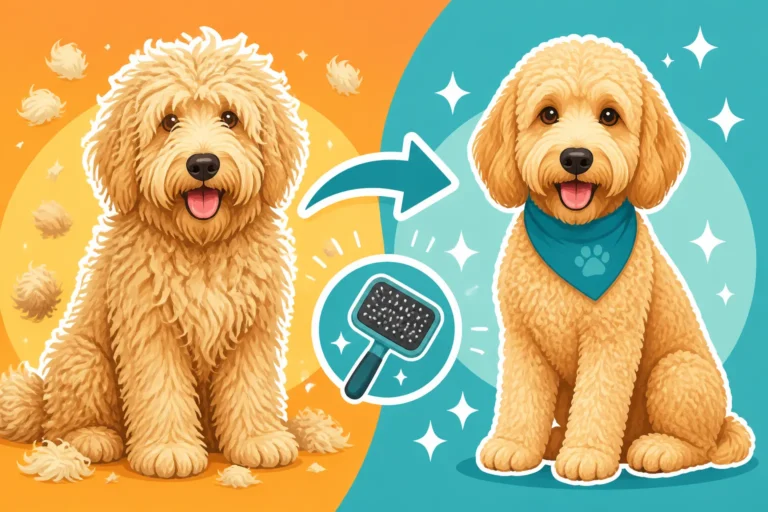
First and foremost, a good quality slicker brush and a metal comb are non-negotiable. The slicker brush is excellent for getting through the bulk of the hair and removing loose fur and minor tangles, while the metal comb, particularly one with both wide and fine teeth, is crucial for line brushing and getting down to the skin to detect and work out any mats that the slicker might miss. For the delicate areas around the eyes and mouth, blunt-nosed grooming scissors are essential. These are specifically designed with rounded tips to minimize the risk of accidental pokes or cuts when trimming around sensitive areas. You can find excellent options on Amazon or at your local pet supply store.
Beyond brushing and trimming, consider specialized feeding and watering solutions. High-sided, narrow water bowls can help keep the beard drier, reducing constant dampness and potential staining. Some owners even use a dog snood (a fabric tube that goes over the ears and beard) during meals to keep food out of the facial hair entirely. Having a soft, absorbent towel or a pack of pet-safe grooming wipes handy for quick post-meal or post-drink cleanups is also incredibly helpful. Investing in these items is an investment in your Goldendoodle's comfort and hygiene. For a full breakdown of what you might need, check out Home Grooming Tools a Goldendoodle Actually Needs.
Keeping the Beard Clean During Meals
One of the biggest challenges of owning a bearded Goldendoodle is keeping that facial hair clean during meal times. It's a constant battle against food remnants and water drips, but with a few strategies, you can minimize the mess and maintain hygiene.
The most common issue is food sticking to the beard. Whether it's dry kibble crumbs or gooey wet food, it invariably ends up intertwined with their facial hair. This not only looks untidy but also creates a breeding ground for bacteria, leading to odors and potential skin irritation. To combat this, one simple tip is to wipe their beard immediately after every meal. A damp cloth or a pet-safe grooming wipe can do wonders. Don't just dab; gently wipe away any clinging food particles and then make sure the hair is dried thoroughly.
For persistent food messes, or if you feed wet food, consider using a snood during meal times. A snood is a fabric tube that covers your dog's ears and beard, keeping them completely out of the food bowl. You can find these easily on Chewy or Etsy. Another effective strategy is to use raised feeders and gravity-fed bowls with high sides or a narrower opening. These designs can help minimize the amount of beard that dangles into the food or water. Some Goldendoodle owners even prefer to feed their dogs in a way that encourages them to eat into the bowl rather than across it, which can reduce spillage. Remember, consistency is key; Cleaning a Goldendoodle Beard After Every Meal isn't just a suggestion, it's a vital part of owning a Goldendoodle with furnishings.
Dealing with Environmental Factors
The Goldendoodle beard isn't just a food and water magnet; it's also highly susceptible to picking up various environmental debris during outdoor adventures. What seems like harmless play can quickly turn into a grooming nightmare if you're not vigilant.
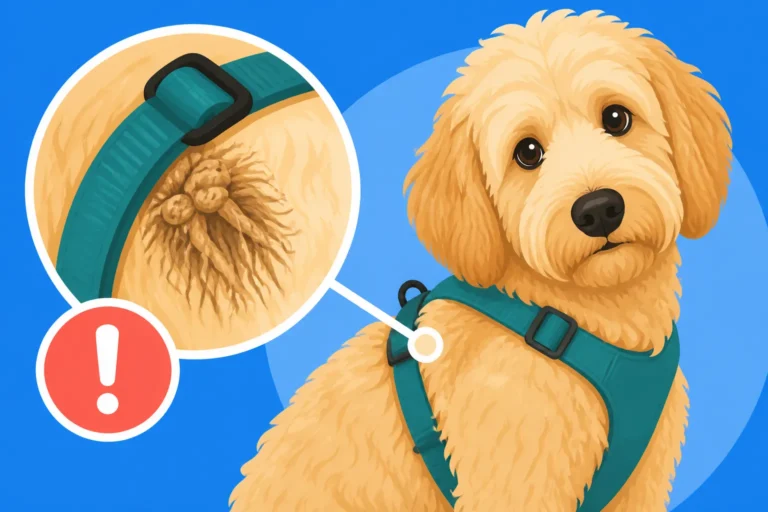
Think about a romp in a snowy park: the fine powder can cling to the beard and legs, quickly forming painful snowballs that freeze solid. A playful roll in a muddy puddle or a dusty trail walk means their beard will collect dirt, dust, and grime, leading to mats and unpleasant odors. And perhaps most frustrating of all are natural hazards like burrs and foxtails. These prickly seeds and plant awns are designed to cling, and a Goldendoodle's dense, curly beard offers the perfect snagging ground. Once embedded, they can be incredibly difficult to remove and can even burrow into the skin, causing abscesses or serious infections.
To prevent these issues, establish a routine of checking your Goldendoodle's beard (and paws and legs!) after every outdoor excursion. A thorough comb-through, especially after walks in grassy or wooded areas, can catch burrs before they become deeply entangled. If snowballs are a frequent problem in winter, consider protective gear like leg wraps or even lightly applying a dog-safe balm or spray to the coat to make it more resistant to ice buildup. For mud, a quick rinse with warm water and a thorough towel dry is usually sufficient. Being proactive in checking and cleaning their beard based on their environment will save you a lot of time, and your Goldendoodle a lot of discomfort. For more on these pesky plant issues, consult Burrs and Foxtails in a Goldendoodle Coat.
| Feature | Furnished Goldendoodle (F/F or F/f) | Unfurnished Goldendoodle (f/f) |
|---|---|---|
| Facial Hair | Longer beard, mustache, eyebrows | Short, smooth facial hair |
| Appearance | "Teddy bear" or "shaggy" look | Golden Retriever-like face |
| Shedding (Facial) | Generally low to non-shedding | Moderate to high shedding |
| Grooming Needs (Face) | Daily wiping/brushing, regular trims | Minimal facial hair care |
| Matting Risk (Face) | High, especially around mouth/chin | Low |
| Ear Hair (Internal) | Often abundant, higher infection risk | Varies, can be less dense |
| Genetic Test Result | F/F or F/f | f/f |
| Market Desirability | High, often preferred | Lower for "doodle" aesthetic |
Disclaimer
This article is for general informational purposes only and does not constitute professional advice. Laws, prices and regulations vary by location and change over time. Consult a qualified professional for guidance on your specific situation.