Switching a Goldendoodle to Adult Food
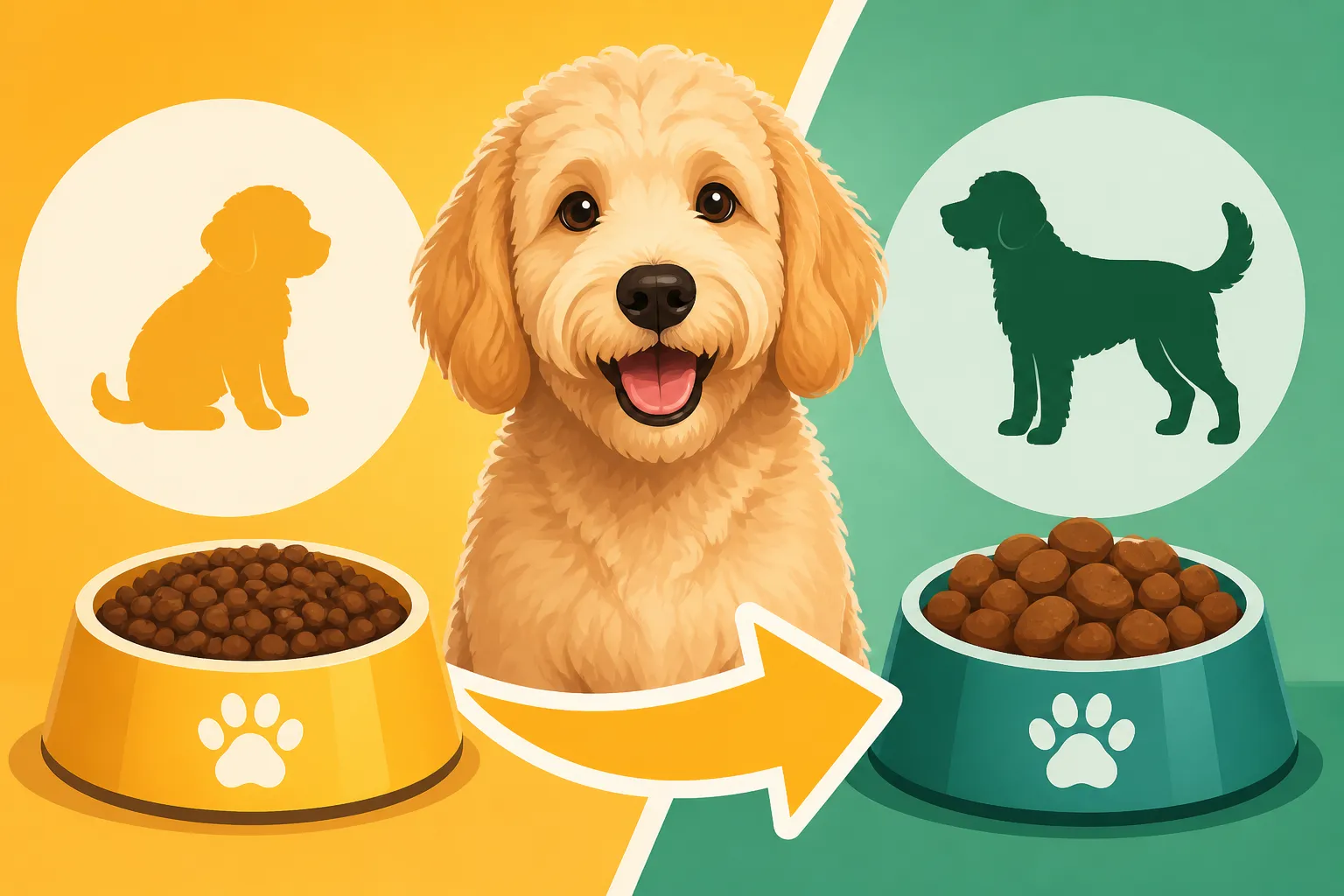
That moment when your adorable Goldendoodle puppy isn't quite a puppy anymore, growing like a weed and eyeing up bigger portions, often leaves us Goldendoodle parents scratching our heads. You're probably wondering if it's time to graduate them from their specialized puppy chow to a more grown-up diet, and let me tell you, you're not alone in feeling a little unsure. This comprehensive guide will walk you through the clear signs your Goldendoodle is ready for adult food, how to transition them smoothly without upsetting their sensitive digestive system, and what factors to consider when choosing their new lifelong diet.
Understanding When Your Goldendoodle Is Ready for Adult Food
It’s easy to get caught up in the "puppy phase" – those playful zoomies and adorable clumsy moments make us want to keep them tiny forever! But just like human kids, Goldendoodles grow quickly, and their nutritional needs change dramatically from infancy to adulthood. Knowing when to make the switch from puppy food isn't just about a calendar date; it's about recognizing key developmental milestones. Keeping a close eye on their physical development and energy levels is far more important than a hard and fast rule.
Physical Maturation and Growth Plates
The most critical factor in determining when your Goldendoodle is ready for adult food is their physical maturity, particularly the closing of their growth plates. These are areas of cartilage in young dogs' bones that produce new bone tissue, allowing them to grow longer. Once these growth plates have closed, usually between 12 and 18 months of age, your Goldendoodle has reached their adult height and much of their adult weight. Continuing to feed a puppy formula, which is higher in calories and often denser in certain nutrients like calcium, after growth plates close can actually be detrimental. Too much calcium can contribute to orthopedic issues later on, and excess calories can lead to unhealthy weight gain, putting strain on developing joints. Goldendoodle Growth Plates by Size Category offers more insight into this.
For smaller Goldendoodles, like Mini or Toy varieties, this maturation might occur a bit earlier, often around 10-12 months. Standard Goldendoodles, being larger, typically take longer, often 15-18 months, sometimes even up to 24 months for very large individuals. Think of it like a teenager; they might hit a growth spurt early, but their bones and systems are still developing. Your vet is truly your best partner in confirming growth plate closure, often with a quick physical exam. They can feel for development and provide guidance specific to your dog's individual growth trajectory.
Reaching Adult Size and Weight
Another clear indicator is when your Goldendoodle has largely stopped growing in height and has filled out to their adult weight. You'll notice that those awkward "gangly" phases have passed, and they have a more proportioned, adult physique. While they might still put on a little muscle mass, the rapid skeletal growth typical of puppyhood will have ceased.
Monitoring their weight and body condition is essential here. Puppy food is calorie-dense because puppies are burning an incredible amount of energy building bones, muscles, and organs. Once that intense growth slows down, those extra calories are no longer needed for development and can easily turn into unwanted fat. Run your hands over their ribs: can you feel them easily without pressing hard, but not see them prominently? That's a good sign of a healthy weight. If you're struggling to feel ribs under a thick Goldendoodle coat, it might be time to consider a lower-calorie adult formula. Keeping a Goldendoodle Lean When the Coat Hides It delves into this challenge. Regularly weighing your Goldendoodle, either at home or at vet visits, can give you a concrete benchmark for their growth progression and when it stabilizes.
Changes in Energy Levels and Behavior
While not as definitive as physical signs, changes in energy and behavior can also hint that your Goldendoodle is maturing. Puppy energy is boundless, often characterized by short bursts of intense play followed by deep naps. As they approach adulthood, while still energetic and playful (it's a Goldendoodle, after all!), their energy might become more sustained and less frantic. They might settle down more easily after playtime, or their zoomies might become less frequent.
Of course, a Goldendoodle's enthusiasm for life is legendary, so don't expect them to become couch potatoes overnight! But if you notice their appetite remaining high while their growth plateaus, and they seem to have a bit more 'oomph' than their now-completed growth requires, it's a good time to consider a dietary shift. This is also the period where training foundations are solidifying, and a dog that is overly energetic due to high-calorie puppy food might find it harder to focus. For a standard Goldendoodle, you'll want to ensure they're getting sufficient calories for their size, but not so much that they are packing on extra pounds once fully grown. Daily Calories for a Standard Goldendoodle and Daily Calories for a Mini Goldendoodle can provide some guidance on appropriate caloric intake for different sizes once they've matured.
The Transition Process: Gentle Steps for a Happy Tummy
Changing a dog's food isn't like flipping a switch. Their digestive systems are sensitive, and a sudden change can lead to upset stomachs, diarrhea, or even refusal to eat. The golden rule for switching foods is gradual introduction. This process allows their gut microbiome to adjust to the new ingredients and nutrient profile without distress. Rushing it is a surefire way to end up with a messy situation and a stressed pup.
The Seven-Day Gradual Introduction Method
A slow, steady transition over about a week is usually ideal. Some Goldendoodles with particularly sensitive stomachs might even benefit from a 10-day or two-week transition, so be prepared to adjust the timeline based on your dog's individual response. The goal is to slowly increase the proportion of new food while decreasing the old, allowing their system time to adapt.
Here’s a common schedule to follow:
| Day | Old Food Percentage | New Food Percentage | Notes |
|---|---|---|---|
| Day 1-2 | 75% | 25% | Primarily old food, just a taste of the new. Watch for any changes. |
| Day 3-4 | 50% | 50% | Equal parts. This is often where minor changes in stool might occur. |
| Day 5-6 | 25% | 75% | Mostly new food. Your Goldendoodle's system should be largely adapted. |
| Day 7+ | 0% | 100% | Full switch to the new adult food. Continue monitoring for a few days. |
During this time, keep an eagle eye on their stool quality, appetite, and overall demeanor. Any signs of loose stools, vomiting, or lethargy mean you should slow down the transition, or even revert to the previous day's ratio for a few extra days. This is where patience truly pays off, especially if your Goldendoodle has had digestive issues in the past. Goldendoodle Diarrhea Lasting More Than Two Days can help you recognize when a temporary upset might be something more.
Monitoring for Digestive Upset
Even with a gradual transition, some Goldendoodles might experience minor digestive upset. This could manifest as softer stools, increased gas, or a slight decrease in appetite for a day or two. These minor changes are often normal as their body adjusts. However, you need to know when to slow down or call your vet.
Red flags that warrant slowing down or contacting your vet include:
- Persistent diarrhea: More than one or two loose stools, especially if it's watery or contains blood/mucus.
- Vomiting: More than once, or if accompanied by other symptoms. Goldendoodle Vomiting and When It Matters can guide you further.
- Lethargy or loss of appetite: If your Goldendoodle seems unusually tired or completely refuses to eat for more than a meal.
- Excessive gas or discomfort: While some gas is normal, extreme bloating or obvious abdominal pain is not.
If you notice any of these, revert to a higher percentage of their old food for a few days until their system settles, then try to resume the transition even more slowly. It’s better to take an extra week than to cause prolonged discomfort or create a food aversion. Remember, consistency in feeding times and avoiding extra treats during this period can also help maintain digestive stability.
The Importance of Water and Consistency
Throughout the food transition, ensure your Goldendoodle always has access to fresh, clean water. Hydration is crucial for healthy digestion and can help mitigate any mild upset. A dog that is properly hydrated will also have healthier bowel movements.
Beyond the water, maintaining consistency in their feeding schedule is also helpful. Feed them at the same times each day, in the same location. This routine provides a sense of security and helps regulate their digestive clock. Avoid introducing any other new treats, supplements, or dietary changes during this sensitive period, as it can be difficult to pinpoint the cause if an issue arises. Stick to the plan, observe closely, and give your Goldendoodle the best chance for a smooth switch.
Choosing the Right Adult Food for Your Goldendoodle
Once your Goldendoodle is ready to transition, the next big question is: what adult food should you choose? With so many options on the market, it can feel overwhelming. The key is to look for a high-quality formula that meets their specific needs, considering their size, activity level, and any potential sensitivities. This isn't just about what's trendy, but what genuinely provides balanced nutrition.
Nutritional Needs of an Adult Goldendoodle
An adult Goldendoodle, regardless of size, generally requires a balanced diet that supports their energy, coat health, and joint function. Unlike puppy food, which is formulated for rapid growth, adult food aims for maintenance.
Look for a formula that has:
- Moderate protein: Around 22-28% for active adults. High-quality protein sources like chicken, beef, lamb, or fish should be among the first ingredients. This is vital for muscle maintenance and overall health.
- Moderate fat: Around 12-18% for healthy energy and coat condition. Healthy fats, especially Omega-3 and Omega-6 fatty acids, are crucial for that beautiful Goldendoodle coat and skin, as well as joint health.
- Complex carbohydrates: From sources like sweet potatoes, brown rice, or oats, providing sustained energy and fiber for digestive health.
- Essential vitamins and minerals: A well-balanced kibble should include a comprehensive array of micronutrients.
Always check the ingredient list. The first few ingredients are the most abundant. Look for whole food ingredients and avoid excessive fillers, artificial colors, flavors, or preservatives. What to Look For on a Goldendoodle Food Bag provides a deeper dive into decoding these labels. You might find a good selection from reputable brands on retailers like Chewy or Amazon, where you can often read reviews and compare nutritional panels. For those considering fresh food, services like Ollie often provide tailored meal plans based on your dog's specific profile.
Considering Size and Activity Level
While all adult Goldendoodles share general nutritional needs, their specific caloric intake and ingredient balance can vary based on their size and activity.
- Standard Goldendoodles: These larger dogs need food that supports their bigger frames and often higher energy levels. Look for formulas designed for "large breeds" or "all life stages" that are well-balanced. Some large breed adult formulas may contain joint-supporting ingredients like glucosamine and chondroitin, which can be beneficial for Goldendoodles prone to hip or elbow issues.
- Mini and Toy Goldendoodles: Smaller Goldendoodles might benefit from smaller kibble sizes that are easier for them to chew. Their metabolism can sometimes be faster, but they also require fewer overall calories. While "small breed" formulas exist, many high-quality "all life stages" foods work well, provided you adjust portion sizes.
An active Goldendoodle that spends hours hiking or playing will naturally require more calories than a more sedate companion. Adjust portion sizes according to their individual needs to maintain an ideal body condition. Remember, even with a fantastic coat, you should still be able to feel their ribs and see a waistline.
Navigating Allergies and Sensitivities
Goldendoodles can sometimes inherit sensitivities from their parent breeds, particularly the Golden Retriever side, which can manifest as food allergies. If your Goldendoodle has exhibited signs of itchy skin, paw licking, chronic ear infections, or digestive upset on puppy food, this transition is an excellent opportunity to explore more limited-ingredient or novel protein diets.
Common allergens include chicken, beef, dairy, wheat, and soy. If you suspect an allergy, discuss it with your vet. They might recommend an elimination diet to pinpoint the culprit. When choosing a new food, you might opt for a single-source protein that your dog hasn't had much of before, like duck or venison, often found in specialized brands. Reading reviews on platforms like Chewy or Amazon can sometimes give you anecdotal evidence from other Goldendoodle owners who have dealt with similar issues, though always prioritize vet advice. Addressing potential allergies now can significantly improve your Goldendoodle's quality of life and prevent chronic issues down the line. Goldendoodle Food Allergies Showing on the Skin is a great resource if you suspect this might be an issue for your dog.
Common Pitfalls and Troubleshooting During the Switch
Even with the best intentions and a gradual plan, switching foods can present its own set of challenges. It's totally normal to hit a snag or two, and knowing how to troubleshoot them can save you a lot of stress (and carpet cleaning!).
Refusal to Eat the New Food
Sometimes, your Goldendoodle might simply turn up their nose at the new food, even when mixed with their old favorite. This can be frustrating, especially if you've invested in a high-quality formula. Goldendoodles, like many dogs, can be creatures of habit and sometimes a little bit picky.
What to do if your Goldendoodle is a picky eater:
- Don't give in immediately: If they skip a meal, don't offer an alternative right away. Pick up the food after 15-20 minutes and offer it again at the next scheduled mealtime. Most healthy dogs won't starve themselves.
- Make it more enticing: Try adding a dollop of plain pumpkin puree (not pie filling!), a tablespoon of unsalted chicken broth, or a sprinkle of a food topper specifically designed for picky eaters.
- Warm it slightly: A little warmth can enhance the aroma of the food, making it more appealing. Just be sure it's not hot!
- Check the transition speed: If they're refusing it completely, you might have moved too quickly. Revert to a higher percentage of the old food and proceed even more slowly.
- Rule out medical issues: If refusal to eat persists for more than 24 hours, or is accompanied by other symptoms like lethargy, it's always wise to consult your vet to rule out any underlying health problems.
It's a balance between being firm and understanding their preferences. Often, persistence and a very slow transition win the day.
Recurring Digestive Issues
You followed the seven-day plan perfectly, but your Goldendoodle is still experiencing loose stools, gas, or occasional vomiting even after the full transition. This is a common and incredibly frustrating issue for many dog owners. It signals that something in the new food might not be agreeing with their system, or that their digestive tract needs a bit more support.
Steps to take for recurring digestive issues:
- Re-evaluate the food choice: Look at the ingredient list of the new food. Are there common allergens (chicken, beef, corn, wheat, soy) that might be causing an issue? You might need to try a limited ingredient diet or a novel protein source.
- Consider digestive aids: Probiotics and prebiotics can help rebalance their gut flora. Many pet stores and online retailers, including Chewy and Amazon, offer high-quality canine-specific probiotics. A small amount of plain yogurt (check for xylitol, which is toxic to dogs!) can also sometimes help.
- Slow down further: If you rushed the initial transition, go back to the drawing board and try an even longer, slower transition (10-14 days).
- Consult your vet: Persistent digestive issues should always be discussed with your veterinarian. They can help identify potential underlying conditions, recommend prescription diets, or suggest specific digestive enzymes or supplements.
Sometimes, it simply takes trying a few different high-quality adult foods to find the one that truly suits your Goldendoodle's unique digestive system. Don't be afraid to experiment, always with your vet's guidance.
Goldendoodle Coat Changes After Switching Food
While not a digestive issue, some Goldendoodle owners notice subtle changes in their dog's coat after a food switch. This can range from a slight dullness, increased shedding (beyond the normal Goldendoodle Coat Change at Eight to Twelve Months), or even changes in texture. This is often an indicator of how well the nutritional profile of the new food is supporting their skin and coat health.
What to look for and how to address coat changes:
- Ingredient focus: Ensure the new food contains ample Omega-3 and Omega-6 fatty acids. Fish oil, flaxseed, and chicken fat are good sources. These healthy fats are crucial for skin hydration and a shiny coat.
- Protein quality: High-quality, digestible protein is essential for hair growth. If the protein source is of lower quality, it might impact coat health.
- Supplements: If the coat remains dull, talk to your vet about adding an Omega-3 supplement, such as fish oil. These can significantly boost coat luster and skin health.
- Underlying issues: Sometimes, what appears to be a coat issue related to food could be something else entirely, like environmental allergies or a different skin condition. If coat changes are severe or accompanied by itching or redness, a vet visit is in order.
A healthy Goldendoodle coat is a reflection of overall health, and diet plays a massive role. It can take several weeks for dietary changes to visibly impact coat quality, so give any new food a good 6-8 week trial period to assess its full effect before making another switch.
Disclaimer
This article is for general informational purposes only and does not constitute professional advice. Laws, prices and regulations vary by location and change over time. Consult a qualified professional for guidance on your specific situation.