Gut Support for a Goldendoodle With a Messy Beard
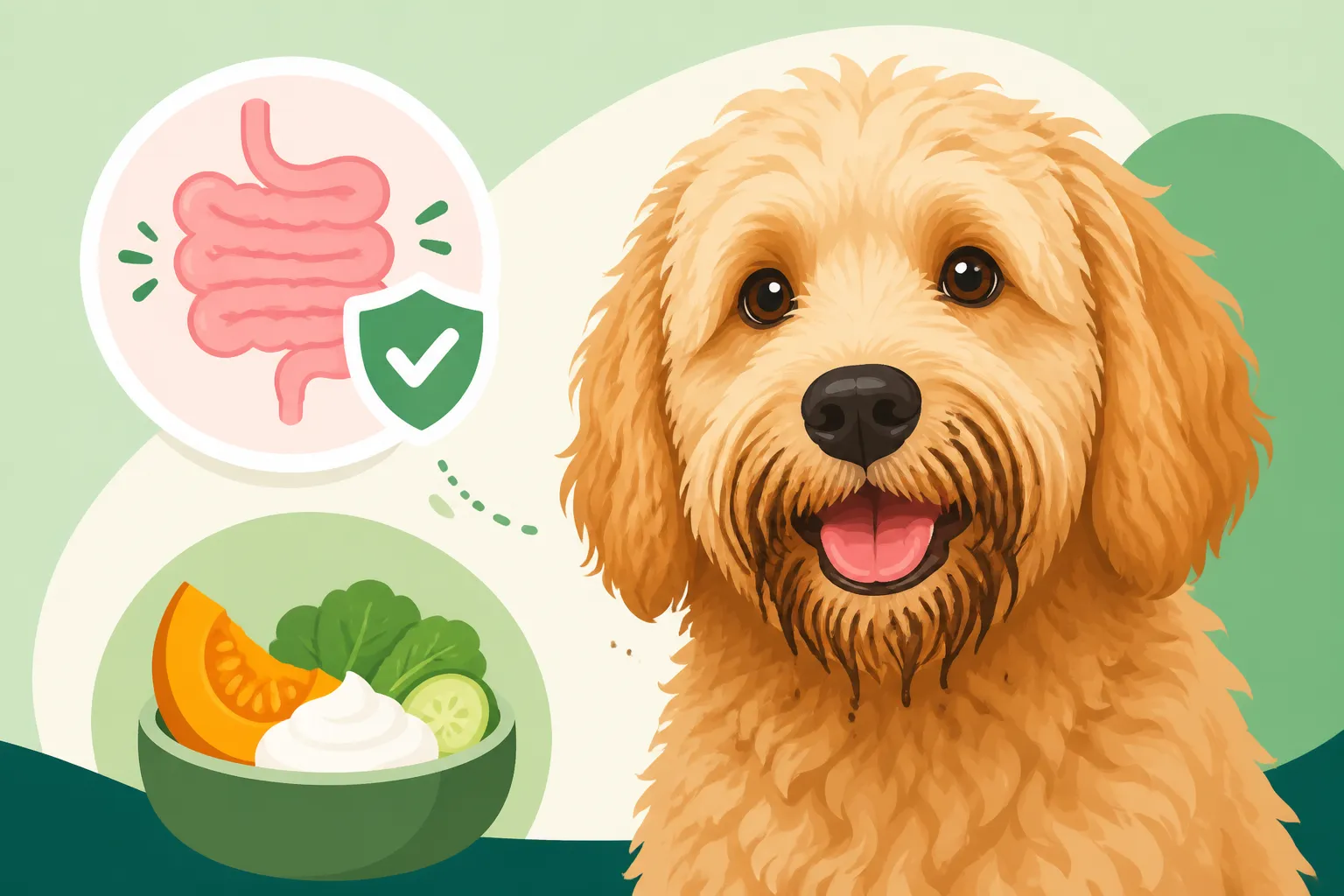
It’s a familiar sight for many Goldendoodle parents: that adorable, fuzzy face, charming as can be, suddenly sporting a rather uncharming, crusty, and frankly, smelly beard. You might initially shrug it off as a messy eater, but when that dirty beard becomes a recurring problem, it often points to something deeper – a potential issue with your Goldendoodle’s gut health. This comprehensive guide will help you understand the connection between your Goldendoodle's digestive system and that perpetually messy beard, offering practical solutions and preventative measures to keep both your pup's tummy happy and their beard sparkling.
Decoding the Messy Goldendoodle Beard: More Than Just Slobber
That beautiful Goldendoodle beard, one of their defining features, can unfortunately become a tell-tale sign of internal upset. When your dog's digestive system isn't running smoothly, it can manifest in ways that directly impact their facial hygiene. It's not always about how they eat; sometimes, it's about what happens after they eat, or even due to overall discomfort.
The Unexpected Link Between Beard and Gut Health
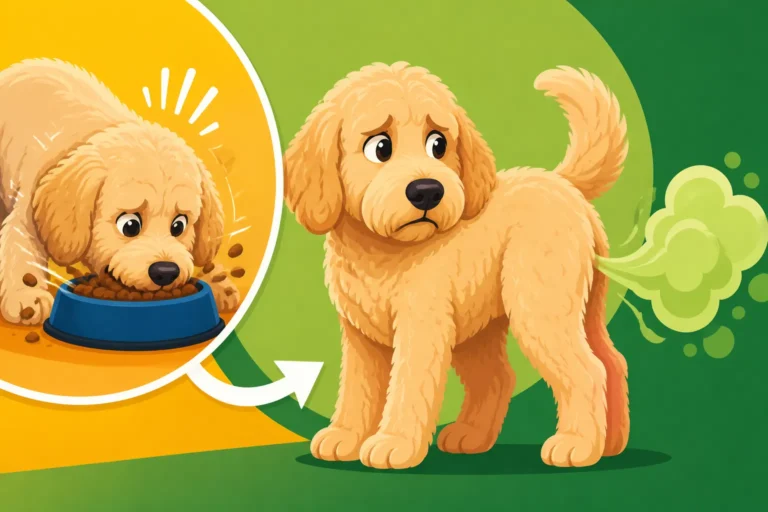
Think about it: if your Goldendoodle is experiencing frequent bouts of Loose Stools in a Goldendoodle Puppy After Pickup or even full-blown diarrhea, it means their stools are often loose, messy, and hard to control. This can lead to fecal matter getting stuck in the long hair around their rear end, but it also means they might inadvertently soil themselves when lying down, or even kick up mess onto their beard during frantic cleaning attempts. Similarly, a dog with an upset stomach might vomit, and while you clean up the floor, the evidence can cling stubbornly to their beard hair.
Beyond direct contact, an uncomfortable gut can lead to increased drooling, or even a dog pawing at their face and mouth due to general unease. This can introduce more moisture and debris to the beard, creating a perfect breeding ground for bacteria and yeast, which then contribute to staining and odor. It's a frustrating cycle, where a digestive issue creates a messy beard, and the messy beard can exacerbate discomfort.
When to Suspect More Than Just a Messy Eater
While some Goldendoodles are simply enthusiastic eaters who dunk their entire snout into their food bowl, a persistently messy or stained beard, especially when accompanied by other symptoms, is a red flag. Look for these accompanying signs:
- Changes in Stool Consistency: Beyond the occasional loose stool, are you seeing chronic soft stools, diarrhea, or even mucus or blood? This is a primary indicator of gut distress.
- Frequent Vomiting or Regurgitation: Is your Goldendoodle throwing up their food shortly after eating, or bringing up bile? This certainly impacts beard cleanliness.
- Changes in Appetite or Thirst: A sudden refusal to eat, or conversely, an excessive thirst, can signal digestive trouble.
- Lethargy or Reduced Activity: If your normally energetic Goldendoodle seems subdued or uninterested in play, their body might be working overtime to fight an internal battle.
- Gassiness or Abdominal Discomfort: Excessive flatulence, a distended belly, or reluctance to be touched around their abdomen are clear signs something isn't right.
- Paw Licking or Face Rubbing: While sometimes a sign of allergies or discomfort, constant pawing at the face can also be a reaction to internal unease.
If you're noticing a combination of these symptoms with a persistently messy beard, it's time to dig deeper and consider gut support. Your Goldendoodle is trying to tell you something.
Common Gut Culprits Behind Your Goldendoodle's Dirty Face
Understanding the underlying causes of gut upset is key to providing effective relief and, by extension, keeping that beard pristine. Goldendoodles, like all dogs, can be prone to various digestive issues.
Food Sensitivities and Allergies
One of the most common culprits behind chronic digestive upset and a messy beard are food sensitivities or full-blown food allergies. Unlike environmental allergies that often manifest as Goldendoodle Allergies and Itchy Skin, food-related issues frequently impact the gut, leading to inflammation, malabsorption, and symptoms like diarrhea, vomiting, and excessive gas. Common triggers often include proteins like beef, chicken, dairy, or grains like wheat and corn.
Your Goldendoodle might not be showing the typical "allergy rash" on their skin, but their gut is reacting internally. This internal inflammation leads to discomfort, which can then result in messy bathroom habits or vomiting, directly impacting their beard. Identifying these sensitivities usually involves an elimination diet, which is a careful process of removing suspected ingredients and slowly reintroducing them to pinpoint the trigger. This isn't a quick fix, but it's often the most effective long-term solution.
Imbalanced Gut Microbiome
Your Goldendoodle's gut is home to trillions of bacteria, viruses, and fungi, collectively known as the microbiome. When this delicate ecosystem is in balance, digestion is smooth, nutrients are absorbed efficiently, and the immune system functions optimally. However, various factors can throw this balance off kilter, leading to a condition called dysbiosis. This imbalance means there are too many "bad" bacteria or not enough "good" bacteria.
Signs of an imbalanced gut microbiome can include chronic loose stools, inconsistent stool quality (sometimes firm, sometimes soft), gas, abdominal gurgling, and even a dull coat or skin issues. A Goldendoodle with dysbiosis might struggle to properly digest their food, leading to more frequent trips outside or even accidents, which inevitably leads to that messy beard. Stress, antibiotics, sudden diet changes, or even certain illnesses can all contribute to an imbalanced gut.
Parasites, Stress, and Other Factors
While food and microbiome imbalances are common, other factors can also contribute to a Goldendoodle's gut issues and, consequently, their messy beard:
- Intestinal Parasites: Worms or protozoa like Giardia and Coccidia are notorious for causing Goldendoodle Diarrhea Lasting More Than Two Days and vomiting. These are especially common in puppies but can affect adult dogs too. Regular deworming and fecal tests are crucial for prevention and detection.
- Stress and Anxiety: Just like in humans, stress can wreak havoc on a dog's digestive system. Changes in routine, new environments, separation anxiety, or loud noises can all trigger digestive upset, leading to loose stools or vomiting. A Goldendoodle is already prone to Goldendoodle Separation Anxiety From Both Parent Lines, so managing their emotional well-being is often a part of gut health.
- Sudden Diet Changes: Transitioning your Goldendoodle to a new food too quickly can shock their system, resulting in digestive upset. Always introduce new foods gradually over several days.
- Inappropriate Scavenging: Goldendoodles are curious and sometimes opportunistic eaters. Ingesting garbage, toxic plants, or even too much rich "human food" can lead to acute gastrointestinal distress. The Human Foods That Poison a Goldendoodle is a critical article to review for any Goldendoodle owner.
- Underlying Medical Conditions: Sometimes, a messy beard and gut issues are symptoms of more serious conditions like inflammatory bowel disease (IBD), pancreatitis, or even certain cancers. This is why a veterinary check-up is always recommended if symptoms persist.
Holistic Gut Support Strategies for a Happier Goldendoodle (and a Cleaner Beard)
Once you've identified potential causes (ideally with veterinary input), you can start implementing strategies to support your Goldendoodle's gut health. It often involves a multi-pronged approach combining diet, supplements, and lifestyle adjustments.
Dietary Adjustments and Novel Proteins
Diet is perhaps the most impactful factor in gut health. If food sensitivities are suspected, a change in diet is often the first step.
- Limited Ingredient Diets (LIDs): These foods are formulated with a single protein source and a single carbohydrate source, making it easier to pinpoint allergens. For instance, instead of a chicken and rice formula, you might try duck and sweet potato. When looking for new foods, you can browse a wide selection of limited ingredient options on platforms like Chewy, making it easier to compare ingredients and find suitable choices.
- Novel Proteins: If your Goldendoodle has been on common proteins like chicken or beef their whole life, their system might have developed sensitivities. Switching to a "novel" protein, one they haven't eaten before, like venison, rabbit, or kangaroo, can often reset their digestive system.
- Hydrolyzed Protein Diets: In severe cases, your vet might recommend a prescription hydrolyzed protein diet. In these foods, the proteins are broken down into such tiny pieces that the immune system doesn't recognize them as allergens.
- Fresh Food Diets: Many Goldendoodle owners have found success with fresh, human-grade food options. Services like Ollie deliver freshly prepared meals, often with a focus on whole, digestible ingredients that can be gentler on sensitive stomachs. Before making any drastic changes, especially if cooking for your Goldendoodle, ensure the diet is nutritionally balanced; the article Cooking for a Goldendoodle and Getting It Balanced offers excellent advice.
Remember to transition any new food slowly over 7-10 days to avoid further upsetting their stomach. Start by mixing a small amount of the new food with their old food, gradually increasing the proportion of the new food each day.
The Power of Probiotics and Prebiotics
Once the diet is addressed, supporting the microbiome directly can be incredibly beneficial.
- Probiotics: These are beneficial live microorganisms (good bacteria) that, when administered in adequate amounts, confer a health benefit to the host. They help restore balance to the gut microbiome, aid digestion, and boost the immune system. For a Goldendoodle with a history of messy beard due to gut issues, a daily probiotic can be a game-changer. Look for high-quality canine-specific probiotics with multiple strains of bacteria. You can find a vast array of probiotic supplements on Amazon, often with different delivery methods like powders, chews, or capsules, allowing you to choose what works best for your Goldendoodle.
- Prebiotics: These are non-digestible food ingredients that act as fuel for the good bacteria already present in your dog's gut (and any probiotics you're adding). Think of them as the fertilizer that helps your beneficial bacteria flourish. Common prebiotics include FOS (fructooligosaccharides) and inulin. Many quality dog foods and probiotic supplements now include prebiotics.
- Digestive Enzymes: For Goldendoodles with malabsorption issues, digestive enzyme supplements can help break down food more efficiently, allowing for better nutrient absorption and potentially firmer stools. These are often given with meals.
| Supplement Type | Primary Benefit | When to Consider |
|---|---|---|
| Probiotics | Restores good gut bacteria | Chronic loose stools, post-antibiotic treatment |
| Prebiotics | Feeds good gut bacteria, improves stool | General gut health maintenance, alongside probiotics |
| Digestive Enzymes | Aids food breakdown, nutrient absorption | Malabsorption, chronic digestive upset |
| Fiber | Regulates bowel movements | Both constipation and diarrhea, stool firmness |
Always consult your veterinarian before adding any new supplements to your Goldendoodle's regimen, especially if they are on other medications.
Hydration and Feeding Habits
Sometimes, simple adjustments to how and what your Goldendoodle drinks can make a difference.
- Consistent Hydration: Ensure your Goldendoodle always has access to fresh, clean water. Proper hydration is vital for digestive health. Consider a Water Bowls That Keep a Goldendoodle Beard Dry to minimize staining and keep their face cleaner, which might also encourage them to drink more without getting their face soaked.
- Slow Feeders: If your Goldendoodle inhales their food, they're likely taking in too much air, which can lead to gas, bloating, and sometimes even regurgitation. A slow feeder bowl can help them eat at a more measured pace, reducing these issues.
- Smaller, More Frequent Meals: For dogs with sensitive stomachs, two larger meals a day might be too much. Splitting their daily food allowance into three or four smaller meals can be easier on their digestive system. This can reduce the workload on their gut at any one time, leading to more comfortable digestion and potentially fewer messy episodes.
- Quality Treats: Even treats can impact gut health. Opt for single-ingredient, easily digestible treats, and be mindful of the quantity. The article Treats That Do Not Stick in a Goldendoodle Beard is a great resource for choosing appropriate snacks that won't contribute to beard mess and will be gentle on the tummy.
Daily Care and Prevention: Keeping Your Goldendoodle's Beard Clean While Healing the Gut
While you work on addressing the internal gut issues, maintaining a clean beard is crucial for comfort, hygiene, and preventing secondary skin issues. This requires a dedicated daily routine.
Regular Beard Cleaning Routine
Just like you might wash your face daily, your Goldendoodle's beard needs consistent attention, especially if it's prone to mess.
- After Every Meal: This is the golden rule. Immediately after your Goldendoodle finishes eating, use a damp, warm washcloth to gently wipe their beard. For stubborn bits of food, a soft-bristled toothbrush (dedicated for dog use, of course!) can help dislodge them.
- After Drinking: If your Goldendoodle is a messy drinker, a quick pat-down with a towel can prevent excessive dampness. As mentioned before, a specialized water bowl can help immensely here.
- Dedicated Cleaning Products: For persistent staining or odor, consider using a dog-specific facial cleanser or a mild, diluted tear-stain remover (ensure it's safe for internal use and around eyes). Always follow the product instructions carefully. Avoid human soaps or harsh chemicals, which can irritate your dog's skin.
- Drying Thoroughly: After cleaning, gently towel-dry the beard. Leaving it damp can lead to yeast infections, which contribute to odor and reddish-brown staining.
Consistency is key here. A few minutes of cleaning after each meal and drink can prevent hours of scrubbing dried, crusty mess later.
Grooming for Hygiene
Sometimes, the length and density of the Goldendoodle beard itself can contribute to the problem, making it harder to keep clean and more prone to holding onto moisture and debris.
- Strategic Trimming: Don't be afraid to ask your professional groomer for a shorter trim around your Goldendoodle's mouth and chin. A "sanitary trim" for the face can significantly reduce the surface area available for food, water, and other messes to cling to. It doesn't mean sacrificing their signature look entirely, but a slightly shorter beard can be a game-changer for hygiene. This is something to discuss with a groomer who understands the Goldendoodle coat.
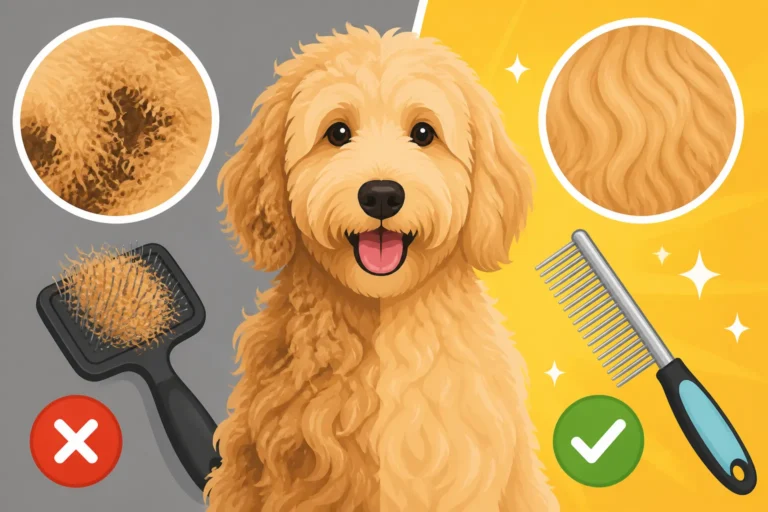
- Regular Brushing: Even if the beard is messy, regular brushing helps to remove loose hairs and any dried debris that might be caught deeper in the fur. This prevents matting, which can trap even more moisture and bacteria close to the skin. Remember, Goldendoodles have furnishings, and these hairs are prone to matting if not maintained.
- Keeping Hair Out of Eyes: While not directly related to the beard, keeping the hair around your Goldendoodle's eyes trimmed or tied back can prevent eye irritation, which can sometimes lead to more tearing and thus, more moisture staining around the face. The article Keeping Hair Out of a Goldendoodle's Eyes offers practical tips.
The Importance of a Vet Visit
While home care and dietary adjustments can go a long way, it's absolutely critical to involve your veterinarian if your Goldendoodle's messy beard and gut issues are persistent, severe, or accompanied by significant lethargy, pain, or changes in behavior.
- Accurate Diagnosis: Your vet can run tests for parasites, check for bacterial overgrowth, screen for allergies, or rule out more serious underlying conditions. Without an accurate diagnosis, you might be treating symptoms rather than the root cause.
- Prescription Medications: If a specific infection (bacterial or parasitic) is present, your vet can prescribe appropriate medications.
- Dietary Guidance: They can provide expert advice on elimination diets or prescription foods tailored to your Goldendoodle's specific needs.
- Long-Term Management Plan: For chronic conditions like IBD, your vet can help you develop a long-term management plan that may include a combination of diet, medication, and supplements.
Don't hesitate to seek professional help. Your vet is your best partner in ensuring your Goldendoodle's overall health and comfort, which will ultimately lead to a happier pup and a cleaner, less messy beard.
Disclaimer
This article is for general informational purposes only and does not constitute professional advice. Laws, prices and regulations vary by location and change over time. Consult a qualified professional for guidance on your specific situation.