Toothbrushing a Goldendoodle With a Beard in the Way
Oh, the Goldendoodle beard! It's one of their most endearing features, giving them that perpetually puppy-like, fluffy face we all adore. But let's be real, when it comes to something as essential as toothbrushing, that beautiful beard can feel less like a charming attribute and more like an obstacle course. Many Goldendoodle owners find themselves wrestling with their dog's floofy muzzle, trying to get to those back molars, only to end up with a toothpaste-smeared, slightly disgruntled pup. This guide is all about navigating that furry challenge, equipping you with the right tools, techniques, and a hefty dose of patience to ensure your Goldendoodle's pearly whites stay healthy, even with all that glorious facial hair in the way.
The Unique Goldendoodle Beard: A Blessing and a Challenge
Anyone who's welcomed a Goldendoodle into their home quickly learns that their charm comes with a unique set of care needs, especially when it comes to their glorious coats. The beard, or "furnishings" as breeders sometimes call it, is a hallmark of the Poodle side of their heritage, giving them that distinct, adorable look. But while it makes for fantastic snuggles, it definitely adds a layer of complexity to their oral hygiene routine.
Why the Beard Makes Dental Care Tricky
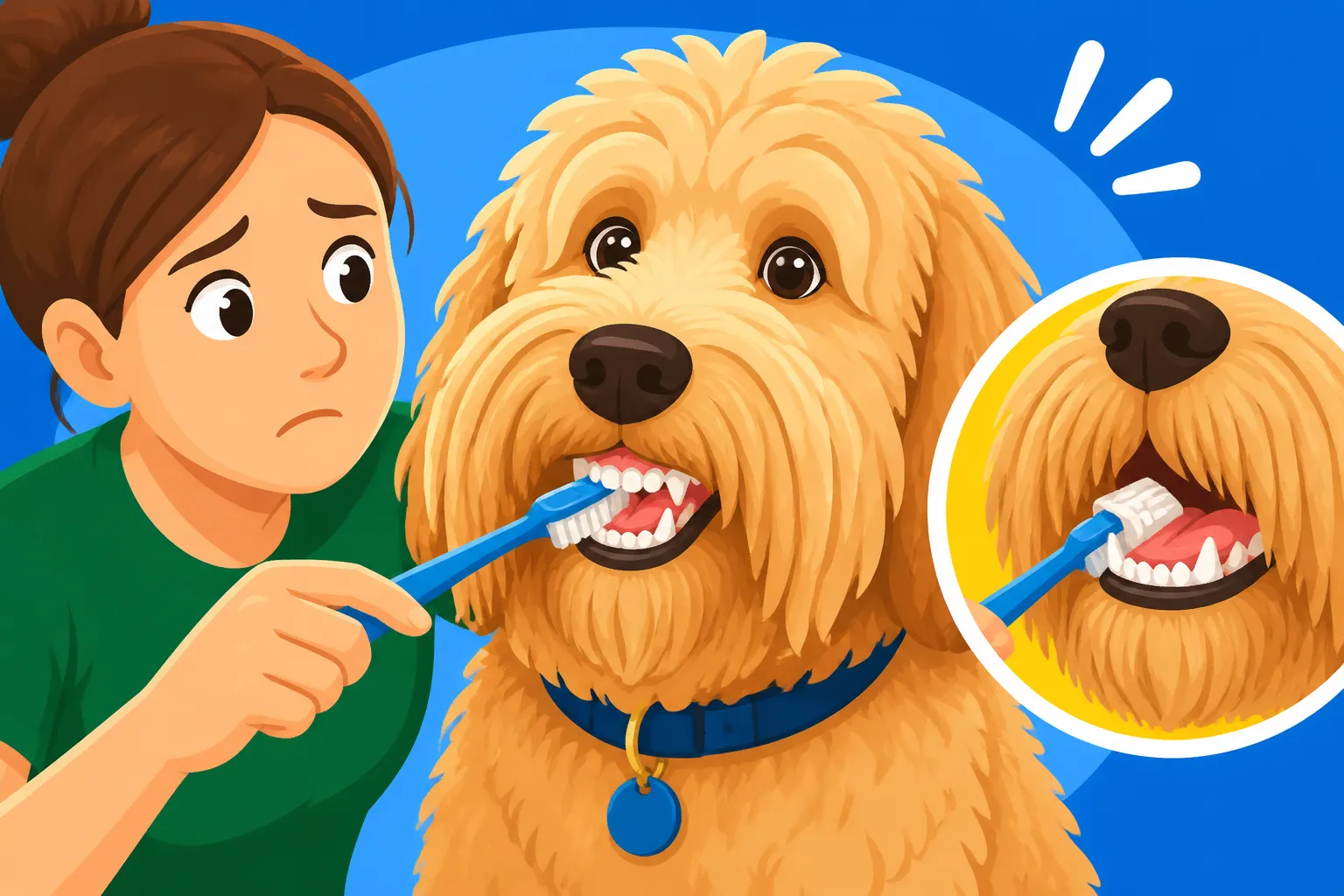
Imagine trying to brush your own teeth if you had a thick, curly blanket draped over your mouth – that's often what it feels like for a Goldendoodle owner. The long, soft, and often curly hair around a Goldendoodle's muzzle isn't just for show; it's practically a magnet for food particles, drool, and moisture. This creates a challenging environment for regular toothbrushing. You find yourself constantly pushing hair out of the way, trying to get a clear view, and often, the toothpaste ends up more on the beard than on the teeth themselves.
Beyond the visibility issue, this constant dampness and food residue can lead to mats and tangles right around their mouth. When these mats form, they can pull at the skin, making the area tender and sensitive. A dog with a tender muzzle is naturally going to be less cooperative when you try to introduce a toothbrush, adding another hurdle to an already tricky task. It’s a real frustration when you're trying to do something good for them, and their own beautiful fluff is working against you! Keeping the beard clean, perhaps by giving it a quick wipe after meals or even a trim, can help reduce this accumulation and make the area less sensitive, paving the way for easier brushing. You might even find some useful beard-cleaning supplies on Chewy or Amazon.
The Importance of Regular Dental Hygiene
Despite the beard's best efforts to complicate things, maintaining a regular dental hygiene routine is absolutely non-negotiable for Goldendoodles. Just like humans, dogs accumulate plaque and tartar on their teeth. This isn't just about "dog breath" – though that can certainly be a strong motivator! Plaque is a sticky film of bacteria that hardens into tartar if not removed. Tartar then irritates the gums, leading to gingivitis (inflamed gums), which can progress to periodontal disease, a painful and irreversible condition.
Periodontal disease doesn't just affect the mouth; it's a gateway to more serious systemic health issues. The bacteria from infected gums can enter the bloodstream and travel to vital organs like the heart, kidneys, and liver, causing damage. Many owners don't realize that poor dental health can significantly impact a dog's overall lifespan and quality of life. Regular brushing helps remove that plaque before it hardens, preventing a cascade of health problems down the line. It's a small investment of time daily that pays huge dividends in their long-term health, helping them avoid issues like Goldendoodle Tartar and Gum Disease.
Starting Early: Puppyhood Beard Training
The best time to start getting your Goldendoodle accustomed to mouth handling and toothbrushing is when they are a puppy, ideally before their full adult beard and furnishings have even developed. Puppyhood is a critical window for socialization and desensitization, where they are more open to new experiences. If you wait until they're older and have a dense, fully-grown beard, it becomes a much harder habit to establish.
Begin with very short, positive sessions. Don't even introduce a toothbrush initially. Just gently touch their muzzle, lift their lips, and briefly touch their gums and teeth with your finger. Pair this with lots of praise and high-value treats. The goal is to make them associate mouth handling with positive rewards. As they become more comfortable, you can introduce a tiny bit of dog-specific toothpaste on your finger for them to lick. This gets them used to the taste and texture. Consistency is key here; even a minute or two every day can make a world of difference. Think of it as part of their early grooming exposure, similar to Training a Goldendoodle Puppy for the Grooming Table. This foundational work will pay off immensely when you eventually introduce the toothbrush and start navigating that beautiful, but challenging, beard.
Essential Tools and Techniques for Bearded Goldendoodles
You wouldn't try to build a house without the right tools, and the same goes for tackling your Goldendoodle's dental hygiene, especially with that magnificent beard. Having the correct equipment and knowing how to wield it effectively can turn a frustrating chore into a manageable routine, or at least a less stressful one for both of you.
Choosing the Right Toothbrush
The market is flooded with pet toothbrushes, and finding the right one for your Goldendoodle can feel a bit overwhelming. For Goldendoodles, especially as you're starting out or if they're a smaller size like a Mini or Toy, a finger brush can be a fantastic option. These slip over your finger, allowing you to feel exactly what you're doing and navigate around the beard more intuitively. They're often softer and less intimidating for a dog new to brushing.
As your Goldendoodle becomes more accustomed to the process, or if you have a Standard Goldendoodle with a larger mouth, you might graduate to a traditional pet toothbrush. Look for ones with small, soft bristles and an angled head, which is designed to reach those tricky back teeth. Some brushes even have dual heads, with a larger and smaller brush on opposite ends. For the truly dedicated or for dogs that are very cooperative, sonic or electric toothbrushes for pets are also available. These use vibrations to help break down plaque, similar to human electric toothbrushes. No matter which type you choose, ensure it's specifically designed for dogs. You can find a wide variety of these brushes at pet supply stores or online retailers like Chewy and Amazon, which often have customer reviews to help guide your choice.
| Toothbrush Type | Pros | Cons | Ideal For |
|---|---|---|---|
| Finger Brush | Excellent tactile feedback, less intimidating | Shorter reach, may not clean as thoroughly | Puppies, small Goldendoodles, beginners, sensitive dogs |
| Traditional Pet | Good reach, various sizes and head angles | Can be bulky, requires more technique | Most adult Goldendoodles, regular maintenance |
| Electric Pet | Highly effective at plaque removal | Can be noisy, may intimidate some dogs, higher cost | Cooperative adult Goldendoodles, advanced users |
Selecting Dog-Specific Toothpaste
This is a critical point: never use human toothpaste on your Goldendoodle. Human toothpastes contain ingredients like fluoride, xylitol, and detergents that are toxic to dogs if ingested, and since dogs swallow their toothpaste, it's a serious risk. Always opt for toothpaste formulated specifically for canines.
Dog toothpastes come in a variety of flavors designed to appeal to your pup, such as poultry, beef, peanut butter, or even mint. Experimenting to find a flavor your Goldendoodle loves can make the brushing experience much more pleasant for both of you. Beyond flavor, many dog toothpastes are enzymatic. This means they contain enzymes that help break down plaque and bacteria, even with minimal scrubbing, which is a huge bonus when you're battling a beard for access. Brands like Virbac C.E.T. or TropiClean are widely available and well-regarded for their efficacy. You can often find a good selection of these toothpastes on Chewy or even as part of a fresh dog food subscription like Ollie if they offer dental care add-ons.
Techniques for Maneuvering Around the Beard
Okay, you've got your tools, now for the main event: getting past that glorious Goldendoodle beard. The key here is patience, gentle handling, and a systematic approach.
- Prep the Beard: Before you even think about the brush, take a moment to gently hold back the beard. You might gently gather the hair with one hand, or if your Goldendoodle is cooperative, have someone else hold it. Some owners even put a soft headband or scrunchie on their dog's head to keep the facial hair out of the way, though this takes some serious desensitization training. You could also keep the beard trimmed shorter around the mouth, making access much easier, which ties into managing Goldendoodle coat care like Brushing a Goldendoodle Often Enough to Stop Matting.
- Lift the Lips: Instead of trying to open their mouth wide, which most dogs resist, gently lift their upper lip to expose the outer surfaces of their teeth and gums. You'll be focusing primarily on these outer surfaces, as dogs rarely get plaque build-up on the inner surfaces due to their tongue action.
- Angle the Brush: Hold the toothbrush at about a 45-degree angle to the gumline. This allows the bristles to clean both the tooth surface and just under the gumline where plaque tends to accumulate.
- Small Circular Motions: Use small, gentle circular motions, focusing on one or two teeth at a time. Pay particular attention to the canine teeth (the pointy ones) and the large molars at the back, as these are common areas for tartar buildup. Don't forget to get to the very back of their mouth; it's often easiest to approach the back molars from the side, sliding the brush along the cheek.
- Be Quick and Efficient: Especially when starting out, aim for short, effective sessions. Even 30 seconds to a minute, focusing on the most critical areas, is better than nothing. As your Goldendoodle's tolerance builds, you can gradually increase the duration. The key is to make it a positive experience, not a wrestling match.
Remember to keep your tone light and your movements confident but gentle. Your Goldendoodle picks up on your emotions, so if you're stressed, they will be too.
Making Toothbrushing a Positive and Consistent Routine
Consistency is truly king when it comes to dental hygiene, especially with a Goldendoodle and their challenging beard. It’s not about perfection; it’s about making brushing a regular, even enjoyable, part of their daily life. This can significantly reduce the need for costly and stressful professional dental cleanings down the road.
Creating a Calm and Consistent Environment
Dogs thrive on routine and predictability. Establishing a consistent time and place for toothbrushing can help your Goldendoodle understand what's coming and be more accepting of it. Perhaps it's every evening after their last potty break, or first thing in the morning. Choose a quiet spot where you won't be interrupted, perhaps on a comfy mat on the floor, or if they're small enough and comfortable, on a lap or a grooming table.
Approach the session calmly and cheerfully. Use a happy, reassuring voice. Shower them with praise throughout the process, even for small acts of cooperation like letting you lift their lip. The moment the toothbrush comes out, it should signal "treat time" or "playtime" is coming. End every session, no matter how brief or challenging, with a high-value reward. This could be a favorite toy, a delicious treat (perhaps even a dental-friendly treat from Ollie), or a short game of fetch. This positive association is crucial. If your Goldendoodle associates brushing with good things, they’ll be far more willing to tolerate it, embodying the principles of Positive Reinforcement and Why It Suits a Goldendoodle.
Incorporating Dental Chews and Water Additives
While daily toothbrushing is the gold standard for canine dental care, sometimes life gets in the way, or your Goldendoodle just isn't having it one day. This is where dental chews and water additives can act as helpful supplements to your routine, never as a full replacement. Think of them as part of a multi-pronged approach to combat plaque and tartar.
Dental chews are designed with specific textures and ingredients to help scrape away plaque as your dog chews. Look for chews that are appropriately sized for your Goldendoodle and carry a Veterinary Oral Health Council (VOHC) seal of approval, which indicates they meet standards for plaque and tartar control. Brands like Greenies or OraVet chews are popular and widely available on platforms like Chewy or Amazon. Remember to always supervise your Goldendoodle when they're enjoying a dental chew, especially if they're an enthusiastic chewer, to prevent choking hazards.
Dental water additives are another tool that can help. These are tasteless solutions you add to your dog's drinking water, and they work to reduce bacteria in the mouth and freshen breath. They can be particularly useful for dogs who are highly resistant to brushing. Again, look for VOHC-approved products. While these methods offer some benefit, they simply cannot replicate the mechanical scrubbing action of a toothbrush, especially in tricky areas like where Goldendoodle Dental Crowding in the Smaller Sizes might occur. They are best used in conjunction with, not instead of, brushing.
Dealing with Resistance and Building Tolerance
It's completely normal for a Goldendoodle, especially one with a luscious beard, to resist toothbrushing at first. Don't get discouraged! This is where your patience and consistency really shine. If your Goldendoodle is particularly resistant, take several steps back in your training.
Start with just touching their muzzle and lips for a few seconds, rewarding heavily. Gradually work your way up to gently lifting their lip and touching their teeth with your finger. Once they're comfortable with that, introduce the dog-specific toothpaste on your finger and let them lick it off. Only when they're happy with all of these steps should you introduce the brush, again for very short durations.
If your Goldendoodle starts to get stressed or agitated, stop the session immediately. The goal is to always end on a positive note. Forcing the issue will only create a negative association and make future sessions even harder. Sometimes, a particularly wiggly Goldendoodle might benefit from being placed in a position where they feel secure, such as between your legs on the floor, or having a second person gently hold them. If you're consistently struggling, consider seeking guidance from a professional dog trainer who specializes in cooperative care. They can help you develop a personalized plan to desensitize your Goldendoodle and build their tolerance to mouth handling.
Beyond the Brush: Professional Cleanings and Diet Considerations
While at-home brushing is your primary defense against dental disease, it’s also important to know when to seek professional help and how other aspects of care, like diet, play a role in maintaining your Goldendoodle's oral health. Even the most diligent brusher might find that their Goldendoodle needs a little extra intervention now and then.
Recognizing Signs You Need Professional Help
Despite your best efforts with regular toothbrushing, sometimes dental problems can develop or worsen, especially as your Goldendoodle ages. It's crucial to be vigilant and recognize the signs that indicate your dog needs a professional dental examination and potentially a cleaning. Don't wait until the problem is severe; early intervention can prevent more painful and costly procedures.
Keep an eye out for these red flags:
- Persistent Bad Breath: While some "dog breath" is normal, an exceptionally foul odor can indicate significant bacterial overgrowth and infection.
- Red, Swollen, or Bleeding Gums: These are classic signs of gingivitis and periodontal disease. Healthy gums should be a pale pink (though some dogs have naturally pigmented gums).
- Visible Tartar Buildup: If you see hard, yellowish-brown deposits on their teeth, especially near the gumline, that's tartar. It cannot be removed with a toothbrush and requires professional scaling.
- Loose or Missing Teeth: A very clear sign of advanced periodontal disease.
- Difficulty Eating or Dropping Food: This suggests pain in the mouth. Your Goldendoodle might prefer soft food, chew on only one side of their mouth, or simply stop eating as enthusiastically.
- Excessive Drooling: More drooling than usual can be a sign of oral pain or infection.
- Reluctance to Have Mouth Handled: If your Goldendoodle, who was previously tolerant, suddenly becomes resistant to having their mouth touched, it could be due to pain.
If you notice any of these symptoms, schedule a vet appointment. A professional cleaning performed under anesthesia allows the vet to thoroughly examine each tooth, clean below the gumline, and address any extractions or other procedures needed. While the cost can be a concern, avoiding necessary dental care often leads to much higher bills down the line, as well as prolonged discomfort for your dog. For more on this, you might look into Dental Cleaning Costs for a Toy Goldendoodle.
The Role of Diet in Dental Health
While no diet can replace the mechanical action of brushing, what your Goldendoodle eats can certainly play a supporting role in their dental health. Some kibbles are specifically designed with larger, fibrous pieces that help scrape plaque off the teeth as the dog chews. These "dental diets" often have specific coatings or ingredients that help reduce plaque formation or bad breath.
However, be realistic about these claims. Many standard kibbles don't offer significant dental benefits. Soft, wet foods, while tasty, provide very little in the way of mechanical cleaning and can even contribute to plaque buildup by sticking to the teeth. If you're considering a specialized dental diet, discuss it with your veterinarian. They can help you choose an option that meets both your Goldendoodle's nutritional needs and supports their oral health. Remember, too, to consider what else your Goldendoodle eats; What a Goldendoodle Should Never Eat includes many foods harmful to their teeth and overall health.
The Long-Term Benefits of Diligent Care
It's easy to look at the daily struggle with the beard and the toothbrush and wonder if it's really worth all the effort. Let me assure you, it absolutely is. The long-term benefits of diligent dental care for your Goldendoodle are immense, extending far beyond just a fresh breath.
By committing to a consistent routine of at-home brushing, supported by professional cleanings when necessary, you are actively preventing pain, discomfort, and potentially life-threatening diseases for your beloved companion. You're reducing their risk of serious infections that could spread to vital organs. You're ensuring they can eat comfortably and enjoy their food for years to come. Ultimately, you're contributing to a longer, healthier, and happier life for your Goldendoodle.
Think of it as an investment. An investment of your time and patience now can save you significant veterinary bills in the future and, more importantly, can spare your Goldendoodle from unnecessary suffering. That beautiful beard may be a challenge, but with the right approach, you can keep the smile underneath it sparkling clean.
Disclaimer
This article is for general informational purposes only and does not constitute professional advice. Laws, prices and regulations vary by location and change over time. Consult a qualified professional for guidance on your specific situation.