Whether a Goldendoodle Really Lives Longer Than a Purebred
It's a common, hopeful belief when considering a Goldendoodle: that these delightful crossbreeds somehow bypass the health woes of their purebred parents and live longer, healthier lives. Many prospective owners are told about "hybrid vigor," a concept that, while real, is often oversimplified and misapplied, leading to disappointment and unexpected vet bills. This guide is here to unravel the truth behind Goldendoodle lifespans, compare them realistically to Golden Retrievers and Poodles, and explain what actually contributes to a long, happy life for your furry companion.
The Allure of the Hybrid Vigor Claim
When you first start looking into Goldendoodles, you're bound to hear the term "hybrid vigor" tossed around. It’s a concept that sounds fantastic: take two breeds, mix their genes, and magically, you get a healthier, more robust dog. Who wouldn't want that for their beloved pet? This idea holds a powerful draw for anyone hoping to minimize vet visits and maximize snuggle time, painting a picture of a dog that somehow transcends the genetic predispositions of its lineage.
Understanding Hybrid Vigor in Theory
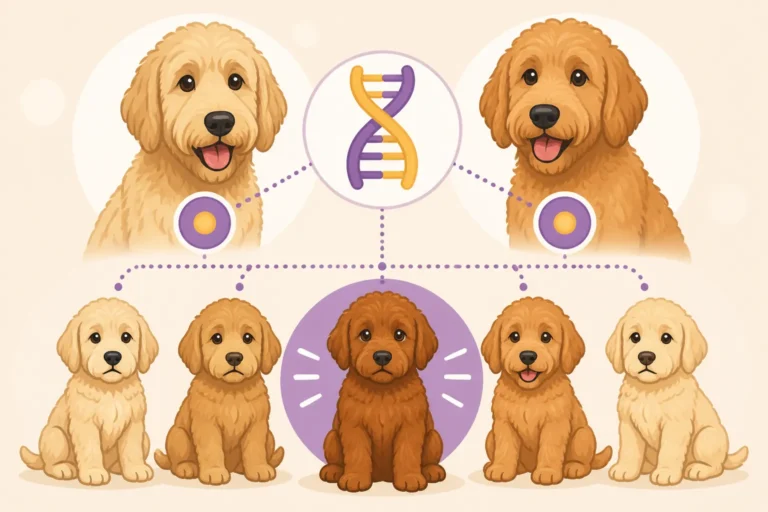
In scientific terms, hybrid vigor, also known as heterosis, refers to the increased strength, growth, or general health shown by offspring of two distinct genetic lines. The basic premise is that purebred animals, through generations of selective breeding within a closed gene pool, can accumulate recessive genes for certain diseases. When you cross two different purebreds, the idea is that the different gene pools are less likely to carry the same problematic recessive genes. If an offspring inherits a "bad" recessive gene from one parent, it's more likely to get a "good," dominant gene from the other, thus preventing the expression of the disease. This increase in genetic diversity is thought to create a more resilient individual, potentially leading to fewer health problems and a longer life.
Think of it like this: if one family line tends to have a certain rare, recessive genetic condition, and another family line has a completely different set of rare, recessive conditions, their children might be less likely to express either of those specific conditions because they're receiving a mix of genes. It's a genetic "dilution" effect against some specific, recessive, single-gene disorders.
While the scientific principle is sound for certain genetic traits and in very specific breeding scenarios (often seen in agriculture to improve crop yields or livestock hardiness), applying it universally to all crossbreeds and expecting a significant boost in lifespan can be overly optimistic. It works best when the parental lines are truly genetically distinct and free of the same recessive problem genes.
Why the Goldendoodle Seems Like a Prime Candidate
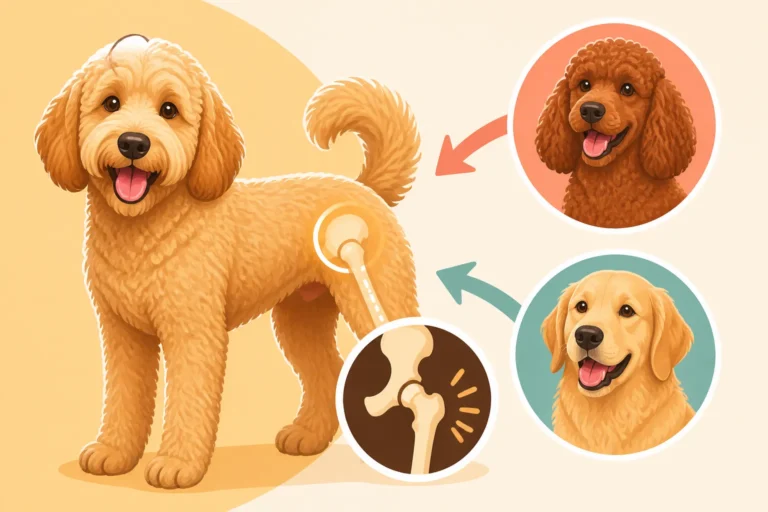
The Goldendoodle seems, on the surface, like an ideal candidate for hybrid vigor. After all, the two parent breeds – the Golden Retriever and the Standard Poodle – are both wonderful dogs, but each comes with its own well-documented list of health concerns. Golden Retrievers, for example, are beloved for their friendly nature but are tragically prone to various cancers, along with common joint issues. Standard Poodles, while often living longer than Goldens, face concerns like Addison's disease, bloat, and eye problems.
The hope, then, is that by mixing these two breeds, a Goldendoodle puppy might inherit the best traits of both, while simultaneously being protected from the worst genetic pitfalls of each. Owners often share anecdotes of their Goldendoodles being incredibly healthy, energetic, and seemingly resistant to the ailments that plague their purebred counterparts. This positive perception, combined with their charming looks and temperaments, fuels the belief that Goldendoodles are inherently healthier and longer-lived.
This optimism isn't entirely unfounded, especially in the first generation (F1 Goldendoodles), where the genetic mix is a true 50/50 split. The larger the genetic pool, the theory goes, the less likely a specific recessive disease will show up. However, as we'll explore, hybrid vigor is not a magic wand that makes all health problems disappear, and its protective effects can be quite specific and even diminish in later generations. In fact, many people overlook that hybrid vigor generally refers to specific recessive gene expression, not a blanket immunity to all diseases.
Examining the Lifespans of Parent Breeds
To truly understand whether a Goldendoodle might live longer, we first need to look at the expected lifespans and common health issues of its foundational breeds: the Golden Retriever and the Standard Poodle. Both are fantastic dogs, but they bring different genetic histories to the Goldendoodle equation. Knowing their typical health profiles helps us set a baseline for comparison and understand what health challenges a Goldendoodle could potentially inherit.
Golden Retriever Lifespan and Common Health Challenges
Golden Retrievers are undeniably one of America's most beloved dog breeds, known for their sunny dispositions and unwavering loyalty. However, their lifespan, while respectable, is often on the shorter side compared to some other large breeds, typically ranging from 10 to 12 years. This average is significantly impacted by a few prevalent health challenges, with cancer being the most devastating. Golden Retrievers have a notoriously high incidence of certain cancers, particularly hemangiosarcoma and lymphoma, which can strike at any age but are sadly common in their middle to senior years. This heartbreaking reality means many Golden Retrievers succumb to cancer much earlier than their owners would ever wish.
Beyond cancer, Golden Retrievers are also prone to orthopedic issues. Hip and elbow dysplasia are unfortunately widespread in the breed, causing pain, mobility problems, and often requiring expensive surgery or lifelong management. These conditions can significantly reduce a dog's quality of life and, in severe cases, impact longevity. Heart conditions, such as subvalvular aortic stenosis (SAS), are also a concern, potentially leading to heart failure. Eye conditions like pigmentary uveitis and various allergies can also crop up. While regular health screenings and responsible breeding practices have made strides in reducing the prevalence of some of these issues, they remain a significant part of the Golden Retriever's health landscape, casting a shadow over their otherwise joyful existence.
Understanding these inherent vulnerabilities in the Golden Retriever line is crucial for prospective Goldendoodle owners. Even with the introduction of Poodle genetics, a Goldendoodle can still inherit a predisposition to these Golden Retriever-specific problems.
Standard Poodle Lifespan and Its Own Set of Concerns
On the other side of the Goldendoodle equation, we have the Standard Poodle – an elegant, intelligent, and often surprisingly athletic breed. Standard Poodles generally enjoy a longer lifespan than Golden Retrievers, with many living 12 to 15 years, and some even reaching 18 years. While they tend to be long-lived, it's important to remember that Poodles are not immune to serious health conditions. They bring their own distinct set of genetic predispositions to the Goldendoodle mix.
One of the most concerning health issues in Standard Poodles is Addison's disease, an endocrine disorder where the adrenal glands don't produce enough hormones. It's often called the "great imitator" because its symptoms can mimic many other conditions, making diagnosis challenging. If left untreated, an "Addisonian crisis" can be life-threatening. Bloat, or gastric dilatation-volvulus (GDV), is another acute emergency, particularly in deep-chested breeds like the Standard Poodle, where the stomach twists, cutting off blood supply. This requires immediate surgical intervention and is often fatal if not treated quickly. You can learn more about Bloat Risk in a Standard Goldendoodle.
Other Poodle-specific concerns include sebaceous adenitis, a skin condition causing progressive hair loss, and various eye disorders, including Progressive Retinal Atrophy (PRA), which can lead to blindness. Like Golden Retrievers, Poodles can also suffer from hip dysplasia, albeit generally at a lower rate. The presence of these potential issues in the Poodle lineage means that a Goldendoodle, despite any perceived hybrid vigor, still carries a genetic blueprint that includes a risk for these conditions. It emphasizes that both parent breeds contribute both desirable traits and potential health challenges to their Goldendoodle offspring.
The Reality of Goldendoodle Lifespan Data
It's natural to hope for the best when it comes to your dog's health and longevity, especially with the promising talk of hybrid vigor. However, when we move from hopeful theory to the cold light of data, the picture for Goldendoodle lifespans becomes a little hazier. The reality is, pinning down an exact, scientifically backed lifespan for Goldendoodles is far more complex than it is for purebred dogs, and it largely comes down to how these beloved crossbreeds are (or aren't) tracked.
Lack of Centralized Data for Goldendoodles
One of the biggest hurdles in definitively stating whether Goldendoodles live longer than purebreds is the simple fact that there's no official, centralized registry for them. Organizations like the American Kennel Club (AKC) recognize purebred dogs and meticulously track their lineages, health clearances, and even causes of death through various health surveys and breed clubs. This provides a rich, long-standing dataset for purebred dogs, allowing researchers and breed enthusiasts to monitor trends in health and longevity over generations.
Goldendoodles, being a crossbreed, do not have this kind of centralized authority. While there are organizations like the Goldendoodle Association of North America (GANA) that attempt to establish standards and offer registration, their data collection is not as comprehensive or universally adopted as that of major kennel clubs for purebreds. This means that much of the information we have about Goldendoodle health and lifespan comes from anecdotal reports, owner surveys (which can be subjective and incomplete), or limited studies conducted by researchers on smaller populations.
Without a consistent, robust system for tracking birth dates, health issues, and causes of death across a large, representative population of Goldendoodles, it becomes incredibly difficult to make definitive, scientific claims about their average lifespan compared to their purebred parents. We can't easily cross-reference generations of health data in the same way we can for a Golden Retriever or a Standard Poodle, making any lifespan comparison a challenge rooted in incomplete information. This lack of rigorous data often leads to generalizations rather than precise, evidence-based conclusions.
What Available Evidence Suggests
Despite the challenges in collecting comprehensive data, various sources, including extensive owner surveys and some veterinary studies, offer insights into the typical Goldendoodle lifespan. Most estimates suggest that Goldendoodles live, on average, between 10 to 15 years. This range places them squarely within or slightly above the average lifespan of their Golden Retriever parent (10-12 years) and within the range of their Standard Poodle parent (12-15 years). So, while they might not show a dramatic, statistically significant increase over the Poodle's longevity, they certainly don't seem to live shorter lives.
The subtle edge in average lifespan, if it exists, is often attributed to the protective effects of hybrid vigor, particularly in the F1 (first generation) Goldendoodle. In these dogs, the genetic diversity is at its peak, potentially reducing the likelihood of expressing recessive genetic diseases that might be prevalent in only one of the purebred lines. For example, if a Golden Retriever parent carries a recessive gene for a specific type of cancer and the Poodle parent does not, an F1 Goldendoodle has a lower chance of inheriting two copies of that recessive gene, thus reducing the risk of developing that particular cancer.
However, it's crucial to understand that this isn't a magic bullet. Hybrid vigor offers a potential advantage against certain types of genetic issues, primarily those caused by single, recessive genes that are not shared by both parent breeds. It doesn't provide immunity against all diseases. Polygenic diseases, which are influenced by multiple genes and environmental factors (like hip and elbow dysplasia, which are common in both Goldens and Poodles), are much harder to "dilute" through crossbreeding. Furthermore, as Goldendoodle generations advance (F1b, F2, Multi-gen), the genetic mix becomes less diverse, and the effects of hybrid vigor can diminish. For a deeper dive into this, check out our article on Why Goldendoodle Hybrid Vigor Fades After F1. So, while there's a good chance your Goldendoodle will live a healthy life within the typical range, expecting a drastically extended lifespan purely due to its crossbreed status might be an overestimation of hybrid vigor's capabilities.
Factors That Truly Impact Goldendoodle Longevity
While the concept of hybrid vigor is intriguing, focusing solely on it as a predictor of a Goldendoodle's lifespan can be misleading. In reality, a dog's longevity is a complex interplay of genetics, environment, and care. For Goldendoodles, like any dog, several critical factors carry far more weight in determining how long and how healthily they will live. These factors are largely within the control of breeders and, subsequently, the owners themselves.
The Critical Role of Responsible Breeding and Health Testing
Let's be absolutely clear: responsible breeding practices and thorough health testing of parent dogs are the single most significant determinants of a Goldendoodle's potential lifespan and overall health. This far outweighs any theoretical benefit of "hybrid vigor." A well-bred Goldendoodle from health-tested parents is almost invariably going to be healthier and potentially live longer than a Goldendoodle from parents with unknown health histories, regardless of their generation (F1, F1b, etc.).
Reputable breeders invest heavily in extensive health screenings for their breeding stock. This includes orthopedic evaluations like OFA (Orthopedic Foundation for Animals) certifications for hips and elbows to screen for dysplasia, which is a concern in both Golden Retrievers and Poodles. Eye examinations by a board-certified veterinary ophthalmologist are also crucial to check for conditions like Progressive Retinal Atrophy (PRA), which can lead to blindness. Heart clearances, often through an echocardiogram performed by a veterinary cardiologist, are vital to detect congenital heart conditions like subvalvular aortic stenosis (SAS) common in Golden Retrievers.
Beyond physical clearances, genetic testing has become a powerful tool. DNA panels can screen for dozens of inherited diseases, including Von Willebrand's Disease (a bleeding disorder), various types of PRA, and conditions like Degenerative Myelopathy. For the Poodle side, specific testing for Addison's disease, although more complex than a simple DNA test, is also a consideration. By carefully selecting parents who are clear of these heritable diseases, or at least only carriers for certain recessive traits when paired with a non-carrier, breeders dramatically reduce the risk of passing these devastating conditions onto their puppies. You can explore this further in our guide on Health Testing Both Goldendoodle Parents Should Have and The DNA Panel a Goldendoodle Breeder Should Run. This proactive approach to breeding is the true cornerstone of healthy, long-lived Goldendoodles, not simply relying on their crossbreed status.
Impact of Genetic Predispositions from Both Lines
Even with the best intentions and thorough health testing, it's important to remember that Goldendoodles can still inherit genetic predispositions to health issues from either parent breed. While hybrid vigor can offer some protection against recessive diseases unique to one breed, it doesn't make the Goldendoodle immune to all inherited conditions. They carry the genetic legacy of both Golden Retrievers and Standard Poodles, which means they can be susceptible to problems prevalent in both.
Consider cancer, for instance. Golden Retrievers have a known predisposition to certain aggressive cancers, and while a Goldendoodle might have slightly less risk than a purebred Golden, the genetic influence is still there. Our article on Cancer Risk a Goldendoodle Carries From the Golden Side delves into this. Similarly, Addison's disease, while more common in Poodles, can still appear in Goldendoodles if they inherit the predisposition from their Poodle lineage. Understanding Addison's Disease a Goldendoodle Gets From the Poodle is vital for any owner. Orthopedic problems like hip and elbow dysplasia are another prime example; these are complex, polygenic traits found in both parent breeds. Even with hybrid vigor, if both Goldendoodle parents carry the genes that contribute to these conditions, the offspring can still be affected. For more detail on this, read Goldendoodle Hip Dysplasia at 15 to 20 Percent.
Moreover, if a Goldendoodle is bred from two Goldendoodle parents (F2 or Multigen), and both of those parents happen to carry the same recessive gene for a particular disease, then their puppies could still express that disease. This situation, often overlooked, is precisely why simply being a "hybrid" doesn't guarantee health. Our discussion on When Both Goldendoodle Parents Carry the Same Gene explains how this can happen. The complex intertwining of genes means that while some risks might be reduced, new combinations of risks can also arise. Owners must be aware that their Goldendoodle isn't a blank slate; it's a genetic tapestry woven from two distinct, yet sometimes overlapping, sets of health challenges.
Lifestyle, Diet, and Veterinary Care
Beyond genetics and responsible breeding, the everyday care a Goldendoodle receives throughout its life plays an enormous role in its longevity. Even a dog with excellent genetics can suffer from a shortened lifespan or diminished quality of life if its basic needs for proper nutrition, exercise, and veterinary attention are not consistently met. This is where owners truly become the architects of their dog's long-term well-being.
A high-quality, balanced diet is fundamental. Feeding a Goldendoodle appropriate food for its age, size, and activity level provides the necessary nutrients for growth, energy, and immune function. Overfeeding, on the other hand, can lead to obesity, which puts immense strain on joints, exacerbates conditions like hip dysplasia, and contributes to other health issues like diabetes and heart disease. Monitoring your Goldendoodle's weight carefully, even under that thick coat, is crucial. You can learn more about how Goldendoodle Weight and the Load on Its Joints impacts their health.
Regular, appropriate exercise is equally vital. Goldendoodles are active dogs, inheriting energy from both their retriever and poodle sides. They need daily physical activity to maintain a healthy weight, build strong muscles, and keep their joints supple. Mental stimulation through training and puzzle toys is also important to prevent boredom and destructive behaviors that could lead to injury. Routine veterinary check-ups are non-negotiable for preventative care, vaccinations, and early detection of potential health problems. Regular deworming and flea/tick/heartworm prevention are also essential. Proactive care for common Goldendoodle issues, like keeping their ears clean and dry to prevent recurring Goldendoodle Ear Infections Under a Furnished Ear, can prevent chronic issues that impact comfort and health. For dental health, smaller Goldendoodles, especially Toy and Mini sizes, can be prone to Dental Crowding in a Toy Goldendoodle Mouth which requires diligent home care and professional cleanings.
Lastly, having a plan for unexpected health issues is smart. Pet insurance, from providers like Healthy Paws, can be an absolute lifesaver. Goldendoodles, regardless of their "hybrid" status, can still incur significant veterinary expenses for accidents, illnesses, or chronic conditions that arise over their lifetime. A good insurance policy ensures you can provide the best possible care without being overwhelmed by financial stress, allowing your Goldendoodle to receive necessary treatments that contribute to a longer, healthier existence. It ensures that decisions about their health are based on medical necessity, not budget constraints.
Debunking the "Healthier Than Purebred" Myth
The narrative that Goldendoodles are inherently "healthier than purebreds" due to hybrid vigor is appealing, but it’s a vast oversimplification. While there can be specific genetic advantages to crossbreeding, this claim often becomes a marketing slogan rather than a scientific certainty, leading many prospective owners to have unrealistic expectations. It's crucial to understand the nuances of genetics and breeding to truly appreciate what contributes to a dog's health, regardless of its pedigree status.
Hybrid Vigor is Not a Cure-All
It's tempting to think of hybrid vigor as a blanket immunity, a protective shield that makes a Goldendoodle impervious to illness. The reality, however, is far more subtle and conditional. Hybrid vigor primarily works to reduce the incidence of certain recessive genetic diseases, particularly those caused by a single gene, where one parent carries the problematic recessive gene and the other does not. In such cases, the offspring is likely to inherit one healthy dominant gene, masking the recessive disease. This effect is strongest in the first (F1) generation where the genetic diversity between the two purebred lines is maximized.
However, hybrid vigor does not offer protection against all health issues. It doesn't prevent diseases caused by dominant genes, nor does it typically mitigate complex, polygenic diseases—those influenced by multiple genes and environmental factors. Conditions like hip and elbow dysplasia, various cancers, and allergies are often polygenic, meaning they don't simply "disappear" by mixing breeds. If both parent breeds carry the genetic predispositions for these conditions (as is the case with Golden Retrievers and Poodles for hip dysplasia or certain cancers), a Goldendoodle can absolutely still inherit them. Furthermore, hybrid vigor does nothing to protect against acquired diseases, accidents, or environmentally-induced illnesses. You can delve into the limitations of this concept with our article, The Goldendoodle Hybrid Vigor Claim and Where It Breaks. So, while hybrid vigor can offer some genetic benefit, it's not a magical cure-all for every potential health problem.
Why Responsible Breeding Remains Paramount
Ultimately, whether you're considering a Goldendoodle or a purebred dog, the single most critical factor in determining its potential health and longevity is the quality and ethical standards of the breeder. This commitment to responsible breeding far surpasses any inherent advantage a crossbreed might theoretically possess. A Goldendoodle from poorly health-tested or unknown parentage is statistically at a higher risk for genetic diseases than a well-bred purebred whose parents have undergone extensive health clearances.
Responsible breeders, regardless of whether they breed purebreds or Goldendoodles, prioritize the health of their breeding stock. This means meticulously researching pedigrees, understanding genetic predispositions of the parent breeds, and performing all recommended health screenings. They will openly share results from organizations like OFA, CERF, and DNA testing panels, ensuring that both the sire and dam are clear of known inheritable diseases. They don't just breed for cute puppies; they breed for healthy puppies.
Conversely, "designer dog" breeders who prioritize quick profits, popular colors, or simply the "hybrid" label without understanding genetics or performing health tests are doing a disservice to both the dogs and the buyers. Such breeders often contribute to the very health problems they claim to be avoiding. This highlights why asking detailed questions about health testing, meeting the parent dogs, and verifying documentation are non-negotiable steps for any prospective dog owner. It's not the "purebred" or "crossbreed" label that guarantees health, but the diligent, ethical practices of the breeder.
Maximizing Your Goldendoodle's Lifespan
While genetics and responsible breeding lay the foundation, how you raise and care for your Goldendoodle truly dictates its journey through life. As an owner, you have a tremendous influence on your dog's health, happiness, and ultimately, its longevity. It's a commitment that starts from day one and continues through every stage of their lives.
Proactive Health Management from Puppyhood
The journey to a long, healthy Goldendoodle life begins the moment you bring your puppy home. Proactive health management during puppyhood sets the stage for years to come. Early socialization and training are crucial not just for good manners, but also for preventing behavioral issues that can lead to stress, anxiety, or even injuries. A well-adjusted, confident dog is generally a healthier dog. Introducing your puppy to various sights, sounds, people, and other well-behaved dogs during their critical socialization window (up to 16 weeks) helps them develop into resilient adults.
Starting a consistent grooming routine early is another non-negotiable. Goldendoodle coats, particularly the curly and wavy types, are prone to matting. Severe matting can be incredibly painful, restrict movement, hide skin infections, and lead to discomfort. Daily brushing from puppyhood helps them acclimate to the process and prevents these issues. Our guide on Brushing a Goldendoodle Often Enough to Stop Matting provides detailed advice. Regular veterinary visits are essential for vaccinations, deworming, and crucial health discussions. Your vet will advise on proper nutrition, exercise, and preventative measures. They can also discuss Neuter Timing That Depends on Goldendoodle Size, which has implications for joint health and overall development. Considering a wellness plan from a pet insurance provider like Healthy Paws, which often covers routine care like vaccinations and annual check-ups, can help ensure you’re establishing a strong, affordable foundation for lifelong health care without breaking the bank. This comprehensive approach in their early months builds robust health for the future.
Monitoring for Age-Related Changes and Senior Care
As your Goldendoodle transitions from an energetic adult to a wise senior, their needs will inevitably change. Around the age of nine, many Goldendoodles begin to show signs of aging, and proactive senior care becomes paramount for extending their comfortable years. These changes might include slower movement, difficulty rising, changes in appetite or water consumption, increased sleep, or even cognitive decline, such as confusion or altered sleep-wake cycles (often described as A Goldendoodle That Stops Recognizing the House).
Adapting their lifestyle to these changes is key. You might need to adjust their diet to a senior formula that supports joint health and is easier to digest, while also managing their calorie intake to prevent weight gain as their activity levels naturally decrease. Exercise routines should shift from strenuous runs to shorter, gentler walks, and perhaps more mental games to keep their minds sharp. Regular, comfortable grooming is still essential, as Senior Goldendoodle Coat Thinning can occur, and mats can still develop. Crucially, senior Goldendoodles benefit from more frequent veterinary check-ups, often twice a year after age nine, to catch any age-related issues early. These senior panels often include blood work and urinalysis to monitor organ function. Our comprehensive guide on Senior Goldendoodle Care After the Age of Nine offers more detailed advice.
Supplements like glucosamine, chondroitin, and omega fatty acids, if recommended by your vet, can support joint health and comfort. Providing comfortable, orthopedic bedding can alleviate pressure on aging joints. Additionally, maintaining a consistent routine and a calm environment can help manage cognitive changes. By being observant, responsive, and working closely with your veterinarian, you can ensure your Goldendoodle enjoys their senior years with dignity and comfort, maximizing both their lifespan and their quality of life.
| Feature / Breed | Golden Retriever | Standard Poodle | Goldendoodle (F1) |
|---|---|---|---|
| Typical Lifespan | 10-12 years | 12-15 years | 10-15 years |
| Common Health Issues | Cancer (high incidence), Hip/Elbow Dysplasia, Heart Disease (SAS), Pigmentary Uveitis, Allergies | Addison's Disease, Bloat (GDV), Sebaceous Adenitis, PRA, Hip Dysplasia, Epilepsy | Combines risks from both parents: potential for cancer, hip/elbow dysplasia, Addison's, bloat, PRA, allergies. Hybrid vigor may reduce some recessive disease expression in F1 generation. |
| Genetic Predisposition | High for cancer, specific orthopedic issues | High for Addison's, bloat, certain eye conditions | Shares genetic predispositions from both parents. Protection from hybrid vigor is selective, not universal. |
| Impact of Responsible Breeding | Crucial for screening out cancer, orthopedic, heart, and eye issues. | Essential for screening out Addison's, bloat, and eye conditions. | Absolutely paramount. More impactful than hybrid vigor. Health-tested parents drastically reduce inherited disease risk. |
| Data Availability | Extensive, centralized (AKC, breed clubs) | Extensive, centralized (AKC, breed clubs) | Limited, largely anecdotal or from owner surveys. No official breed club tracking. |
Disclaimer
The information provided in this article is for general informational purposes only and is not intended as a substitute for professional veterinary advice. Always consult with a qualified veterinarian regarding any health concerns or before making any decisions about your Goldendoodle's care, diet, or treatment. Individual results and outcomes may vary.