Goldendoodle Elbow Dysplasia From Both Parent Breeds
There’s nothing quite as heartbreaking as seeing your vibrant, playful Goldendoodle start to limp, hesitate to jump, or show signs of discomfort, especially when they’re still young. That ache in their elbow, the stiffness after a nap – it’s a red flag no dog parent wants to see. This guide is here to walk you through understanding elbow dysplasia, a common genetic joint condition that Goldendoodles can inherit from both their Golden Retriever and Poodle lineage, and empower you with knowledge about symptoms, treatment, and proactive care.
Understanding Elbow Dysplasia in Goldendoodles
Elbow dysplasia is a complicated condition, not just a single disease, but rather a collection of developmental abnormalities that occur in the elbow joint. It's truly frustrating because it often starts when your Goldendoodle is still growing, leading to painful arthritis later in life if not managed properly. Imagine growing up with a pebble in your shoe that eventually wears away the joint – that’s a bit like what it can feel like for our furry friends.
What Exactly Is It?
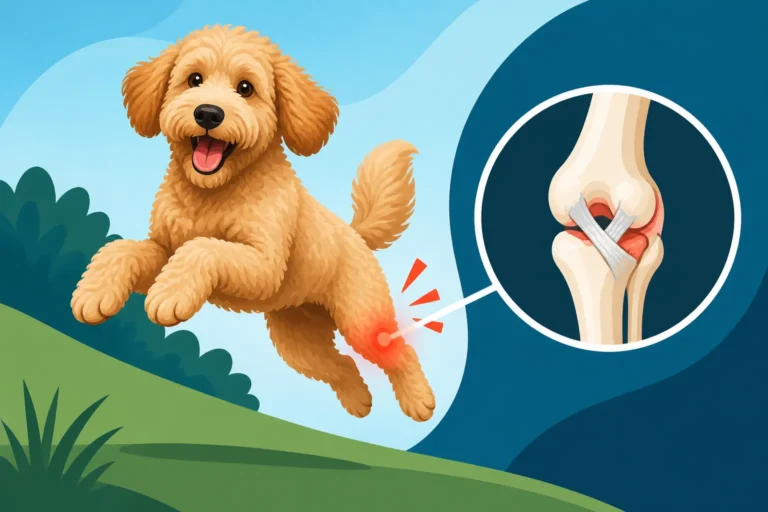
At its core, elbow dysplasia is a misalignment or improper development of the bones and cartilage that form the elbow joint. The elbow joint itself is made up of three bones: the humerus (upper arm bone), and the radius and ulna (forearm bones). When these bones don't fit together perfectly during a Goldendoodle puppy's rapid growth phase, it puts abnormal stress on the joint. This stress can lead to several specific problems, each contributing to pain and degenerative joint disease. We're talking about conditions like an ununited anconeal process (UAP), fragmented coronoid process (FCP), osteochondrosis dissecans (OCD) of the humeral condyle, and elbow incongruity (where the bones don't line up). These are big, scary names, but they all boil down to parts of the joint not forming correctly or wearing away prematurely.
This isn't something that happens overnight, or because your dog jumped off the couch once. It's a progressive condition rooted in genetics and exacerbated by factors like rapid growth, diet, and exercise. The elbow joint, which is a hinge joint, relies on smooth, perfectly congruent surfaces to glide effortlessly. When that smoothness is compromised, even slightly, friction and irritation begin, leading to inflammation and ultimately, the breakdown of cartilage and bone, resulting in painful arthritis.
Common Forms and How They Affect the Joint
Let's break down the main culprits we see when it comes to elbow dysplasia in Goldendoodles. Understanding these can help you better grasp what your vet might be talking about.
- Fragmented Coronoid Process (FCP): This is probably the most common form of elbow dysplasia. The coronoid process is a small projection of bone on the ulna. In FCP, a piece of this bone breaks off or fragments, irritating the joint cartilage. Think of it like a tiny splinter constantly rubbing inside the joint every time your dog moves their elbow. It's incredibly painful and leads to chronic inflammation and early onset arthritis. A Goldendoodle suffering from FCP might show lameness that gets worse with exercise.
- Ununited Anconeal Process (UAP): This occurs when a bony projection at the back of the ulna, called the anconeal process, fails to fuse with the rest of the ulna during growth. Normally, it fuses by about five months of age. If it doesn't, it floats freely within the joint, causing instability and pain. This typically manifests as a noticeable lameness, and the dog might hold their elbow slightly outward. It's often seen in larger, faster-growing breeds.
- Osteochondrosis Dissecans (OCD): While more commonly associated with shoulders, OCD can also affect the elbow. This is a condition where the cartilage on the end of the humerus (upper arm bone) doesn't develop correctly. A flap of cartilage can detach, causing pain and inflammation. Imagine a blister forming on the joint surface and then bursting. The loose flap irritates the joint, leading to lameness and pain, especially after exercise.
- Elbow Incongruity: This is a broader term that means the three bones of the elbow joint don't fit together perfectly. The radius and ulna might be different lengths, causing uneven pressure on the joint surfaces. This uneven pressure accelerates cartilage wear and leads to significant pain over time. Sometimes, it's a combination of issues, and elbow incongruity can be a contributing factor to FCP or UAP.
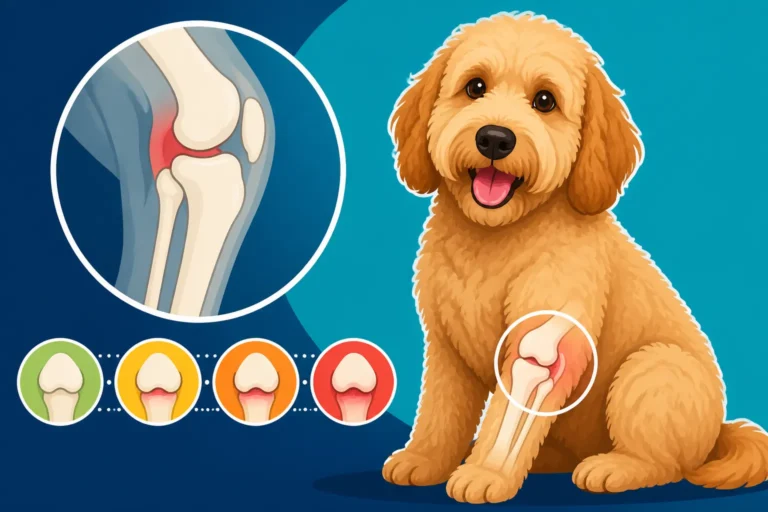
Each of these conditions, whether individually or in combination, sets the stage for progressive osteoarthritis, which is the long-term, irreversible degeneration of the joint. Early diagnosis and intervention are key to slowing this progression and maintaining your Goldendoodle's quality of life. Understanding these forms helps us appreciate why seeking veterinary advice promptly is so important when you suspect an issue.
The Genetic Hand-Me-Down: Golden Retrievers and Poodles
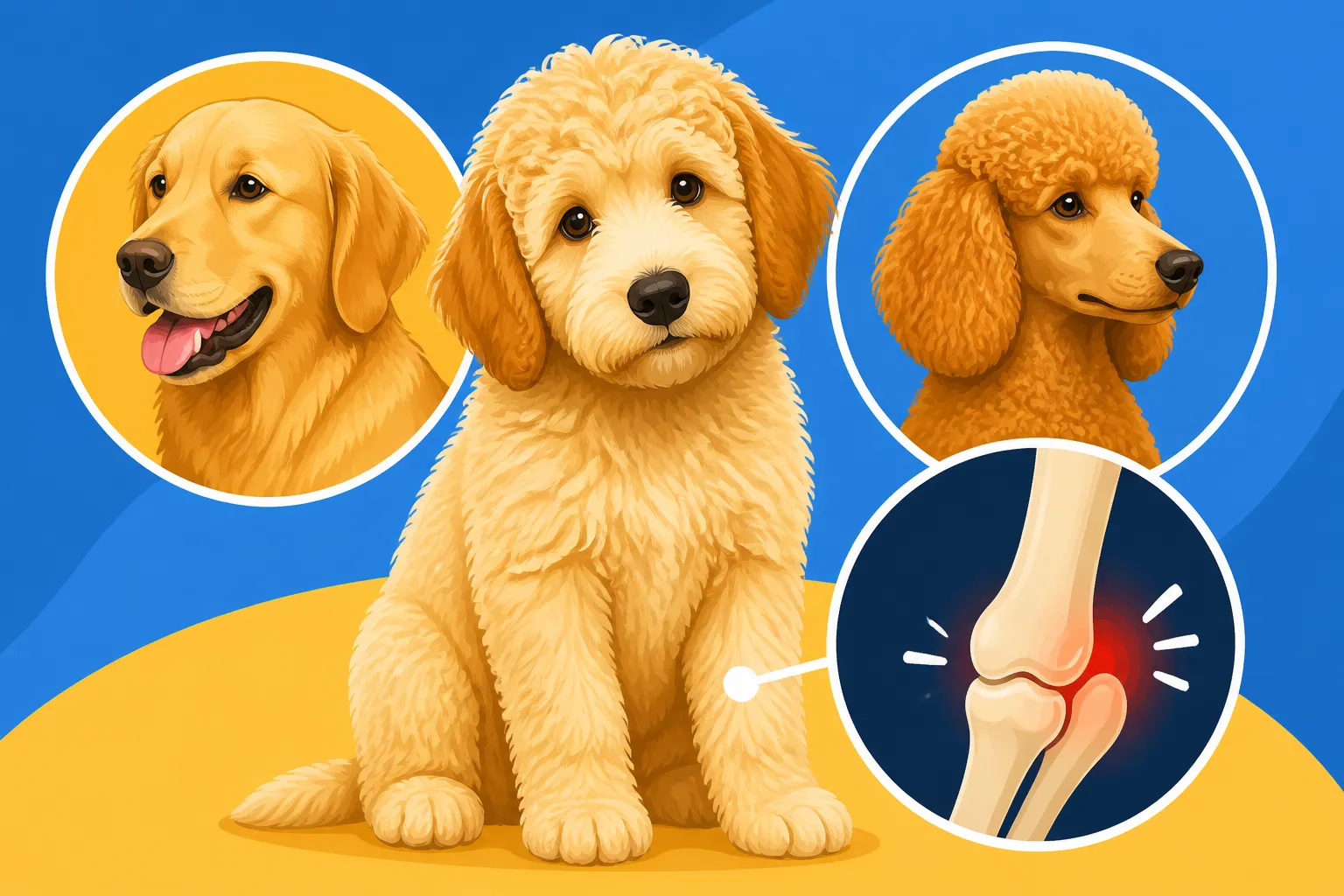
It's tough to hear that a beloved family member might inherit a painful condition, especially when you’ve done your best to choose a healthy puppy. But the truth is, elbow dysplasia is deeply rooted in the genetics of both parent breeds that make up our wonderful Goldendoodles. This isn’t a fault of the dog, but rather an unfortunate reality of breeding.
The Golden Retriever Contribution
Golden Retrievers are renowned for their gentle nature and stunning looks, but unfortunately, they are also prone to certain genetic health issues, with elbow dysplasia being one of the most significant. According to historical data from the Orthopedic Foundation for Animals (OFA), Golden Retrievers have a notable incidence of elbow dysplasia, with around 15-20% of dogs screened showing evidence of the condition. This means a significant portion of the Golden Retriever gene pool carries the potential for this joint issue.
When a Golden Retriever parent carries genes for elbow dysplasia, those genes are passed directly to their Goldendoodle offspring. Even if the Golden Retriever parent themselves doesn't show overt signs of the disease, they can still be carriers and pass on the predisposition. This is why looking at the health clearances of the Golden Retriever parent, specifically their OFA elbow evaluations, is absolutely crucial. A "normal" or "clear" rating for elbows indicates that the parent dog did not show radiographic evidence of elbow dysplasia at the time of screening, reducing (but not eliminating) the risk for their puppies. Ignoring these clearances from the Golden Retriever side is like rolling the dice with your puppy’s future joint health.
The Poodle's Role in Elbow Health
While Golden Retrievers often take the spotlight for joint issues, we can’t forget the Poodle side of the Goldendoodle equation. Standard Poodles, in particular, are also susceptible to elbow dysplasia, though perhaps not at the same high rates as some other large breeds. Data suggests that Standard Poodles have a lower, but still present, incidence of elbow dysplasia. This might be surprising to some, as Poodles are often lauded for their overall robust health.
However, the fact remains that Poodles do carry genes for elbow dysplasia, and these can contribute to the risk in Goldendoodles. Just like with Golden Retrievers, a Poodle parent who hasn't been properly screened can unknowingly pass on these problematic genes. It's a reminder that even if one parent breed seems less affected, the potential is still there. Therefore, when evaluating a Goldendoodle breeder, it's just as important to ensure the Poodle parent has current OFA elbow clearances as it is for the Golden Retriever parent. A breeder should be able to provide clear documentation for both. You'll want to check out information on Health Testing Both Goldendoodle Parents Should Have to ensure you're fully informed.
Symptoms and Early Detection of Elbow Dysplasia
Detecting elbow dysplasia early can make a significant difference in managing the condition and preserving your Goldendoodle's long-term comfort. It’s not always obvious, especially in younger, high-energy dogs who might try to push through pain, or whose thick coats might mask subtle changes. Being attuned to their normal movements and habits is your best tool.
Subtle Signs to Watch For
The signs of elbow dysplasia can be subtle at first, often appearing between 4 to 12 months of age, during a critical growth period for your Goldendoodle puppy. It’s not always a sudden, dramatic limp. Instead, it might be a gradual change that you only notice over time.
One common sign is a reluctance to play as vigorously as usual, or a tendency to favor one leg after a burst of activity. They might be a little stiff getting up after a nap, or seem to take longer to "warm up" in the morning. A Goldendoodle with elbow pain might also exhibit a "paddling" gait, where they swing their front legs out rather than moving them straight forward, or they might seem to 'bunny hop' when running, trying to alleviate pressure on their front legs. You might notice they shift their weight more to their hindquarters when standing. Sometimes, they'll simply avoid jumping onto furniture or into the car, something they previously did with ease. They might also show some sensitivity when you touch their elbows, flinching or pulling away. In some cases, you might even feel a subtle clicking or grinding sensation in the elbow joint if you gently flex and extend it, though this is often better identified by a vet. These are all little clues that something isn't quite right.
When to Call Your Vet
If you observe any of these subtle signs, or if your Goldendoodle develops an overt limp in a front leg, it’s definitely time to schedule a visit to your veterinarian. Don't wait, hoping it will resolve on its own. The sooner elbow dysplasia is diagnosed, the better the chances of successful management and mitigating the long-term impact of arthritis.
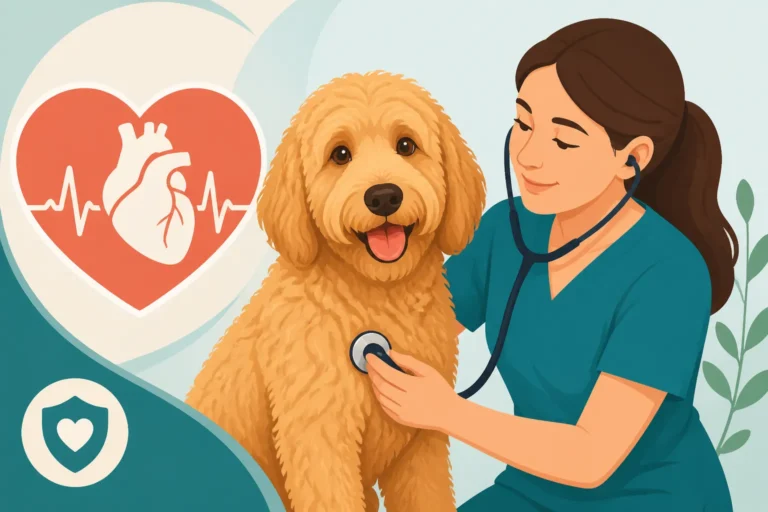
When you call your vet, be prepared to describe precisely what you’ve observed: when the lameness started, if it’s worse after rest or exercise, which leg seems affected, and any other changes in behavior. Your vet will conduct a thorough physical examination, feeling the joints, checking for pain, swelling, or reduced range of motion. They might ask your Goldendoodle to walk and trot to observe their gait. Based on their findings, they will likely recommend further diagnostic tests, most commonly X-rays, to get a clear picture of what’s happening inside the elbow joint. It's an investment in your dog's future comfort and mobility. Don't be afraid to voice your concerns, even if they seem minor – you know your dog best, and your observations are invaluable. Many owners find that having pet insurance, such as a plan from Healthy Paws, can really help when these unexpected diagnostic and treatment costs arise.
Diagnosis and Treatment Options for Goldendoodle Elbow Dysplasia
Receiving a diagnosis of elbow dysplasia can be overwhelming, but remember, it’s not the end of the road. There are many ways to manage this condition, and understanding the diagnostic process and treatment avenues available is the first step toward helping your Goldendoodle live a comfortable life.
The Diagnostic Process: X-rays and Beyond
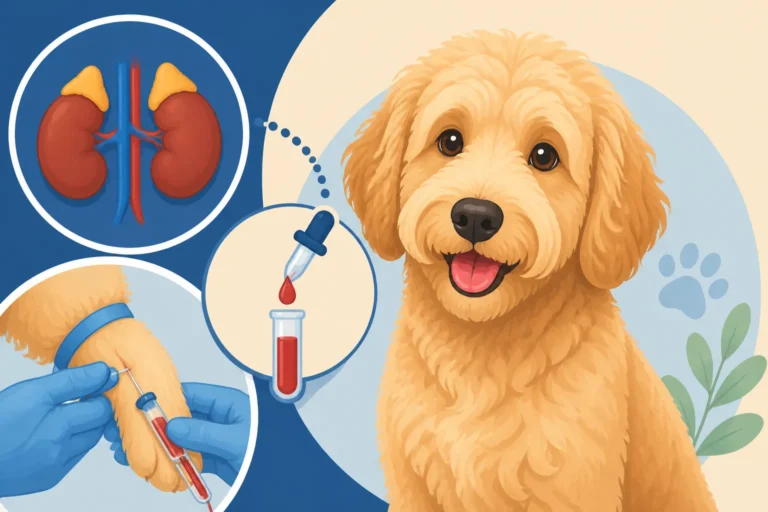
The primary diagnostic tool for elbow dysplasia is radiography, or X-rays. Your veterinarian will typically take several views of the elbow joint, often with your Goldendoodle sedated or anesthetized to ensure proper positioning and minimize stress. These X-rays allow the vet to visualize the bones and look for changes indicative of FCP, UAP, OCD, or incongruity. They will look for irregular bone shapes, signs of fragmented bone, or changes in joint space.
While X-rays are crucial, they don’t always tell the whole story, especially in very early stages or if the issue is subtle. Sometimes, your vet might recommend more advanced imaging techniques. A CT scan (Computed Tomography) provides a much more detailed, 3D image of the joint, which is particularly useful for identifying fragmented coronoid processes or subtle incongruity that might be missed on standard X-rays. In certain cases, especially when considering surgery, an MRI (Magnetic Resonance Imaging) might be used to assess soft tissue structures like cartilage, though it's less commonly the first step for elbow dysplasia. These advanced diagnostics can offer a clearer picture, ensuring the most accurate diagnosis and guiding the best treatment plan. Your vet might refer you to a veterinary orthopedic specialist for these procedures, especially if surgery is on the table.
Surgical Interventions
For many forms of elbow dysplasia, especially FCP, UAP, and OCD, surgical intervention is often the recommended course of action, particularly in younger dogs. The goal of surgery is to remove the source of irritation (like a bone fragment or cartilage flap) and/or to correct any structural abnormalities to prevent further joint damage and the progression of arthritis.
- Arthroscopy: This minimally invasive procedure is increasingly common. A small camera and specialized instruments are inserted through tiny incisions into the joint. It allows the surgeon to visualize the joint structures directly, remove fragmented pieces, and smooth any rough cartilage surfaces. Arthroscopy is less invasive than traditional open surgery, often leading to quicker recovery times and less pain for your Goldendoodle. This is frequently used for FCP and OCD.
- Osteotomy Procedures: For conditions like UAP or severe elbow incongruity, more involved surgeries called osteotomies might be considered. These involve cutting and repositioning bone to improve joint alignment and stability. For example, a Proximal Abducting Ulnar Osteotomy (PAUL) procedure aims to relieve pressure on the medial coronoid process by changing the angle of the ulna. These surgeries are more complex and require longer recovery periods but can offer significant relief and improved function in appropriate cases.
The decision for surgery depends on several factors: the specific type and severity of elbow dysplasia, your dog's age, overall health, and your family's ability to commit to post-operative care and rehabilitation. It's a significant decision, and your veterinary team will discuss all the pros and cons with you. If you’re lucky enough to have pet insurance from a company like Healthy Paws, they often cover a large percentage of these expensive surgical procedures, which can be a huge relief.
Non-Surgical Management
Not all Goldendoodles with elbow dysplasia are candidates for surgery, or perhaps the condition isn't severe enough to warrant it. For these cases, or as a follow-up to surgery, a comprehensive non-surgical management plan is crucial. The goal here is to alleviate pain, reduce inflammation, and slow the progression of arthritis.
- Medication: This often includes non-steroidal anti-inflammatory drugs (NSAIDs) to manage pain and inflammation. Your vet might also prescribe other pain relievers or joint-specific medications.
- Weight Management: Keeping your Goldendoodle at a healthy, lean weight is paramount. Extra pounds put immense stress on already compromised joints. Check out our guide on Goldendoodle Weight and the Load on Its Joints for more insights.
- Controlled Exercise: High-impact activities like jumping, intense ball fetching, or long runs on hard surfaces should be minimized. Instead, focus on low-impact activities like swimming (excellent for joint support!), leash walks on soft surfaces, and controlled play.
- Physical Rehabilitation: This is becoming a cornerstone of elbow dysplasia management. A certified canine rehabilitation therapist can develop a tailored program involving exercises, massage, hydrotherapy (underwater treadmill), and other modalities to strengthen supporting muscles, improve range of motion, and reduce pain.
- Joint Supplements: Many owners use glucosamine, chondroitin, MSM, and Omega-3 fatty acid supplements. While research on their efficacy can vary, many vets recommend them as part of a multi-modal approach to support joint health and reduce inflammation.
- Alternative Therapies: Acupuncture and laser therapy are also growing in popularity for chronic pain management in dogs with arthritis. These can offer additional comfort and improve mobility for some Goldendoodles.
A combination of these strategies can significantly improve your Goldendoodle’s comfort and mobility, extending their quality of life. This integrated approach is often necessary throughout their lifespan, transitioning to strategies more akin to Senior Goldendoodle Mobility and Arthritis as they age.
Living with Elbow Dysplasia and Long-Term Management
Once your Goldendoodle has been diagnosed with elbow dysplasia, it becomes a chronic condition that requires ongoing attention and management. It's a journey, not a sprint, but with consistent care, your dog can still enjoy a happy and fulfilling life. The key is to be proactive and adaptable.
Pain Management Strategies
Consistent pain management is central to living with elbow dysplasia. It's not just about stopping the limping; it's about ensuring your Goldendoodle is comfortable every single day, which helps prevent secondary pain and behavioral issues.
- Regular Vet Check-ups: These are crucial. Your vet will monitor your Goldendoodle's pain levels, assess joint health, and adjust medication dosages as needed. What works well for a few months might need tweaking as the disease progresses or as your dog ages. Don't hesitate to report any changes you notice between visits.
- Medication Protocols: This often involves a daily or as-needed regimen of NSAIDs (like carprofen, meloxicam, or galliprant). Your vet might also introduce other pain relief medications such as gabapentin or amantadine, which work differently and can provide synergistic relief, especially for nerve pain components of chronic arthritis. Strict adherence to dosage is important to avoid side effects.
- Environmental Adjustments: Make your home as comfortable as possible. Provide orthopedic beds to support joints, use ramps instead of stairs for getting onto furniture or into cars, and consider non-slip rugs on hard floors to prevent slips and falls that can exacerbate pain.
- Cold and Heat Therapy: For immediate relief, you can use cold packs on inflamed joints after activity or heat packs before gentle exercise to increase blood flow and muscle relaxation. Always use a barrier between the pack and your dog's skin, and monitor carefully.
It’s important to remember that pain management isn't static. What worked yesterday might not be enough tomorrow. Staying in close communication with your vet and having a flexible plan is key. This is where a robust pet insurance plan can be invaluable, covering the recurring costs of medication, supplements, and specialized vet visits. Plans from providers like Healthy Paws can truly help manage the financial strain of chronic conditions.
Lifestyle Adjustments and Exercise
Managing elbow dysplasia means adjusting your Goldendoodle's lifestyle to support their joint health without sacrificing their mental well-being. They still need to be dogs!
- Appropriate Exercise Regimen: This is vital. Avoid high-impact activities, sudden stops, and repetitive jumping. Instead, focus on consistent, moderate, low-impact exercise. Daily leash walks on soft surfaces like grass or dirt trails are ideal. Swimming is particularly fantastic as it provides excellent muscle conditioning without any impact on the joints. Think of two shorter, gentle walks a day instead of one long, strenuous hike.
- Mental Enrichment: Since intense physical activity might be limited, pivot to increasing mental stimulation. Puzzle toys, scent work games, trick training, and even short, engaging obedience sessions can keep your Goldendoodle’s mind active and happy. This helps burn energy and prevent boredom without stressing their joints.
- Consistent Routine: Dogs thrive on routine, and a consistent schedule for feeding, medication, and exercise can help manage pain and discomfort by avoiding sudden changes that might irritate their joints.
- Avoid Overexertion: Learn to read your Goldendoodle’s signals. If they start limping, slowing down, or showing signs of discomfort during an activity, stop immediately. It’s better to err on the side of caution than to push them too far and cause a flare-up.
These adjustments ensure your Goldendoodle remains active and engaged in life, just in a way that respects their physical limitations. It's all about finding that balance between exercise for physical and mental health and protecting their sensitive joints.
Nutritional Support
Nutrition plays a surprisingly large role in supporting joint health, especially for a Goldendoodle living with elbow dysplasia. It's not a cure, but it's a powerful tool in your management arsenal.
- Weight Control is Paramount: We mentioned this earlier, but it bears repeating. Every extra pound your Goldendoodle carries puts increased strain on their already compromised elbow joints. Work with your vet to determine your dog's ideal body condition and adjust their diet and caloric intake accordingly. Even a slight weight reduction can make a noticeable difference in their comfort and mobility.
- Joint-Specific Diets: Many premium dog food brands offer formulas specifically designed for joint health. These often contain higher levels of omega-3 fatty acids, glucosamine, and chondroitin, which are thought to support cartilage health and reduce inflammation. Discuss with your vet if a prescription joint diet might be beneficial for your Goldendoodle.
- Supplements: Beyond what's in their food, targeted supplements can be added. Omega-3 fatty acids (EPA and DHA) from fish oil are powerful anti-inflammatories and can help reduce joint pain. Glucosamine and chondroitin sulfate are believed to help maintain the structural integrity of cartilage. Some newer supplements also include ingredients like green-lipped mussel, turmeric, or CBD, which are gaining popularity for their anti-inflammatory properties. Always discuss any supplements with your vet before adding them to your Goldendoodle's regimen to ensure they are appropriate and won't interact with other medications.
A holistic approach, combining appropriate veterinary care, lifestyle modifications, and strategic nutritional support, will give your Goldendoodle the best chance at a comfortable and active life despite their elbow dysplasia. If you're looking into specific types of joint support, you might find our article on Joint Support Dosed to Goldendoodle Size Category helpful.
Preventative Measures and Responsible Breeding Practices
While living with elbow dysplasia is manageable, preventing it in the first place is always the ideal scenario. This falls heavily on the shoulders of responsible breeders and, by extension, informed puppy buyers. Knowing what to look for can protect both your heart and your wallet.
Health Testing for Parent Dogs
This cannot be stressed enough: rigorous health testing of both parent dogs is the single most important preventative measure against elbow dysplasia. Any reputable Goldendoodle breeder will conduct comprehensive health screenings on their breeding stock long before any puppies are conceived.
- OFA Clearances for Elbows: The Orthopedic Foundation for Animals (OFA) provides a standardized evaluation system for elbow joints. Dogs are radiographed at 24 months of age or older, and certified veterinary radiologists evaluate the images for evidence of elbow dysplasia. A dog receiving an "OFA Normal" elbow clearance is free of radiographic evidence of elbow dysplasia at the time of screening and is generally considered suitable for breeding. Any other grading (Grade I, II, or III) indicates elbow dysplasia, and such dogs should not be bred. Always ask to see the physical OFA certificates for both the Golden Retriever and Poodle parents, verifying that their elbow evaluations are "Normal." Don't just take a breeder's word for it. Information on OFA Clearances on a Goldendoodle Sire and Dam is crucial here.
- Other Relevant Health Tests: While OFA elbows are specific to this condition, a truly responsible breeder will conduct a full panel of health tests relevant to both parent breeds. This includes OFA hips (as hip and elbow dysplasia can sometimes co-occur or have similar genetic predispositions), eye clearances, and genetic DNA panels for conditions like Progressive Retinal Atrophy (PRA) or Von Willebrand Disease. A comprehensive DNA panel can help identify carriers for other genetic diseases common to Poodles and Golden Retrievers, even if not directly related to elbows. Take a look at The DNA Panel a Goldendoodle Breeder Should Run for more details on what to expect.
A breeder who cannot or will not provide verifiable OFA elbow clearances (and other health tests) for both parents is not a responsible breeder. Period. They are putting profit before the health and well-being of their puppies and the families who will adopt them. This is a crucial point, as the absence of a breed club health scheme for Goldendoodles means individual breeder responsibility is paramount.
Puppy Selection and Breeder Responsibility
Even with excellent parent health clearances, there are still considerations when selecting a Goldendoodle puppy to minimize the risk of elbow dysplasia.
- Evaluate Breeder Practices: Beyond health testing, observe the breeder's overall practices. Do they provide a clean, stimulating environment for their puppies? Are the puppies well-socialized? Do they ask you thorough questions about your lifestyle and experience? A responsible breeder is deeply invested in the welfare of their puppies and their future homes. They won't just sell you a puppy; they'll ensure it's a good fit.
- Puppy Contracts and Health Guarantees: A reputable breeder will offer a comprehensive puppy contract that outlines responsibilities, return policies, and typically includes a health guarantee for genetic conditions like elbow dysplasia. This guarantee might cover a certain period, often up to two years, aligning with when such conditions typically manifest. Understand the terms of this guarantee fully before committing.
- Avoid Over-Exercising Puppies: Once you bring your Goldendoodle puppy home, be mindful of their developing joints. While exercise is essential, over-exercising a puppy, especially with high-impact activities like excessive running, jumping, or long hikes, can put undue stress on their still-forming growth plates and joints. Stick to short, frequent play sessions and walks, following the "five minutes per month of age" rule for leash walks. Remember, a puppy's bones and joints, including the Goldendoodle Growth Plates by Size Category, are still very vulnerable.
- Proper Nutrition for Growth: Feed your Goldendoodle puppy a high-quality, large-breed puppy food appropriate for their projected adult size, especially if you have a Standard Goldendoodle. These foods are formulated to support slower, more controlled growth, which can help prevent developmental orthopedic diseases like elbow dysplasia. Rapid growth, often encouraged by diets too high in calories or calcium, can exacerbate underlying genetic predispositions.
While you can never completely eliminate the risk of genetic conditions, choosing a puppy from health-tested parents and providing appropriate care during their crucial growth phases significantly improves your Goldendoodle’s chances of leading a long, comfortable, and pain-free life. It’s about being an educated consumer and a responsible dog parent from day one.
| Condition | Description | Common Symptoms | Typical Age of Onset | Standard Treatment Approaches |
|---|---|---|---|---|
| Fragmented Coronoid Process (FCP) | A piece of bone on the ulna breaks off and irritates the joint. | Forelimb lameness, stiffness after rest, reduced play. | 4-12 months | Arthroscopic removal of fragments. |
| Ununited Anconeal Process (UAP) | A bony process fails to fuse with the ulna during growth. | Persistent lameness, outward elbow stance. | 5-12 months | Surgical reattachment or removal of the process. |
| Osteochondrosis Dissecans (OCD) | Cartilage flap detaches from the humerus, causing irritation. | Lameness, pain upon palpation, worse after exercise. | 4-12 months | Arthroscopic removal of cartilage flap. |
| Elbow Incongruity | Bones of the elbow joint don't fit together perfectly (misalignment). | Gradual lameness, progressive stiffness, grinding sound. | 4-12 months | Corrective osteotomy (bone cutting/repositioning) if severe. |
Disclaimer
Please remember that the information provided in this article is for educational purposes only and should not be considered a substitute for professional veterinary advice. Always consult with a qualified veterinarian for any health concerns or before making any decisions about your Goldendoodle's care or treatment.