Goldendoodle Dental Crowding in the Smaller Sizes
It can be incredibly disheartening to realize that your adorable, small Goldendoodle, with their charming little muzzle, might be silently suffering from a painful problem right inside their mouth: dental crowding. Many owners of Toy, Mini, and even some Medium Goldendoodles don't anticipate the unique challenges that come with their smaller jawlines, leaving them unprepared for the discomfort and serious health issues that crowded teeth can cause. This comprehensive guide will walk you through everything you need to know about dental crowding in smaller Goldendoodles, from understanding why it happens to effective prevention and treatment strategies, ensuring your furry friend maintains a healthy, happy smile for life.
The Anatomy of Crowding: Why Small Goldendoodles Face Dental Challenges
When you combine the compact jawline often inherited from a Poodle parent with the tooth count and size potential of a Golden Retriever, you're sometimes setting the stage for a dental dilemma in smaller Goldendoodles. This isn't just a cosmetic concern; it's a significant structural issue that can lead to chronic pain and other health problems if left unaddressed. It's a common frustration among owners who adore their pint-sized companions but didn't realize that their smaller stature could come with such specific dental vulnerabilities.
Anatomy of a Goldendoodle Mouth: Size Mismatch
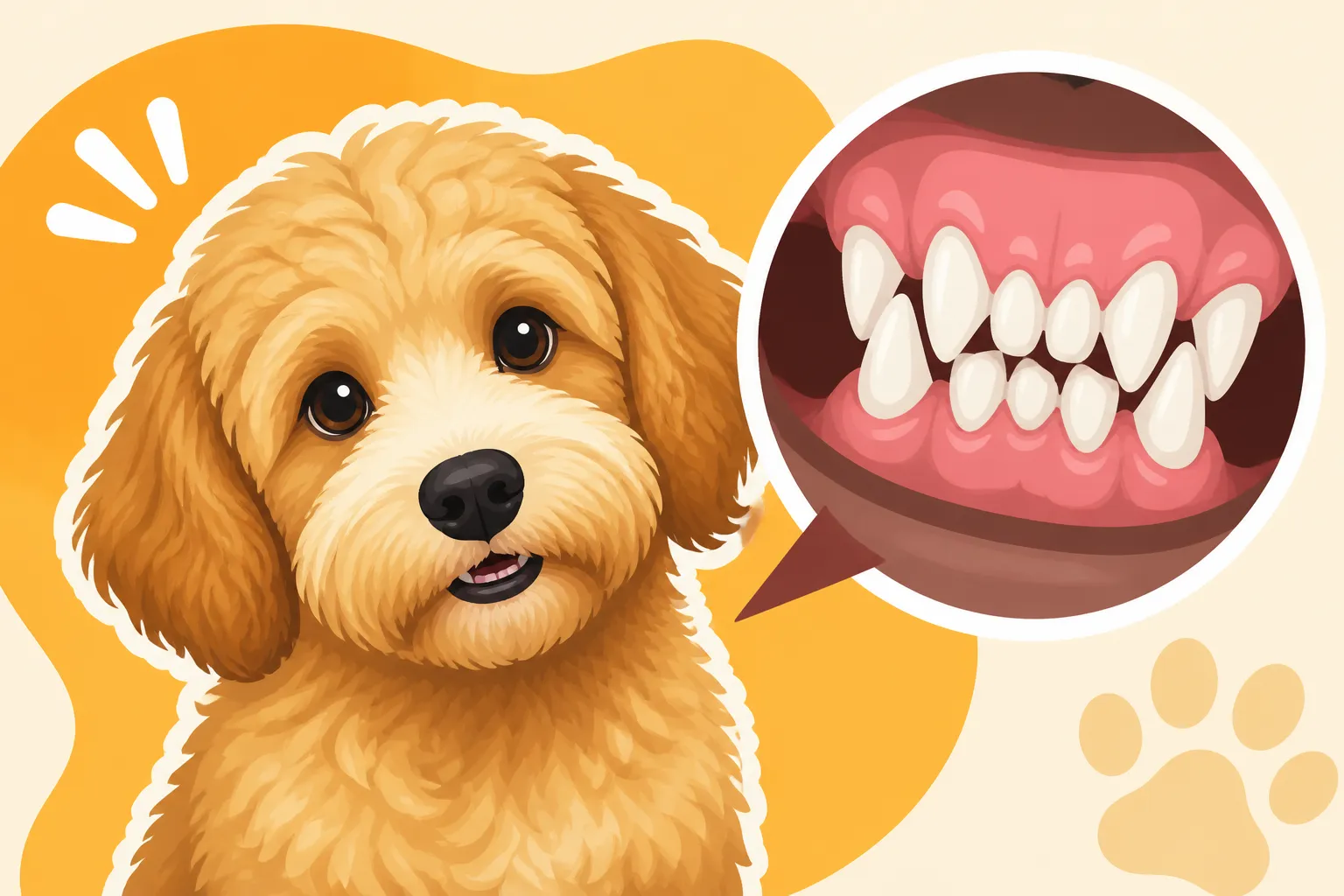
Think of it like trying to fit too many books on a shelf that's simply not long enough. A Goldendoodle's mouth generally has 42 adult teeth, the same number as their larger Golden Retriever and Standard Poodle ancestors. However, when a Goldendoodle is bred down to a Mini or Toy size, while their jaw size shrinks considerably, the size and number of their teeth often don't reduce proportionally. This creates a critical mismatch: a smaller jaw trying to accommodate a standard set of adult teeth. The result is teeth that are pushed too close together, rotate, overlap, or even erupt in unusual positions, all contributing to severe dental crowding. This anatomical challenge means these smaller dogs are inherently at a higher risk for dental health problems right from puppyhood.
Genetic Predisposition from Poodle and Golden Retriever Lines
Both parent breeds contribute to the genetic lottery that determines your Goldendoodle's dental structure. Standard Poodles, while known for their elegant, sometimes slender muzzles, can still pass on genes that dictate tooth size and spacing. Golden Retrievers, on the other hand, typically have broader muzzles and larger, more robust teeth. When these two distinct dental blueprints merge in a crossbreed, especially in the smaller variations, the outcome can be unpredictable. You might get a jaw that leans towards the smaller, more refined Poodle structure, but teeth that trend towards the larger Golden Retriever size. This genetic blend, unfortunately, doesn't always result in a perfectly harmonious bite, making early dental assessment crucial for any Goldendoodle puppy. It’s a stark reminder that while hybrid vigor might offer some health advantages, it doesn’t eliminate all inherited predispositions, particularly in areas like oral conformation.
Impact of Different Goldendoodle Sizes on Jaw Structure
The degree of dental crowding often correlates directly with the Goldendoodle's adult size. Toy Goldendoodles, weighing under 15 pounds, and Mini Goldendoodles, typically between 25 and 35 pounds, are by far the most susceptible. Their diminutive jaws offer the least amount of space for the adult teeth to properly align. Medium Goldendoodles, usually in the 35-50 pound range, might also experience some level of crowding, though often less severe than their smaller counterparts. Standard Goldendoodles, with their larger jaw structures, generally have fewer issues with crowded teeth simply because there’s more real estate for all 42 teeth. This size-dependent risk means that if you have a smaller Goldendoodle, you need to be extra vigilant about their oral health, understanding that their size category directly influences their predisposition to dental issues. This predisposition is also why you might find a Goldendoodle Puppy Vaccination Timing chart useful, as it emphasizes the critical health checkpoints in their early development.
The Health Risks Associated with Goldendoodle Dental Crowding
Dental crowding in smaller Goldendoodles isn't just about aesthetics; it's a serious health concern that can lead to a cascade of problems, impacting not just their mouth but their overall well-being. The tight, often misaligned positioning of teeth creates ideal environments for bacteria to flourish, leading to painful infections and systemic issues that can shorten a dog's lifespan and diminish their quality of life.
Periodontal Disease and Tooth Loss
When teeth are crowded, they don't allow for proper drainage and are incredibly difficult to clean, even with diligent brushing. Food particles and bacteria get trapped in the tight crevices, leading to the rapid accumulation of plaque and tartar. This buildup irritates the gums, causing inflammation known as gingivitis. If left unchecked, gingivitis progresses to full-blown periodontal disease, where the supporting structures of the teeth—the gums, ligaments, and bone—begin to degrade. Pockets form between the teeth and gums, harboring more bacteria and leading to infection, pain, and eventually, irreversible bone loss and tooth loss. For many small Goldendoodles, by the time they are just a few years old, they may already be suffering from advanced stages of this painful, debilitating disease. This can lead to serious interventions, and owners often find themselves faced with significant Dental Cleaning Costs for a Toy Goldendoodle when the issue becomes advanced.
Oral Pain and Behavioral Changes
Imagine living with a constant toothache or sensitive gums. That's often the reality for Goldendoodles with severe dental crowding. The inflammation, infection, and potential decay cause chronic oral pain, which can manifest in a variety of subtle behavioral changes. You might notice your dog is less enthusiastic about meal times, perhaps chewing only on one side of their mouth or dropping food. They might become pickier about their treats, favoring softer options over hard kibble or chews. Some dogs will paw at their mouth, rub their face on the carpet, or even become irritable and withdrawn due to discomfort. They might flinch when you try to touch their face or open their mouth, signaling underlying pain. These subtle cues are often the only way your stoic Goldendoodle can communicate their suffering, making it vital for owners to recognize and act on them promptly.
Systemic Health Issues from Poor Oral Hygiene
Perhaps the most alarming consequence of untreated dental crowding and subsequent periodontal disease is its potential impact on your Goldendoodle's overall health. The bacteria thriving in an infected mouth don't stay confined to the oral cavity. They can enter the bloodstream through inflamed gum tissue and travel to other organs, including the heart, kidneys, and liver. This can lead to serious systemic infections, exacerbating existing conditions or creating new ones. For example, bacterial endocarditis, an infection of the heart valves, can be a direct result of chronic dental infection. Furthermore, the constant inflammatory response can put a strain on the immune system. This systemic link means that neglecting your Goldendoodle's dental health isn't just about their teeth; it's about safeguarding their entire body and ensuring a longer, healthier life. Understanding the link between oral health and overall wellness is just as important as understanding issues like Goldendoodle Allergies and Itchy Skin, as both can have widespread effects.
Recognizing the Signs of Dental Crowding in Your Goldendoodle
Early detection is key when it comes to managing dental crowding and preventing its more severe consequences in your smaller Goldendoodle. Knowing what to look for and making it a habit to check your dog's mouth regularly can make all the difference. It's not always obvious, especially with their furry muzzles, so a keen eye and a bit of bravery on your part are essential.
Visual Cues: Misaligned and Overlapping Teeth
The most straightforward way to identify dental crowding is by visually inspecting your Goldendoodle's mouth. Gently lift their lips and look at how their teeth sit together. Are they straight and evenly spaced, or do they appear twisted, rotated, or pushed too closely together? You might notice some teeth overlapping others, or perhaps a tooth erupting at an odd angle, pressing into the gum or cheek tissue. Pay particular attention to the smaller teeth at the front of the mouth (incisors) and the pre-molars, as these are often the first to show signs of crowding. In severe cases, you might even see puppy teeth that haven't fallen out, a condition known as Retained Puppy Teeth in a Mini Goldendoodle, which further exacerbates crowding as adult teeth try to come in. This visual check should be a routine part of your at-home grooming, giving you an early warning if problems are developing.
Bad Breath and Gingivitis
While "dog breath" is often accepted as normal, persistent, foul-smelling breath is a strong indicator of bacterial overgrowth and infection within the mouth. This isn't just an unpleasant odor; it's a critical sign that something is wrong. When you gently lift your Goldendoodle's lips, also examine their gums. Healthy gums should be a pale pink color, firm, and lie tightly against the teeth. Signs of gingivitis include redness, swelling, and tenderness, especially along the gum line where it meets the tooth. You might even notice slight bleeding when you touch the gums or if your dog chews on a hard toy. This inflammation is a direct precursor to more severe periodontal disease, and noticing these changes early allows for intervention before the situation escalates into chronic pain and potential tooth loss. This unpleasant symptom is often the first thing owners notice, even before visible crowding.
Difficulty Eating or Playing with Toys
If your Goldendoodle, particularly a smaller one, starts to show changes in their eating habits or their engagement with chew toys, it's worth investigating their oral health. They might approach their food bowl with hesitation, or take longer to eat than usual. You may observe them dropping kibble more frequently, or favoring softer foods over hard ones. Another common sign is a sudden disinterest in their favorite chew toys, or a reluctance to gnaw on things they once loved. In some cases, they might even start pawing at their mouth or rubbing their face against furniture or your leg, trying to alleviate discomfort. These subtle shifts in behavior are your Goldendoodle's way of telling you they're experiencing pain or discomfort in their mouth. Don't dismiss them as fussiness; they are often critical indicators that dental crowding or other oral issues are causing them distress.
Preventative Measures and Early Intervention for Dental Health
Proactive dental care is paramount for smaller Goldendoodles prone to crowding. It's far easier and less painful (and less expensive!) to prevent severe dental disease than to treat it once it has taken hold. Establishing good habits early on can make a world of difference for your Goldendoodle's long-term health and comfort.
Early Dental Care for Goldendoodle Puppies
The moment your Goldendoodle puppy comes home, start getting them used to having their mouth handled. Even before all their adult teeth come in, gently open their mouth, touch their gums, and introduce them to a soft finger brush or a piece of gauze wrapped around your finger. The goal isn't necessarily to clean thoroughly at this stage, but to build positive associations with oral care. Once adult teeth start to emerge, keep a close watch for any Retained Puppy Teeth in a Mini Goldendoodle. These milk teeth can block adult teeth from coming in properly and severely worsen crowding. Your veterinarian should check for retained deciduous teeth at every puppy check-up, especially around 5-7 months of age. If any are present, they typically recommend extraction under anesthesia to allow permanent teeth to erupt correctly and minimize future crowding. Early intervention like this can set your Goldendoodle up for much better dental health.
Regular At-Home Dental Hygiene Routines
This is where the rubber meets the road for preventing dental issues. Daily tooth brushing is the gold standard for at-home dental care. Use a soft-bristled toothbrush designed for dogs and dog-specific toothpaste (never human toothpaste, which can contain xylitol, a toxic ingredient). Focus on the outside surfaces of the teeth, especially along the gumline, where plaque tends to accumulate fastest. For Goldendoodles with crowded teeth, it's even more crucial to try and reach those tight spaces, which can be challenging but not impossible. If daily brushing isn't feasible, aim for at least three times a week. Even if it's not perfect, any brushing is better than none. In addition to brushing, you can consider dental rinses or water additives approved by your vet, which contain enzymes or other ingredients to reduce bacteria and plaque. Consistency is key here; a few minutes each day can prevent years of pain and costly vet bills down the line.
Choosing Appropriate Chews and Toys
While brushing is primary, certain dental chews and toys can offer supplementary benefits, helping to scrape away plaque and stimulate gum health. However, it's crucial to choose wisely, as not all chews are created equal, and some can even be detrimental. Look for Veterinary Oral Health Council (VOHC) approved products, which have been scientifically proven to reduce plaque and/or tartar. Safe options often include softer, digestible dental chews that have a unique shape or texture designed to clean teeth as the dog chews. Avoid extremely hard chews like antlers, bones, or nylon toys that can fracture teeth, especially in smaller dogs with already compromised crowded mouths. Toys with intricate grooves and textures can also help clean teeth, but always supervise your Goldendoodle to ensure they don't break off pieces and swallow them. When it comes to managing a Goldendoodle Puppy Chewing Through Furniture, redirecting them to appropriate and safe dental chews is a double win for their training and their teeth.
Treatment Options for Goldendoodle Dental Crowding
Despite the best preventative efforts, many smaller Goldendoodles will still eventually require professional dental intervention due to their anatomical predispositions. It's important to understand the various treatment options available and to work closely with your veterinarian to determine the best course of action for your dog.
Veterinary Dental Cleanings and Examinations
Regular professional dental cleanings under anesthesia are absolutely vital for Goldendoodles with crowded teeth, often needed annually or even semi-annually. A professional cleaning goes far beyond what you can achieve at home. It allows your vet to thoroughly examine every tooth and gum surface, probing for pockets, assessing inflammation, and identifying any issues not visible to the naked eye. Crucially, they perform dental X-rays, which reveal problems beneath the gumline, such as bone loss, root damage, or unerupted teeth—issues that are particularly common with crowding. The cleaning itself involves scaling (removing plaque and tartar) both above and below the gumline using specialized ultrasonic instruments, followed by polishing the tooth surfaces to make them smooth and less prone to future plaque adherence. This comprehensive approach is the only way to effectively manage Goldendoodle Tartar and Gum Disease and prevent its progression.
Tooth Extractions and Orthodontics
In many cases of severe dental crowding, simply cleaning the teeth isn't enough. When teeth are so tightly packed that they cause chronic pain, trauma to adjacent tissues, or are impossible to keep clean, extractions become a necessary, albeit often intimidating, solution. Removing a problematic tooth or teeth can alleviate pain, prevent the spread of infection, and create much-needed space for remaining teeth, improving the overall health of the mouth. While it might sound drastic, a dog without a painful, infected tooth is far happier and healthier than one struggling with severe crowding.
On the rarer side, some specialized veterinary dentists offer orthodontic solutions, such as braces or aligners, for dogs. This is generally considered for functional reasons rather than cosmetic ones, for example, to correct a bite that is causing trauma to the palate or gums. However, given the costs, the commitment required from owners for follow-up appointments, and the specific nature of crowding, extractions are a far more common and practical approach for most Goldendoodles. For significant procedures like these, having a robust pet insurance plan can be a lifesaver. Providers like Healthy Paws can help manage the financial burden of unexpected dental surgeries, making difficult decisions a little easier for owners.
Addressing Severe Cases and Complications
Sometimes, dental crowding can lead to more severe complications that require advanced intervention. This could include extensive bone loss, oronasal fistulas (a hole between the mouth and nasal cavity caused by severe periodontal disease), or abscesses deep within the jaw. These cases typically require complex surgical extractions, sometimes involving bone grafting or specialized repair techniques. For smaller Goldendoodles, the anesthesia risk for these longer, more involved procedures might also be a concern, requiring careful pre-anesthetic screening and monitoring. Your vet may refer you to a board-certified veterinary dentist for these complex cases. This specialist has the advanced training and equipment to handle intricate oral surgeries, ensuring the best possible outcome for your Goldendoodle. Dealing with such serious complications highlights the importance of early and consistent dental care to prevent these issues from ever reaching such a critical stage.
Long-Term Care and Financial Considerations for Goldendoodle Dental Health
Bringing a Goldendoodle into your life means committing to their long-term health, and dental care is a significant part of that commitment, especially for the smaller varieties prone to crowding. It's not a one-time fix; it's an ongoing journey that requires regular monitoring, adjustments to diet, and a realistic understanding of the potential financial implications.
Ongoing Monitoring and Follow-Up
Even after professional cleanings or extractions, the battle against dental disease in a Goldendoodle with a predisposition to crowding is ongoing. Regular follow-up appointments with your veterinarian are crucial to monitor the health of the remaining teeth and gums. Your vet will assess how well your at-home care routine is working and recommend adjustments if needed. You should also continue your diligent at-home visual checks for any returning signs of gingivitis, bad breath, or changes in eating habits. For some dogs, this might mean more frequent professional cleanings or specific topical treatments recommended by your vet. The goal is to stay ahead of the curve, preventing severe issues from recurring rather than reacting to them once they've already caused pain and damage. This proactive monitoring is a cornerstone of responsible Goldendoodle ownership.
Dietary Adjustments for Dental Health
While kibble alone isn't a substitute for brushing, the type of food you feed your Goldendoodle can play a supportive role in their dental health. Some dental-specific diets are formulated with special textures or coatings that help mechanically scrub the teeth as your dog chews, or contain ingredients that reduce plaque formation. Look for foods that carry the VOHC seal of approval for dental benefits. If your Goldendoodle has had extensive extractions, or if dental crowding is causing significant discomfort, your vet might recommend a softer diet to make eating more comfortable. This could involve wet food, or simply moistening their kibble. It's a balance between providing nutritional needs and ensuring their comfort and oral health. Always discuss any significant dietary changes with your veterinarian, especially if your Goldendoodle has pre-existing health conditions or specific nutritional requirements.
Budgeting for Goldendoodle Dental Care
Let's be realistic: high-quality dental care for a dog, especially one prone to issues like crowding, is not cheap. A routine professional cleaning under anesthesia can range from $500 to $1,500, depending on your location, the vet clinic, and whether X-rays or extractions are needed. If your Goldendoodle requires multiple extractions or more complex oral surgery, these costs can quickly escalate into several thousands of dollars. These expenses are a significant part of what a Goldendoodle Costs Across a Full Lifetime.
It’s essential to factor these potential costs into your pet care budget. Many owners find that pet insurance, such as plans offered by Healthy Paws, can be incredibly beneficial for managing these unpredictable but often inevitable veterinary expenses. While most policies have waiting periods and may not cover pre-existing conditions, enrolling your Goldendoodle early can ensure coverage for future dental treatments or emergencies. Don't forget to budget for daily essentials too, like dental toothbrushes, dog-specific toothpaste, and VOHC-approved dental chews. Thinking ahead and planning for these costs will save you stress and ensure your Goldendoodle receives the best possible dental care throughout their life.
| Dental Care Aspect | Recommendation for Smaller Goldendoodles | Estimated Annual Cost (Excl. Insurance) |
|---|---|---|
| At-Home Brushing | Daily brushing with canine-specific toothpaste & toothbrush. Introduce early. | $20 – $50 (for supplies) |
| VOHC-Approved Chews | 2-3 times a week, supervised. Choose appropriate size/hardness. | $100 – $300 (depending on brand/frequency) |
| Professional Cleanings | Annual or bi-annual under anesthesia, including exam, scaling, polishing, and X-rays. | $500 – $1,500 (more for extractions/complications) |
| Retained Puppy Teeth | Early veterinary assessment (5-7 months); extraction if necessary. | $300 – $800 (often included in first cleaning) |
| Orthodontic Assessment | Referral to veterinary dentist for severe malocclusions (rare, usually leads to extractions). | $100 – $300 (consultation only) |
| Specialized Diets | If recommended by vet, dental-specific kibble or softened food for comfort. | $50 – $200 (additional to regular food budget) |
| Total Estimated Range | $670 – $3,150+ |
Disclaimer
Please remember that the information provided in this article is for general educational purposes only and should not be considered a substitute for professional veterinary advice. Always consult with your veterinarian or a board-certified veterinary dentist regarding your Goldendoodle's specific health concerns, diagnosis, and treatment options. Individual results may vary, and only a qualified professional can provide advice tailored to your dog's unique needs.