Lymphoma Signs in a Goldendoodle
That sinking feeling when your beloved Goldendoodle isn't quite themselves – maybe they're a little quieter, skipping a meal, or just seem "off" – it’s a worry no pet parent wants to endure. When those vague symptoms start to linger, the mind can go to some dark places, and for good reason, as cancer is a frightening reality for many dogs. This guide isn't here to scare you, but to empower you with knowledge about lymphoma, one of the most common cancers in dogs, and crucially, how to recognize its signs in your Goldendoodle so you can seek veterinary help as quickly as possible.
Understanding Lymphoma in Goldendoodles: A Silent Threat
Lymphoma is a type of cancer that originates in the lymphocytes, a type of white blood cell, and lymphoid tissues like the lymph nodes, spleen, and bone marrow. It can affect virtually any organ in the body, which is why its symptoms can be so varied and sometimes confusing. For Goldendoodle owners, understanding this disease is particularly important because of the breed’s genetic lineage.
What Makes Lymphoma a Concern for Goldendoodles?
While no dog breed is immune to cancer, some breeds, or their parent breeds, do have a higher predisposition. Our wonderful Goldendoodles inherit traits from both the Golden Retriever and the Poodle, and unfortunately, both parent breeds have known susceptibilities to certain cancers. Golden Retrievers, in particular, are sadly well-documented for their higher incidence of various cancers, including lymphoma. This means that while your Goldendoodle benefits from the hybrid vigor claim in some aspects, they still carry the genetic blueprints from their parents, including any predispositions to diseases like lymphoma. It's not a guarantee, of course, but it places a higher emphasis on awareness for Goldendoodle parents. This is why paying attention to any unusual changes in your dog's health is paramount, as early detection can make a significant difference in prognosis and quality of life. For more on this, you might find our article on The Cancers a Goldendoodle Can Inherit particularly insightful.
Diverse Forms of Lymphoma
Lymphoma isn't a single disease; it manifests in several forms, each affecting different parts of the body and presenting with its own set of challenges. Knowing these types can help you understand why symptoms might appear differently.
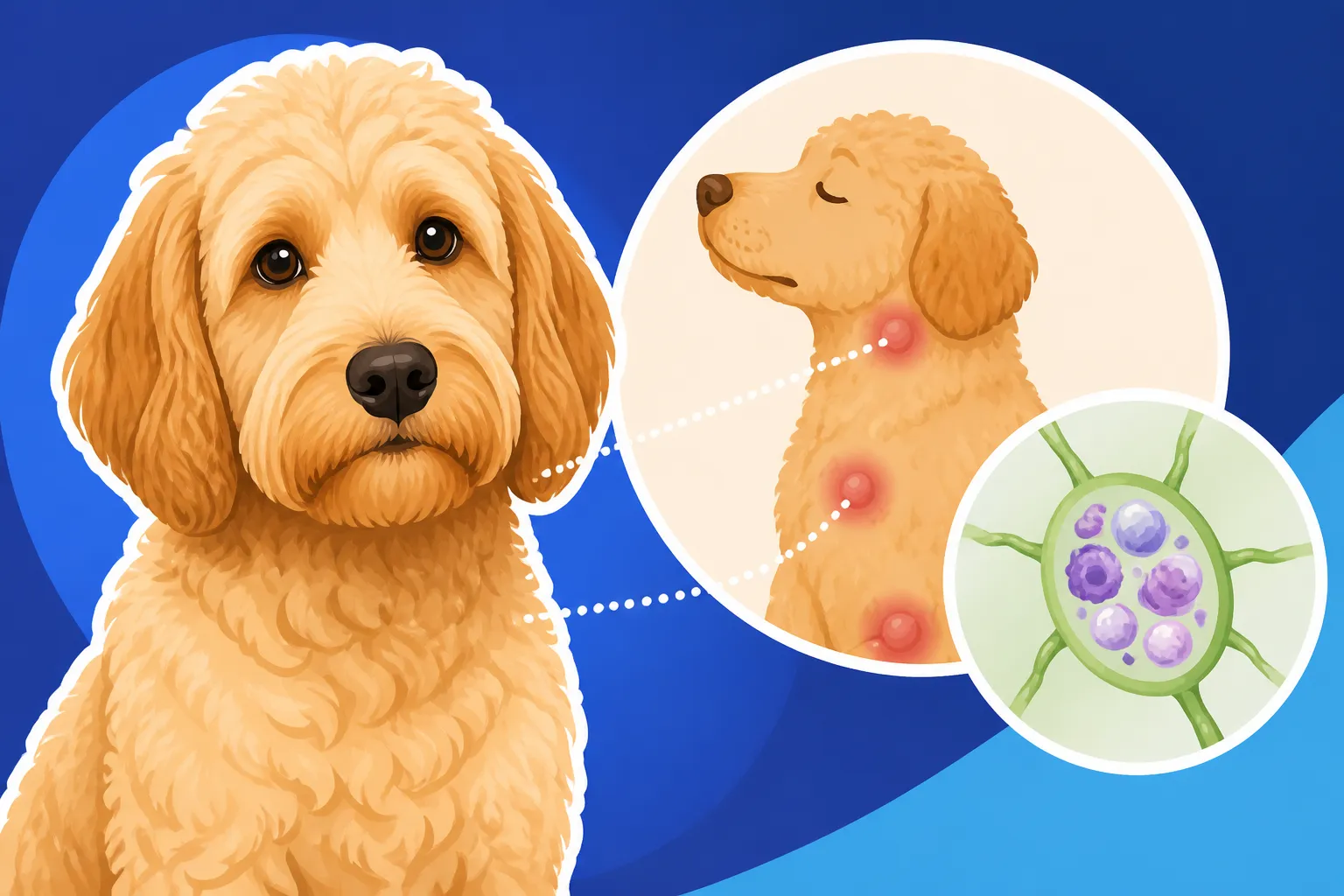
- Multicentric Lymphoma: This is the most common form, accounting for about 80-85% of all canine lymphoma cases. It primarily affects the lymph nodes, causing them to enlarge. You might feel these swollen nodes under your dog's jaw, in their armpits, groin, or behind their knees. It can progress quickly and often doesn't show obvious signs of illness until the lymph nodes are quite noticeable.
- Alimentary (Gastrointestinal) Lymphoma: This type affects the digestive tract, including the stomach and intestines. Symptoms here are often related to digestive upset, such as vomiting, diarrhea, weight loss, and a general lack of appetite. These signs can easily be mistaken for common gastrointestinal issues, making diagnosis tricky.
- Mediastinal Lymphoma: Less common, this form targets the lymph nodes or thymus gland within the chest cavity. Because of its location, symptoms often involve respiratory distress, such as coughing, labored breathing, or fluid accumulation in the chest.
- Extranodal Lymphoma: This is the least common type and can affect a wide variety of organs, including the skin, eyes, kidneys, or central nervous system. Symptoms will vary dramatically depending on the organ affected, which can make it particularly challenging to diagnose without suspicion. For instance, skin lesions or growths might point to cutaneous lymphoma.
Each type requires different diagnostic approaches and can have varying prognoses, making a veterinarian's expertise invaluable.
Recognizing the Subtle Early Signs of Lymphoma
One of the biggest frustrations and fears as a Goldendoodle owner is when your dog seems "not right," but you can't put your finger on it. Lymphoma often starts subtly, with symptoms that could easily be attributed to normal aging, a minor tummy ache, or just a lazy day. However, it's these subtle shifts that are crucial to catch early.
Enlarged Lymph Nodes: The Most Common Red Flag
For multicentric lymphoma, which is the most prevalent, the earliest and most telling sign is often enlarged lymph nodes. These are like little filters in your dog's immune system, and when cancer cells accumulate, they swell up.
Imagine gently feeling your Goldendoodle's neck, just under their jawline. Normally, you might feel small, bean-sized structures that are movable and not very prominent. If you notice these areas feeling like firm grapes, marbles, or even golf balls, especially if they are hard, non-painful, and appear suddenly or grow over time, it's a significant warning sign. Don't just check the neck; get comfortable feeling in the armpits, the groin area (in the fold of the hind leg), and behind the knees. These are the external lymph nodes that are most accessible for you to check. The fear, of course, is that you might miss them under all that beautiful Goldendoodle fluff, so regular, thorough petting isn't just for bonding – it's a health check!
Vague Systemic Changes: Lethargy and Appetite Loss
Beyond palpable lumps, early lymphoma can present with more general, non-specific signs that can easily be overlooked or brushed off. Has your usually energetic Goldendoodle, the one who greets you with enthusiastic wiggles, started spending more time sleeping? Is their enthusiasm for walks or playtime diminished? A noticeable decrease in energy, often described as lethargy or just "slowing down," is a common initial symptom. Your Goldendoodle might still be willing to do their favorite things, but they might tire much faster or not initiate play as often.
Coupled with this, a subtle change in appetite can occur. Perhaps they're not finishing all their meals, or they turn their nose up at a treat they usually adore. It's not always a complete refusal to eat, but a gradual decline in their normal zest for food. This can lead to unexplained weight loss, which can be tricky to spot under a thick, curly Goldendoodle coat. You might not see it, but if you run your hands along their ribs and spine, you might feel them more prominently than before. This is where regular body condition scoring, despite the fluffy hindrance, becomes really important. For related concerns about weight, our article on Goldendoodle Weight and the Load on Its Joints might be helpful.
Other Subtle Clues
Sometimes, other less obvious signs can point towards lymphoma. An increase in thirst and urination, for example, can be a symptom, particularly if the lymphoma is affecting the kidneys or causing a condition called hypercalcemia (high calcium levels in the blood), which can be a paraneoplastic syndrome associated with certain cancers. While these signs can also indicate other conditions like diabetes or kidney disease, when coupled with other symptoms, they add to the picture of concern. Any persistent changes in your Goldendoodle's water intake or potty habits should warrant a call to your vet. You might also notice a general "dullness" in their coat or eyes, reflecting a general decline in health.
More Pronounced and Advanced Lymphoma Symptoms
As lymphoma progresses, the symptoms tend to become more pronounced and harder to ignore. This is often when owners become truly alarmed and seek urgent veterinary care. While early detection offers the best prognosis, recognizing these advanced signs is still vital for your Goldendoodle's well-being and management.
Clearly Visible Lumps and Bumps
Beyond the initially subtle swelling, affected lymph nodes can become quite large and easily visible, especially in areas with less hair, or if your Goldendoodle has a straighter coat type. You might see significant bulges under the jaw, making your dog look like they have "mumps," or prominent lumps in their armpits or groin. These lumps are typically non-painful to the touch, which can sometimes be deceptive, as many painful swellings are due to infection rather than cancer. It’s the firm, immovable, and steadily growing nature of these masses that should raise alarm bells. Discovering these kinds of lumps means a vet visit isn't just recommended, it's absolutely necessary, and quickly. Our article on Lumps Under a Goldendoodle Coat You Cannot See provides more context on general lump detection.
Gastrointestinal Distress
For Goldendoodles with alimentary lymphoma, the digestive symptoms become more severe and persistent. We’re talking about chronic vomiting, which isn't just an occasional hairball or upset tummy, but frequent and ongoing episodes. Similarly, diarrhea can become a constant struggle, often accompanied by blood or mucus. Your Goldendoodle might also experience significant abdominal pain, causing them to hunch, refuse to lie down comfortably, or whine when touched on their belly. They might lose their appetite completely, leading to rapid and dramatic weight loss that even their fluffy coat can't hide anymore. This kind of severe GI distress is critical and demands immediate veterinary attention. If your Goldendoodle is experiencing Goldendoodle Vomiting and When It Matters or Goldendoodle Diarrhea Lasting More Than Two Days, especially if it's ongoing, don't wait.
Respiratory Difficulties and Other Organ-Specific Signs
If the lymphoma is mediastinal, affecting the chest cavity, you will likely observe respiratory distress. This could manifest as persistent coughing, difficulty breathing (labored or shallow breaths, or an increased respiratory rate), or even gagging. Fluid might build up in the chest, putting pressure on the lungs and heart. Your Goldendoodle might seem unable to get comfortable, constantly shifting positions, or extending their neck to try and breathe easier.
For extranodal lymphoma, the symptoms are incredibly varied based on the organ affected.
- Skin: You might see red, itchy, flaky patches, nodules, or plaques on the skin, which can sometimes be mistaken for allergies or other skin conditions. These might not respond to typical allergy treatments.
- Eyes: Changes in eye appearance, such as redness, cloudiness, or even blindness, could occur.
- Central Nervous System: Seizures, paralysis, or behavioral changes could indicate neurological involvement.
- Bone Marrow: This can lead to anemia (pale gums, weakness), thrombocytopenia (easy bruising, bleeding), or susceptibility to infections.
In advanced stages, a Goldendoodle with lymphoma may also develop a fever that isn't related to an infection, or general weakness and malaise, truly indicating a significant systemic illness.
When to Act: Seeking Veterinary Diagnosis and Support
The moment you suspect any of these signs, subtle or pronounced, it's time to contact your veterinarian. Early intervention is not a guarantee of a cure, but it often provides the best chance for effective management and can significantly extend your Goldendoodle's quality of life. Don't delay out of fear; acting quickly is the most loving thing you can do.
The Diagnostic Journey
When you bring your Goldendoodle in with concerns about possible lymphoma, your vet will start with a thorough physical examination, paying close attention to palpating all accessible lymph nodes. They'll also check your dog's overall body condition, listen to their heart and lungs, and assess their mucous membranes.
The next steps usually involve:
- Fine Needle Aspirate (FNA) or Biopsy: This is often the quickest way to get an initial diagnosis, especially for enlarged lymph nodes. Your vet will use a small needle to collect cells from the suspicious lump. If the FNA is inconclusive, a surgical biopsy (removing a small piece of tissue) might be recommended for a more definitive diagnosis.
- Blood Work: A complete blood count (CBC) and biochemistry panel will assess overall health, organ function, and look for any abnormalities in blood cell counts (like anemia or elevated calcium) that can be associated with lymphoma.
- Urinalysis: To check kidney function and rule out other issues.
- Imaging: X-rays of the chest and abdomen can help determine if there are enlarged lymph nodes internally (like in the chest or abdomen), or if other organs are affected. An ultrasound of the abdomen can provide more detailed images of internal organs and lymph nodes.
- Bone Marrow Aspirate: In some cases, to see if the bone marrow is involved.
This comprehensive approach helps the vet not only confirm a lymphoma diagnosis but also to stage the disease, which is crucial for determining the best course of treatment.
Treatment Options and Prognosis
Discovering your Goldendoodle has lymphoma is devastating news, but it's important to remember that treatment options are available. The goal of treatment is typically remission – reducing the cancer cells to a level where symptoms disappear and your dog feels well again.
- Chemotherapy: This is the primary treatment for most types of lymphoma in dogs. Unlike human chemotherapy, which often aims for a cure, canine chemotherapy focuses on achieving remission and maintaining a good quality of life. Protocols vary, but they often involve a combination of drugs given orally or intravenously over several months.
- Steroids: Prednisone is commonly used, often providing rapid symptomatic relief by shrinking cancerous cells. It can be used alone for palliative care or as part of a chemotherapy regimen.
- Radiation Therapy: Less common for systemic lymphoma, but can be used for localized forms, such as nasal lymphoma.
- Surgery: Generally not a primary treatment for lymphoma because it's a systemic disease, but may be used to remove specific masses that are causing problems, or for diagnostic purposes (biopsy).
- Newer Therapies: Research is ongoing, and immunotherapy and targeted therapies are emerging for some types of canine cancer.
The prognosis for lymphoma varies greatly depending on the type, stage, and individual response to treatment. Some Goldendoodles can achieve long remissions and live comfortably for months or even years post-diagnosis. It’s a challenging journey, filled with vet visits and decisions, but for many Goldendoodle owners, the chance to extend their beloved companion's happy, comfortable life is worth every effort. When considering the costs of such intensive care, it's worth noting that pet insurance can be a lifeline. Companies like Healthy Paws have helped countless families manage the significant financial burden of cancer treatment, allowing them to focus on their dog's recovery without added stress.
A Table of Common Lymphoma Signs
Here’s a quick reference to help you identify potential signs of lymphoma in your Goldendoodle:
| Symptom Category | Specific Sign | What to Look For | Urgency for Vet Visit |
|---|---|---|---|
| Physical Lumps | Enlarged Lymph Nodes | Firm, non-painful swellings under the jaw, in armpits, groin, or behind knees. Can range from grape-sized to golf ball-sized, often growing over time. Check regularly during petting. | High |
| Energy Levels | Lethargy / Decreased Activity | Your Goldendoodle is less enthusiastic for walks, play, or daily routines. More time spent sleeping, slower to respond, generally "dull." | Moderate to High |
| Appetite & Weight | Loss of Appetite / Unexplained Weight Loss | Not finishing meals, turning away from favorite treats, or a general disinterest in food. Weight loss can be hidden by coat; feel for prominent ribs or spine. | Moderate to High |
| Gastrointestinal | Chronic Vomiting / Diarrhea | Persistent or recurring episodes of vomiting and/or diarrhea (possibly with blood/mucus). Abdominal pain, bloating, or discomfort. | High |
| Respiratory | Coughing / Labored Breathing | Persistent cough, increased breathing rate, shallow or struggling breaths. Extending neck to breathe more easily. | High |
| Other | Increased Thirst & Urination, Fever, Skin Lesions | Drinking much more water, needing to urinate more frequently. Unexplained fever. Red, itchy, raised patches or nodules on the skin that don't respond to usual treatments. Pale gums (anemia). | Moderate to High |
Remember, any single symptom on this list could be attributed to a less serious ailment. However, if you observe multiple symptoms, or if a single symptom is persistent and worsening, it's absolutely crucial to consult your veterinarian without delay. Early detection really does offer the best hope. Consider looking into pet insurance options from providers like Healthy Paws early in your Goldendoodle's life, as it can provide immense peace of mind should serious health issues arise.
Disclaimer
The information provided in this guide is intended for informational purposes only and does not constitute veterinary advice. Always consult with a qualified veterinarian for any health concerns or before making any decisions about your Goldendoodle's care.