Loose Stools in a Goldendoodle Puppy After Pickup
Bringing a new Goldendoodle puppy home is an incredibly exciting time, full of cuddles, playful nips, and the promise of a wonderful future together. But that joy can quickly turn to a stomach-dropping panic when you notice their stool isn't quite right – watery, soft, or just plain messy. It’s a super common problem, and trust me, you're not alone in feeling that wave of worry. This guide is here to walk you through the most common reasons why your Goldendoodle puppy might have loose stools after joining your family, how to distinguish between minor upset and something more serious, and what practical steps you can take to help your furry friend feel better.
The Overwhelming Stress of a Brand New World
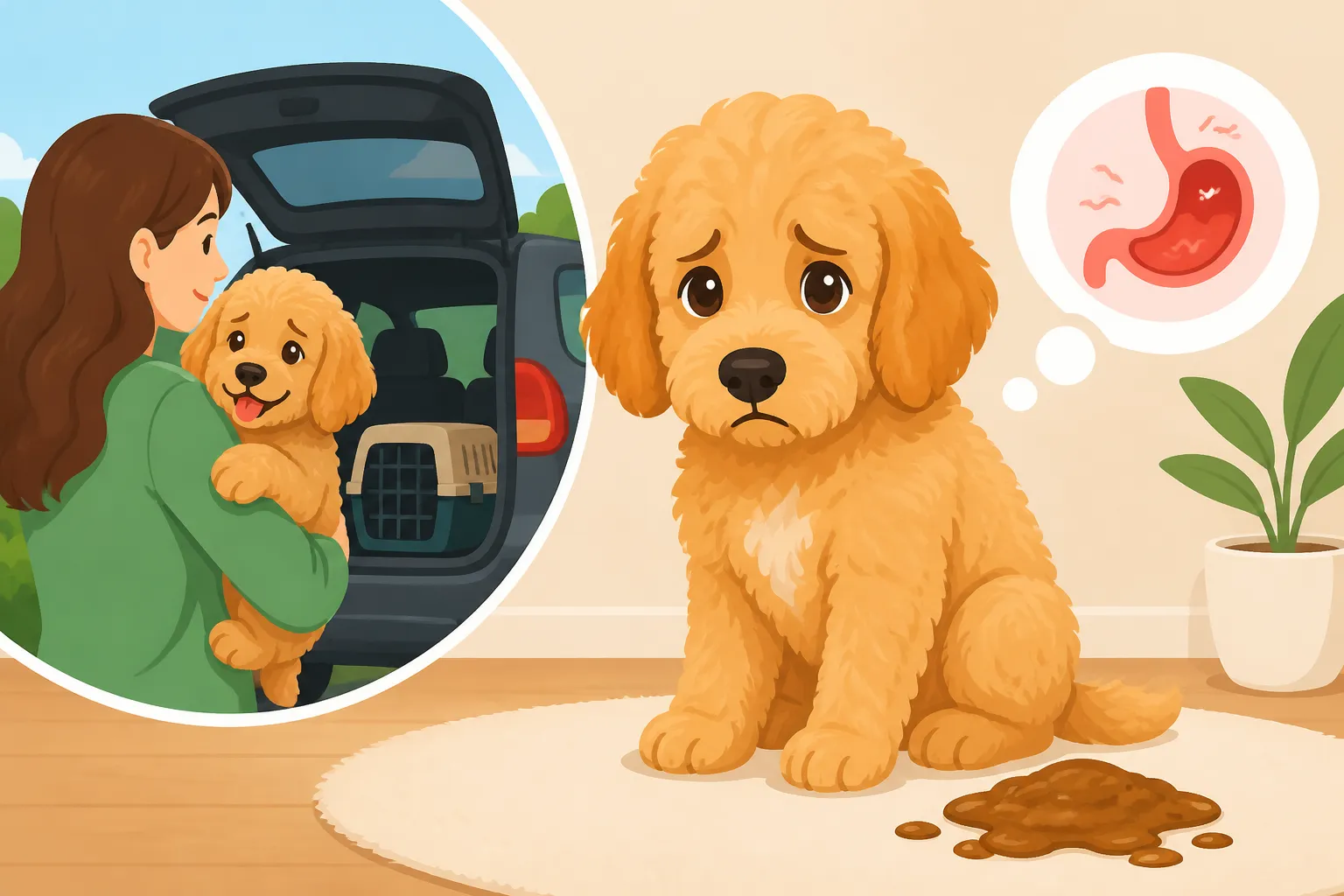
Imagine being taken from everything you've ever known – your mom, your siblings, your familiar smells and sounds – and suddenly thrust into a completely new environment. That's what your Goldendoodle puppy experiences when they leave their breeder's home and come to yours. This monumental shift, as joyful as it is for you, can be incredibly stressful for a tiny puppy, and stress often manifests itself in their digestive system. Their little bodies are working overtime to adapt, and one of the first things to go awry can be their gut health.
Travel itself is a huge stressor. Whether your puppy flew in cargo, endured a long car ride, or even just a shorter trip that involved being crated and jostled, the physical and emotional toll can trigger digestive upset. The motion, unfamiliar smells, and being away from their comfort zone can all contribute to an unsettled stomach. Upon arrival, the sheer newness of your home – different noises, new people, perhaps other pets – piles on even more stress. While you're showering them with love, their system might be reacting to the overwhelming sensory input by producing those dreaded loose stools. It's their body's way of saying, "Whoa, hold on a minute!"
Furthermore, a sudden change in diet can throw a sensitive puppy's digestion for a loop. Ideally, your breeder will send you home with a supply of the food the puppy has been eating and advise you to continue it, or at least transition slowly. However, sometimes in the rush of excitement, or due to a misunderstanding, a new owner might immediately switch to a different brand or type of food. Even if the new food is high quality, an abrupt change can irritate a puppy’s developing digestive tract, leading to soft or watery stool. Their gut microbiome, the complex community of bacteria essential for digestion, needs time to adjust to new ingredients.
Uninvited Guests: Parasites and Other Pathogens
While stress and diet changes are often culprits, it's crucial not to overlook the possibility of internal parasites or other infections, which are unfortunately very common in puppies. Even the most reputable breeders can have puppies pick up something, as parasites are often microscopic and spread easily in group environments. These unseen invaders can range from relatively benign to quite serious, and their primary symptom is often loose, foul-smelling, or bloody stools.
One of the most frequent offenders is Giardia, a microscopic protozoan parasite that can cause chronic, watery diarrhea. Puppies often contract Giardia from contaminated water, soil, or by ingesting cysts from other infected animals' feces. Another common pair are Coccidia, also single-celled organisms, which can cause severe diarrhea, sometimes with blood or mucus, and lead to dehydration and weight loss in young puppies. These parasites are not worms, but they are highly contagious and can be persistent. Your vet will usually diagnose them through a fecal flotation test, which involves examining a stool sample under a microscope.
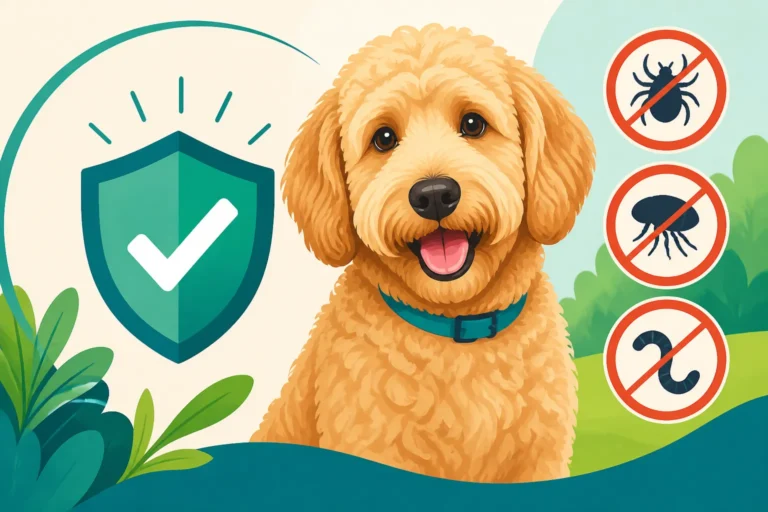
Beyond protozoa, various types of intestinal worms can also cause digestive upset. Roundworms, hookworms, and whipworms are particularly common in puppies and can be transmitted from the mother before birth or through nursing, or by ingesting contaminated soil. These worms can lead to poor nutrient absorption, causing loose stools, a pot-bellied appearance, and sometimes even stunted growth. A good breeder will have a regular deworming schedule for their puppies, but it’s entirely possible for a new puppy to still harbor these pests or pick them up shortly after going home. This is why regular Parasite Prevention for a Goldendoodle is so important throughout their lives.
Perhaps the most serious concern, which any new Goldendoodle owner dreads, is Canine Parvovirus (Parvo). While hopefully your puppy received their initial vaccinations, Parvo can still be a risk, especially if they haven't completed their full series of shots. Parvo causes severe, often bloody diarrhea, vomiting, lethargy, and a complete loss of appetite. It's highly contagious and can be fatal, particularly in young puppies. If your puppy exhibits these severe symptoms, it's a medical emergency. Understanding the Parvo Risk Before a Goldendoodle Finishes Its Shots is critical for new puppy parents. This is why thorough Goldendoodle Puppy Vaccination Timing is absolutely essential.
Dietary Missteps and Hidden Sensitivities
Even if you’ve been careful with the food transition, sometimes loose stools can stem from other dietary factors. New Goldendoodle owners, myself included, often get a little too generous with treats or offer "just a taste" of human food, thinking it's harmless. Unfortunately, a puppy's delicate digestive system is not equipped to handle the richness, spices, or unfamiliar ingredients found in human table scraps. A small piece of cheese, a bite of chicken skin, or even too many high-value training treats can easily lead to an upset stomach and subsequent loose stools. Their gut simply can't process it, and it responds by trying to flush it out.
Furthermore, some Goldendoodle puppies might have underlying food sensitivities or allergies that manifest as digestive issues. While these often appear later in life, an acute sensitivity to a particular protein source (like chicken or beef) or a grain can sometimes cause problems even in young puppies. It's less common than general stress or parasites, but it's a possibility if other causes are ruled out. Symptoms of a food sensitivity can include persistent loose stools, excessive gas, or even skin issues like itching, as detailed in our guide on Goldendoodle Food Allergies Showing on the Skin. It’s important to remember that their growing bodies are still figuring out what works for them.
The sheer novelty of having a Goldendoodle puppy can also lead to them eating things they shouldn't. Puppies are naturally curious and explore the world with their mouths. They might snatch a dropped crumb from the floor, chew on a houseplant, or even ingest tiny bits of carpet or toys. This "dietary indiscretion" can irritate their stomach and bowels, leading to loose stools, and sometimes even vomiting. It's a constant battle to puppy-proof your home, but it's vital to prevent them from ingesting anything that could harm their digestive tract.
When to Act and When to Worry: Recognizing Red Flags
Most cases of mild, stress-induced loose stools resolve within a day or two with a bit of careful management. However, there are definite red flags that indicate a more serious underlying issue, requiring immediate veterinary attention. Knowing when to call your vet can make a crucial difference in your Goldendoodle puppy's health and well-being.
Call your veterinarian immediately if you notice any of the following:
- Bloody Stools: Bright red streaks of blood or dark, tarry stools (which indicate digested blood) are serious and warrant an emergency visit. This can be a sign of severe irritation, infection, or even Parvovirus.
- Persistent Vomiting: While a single episode of vomiting isn't always cause for alarm, persistent or repeated vomiting, especially in conjunction with diarrhea, can quickly lead to dehydration. For more on this, see Goldendoodle Vomiting and When It Matters.
- Lethargy and Weakness: A puppy with loose stools might be a bit subdued, but significant lethargy, inability to get up, or disinterest in playing and eating are major warning signs.
- Loss of Appetite and Dehydration: If your puppy refuses to eat or drink for several hours, they are at high risk of dehydration, which is very dangerous for young animals. Check their gums – they should be pink and moist. If they're pale or tacky, it's a sign of dehydration.
- Fever: While difficult to gauge without a rectal thermometer, a warm nose isn't a reliable indicator. However, if your puppy feels unusually hot, is panting excessively, or seems unwell, it could indicate fever.
- Diarrhea Lasting More Than 24-48 Hours: Even if the stools aren't bloody and your puppy seems otherwise fine, prolonged diarrhea can lead to nutrient deficiencies and dehydration. If Goldendoodle Diarrhea Lasting More Than Two Days continues, it's time for a vet visit.
It's always better to err on the side of caution with a new puppy. Their immune systems are still developing, and they can go downhill very quickly. Don't hesitate to call your vet or an emergency clinic if you're worried. These unexpected vet visits, from diagnostics to medication, can add up quickly, which is why many Goldendoodle owners consider pet insurance from providers like Healthy Paws shortly after bringing their puppy home. Having a plan for these unforeseen expenses can alleviate a lot of stress during an already stressful time.
What to Do When Your Goldendoodle Puppy Has Loose Stools
Okay, you've noticed the loose stools. What now? Here's a step-by-step guide on what actions you can take, and when to loop in your veterinarian.
First, Gather Information
Before you do anything else, take a moment to observe and collect information. This will be invaluable when you speak to your vet:
- When did it start? How many loose stools have there been?
- What does it look like? Note the color, consistency (soft, watery, pudding-like), and if there's any mucus or blood.
- Is your puppy otherwise acting normal? Eating, drinking, playing, energy levels?
- Any recent changes? New food, new treats, new environment, recent deworming or vaccinations?
- Check for dehydration: Gently lift their lip and touch their gums. They should be slick and pink. If they feel dry or tacky, or if you gently pinch the skin on their neck and it doesn't snap back immediately, your puppy might be dehydrated.
Offer a Bland Diet and Ensure Hydration
For mild cases where your puppy is otherwise acting normal, a temporary bland diet can help settle their stomach. This usually consists of two simple ingredients:
- Boiled, unseasoned chicken breast: Remove all skin and bones, then shred it.
- Plain white rice: Cooked well, no butter or salt.
Mix about 1/3 chicken to 2/3 rice. Offer small, frequent meals throughout the day instead of their usual larger portions. This gentle diet is easy on their digestive system and provides necessary nutrients without further irritation. Continue this for 1-2 days after stools normalize, then gradually reintroduce their regular food over several days, mixing increasing amounts of their kibble with decreasing amounts of the bland diet.
Hydration is paramount. Always ensure your puppy has access to fresh, clean water. You might even consider offering a diluted electrolyte solution specifically formulated for pets (available at pet stores or vet clinics) if they are reluctant to drink or seem a bit run down. Avoid sugary human sports drinks.
Collect a Stool Sample
If the loose stools persist for more than 24 hours, or if you're seeing any of the red flags mentioned above, prepare to visit your vet. An essential part of diagnosing the cause of loose stools is a fresh stool sample. Collect a sample about the size of a walnut in a clean plastic baggie or a special container provided by your vet. The fresher the sample, the better the chances of detecting any parasites or bacteria. Try to get it to the vet within a few hours.
A Vet Visit is Often Necessary
For anything beyond a very mild, short-lived case of loose stools, a vet visit is essential. Your veterinarian will perform a thorough physical exam, check for signs of dehydration, and likely recommend a fecal examination to check for parasites. They might also suggest blood tests, especially if Parvovirus or other serious infections are suspected.
Your vet might prescribe medications to help firm up the stool, antibiotics if a bacterial infection is present, or dewormers if parasites are found. They might also recommend probiotics to help restore healthy gut bacteria. Remember, puppies are delicate, and what seems like a minor issue can quickly escalate. Don't delay in seeking professional advice. The cost of these initial health checks, along with things like vaccinations and The First Groom and Other Week One Goldendoodle Bills, can be substantial, reinforcing why reviewing Goldendoodle Insurance Premiums by Size is a good idea. Thinking ahead with providers like Healthy Paws can help cover unexpected health issues.
Prevention for the Future
Once your Goldendoodle puppy is feeling better, think about how to prevent future episodes.
- Slow Diet Transitions: Always transition new foods over 7-10 days, gradually mixing old food with new.
- No Table Scraps: Be firm about not feeding human food, no matter how cute those puppy eyes are.
- Regular Deworming: Follow your vet's recommendations for Parasite Prevention for a Goldendoodle.
- Stress Management: Ensure your puppy has a safe, quiet space to decompress. Avoid overwhelming them with too much activity or too many new experiences in the first few weeks.
- Puppy-Proofing: Keep harmful substances, small objects, and toxic plants out of reach.
- Reputable Breeder: A good breeder should provide you with health records and details about the puppy's parents, including What Health Papers a Goldendoodle Breeder Should Show. This information can be a valuable indicator of your puppy's overall health history.
By being observant, proactive, and working closely with your veterinarian, you can navigate these common puppy health challenges and get back to enjoying all the wonderful moments with your Goldendoodle.
Disclaimer
This article is intended for informational purposes only and does not constitute veterinary advice. Always consult with a qualified veterinarian for any health concerns or before making any decisions about your Goldendoodle puppy's care or treatment.