Goldendoodle Grooming as the Biggest Line in the Budget
When you dream of bringing a Goldendoodle into your home, your mind probably jumps straight to those adorable puppy pictures, their fluffy coats, and that sweet, eager-to-please temperament. What most new owners don't fully grasp, however, is that while the initial puppy price can be a hefty sum, it's often dwarfed by the ongoing costs of keeping that gorgeous coat healthy and mat-free. This comprehensive guide will walk you through why Goldendoodle grooming often becomes the single biggest line item in your budget, and how to manage it without breaking the bank.
The Sticker Shock of Goldendoodle Ownership Beyond the Puppy Price
It’s easy to get caught up in the excitement of puppy selection, focusing on factors like breeder reputation, health testing, and the initial price tag. But for Goldendoodle owners, the real financial journey often begins after you bring that bundle of fluff home. Many people underestimate the true financial commitment, and grooming often emerges as the unexpected heavyweight in the budget ring.
Why the Initial Puppy Cost Is Just the Beginning
Let’s be honest, those Goldendoodle puppy prices can be an eye-opener, often ranging from $2,000 to $5,000 depending on location, size, and breeder practices. You might feel a sense of relief once that transaction is over, thinking the hardest part is done. But experienced Goldendoodle owners will tell you that the purchase price is merely the down payment on a much larger investment. You'll find a deep dive into these initial costs in our article on What a Goldendoodle Puppy Costs and Why.
Beyond the puppy itself, there are vaccinations, initial vet checks, microchipping, and essential supplies like a crate, bed, toys, and food. These are all upfront costs that every new dog owner faces. However, the Goldendoodle's unique coat quickly introduces a whole new category of expenses that can far exceed these initial outlays over the dog's lifetime. It's a fundamental misunderstanding that catches many by surprise.
Unseen Expenses That Add Up Fast
Imagine bringing your Goldendoodle puppy home, all soft and fluffy. You buy a brush, give a few pats, and think you're good to go. Then, a few months later, that soft puppy fluff starts to change, and suddenly, tangles appear. These aren't just minor knots; they can quickly become dense mats that pull at the skin, cause discomfort, and if left unattended, lead to serious skin issues.
The cost of resolving these issues, especially professional dematting, can be astronomical. A single emergency groom for a severely matted dog might cost several hundred dollars, completely wiping out your savings for pet food or toys. These are the "unseen" expenses that don't appear in the cute puppy advertisements but become a very real part of your monthly and yearly budget. We discuss these accumulating costs in more detail in What a Goldendoodle Costs a Year With Grooming In.
The True Lifetime Cost of a Goldendoodle
When people budget for a dog, they often consider food, vet visits, and maybe some toys. But for a Goldendoodle, grooming can easily become the largest recurring expense, even surpassing food for many owners. Over a Goldendoodle's lifespan, which typically ranges from 10 to 15 years, those bi-monthly or quarterly grooming appointments add up to thousands upon thousands of dollars.
Think about it: if a groom costs $100-$150 every 6-8 weeks, that's roughly $750-$1,200 annually. Over 12 years, you're looking at $9,000-$14,400 just for professional grooming. And that doesn't even include the tools for home maintenance, special shampoos, or emergency dematting sessions. This significant financial commitment is why it's crucial to understand Goldendoodle grooming from day one, not just as a cosmetic choice, but as an essential part of their health and well-being.
Understanding the Goldendoodle Coat: The Root of All Grooming Bills
The Goldendoodle's captivating coat is, without a doubt, one of its most defining features and a major draw for many prospective owners. However, it's also the single biggest factor contributing to those substantial grooming bills. What looks like effortless fluff is actually a complex blend of Golden Retriever and Poodle genetics, requiring consistent, dedicated care.
The Three Goldendoodle Coat Types and Their Grooming Needs
It's a common misconception that all Goldendoodle coats are the same. In reality, there are generally three main coat types, each with its own unique grooming challenges and demands. Our article The Three Goldendoodle Coat Types and How to Tell Them goes into even greater detail.
-
Straight/Flat Coat: This coat often looks more like a Golden Retriever's coat, but can still have some waviness. While it might appear to be low-maintenance, it still sheds more than other Goldendoodle types and can be prone to matting, especially behind the ears and in the "armpits." Owners of straight-coated Goldendoodles often find themselves brushing frequently to manage shedding and prevent tangles from becoming full-blown mats. They might not need as frequent professional cuts, but regular brushing is non-negotiable.
-
Wavy/Fleece Coat: This is perhaps the most common and sought-after Goldendoodle coat type, characterized by soft, flowing waves. It's often described as feeling like angora wool. While beautiful, this coat is a matting magnet. The waves naturally intertwine, creating perfect conditions for knots and tangles to form quickly. These dogs absolutely require regular brushing, typically daily or every other day, and professional grooming every 6-8 weeks to keep the coat healthy and manageable. Without this diligence, mats will form rapidly.
-
Curly/Wool Coat: Inheriting more strongly from the Poodle parent, this coat is dense, curly, and often feels like lamb's wool. While it sheds minimally (which is a huge plus for allergy sufferers), it is the most prone to matting. The tight curls can lock together, forming felt-like mats incredibly quickly, sometimes within days if not properly maintained. These Goldendoodles need daily brushing, often with specific tools designed to get down to the skin, and require the most frequent professional grooming, usually every 4-6 weeks, to prevent severe matting and skin issues.
The Infamous Goldendoodle Coat Change
Just when you think you've got a handle on your Goldendoodle's puppy fluff, a new challenge emerges: the dreaded coat change. This usually occurs between 8 and 12 months of age, though it can start earlier or later. It's a period where their soft, easy-to-manage puppy coat begins to shed out and is replaced by the more adult, denser, and often more mat-prone adult coat. For a deeper understanding, check out The Goldendoodle Coat Change at Eight to Twelve Months.
During this transition, the shedding puppy hair gets trapped within the incoming adult coat. This creates a perfect storm for matting, often leading to severe tangles that can form seemingly overnight. Many Goldendoodle owners describe this period as the most challenging for grooming, requiring intense daily brushing, sometimes for hours, to prevent the coat from becoming a solid mass. It's a time when many first-time owners realize just how serious Goldendoodle grooming is, and some even resort to completely shaving their dog down to avoid the relentless battle with mats.
Why Furnishings Mean More Grooming
A key genetic trait in Goldendoodles, known as "furnishings," is responsible for their characteristic beard, mustache, and eyebrows. These are the longer hairs around their face that give them that adorable, teddy bear look. While utterly charming, these furnishings also add another layer of grooming complexity and expense.
The hair on their faces grows continuously, much like a Poodle's, and can quickly become messy, matted with food and debris, and even obstruct their vision. Regular trimming around the eyes, mouth, and ears is essential not just for aesthetics, but for hygiene and comfort. Without proper care, food can get caked into their beard, leading to odors, skin irritation, and even infections. This means that even if you're attempting home grooming, you'll need to pay special attention to the face, often requiring specific small clippers or blunt-nosed scissors, adding both time and specific skills to your grooming routine.
Professional Grooming: The Non-Negotiable Expense
For most Goldendoodle owners, professional grooming isn't a luxury; it's a necessity. While you can certainly do some maintenance at home, the unique texture and growth pattern of their coats make regular visits to a skilled groomer absolutely essential to prevent severe matting, skin issues, and discomfort for your dog.
How Often Your Goldendoodle Needs a Professional Groom
The frequency of professional grooming depends heavily on your Goldendoodle's specific coat type, how much home maintenance you can realistically commit to, and the length of coat you prefer. However, a general rule of thumb is every 6 to 8 weeks. For Goldendoodles with very curly, wool-like coats, or those whose owners prefer a longer, fluffier style, this might need to be bumped up to every 4 to 6 weeks.
Neglecting this schedule is where many owners run into trouble. Missing just one appointment can allow mats to form and consolidate, making the next grooming session far more difficult, expensive, and potentially painful for your dog. Groomers often have long waiting lists, especially those experienced with Doodles, so it's wise to book your next appointment as you leave the current one. This proactive approach is key to managing Booking a Goldendoodle Groom Every Six to Eight Weeks.
What Goes Into a Standard Goldendoodle Grooming Session
A typical professional Goldendoodle groom is a comprehensive service designed to keep their coat and skin healthy. It's far more than just a haircut. Here’s what you can expect:
- Pre-Bath Brush-Out: The groomer will thoroughly brush out your dog's coat to remove any loose hair, small tangles, and preliminary mats before the bath. This is critical because water tightens mats, making them nearly impossible to remove without shaving once wet.
- Bathing and Conditioning: Your Goldendoodle will get a professional bath using high-quality shampoos and conditioners designed for their coat type. The groomer will ensure the dog is thoroughly scrubbed, rinsed, and conditioned to moisturize the skin and hair.
- High-Velocity Drying: After the bath, a powerful high-velocity dryer is used to dry the coat completely and straighten the hair. This step is crucial for preventing mats and ensuring a smooth, even cut. This can be quite time-consuming for a thick Goldendoodle coat.
- Haircut and Styling: This is where the magic happens! The groomer will trim and style your Goldendoodle’s coat according to your preferences and their professional judgment, considering factors like coat condition, season, and lifestyle. This includes body clipping, scissor work on the head and face (those furnishings!), and tidying up the paws and sanitary areas.
- Nail Trim: Part of the routine service, keeping nails trimmed prevents discomfort and paw problems.
- Ear Cleaning and/or Plucking: Ears are cleaned, and sometimes hair is carefully plucked from the ear canal if deemed necessary by the groomer and approved by you, to help prevent ear infections.
These detailed steps are why the service is so thorough and, consequently, why it comes with a significant price tag.
Factors That Influence Grooming Prices (Location, Size, Condition)
The cost of a professional Goldendoodle groom can vary wildly, generally ranging from $80 to $150 for a standard service, but often much higher depending on several factors. Our article The $80 to $150 Goldendoodle Groom provides a deeper look at these ranges.
- Location: Just like real estate, grooming prices are higher in urban areas or affluent suburbs compared to rural regions. A groom in New York City or Los Angeles will likely cost significantly more than one in a smaller town in the Midwest.
- Size of Your Goldendoodle: A Standard Goldendoodle (50-90 lbs) naturally requires more time, shampoo, and effort than a Mini or Toy Goldendoodle. Expect larger dogs to command higher prices.
- Coat Condition: This is perhaps the biggest variable. A dog with a well-maintained, tangle-free coat will be cheaper and quicker to groom. A dog that arrives with significant matting, however, will incur substantial dematting fees or require a complete shave-down, which can double or even triple the cost.
- Desired Style/Length: More intricate or longer hairstyles require more time and skill, increasing the price. A simple "shave-down" or very short cut is usually the most economical option.
- Temperament: While most groomers won't explicitly charge more for a difficult dog, a dog that is anxious, squirmy, or aggressive can take longer, making the groomer less likely to offer discounts and more likely to suggest sedation if the behavior is extreme, adding vet costs.
- Groomer's Experience and Reputation: Highly experienced groomers, especially those specializing in Doodles, often charge more for their expertise and careful handling of these sensitive coats.
The Dematting Dilemma: When Grooming Costs Skyrocket
There’s a unique dread that washes over Goldendoodle owners when they find a mat. Not just a tiny tangle, but a hard, dense mat that feels like a piece of felt attached to their beloved dog's skin. This isn't just an aesthetic problem; it's a significant health concern and, inevitably, a major financial drain.
The Pain and Expense of Severe Matting
Severe matting occurs when neglected hair clumps together, tightening and pulling on the skin. This isn't just uncomfortable; it can be incredibly painful, restricting movement, causing skin irritation, and even leading to raw spots and infections underneath the mats due to lack of air circulation and trapped moisture. Dogs with severe mats often become lethargic, less playful, and sensitive to touch.
When you bring a severely matted Goldendoodle to a groomer, they have two main options, neither of which is cheap or pleasant:
- Dematting: If the mats are not too extensive or close to the skin, a groomer might attempt to carefully comb them out. This is a meticulous, time-consuming, and often painful process for the dog. Professional groomers will charge a premium for dematting, usually an hourly rate on top of the regular groom price. It can easily add $50 to $150 or more to the bill, and many groomers will refuse to spend excessive time dematting due to the stress it puts on the dog.
- Shave Down: More often, if the matting is severe and widespread, the only humane option is to shave the dog completely down to the skin. This removes all the mats, providing instant relief. While it saves the dog from a painful dematting session, it still requires significant time and specialized blades, and groomers will charge for the extra work. This "naked" look can also expose sensitive skin to sunburn or chill, requiring extra care at home.
The financial cost of severe matting goes beyond the groomer's bill. It can also lead to vet visits for skin infections, hot spots, or other mat-related health issues, adding even more to your expenses. This is why understanding How Matting Adds Hundreds to a Goldendoodle Year is so important.
Why Dematting Surcharges Are Standard Practice
It’s completely understandable why groomers apply dematting surcharges. Dematting is not only incredibly time-consuming, requiring intense focus and patience, but it’s also physically demanding and can be stressful for both the dog and the groomer. They need to use specialized tools and techniques, working slowly and gently to avoid injuring the dog’s skin, which can be easily nicked or irritated under tight mats.
These surcharges compensate the groomer for the additional labor, the wear and tear on their equipment, and the emotional toll of working with a distressed or uncomfortable animal. Many groomers have a strict policy: if the matting is beyond a certain point (often described as being able to slip a comb through the coat), they will not demat but will instead insist on a full shave-down for the dog's welfare. This is a common discussion point, highlighted in Dematting Surcharges on a Goldendoodle.
Preventing Matting to Save Your Sanity and Wallet
The best way to avoid dematting surcharges and ensure your Goldendoodle's comfort is prevention. This means committing to a consistent and thorough home grooming routine, supplemented by regular professional appointments. You can find more comprehensive advice in our guide to Why Goldendoodle Matting Is Almost Always Preventable.
Here’s the golden rule: daily brushing. Even if it’s just 10-15 minutes, consistently line brushing down to the skin will prevent mats from forming. Focus on high-friction areas like behind the ears, under the collar, in the armpits, and on the legs. Regular bathing at home with appropriate shampoos and conditioners, followed by thorough drying, also helps. If you're struggling, talk to your groomer. They can offer advice, demonstrate proper techniques, or recommend tools. Investing a little time and effort daily will save you significant money, pain, and stress in the long run.
Essential Home Grooming: Tools and Techniques to Keep Costs Down
While professional grooming is indispensable for Goldendoodles, mastering some essential home grooming techniques can significantly reduce your overall expenses and keep your dog more comfortable between professional visits. It’s about being proactive and consistent, not just reactive when a mat forms.
Must-Have Tools for the Goldendoodle Owner
Don't be fooled by the simple brush at your local pet store. Goldendoodle coats require specific tools to be effective. Investing in quality equipment upfront will save you headaches and money in the long run. Many of these items can be found on online retailers like Chewy or at your local pet supply store. Our detailed guide on Home Grooming Tools a Goldendoodle Actually Needs provides an exhaustive list.
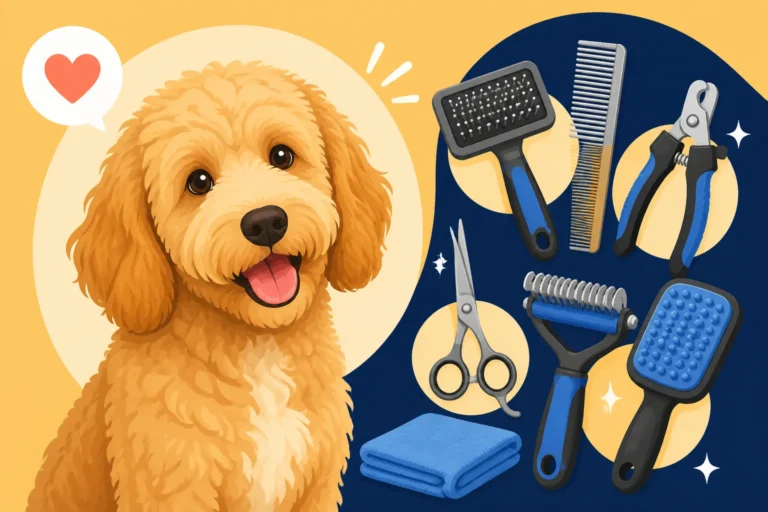
- Slicker Brush: This is your primary weapon against mats. Look for one with fine, bent wire bristles. It’s essential for getting through the dense Goldendoodle coat and reaching down to the skin. You’ll use this for the majority of your brushing.
- Metal Comb (Fine/Coarse): A good quality metal comb with both wide and narrow teeth is crucial. After using the slicker brush, always follow up with the comb to ensure you've removed all tangles and no mats are hiding deep within the coat. If the comb glides through, you're golden! If it snags, you've found a spot that needs more attention.
- Detangling Spray: These sprays help loosen tangles and reduce static, making brushing easier and more comfortable for your dog. A good quality leave-in conditioner or detangler can be a game-changer.
- Grooming Shears (Blunt-Nosed): For trimming around the face, eyes, and sanitary areas, blunt-nosed scissors are safer. Never use pointed household scissors near your dog's delicate areas.
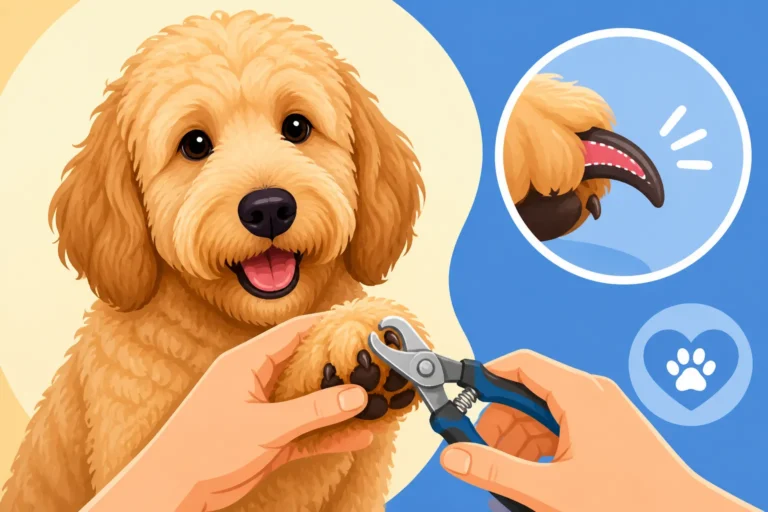
- Nail Clippers or Grinder: Regular nail trims are a must. Choose clippers appropriate for your dog's size or a Dremel-style grinder if your dog tolerates it better.
- Ear Cleaner: A vet-approved ear cleaning solution is essential for weekly ear maintenance, especially for those floppy, furnished Goldendoodle ears.
The Art of Line Brushing a Goldendoodle
Brushing a Goldendoodle isn't just a quick run-through of the top coat. To truly prevent mats, you need to master "line brushing." This technique ensures you're brushing all the way down to the skin, where mats often begin to form, hidden beneath the fluff.
Here’s how to do it:
- Section by Section: Start by parting your Goldendoodle's hair, usually at the bottom of a leg or on the side of the body, creating a horizontal line.
- Brush Upwards: With one hand, hold the top section of hair out of the way. With the other, use your slicker brush to brush upwards from the skin, through the small section of hair you've exposed, working against the natural lie of the coat.
- Work in Layers: Once that section is tangle-free, drop a small amount of the hair you were holding back, creating a new "line" just above the section you just brushed. Repeat the process, continually working upwards and making sure your brush reaches the skin.
- Follow with a Comb: After you’ve brushed a section with the slicker brush, always follow up with your metal comb. The comb is the ultimate test. If the comb glides smoothly from the skin to the ends of the hair, that section is mat-free. If it snags, go back with your slicker brush and work out the tangle.
This method is time-consuming but incredibly effective. Focus on areas prone to matting: behind the ears, armpits, inside the legs, belly, and under the collar or harness. Consistency is key; even a few minutes every day makes a huge difference. Our guide on Brushing a Goldendoodle Often Enough to Stop Matting provides a detailed schedule.
Learning to Groom Your Own Goldendoodle Safely
Some ambitious Goldendoodle owners choose to learn how to do full grooms at home, especially to save money. This is certainly possible, but it requires dedication, proper training, and a significant investment in equipment. You can find out more in Learning to Groom Your Own Goldendoodle.
- Invest in Quality Clippers: If you plan on doing haircuts, you'll need professional-grade clippers with various blade sizes and guide combs. Cheap clippers will quickly snag and pull on a Goldendoodle's dense coat, making grooming painful and ineffective. Brands like Andis or Wahl offer powerful, durable options.
- Watch Tutorials and Take Classes: There are countless online tutorials (YouTube is a treasure trove!) and even in-person grooming classes you can take. Start with basic sanitary trims and paw pad trims before attempting a full body cut.
- Practice Patience: Your first few attempts won't be perfect, and that's okay. The goal is a comfortable dog and a mat-free coat, not a show-ring finish. Be patient with yourself and your dog. Keep sessions short and positive, using plenty of treats.
- Know Your Limits: If you're getting frustrated, or if your dog is showing signs of extreme stress, it's always best to stop and call a professional. A bad home grooming experience can make future professional grooms much harder. Remember, safety first – avoid cutting too close to the skin or accidentally nicking your dog with sharp tools.
By doing even a partial home groom, like routine brushing, bathing, and sanitary trims, you can extend the time between professional appointments, keeping your Goldendoodle happy and your budget healthier.
Beyond the Haircut: Other Regular Grooming Needs
Grooming a Goldendoodle isn't just about their luscious coat; it encompasses several other critical areas that often get overlooked but are vital for their overall health and comfort. Neglecting these aspects can lead to painful problems and, you guessed it, more vet bills.
Goldendoodle Ear Care Under All That Hair
Those adorable floppy, furnished Goldendoodle ears are a breeding ground for trouble. The long, dense hair that often grows inside and around the ear canal, combined with the floppy ear flap, creates a warm, moist environment with poor air circulation. This is the perfect recipe for yeast and bacterial infections. Our article on Goldendoodle Ear Care Under All That Hair highlights the critical importance of this maintenance.
- Weekly Cleaning: You need to clean your Goldendoodle's ears weekly, sometimes more often if they love to swim. Use a vet-approved ear cleaning solution; never use water or alcohol. Gently lift the ear flap, squirt the solution into the ear canal (don't worry, you can't go too deep to hurt the eardrum), massage the base of the ear for 30 seconds, and then let your dog shake their head. Wipe away any excess solution and debris from the outer ear with a cotton ball or gauze.
- Hair Removal (Plucking/Trimming): This is a point of contention among owners and vets. Some groomers and vets recommend plucking the hair from inside the ear canal to improve airflow, while others advise against it, arguing it can cause micro-traumas that lead to infection. Discuss this with your vet to determine what's best for your individual dog. Alternatively, your groomer can carefully trim the hair from around the opening of the ear canal to help with airflow.
- Signs of Infection: Be vigilant for signs of ear infection: head shaking, pawing at the ears, foul odor, redness, swelling, or discharge. If you notice any of these, a vet visit is immediately necessary. Chronic Goldendoodle ear infections can become a recurring and expensive problem, as detailed in Chronic Goldendoodle Ear Care Adding Up Yearly.
Nail Trims and Paw Pad Maintenance
Beyond their coat and ears, your Goldendoodle's paws also require regular attention. Long nails can cause discomfort, make it difficult for your dog to walk properly, lead to splayed toes, and even cause joint problems over time.
- Frequency: Most Goldendoodles need their nails trimmed every 2-4 weeks. If you can hear their nails clicking on the floor, they're too long. If you're unsure how to trim them safely, ask your groomer or vet to demonstrate, or have them do it for you.
- Paw Pad Hair: The hair between your Goldendoodle's paw pads also needs regular trimming. If left to grow too long, it can collect debris, dirt, stickers, or snow, leading to discomfort, matting between the toes, and decreased traction on smooth surfaces. Many groomers include this in a standard service, but it's something you can do at home with small, blunt-nosed shears. Trimming this hair also helps prevent your dog from slipping on hardwood floors.
Dental Care and the Goldendoodle Mouth
Dental hygiene is often the most neglected aspect of pet care, and Goldendoodles are no exception. Poor oral health can lead to painful gum disease, tooth loss, and even systemic health problems. Smaller Goldendoodles, like Mini and Toy Goldendoodles, are particularly prone to dental crowding, making them more susceptible to tartar buildup.
- Daily Brushing: The gold standard for dental care is daily tooth brushing with a vet-approved enzymatic toothpaste and a soft-bristled toothbrush. Start this routine when they are puppies to get them accustomed to it. It might seem daunting with that Goldendoodle beard, but it’s crucial.
- Dental Chews and Water Additives: While not a substitute for brushing, dental chews and water additives can help reduce plaque and tartar buildup. Always choose products approved by the Veterinary Oral Health Council (VOHC).
- Professional Dental Cleanings: Just like humans, dogs often need professional dental cleanings under anesthesia to remove tartar above and below the gumline and to address any existing dental issues. These can be expensive, often costing several hundred dollars, but are vital for your dog's long-term health. Our article on Dental Cleaning Costs for a Toy Goldendoodle details these expenses.
Taking care of your Goldendoodle's teeth, ears, and nails is not just about vanity; it’s about preventing serious health problems and ensuring their quality of life. Consistent preventative care now will save you from larger, more painful, and more expensive interventions later.
Budgeting for Goldendoodle Grooming: Practical Tips and Yearly Estimates
Now that we've established why Goldendoodle grooming is such a significant expense, let's talk about how to budget for it. It's not about cutting corners on your dog's health and comfort, but rather about being realistic, proactive, and finding smart ways to manage these recurring costs.
Creating a Realistic Grooming Budget
The first step is to acknowledge that grooming is a non-negotiable, substantial expense. Don't hide from it; incorporate it directly into your monthly or annual pet budget.
- Calculate Professional Grooming Costs: Determine how often your Goldendoodle will need professional grooming (e.g., every 6 weeks) and get an estimated cost per groom from a few local groomers. Multiply that by the number of grooms per year. For example, if your standard Goldendoodle needs a $120 groom every 6 weeks (8 times a year), that's $960 annually.
- Factor in Home Grooming Supplies: Allocate a small monthly or annual amount for supplies like new brushes, combs, detangling sprays, shampoos, ear cleaner, and nail clippers. While individual items aren't expensive, they add up over time. Chewy often has sales on these essentials.
- Include Contingency for Emergencies: Set aside an extra amount for potential dematting surcharges (if you miss a groom or a mat gets out of control) or unexpected vet visits for ear infections or skin issues related to coat neglect.
- Consider Pet Insurance: While pet insurance like Healthy Paws typically doesn't cover routine grooming, it can be invaluable for unexpected medical issues like severe ear infections or skin conditions that might stem from grooming problems. It's worth researching different plans to see what they cover. Some wellness plans might include certain grooming-related vet visits.
A sample budget for a mid-size Goldendoodle might look like this:
| Expense Category | Monthly Estimate | Annual Estimate |
|---|---|---|
| Professional Grooming (e.g., $120 every 6 weeks) | $80 | $960 |
| Home Grooming Supplies (Brushes, shampoo, detangler, ear cleaner) | $15 | $180 |
| Nail Trims (if done professionally between grooms) | $10 | $120 |
| Dental Chews/Toothbrush supplies | $15 | $180 |
| Contingency/Buffer | $20 | $240 |
| TOTAL ESTIMATED GROOMING BUDGET | $140 | $1,680 |
This table provides a tangible way to see how these costs add up.
Annual Grooming Costs by Goldendoodle Size and Coat Type
As discussed earlier, your Goldendoodle's size and coat type are major determinants of grooming costs.
- Toy/Mini Goldendoodles (under 30 lbs): While smaller, their dense coats still require frequent attention. Professional grooms might be slightly less expensive ($80-$100) due to less hair volume, but the frequency remains high (every 6-8 weeks). Annual cost: $600 – $1,000.
- Medium Goldendoodles (30-50 lbs): These dogs typically fall in the mid-range for professional grooming. Expect $100-$130 per session every 6-8 weeks. Annual cost: $800 – $1,200.
- Standard Goldendoodles (50+ lbs): The largest Goldendoodles will command the highest prices due to the sheer volume of hair and the time required. Grooms can range from $120-$180+ every 6-8 weeks. Annual cost: $960 – $1,800+.
Regardless of size, if your Goldendoodle has a very curly, wool-like coat, or if you prefer a longer style, your grooming frequency (and thus annual cost) will lean towards the higher end of these estimates. Conversely, if you keep your Goldendoodle in a very short "puppy cut" year-round and are diligent with home brushing, you might reduce costs slightly.
Long-Term Financial Planning for Your Goldendoodle's Coat
Understanding these costs upfront allows for better long-term financial planning. When considering a Goldendoodle, truly assess if your budget can accommodate these regular, significant expenses for the next 10-15 years. This is a topic we delve into with Why a Goldendoodle Is a Poor Fit on a Tight Budget.
One practical tip is to set up a dedicated savings account or use a budgeting app to earmark funds specifically for grooming. This way, when the time comes for your Goldendoodle's appointment, the money is already there, preventing financial strain. Some pet food subscription services, like Ollie, allow you to manage weekly or monthly expenses, which can free up mental bandwidth to focus on these other crucial budget lines. Don't forget that many Goldendoodles eventually need senior care, which can also include specialized grooming if they have arthritis or mobility issues, adding another layer to long-term planning.
The Hidden Costs of Neglecting Goldendoodle Grooming
It might be tempting to skip a professional groom or skimp on home brushing to save a few dollars. However, neglecting your Goldendoodle's grooming is a false economy. The "savings" you think you're making will inevitably lead to more significant, more painful, and far more expensive problems down the line.
Health Issues Stemming from Poor Coat Care
A matted coat isn't just unsightly; it's a direct threat to your Goldendoodle's health and well-being.
- Skin Infections and Hot Spots: Mats prevent air circulation, trapping moisture and debris against the skin. This creates a perfect breeding ground for bacteria and yeast, leading to painful skin infections, known as pyoderma, or "hot spots" – localized, intensely itchy, raw lesions that dogs often make worse by licking and chewing. Treating these requires vet visits, antibiotics, antifungals, medicated shampoos, and potentially pain medication, which can easily run into hundreds of dollars.
- Parasites: A matted coat makes it nearly impossible to spot fleas, ticks, or other external parasites. These pests can thrive undetected, leading to intense itching, skin irritation, and even transmit diseases.
- Restricted Movement and Pain: Tight mats pull on the skin, causing constant discomfort and limiting your dog's ability to move freely. Imagine wearing a tight, uncomfortable sweater that's glued to your skin – that's what severe matting feels like. This chronic pain can affect their gait, willingness to play, and overall quality of life.
- Ear Infections: As discussed, neglected ear hair and poor air circulation are prime causes of recurrent ear infections, a common Goldendoodle ailment that leads to endless vet visits, expensive ear drops, and sometimes even surgical interventions in severe, chronic cases. Our guide on Goldendoodle Ear Infections Under a Furnished Ear explores this in depth.
- Eye Irritation: Long hair around the eyes can rub against the cornea, leading to irritation, ulcers, and chronic tear staining that can harbor bacteria.
Behavioral Problems Due to Discomfort
A Goldendoodle in chronic pain or discomfort due to matting is not a happy Goldendoodle, and this will invariably manifest in their behavior.
- Aggression or Reactivity to Touch: A dog that associates being touched with pain (because of mats being pulled) may become sensitive, fearful, or even aggressive when groomed or handled. This can make future grooming, vet visits, and even casual petting difficult and dangerous.
- Lethargy and Depression: Constant pain and irritation can lead to a noticeable drop in your Goldendoodle's energy levels and enthusiasm. They might become withdrawn, less playful, and generally appear depressed.
- Anxiety and Stress: The itchiness, pulling, and general discomfort of a matted coat can create chronic anxiety in your dog. They might chew or lick excessively at themselves, not just at mats, leading to further skin damage.
- Aversion to Grooming Tools: If a dog has had a painful dematting experience, they may develop a strong aversion to brushes, combs, and even the sight of a groomer, making future necessary care even more challenging.
The Emotional Toll on Both Dog and Owner
Beyond the financial and physical costs, neglecting grooming takes a significant emotional toll.
For your Goldendoodle, it means living with constant discomfort, pain, and the potential for serious health issues. Their quality of life is severely diminished. They rely entirely on us to care for them, and failing to manage their coat is a failure in that basic responsibility.
For you, the owner, dealing with a matted, smelly, uncomfortable Goldendoodle is stressful, upsetting, and can lead to feelings of guilt and frustration. The joy of having a beautiful, happy companion is overshadowed by worry and the daunting task of rectifying a preventable problem. It can strain the bond between you and your dog, as they may become hesitant to be touched or even approach you.
Ultimately, consistent and proper Goldendoodle grooming is an investment – not just in money, but in time, effort, and love. It's an investment that pays dividends in your dog's health, happiness, and your peace of mind, proving far more cost-effective and humane than the alternative of neglect.
Disclaimer
This article is for general informational purposes only and does not constitute professional advice. Laws, prices and regulations vary by location and change over time. Consult a qualified professional for guidance on your specific situation.