Goldendoodle Ear Infections as a Recurring Claim
One of the most frustrating and often expensive challenges Goldendoodle owners face is the dreaded ear infection. It seems like you just clear one up, and a few months later, the tell-tale head shaking and scratching start all over again, leading to another vet visit and another round of medications. This recurring nightmare isn't just a nuisance; it can put a significant dent in your wallet, especially when you factor in the cumulative cost of vet visits, diagnostics, and treatments over your dog's lifetime. This guide will walk you through why Goldendoodles are so susceptible to these issues, how to manage them effectively, and what the financial implications, particularly for pet insurance, truly look like.
Why Goldendoodles Are So Prone to Ear Infections
It’s not just bad luck that your Goldendoodle seems to constantly battle ear infections. These lovable, fluffy companions are, unfortunately, predisposed to them due to a combination of genetics and their unique physical characteristics. Understanding these underlying reasons is the first step toward effective prevention and management.
The Anatomy of a Goldendoodle Ear
Take a moment to really look at your Goldendoodle's ears. Unlike breeds with upright, open ears like a German Shepherd, Goldendoodles inherit those adorable, floppy, drop-down ears from both their Golden Retriever and Poodle parents. While charming, this anatomical feature creates a perfect storm for microbes. The ear flap covers the ear canal, significantly reducing airflow. This lack of ventilation means moisture and warmth are trapped inside, creating a humid, dark environment that bacteria and yeast absolutely thrive in.
Adding to this, the ear canal itself is often deeper and more convoluted in Goldendoodles compared to many other breeds. Think of it like a long, winding tunnel with plenty of nooks and crannies. If that wasn't enough, many Goldendoodles, especially those with curlier, more Poodle-like coats, also grow hair deep inside their ear canals. This internal hair acts like a net, trapping debris, wax, and moisture even more effectively, further exacerbating the conditions for infection. It's a triple whammy: floppy ears, deep canals, and internal hair.
Contributing Factors Beyond Anatomy
While anatomy lays the groundwork, other factors often push a Goldendoodle from "prone" to "infected." Allergies, whether environmental or food-related, are huge culprits. When a Goldendoodle has allergies, their skin, including the delicate lining of their ear canals, becomes inflamed and itchy. This inflammation changes the microenvironment of the ear, making it even more welcoming to opportunistic infections. Dogs might also scratch or shake their heads more due to the itchiness, causing micro-traumas that introduce bacteria or break the skin barrier.
Beyond allergies, moisture is another major player. Goldendoodles love water – they are retrievers, after all! Whether it's swimming in a lake, splashing in a kiddie pool, or even just getting a thorough bath, water can easily get trapped in those deep, hairy ear canals. If not properly dried, this moisture becomes the perfect breeding ground for yeast, leading to that distinct, often cheesy smell that signals an infection. Yeast in a Goldendoodle Ear After Swimming A lack of diligent, consistent ear care at home, including cleaning and drying, allows these small issues to quickly escalate into full-blown, painful infections.
Recognizing and Diagnosing Goldendoodle Ear Infections
Catching an ear infection early is key to preventing it from becoming a more severe, chronic problem. Goldendoodles are pretty good at letting you know when something is amiss, but you need to know what signs to look for beyond just a casual scratch.
Common Signs and Symptoms
The most obvious signs of an ear infection are often behavioral. You'll likely notice your Goldendoodle frequently shaking their head, sometimes violently, or scratching at their ears with their back paws. They might rub their ears against furniture or the carpet, trying to relieve the itch. If you have a particularly stoic dog, these subtle cues might be the only initial indicators.
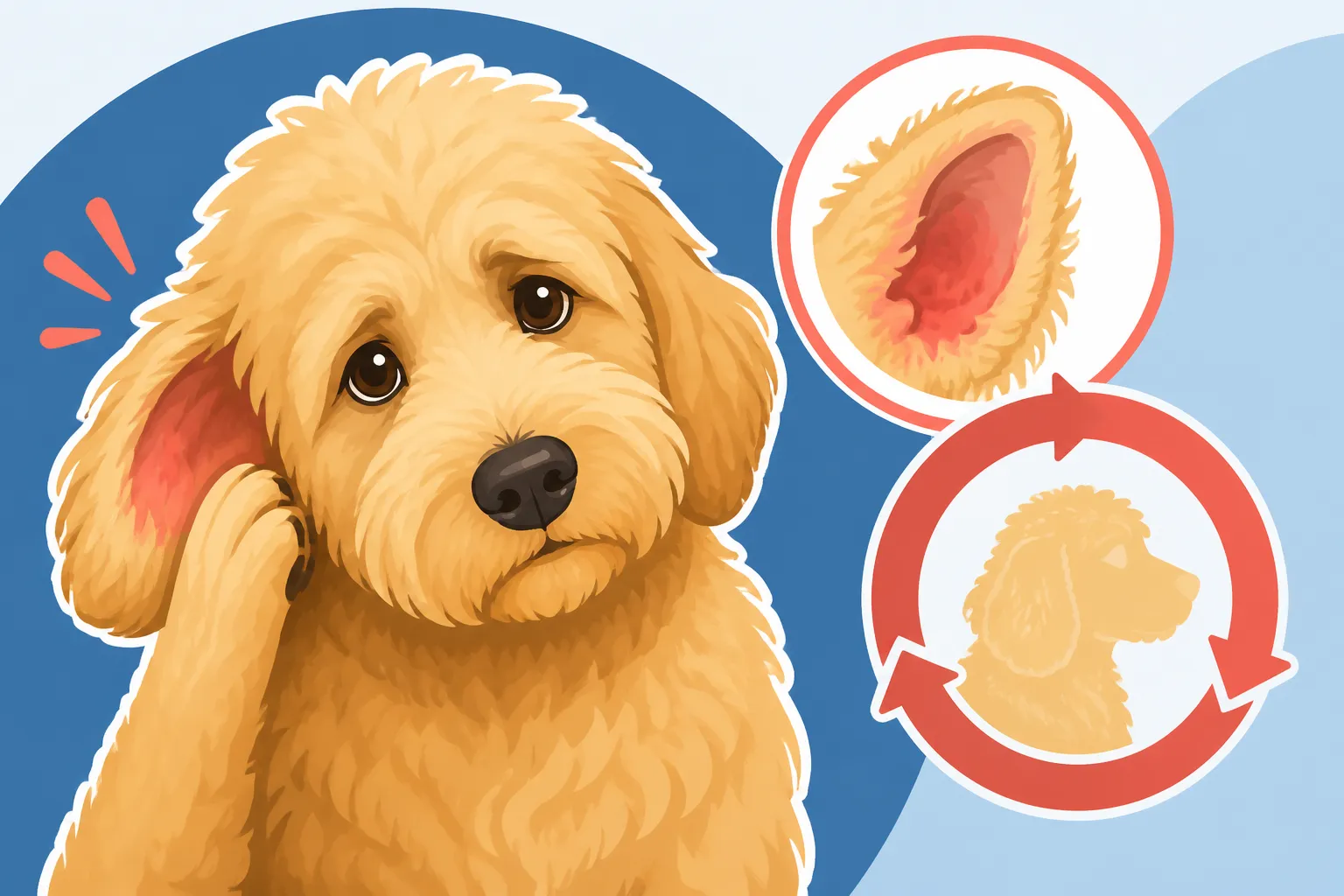
As the infection progresses, physical signs become more apparent. If you lift your dog's floppy ear flap and take a look, you might see redness and swelling inside the ear canal. There could be discharge, which can range in color from dark brown or black (often indicative of yeast) to yellow or green (suggesting a bacterial infection). A strong, unpleasant odor is almost always present – often described as sweet, yeasty, or even rotten. Your Goldendoodle might also become sensitive to touch around their ears, yelping or pulling away when you try to examine them. In more severe cases, they might seem generally unwell, exhibiting lethargy or a reduced appetite.
The Vet Visit and Diagnostic Process
When you suspect an ear infection, a trip to the veterinarian is essential. Don't try to self-diagnose or treat with home remedies, as different types of infections require specific medications, and misdiagnosis can worsen the problem. During the visit, your vet will perform an otoscopic exam, using a special tool to look deep into the ear canal and assess the severity of the inflammation, check for foreign bodies, or even ruptured eardrums. This initial visual inspection is crucial.
However, the real detective work often comes from a cytology exam. Your vet will take a swab from deep within the ear canal and examine it under a microscope. This allows them to identify whether the infection is caused by yeast, bacteria, or a combination of both. Knowing the specific culprits is vital for prescribing the correct medication. In some cases, especially with recurring or stubborn infections, a culture and sensitivity test might be performed. This involves sending a sample to a lab to grow the bacteria and determine which antibiotics will be most effective against that specific strain, ensuring the most targeted and successful treatment. Without these diagnostic steps, you're essentially guessing, and that's not fair to your Goldendoodle or your wallet.
Treatment Options and Long-Term Management
Once an ear infection is diagnosed, your vet will outline a treatment plan. But remember, the goal isn't just to clear up the current infection; it's to prevent future ones, which often requires a more holistic, long-term approach.
Initial Treatment Protocols
For most acute ear infections, the initial treatment involves a thorough cleaning of the ear canal, usually performed by your vet. This removes debris, wax, and pus, allowing topical medications to penetrate effectively. Following the cleaning, your vet will prescribe topical ear drops or ointments. These typically contain a combination of antibiotics to fight bacterial infections, antifungals for yeast, and anti-inflammatory agents to reduce pain and swelling. You'll usually need to administer these drops at home for a week to two weeks, depending on the severity.
In more severe or widespread infections, or if the ear canal is too swollen for topical medication to reach, oral medications may be necessary. These can include systemic antibiotics or anti-inflammatory drugs like corticosteroids to reduce pain and inflammation from the inside out. It's crucial to complete the entire course of medication, even if your Goldendoodle seems better after a few days, to ensure the infection is fully eradicated and to prevent antibiotic resistance. For convenience, many vets will provide a prescription that can be filled at your local pharmacy or even online retailers like Chewy, which can sometimes offer competitive pricing and home delivery.
Preventing Recurrence and Ongoing Care
Clearing an infection is one thing, but preventing its return is where the real work lies, especially for Goldendoodles. Because their ear anatomy makes them so prone to issues, ongoing preventive care is non-negotiable. Regular ear cleaning with a vet-approved solution is paramount. Cleaning a Goldendoodle Ear Before It Gets Infected This helps flush out debris, excess wax, and trapped moisture before it can lead to problems. How often you clean depends on your dog – some need it weekly, others bi-weekly, especially if they love swimming.
If allergies are a contributing factor, addressing them directly is crucial. This might involve identifying and avoiding environmental triggers, or for food allergies, conducting an elimination diet with novel proteins. Brands like Ollie, which offer fresh, limited-ingredient dog food, can be helpful in these scenarios, though always consult with your vet or a veterinary nutritionist before making significant dietary changes. Furthermore, managing the hair inside and around the ear canal is vital. Some Goldendoodle owners choose to pluck this hair, while others prefer to trim it. Whether Plucking Ear Hair Prevents Goldendoodle Infections Discuss the best approach for your dog with your vet or professional groomer, as improper hair removal can sometimes irritate the ear and worsen the problem. Consistent, proactive care is your best defense against those frustrating recurring infections.
The Financial Impact of Recurring Ear Infections
Let's be real: owning a Goldendoodle is a financial commitment, and chronic health issues like ear infections can quickly add up. Understanding the potential costs and how pet insurance can factor in is essential for any Goldendoodle parent.
Understanding Vet Costs for Ear Infections
A single ear infection can already be quite pricey. An initial vet visit for an ear infection will typically include the examination fee (which can range from $60 to $100+), a cytology exam to identify the type of infection ($30-$80), and the cost of prescribed ear medications (another $30-$100, sometimes more for specialty drops or oral antibiotics). So, you're often looking at $120 to $280 for a single, uncomplicated infection.
The real financial hit comes with recurring infections. If your Goldendoodle experiences several infections a year, those costs quickly multiply. Many Goldendoodle owners report their dogs getting ear infections that return every month. Goldendoodle Ear Infections That Return Every Month Each recurrence means another vet visit, another cytology, and another round of medication. If an infection becomes chronic or doesn't respond to standard treatment, your vet might recommend a culture and sensitivity test ($100-$250), or even a referral to a veterinary dermatologist, where specialist consultation fees can start at $200-$350. In the most severe, chronic cases where medical management fails, a Total Ear Canal Ablation (TECA) surgery might be recommended. This procedure, which removes the diseased ear canal, can cost anywhere from $2,500 to $5,000 per ear, making it a truly significant expense.
| Service/Item | Estimated Cost Range (USD) | Notes |
|---|---|---|
| Vet Exam (Initial) | $60 – $100+ | Varies by clinic and location. |
| Ear Cytology | $30 – $80 | Microscopic analysis to identify yeast/bacteria. |
| Ear Medications | $30 – $150+ | Topical drops/ointments, oral antibiotics/anti-inflammatories. |
| Culture & Sensitivity | $100 – $250 | For persistent infections; identifies specific bacteria and effective antibiotics. |
| Specialist Consult | $200 – $350+ | Referral to a veterinary dermatologist for chronic cases. |
| TECA Surgery (per ear) | $2,500 – $5,000+ | Total Ear Canal Ablation for severe, chronic, unresponsive infections. Highly invasive and costly. |
| Annual Recurrence | $300 – $1,500+ | Based on 3-5 routine visits per year, not including specialist or surgery. Chronic Goldendoodle Ear Care Adding Up Yearly |
Pet Insurance and Recurring Claims
This is where pet insurance can be a lifesaver, but it's crucial to understand the fine print. Most comprehensive pet insurance plans, like those offered by Healthy Paws, do cover ear infections as long as they are not pre-existing conditions. This means if your Goldendoodle developed its first ear infection after your policy's waiting period, subsequent ear infections would typically be covered. However, the definition of a "pre-existing condition" can vary. Some policies consider any ear infection occurring before enrollment or during the waiting period as pre-existing, while others might distinguish between different types or causes of infections. Whether Goldendoodle Insurance Covers Ear Infections
When looking at pet insurance, pay close attention to the deductible, reimbursement rate, and annual limits. A higher deductible means you pay more out of pocket before coverage kicks in, but usually results in lower monthly premiums. Reimbursement rates (e.g., 70%, 80%, 90%) determine how much of the vet bill your insurer pays back after the deductible. Because ear infections can be a recurring claim, a policy that covers chronic conditions and offers a high reimbursement rate (like 80% or 90%) can save you hundreds, if not thousands, over your Goldendoodle's lifetime. Always read the policy documents carefully and call the provider to clarify how recurring ear infections and underlying conditions like allergies are handled. It's often worth enrolling your Goldendoodle as a puppy before any health issues arise to ensure maximum coverage. Goldendoodle Insurance Premiums by Size
Proactive Care and Prevention Strategies
Preventing ear infections is always better than treating them, both for your Goldendoodle's comfort and your peace of mind (and wallet!). A consistent routine and good communication with your vet and groomer are your strongest tools.
Establishing a Consistent Home Ear Care Routine
The most impactful thing you can do at home is establish a consistent ear care routine. This isn't just about cleaning after an infection, but preventing one from starting. Aim for weekly or bi-weekly ear checks and cleanings, especially if your Goldendoodle is prone to wax buildup, swims often, or has a lot of hair in their ears. Use an ear cleaner solution specifically designed for dogs, recommended by your vet. These solutions are formulated to be gentle on delicate ear tissue and often contain drying agents to help eliminate moisture. Ear Cleaner Solutions Safe for a Goldendoodle
To clean, gently hold the ear flap up and fill the ear canal with the solution. Massage the base of the ear for 20-30 seconds to help break up wax and debris. Then, let your Goldendoodle shake their head (it's messy, but effective!). Finally, use a soft cotton ball or gauze to wipe away any excess solution and visible debris from the outer ear and opening of the canal. Never use cotton swabs deep inside the ear canal, as this can push debris further in or damage the eardrum. Make this process a positive experience with treats and praise so your Goldendoodle learns to tolerate and even enjoy their "ear spa" sessions.
Working with Your Vet and Groomer
Your veterinary team and your groomer are invaluable partners in preventing ear infections. During your Goldendoodle's annual check-ups, always ask your vet to examine their ears thoroughly. This provides an opportunity for early detection of any subtle inflammation or changes that you might miss at home. Discuss your home cleaning routine with your vet – they can offer personalized advice on frequency, products, and techniques tailored to your dog's specific ear anatomy and history. If your dog has chronic issues, a discussion about underlying allergies, including potential food trials or environmental allergy testing, is paramount. Goldendoodle Allergies and Itchy Skin
Your professional groomer also plays a critical role. They see your Goldendoodle regularly, often every six to eight weeks, and are accustomed to handling dog ears. Goldendoodle Grooming Every Six Weeks Adds Up Make sure your groomer knows to pay special attention to your dog's ears, carefully cleaning and drying them, and discussing options for managing ear hair. Some groomers will pluck ear hair as part of their service, while others prefer to trim it with blunt scissors, or simply clean around the entrance. A good groomer can also alert you to any redness, discharge, or odor they notice, prompting a timely vet visit before a minor irritation escalates into a full-blown infection. Open communication with both your vet and groomer creates a robust defense against recurring ear problems.
Disclaimer
The information provided in this article is for general informational and educational purposes only and is not a substitute for professional veterinary advice. Always consult with a qualified veterinarian regarding any medical concerns or before making any decisions about your pet's health and treatment.