Getting a Goldendoodle Used to Clipper Noise
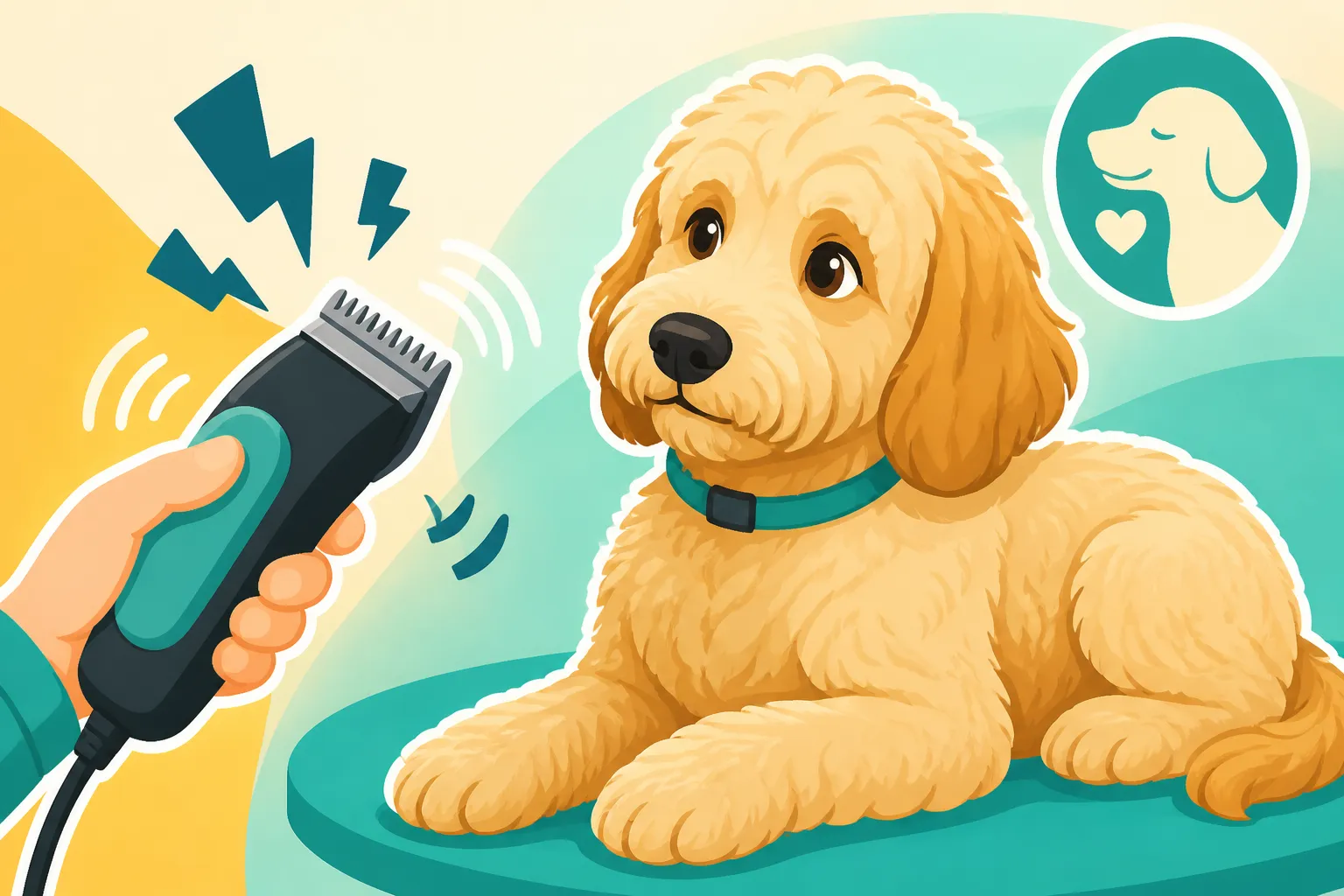
It's a familiar scene for many Goldendoodle owners: you pull out the clippers, and your otherwise playful, confident companion suddenly transforms into a trembling, terrified bundle of fluff. The whirring noise, the vibration, the strange feeling – it can be incredibly upsetting for them, making essential grooming sessions a battle. This guide is all about tackling that common frustration head-on, giving you practical, empathetic strategies to help your Goldendoodle not just tolerate, but actually get used to the sound of clippers, making grooming a much more peaceful experience for both of you.
Why the Whirring Sound of Clippers Can Be So Startling for Your Goldendoodle
Before we dive into solutions, let's take a moment to truly understand why clipper noise can be such a big deal for our beloved Goldendoodles. It’s not just about them being "dramatic" or "stubborn"; there are very real, sensory reasons behind their fear.
Their Acute Hearing and Sensory Sensitivity
Dogs, including Goldendoodles, possess a sense of hearing far superior to ours. They can detect a much wider range of frequencies and hear sounds from a greater distance. What sounds like a mild hum to us can be a loud, high-pitched, and even grating assault on their ears. Imagine trying to relax while someone uses a leaf blower directly next to your head – that might give you a tiny glimpse into their experience.
Beyond just the volume, there's the novelty of the sound itself. Clippers emit a specific kind of whir and vibration that isn't typically encountered in their everyday lives. It's an unnatural, mechanical noise that can feel intrusive and unpredictable. Their ears, often covered by those beautiful, floppy Goldendoodle furnishings, might also amplify internal sounds or create a strange resonance that makes the sensation even more disorienting. This heightened sensory input can easily trigger their startle reflex, leading to immediate fear or anxiety.
The Unfamiliarity and Potential for Negative Associations
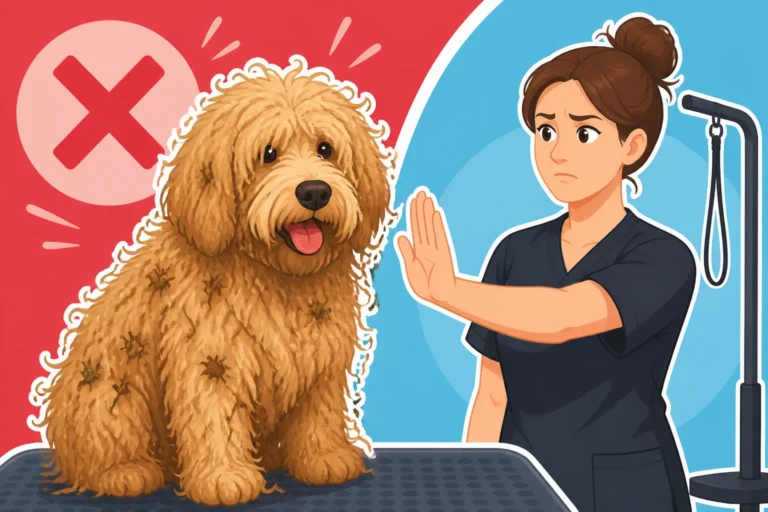
For many Goldendoodles, the first time they truly experience the clippers might be at a groomer, where they're also being handled by a stranger, standing on a slippery table, and perhaps feeling restraint. It's a lot of new, potentially overwhelming stimuli all at once. If those early experiences weren't carefully managed and positive, a negative association can quickly form.
Even if they haven't had a truly "bad" experience, the sheer unfamiliarity of the clipper can be enough to cause apprehension. Dogs thrive on predictability and routine, and a strange, loud, vibrating object coming near their body can be perceived as a threat. This is why introducing clippers gently and positively from a young age is so crucial, or if working with an adult, undoing those established negative connections. Goldendoodle Behavior Problems That Start in Puppyhood often include fear of grooming tools if not properly introduced.
Laying the Foundation: Desensitizing Goldendoodle Puppies to Clipper Noise
Starting early with your Goldendoodle puppy is your absolute best bet for preventing clipper fear from ever taking root. Even if you plan on using a professional groomer, teaching your puppy to be comfortable with the sound and sensation of clippers will make their appointments (and your life) infinitely easier. This proactive approach helps them build a positive mental framework around grooming.
Introducing the Clipper Sound as a Non-Threatening Presence
The key here is gradual exposure, making the clippers seem like a boring, harmless part of their environment. Don't just turn them on and go for their fur! Begin with the clippers off. Let your puppy sniff them, investigate them. Place them on the floor near your puppy while you're playing or giving affection, so they associate the sight of the clippers with positive, relaxed experiences.
Once they're comfortable with the sight, move to the sound, but from a distance. Sit a good distance away, turn the clippers on for just a second or two, then immediately turn them off. The sound should be barely perceptible at first. As your puppy shows no reaction or positive curiosity, gradually decrease the distance and slightly increase the duration of the sound. This is about building a foundation of "it's just a noise, nothing to worry about." You can use clippers designed for human hair first, as they often have a quieter motor than some pet-specific models, but eventually, you'll want to use the type you'll actually groom with. Many options are available on platforms like Amazon that prioritize quiet operation.
Pairing the Whir with Positive Experiences and Rewards
This is where the magic happens: counter-conditioning. Every time the clippers make a sound (even a tiny, distant one), immediately follow it with something wonderful. Think high-value treats (chicken, cheese, peanut butter licks), gentle praise, or a favorite toy. The goal is to change their emotional response from "scary noise!" to "yay, treats!" or "happy time!" Keep sessions incredibly short – just a few seconds of clipper noise, followed by a reward, then a break. You're aiming for many small, successful repetitions, not one long, stressful ordeal.
Focus on maintaining a calm, relaxed demeanor yourself. Your Goldendoodle picks up on your energy. If you're stressed or tense, they will be too. Celebrate small victories, like a momentary glance at the clippers without flinching. Never force the interaction. If your puppy shows signs of fear (tail tucked, ears back, trying to escape), you've gone too far too fast. Revert to an easier step and proceed more slowly. A structured program, like what BAXTER & Bella offers for puppy training, often includes excellent guidance on desensitization techniques that can be adapted for clipper noise. Remember, the earlier you start with Why Goldendoodle Grooming Training Starts Week One, the better.
A Gentle Path Forward: Helping Adult Goldendoodles Overcome Clipper Fear
It's absolutely possible to help an adult Goldendoodle overcome clipper fear, but it requires even more patience and a slower approach than with a puppy. They likely have established negative associations, and those take time and consistent positive experiences to undo. It's about rebuilding trust and showing them that the clippers are not a threat.
Identifying and Addressing Underlying Fears or Past Trauma
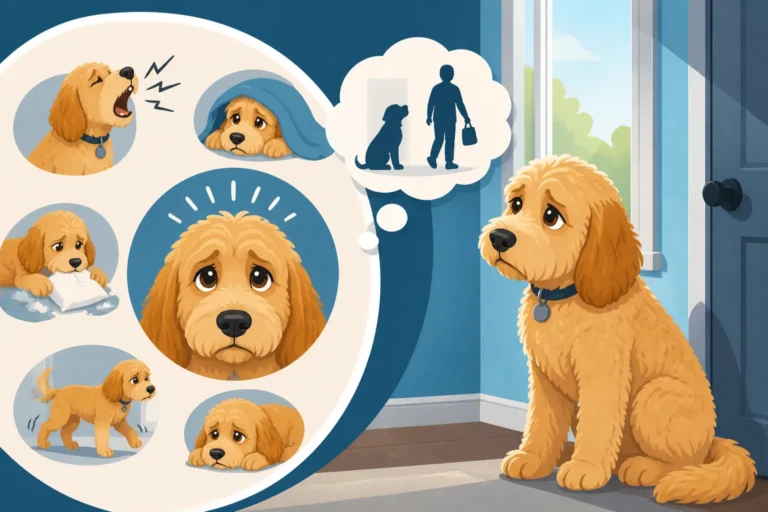
First, try to pinpoint the depth of their fear. Is it just the noise, the vibration, the sight of the clippers, or a combination? Do they react specifically to certain areas being groomed? Observing their body language is key: panting, yawning, lip licking, refusing treats, tucking tail, hiding, or even growling are all signs of discomfort or fear. If the fear is extreme or includes aggression, consider consulting a certified professional dog trainer or veterinary behaviorist. They can offer personalized guidance and help rule out any underlying medical conditions that might be contributing to their anxiety.
You'll need to start from a point where your dog is completely comfortable. This might mean simply having the clippers in the room, turned off, for several days, paired with treats and praise, before you even think about turning them on. Avoid pushing them too far; every negative experience sets you back. Your goal is to keep them "under threshold," meaning they are aware of the clippers but not yet reacting with fear. If they react, you've gone too fast.
Step-by-Step Counter-Conditioning and Gradual Exposure
Here’s a detailed approach for adults, focusing on tiny, manageable steps:
- Introduce the Scent and Sight (Clippers Off): Let your Goldendoodle sniff the clippers while they are off. Reward with high-value treats. Do this multiple times a day for a few days, always keeping it positive and brief.
- Introduce the "Off" Vibration: With the clippers off, hold them in your hand and gently touch them to your dog's leg, then quickly remove and reward. The idea is to associate the physical presence of the clippers with a good thing. Gradually increase the duration of the touch.
- Introduce the Distant Sound (Clippers On): As with puppies, turn the clippers on far away (in another room, or across the house) for just a second. Immediately reward your Goldendoodle. Slowly decrease the distance over many sessions, always rewarding calmness.
- Introduce the Nearby Sound (Clippers On): When your Goldendoodle is comfortable with the clippers on in the same room, but still a few feet away, try holding them. Turn them on for a split second, then immediately off, and treat. The sound should always predict a treat.
- Combine Sound and Touch (Briefly): Once your Goldendoodle is relaxed with the clippers on nearby, turn them on, briefly touch the back of the clippers (the non-cutting part) to their leg, turn them off, and give a treat. The vibration from the back of the clipper is usually less intense. This is a big step! Go very slowly.
- Progress to Clipper Use: Only once your dog is fully relaxed at step 5 should you attempt to use the actual cutting blade. Start with a tiny patch of hair in a less sensitive area (like the outside of a hip or shoulder), turn the clippers on, make a single pass, turn them off, and lavish praise and treats. Gradually increase the number of passes.
- Practice Desensitising a Goldendoodle to Clippers with consistent, short sessions. Never try to complete a full groom if your Goldendoodle is still anxious. Several short, positive sessions are far more effective than one long, traumatic one. Consider focusing on one small area per session until they are completely at ease. If your Goldendoodle resists Handling a Goldendoodle's Feet, Face and Ears, these areas will require extra patience.
| Step | Action | Goal |
|---|---|---|
| 1. Sight & Scent (Off) | Clippers visible, dog investigates, treats given. | Positive association with the object. |
| 2. Off Vibration | Clippers (off) briefly touch body, immediate treat. | Associate physical touch of clipper with reward. |
| 3. Distant Sound | Clippers on for 1-2 seconds in another room, immediate treat. | Clipper sound = good things, from a safe distance. |
| 4. Nearby Sound | Clippers on for 1-2 seconds in same room (distant), immediate treat. | Clipper sound = good things, closer proximity. |
| 5. Back-of-Clipper Touch | Clippers on (briefly), back touches less sensitive area, immediate treat. | Associate vibrating sensation with reward. |
| 6. Single Pass (Blade) | Clippers on (briefly), single pass on hair, immediate treat. | Introduce actual grooming action in a non-threatening way. |
This table illustrates the painstaking, step-by-step process. Each step might take days or even weeks. Do not rush.
Essential Tools and a Peaceful Environment for Successful Grooming
Beyond the training techniques, the right tools and a thoughtfully prepared environment can significantly reduce your Goldendoodle's anxiety and make the desensitization process much smoother. It's about setting everyone up for success.
Selecting the Right Clippers for Your Goldendoodle's Comfort
Not all clippers are created equal, especially when it comes to noise and vibration. For a Goldendoodle with clipper fear, investing in a high-quality, quiet clipper is paramount. Look for models marketed as "low noise" or "quiet operation." Cordless options can also be beneficial, as they eliminate the hum of the cord and offer more maneuverability without tangling. While I can't name specific models or prices, you can often find quieter grooming tools on places like Amazon, where product descriptions will highlight these features. Many manufacturers cater to pet owners seeking less intimidating equipment.
Another consideration is the blade type and how smoothly it glides through their Goldendoodle coat. A clipper that snags or pulls hair will immediately create a negative experience, regardless of how quiet it is. Ensure your blades are sharp and clean. Having various blade lengths can also be helpful; starting with a longer guard comb might feel less intense than a very short blade directly on the skin. Home Grooming Tools a Goldendoodle Actually Needs might offer more insight into this.
Creating a Calm and Safe Grooming Space
The environment where you conduct grooming sessions plays a huge role in your Goldendoodle's comfort. Choose a quiet, familiar space in your home where there are minimal distractions. Avoid high-traffic areas or times when other family members or pets might interrupt. A non-slip surface, like a rubber mat on a table or even the floor, can help your Goldendoodle feel more secure. Slipping and sliding adds to their anxiety.
Ensure the lighting is good, but not harsh. Have all your tools laid out and ready before you bring your Goldendoodle into the space, so you're not fumbling around and creating unnecessary delays. Play soft, calming music, or even a white noise machine, to help mask the clipper sound and create a more tranquil atmosphere. Keep your own voice calm and soothing, offering gentle praise. A happy, confident owner helps foster a happy, confident Goldendoodle. Consistency in routine and environment is key; they learn to anticipate what's coming, and if it's consistently positive, their anxiety will diminish over time. Building A Goldendoodle's Tolerance for Two Hours of grooming starts with these small, positive steps.
Disclaimer
This article is for general informational purposes only and does not constitute professional advice. Laws, prices and regulations vary by location and change over time. Consult a qualified professional for guidance on your specific situation.