Handling a Goldendoodle’s Paws Every Single Day
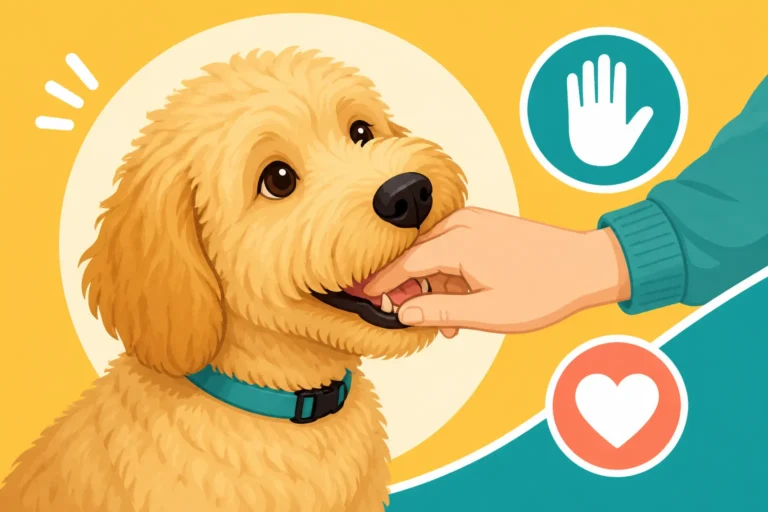
One of the most common struggles Goldendoodle owners face is getting their furry friend comfortable with paw handling. It can feel like a constant battle, especially when you know regular paw care is crucial for preventing painful mats, managing nail length, and catching injuries early. This guide is here to walk you through why your Goldendoodle might be resisting and how to establish a consistent, positive daily routine that makes paw handling a stress-free experience for both of you.
Why Goldendoodle Paws Are Such a Big Deal
Let's be real, your Goldendoodle's paws are not just cute little floofs; they're complex structures that are fundamental to their mobility and overall comfort. But for many Goldendoodles, they can be a source of discomfort or anxiety when touched. This isn't usually defiance; it's often a combination of inherited sensitivities, their unique coat type, and a lack of early, positive exposure. Understanding these underlying reasons is the first step toward a more cooperative paw care routine.
The Goldendoodle's Inherited Sensitivity
Both the Golden Retriever and Poodle parent breeds can contribute to a Goldendoodle's paw sensitivity. Poodles, in particular, can be quite particular about their feet being touched, a trait that often carries over. They are intelligent dogs, often quite sensitive to touch and pressure, and this can translate to a strong dislike for having their paws manipulated. Imagine if someone constantly tugged at your toes or tickled your feet without warning; you'd probably get pretty uncomfortable too! This inherent sensitivity means we, as owners, need to approach paw handling with extra gentleness and patience, building trust rather than forcing compliance. It’s not about them being "bad"; it's about them communicating their discomfort, and it's our job to listen and adjust our approach.
The Furnished Paw and Matting Risks
One of the defining features of a Goldendoodle is their 'furnished' coat, meaning they have longer hair on their face, legs, and, yes, their paws. While adorable, this hair can grow quite long between their paw pads and around their toes. This dense hair is a magnet for dirt, debris, burrs, and, most critically, mats. Mats in the paw pads are not just unsightly; they can be incredibly painful, pulling on the skin with every step. They can also hide injuries, trap moisture leading to infections, and even make walking difficult, affecting your dog's gait. Why a Goldendoodle Mats in a Week Without Brushing is a stark reminder of how quickly these furry areas can become problematic. Regular inspection and trimming of this hair are absolutely non-negotiable for their health and comfort.
Grooming as a Full-Body Experience
When we talk about paw handling, it's not just about the paw itself. It's part of a larger grooming picture that involves brushing, bathing, and even a trip to the professional groomer. If your Goldendoodle is uncomfortable with paw handling, chances are other aspects of grooming might also be a challenge. Grooming for a Goldendoodle, especially one with a luscious, curly coat, really is a full-body experience that requires their cooperation. A dog that is stressed by paw handling will likely be stressed by the clippers, the brush, or even the bath. By systematically desensitizing them to paw handling, you're not just making nail trims easier; you're building a foundation of trust and tolerance that will make all grooming tasks, from head to tail, far less stressful. This proactive approach is key to preventing future battles, whether you're brushing them at home or they're on the grooming table.
Starting Early: Puppy Paw Foundations
The best time to start getting your Goldendoodle comfortable with paw handling is the moment they step through your door as a puppy. Those early weeks are a critical socialization window, and every positive experience you create lays the groundwork for a lifetime of cooperative care. Don't wait until they're older and have already formed strong opinions! Consistency and positive reinforcement are your two most powerful tools.
The "Touch, Treat, Release" Method
This method is incredibly simple yet profoundly effective for building a positive association with handling. It teaches your puppy that good things happen when their paws are touched. Here's how it works:
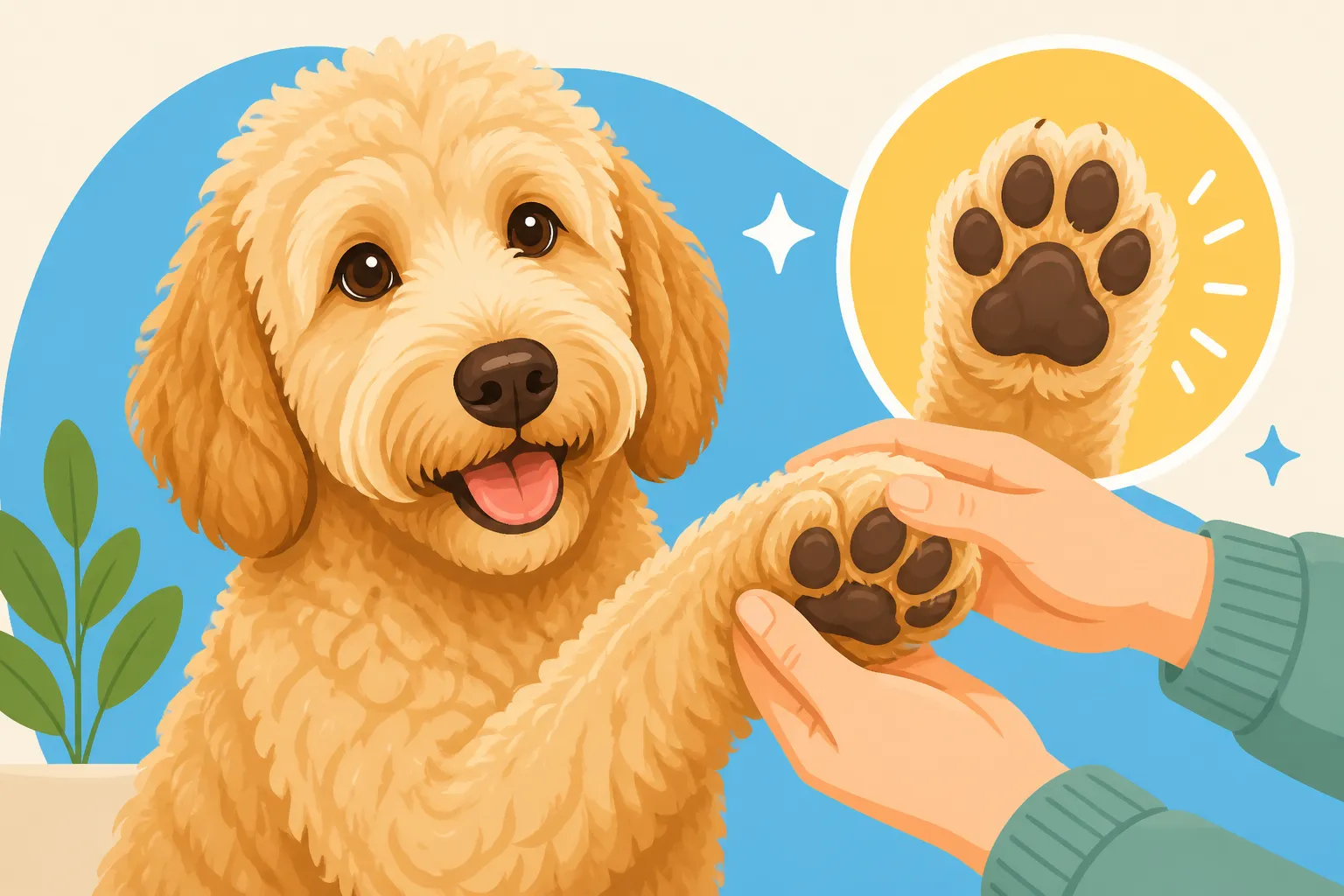
- Touch: Gently touch one of your puppy's paws for just a second. Don't hold it, just a light touch.
- Treat: Immediately give them a high-value treat (something they absolutely love, like tiny pieces of cheese or cooked chicken).
- Release: Remove your hand.
Repeat this many times throughout the day, in short sessions (a minute or two), varying which paw you touch. As your puppy becomes comfortable, gradually increase the duration of the touch:
- Touch for a second, treat.
- Touch and lightly squeeze a toe, treat.
- Hold the paw for a few seconds, treat.
- Spread the toes, treat.
- Touch a nail with your finger, treat.
The goal is to make every interaction brief, positive, and followed by a reward. Never force it. If your puppy pulls away, lighten the touch or shorten the duration, and go back to a step they were comfortable with. This method is foundational for Why Goldendoodle Grooming Training Starts Week One.
Gradual Introduction to Tools
Once your Goldendoodle puppy is comfortable with your hands touching and manipulating their paws, it's time to introduce the actual grooming tools. This needs to be done slowly, linking the sight and sound of the tool to positive experiences.
For nail trims, start by simply showing them the clippers or a nail grinder. Let them sniff it. If they investigate, treat. Then, gently touch the back of the clippers to their paw, treat. Move to touching the clippers to their nail, treat. Don't actually clip or grind yet! Just desensitize them to the presence of the tool.
The same goes for brushes and trimmers for paw pad hair. Let them see and hear the tools. Turn on the nail grinder for a second in another room so they hear the sound, then treat them. Gradually bring the sound closer. Getting a Goldendoodle Used to Clipper Noise is a crucial step here. You want them to associate the tool with good things, not fear. Many Goldendoodle owners find excellent, quiet clippers and grinders on Amazon that help with this desensitization process, reducing anxiety for both dog and owner.
Building a Positive Association
The key to long-term success isn't just getting the job done; it's about building a consistently positive association with paw handling. Think of it as a mutual respect. You respect their comfort, and they learn to tolerate and even enjoy the process because they trust you.
- Make it a game: Turn paw handling into a fun interaction. "Paw!" followed by a gentle squeeze and a treat.
- Vary locations: Practice in different rooms, while they're relaxing on the couch, or even outside. This helps generalize the positive experience.
- Enlist help: If you have a training program, like those offered by BAXTER & Bella, they often include structured cooperative care exercises that can reinforce these lessons. Their online guidance can be a lifesaver for navigating these early stages.
- Celebrate success: Even the smallest step forward, like them allowing you to hold a paw for an extra second, deserves praise and a reward. Avoid scolding or punishing resistance, as this will only create negative associations and make future handling harder.
Making Paw Handling a Positive Experience for Life
The puppy stage flies by, but the need for consistent paw care doesn't. Your Goldendoodle's adult coat will require even more diligent attention, and maintaining a positive attitude towards paw handling will save you endless headaches and prevent professional grooming surcharges. This involves embedding paw care into your daily routine and understanding when to call in the cavalry.
Daily Routine for Desensitization
Consistency is king when it comes to maintaining your Goldendoodle's comfort with paw handling. It shouldn't just be an "every now and then" activity, but a regular part of your daily interaction.
- Morning check-in: During your morning cuddles, take a minute to gently run your hands over their paws, spread their toes, and briefly hold each paw. A quick treat afterward reinforces the positive interaction.
- Evening wind-down: Before bed, after a walk, or during a quiet moment on the couch, repeat the paw checks. This not only keeps them accustomed to the touch but also allows you to inspect for any foreign objects, cuts, or early signs of matting. You'd be amazed how much gunk can get stuck between those furry toes!
- Grooming mini-sessions: Beyond just touch, incorporate very short bursts of actual grooming. Maybe one nail clip a day, or a quick trim of the paw pad hair with blunt-nosed scissors (carefully!). The goal isn't to get the whole job done at once, but to keep the experience positive and manageable. For more comprehensive grooming, remember the advice in Getting a Goldendoodle Puppy to Lie on Its Side to make larger tasks easier.
Cooperative Care Techniques
Cooperative care is all about teaching your dog to actively participate in their own care, rather than just tolerating it. It empowers them to say "yes" or "no" (through specific cues) and allows you to work together.
- Chin rests: Teach your Goldendoodle to rest their chin on your lap or a designated mat. This keeps their head still and allows you to focus on their paws. Reward generously for holding the position.
- "Relax" or "Settle" cues: Train a cue that encourages them to lie down and relax while you perform short grooming tasks. This can be invaluable for longer sessions, like trimming all paw pad hair.
- Choice and consent: Watch their body language. If they pull away slightly, don't just hold tighter. Release, take a breath, and restart more gently, perhaps with an even higher value treat. If they offer their paw willingly, that's a huge win to reward! Many Goldendoodle owners find that this approach, often taught in reputable online courses or through trainers like those affiliated with BAXTER & Bella, builds a much stronger bond and reduces stress for everyone.
| Technique | Description | Benefits |
|---|---|---|
| Touch, Treat, Release | Gentle touch on paw, immediate high-value treat, then release. Gradually increase duration/intensity. | Builds positive association; desensitizes dog to touch. |
| Chin Rest | Teach dog to rest chin on lap or surface. Keep head still while you work on paws. | Improves dog's stillness and focus; prevents sudden head movements. |
| "Relax" / "Settle" | Train a cue for lying down calmly during care. | Encourages relaxation during grooming; useful for longer tasks. |
| Choice & Consent | Observe body language; allow dog to disengage if uncomfortable (then restart more gently). Reward willing participation. | Builds trust; reduces stress; empowers dog in their own care. |
| Gradual Tool Intro | Introduce clippers/grinder slowly. Associate sight/sound with treats. Practice touching nails without cutting. | Prevents fear of tools; makes actual grooming less traumatic. |
| Daily Mini-Sessions | Incorporate brief paw handling/grooming into daily routine. | Maintains comfort; catches issues early; reinforces positive habits. |
When to Seek Professional Help
Sometimes, despite your best efforts, paw handling remains a significant challenge. This is nothing to be ashamed of; every Goldendoodle is an individual.
- Veterinary consultation: If your Goldendoodle shows extreme pain, aggression, or a sudden change in behavior regarding paw handling, consult your veterinarian first. There could be an underlying injury, infection, or medical condition causing their distress, such as those discussed in Goldendoodle Paw Licking and What It Means.
- Certified professional dog trainer: For behavioral resistance, a certified professional dog trainer who specializes in cooperative care or fear-free grooming can be invaluable. They can assess your dog's specific triggers and teach you advanced techniques. Look for trainers who use positive reinforcement and gentle methods, avoiding harsh corrections which can severely damage trust.
- Fear-free groomer: Some professional groomers are certified in fear-free techniques. They understand how to work with anxious dogs, using calm environments, gentle handling, and positive reinforcement to make grooming a less stressful experience. If regular salon visits are a nightmare, finding a groomer who truly understands Goldendoodle psychology and coat needs can be a game-changer. They can also provide expert trimming of paw hair, as detailed in Trimming Hair Between Goldendoodle Paw Pads.
Beyond the Basics: Dealing with Specific Paw Issues
Even with a perfect daily routine, Goldendoodles can still encounter specific paw challenges that need attention. Their unique coats and active lifestyles make them prone to certain issues that, if ignored, can quickly escalate. Being prepared to tackle these head-on will ensure your Goldendoodle stays comfortable and healthy.
Tackling Mats and Tangled Paw Hair
Those adorable fluffy paws are a double-edged sword when it comes to grooming. The hair between and around their paw pads can easily get matted, creating discomfort and even lameness.
- Prevention is key: The best offense is a good defense. Daily brushing with a slicker brush and a metal comb, getting right down to the skin, is crucial. Pay special attention to the areas between the paw pads and around the ankles. The Slicker Brush and Comb a Goldendoodle Needs highlights the essential tools for this. Regular trimming of this hair by yourself or a groomer is also vital.
- Dealing with small mats: If you find a small mat, try to work it out gently with your fingers, then use a comb. A detangling spray (you can find many good ones on Amazon) can help loosen the hair, but never pull aggressively. If it’s too tight, a mat splitter can be used with extreme caution, always angling away from the skin.
- When to shave: For dense, painful mats, especially between the paw pads, shaving is often the kindest solution. This is best done by a professional groomer or veterinarian. Do not try to cut out mats with scissors near the skin, as it's incredibly easy to cut the delicate paw webbing, which is a common and painful injury. Trimming the hair between the pads regularly can prevent this entirely.
Safe Nail Trimming Practices
Nail trims are arguably the most dreaded paw chore for many Goldendoodle owners. Overly long nails can lead to pain, splayed feet, and even joint issues down the line, especially for older dogs who might already be dealing with Goldendoodle Arthritis After the Age of Eight.
- Understanding the quick: Goldendoodles, especially those with darker nails, can have a hard-to-see 'quick' – the blood vessel and nerve that runs through the nail. Cutting into the quick is painful and will cause bleeding, making your dog even more averse to future trims. Only trim the very tip, or small slivers at a time.
- Clippers vs. Grinders: Some Goldendoodles tolerate nail clippers better, while others prefer a Dremel-style nail grinder. Grinders can be less scary if introduced gradually (as discussed earlier) and allow you to take off tiny amounts at a time, slowly receding the quick. You can find quality grinders and clippers on Amazon that often come with various speeds and noise levels.
- Positioning and treats: Choose a quiet time when your Goldendoodle is relaxed. Have high-value treats at the ready. Work on one paw, or even just one nail, at a time. Praise and reward after each successful trim. For very anxious dogs, having another person gently distract them with treats can be very helpful. Remember, Trimming Goldendoodle Nails at Home is a skill that improves with practice, so don't be discouraged if it's not perfect initially.
Recognizing and Addressing Paw Injuries
Your Goldendoodle's paws are their primary interface with the world, making them susceptible to various injuries. Regular daily checks are essential for early detection.
- Common injuries: These include cuts from sharp objects (glass, rocks), punctures from thorns or splinters, burns from hot pavement, frostbite in extreme cold, foreign objects lodged between pads, and torn paw pads from rough terrain. Always inspect their paws after walks, especially on varied surfaces.
- Signs of a problem: Limping, excessive licking or chewing of the paw, reluctance to put weight on a paw, swelling, redness, bleeding, or an unusual odor (which can indicate infection) are all signs that something is wrong. Don't ignore these.
- First aid and vet care: For minor cuts, clean the wound with a mild antiseptic solution and apply a pet-safe bandage. For anything deeper, actively bleeding, or if you suspect a fracture or deep puncture, it's straight to the vet. Never assume a limp will just "get better." Early intervention is often key to preventing minor issues from becoming major, painful problems. In some cases, if the Goldendoodle is prone to biting or lunging during pain, Muzzle Training a Goldendoodle for the Groomer might be helpful to safely inspect an injury.
Taking the time to understand, train, and consistently care for your Goldendoodle's paws will lead to a healthier, happier dog and a much less stressful experience for you both.
Disclaimer
This article is for general informational purposes only and does not constitute professional advice. Laws, prices and regulations vary by location and change over time. Consult a qualified professional for guidance on your specific situation.