A Goldendoodle That Steals Socks and Runs
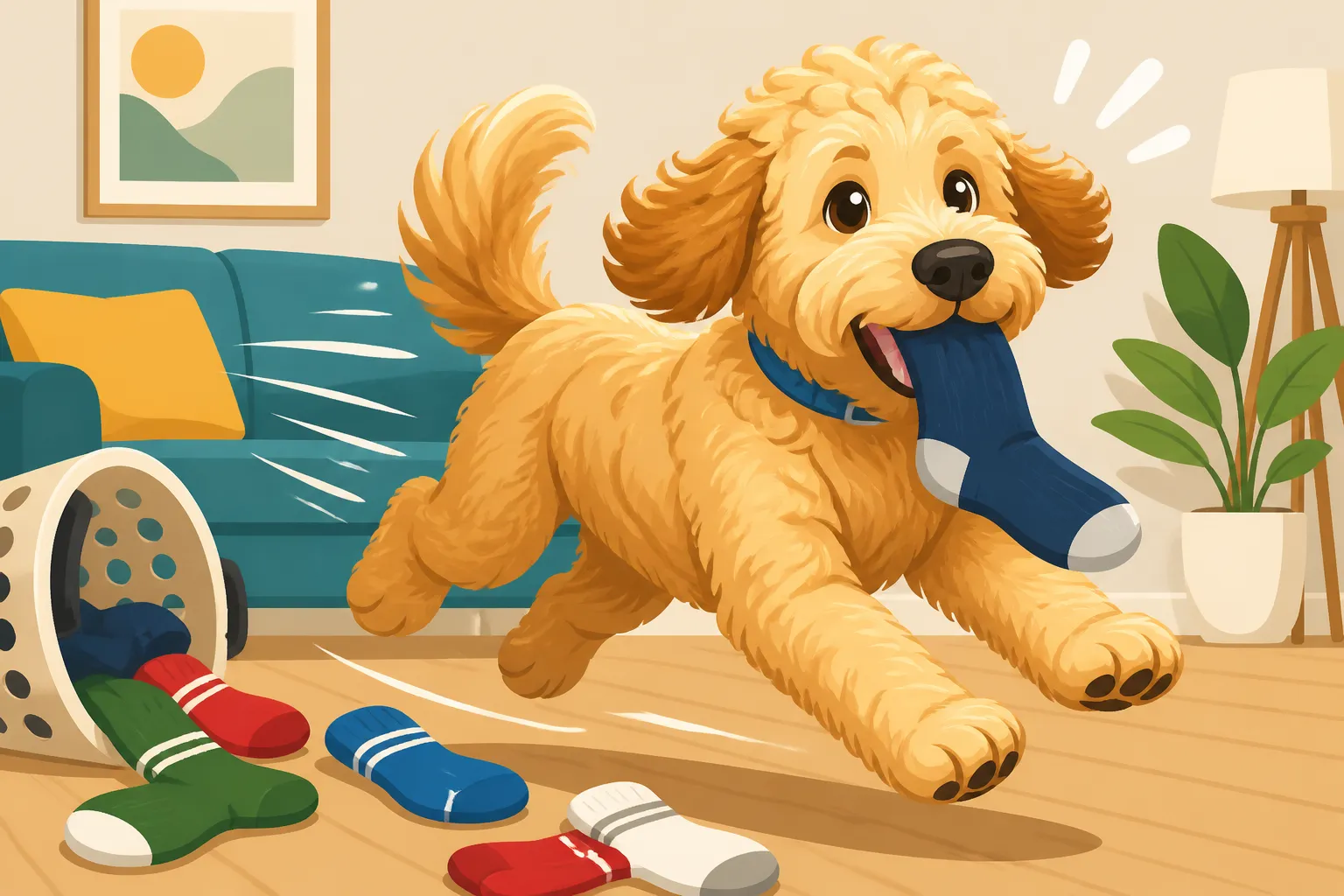
There’s almost nothing more frustrating than watching your beloved Goldendoodle snatch one of your favorite socks right off the floor (or, let’s be honest, directly out of the laundry basket) and then take off like a rocket, tail wagging, initiating an impromptu game of chase. It’s a common scenario that many Goldendoodle owners face, leaving you bewildered, amused, and often, a little annoyed, wondering why your otherwise well-behaved pup suddenly turns into a sock-pilfering bandit. This comprehensive guide will delve into the reasons behind this quirky behavior and provide actionable strategies to prevent, manage, and ultimately resolve your Goldendoodle’s penchant for textile thievery.
Understanding the "Why" Behind the Sock Theft
Before you can tackle the problem, it's really important to understand why your Goldendoodle might be engaging in this slightly mischievous behavior. It’s rarely out of spite or malice, but rather a combination of natural canine instincts and learned behaviors that, from their perspective, make perfect sense. Once you grasp the underlying motivations, you can approach training and management with more empathy and effectiveness.
The Goldendoodle's Natural Instincts at Play
Goldendoodles, being a mix of Golden Retriever and Poodle, inherit a fascinating blend of traits. Both parent breeds have strong retrieving instincts, which means they are naturally inclined to pick things up in their mouths and carry them. For a Golden Retriever, this was historically crucial for hunting, bringing back downed game without damaging it. Poodles, too, were originally water retrievers, so they also possess this drive. When your Goldendoodle snags a sock, they might simply be satisfying that deep-seated desire to "retrieve" something, especially if it feels interesting and fits nicely in their mouth. It’s not necessarily about destroying the sock (though that can happen!), but about the act of possessing and carrying. They might even feel a sense of accomplishment, like they've "caught" something.
Moreover, dogs explore the world with their mouths. A sock offers a unique texture that's different from their regular toys – soft, pliable, sometimes stretchy. It's a novel item, and dogs are often drawn to novelty. They might chew on it, carry it around, or even just mouth it gently. This exploration is a perfectly normal canine behavior, but when it's directed at your personal belongings, it becomes a problem. Understanding that it often stems from these innate drives, rather than outright disobedience, can help frame your response.
Attention-Seeking Behavior
Let's be honest, when your Goldendoodle takes off with your sock, what's your immediate reaction? Usually, it's a frantic chase, a scolding, or at least a focused interaction. From your dog's perspective, any attention is good attention. If they learn that snatching a sock reliably gets you to engage with them – even if it's you yelling "Drop it!" or chasing them around the house – they've successfully initiated a game. They've discovered a very effective way to get you to stop what you're doing and focus entirely on them.
This can be particularly true if your Goldendoodle isn't getting enough dedicated playtime or mental stimulation throughout the day. They might feel a little bored or under-stimulated, and a quick sock heist provides an exciting burst of activity and a guaranteed interaction with their favorite human. It’s a classic case of positive reinforcement, even if the reinforcement for you is negative! Your dog sees the chase and the interaction as fun, and thus the behavior is reinforced, making them more likely to repeat it. If you find your Goldendoodle frequently initiating these "games," it might be a sign they need more engaging activities in their daily routine.
Scent and Texture Fascination
Our socks, and other personal items, are absolutely drenched in our scent. To a dog, our scent is incredibly powerful and comforting. It's like a warm hug or a familiar friend. So, when your Goldendoodle grabs a sock, they might be drawn to the strong smell of their favorite person. It's not just a random object; it's your object, carrying your unique scent signature. This can be especially appealing when you're away or busy, as a way for them to feel closer to you.
Beyond scent, the texture of a sock can be incredibly satisfying for a dog to mouth and carry. It’s soft, yet has enough substance to provide a satisfying tactile experience. Unlike hard chew toys, a sock offers a different kind of mouthfeel that can be very engaging. If they are in a phase of Goldendoodle Puppy Chewing Through Furniture, a sock might offer a similar, yet more readily available and "thrilling," chewing experience. The combination of your comforting scent and an interesting texture makes socks highly desirable treasures for a Goldendoodle.
Prevention Strategies: Stopping the Behavior Before It Starts
The old adage "an ounce of prevention is worth a pound of cure" holds especially true when it comes to dog behavior. The easiest way to stop your Goldendoodle from stealing socks is to prevent them from ever getting access to them in the first place. This involves a combination of smart environmental management and proactive training.
Managing the Environment
This might sound incredibly obvious, but the most effective way to prevent sock theft is to make socks unavailable. This means being meticulously tidy, which, let's face it, is a challenge for many of us! However, if you're committed to curbing this behavior, it's a non-negotiable step.
Think of it this way: every time your Goldendoodle successfully steals a sock, the behavior is reinforced. Every time they don't get a sock, they don't get the opportunity to practice and reinforce that bad habit. So, make it impossible. Keep laundry hampers lidded, close bedroom and bathroom doors, and encourage everyone in the household to pick up their dirty clothes immediately. Children, especially, might need constant reminders about putting away their socks and underwear. Consider using a laundry basket with a secure lid, or place it inside a closet. For dirty laundry, a bag that ties shut inside the hamper can also be a game-changer. Think like a dog: what accessible items smell great and are easy to grab? Then, secure them. Investing in a good laundry hamper, perhaps one available through Amazon, that dogs can't easily open or knock over can save you a lot of grief.
Providing Appropriate Outlets
Part of the reason dogs steal things is often because they're looking for something to do, something interesting to engage with. If your Goldendoodle isn't getting enough appropriate physical exercise and mental stimulation, they will find their own entertainment – and that often involves your belongings. Goldendoodles are intelligent and active dogs, needing more than just a quick stroll around the block.
Ensure your Goldendoodle has a variety of engaging toys that are always available and more appealing than your socks. This could include tough chew toys, puzzle toys, and interactive feeders. Rotate their toys regularly to keep them novel and exciting. For example, a KONG filled with peanut butter or plain yogurt and frozen can keep them occupied for a good while. Daily dedicated playtime with you, involving games like fetch (which taps into their retriever instincts!), tug, or hide-and-seek with their toys, can also satisfy their need for interaction and mental work. Consider adding regular "brain games" to their routine, like practicing new tricks or Goldendoodle Puzzle Feeders and Scent Games. A tired dog, both physically and mentally, is a good dog. If they are sufficiently challenged and entertained by their toys, they'll have less desire to seek out yours.
Early Training and Foundation Skills
From the moment you bring your Goldendoodle puppy home, you can start building foundational skills that will help prevent sock-stealing later on. Two of the most critical commands for this particular issue are "Leave It" and "Drop It." These aren't just polite manners; they are safety commands that teach your dog to disengage from something undesirable and to release something they are holding.
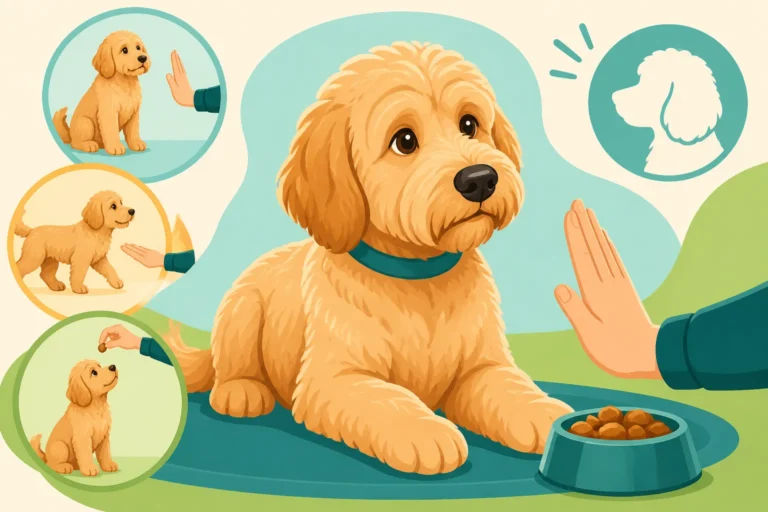
Start practicing "Leave It" with low-value items (like a regular dog toy) and gradually move to higher-value items, teaching your Goldendoodle that ignoring something on command leads to a better reward. For "Drop It," practice by offering a delicious treat in exchange for them releasing a toy they are holding. The goal is to make the trade-off so rewarding that they want to drop what they have. Consistency is key here. Every family member needs to use the same cues and follow the same rules. Reinforce these commands during regular play sessions, not just when they have something they shouldn’t. Building a strong "Leave It" can prevent them from even picking up the sock, while "Drop It" can resolve the situation if they do. You can find excellent resources and step-by-step guides for these commands through online training platforms like BAXTER & Bella, which often break down complex training into manageable steps for Goldendoodle owners. Teaching Leave It to a Goldendoodle is an invaluable skill that protects not just your socks but potentially dangerous items too.
Intervention Tactics: What to Do When a Sock is Stolen
Despite your best prevention efforts, there will inevitably be times when your clever Goldendoodle manages to snatch a rogue sock. How you react in these moments is crucial, as your response can either reinforce the behavior or help extinguish it.
The Art of the Trade
This is arguably the most important rule when your Goldendoodle has something they shouldn't, especially something like a sock. Your goal is to get the item back without making it a high-value prize. The best way to do this is through a positive trade. Instead of chasing or scolding, immediately grab a high-value treat or a favorite toy (one they only get for trades or special occasions) and offer it to them. Present the treat or toy enthusiastically, making it seem much more appealing than the sock.
When they drop the sock to take the treat/toy, praise them calmly and then discreetly pick up the sock. Avoid making a big fuss over the sock once it's on the ground. The idea is to teach them that dropping an item for you results in something even better, rather than a punishment or a chase. If you consistently make the trade-off positive and rewarding, they will be more likely to drop things for you in the future. Never try to pry the sock from their mouth, as this can lead to resource guarding and make them less likely to give things up. Building a strong positive association with trading is key, especially if you want to avoid a game of keep-away.
Avoiding the Chase Game
This is probably the hardest instinct to suppress, but it's vital: do not chase your Goldendoodle when they have a stolen sock. As we discussed, chasing is a highly reinforcing activity for many dogs. It's a fun game for them, complete with attention, movement, and a thrilling sense of being pursued. Every time you chase, you are inadvertently teaching them that stealing a sock is a fantastic way to get a fun interaction from you.
If your Goldendoodle snatches a sock and runs, resist the urge to chase. Instead, try turning your back and walking away, or quickly grab that high-value treat and sit down, calling them to you in a happy, inviting voice. You want to communicate that coming to you with the item (or dropping it nearby) is what gets them rewarded, not running away with it. You can even try playfully running away from them – sometimes the novelty of you running in the opposite direction will pique their curiosity and cause them to follow you, at which point you can try the trade. It takes immense self-control, but breaking the chase habit is paramount to stopping the sock-stealing cycle.
Consistent "Leave It" and "Drop It" Practice
Once the initial "I got your sock!" moment has passed, it’s important to circle back to intentional training. These moments where your dog does pick up an unwanted item become teachable moments. If your Goldendoodle grabs a sock and you know your "Drop It" command isn't quite solid yet, practice it in a controlled environment. Set up a scenario where you place a low-value item (like an old, designated "training sock") on the floor and give the "Leave It" command before they can get to it. Reward heavily when they ignore it.
If they pick it up, immediately try your "Drop It" command with a high-value trade. Practice this regularly, several times a day in short, positive sessions. The more you reinforce these commands in a non-stressful way, the more reliable they will become when the stakes are higher (like with your favorite cashmere sock!). Remember that Goldendoodles are intelligent and generally eager to please, making them excellent candidates for Positive Reinforcement and Why It Suits a Goldendoodle. Consistency is the key to success, ensuring that your Goldendoodle understands exactly what you want from them in these situations.
Long-Term Solutions: Building a Better Relationship with Laundry
Beyond immediate prevention and intervention, establishing long-term solutions requires a holistic approach to your Goldendoodle's training, environment, and overall well-being. This is about shaping a more mindful and well-behaved companion who respects your belongings.
Advanced Impulse Control Training
While "Leave It" and "Drop It" are fundamental, true impulse control goes deeper. This involves teaching your Goldendoodle to resist immediate urges and to wait for cues. Games like "It's Your Choice" (where they learn to look at you for permission before taking a treat) or "Stay" with distractions can build incredible self-control. Teach them to wait patiently when you're preparing their food, or to sit politely when a guest arrives instead of jumping. These exercises, even if not directly related to socks, strengthen their overall ability to control their impulses.
Consider enrolling in an advanced obedience class or working with a professional trainer who can guide you through these concepts. Many online programs, including those offered by BAXTER & Bella, have specific modules dedicated to impulse control and advanced manners that are perfect for Goldendoodle puppies and adults alike. These exercises help your Goldendoodle generalize the idea of waiting and choosing appropriate behaviors in various situations, making them less likely to grab that tempting sock without thinking. Goldendoodle Impulse Control Exercises are vital for a calm, well-mannered dog.
Engaging Mental Stimulation
A bored Goldendoodle is a mischievous Goldendoodle. Their intelligence, inherited from both Poodles and Golden Retrievers, means they need more than just physical exercise; they need to use their brains. If they're not getting enough mental stimulation, they'll invent their own "jobs," which might include managing your sock inventory.
Incorporate daily mental challenges into their routine. This could be anything from learning new tricks (Trick Training as Goldendoodle Mental Work), playing scent games around the house, using interactive puzzle feeders for their meals, or simply taking different walking routes to expose them to new smells and sights. A ten-minute training session can be as tiring for their brain as a thirty-minute walk for their body. The goal is to channel their natural curiosity and intelligence into acceptable, rewarding activities. When their mental needs are met, they'll be far less inclined to seek out illicit forms of entertainment like sock-stealing.
Seeking Professional Help
If you've tried all the prevention and intervention strategies and your Goldendoodle's sock-stealing habit persists or escalates, it might be time to bring in a professional. A certified professional dog trainer or a veterinary behaviorist can observe your Goldendoodle's behavior, assess the underlying motivations, and develop a customized training plan. They can help identify any missed cues, fine-tune your techniques, or address more complex behavioral issues that might be contributing to the problem.
Sometimes, what seems like simple mischief can be a symptom of anxiety, insufficient enrichment, or other behavioral challenges that require expert guidance. A professional can also teach you how to effectively manage situations where you accidentally reinforce the behavior and help you build a stronger, more harmonious relationship with your Goldendoodle. Don't hesitate to reach out for help; it's an investment in your dog's well-being and your peace of mind. Finding a Trainer for a Goldendoodle can make a significant difference in overcoming persistent behavioral challenges.
Here’s a quick overview of some excellent enrichment options that can help redirect your Goldendoodle’s attention away from your socks:
| Enrichment Type | Description | Best For | Benefits |
|---|---|---|---|
| Puzzle Feeders | Toys or bowls that dispense food slowly as the dog manipulates them. | Meal times, solo play, mental stimulation. | Engages problem-solving skills, slows eating, reduces boredom. |
| Interactive Chew Toys | Durable toys (e.g., KONGs, West Paw Zogoflex) that can be stuffed with treats or pastes. | Chewing urges, prolonged engagement, stress relief. | Satisfies natural chewing instinct, provides lasting enjoyment, reduces destructive chewing. |
| Scent Games | Hide treats around the house or yard for your dog to find using their nose. | Mental exercise, sensory stimulation, builds confidence. | Taps into their natural scenting abilities, tires them out mentally. |
| Flirt Poles | A long stick with a lure (toy) attached to a rope, used to entice quick movements and chases. | High-energy dogs, practicing "Leave It" and "Drop It" with high value. | Great physical outlet, good for impulse control training, prevents chasing small animals. |
| Lick Mats | Textured mats that you spread soft food (yogurt, peanut butter) on, encouraging licking. | Calming, stress reduction, distraction during grooming or crate time. | Soothes and relaxes, provides prolonged low-intensity mental engagement. |
Disclaimer
This article is for general informational purposes only and does not constitute professional advice. Laws, prices and regulations vary by location and change over time. Consult a qualified professional for guidance on your specific situation.