What Goldendoodle Owners Get Wrong in Year One
Bringing home a Goldendoodle puppy is often a whirlwind of excitement and pure joy, but many new owners, despite their best intentions, can stumble into common pitfalls during that crucial first year. You might find yourself scratching your head wondering why your sweet, fluffy companion is suddenly a pulling, jumping, barking machine, or why their adorable puppy fluff has turned into a matted mess overnight. This guide is here to shed light on those oft-repeated missteps and equip you with practical, empathetic advice to navigate your Goldendoodle's first year with confidence, setting both of you up for a happy, well-adjusted life together.
Overlooking Early and Consistent Grooming Training
One of the biggest surprises for new Goldendoodle owners is just how much grooming these dogs require. You see the adorable fluffy puppy and think, "Oh, a quick brush now and then will do," but nothing could be further from the truth. The Goldendoodle coat, with its Poodle heritage, is prone to matting, and if you don't start early and consistently, you're setting your dog (and your wallet!) up for a lot of stress.
The Puppy Coat Is a Deceptive Friend
That soft, fluffy puppy coat you adore? It's a temporary illusion. Around eight to twelve months, your Goldendoodle will start "blowing" their puppy coat, which means the denser adult coat is growing in and intertwining with the shedding puppy fur. If you haven't established a solid brushing routine by then, mats will form quickly and mercilessly, often right down to the skin. This isn't just cosmetic; severe matting can be painful, restricting movement and pulling on their skin. Many Goldendoodles end up at the groomer for their first adult clip completely matted, requiring a full shave-down, which can be traumatic for a young dog.
It's vital to remember that the goal isn't just to get the mats out, but to make the entire grooming experience positive. This means handling their paws, ears, tail, and face from day one, even if it's just for a few seconds with a treat. Get them used to the sound of clippers, even if they're not touching their coat yet. You can find quiet clippers on platforms like Amazon that are great for desensitization. This early exposure makes a world of difference when they're older and need full grooms. Check out Training a Goldendoodle Puppy for the Grooming Table for more on how to start this vital process.
Neglecting Daily Brushing
Many owners brush once a week, or worse, only when they see a mat. For most Goldendoodle coats, especially the curlier ones, this simply isn't enough. They need line brushing down to the skin, ideally every day or every other day, with the right tools. A good slicker brush and a metal comb are non-negotiable. The slicker brush gets through the top layer, but the comb is what truly tells you if you've gotten all the way to the skin. If the comb snags, there's a mat hiding there.
Failing to commit to a consistent brushing schedule leads to mats, which then lead to painful dematting sessions or full shave-downs. Imagine having your hair constantly tugged at because it's tangled, and you'll understand why a Goldendoodle can become averse to grooming. This isn't just about aesthetics; it's about their comfort and health. Without proper brushing, skin issues can go unnoticed, and regular professional grooming becomes a massive chore for both the dog and the groomer. Read Brushing a Goldendoodle Often Enough to Stop Matting for detailed instructions on effective brushing.
Underestimating the Need for Impulse Control and Proper Socialization
Goldendoodles are often lauded for their friendly, eager-to-please nature, and while this is largely true, it can sometimes be misinterpreted as a lack of need for structured training. Owners might see their puppy jumping on guests or pulling on the leash out of sheer excitement and think it’s cute, or that they’ll “grow out of it.” This is a recipe for disaster. That cute puppy jump quickly becomes an overwhelming, potentially injurious leap from a 60-pound adult dog.
Letting "Friendly" Turn Into "Frantic"
A Goldendoodle's inherent friendliness means they often want to greet everyone and everything. While this is endearing, it needs to be channeled properly. Without teaching impulse control, your Goldendoodle can become a frantic greeter, jumping on visitors, knocking over children, or pulling incessantly towards every person and dog on a walk. This isn't malicious; it's just a lack of manners and self-control that wasn't taught early enough.
The first year is critical for teaching a dog how to manage their excitement. Exercises like "four paws on the floor" for greetings, waiting patiently at doors, and polite leash walking should start the moment you bring your puppy home. If you're struggling, a structured online program, like those offered by BAXTER & Bella, can provide step-by-step guidance on these foundational behaviors. It's much easier to teach a small puppy not to jump than to re-train an adult dog who has practiced the behavior for months. Neglecting this leads to frustration for owners and a dog who might miss out on social opportunities because their behavior is too overwhelming. For more on managing excitement, see Goldendoodle Jumping and the Impulse Control Problem.
Inadequate Socialization Beyond Puppyhood
Many owners diligently take their Goldendoodle puppy to puppy classes, which is fantastic! However, socialization doesn't end at 16 weeks or once they've had all their shots. Socialization means continued exposure to a wide variety of people, places, sounds, and other calm, well-mannered dogs throughout their adolescence and into adulthood. It's not just about meeting every dog in the park; it's about learning to be neutral and calm in different environments.
A common mistake is thinking a friendly dog doesn't need continued socialization. This can lead to a Goldendoodle that becomes overstimulated, or even reactive, in new situations because they haven't learned how to process novel experiences calmly. They might bark frantically at strangers, lunge on the leash, or become anxious in busy places if their world shrinks after puppyhood. Ensure your dog continues to have positive, controlled experiences as they grow, focusing on quality over quantity of interactions.
Misjudging Exercise Needs: Brains and Brawn
Goldendoodles are often seen as easy-going family dogs, which they certainly can be, but they come from two energetic, intelligent working breeds: the Golden Retriever and the Poodle. Owners often underestimate the sheer amount of mental and physical exercise these dogs truly need, leading to bored, destructive, or hyperactive behaviors.
Focusing Only on Physical Exercise
A common misconception is that a long walk or a trip to the dog park is enough. While physical exercise is crucial, it's only one piece of the puzzle. Goldendoodles, with their Poodle intelligence and Retriever work ethic, thrive on mental stimulation. Without it, they can become bored, and a bored Goldendoodle will often find their own "job," which might include chewing furniture, excessive barking, or digging.
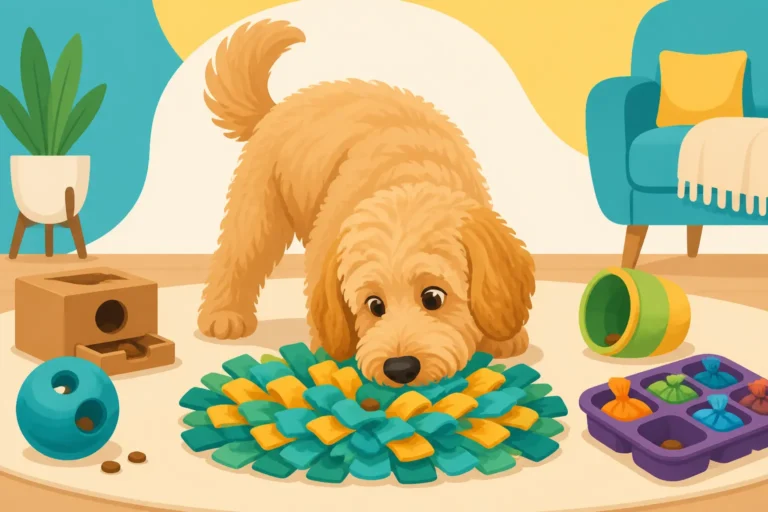
Integrating mental exercise into their daily routine is just as important as physical activity. This can involve puzzle toys bought from stores or online retailers like Amazon, scent games in the yard, trick training, or even just asking them to "sit" and "stay" before every meal. This "thinking work" tires them out in a different, often more profound, way than just running around. If you’re struggling to keep them engaged, consider Puzzle Toys That Occupy a Goldendoodle for an Hour to spark some ideas.
Inconsistent Routine
Dogs thrive on routine and predictability, and Goldendoodles are no exception. An inconsistent exercise schedule, where some days are packed with activity and others are spent lounging, can lead to frustration and unpredictable behavior. Your dog doesn't understand why today is different from yesterday; they just know they have pent-up energy.
Strive for a consistent daily schedule that includes both physical activity (like walks, fetch, or supervised play) and mental enrichment. This doesn't mean every day has to be an adventure marathon, but it means providing a predictable rhythm of activity and rest. A well-exercised and mentally stimulated Goldendoodle is a happy, calm Goldendoodle. Aim for at least 30-60 minutes of dedicated activity spread throughout the day, coupled with short training sessions and puzzle work. You can learn more about balancing their needs in Goldendoodle Exercise and Mental Work Every Day.
Neglecting Alone Time Training and Crate Acclimation
Goldendoodles are famous "Velcro dogs." They love their people and want to be right by their side, often following you from room to room. While this affectionate nature is one of their most charming traits, it can also lead to significant problems if they aren't taught how to be comfortable and confident when left alone. Many owners inadvertently foster dependence, leading to potential separation anxiety down the line.
Skipping Crate Training or Doing It Incorrectly
For many Goldendoodle owners, the crate is either viewed as a punishment or not used at all. This is a missed opportunity. When introduced correctly, a crate becomes a safe, comfortable den for your dog—a place where they can relax and feel secure when you can't supervise them. It's an invaluable tool for house-training, preventing destructive chewing, and most importantly, teaching your Goldendoodle to be content in their own space.
A common mistake is forcing a dog into a crate and leaving them to "cry it out," or only using it when you leave. This builds negative associations. Instead, make the crate a positive place with treats, toys, and meals. Start with short periods, gradually increasing the time, and ensure they have a comfortable bed. Never use it for punishment. A properly crate-trained Goldendoodle is much less likely to develop separation anxiety, as they learn that being alone in their den is a normal, non-threatening part of their day. You can read up on Crate Training a Velcro Goldendoodle for a more in-depth approach.
Not Building Up Alone Time Gradually
Because Goldendoodles are so people-oriented, it’s easy to spend every waking moment with your new puppy. However, if they never experience being alone, even for short periods, they can quickly develop an unhealthy dependence. When you eventually have to leave them, even for an hour, it can trigger intense anxiety.
From day one, incorporate short periods of alone time, even if you’re just in another room. Close the door while you shower, step outside for a few minutes, or confine them to a puppy-proofed area while you work. These small, successful stints of solitude build confidence. Avoid making a big fuss when you leave or return; keep it calm and low-key. The goal is to teach them that your departures and arrivals are normal and that you will always come back. This gradual desensitization is key to preventing full-blown separation anxiety. Understanding The Hours a Velcro Goldendoodle Can Manage Alone can help you set realistic expectations and training goals.
Here’s a quick overview of common mistakes and how to avoid them in your Goldendoodle's first year:
| Mistake Category | Common Pitfall | Impact on Dog & Owner | How to Avoid / Solution |
|---|---|---|---|
| Grooming Training | Neglecting early coat handling and brushing | Matting, painful grooming, costly professional services, skin issues | Daily line brushing, desensitization to tools (clippers, dryer), professional grooms every 6-8 weeks |
| Impulse Control | Allowing jumping, pulling, frantic greetings | Injuring people, nuisance barking, difficult walks, social limitations | "Four paws on the floor" training, leash manners, polite greetings, consistent boundaries |
| Exercise Needs | Only physical exercise, inconsistent routine | Boredom, destructive chewing, excessive barking, hyperactivity | Balance physical and mental stimulation, consistent daily schedule, puzzle toys, trick training |
| Alone Time Training | Skipping crate training, no alone time | Separation anxiety, destructive behavior, house-training setbacks | Positive crate training, gradual increase in alone time, calm departures/arrivals |
Remember, the first year with your Goldendoodle is a learning curve for both of you. Don't be afraid to seek professional help from a qualified trainer or behaviorist if you're struggling. Early intervention is always more effective and less stressful than trying to fix entrenched habits later on. Embrace the journey, and you'll build an incredible bond with your well-adjusted Goldendoodle.
Disclaimer
This article is for general informational purposes only and does not constitute professional advice. Laws, prices and regulations vary by location and change over time. Consult a qualified professional for guidance on your specific situation.