Teaching Leave It to a Goldendoodle
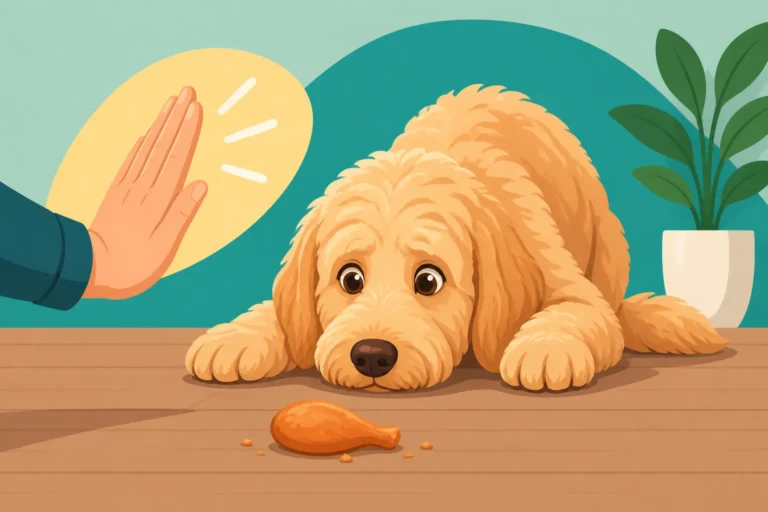
It’s a tale as old as time for Goldendoodle owners: you’re walking along, minding your own business, and suddenly your sweet, fluffy companion decides that discarded chicken bone or mystery wrapper on the sidewalk is the most fascinating, delicious thing they’ve ever seen. Or perhaps it’s an unsupervised sock, a dropped pill, or even something precious belonging to a child in your own home. The "Leave It" command isn't just a party trick; it's a critical safety skill that every Goldendoodle, from a tiny Toy to a towering Standard, absolutely needs to master. This guide will walk you through teaching your Goldendoodle to ignore temptations and keep them safe from harm.
Why "Leave It" is a Lifesaver for Your Goldendoodle
Goldendoodles are wonderful dogs, known for their intelligence, eagerness to please, and often, a healthy dose of curiosity and a strong retrieve drive inherited from their Golden Retriever lineage. While these traits make them fantastic companions, they can also mean a quick snatch-and-grab of something inappropriate before you even realize what’s happening. "Leave It" isn't about being mean or withholding treats; it's about protecting your dog from things that could make them sick, require an expensive emergency vet visit, or even be fatal.
Imagine walking through a park and coming across a patch of discarded picnic food, maybe some chicken bones that could splinter or chocolate that’s toxic to dogs. Or perhaps at home, a visitor accidentally drops a medication, or your toddler leaves their small, chewable toy on the floor. Without a solid "Leave It" command, you're constantly on high alert, trying to physically intervene, which can be stressful for both you and your dog. Teaching this command empowers your Goldendoodle to make good choices and look to you for guidance, rather than just reacting to every tempting smell or sight. It's a cornerstone of responsible pet ownership and peace of mind.
Protecting Your Goldendoodle from Temptation
Goldendoodles, especially puppies and adolescents, explore the world with their mouths. This natural canine behavior, combined with the breed's intelligence and opportunistic nature, means they're always on the lookout for interesting textures, smells, and potential snacks. The problem is, our human world is full of hazards that look perfectly appealing to a dog.
Think about the sheer number of things lying around that could pose a risk:
- Toxic Foods: Onions, garlic, grapes, raisins, chocolate, avocado pits, macadamia nuts – the list of human foods toxic to dogs is extensive. The Human Foods That Poison a Goldendoodle covers many of these. A dropped piece of food, even a small crumb, can be a major temptation.
- Medications: Accidental ingestion of human medications is a leading cause of pet poisoning. A dropped pill can look like a tiny treat.
- Small Objects: Coins, batteries, jewelry, small toys, sewing needles, rubber bands – these can all lead to blockages, internal injuries, or toxic exposure. A Goldendoodle puppy especially loves to mouth and swallow anything new.
- Outdoor Hazards: While on a walk, your Goldendoodle might encounter rat poison, discarded wrappers, broken glass, dead animals, or toxic plants. These are not just unpleasant; they can be life-threatening. Even seemingly innocent objects like acorns can cause stomach upset or blockages if eaten in large quantities.
Having a reliable "Leave It" means you can calmly prevent these scenarios from escalating. It's about giving your Goldendoodle the internal pause button they need to override their instincts and wait for your approval.
Building Impulse Control
Beyond immediate safety, training "Leave It" is a fantastic way to build overall impulse control in your Goldendoodle. Impulse control is the ability to resist an immediate urge for a greater reward or to behave appropriately in a stimulating environment. Goldendoodles, with their enthusiastic personalities, can sometimes struggle with impulse control, whether it's jumping on guests, pulling on the leash, or barking excitedly. Goldendoodle Impulse Control Exercises can certainly help with these broader behaviors.
"Leave It" teaches your dog to:
- Delay Gratification: Instead of grabbing something immediately, they learn that waiting and looking to you leads to an even better reward (like a high-value treat from your hand).
- Focus on You: In a distracting environment, "Leave It" demands their attention shifts from the tempting object back to you, the handler. This strengthens your bond and improves their responsiveness in general.
- Think Before Acting: It helps them develop a moment of self-restraint, a valuable skill that spills over into other areas of their training, like Sit Before Every Door With a Goldendoodle or waiting patiently for their food bowl.
By consistently practicing "Leave It," you're not just teaching a single command; you're building a foundation of self-regulation and focus that will make your Goldendoodle a more well-behaved and safer companion in all situations. This strong mental workout is just as important as their physical exercise, helping to tire out their clever Poodle brains. The Thinking Work That Actually Tires a Goldendoodle explains more about this.
The Step-by-Step Guide to Teaching "Leave It"
Teaching "Leave It" is a process that builds incrementally, starting in a quiet, low-distraction environment and gradually moving to more challenging scenarios. Remember, positive reinforcement is key with Goldendoodles; they want to please you and respond beautifully to rewards and praise. Positive Reinforcement and Why It Suits a Goldendoodle details why this approach is so effective for them.
Starting Indoors with Low Stakes
The beginning stages are about setting your Goldendoodle up for success. You want them to understand the concept without feeling overwhelmed or like they're being tricked.
- Choose Your Bait: Start with something your Goldendoodle likes but isn't their absolute favorite, and something that's safe for them if they do grab it. Think a low-value kibble, a less exciting treat, or even a piece of paper. Keep your high-value treats (like small pieces of cheese or cooked chicken) for your rewards.
- The "Hand Cover" Method:
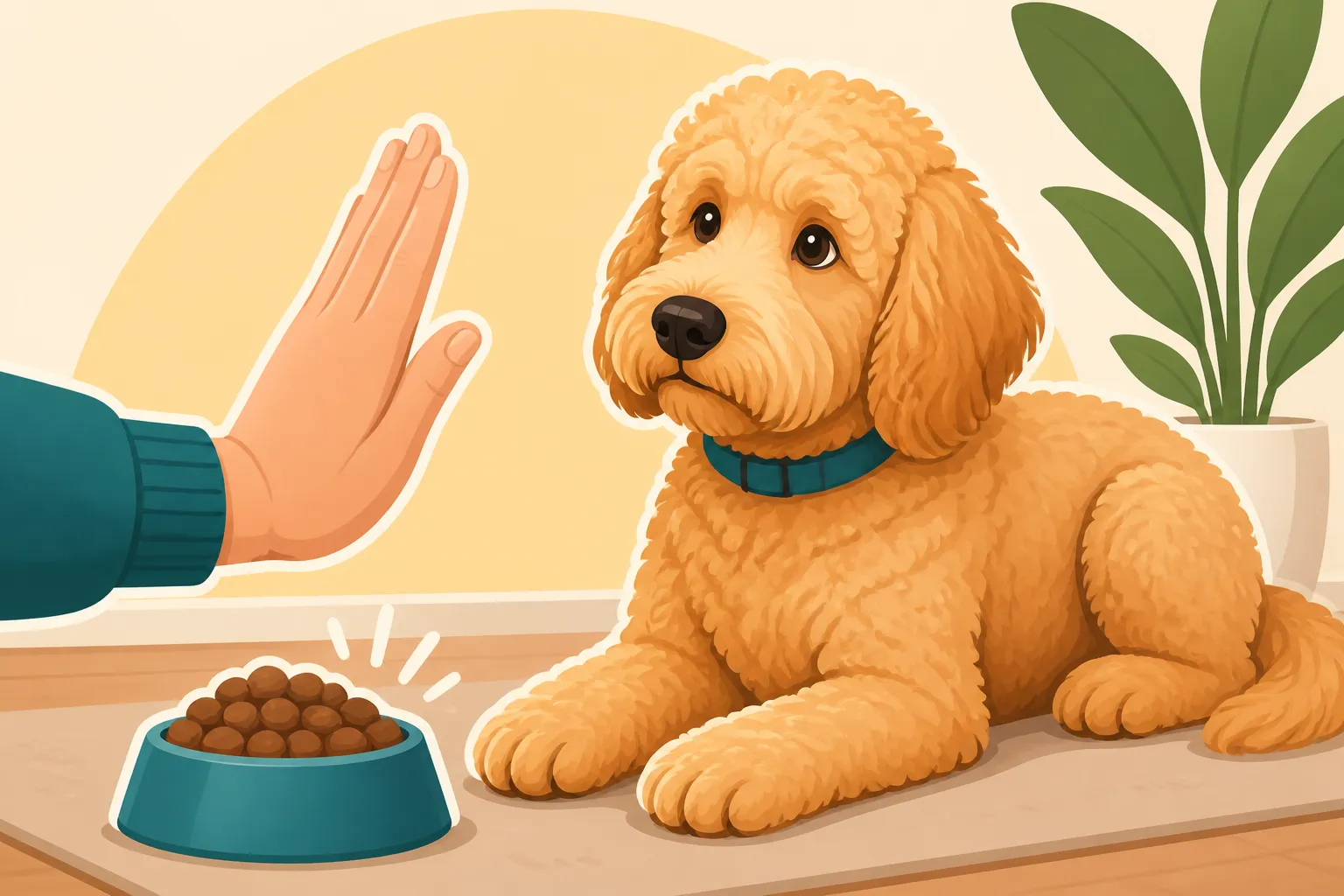
- Hold a treat in your closed fist. Present your fist to your Goldendoodle.
- They will likely sniff, lick, paw, or even mouth your hand to try and get the treat. Ignore these behaviors.
- The instant they pull their nose away from your hand, even for a split second, or look up at you, mark the behavior (with a verbal "Yes!" or a clicker) and immediately open your hand to give them a different, high-value treat from your other hand. This is crucial: they get a reward for leaving the first treat, not for getting it.
- Repeat this many, many times until they consistently look away from your closed fist and at you.
- Introducing the Verbal Cue:
- Once your Goldendoodle understands to look away from your hand, hold the treat in your open palm on the floor or in your hand.
- Say "Leave It" as you present the treat.
- If they go for it, quickly cover it with your hand. Wait for them to look away, then mark and reward with your high-value treat.
- If they immediately look at you after you say "Leave It," mark and reward before they even try to go for the bait.
- Practice in short, frequent bursts – five-minute sessions are perfect for Goldendoodles, especially puppies. Five Minute Goldendoodle Training Sessions emphasizes the benefit of this.
Your goal in this stage is for your Goldendoodle to associate "Leave It" with looking at you and getting a better reward, rather than the initial item.
Increasing Distraction and Difficulty
Once your Goldendoodle consistently "leaves" a low-value treat in your hand indoors, it’s time to gradually up the ante.
- On the Floor with a Foot Barrier:
- Place a low-value treat on the floor, and immediately cover it with your foot.
- Say "Leave It."
- Wait for your Goldendoodle to look away from the treat and up at you.
- Mark and reward with a high-value treat from your hand.
- Gradually remove your foot cover after they've demonstrated they'll leave it, but be ready to cover it again if they lunge. You want them to leave it even when it's fully visible on the floor.
- Varying the "Bait":
- Start using items that are slightly more appealing – a favorite piece of kibble, a less exciting chew toy, or a piece of crumpled paper they might normally grab.
- Always have a much higher-value reward ready to give them for successfully leaving the bait.
- Introduce more "dangerous" items that you would never let them have, like a dropped pill or a small piece of chocolate (making sure they can never actually get to it, even if they fail). The lesson is still "leave it," but the risk assessment is higher for you.
- Adding Movement and Distance:
- Place a treat on the floor, say "Leave It," and take a step back. Reward if they hold their position and ignore it.
- Try walking past the treat with your Goldendoodle on a leash. Say "Leave It" as you approach, and reward them for passing it by.
- Have the treat be further away, requiring them to resist the urge for a longer period.
Remember to keep training sessions positive and end on a successful note. If your Goldendoodle is struggling, go back a step and reinforce the basics.
Introducing the Real World
This is where the rubber meets the road! Applying "Leave It" in real-world situations is the ultimate test.
- In the Yard:
- Start by scattering some low-value treats in your fenced yard, then walk your Goldendoodle through the area on a leash.
- As you approach a treat, say "Leave It." Reward heavily when they ignore it.
- Gradually increase the value of the treats you scatter, and eventually, use real-world distractions like leaves, sticks, or even dropped garden tools (which you've ensured are safe or well out of reach if they fail).
- On Leash Walks:
- This is often the most challenging, as there are so many novel smells and items. Always keep your Goldendoodle on a leash when practicing outside. Goldendoodle Leash Manners by Size are essential here.
- Carry plenty of high-value treats and be constantly scanning ahead.
- When you spot something tempting (a discarded food wrapper, a piece of trash), get your Goldendoodle's attention before they zero in on it. Say "Leave It."
- If they look at you and ignore the item, mark and reward generously.
- If they go for it, calmly block them with your body or leash, and redirect their attention. Don't let them "get" the item.
- Pro Tip: For particularly high-value outdoor items, sometimes a swift "Look at me!" command followed by rewarding eye contact can be an effective precursor to "Leave It," giving you that crucial moment of attention.
Consistency is paramount. Every time your Goldendoodle successfully "leaves" something, you reinforce the behavior. Every time they grab something, they reinforce the wrong behavior. You might find a structured online program helpful for consistently working through these stages, and brands like BAXTER & Bella offer comprehensive online puppy training that includes commands like "Leave It" with detailed video guides. Having access to ongoing support and troubleshooting is a huge benefit.
Common Pitfalls and Troubleshooting Goldendoodle "Leave It" Training
Even with the smartest Goldendoodle, training isn't always a straight line. There will be moments of frustration, especially when dealing with such a high-stakes command. It's vital to stay patient and understand the common reasons why "Leave It" might not be sticking.
When Your Goldendoodle "Fails" the Test
It's inevitable: your Goldendoodle will, at some point, ignore your "Leave It" command and snatch that tempting morsel. How you react in these moments is crucial.
- Don't Chase or Wrestle: If your Goldendoodle grabs something, chasing them or trying to pry their mouth open can turn it into a fun game for them, or worse, teach them to resource guard what they've found. This can be particularly problematic if it's something truly dangerous. Instead, try to trade. Offer an even higher-value treat from your hand. Most Goldendoodles will drop the undesirable item for something better. If they don't, calmly put yourself between them and the item, wait for them to eventually let go, then instantly reward that.
- Re-evaluate Your Rewards: Is your reward truly higher value than the "bait"? If you're asking your Goldendoodle to leave a piece of dropped steak for a dry kibble, you're setting them up for failure. Training Treats Sized for a Mini Goldendoodle or any size Goldendoodle should be small, soft, and utterly irresistible. Don't be afraid to use tiny pieces of hot dog, cheese, or cooked chicken.
- Manage the Environment: While you're training, avoid putting your Goldendoodle in situations where they are highly likely to fail. This means supervising them closely, especially in the house, and keeping tempting items out of reach. Use baby gates or a crate if you can't actively supervise. When outside, scan ahead and avoid areas with known hazards.
- Go Back a Step: If your Goldendoodle is consistently failing, it means the training is moving too fast or the distractions are too high. Go back to a level where they were succeeding regularly. Reinforce the basics until they're solid again. Maybe you need to go back to the covered hand, or just using your foot to cover the treat.
- Increase Repetitions: Goldendoodles are smart, but like all dogs, they need consistent practice. Short, frequent training sessions daily are far more effective than one long, infrequent one. Think of it like teaching a child a new language – consistent exposure makes it stick.
Making "Leave It" Stick for Life
"Leave It" isn't a command you teach once and then forget. It needs ongoing reinforcement and generalization throughout your Goldendoodle's life.
- Generalize the Command:
- Practice "Leave It" in many different locations: various rooms in your house, different parts of your yard, on walks in familiar areas, then new areas.
- Practice with different types of "bait": food, toys, non-food items, items that move, items that smell really interesting. The more varied the practice, the stronger the command becomes in all contexts.
- Phase Out Visual Cues: Early on, you might be pointing, covering, or moving your body to help your Goldendoodle understand. As they progress, aim for them to respond purely to the verbal "Leave It" cue.
- Keep it Positive and Rewarding: Always make "Leave It" a positive experience. When they perform it correctly, praise enthusiastically and give them that awesome reward. Never use punishment if they make a mistake; simply redirect and try again at a simpler level.
- Practice with Real-Life Scenarios: If you have children, involve them in the training (under supervision, of course) so your Goldendoodle learns to leave their toys alone. If you drop something in the kitchen, use it as a mini-training opportunity. This is where the command becomes truly functional. If you find your Goldendoodle counter surfing, "Leave It" can be a game-changer there too. A Standard Goldendoodle Tall Enough to Reach the Counter highlights how common this can be.
- Be Prepared: Always carry high-value treats on walks, even after your Goldendoodle seems to have mastered "Leave It." You never know what unexpected temptation might appear, and being ready to reward a correct response is invaluable. An occasional surprise jackpot reward (a super-duper amazing treat) for an excellent "Leave It" can help keep the motivation high.
By integrating "Leave It" into your daily routine and continuously reinforcing it, you're building a reliable safety net for your Goldendoodle. This command, more than many others, truly demonstrates the incredible partnership you can build with your intelligent and eager-to-please companion.
| Training Stage | Environment | Bait Type | Your Action (Initial) | Dog's Goal | Reward Type |
|---|---|---|---|---|---|
| Foundation | Quiet Indoors | Low-value treat | Fist covers treat | Looks away from hand/at you | High-value from other hand |
| Verbal Cue Added | Quiet Indoors | Low-value treat | Say "Leave It", fist covers | Looks away from hand/at you | High-value from other hand |
| Floor Introduction | Quiet Indoors | Low-value treat | Foot covers treat on floor | Looks away from treat/at you | High-value from hand |
| Increased Value | Quiet Indoors | Med-value treat, toy | Say "Leave It", ready to cover | Ignores item, looks at you | High-value from hand |
| Added Movement | Indoors, Leashed | Med-value treat | Walk past, say "Leave It" | Passes item, focuses on you | High-value from hand |
| Yard Practice | Fenced Yard, Leashed | Various items | Say "Leave It" before approach | Ignores item, continues walking with you | High-value from hand |
| Public Walks | Busy Outdoor Areas | Real-world hazards | Anticipate, say "Leave It" | Ignores hazard, checks in with you | High-value from hand |
Disclaimer
This article is for general informational purposes only and does not constitute professional advice. Laws, prices and regulations vary by location and change over time. Consult a qualified professional for guidance on your specific situation.