Feeding a Toy Goldendoodle Small Meals
Bringing home a Toy Goldendoodle puppy is absolutely thrilling, but the tiny size often comes with big questions, especially when it comes to feeding. Many new owners worry about how much to give their little fluffball, or why their pup seems to graze rather than gobble down a full meal. It’s a common frustration, especially if you're used to larger breeds with more robust appetites. This guide is here to walk you through the nuances of feeding your pint-sized companion, focusing on why small, frequent meals are often the secret to a happy, healthy Toy Goldendoodle.
Why Toy Goldendoodles Thrive on Small, Frequent Meals
It’s easy to look at a full bag of kibble and assume one or two big meals a day is standard, but for a Toy Goldendoodle, that approach can actually be detrimental. Their physiology is quite different from their larger cousins, and understanding these differences is key to their well-being.
Understanding Their Metabolism and Tiny Stomachs
Imagine trying to fill a thimble versus a bucket. That’s a bit like the difference between a Toy Goldendoodle’s stomach and that of a Standard Goldendoodle. Their digestive systems are miniature, meaning they can only comfortably hold a small amount of food at any given time. Trying to cram too much in at once can lead to an upset stomach, discomfort, or even regurgitation.
Beyond just the physical capacity, these smaller dogs also have a faster metabolism. They burn through calories at a quicker rate, which means they need a more constant supply of energy to maintain their blood sugar levels and overall vitality. Think of them like a tiny, high-performance engine that needs frequent, small top-ups rather than one massive fill-up. This quick burn rate makes consistent nutrient intake crucial.
Preventing Hypoglycemia in Small Pups
One of the most critical reasons for feeding small, frequent meals to Toy Goldendoodles, especially when they are puppies, is to prevent hypoglycemia, or low blood sugar. This is a very real and scary concern for toy breeds because their small bodies don’t have large reserves of stored glucose. If they go too long without eating, their blood sugar can plummet quickly, leading to lethargy, weakness, disorientation, trembling, and in severe cases, seizures or even coma.
This isn’t just a puppy problem, though it's most common and dangerous then. Even adult Toy Goldendoodles can be susceptible if they're particularly active, stressed, or if their meals are too far apart. Regular, small meals help to keep their blood sugar stable, providing a steady stream of fuel to their brain and muscles. It’s like a continuous drip, drip, drip of energy rather than a sudden surge and then a long, worrying drought. Keeping them well-fed and on a consistent schedule is your best defense against this silent threat. You want to make sure your Goldendoodle Puppies Sold With a Health Guarantee come with good feeding advice.
Managing Picky Eaters and Encouraging Intake
Let's be honest, some Toy Goldendoodles can be notoriously picky eaters. Their small size doesn't necessarily mean a small personality, and some of them definitely have strong opinions about their food! Offering large portions that sit untouched can be disheartening for you and unappetizing for them. Small, fresh meals, however, can make food seem more appealing and less overwhelming.
When you present a fresh, smaller portion, it often stimulates their appetite more effectively. It’s easier for them to finish, giving them a sense of accomplishment, and it ensures they’re getting vital nutrients throughout the day. If you find your Goldendoodle turning their nose up at a big bowl, try dividing that same daily amount into three or four smaller servings. You might be surprised how much more enthusiastically they eat when faced with a manageable portion. It also allows you to tempt them with slightly different options or toppers if needed, knowing they'll get another meal soon.
Digestive Comfort and Avoiding Bloat (Even for Small Dogs)
While Gastric Dilatation and Volvulus (GDV), commonly known as bloat, is primarily a risk for deep-chested, large breed dogs like Standard Poodles or Golden Retrievers, it’s still wise to consider digestive comfort for all dogs. Even without the full bloat risk, a Toy Goldendoodle’s small stomach can become uncomfortable if overfilled. This can lead to gas, indigestion, or general discomfort after eating.
Smaller meals are simply easier for their tiny digestive systems to process. They prevent the stomach from stretching excessively and allow for more efficient digestion and nutrient absorption. This means less chance of an upset tummy, less gas, and a generally happier, more comfortable pup. By feeding frequently, you're also ensuring that their digestive system is consistently working, rather than having long periods of inactivity followed by a sudden, heavy workload.
Crafting a Feeding Schedule for Your Toy Goldendoodle
Building a consistent feeding schedule is one of the kindest things you can do for your Toy Goldendoodle. It provides predictability, helps regulate their metabolism, and gives you peace of mind that their nutritional needs are being met throughout the day.
Puppyhood: The Critical First Few Months
When your Toy Goldendoodle is a tiny puppy, especially under six months old, frequent feeding is absolutely non-negotiable. Their energy demands are incredibly high, and as we discussed, their risk of hypoglycemia is significant. Most breeders and vets recommend feeding Toy Goldendoodle puppies three to four times a day, sometimes even five, especially if they are particularly small or active.
For example, a schedule might look something like this: breakfast around 7 AM, a mid-morning meal at 11 AM, lunch at 3 PM, and dinner around 7 PM. This keeps their little systems topped up. As they grow, you might gradually reduce the frequency. Always keep a close eye on their energy levels and appetite. If they seem sluggish or ravenous before their next meal, it might be a sign they need an extra small snack or that their portions need a slight adjustment. Remember, their growth plates are still forming, so proper nutrition during this time is paramount. You can learn more about Goldendoodle Growth Plates by Size Category for optimal development.
Adult Toy Goldendoodles: Finding the Right Rhythm
Once your Toy Goldendoodle reaches adulthood (typically around 10-12 months for toy breeds, though it can vary), you can usually transition them to fewer meals, but "fewer" still means more than most large dogs get. Two larger meals a day might work for some, but many Toy Goldendoodles still benefit greatly from three smaller meals. This continues to support their metabolism and helps avoid those hungry spells that can lead to anxious behaviors or unhealthy scavenging.
A common adult schedule for a Toy Goldendoodle might involve breakfast, a mid-day meal (or a substantial training snack), and dinner. If you work from home or have family members who can help, the three-meal schedule is often ideal. If you're out of the house for long stretches, a robust breakfast, a carefully measured lunch via an automatic feeder, and a good dinner can also work. The key is consistency and ensuring their Daily Calories for a Mini Goldendoodle are spread out, not just concentrated in two big dumps.
Senior Toy Goldendoodles: Supporting Changing Needs
As your Goldendoodle enters their senior years, usually around age 9 or 10, their feeding needs might shift again. You may notice their appetite isn't what it once was, or perhaps they have dental issues that make eating harder. Many senior dogs benefit from a return to more frequent, smaller meals, just like when they were puppies. This can aid digestion, prevent an over-full feeling, and ensure they get adequate nutrition even if they can't eat as much at one sitting.
Softening kibble with warm water or bone broth, or switching to a wet food, can also make mealtime more comfortable for older dogs with sensitive teeth. Keep an eye on their weight and body condition; it’s easy for senior dogs to lose muscle mass, which can be hidden by their fluffy coat. Regular vet check-ups will help you adjust their diet as needed. For more insights on this life stage, check out Senior Goldendoodle Care After the Age of Nine.
The Role of Treats and Training Snacks
Treats are often an indispensable part of life with a Goldendoodle, especially for training. For a Toy Goldendoodle, however, treats contribute significantly to their daily calorie intake simply because their total caloric needs are so low. This means you need to be mindful and choose wisely.
When training, opt for small, low-calorie training treats. You can even break larger treats into tiny pieces. Remember that even the smallest treat from a brand like Chewy adds up. Consider using some of their daily kibble ration as "training treats" throughout the day to avoid overfeeding. This keeps them motivated without adding excess calories that could lead to Goldendoodle Hypothyroidism and Weight Gain. Always factor in treats when calculating their total daily food intake to maintain a healthy weight.
Choosing the Right Food and Portions for Tiny Tummies
Selecting the appropriate food and accurately measuring portions is paramount for the health of your Toy Goldendoodle. Their small size makes them particularly sensitive to both nutritional deficiencies and overfeeding.
Picking a High-Quality Small Breed Formula
The market is flooded with dog foods, and it can be overwhelming to choose. For a Toy Goldendoodle, a high-quality small breed formula is often the best choice. These kibbles are specifically designed with smaller kibble pieces, making them easier for tiny mouths to chew and digest. More importantly, they are usually formulated with a higher caloric density and nutrient profile tailored to the faster metabolisms of smaller dogs.
Look for a food that lists a high-quality animal protein (like chicken, lamb, or fish) as the first ingredient. Avoid fillers, excessive artificial colors, and flavors. Some owners also opt for grain-inclusive formulas unless a vet advises otherwise, as grain-free diets have been linked to potential heart issues in some dogs. Always check the nutritional adequacy statement on the bag, ensuring it meets AAFCO (Association of American Feed Control Officials) standards for all life stages or for growth/maintenance, depending on your dog's age. Popular brands often carried by retailers like Amazon or Chewy typically provide good options in this category.
Measuring Portions Accurately
This is where precision really counts. A difference of even a quarter cup of kibble can be a significant percentage of a Toy Goldendoodle’s daily intake. Overfeeding can quickly lead to weight gain, putting unnecessary strain on their tiny joints and organs. Underfeeding, especially in puppies, can hinder growth and lead to health issues.
Always use a standard measuring cup or, even better, a kitchen scale to weigh out their food. The feeding guidelines on dog food bags are just a starting point; they often provide a range, and your dog's individual metabolism, activity level, and age will dictate the exact amount. Divide this total daily amount by the number of small meals you plan to feed. For instance, if your dog needs 1 cup total a day and you feed four times, each meal is 1/4 cup. It might seem tedious, but accurate measurement is a cornerstone of responsible pet ownership for a small dog. For a good estimate of a larger size Goldendoodle, you can refer to Feeding a Twenty-Five Pound Goldendoodle for a Month, but remember to adjust proportionally for your toy size.
Hydration and Water Bowl Choices
Just like us, dogs need plenty of fresh water, and this is no different for a Toy Goldendoodle. Proper hydration supports every bodily function, from digestion to temperature regulation. Always have clean, fresh water available.
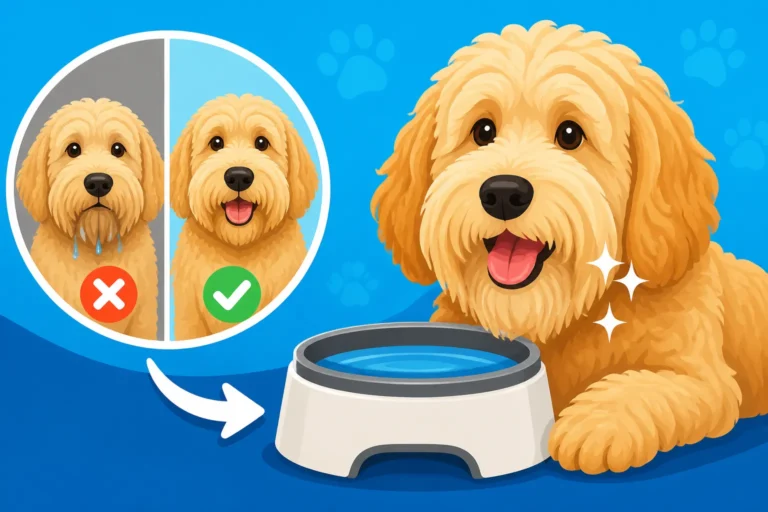
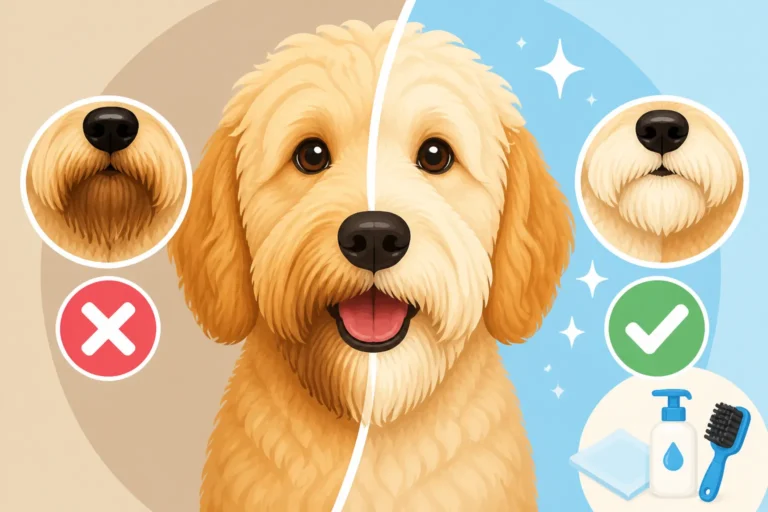
For Goldendoodles, especially those with fluffy faces and beards, the water bowl can sometimes become a messy affair. A perpetually wet beard isn't just unsightly; it can also be a breeding ground for bacteria or yeast, leading to skin irritation. Consider using specialized Water Bowls That Keep a Goldendoodle Beard Dry. These often have a floating disk or a narrower opening that allows them to drink without plunging their entire snout into the water. Ceramic or stainless steel bowls are generally preferred as they are easy to clean and less likely to harbor bacteria than plastic.
Considering Fresh Food Options
In recent years, fresh food diets have gained popularity, and for some Toy Goldendoodles, they can be a fantastic option. Brands like Ollie offer pre-portioned, human-grade meals that are often highly palatable, which can be a huge bonus for picky eaters. These diets typically have higher moisture content, which is great for hydration and digestion.
However, fresh food diets can be more expensive and require careful handling and storage. If you're considering a homemade diet, it is absolutely essential to consult with a veterinary nutritionist to ensure it's completely balanced and meets all your Goldendoodle's nutritional requirements. Without expert guidance, homemade diets can easily be deficient in vital vitamins and minerals, leading to long-term health problems. A well-balanced diet is critical for avoiding issues like Goldendoodle Vomiting and When It Matters.
Practical Tips for Mealtime Success with Your Toy Goldendoodle
Feeding your Toy Goldendoodle isn't just about what you feed, but also how and when. Creating a positive and predictable mealtime experience can significantly impact their overall health and happiness.
Establishing a Routine and Feeding Station
Dogs, especially Goldendoodles who love routine, thrive on predictability. Establishing a consistent feeding routine – same times, same place – can reduce anxiety and help regulate their digestive system. Choose a quiet, low-traffic area for their feeding station, away from too much commotion or other pets who might try to steal their food.
Using the same bowls each time and ensuring the area is clean reinforces that this is their special place for meals. If you have children or other pets, teach them to respect your Goldendoodle’s mealtime, allowing them to eat undisturbed. This consistency makes mealtime a positive, stress-free experience, encouraging them to eat well.
Addressing Fast Eaters and Food Aggression (Even in Small Dogs)
Even tiny Goldendoodles can be fast eaters, sometimes inhaling their food in seconds. While less common for toy breeds to show overt food aggression, it can happen if they feel their resources are threatened. For fast eaters, a slow-feeder bowl or a puzzle feeder (easily found on Amazon) can be incredibly beneficial. These bowls have various ridges or compartments that make them work to get their kibble, slowing down their intake significantly.
Slowing down their eating has several benefits: it reduces the chance of indigestion, helps them feel fuller, and turns mealtime into a mental enrichment activity. If you notice any guarding behavior around food, such as growling or snapping when approached while eating, consult with a professional dog trainer. This behavior, regardless of size, should be addressed promptly and gently. Incorporating puzzle feeders can also be a great way to offer Puzzle Toys That Occupy a Goldendoodle for an Hour, making mealtime last longer and engage their brains.
Travel and Schedule Changes
Life happens, and sometimes routines get disrupted. Whether you're traveling, have guests, or just have an unusually busy day, try your best to maintain your Goldendoodle’s feeding schedule. Pack pre-measured portions of their regular food for trips, and bring their familiar bowls.
If you absolutely cannot stick to the exact times, try to keep the intervals between meals as consistent as possible. For instance, if breakfast is delayed, adjust the subsequent meals accordingly rather than skipping one. A sudden change or skipped meal can cause digestive upset or, more critically for a Toy Goldendoodle, a dip in blood sugar. Preparation is key to minimizing stress for both you and your little companion.
Recognizing When to Adjust the Plan
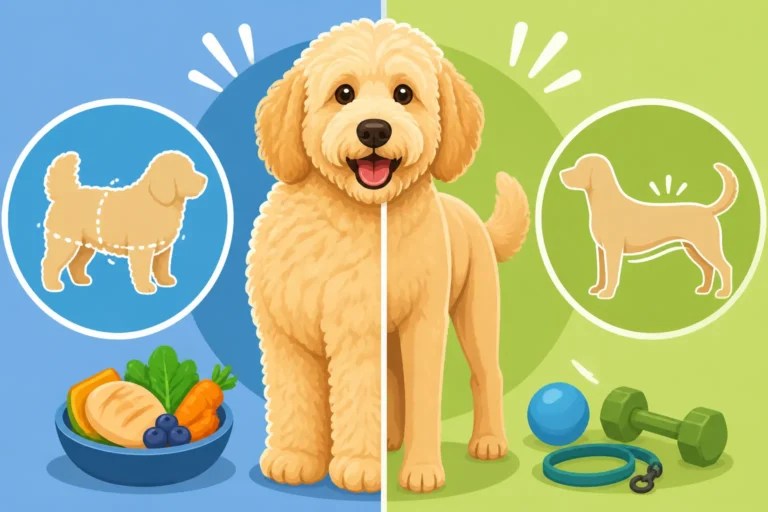
Your Toy Goldendoodle's needs aren't static; they will change throughout their life. Pay close attention to their body condition (you should be able to feel their ribs easily without seeing them), energy levels, coat quality, and stool consistency. These are all vital indicators of whether their current diet and feeding schedule are working.
If you notice weight gain, excessive hunger, lethargy, dull coat, or persistent digestive issues, it's time to re-evaluate. This might mean adjusting portion sizes, trying a different food formula, or increasing/decreasing meal frequency. Always consult your veterinarian before making significant dietary changes, especially if health issues are suspected. They can provide personalized advice and rule out underlying conditions. Additionally, always remember to keep a vigilant eye on What a Goldendoodle Should Never Eat to prevent accidental poisonings or health setbacks.
Disclaimer
This article is for general informational purposes only and does not constitute professional advice. Laws, prices and regulations vary by location and change over time. Consult a qualified professional for guidance on your specific situation.